Artwork
Portrait of Countess Natalya Andreevna Matveeva as a Child
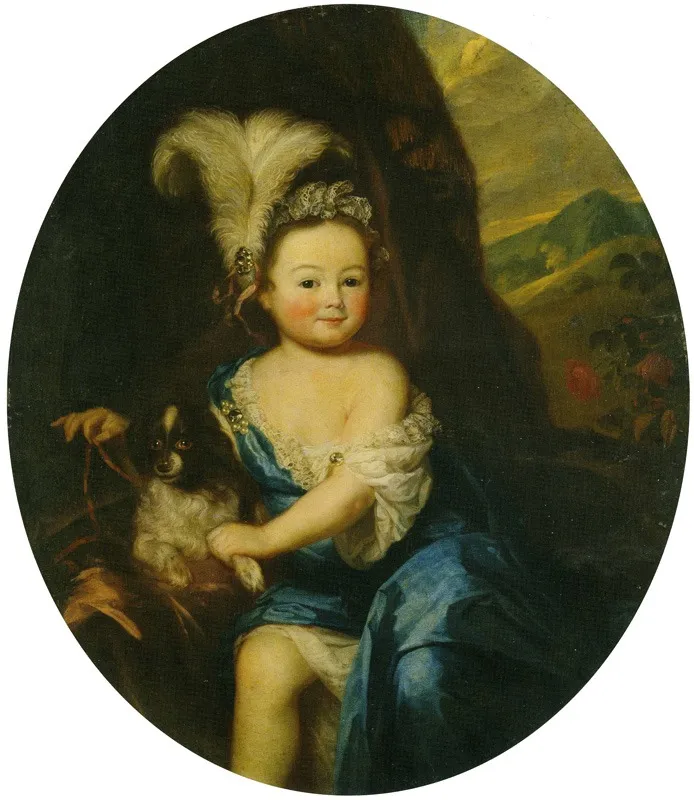
Portrait of Countess Natalya Andreevna Matveeva as a Child is an oil painting by the Dutch Golden Age artist Godfried Schalcken. It dates from 1702 and is held in the collection of the Hermitage Museum.
About this work
Subject & Meaning
The work thus functions both as a likeness of the young countess and as a symbolic image of innocence paired with loyal companionship.
The painting portrays Countess Natalya Andreevna Matveeva during childhood, a subject choice that situates the work within the tradition of aristocratic child portraiture common in early eighteenth-century European court culture. The composition includes a dog alongside the young sitter, a pairing rooted in longstanding iconographic conventions in which canines signified fidelity, loyalty, and protection. By placing the child with such an animal, the portrait conveys wishes for the girl's steadfastness and the guarding of her family lineage, while also reflecting the affectionate, domestic register typical of portraits of noble children.
The work thus functions both as a likeness of the young countess and as a symbolic image of innocence paired with loyal companionship.
The depiction of a child alongside a dog also carries connotations of innocence and trust, reinforcing the tender portrayal of the young countess's character and her place within the aristocratic household.
Technique & Style
Executed in 1702, this portrait by Godfried Schalcken is an oil painting on an unspecified support. The work measures 82 cm in height and 70.5 cm in width. Stylistically, the composition focuses on the depiction of a child accompanied by a dog, adhering to the conventions of portraiture.
The application of oil paint allows for the detailed rendering of the young countess and her animal companion.
Context
Godfried Schalcken painted Portrait of Countess Natalya Andreevna Matveeva as a Child in 1702, depicting a young noblewoman with a dog, reflecting Dutch Golden Age portraiture's focus on aristocratic youth. The work is housed in the Hermitage Museum, anchoring Schalcken's reputation within Russian imperial collections and Dutch portrait tradition.
Scholarship highlights the painting's technical precision in rendering fabric and skin, situating Schalcken within the broader context of 18th-century Dutch genre painters who influenced later artists like Gainsborough. Its inclusion in the Hermitage underscores the transnational exchange of portraiture between Dutch and Russian elite circles.
Overview
Created in 1702, this oil portrait by Dutch artist Godfried Schalcken captures a young noblewoman seated with a small spaniel. The child is dressed in a blue gown trimmed with lace, her hair adorned with a feathered headdress, and she gazes with a composed, solemn expression. The composition is set against a dark, muted backdrop that emphasizes the figure’s attire and the animal’s texture.
History & Provenance
The portrait entered the State Hermitage Museum’s collection, where it remains on public display. Its acquisition reflects the museum’s broader effort to represent the Dutch Golden Age alongside Russian portraiture, linking the artist’s Dutch origins with the Russian aristocratic subject depicted in the early 1700s.
Artist & collection
Artist
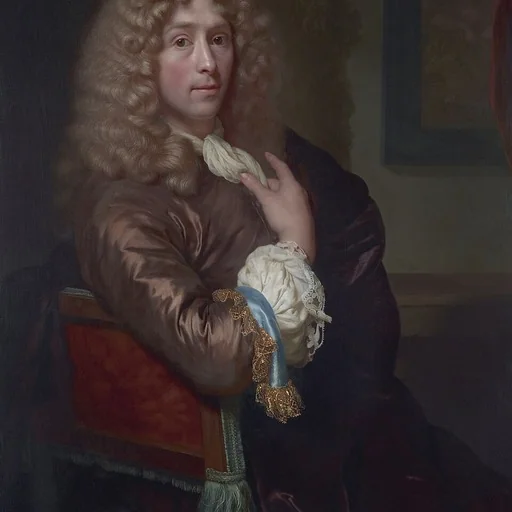
Godfried Schalcken (8 October 1643 – 16 November 1706) was a Dutch artist who specialized in genre paintings and portraits.

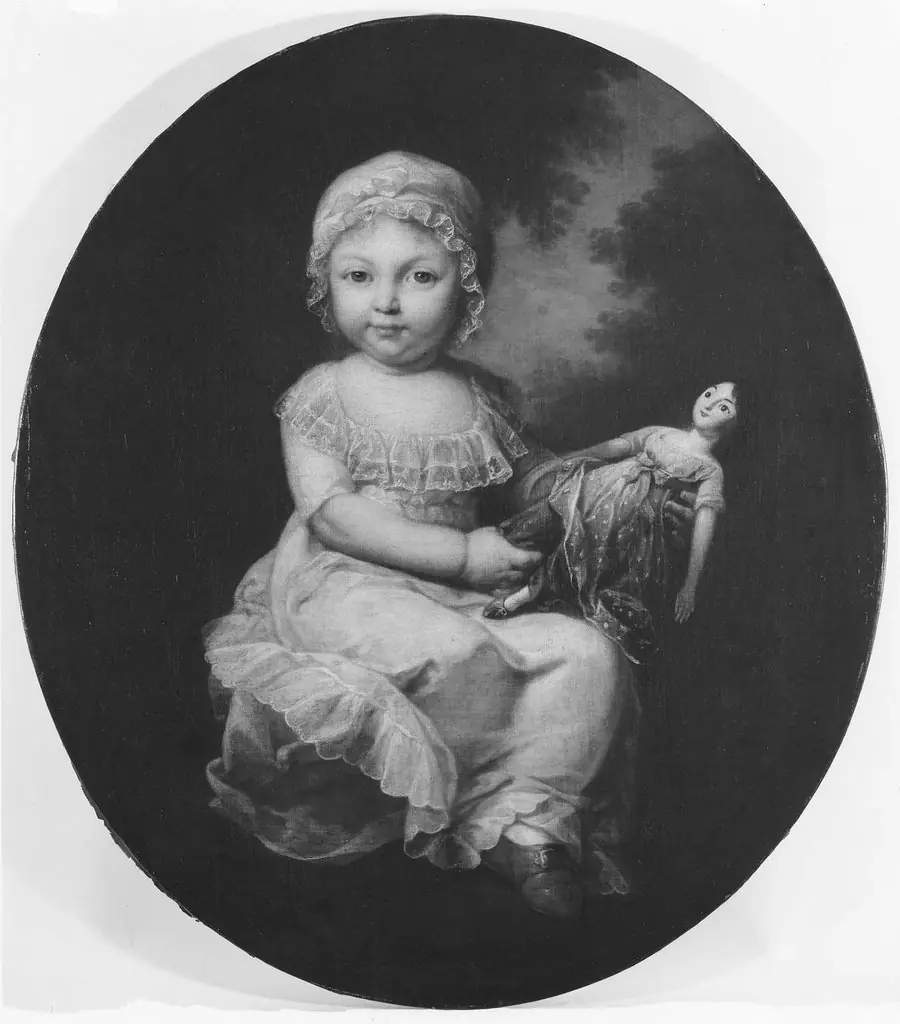 Portrait of a Child Holding a Doll
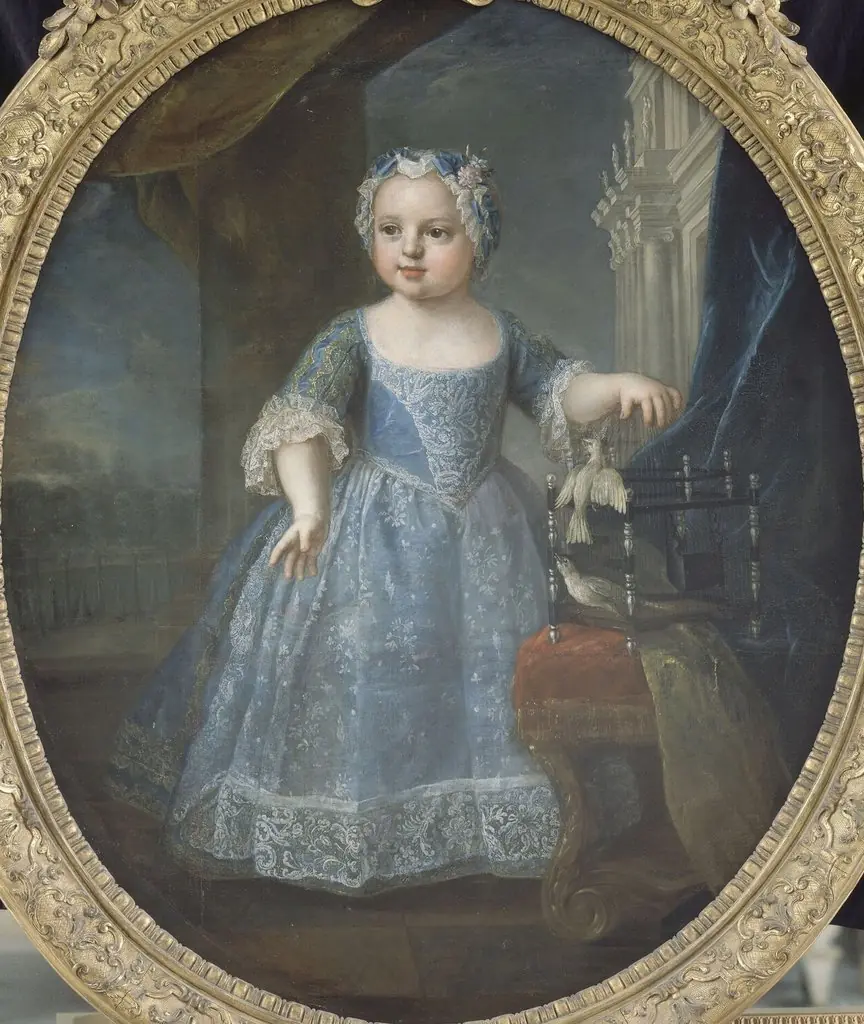 Marie-Louise de France (1728-1733), dite Madame Louise / Madame Troisième
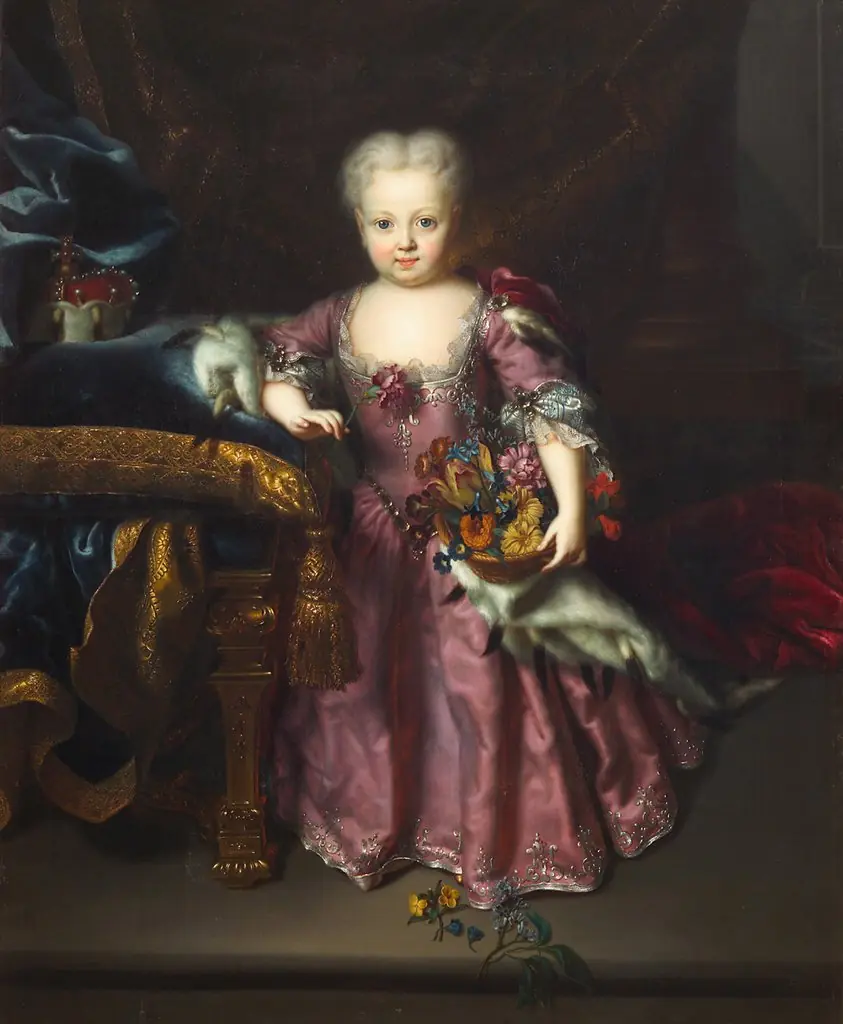 Erzherzogin Maria Amalie (1724-1730) im Alter von drei Jahren
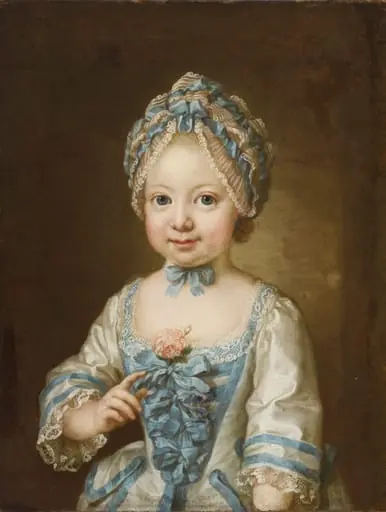 Hedvig Ulrika Hedengran
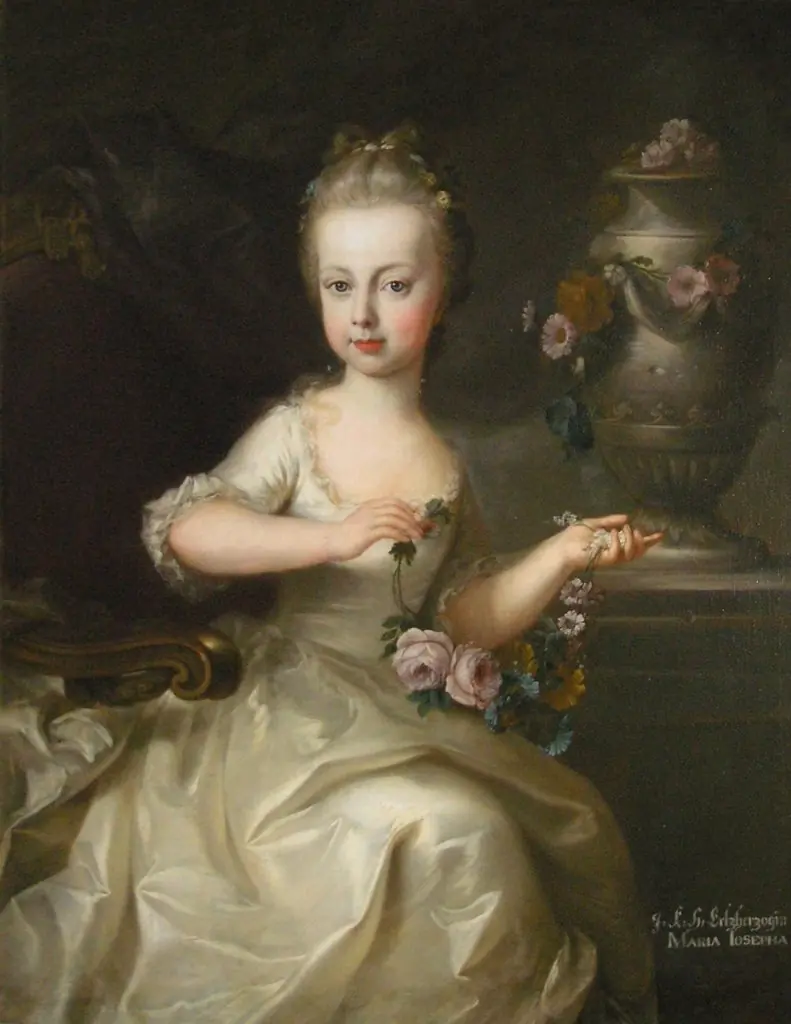 I.K.H. Erzherzogin Maria Iosepha
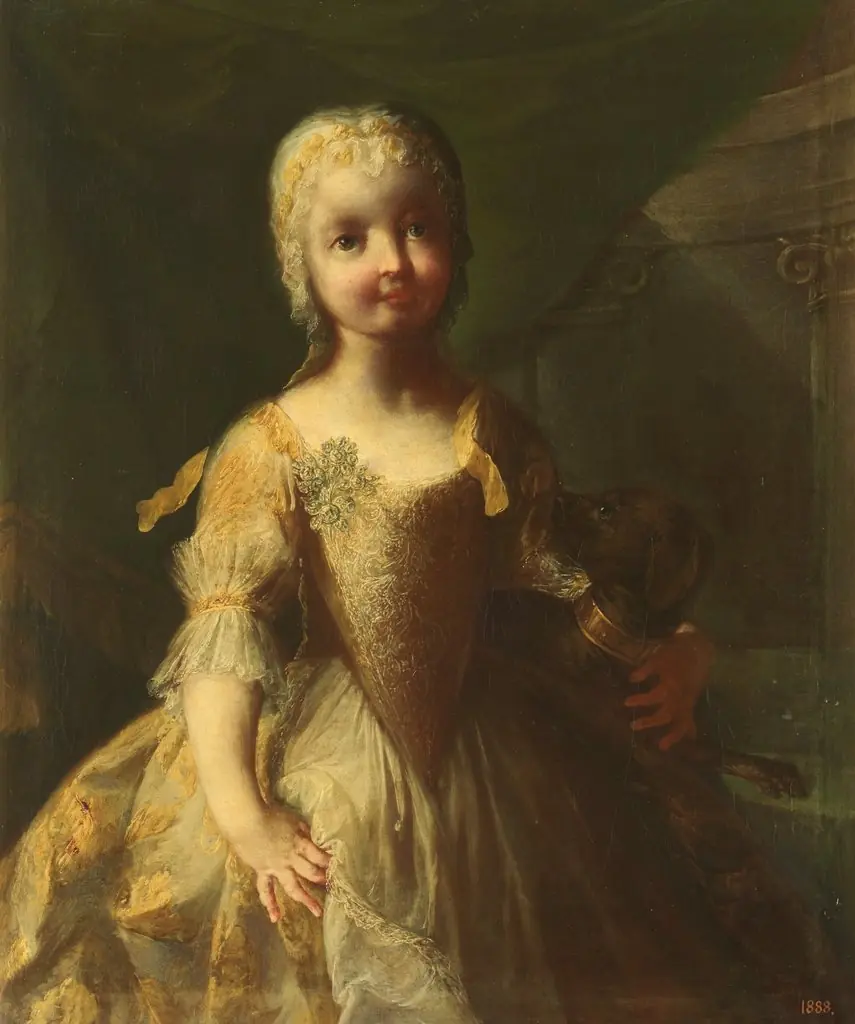 María Isabel of Bourbon and Saxony, Infanta of Naples and Spain
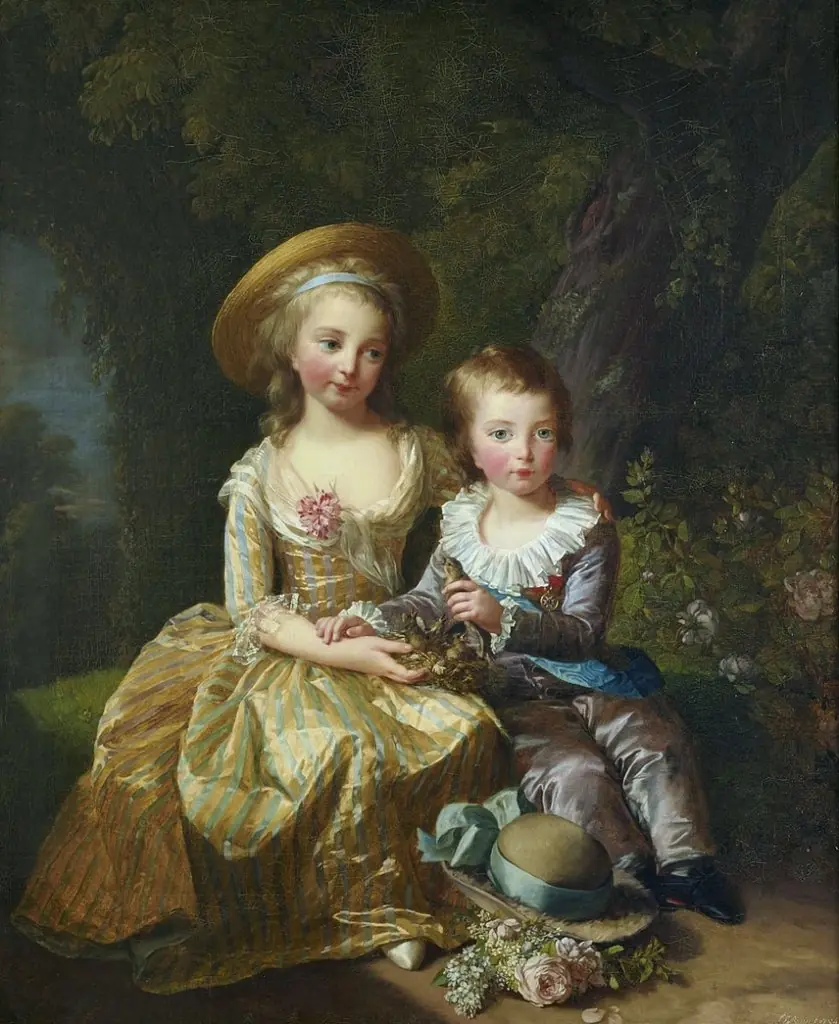 Portrait of Madame Royale and Louis Joseph, Dauphin of France
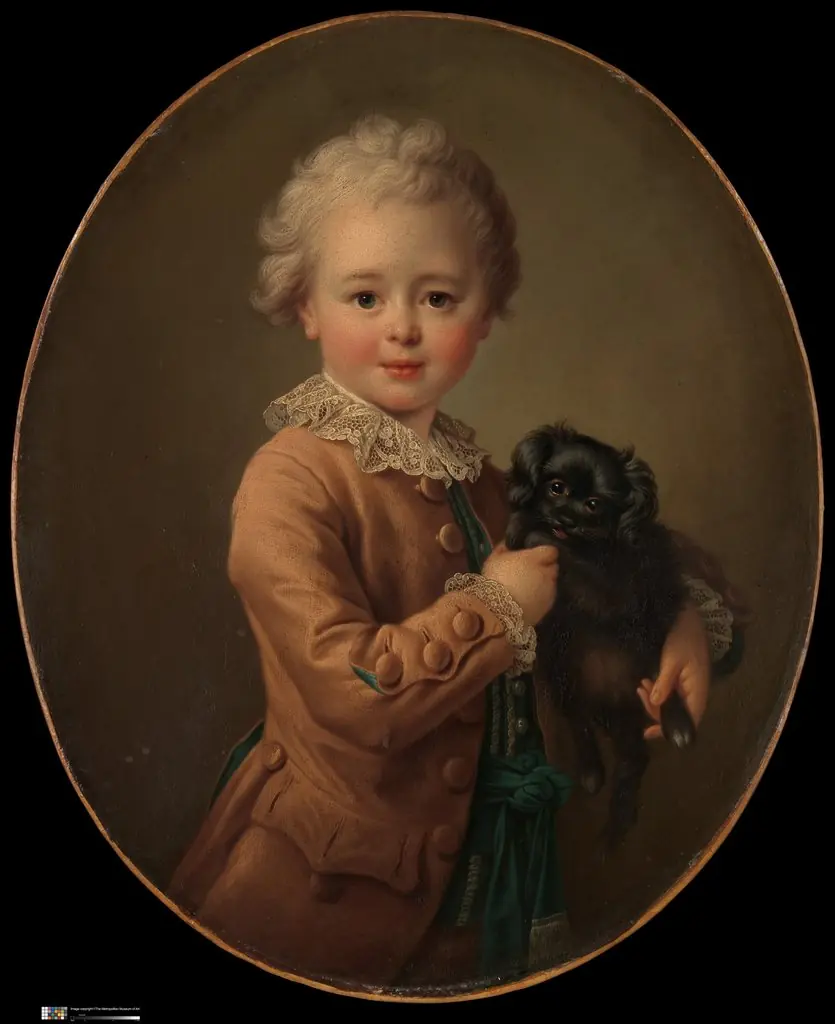 Boy with a Black Spaniel