Artwork
Portrait of Madame Royale and Louis Joseph, Dauphin of France
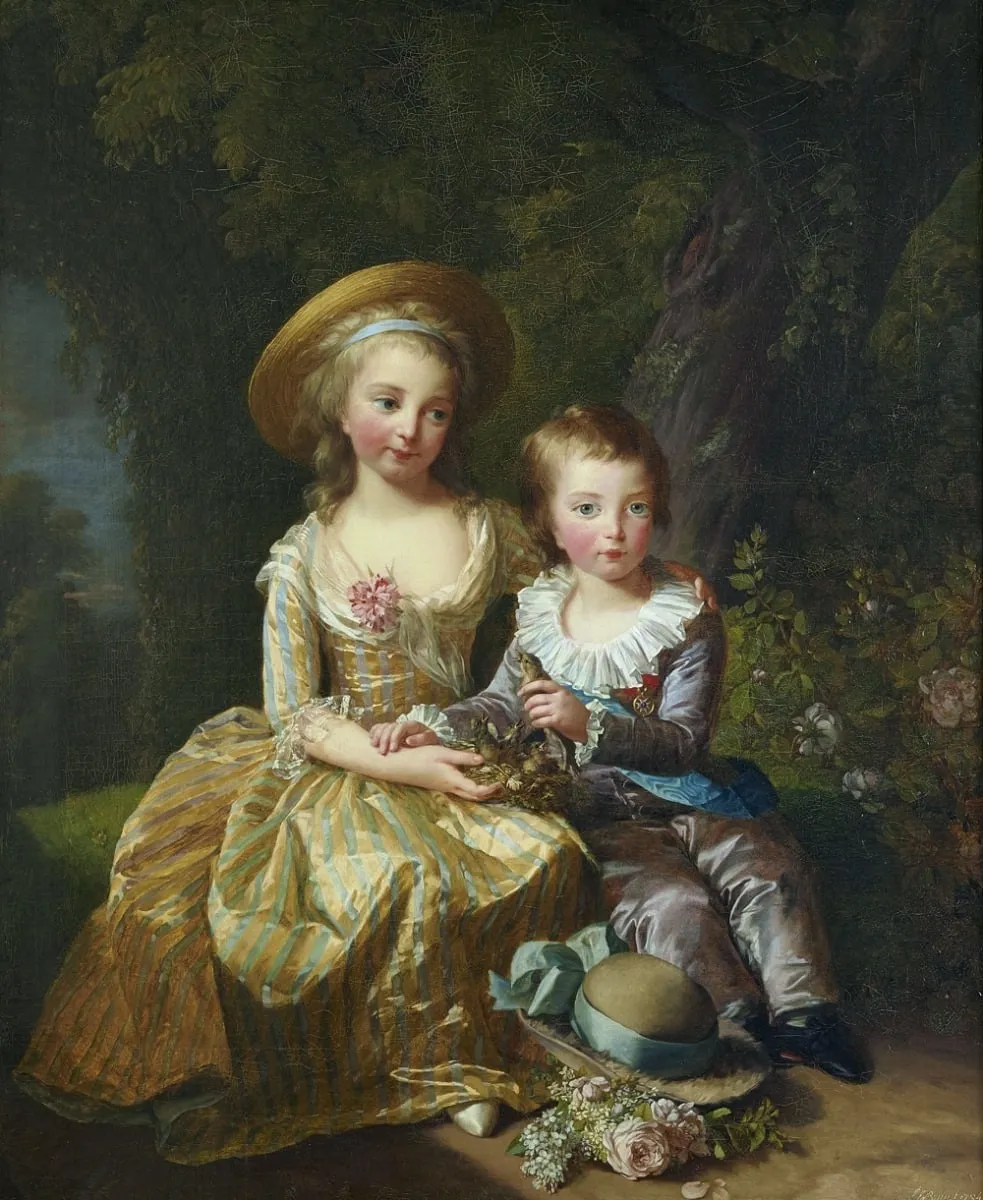
Portrait of Madame Royale and Louis Joseph, Dauphin of France is an oil painting by the Rococo painting artist Élisabeth Louise Vigée Le Brun. It dates from 1792 and is held in the collection of the Palace of Versailles.
About this work
Subject & Meaning
The children hold a nest with its young chicks, and Louis Joseph's felt hat rests before him on a bouquet of flowers.
The painting depicts Marie-Thérèse of France (Madame Royale), aged six, and her younger brother Louis Joseph, Dauphin of France, aged three, seated on the ground in a pastoral setting. Marie-Thérèse wears a striped satin sheath dress with fine lace at the sleeves and a straw hat, while Louis Joseph wears a silk "matelot" or "marinière" outfit bearing the Cross of the Order of the Holy Spirit, which every son of France received at baptism.
The children hold a nest with its young chicks, and Louis Joseph's felt hat rests before him on a bouquet of flowers. The composition emphasizes sibling bonds: Marie-Thérèse places a protective hand on her brother's shoulder and gazes at him with benevolence, while only the Dauphin looks directly at the viewer. Vigée Le Brun drew inspiration from François-Hubert Drouais's 1763 portrait of the comte d'Artois and Madame Clotilde, adopting similar pastoral backdrop, hand-on-shoulder gesture, and animal motif, yet intensifying the fraternal relationship. The work was commissioned by Queen Marie-Antoinette in 1784.
Technique & Style
The painting is executed in oil on canvas, as indicated by the material specification in the source. The formal composition shows the Dauphin seated on the ground with Marie-Thérèse beside him in a garden setting, both surrounded by birds and flowers, reflecting a Rococo-influenced pastoral motif. Vigée Le Brun emphasizes fraternal interaction through gestures such as the older sister’s protective hand on her brother’s shoulder, a detail noted in contemporary commentary.
The children are rendered in fine detail, with the Dauphin wearing a satin 'matelote' costume and the Order of the Holy Spirit insignia, while Marie-Thérèse is depicted in a striped silk robe with lace trim. The work was displayed at the 1785 Salon and praised for its graceful portrayal of royal children, with the abbé Soulavie highlighting the artist’s skill in rendering lifelike physiognomies.
History & Provenance
Queen Marie Antoinette commissioned the double portrait from Élisabeth Louise Vigée Le Brun in 1784, depicting her children Marie-Thérèse (aged six) and Louis Joseph (aged three). The artist drew inspiration from François-Hubert Drouais's 1763 painting of the comte d'Artois and his sister, adopting a similar composition with an elder sibling's hand on the younger's shoulder, a pastoral landscape, and an animal motif, though Vigée Le Brun substituted Drouais's goat with nestling birds to emphasize the fraternal bond.
The oil on canvas was exhibited at the Salon of 1785 as number 85, receiving an enthusiastic reception. The work entered the collection of the Museum of the History of France at the Palace of Versailles, where it remains. It is inventoried as MV 3907 / INV 3064 / AC 1948.
Portrait of Madame Royale and Louis Joseph, Dauphin of France is held at the Museum of the History of France, Palace of Versailles, under the inventory numbers MV 3907, INV 3064, AC 1948 as recorded in the Joconde database. The painting was exhibited at the Salon of 1785 and remains on display at the Musée national des châteaux de Versailles et de Trianon.
Context
Commissioned by Marie-Antoinette in 1784, Élisabeth Vigée Le Brun's double portrait draws formal inspiration from François-Hubert Drouais's 1763 painting of the Comte d'Artois and Madame Clotilde. Both works feature an older sibling with a hand on the younger's shoulder, a pastoral background, and the presence of an animal. However, Vigée Le Brun shifted the emphasis toward the siblings' bond, depicting Marie-Thérèse casting a protective gaze over Louis-Joseph rather than merely replicating Drouais's composition.
When exhibited at the Salon of 1785, the painting was enthusiastically received. The critic the Abbé Soulavie notably praised the portrait, observing that Madame Royale's head was full of grace and commending Vigée Le Brun's mastery in the art of beautiful physiognomies.
Overview
Created in 1792 by French portraitist Élisabeth Louise Vigée Le Brun, this oil painting presents the young royal siblings Marie‑Thérèse and Louis‑Joseph, the Dauphin of France. The work is part of the collection at the Palace of Versailles and exemplifies the transitional aesthetic between Rococo elegance and the emerging Neoclassical restraint of the late eighteenth century.
Artist & collection
Artist
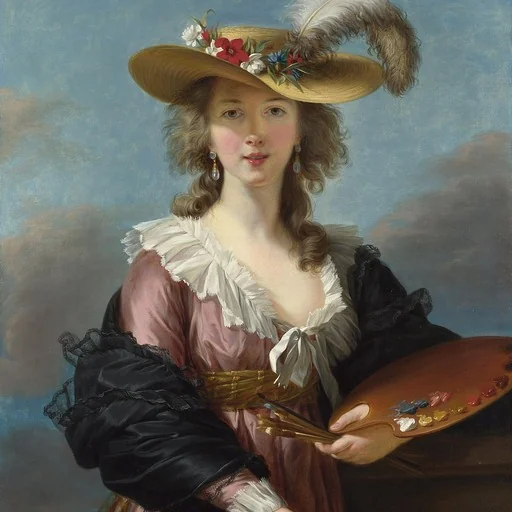
Élisabeth Louise Vigée Le Brun
Élisabeth Louise Vigée Le Brun (French:; née Vigée; 16 April 1755 – 30 March 1842), also known as Louise Élisabeth Vigée Le Brun or simply Madame Le Brun, was a French painter who mostly specialized in portrait…

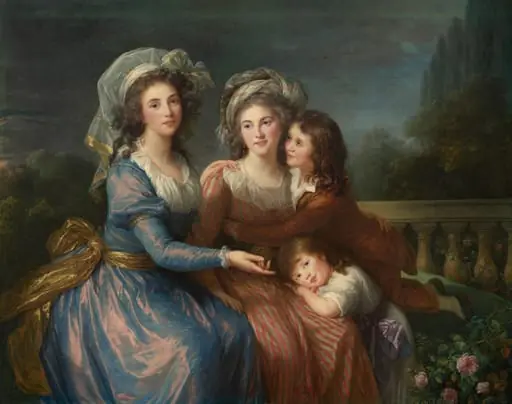 The Marquise de Pezay, and the Marquise de Rougé with Her Sons Alexis and Adrien
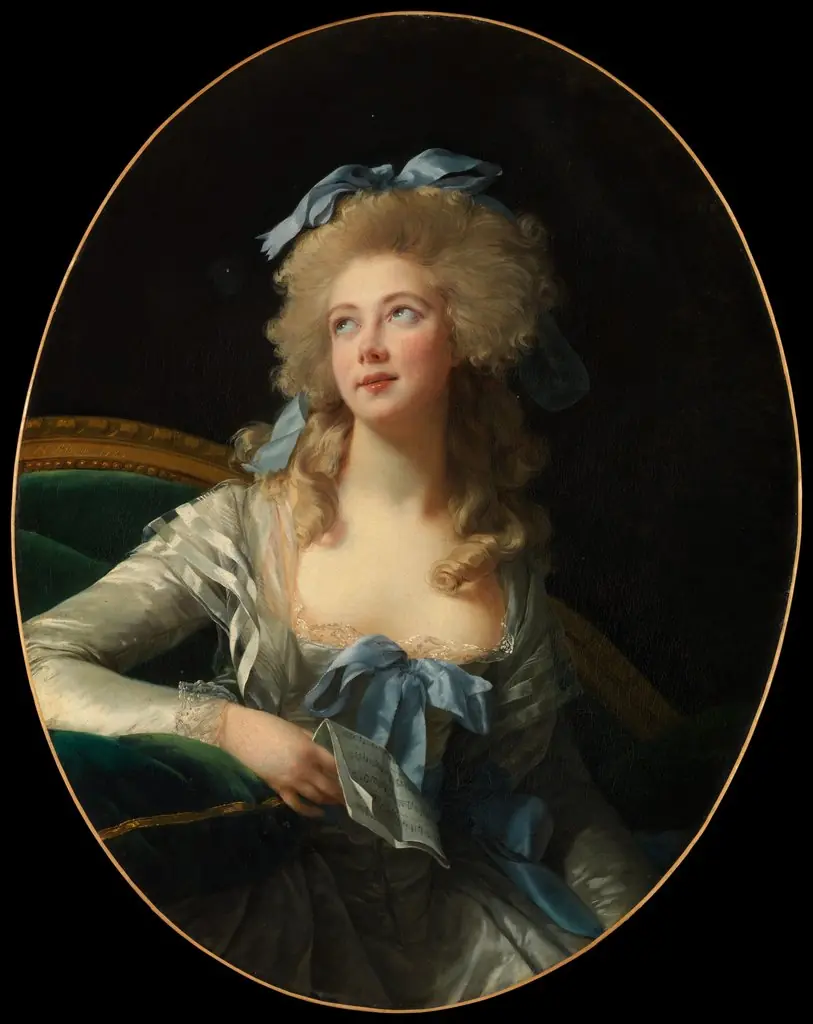 Madame Grand (Noël Catherine Verlée, 1761–1835)
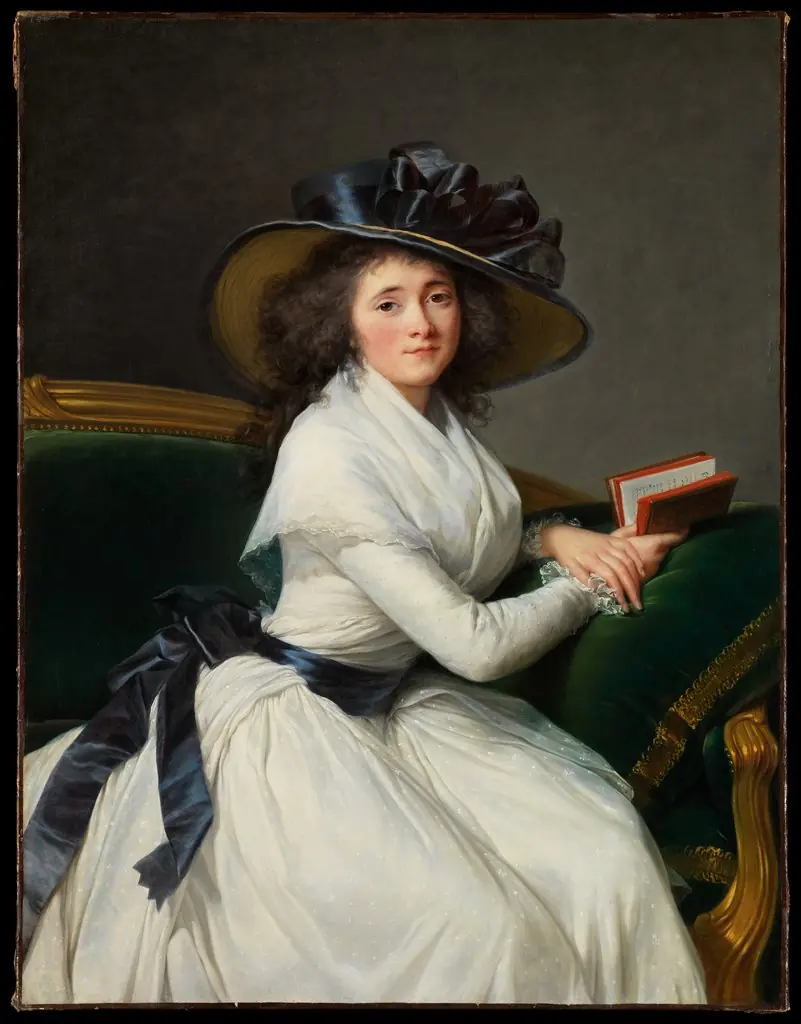 Comtesse de la Châtre (Marie Charlotte Louise Perrette Aglaé Bontemps, 1762–1848)
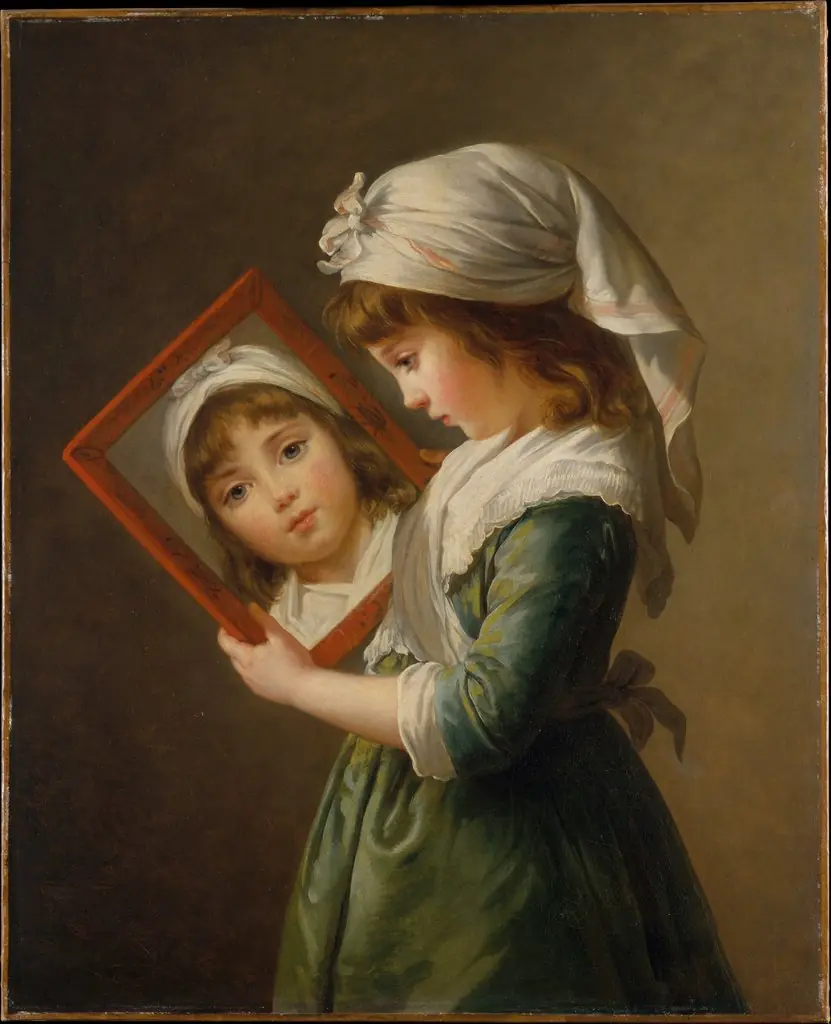 Julie Le Brun (1780–1819) Looking in a Mirror
 Madame d'Aguesseau de Fresnes
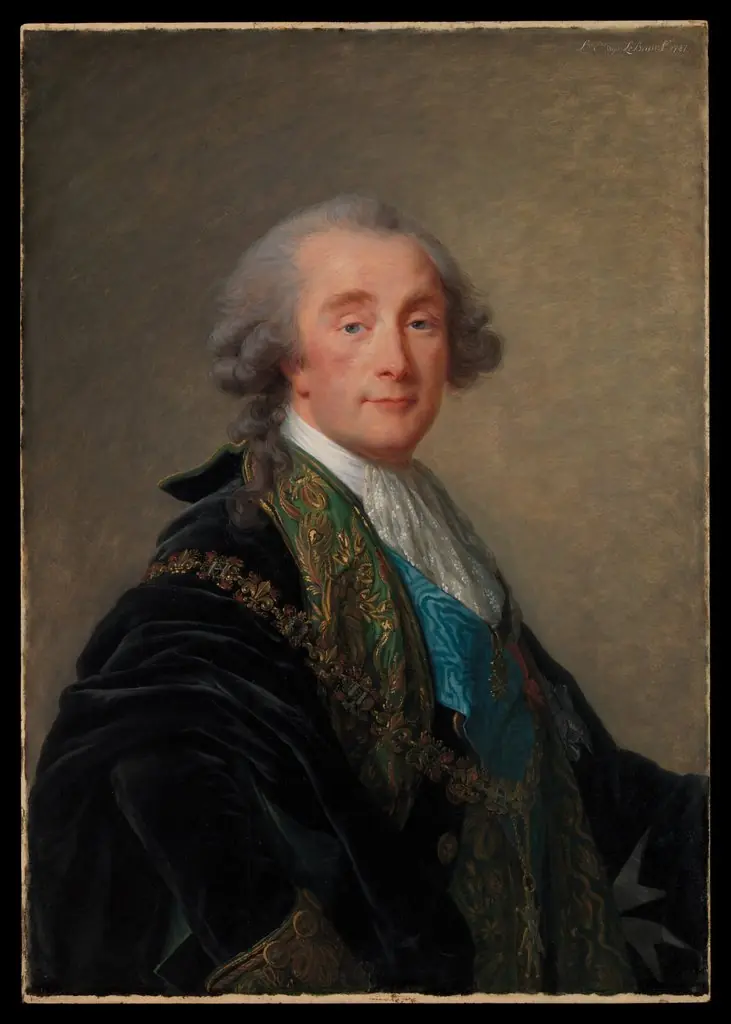 Alexandre Charles Emmanuel de Crussol-Florensac (1743–1815)
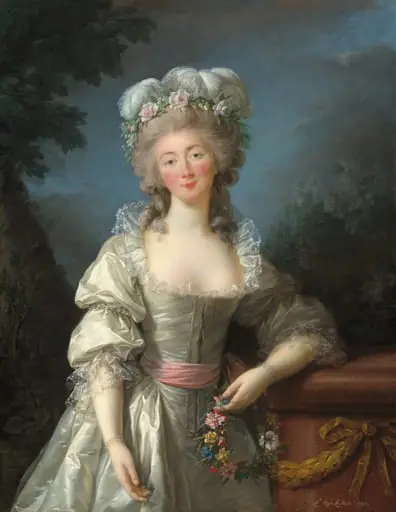 Madame du Barry
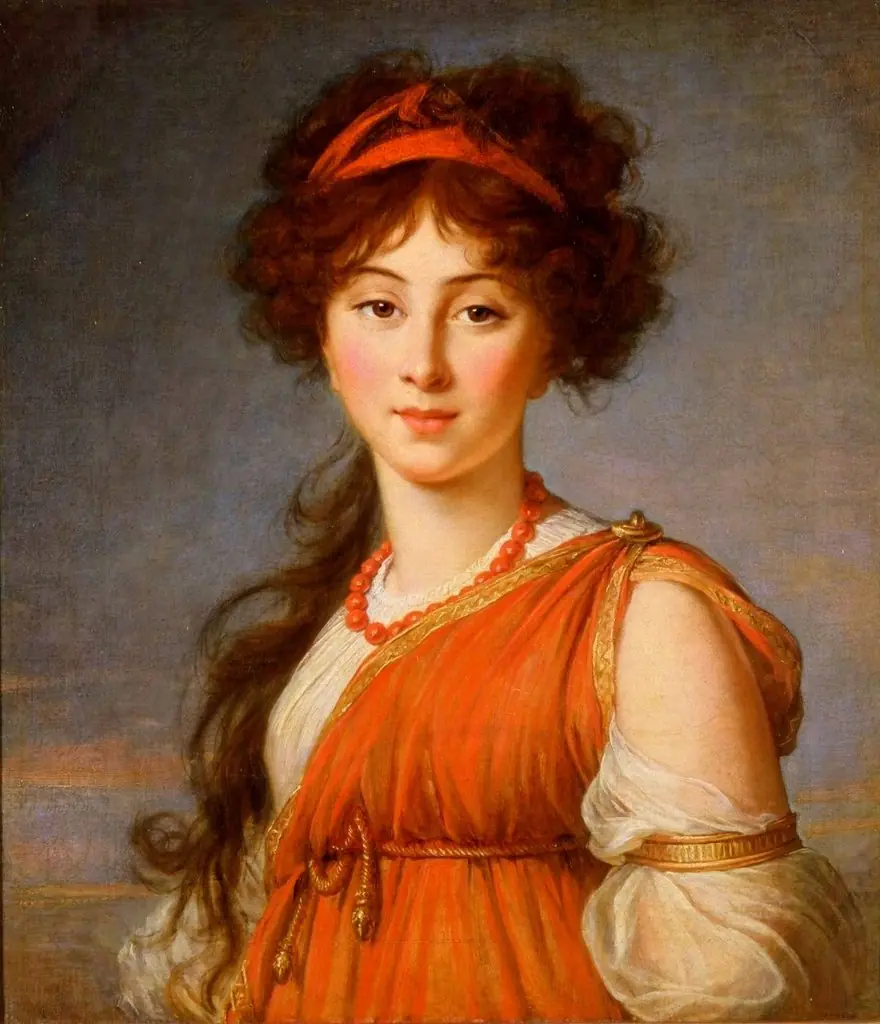 Varvara Ivanovna Ladomirsky
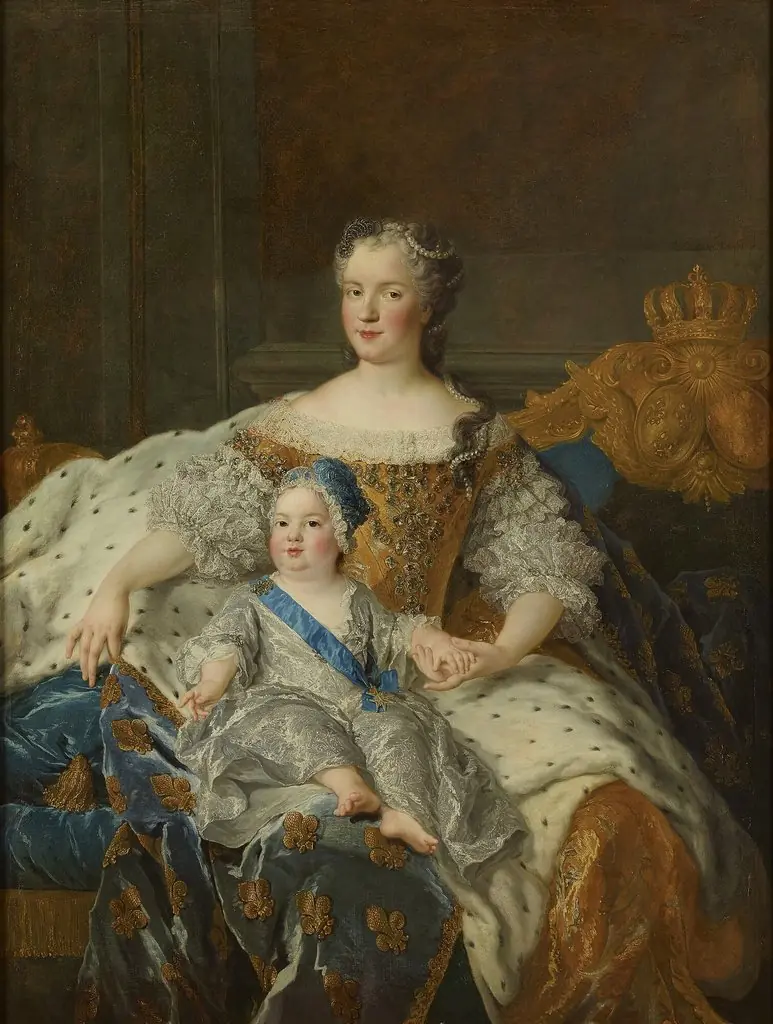 Marie Leszczynska, Queen of France, and the Dauphin
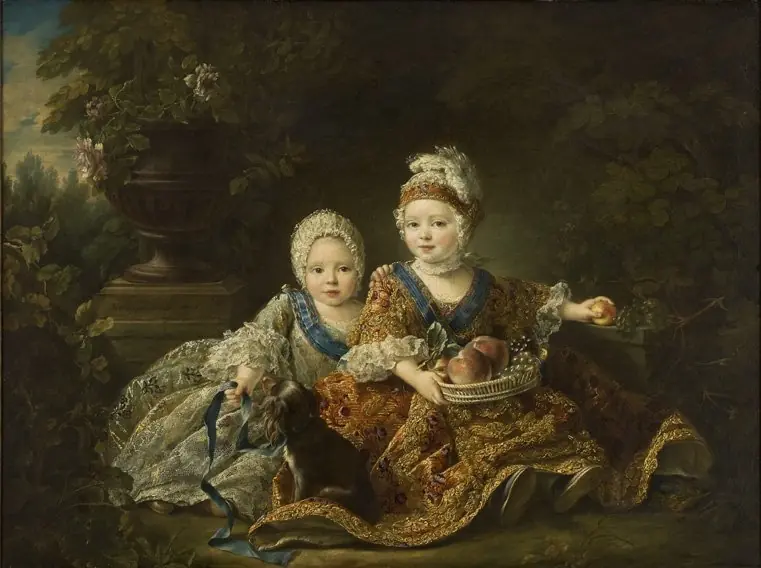 The Duke of Berry and the Count of Provence as Children
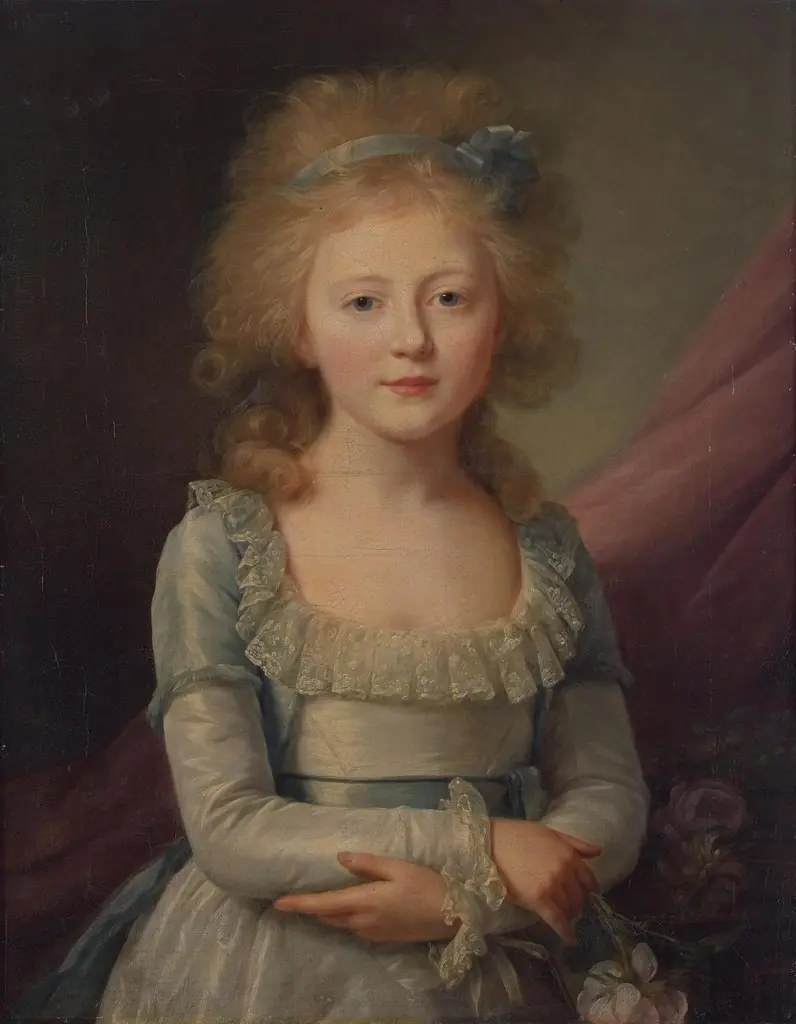 Portrait of grand Duchess Yelena Pavlovna as the Child
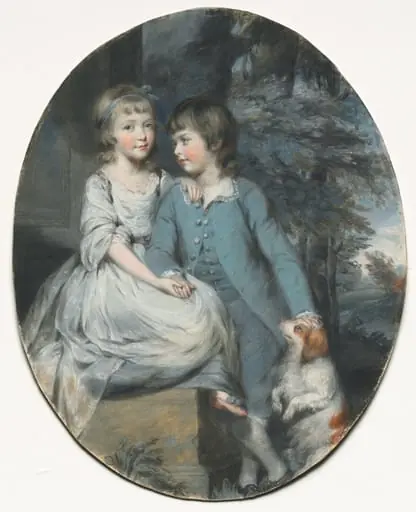 Cropley Ashley-Cooper (Later 6th Earl of Shaftesbury) with His Sister Mary Anne Ashley-Cooper, Later Lady Sturt of Crichel
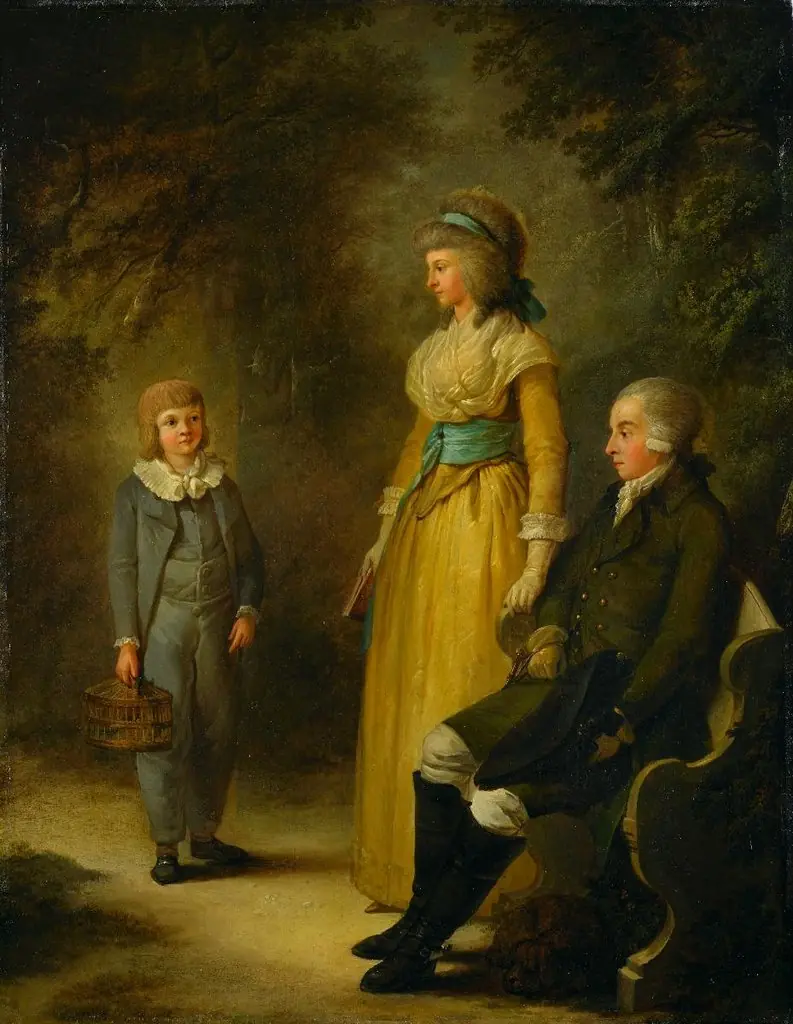 Familienbild, im Freien
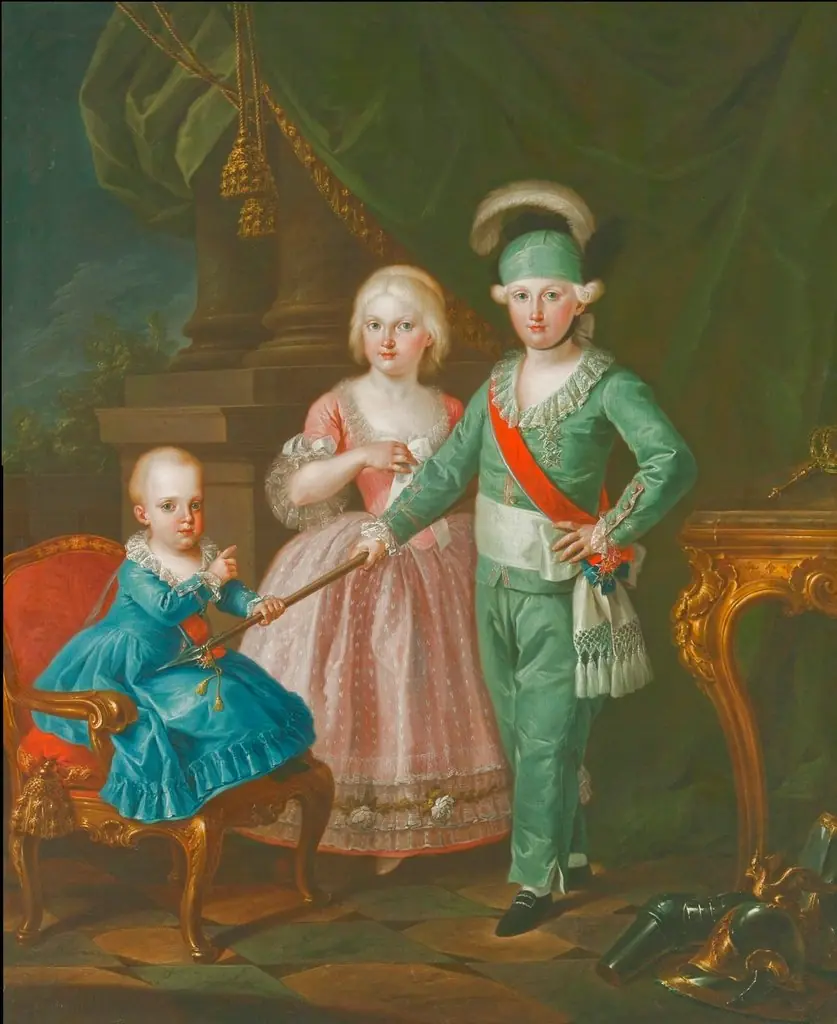 I figli di Carlo di Borbone: Carlo, Maria Luisa, Francesco Saverio
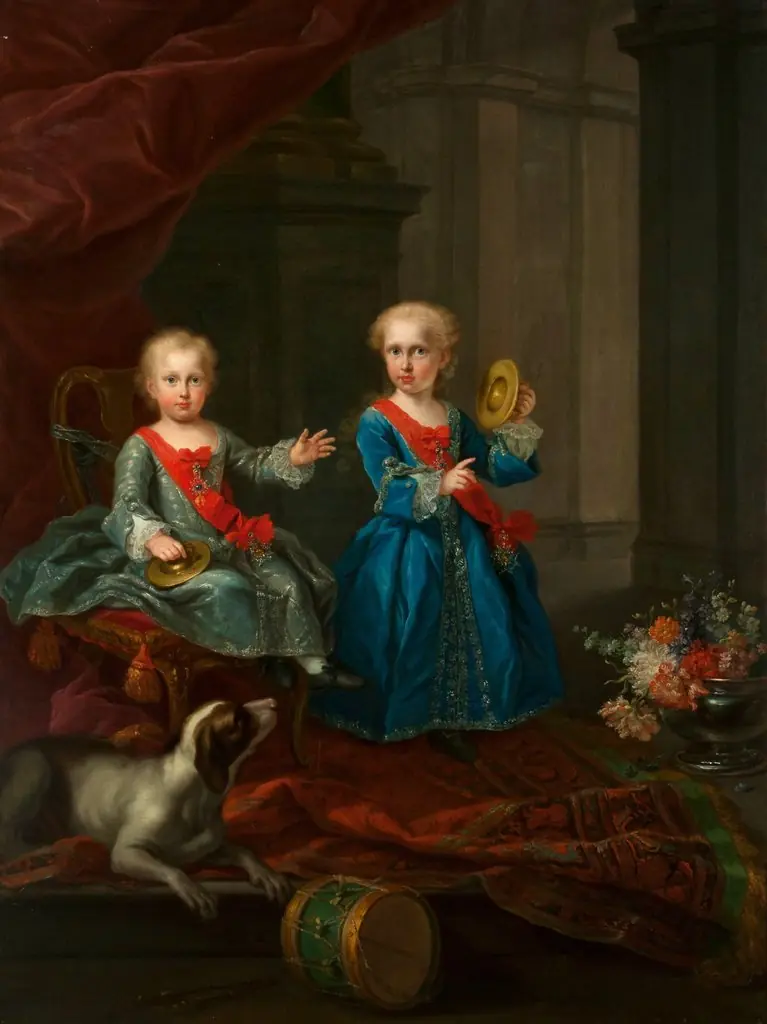 Francesco Saverio e Antonio Pasquale di Borbone
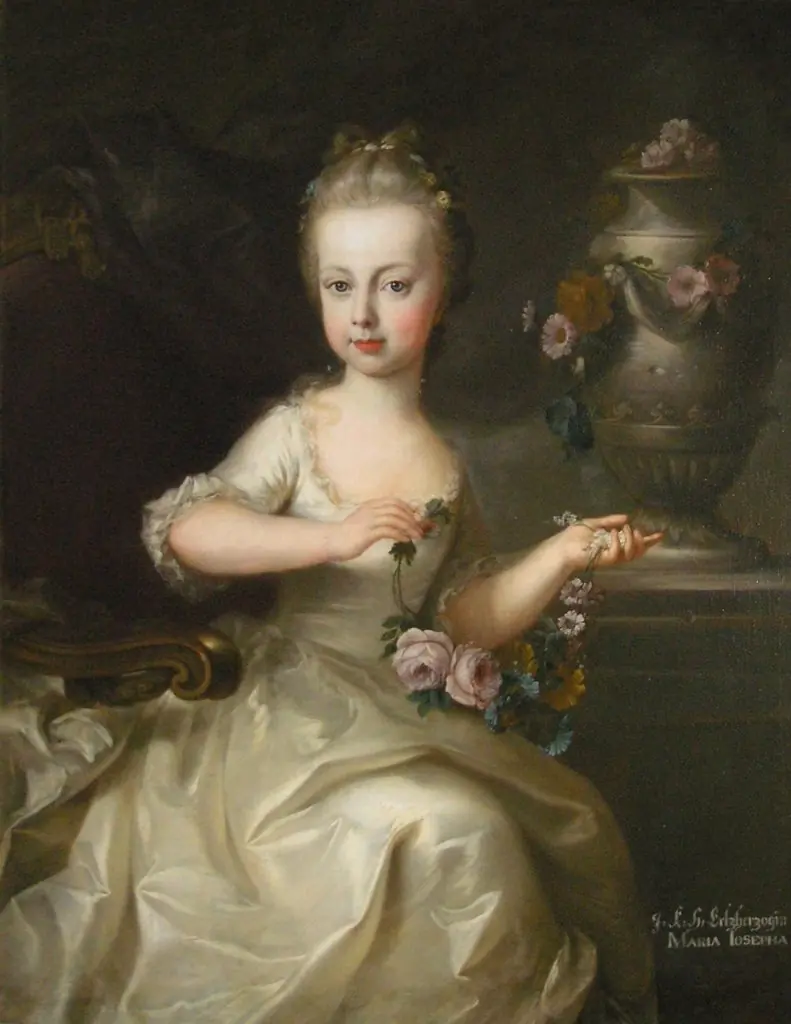 I.K.H. Erzherzogin Maria Iosepha
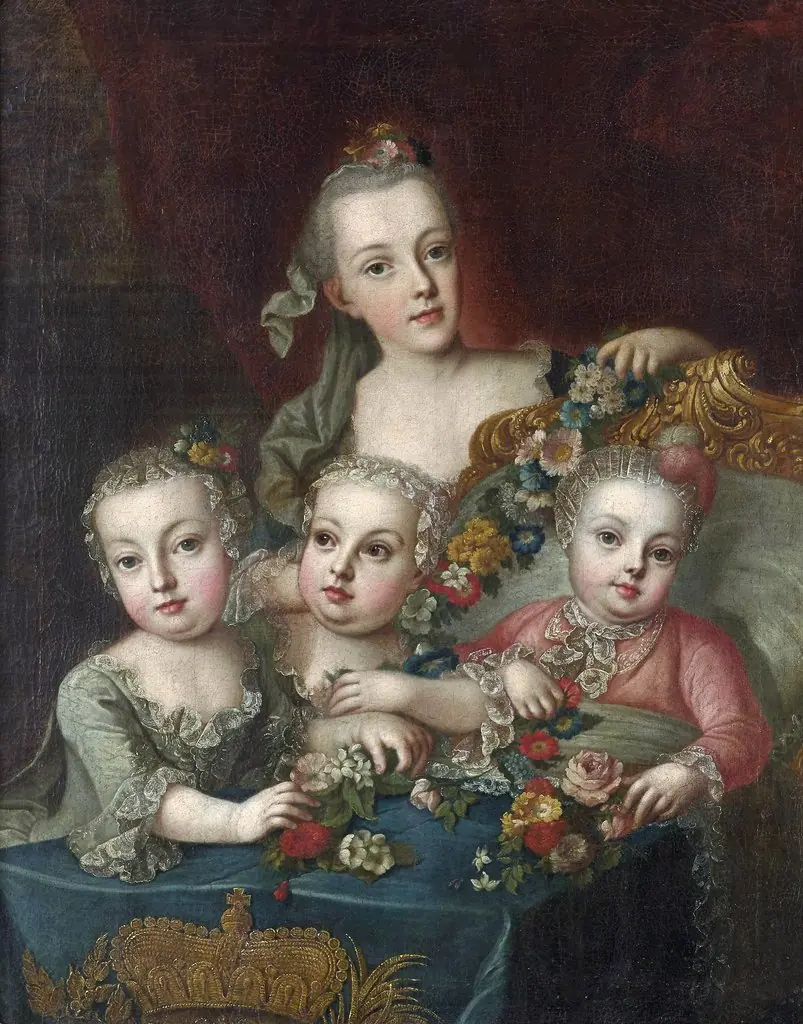 Portrait of the children of the Austrian Empress Maria Theresa