Artwork
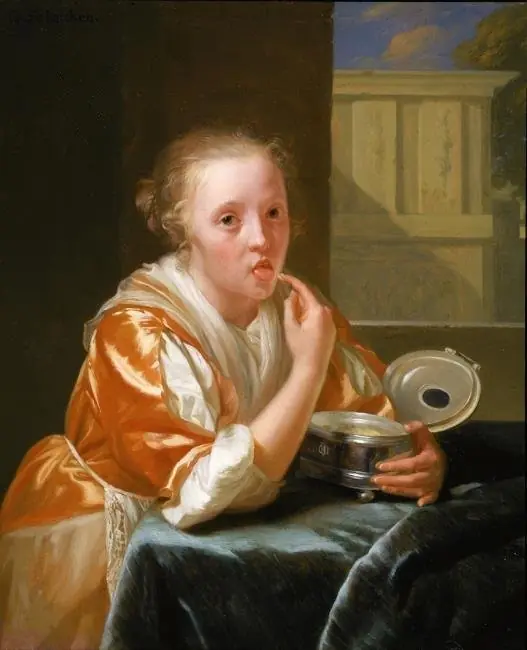
Young Woman with Lemon
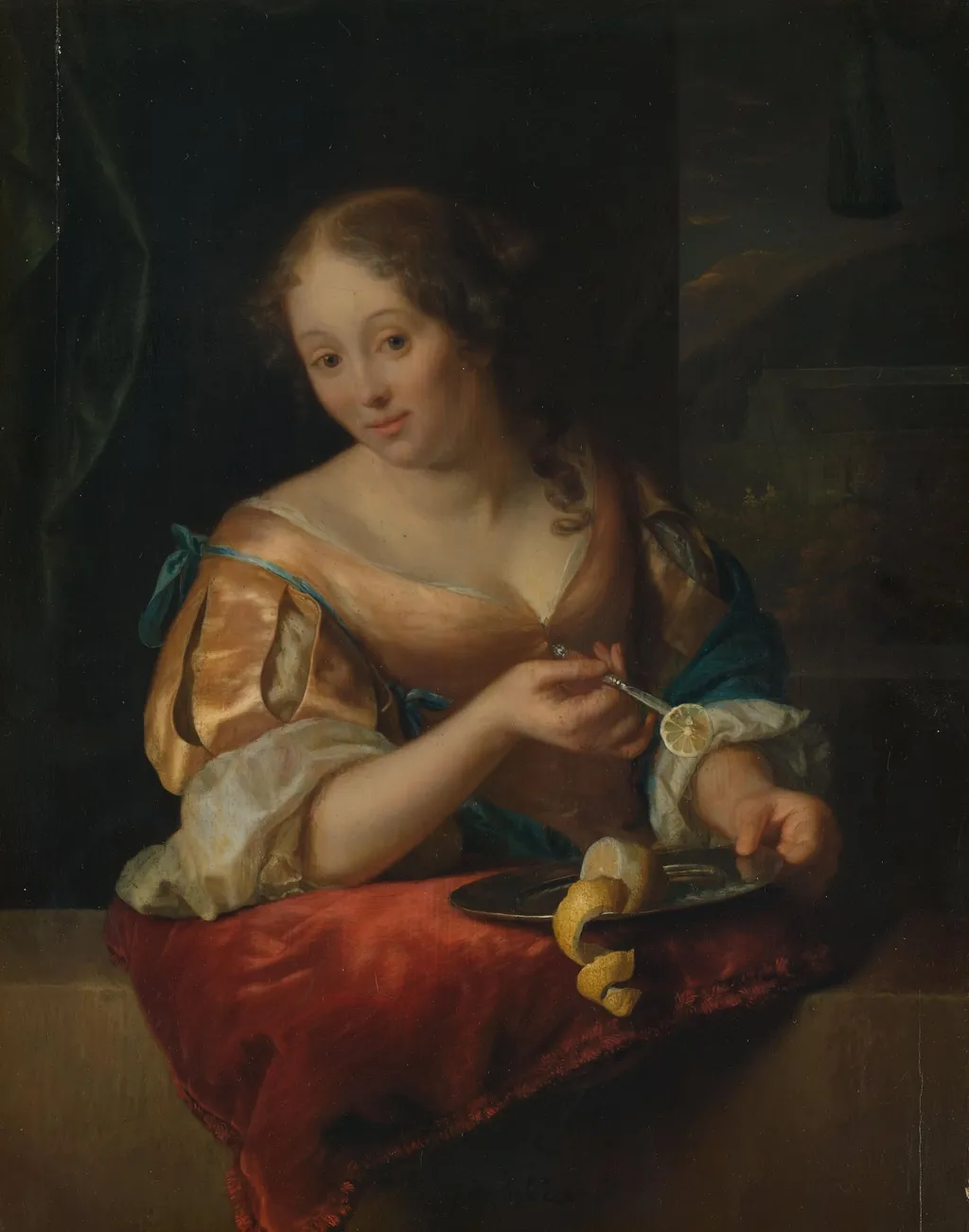
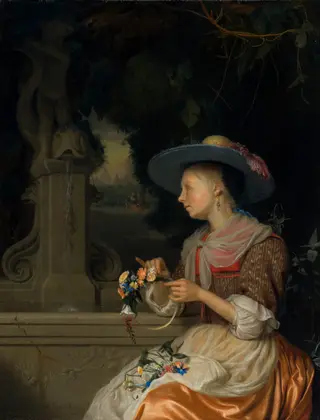
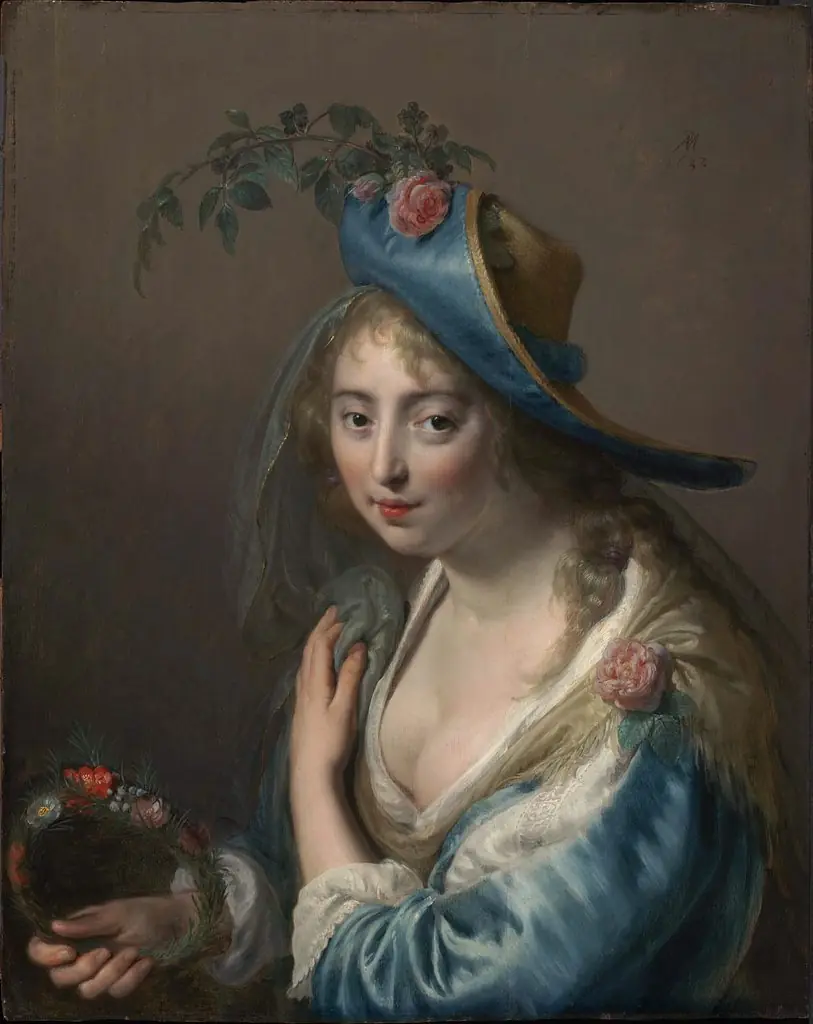
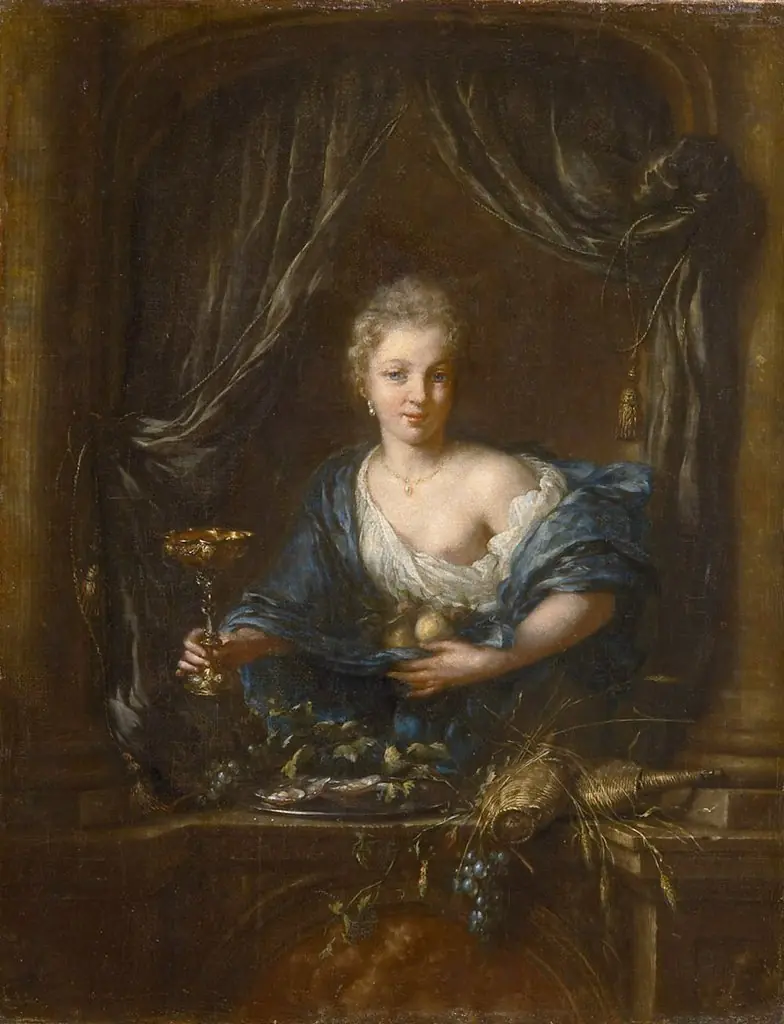
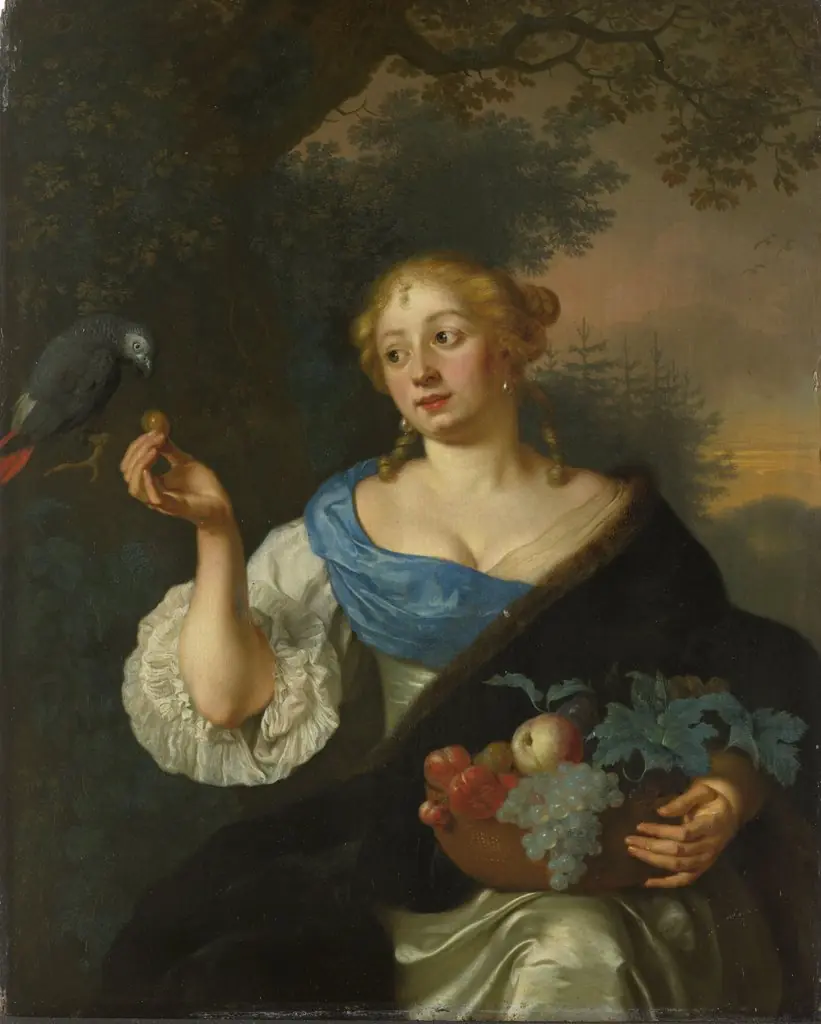
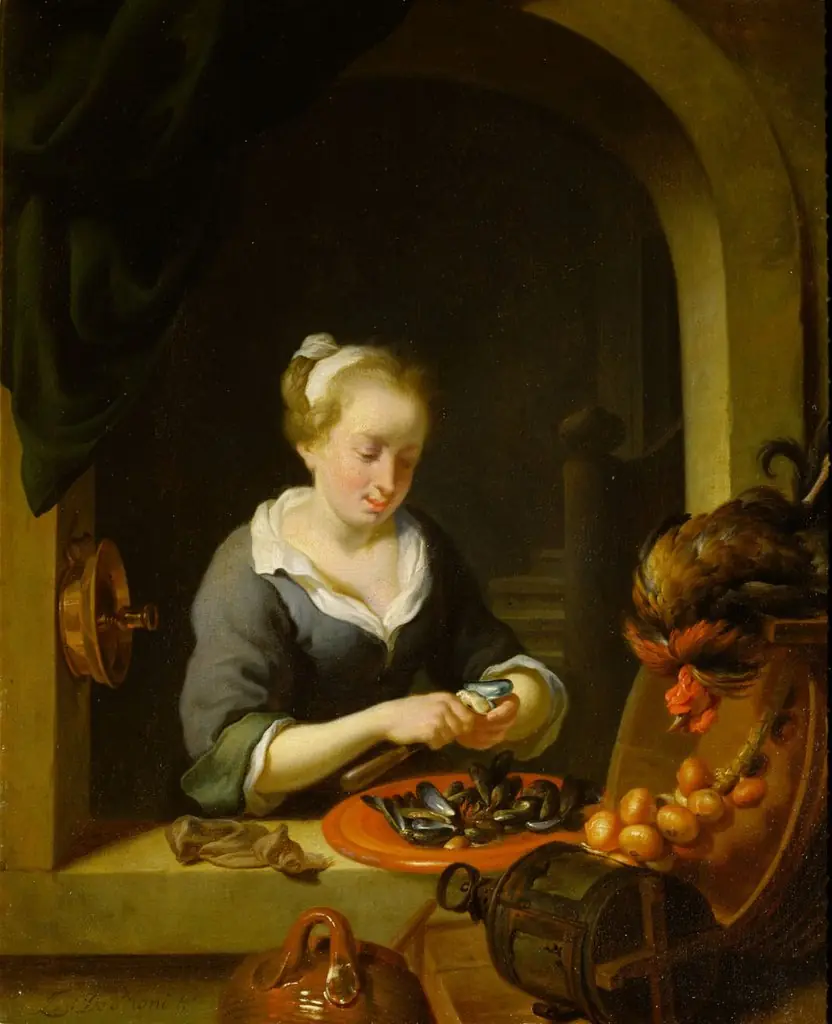
Young Woman with Lemon is an unspecified painting by the Dutch Golden Age artist Godfried Schalcken. It dates from 1688 and is held in the collection of the Rijksmuseum.
About this work
Subject & Meaning
The painting Young Woman with Lemon depicts a young woman holding a lemon, a symbol often associated with wealth, exoticism, and moral allegory in Dutch portraiture of the late 17th century. While the specific symbolic meaning of the lemon in this work is not detailed in the provided sources, its inclusion aligns with Schalcken's broader thematic focus on opulent materials and moral nuance within intimate portraiture. The work reflects the artist's mastery of candlelit effects and fine detail characteristic of the Leiden fijnschilders tradition, emphasizing psychological presence and material refinement. Its meaning is rooted in the cultural context of Dutch portraiture, where such objects conveyed status and philosophical undertones rather than narrative allegory.
The painting is attributed to Godfried Schalcken, a Dutch artist active in the late 17th century, known for his genre scenes and portraits illuminated by candlelight. It exemplifies his technical precision and interest in capturing subtle lighting effects, though the precise symbolic interpretation of the lemon remains unspecified in the available documentation.
History & Provenance
Dated between 1685 and 1690, the painting Young Woman with Lemon is attributed to Godfried Schalcken on stylistic grounds consistent with his Leiden period and characteristic fine painting technique.
The work’s early provenance is not documented in the sources provided.
Context
Young Woman with Lemon belongs to Godfried Schalcken’s late Leiden-period production, when he refined the polished, miniature-like style of the fijnschilders and specialized in small-scale portraits distinguished by controlled candlelight effects. Schalcken’s oeuvre was shaped by training under Samuel van Hoogstraten in Dordrecht and, crucially, under Gerard Dou in Leiden, whose meticulous technique he absorbed before developing a personal idiom marked by luminous surfaces and delicate still-life accents such as the lemon. The work’s restrained elegance and technical finish align with contemporary Dutch portraiture aimed at connoisseurs who prized virtuosic detail and refined motifs. Within Schalcken’s broader career, such portraits coexisted with genre scenes and history paintings, yet the artist’s reputation rested on his ability to render light and texture in intimate formats, a quality that secured aristocratic and court patronage across the Netherlands and England. His later English sojourn (1692-1697) consolidated this renown, as his candlelit compositions attracted collectors drawn to their atmospheric brilliance and jewel-like precision.
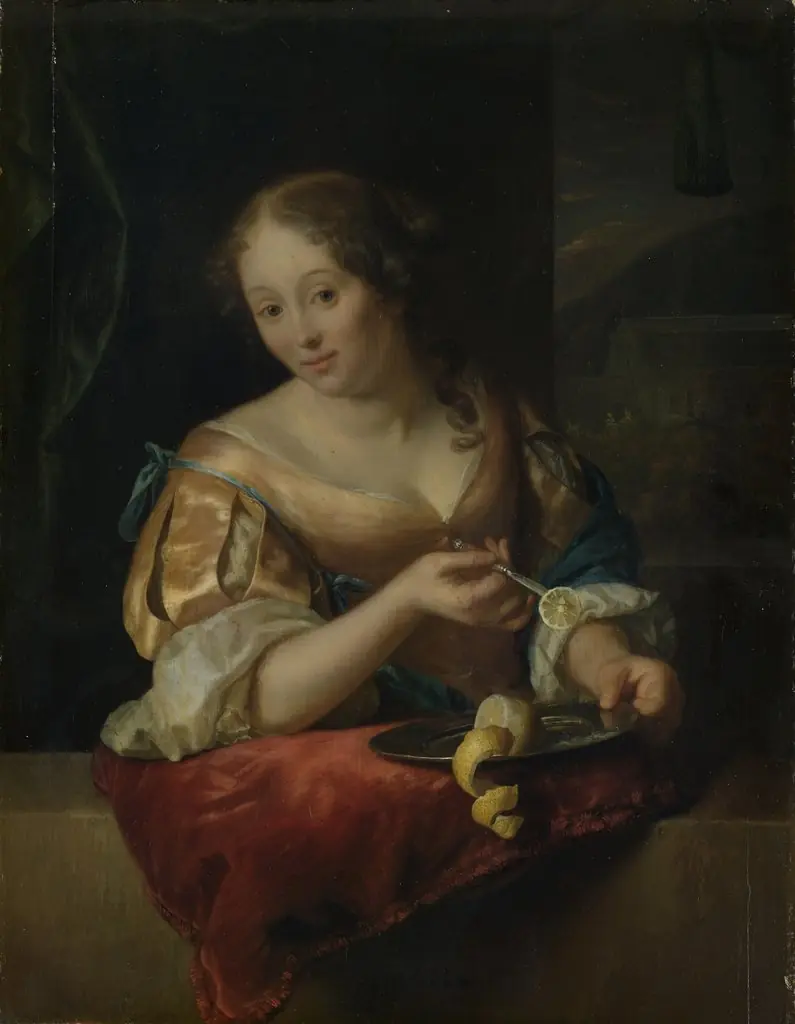
Own this work as a print
Artist & collection
Artist
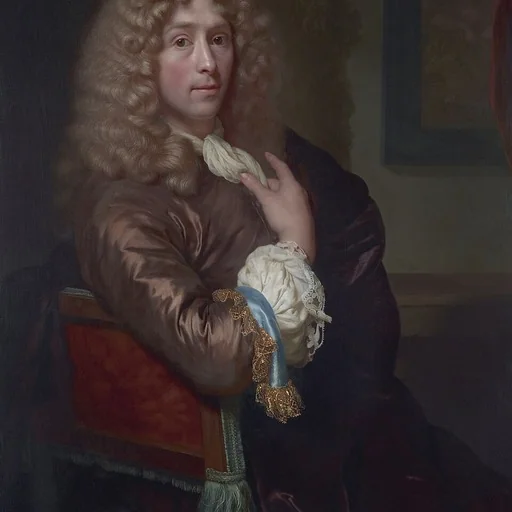
Godfried Schalcken (8 October 1643 – 16 November 1706) was a Dutch artist who specialized in genre paintings and portraits.