Artwork
Discovery of the Sarcophagi Containing the Bodies of Dymphna and Gerebernus
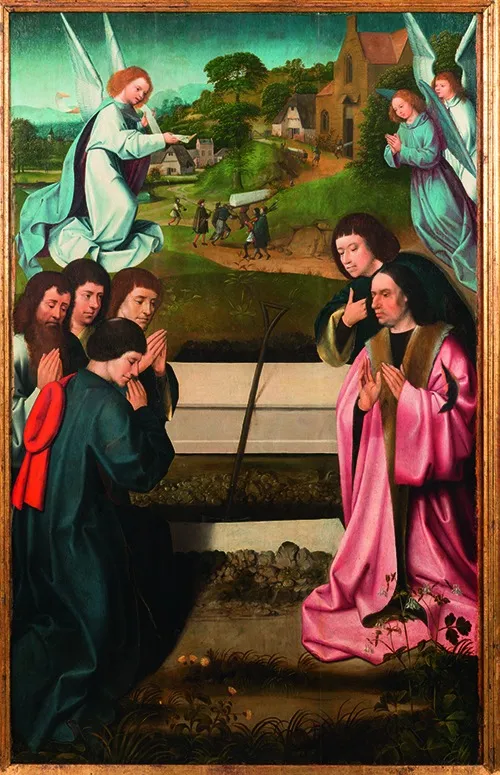
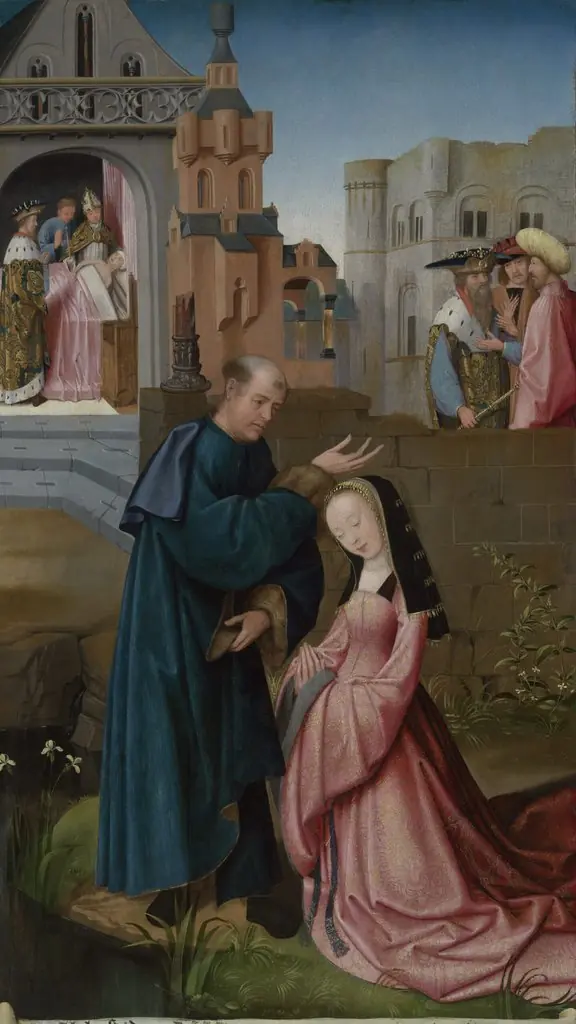
Discovery of the Sarcophagi Containing the Bodies of Dymphna and Gerebernus is an oil painting by the Northern Renaissance artist Goswin van der Weyden. It dates from 1504 and is held in the collection of the Royal Museum of Fine Arts Antwerp.
About this work
Subject & Meaning
The discovery of the sarcophagi serves as a visual testament to the enduring legacy of the saints, whose bodies were believed to possess miraculous properties.
The painting depicts the moment of the discovery of the sarcophagi containing the relics of Saint Dymphna and her confessor, Saint Gerebernus. Set in a cemetery, the scene centers on the opening of two stone sarcophagi, revealing the remains of the saints, a common motif in hagiographic imagery to emphasize their martyrdom and sanctity. The presence of a group engaged in prayer underscores the reverence and devotion associated with the event, reflecting the religious significance of the relics as objects of veneration.
Symbolically, the work conveys themes of divine providence and the triumph of faith over persecution. The discovery of the sarcophagi serves as a visual testament to the enduring legacy of the saints, whose bodies were believed to possess miraculous properties. The cemetery setting further evokes the transience of earthly life and the promise of resurrection, aligning with the broader iconography of Christian martyrdom and salvation.
Technique & Style
Executed in oil on oak panel in 1504, the work employs a layered oil technique typical of Northern Renaissance practice, with fine glazing to articulate the dim interior of the church and the sarcophagi’s carved ornament.
The composition organizes the scene along a shallow stage, directing attention to the opened tombs and the kneeling figures through carefully calibrated lighting and spatial recession. Figures are modeled with subtle transitions in tone rather than sharp chiaroscuro, aligning with early sixteenth-century Antwerp conventions. The handling emphasizes clarity of narrative over dramatic illusionism, consistent with the painting’s devotional purpose.
History & Provenance
The painting Discovery of the Sarcophagi Containing the Bodies of Dymphna and Gerebernus was created in 1504 by Goswin van der Weyden, as established by its inception date. Executed in oil on an oak panel, the work measures 123 cm in height and 75 cm in width.
The painting has been part of the collection of the Royal Museum of Fine Arts Antwerp, where it is currently housed. Its ownership history includes affiliation with The Phoebus Foundation, though the precise chain of prior ownership remains undocumented in available sources.
Overview
Created in 1504 by Goswin van der Weyden, a Flemish painter active in Antwerp, this oil on panel portrays a solemn cemetery episode. The composition centers on the moment a sarcophagus is opened amid a group of kneeling figures, under a tranquil sky rendered in muted greens, blues and earth tones.
Artist & collection
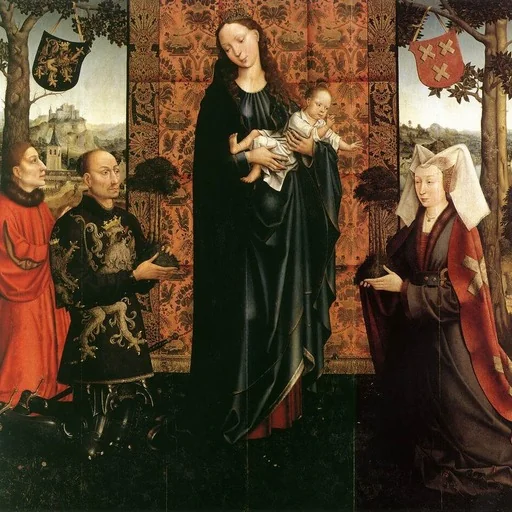
Artist
Goswin van der Weyden or Goossen van der Weyden (1455–1543) was a Flemish Renaissance painter active in Antwerp.

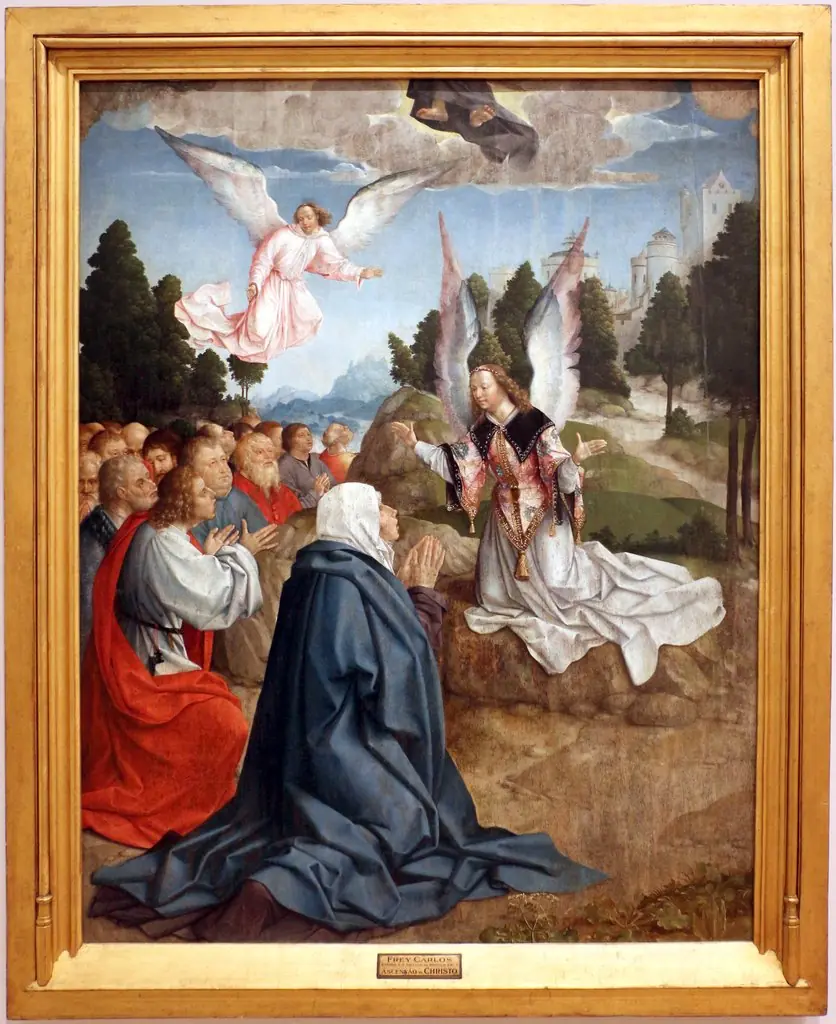
- Ascensão de Cristo, Frei Carlos
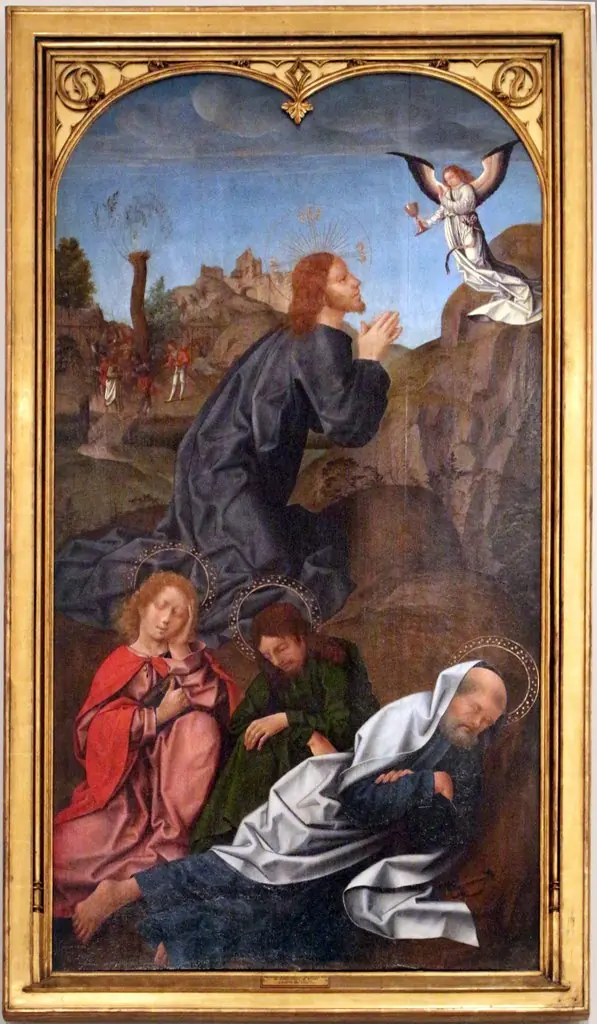 Cristo no Horto
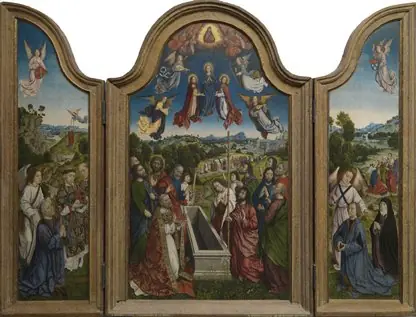 Assumption of the Virgin Mary by Aelbrecht Bouts
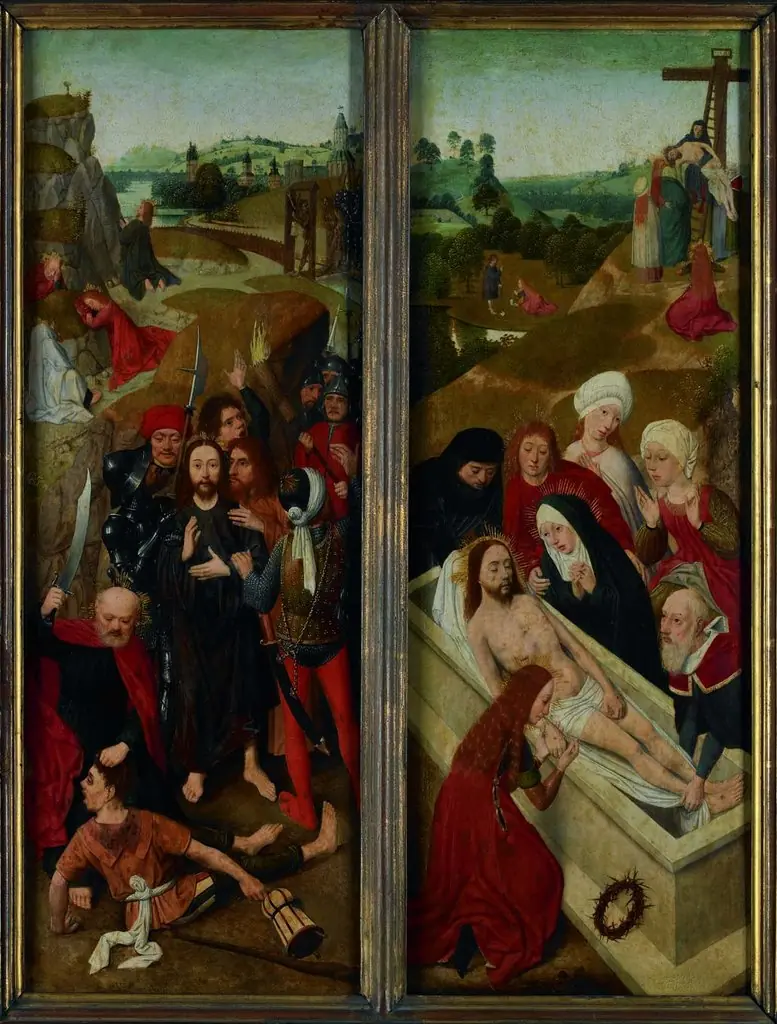 he taking of Christ and The entombment
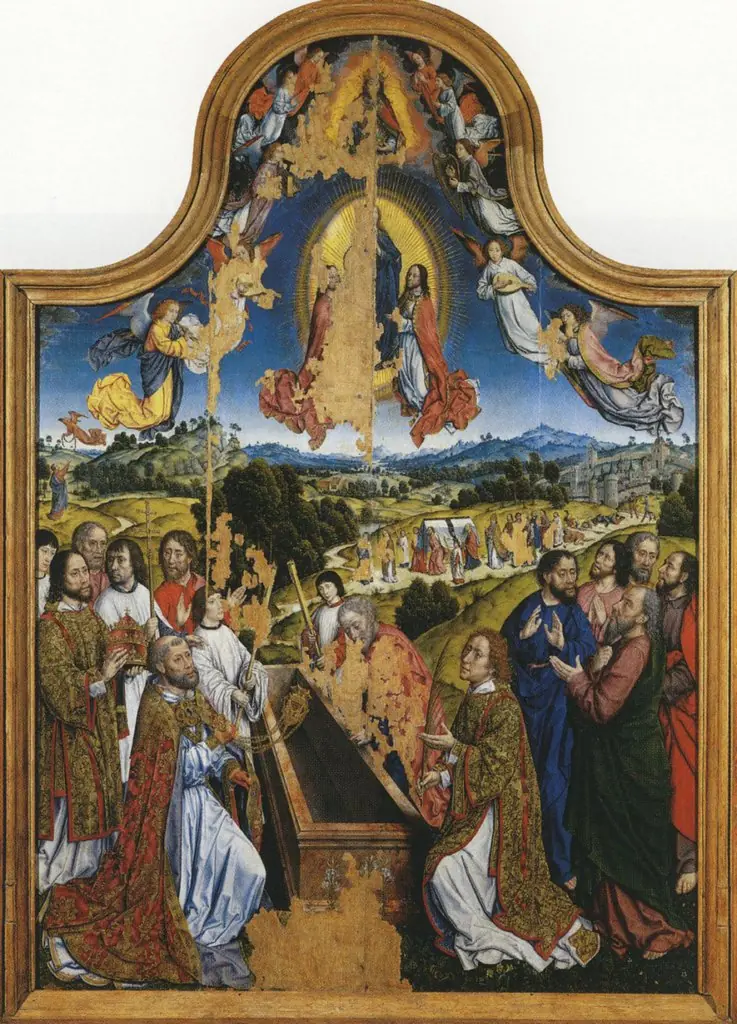 Assumption of the Virgin
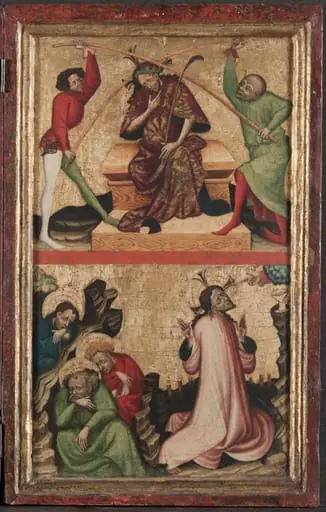 Diptych with the Passion of Christ (right wing): Crowning with Thorns and Agony on the Garden
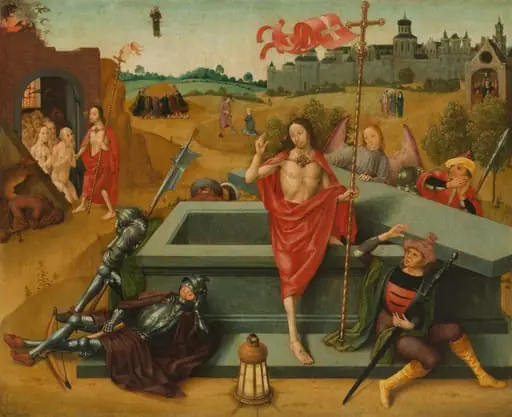 Resurrection of Christ
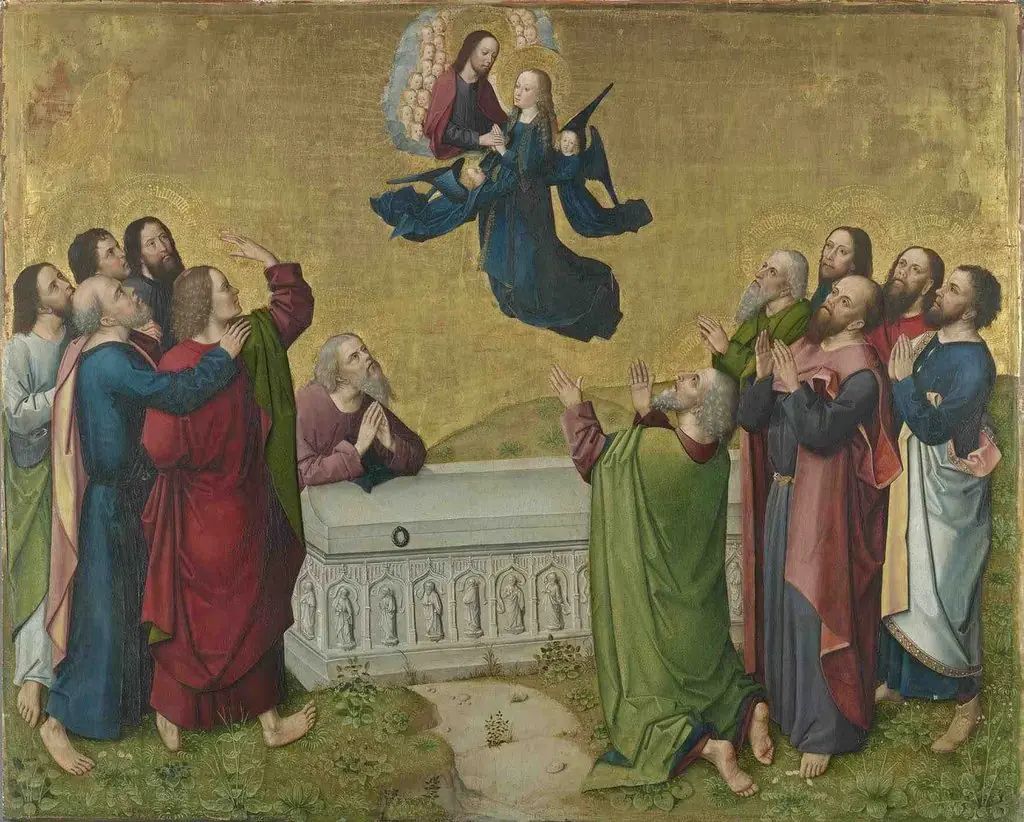 The Life of Mary: the Assumption of Mary (verso: lower half of the Coronation of Mary)
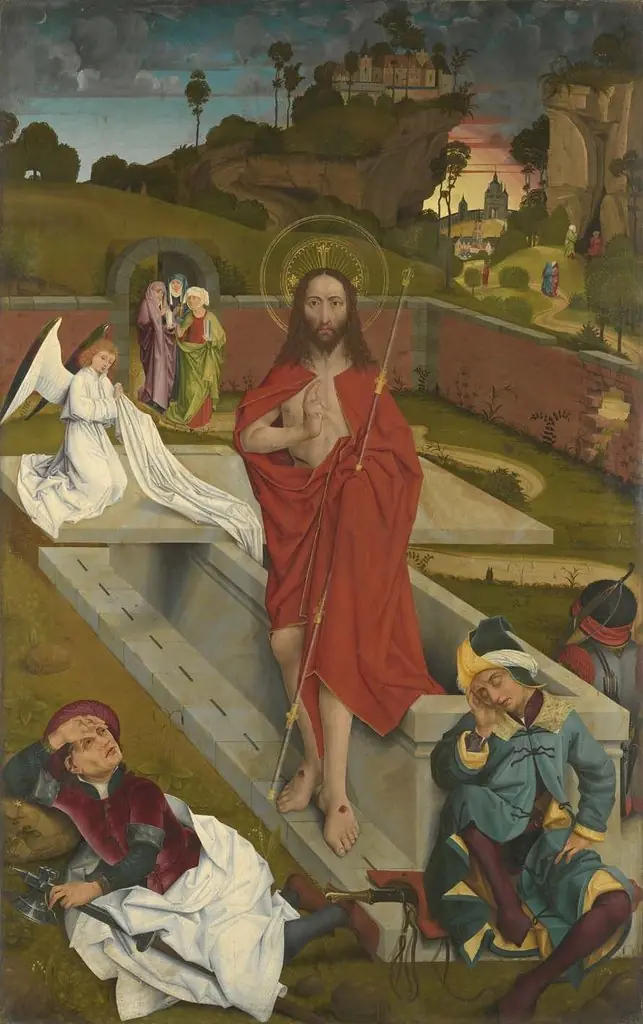 Hofer Altar: Auferstehung Christi (Rückseite: Apostel Bartholomäus und Jakobus)
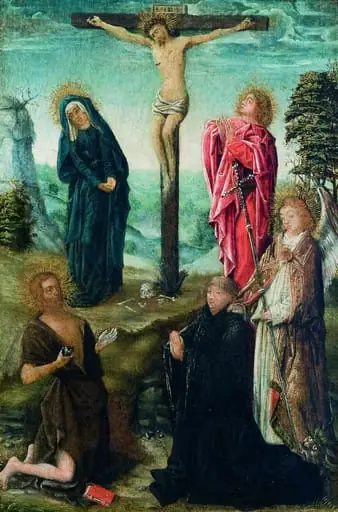 Răstignirea
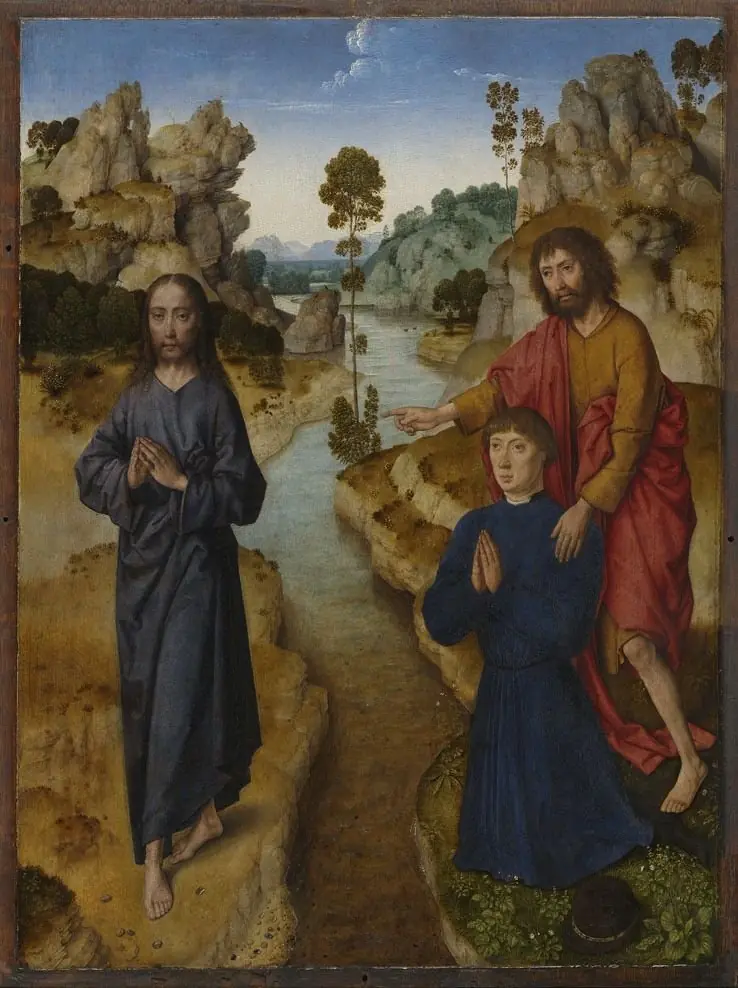 Ecce agnus dei
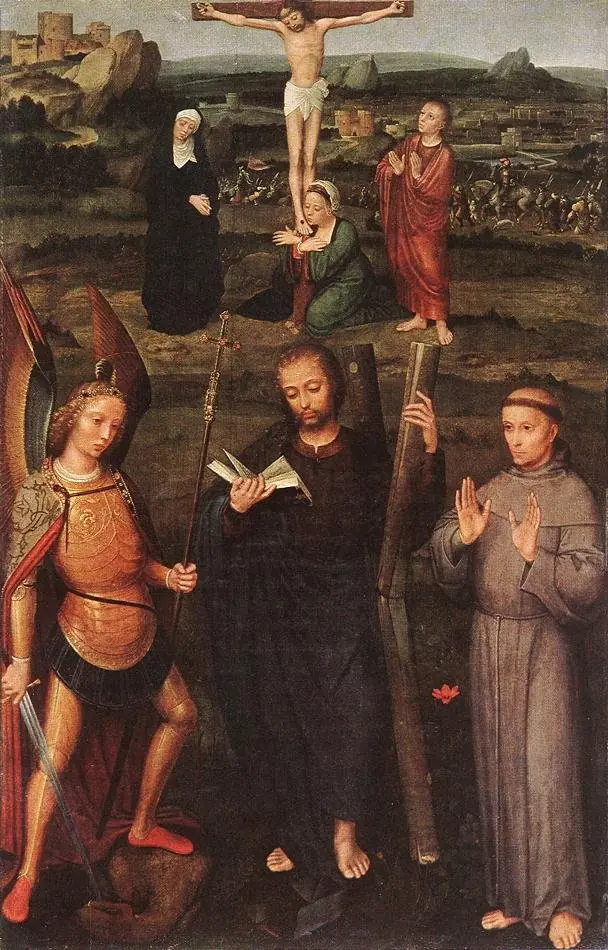 Archangel St Michael, St Andrew and St Francis of Assisi with the Calvary