Artwork
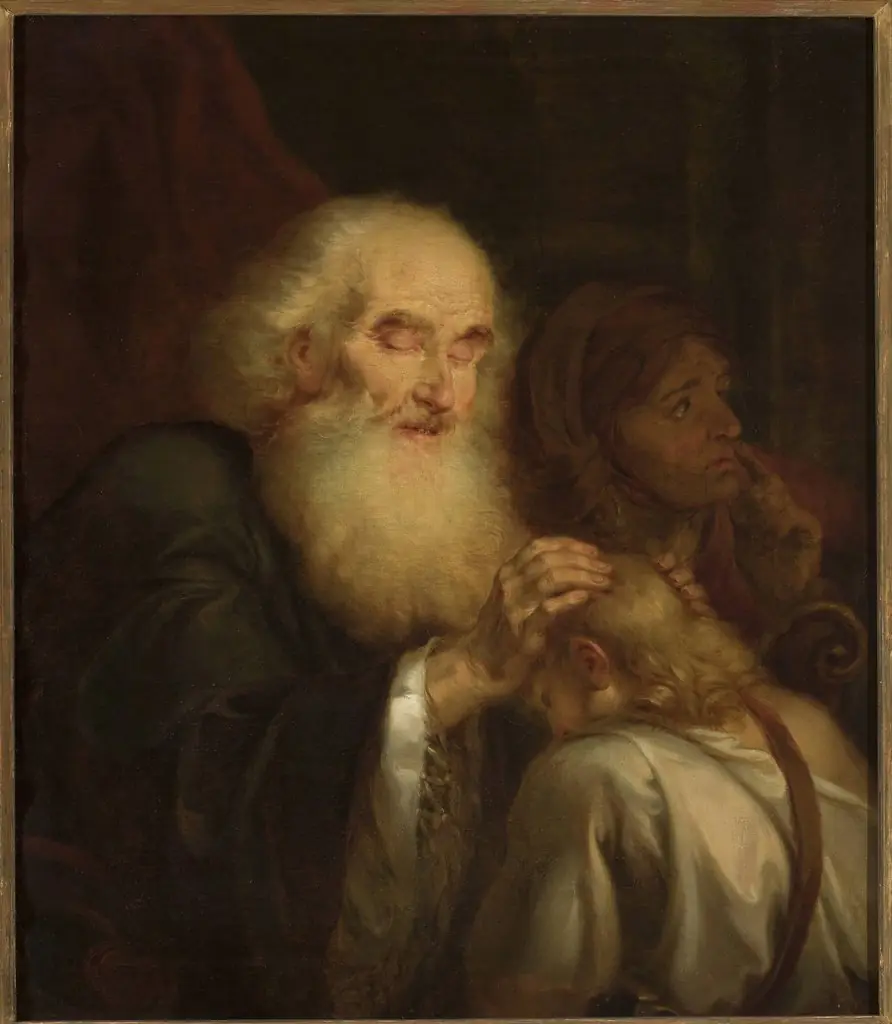
Isaac Blessing Jacob
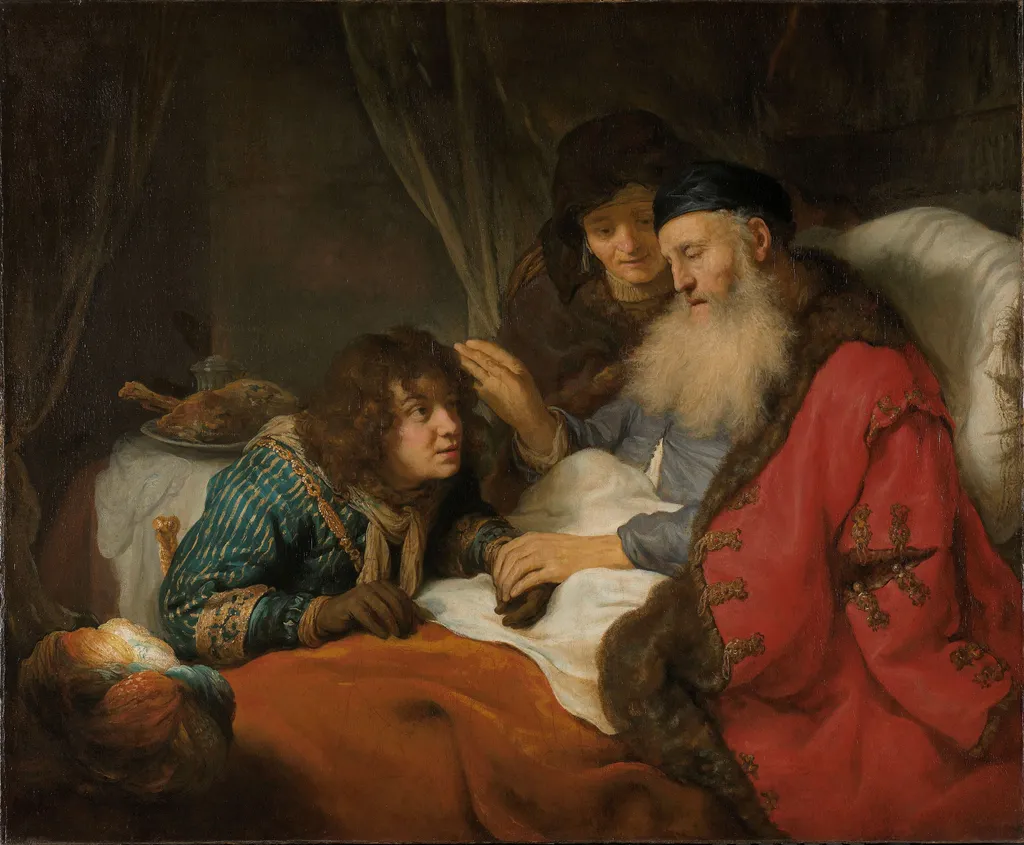
Isaac Blessing Jacob is an oil painting by the Dutch Golden Age artist Govert Flinck. It dates from 1638 and is held in the collection of the Rijksmuseum.
About this work
This painting is called Isaac Blessing Jacob. It was made by Govert Flinck in 1638. The Rijksmuseum holds this work, and it's an oil painting.
The story it depicts is from the Bible. This painting is a significant work because it shows a scene from the Bible, specifically the story of Isaac and Jacob. You can learn more about the artist and similar works at the Rijksmuseum.
Subject & Meaning
The work represents the transfer of patriarchal authority through a divinely sanctioned, albeit deceitful, act that establishes Jacob as the heir.
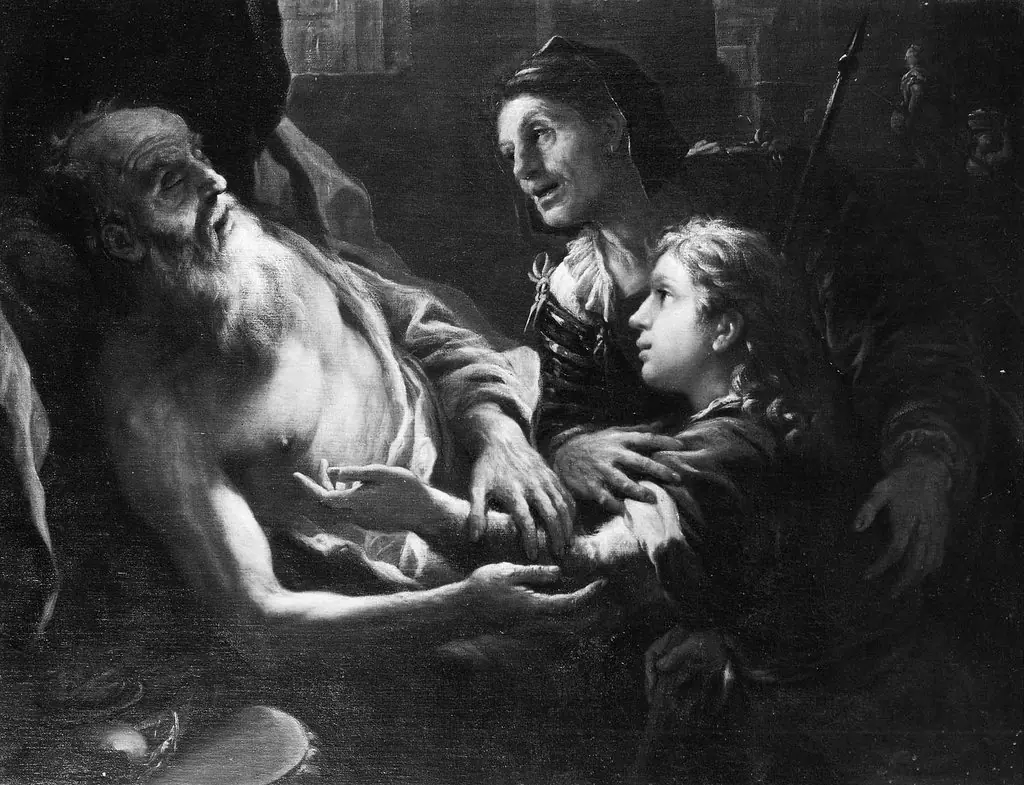
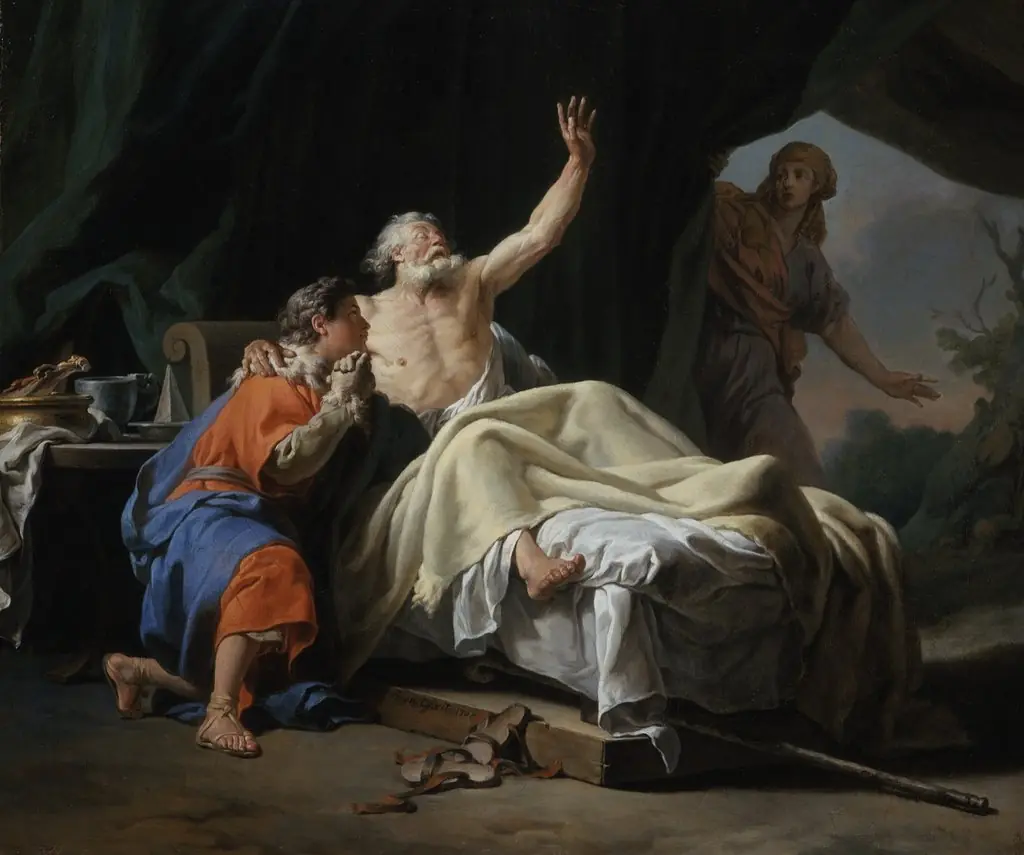
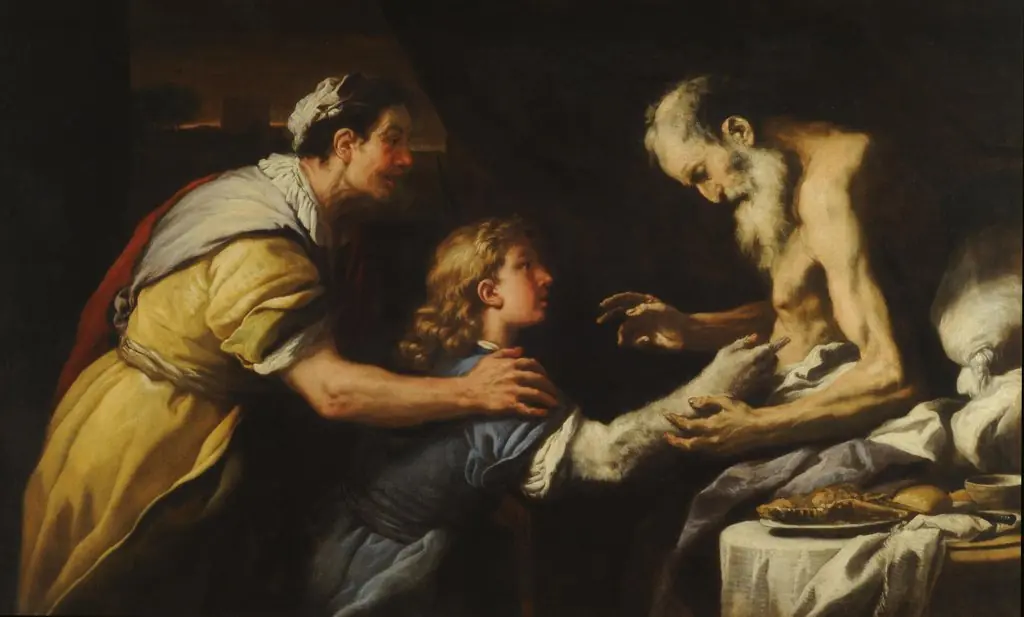
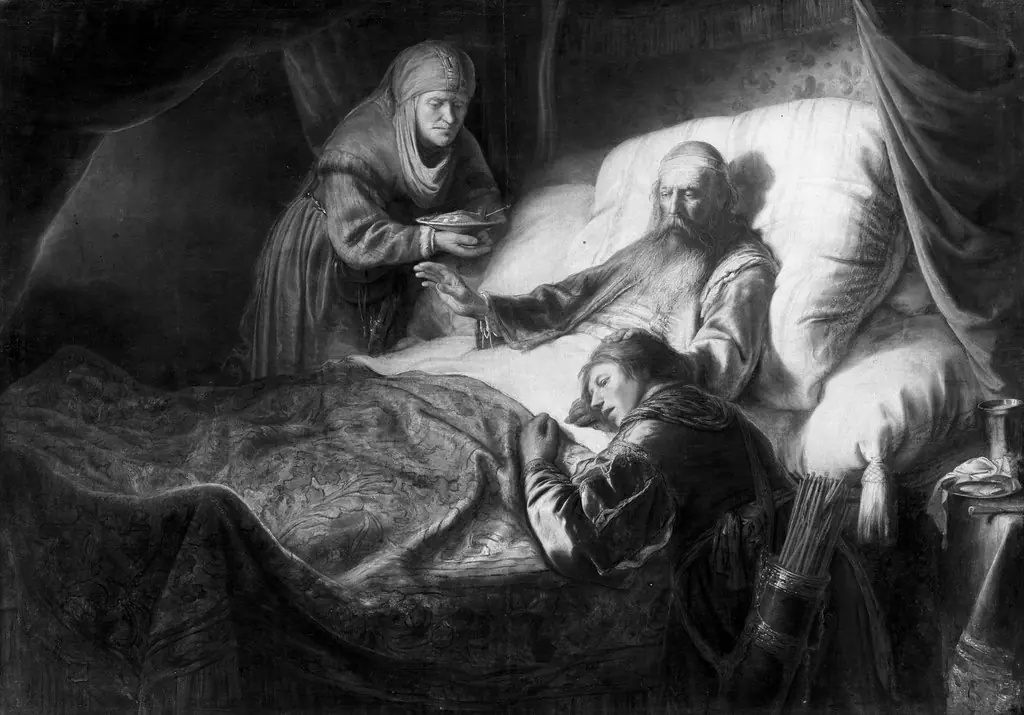
The painting depicts the biblical narrative from Genesis 27, wherein the nearly blind patriarch Isaac mistakenly blesses his younger son, Jacob, instead of the firstborn, Esau. The scene captures the moment of deception: Jacob, disguised in his brother's clothes with goat skins covering his hands and neck to mimic Esau's hairiness, presents himself to his father while his mother, Rebekah, looks on. Isaac, seated in bed, extends his right hand to confer the irrevocable blessing of inheritance upon the impostor.
This specific moment of psychological tension and trickery became a more frequent subject in seventeenth-century art compared to earlier periods. The work represents the transfer of patriarchal authority through a divinely sanctioned, albeit deceitful, act that establishes Jacob as the heir.
Technique & Style
Executed in 1638, this work is an oil painting on canvas measuring 117 by 141 centimeters. The composition employs a largely monochromatic palette and dramatic chiaroscuro to highlight the psychological tension of the biblical narrative. Flinck's handling of the medium is characterized by a loose, occasionally rough application of thick paint impasto, applied using both fingers and a palette knife.
This textural approach, combined with the specific rendering of Isaac's woolly white beard, reflects the profound influence of Rembrandt, under whom the artist trained. The style is so closely aligned with his master's techniques from this period that the work was historically sometimes mistaken for a painting by Rembrandt himself.
History & Provenance
Created in 1638, Isaac Blessing Jacob is an oil on canvas painting by the Dutch artist Govert Flinck. The work measures 117 by 141 centimeters and depicts the biblical narrative from Genesis 27, where the blind patriarch Isaac is tricked into blessing his younger son Jacob instead of the firstborn Esau. Flinck produced this piece during a period when he was heavily influenced by his former teacher, Rembrandt van Rijn, adopting a similar loose technique, thick impasto, and dramatic chiaroscuro.
The painting is currently held in the Rijksmuseum in Amsterdam under the inventory number SK-A-110. Historical records indicate that the work was previously owned by Gerrit van der Pot before entering the museum's collection.
Context
Created in 1638, Govert Flinck's Isaac Blessing Jacob stands as a definitive example of the artist's early period under the total influence of his teacher, Rembrandt van Rijn. The work exhibits a Rembrandtesque style characterized by loose brushwork, thick impasto applied with fingers and palette knives, a monochromatic palette, and strong chiaroscuro, leading to the painting frequently being mistaken for an authentic Rembrandt. This stylistic alignment reflects the broader context of Flinck's tenure in Rembrandt's studio from 1633 to 1636, where he adopted his master's techniques and thematic choices.
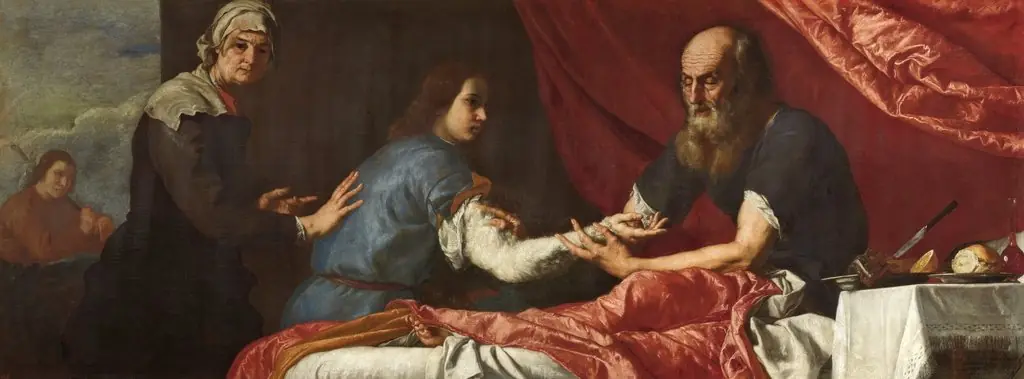
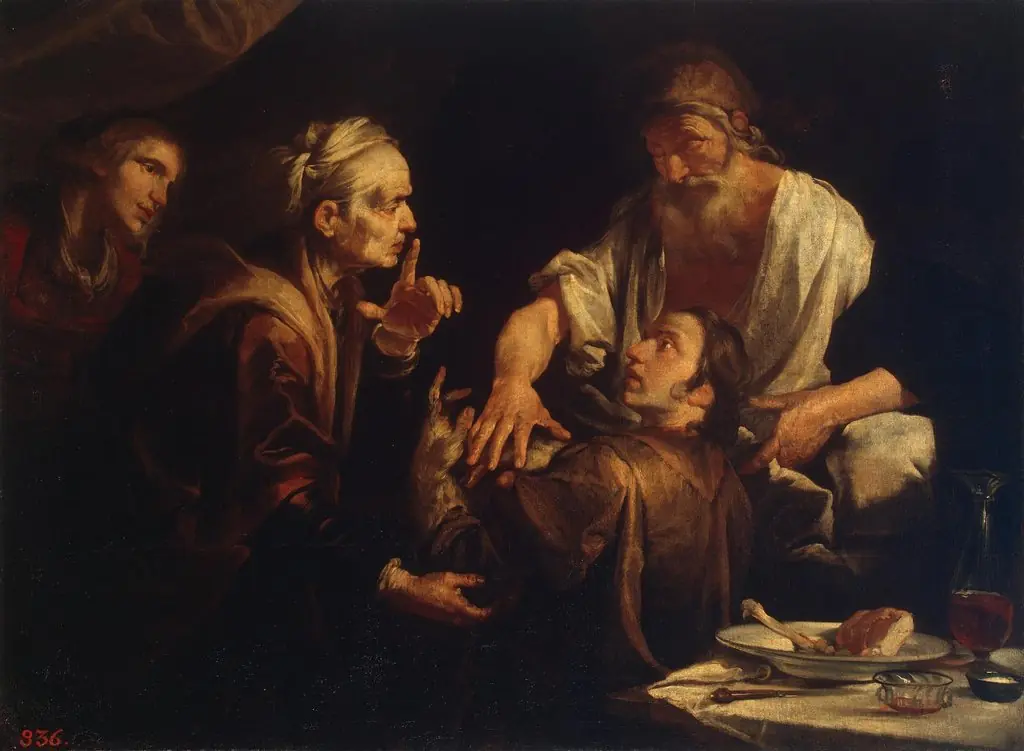
The painting also highlights a reciprocal artistic dialogue; its composition bears such a striking resemblance to Rembrandt's 1656 Jacob Blessing the Sons of Joseph that scholars have questioned whether the master was influenced by Flinck or if they shared models. While the biblical deception of Isaac was rare in medieval and Renaissance art, it became a frequent subject in the 17th century across both Spanish and Dutch schools.
Legacy
The work's legacy is defined by its extreme stylistic resemblance to the paintings of Rembrandt, under whom Govert Flinck trained. Due to Flinck's adoption of his master's loose technique, thick impasto, and dramatic chiaroscuro, the 1638 painting was frequently misattributed to Rembrandt himself in later periods. This close relationship between the two artists is further highlighted by Rembrandt's own 1656 work, Jacob Blessing the Sons of Joseph, which shares significant thematic and compositional similarities with Flinck's piece.
Scholars have even questioned whether the influence flowed in reverse, suggesting Rembrandt may have been inspired by Flinck's earlier treatment of the Isaac and Jacob theme or that they utilized the same models. The painting remains a key example of the Dutch Golden Age's engagement with this biblical narrative, which saw increased representation in the seventeenth century compared to earlier eras.
Overview
Govert Flinck’s 1638 oil on canvas entitled Isaac Blessing Jacob is part of the Rijksmuseum’s collection in Amsterdam (catalogue number SK‑A‑110). The work portrays a moment from the Genesis narrative in which the patriarch Isaac bestows his blessing upon his son Jacob, a scene frequently rendered in Dutch Golden Age painting.
Own this work as a print
Artist & collection

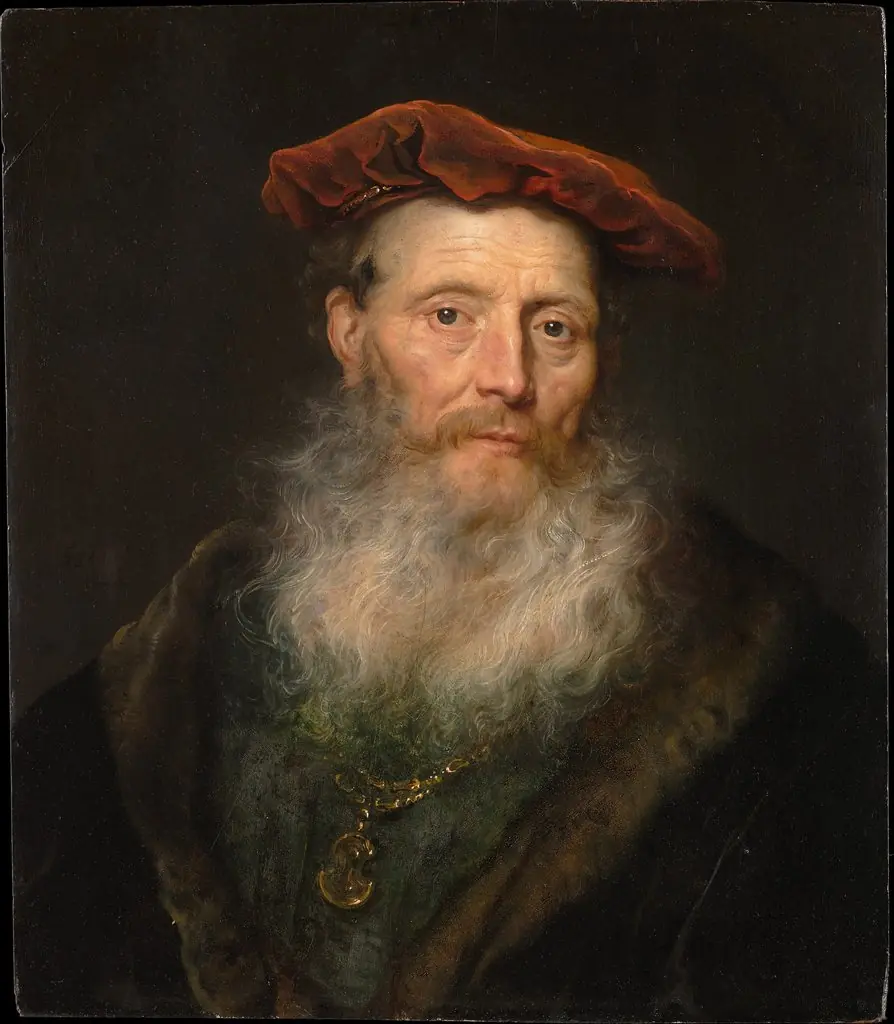 Bearded Man with a Velvet Cap
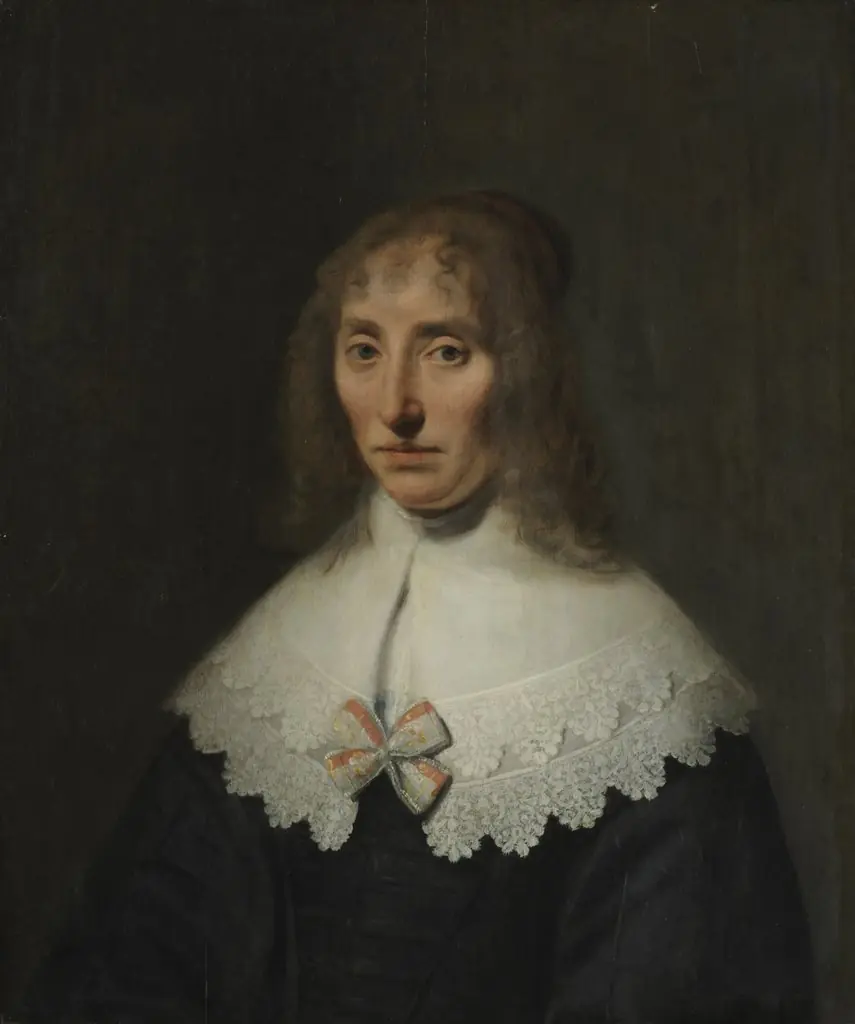 Portrait of a Woman
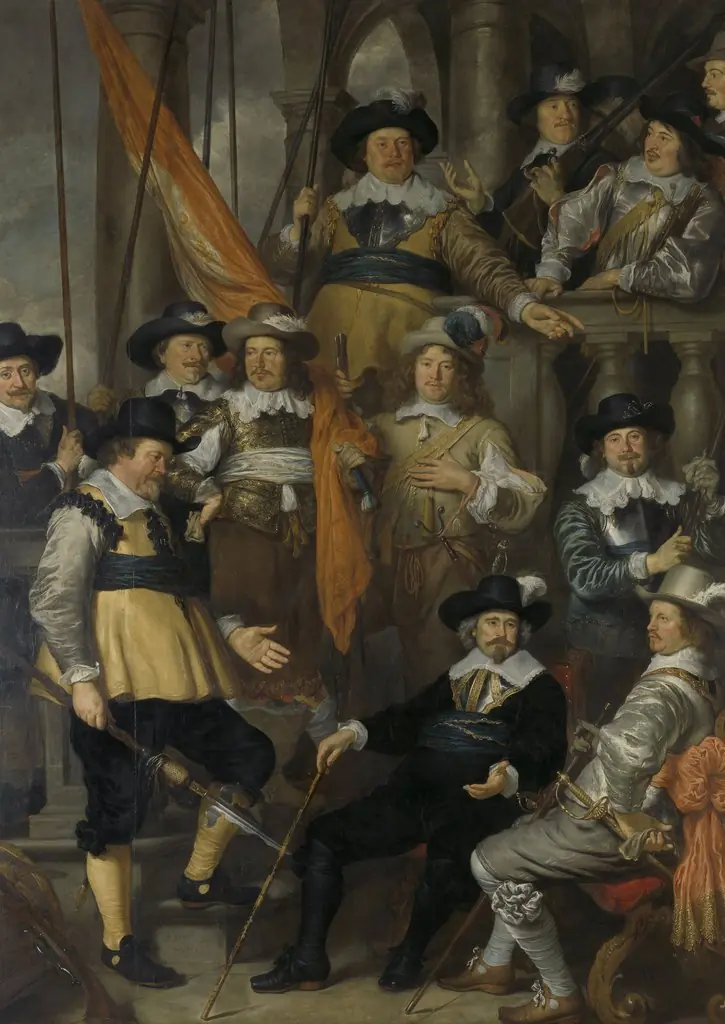 The Company of Captain Albert Bas and Lieutenant Lucas Conijn
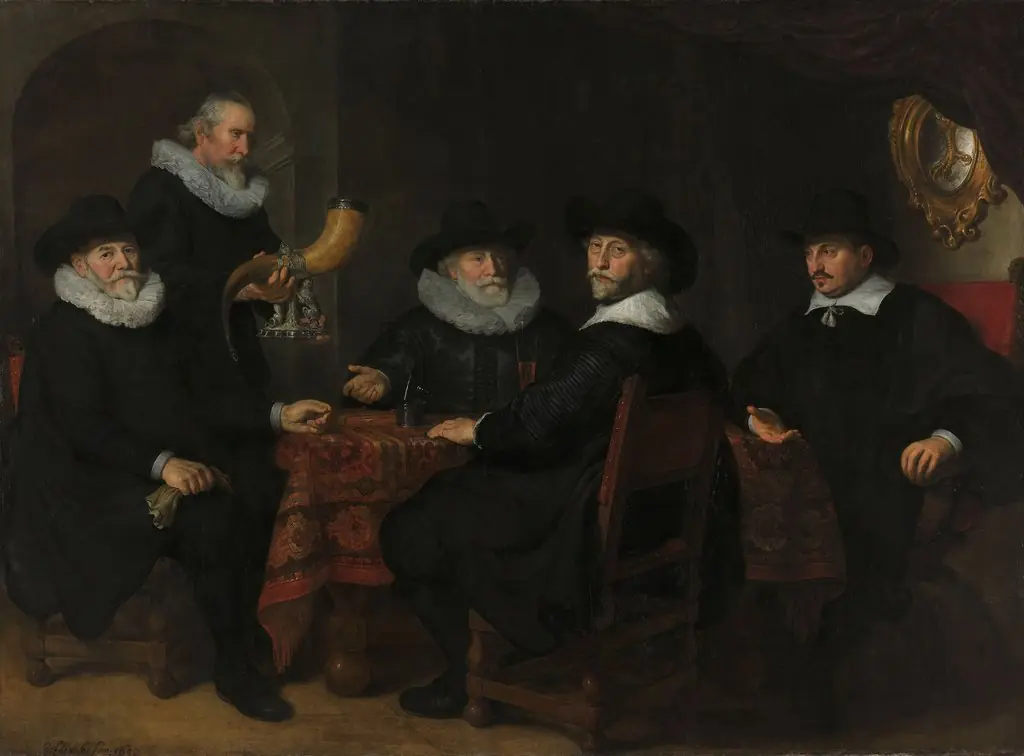 Four directors of the arquebusier's guild, Amsterdam, 1642
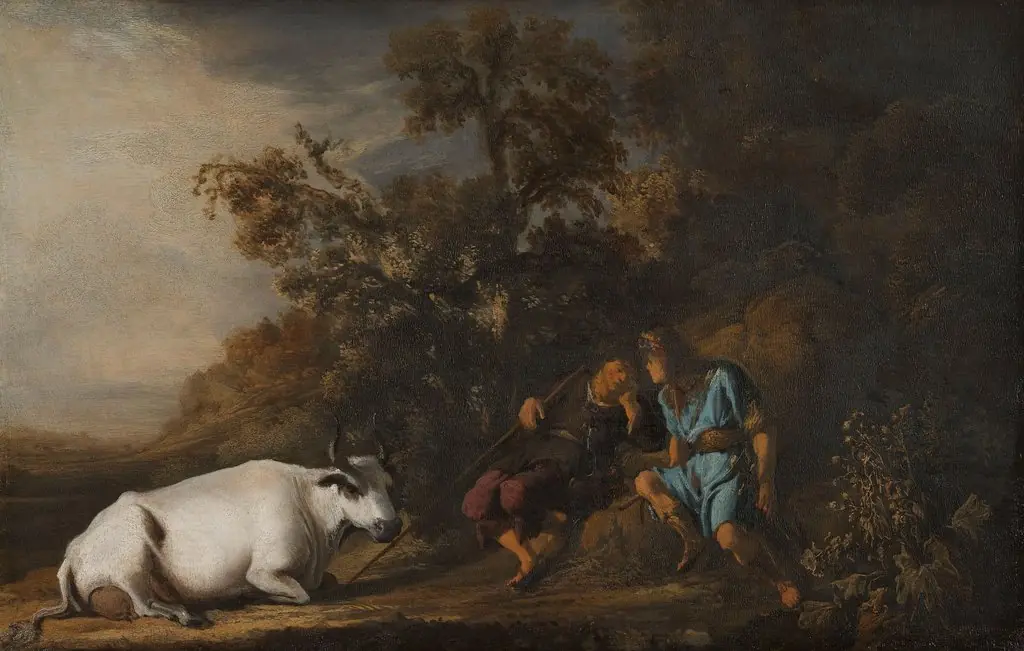 Mercury, Argus and Io
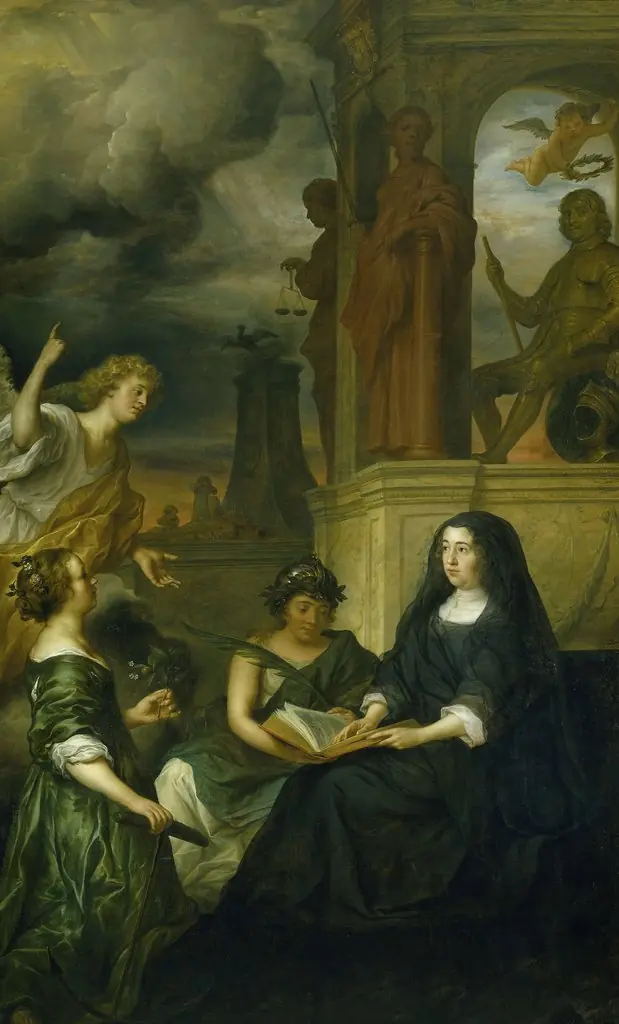 Allegory on the memory of Frederik Hendrik (1584-1647), prince of Orange, with the portrait of his widow Amalia van Solms
 Susanna and the Elders
 Korsfæstelsen