Artwork
Korsfæstelsen
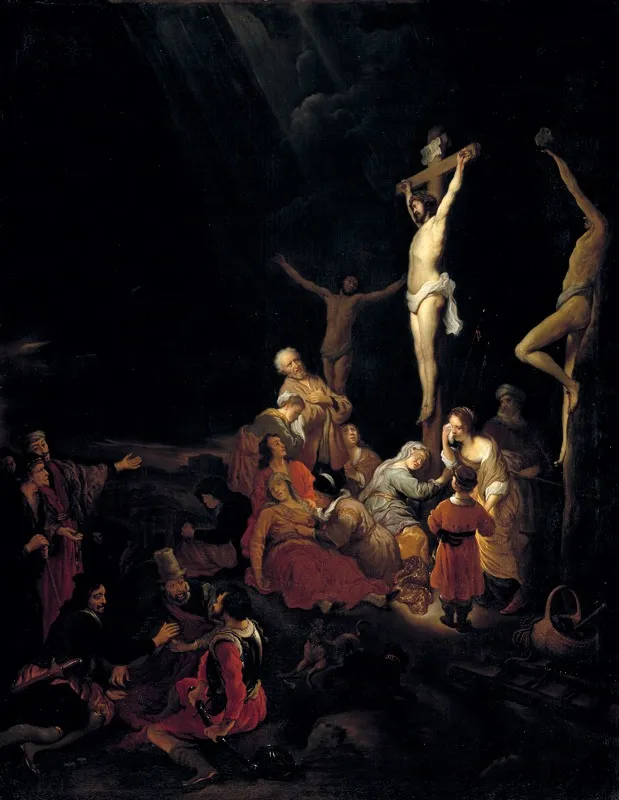
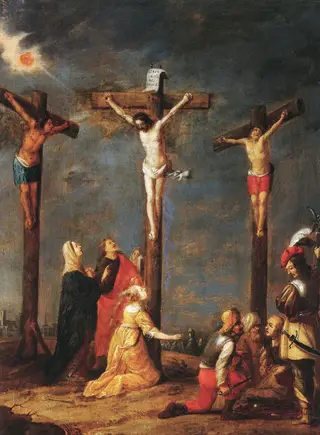
Korsfæstelsen is an oil painting by the Dutch Golden Age artist Govert Flinck. It dates from 1649 and is held in the collection of the Statens Museum for Kunst.
About this work
Subject & Meaning
The scene emphasizes the moment of Christ’s sacrifice, conveying themes of suffering, redemption, and divine love.
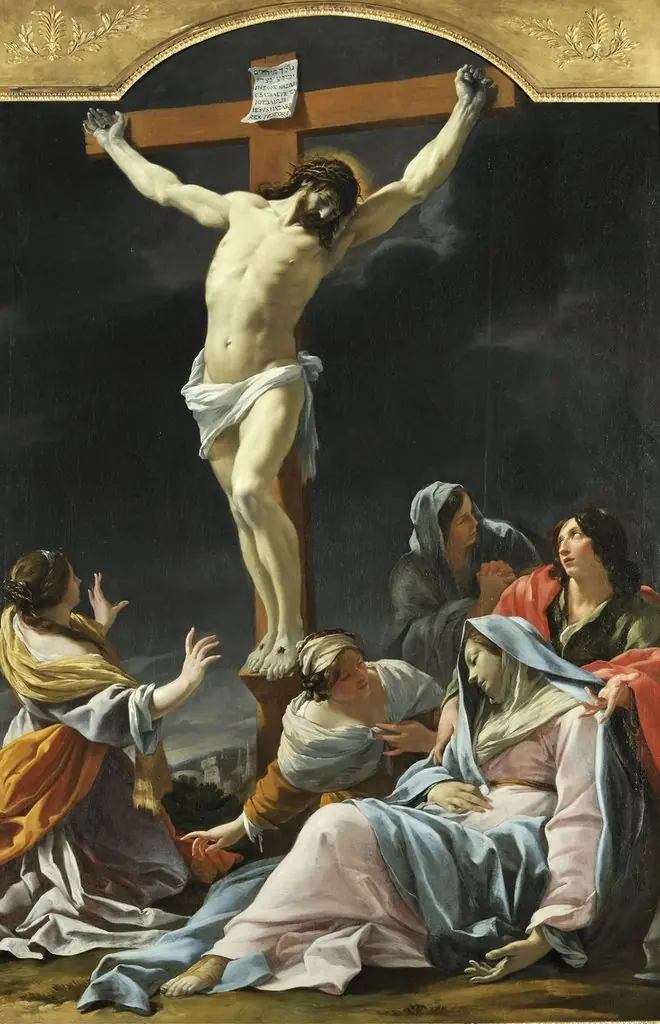
The painting depicts the Crucifixion of Jesus, a central subject in Christian iconography. Govert Flinck’s composition centers on the figure of Jesus Christ nailed to the cross, with Mary positioned at the foot of the cross, a traditional element in depictions of the crucifixion. The scene emphasizes the moment of Christ’s sacrifice, conveying themes of suffering, redemption, and divine love.
By including Mary’s presence, the work underscores her role as a witness and intercessor, reinforcing the narrative of Christ’s death and its theological significance within the Christian tradition.
Technique & Style
Korsfæstelsen is executed in oil paint on canvas, a standard support for mid-seventeenth-century Dutch history painters. The canvas measures 1281 mm in height by 994 mm in width, giving the composition a tall, vertical format well suited to its religious subject. Its medium and dimensions are consistent with Govert Flinck's broader practice of producing large-scale biblical and devotional canvases during this period of his career.
The work is classified as a religious painting, depicting the Crucifixion of Jesus with Mary among the figures present. Flinck's handling reflects the Rembrandtesque tradition in which he was trained, employing oil paint to build tonal depth and dramatic chiaroscuro across the canvas surface.
History & Provenance
The painting titled Korsfæstelsen was created by the Dutch artist Govert Flinck in 1649. Executed in oil on canvas, the work depicts the crucifixion of Jesus Christ along with the figure of Mary. Currently, the artwork is held in the collection of the Statens Museum for Kunst.
The specific commission details, previous ownership records, and the precise creation timeline beyond the year of inception are not documented in the available sources.
The work is held by Statens Museum for Kunst in Copenhagen, where it remains in the national collection.
It is inventoried as SMK 1272 under the museum’s holdings.
The painting has been exhibited at Statens Museum for Kunst in Copenhagen, as part of the museum’s permanent display of 17th-century Dutch and Flemish works.
Legacy
The painting has been recognized for its dramatic composition and naturalistic rendering of the crucifixion scene, influencing later Dutch artists who emulated Flinck's approach to religious subjects. Its presence in the collection of the Statens Museum for Kunst has contributed to scholarly discussions of 17th‑century Dutch Baroque art, reinforcing its reputation as a significant example of Amsterdam school painting.
Overview
Govert Flinck’s 1649 oil on canvas, titled Korsfæstelsen, presents a solemn interpretation of the crucifixion. The work is part of the collection of Denmark’s Statens Museum for Kunst, where it remains on display as a representative example of mid‑seventeenth‑century Dutch religious painting.
Context
Flinck, a pupil of Rembrandt, worked within the Dutch Golden Age’s tradition of biblical subjects rendered with emotional depth. Korsfæstelsen reflects contemporary theological interests, presenting the crucifixion not merely as a historical episode but as a moment for personal reflection, aligning with the period’s emphasis on devotional intimacy.
Artist & collection

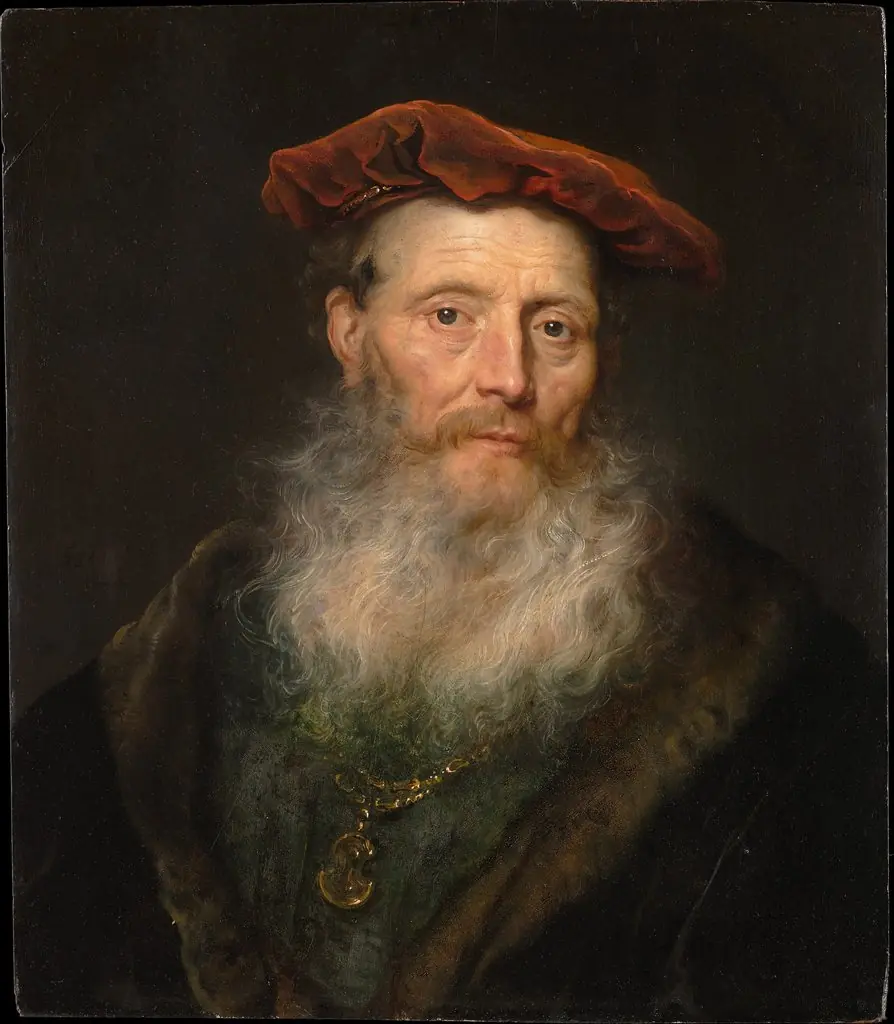 Bearded Man with a Velvet Cap
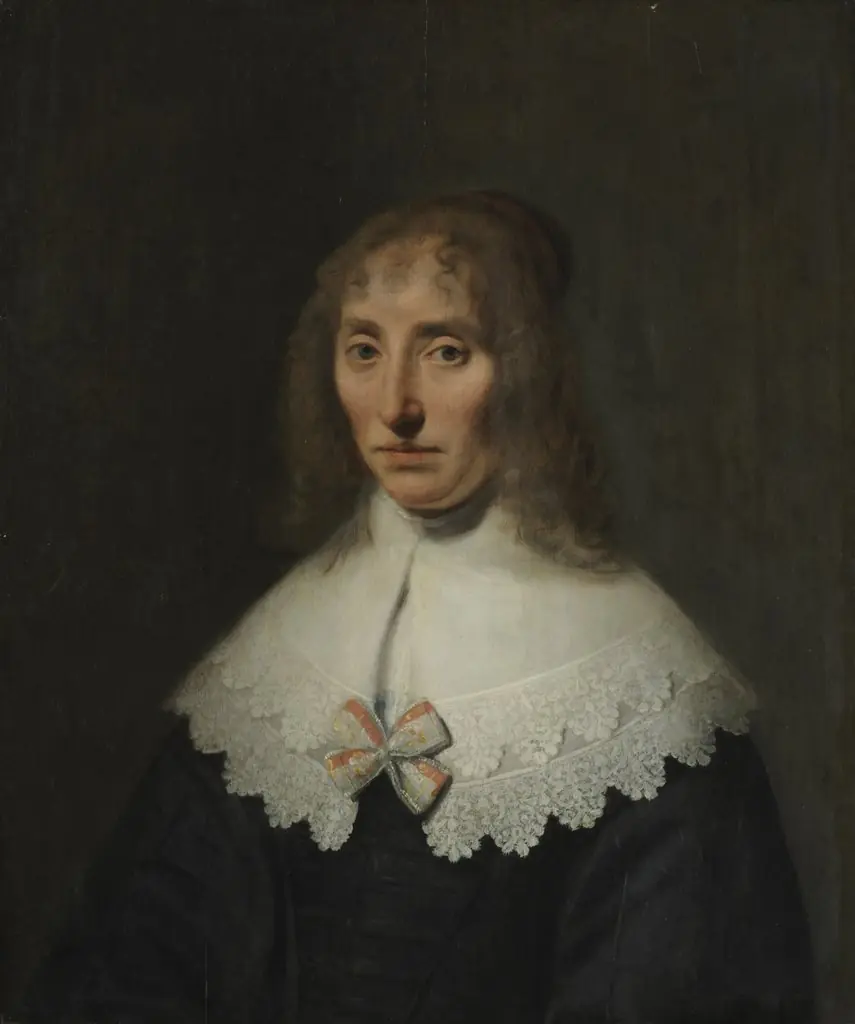 Portrait of a Woman
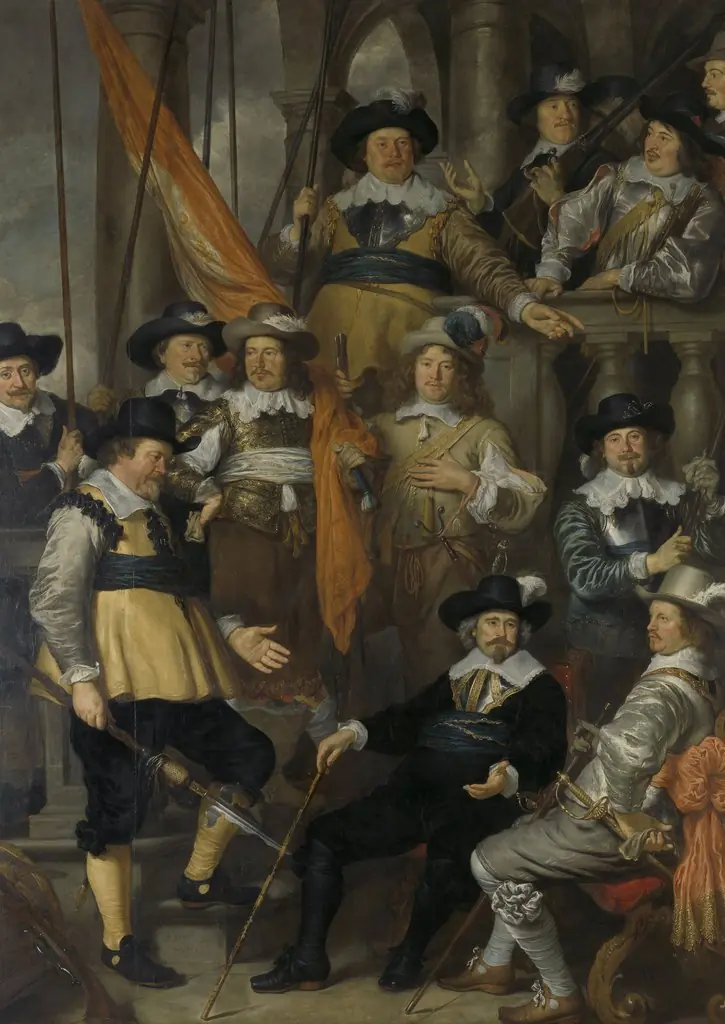 The Company of Captain Albert Bas and Lieutenant Lucas Conijn
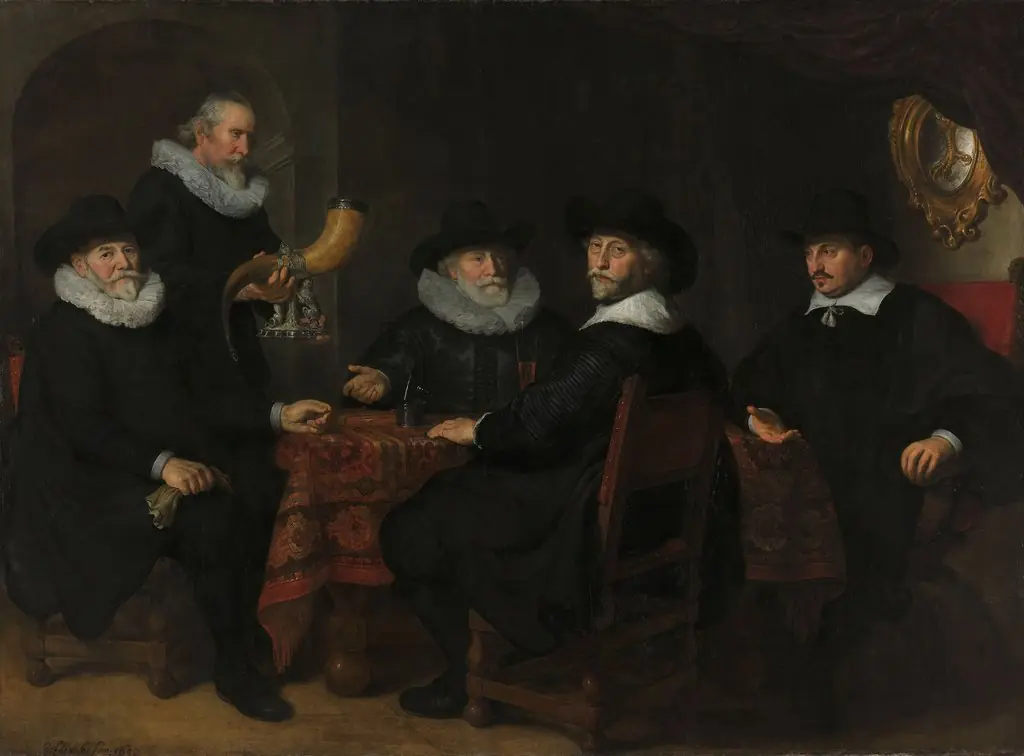 Four directors of the arquebusier's guild, Amsterdam, 1642
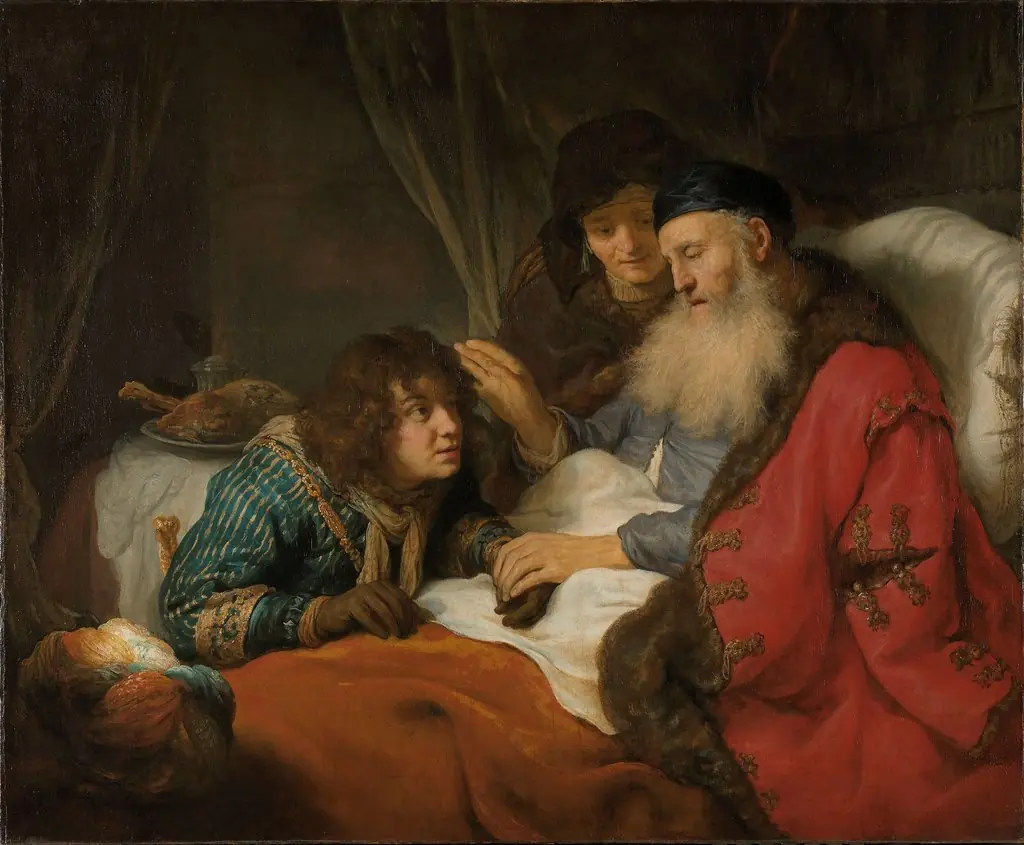 Isaac Blessing Jacob
 Mercury, Argus and Io
 Allegory on the memory of Frederik Hendrik (1584-1647), prince of Orange, with the portrait of his widow Amalia van Solms
 Susanna and the Elders
- The Crucifixion
 Răstignirea lui Iisus
 Crucifixion
 Descent from the Cross (Matthew 27:58–59; Mark 15: 45–46; Luke 23:52–53; John 19:38)
 Crucifixion
 The Crucifixion of St. Andrew
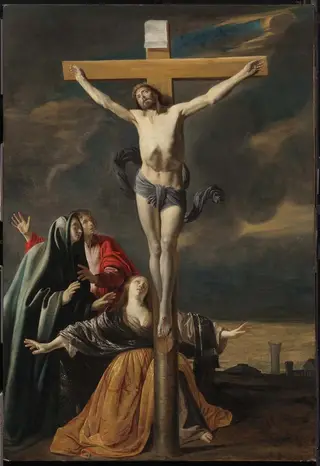 The Crucifixion with the Virgin, Saints John, and Mary Magdalen
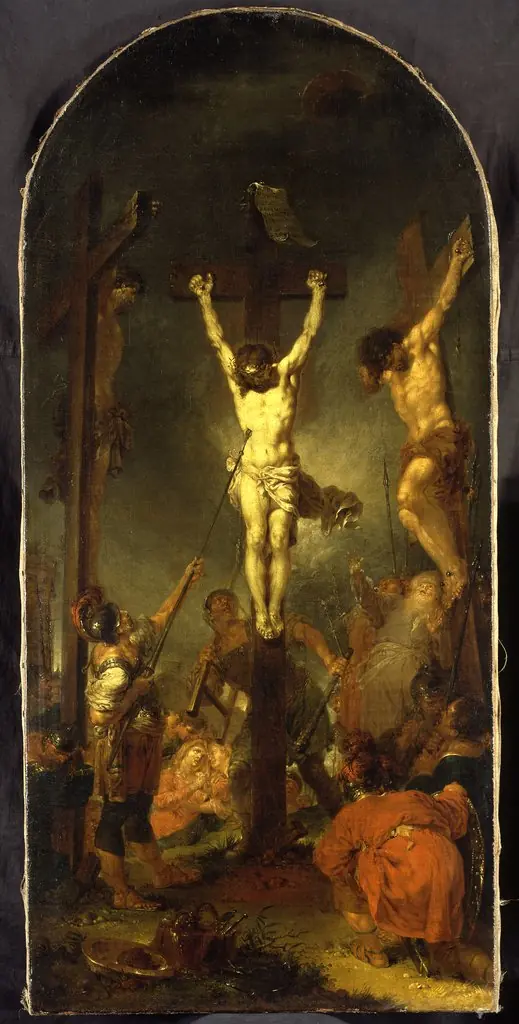 The Crucifixion of Christ
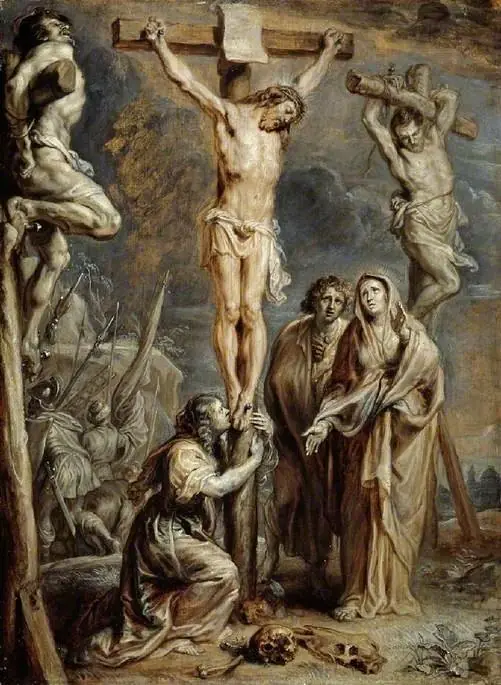 The Crucifixion
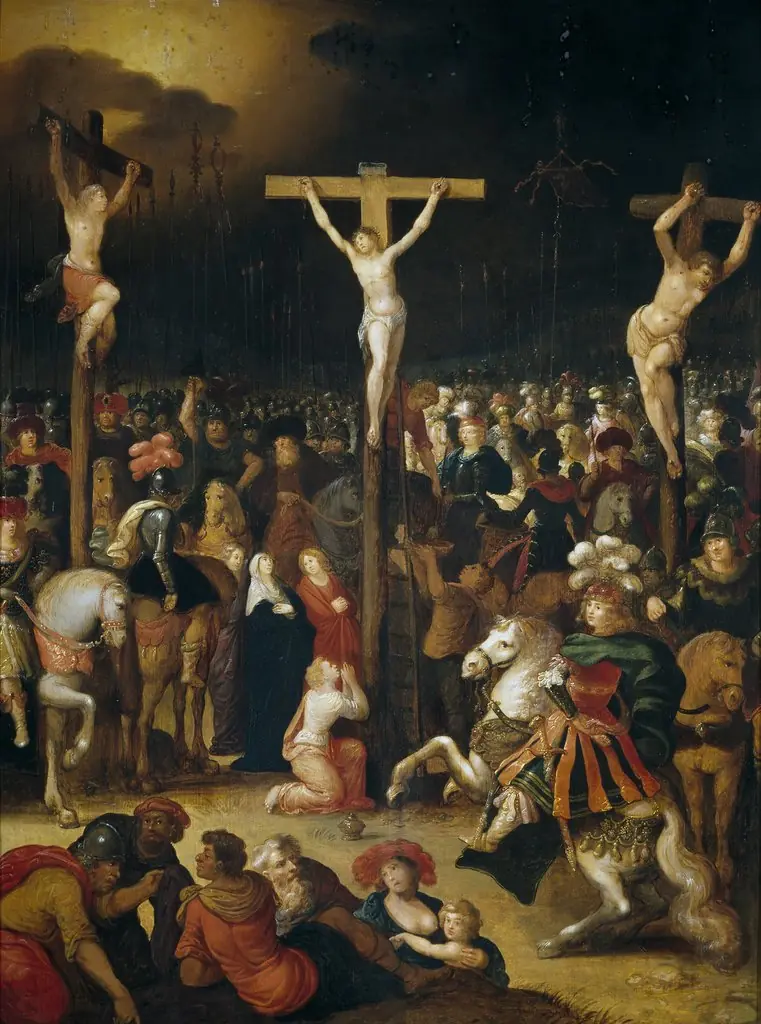 La Crucifixión
 Calvary 1
 Christ on the Cross with Mary Magdalene and Saints