Artwork
Portrait of a Woman
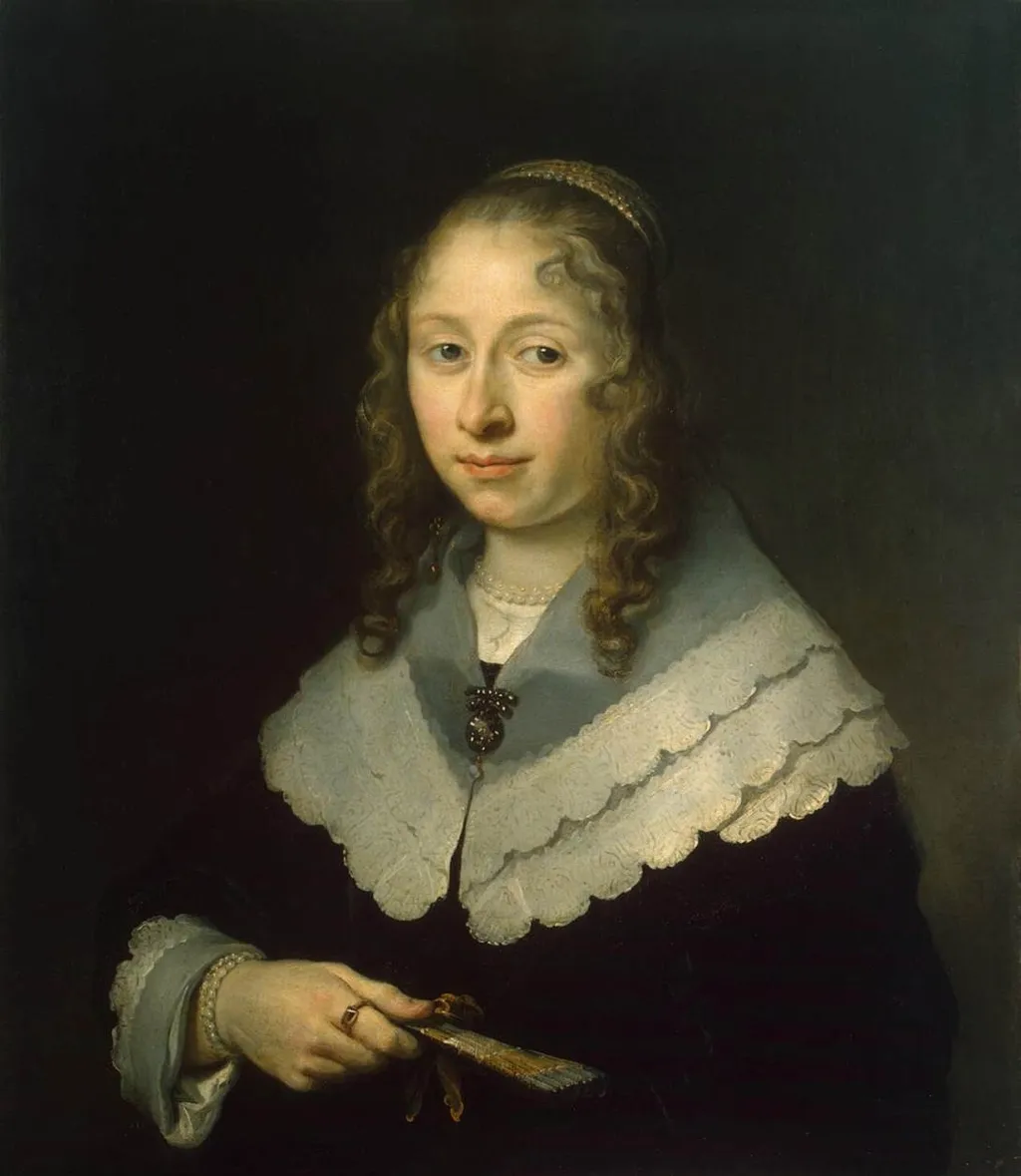
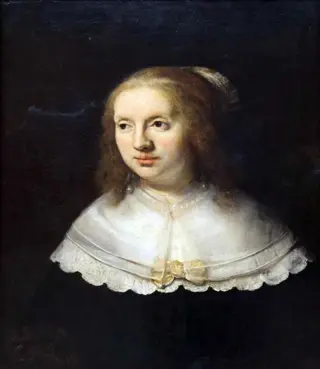
Portrait of a Woman is an oil painting by the Dutch Golden Age artist Govert Flinck. It dates from 1645 and is held in the collection of the Hermitage Museum.
About this work
Subject & Meaning
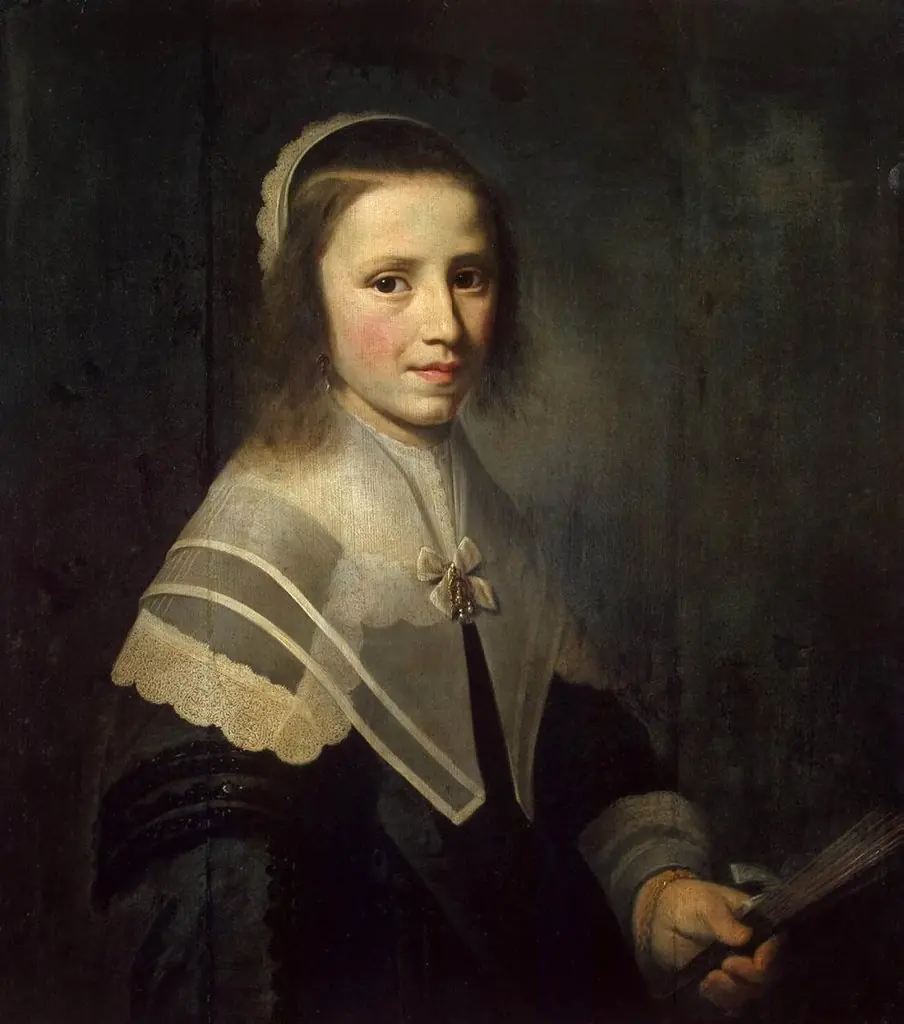
The painting depicts a solitary woman holding a hand fan, a motif that conveys both modesty and refinement typical of mid‑17th‑century Dutch portraiture.
The painting depicts a solitary woman holding a hand fan, a motif that conveys both modesty and refinement typical of mid‑17th‑century Dutch portraiture. The fan serves as a symbol of genteel femininity, while the sitter’s direct gaze suggests an emerging sense of individual identity within the period’s evolving social codes. The work was created in the Netherlands and later entered the collection of the Hermitage Museum, underscoring its cultural significance across borders.
Technique & Style
Executed in oil paint on canvas, this portrait measures 69.5 cm in height and 61 cm in width. The work depicts a female figure holding a hand fan, rendered within the conventions of Dutch portraiture. Created in the Netherlands, the painting demonstrates the material practices typical of the mid-seventeenth century, utilizing a standard woven support for the oil medium.
The composition focuses on the subject's presentation, with the inclusion of the fan serving as a key attribute within the visual narrative.
History & Provenance
The painting is held by the State Hermitage Museum in Saint Petersburg.
It is recorded under Hermitage accession number GE-5353. The work was included in the exhibition "Dutch Masters from the Hermitage," which focused on Dutch paintings in the museum's holdings, with the exhibition held in Russia.
Overview
Govert Flinck’s 1645 oil painting entitled Portrait of a Woman is part of the collection of the State Hermitage Museum. The work presents a single sitter, rendered against an unadorned dark backdrop, allowing the figure to dominate the visual field. The portrait exemplifies mid‑seventeenth‑century Dutch portraiture in both scale and compositional restraint.
Context
Flinck, a pupil of Rembrandt, worked in the Dutch Republic during a period when portraiture served both personal commemoration and the display of wealth. The sitter’s attire and the inclusion of a fan align with contemporary fashions among the urban elite, while the restrained background reflects the artist’s focus on psychological presence rather than narrative setting.
Artist & collection

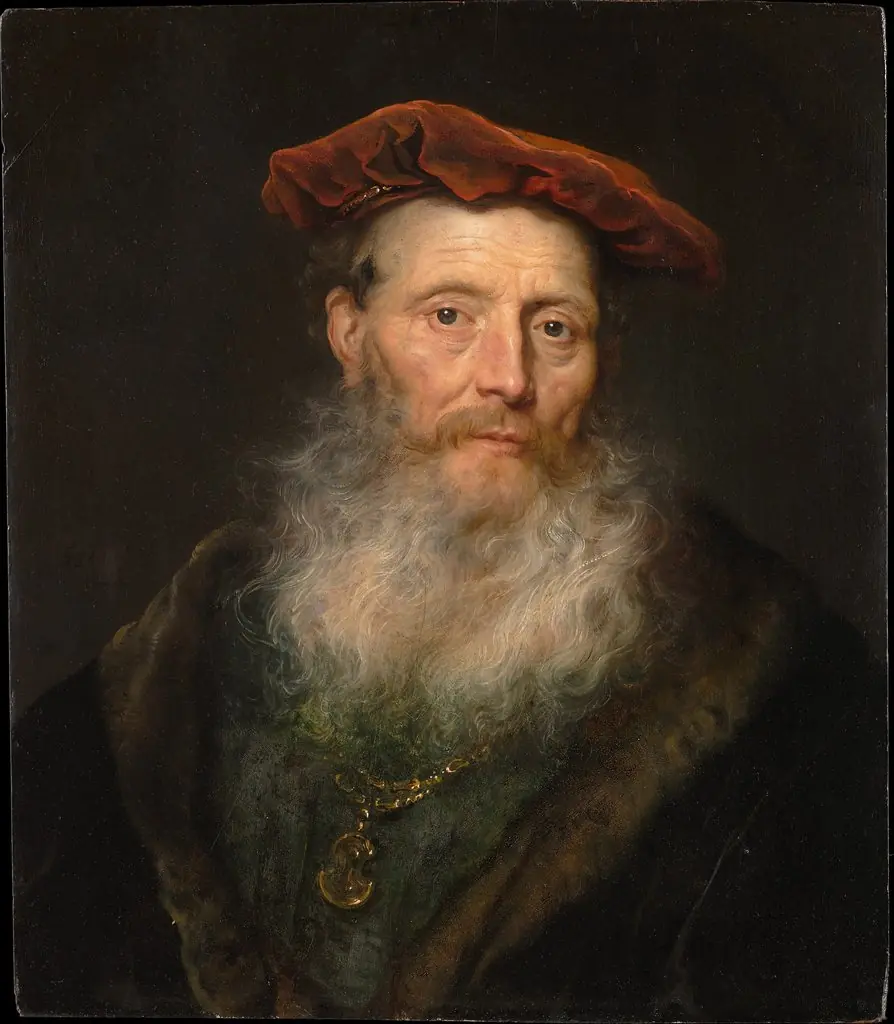 Bearded Man with a Velvet Cap
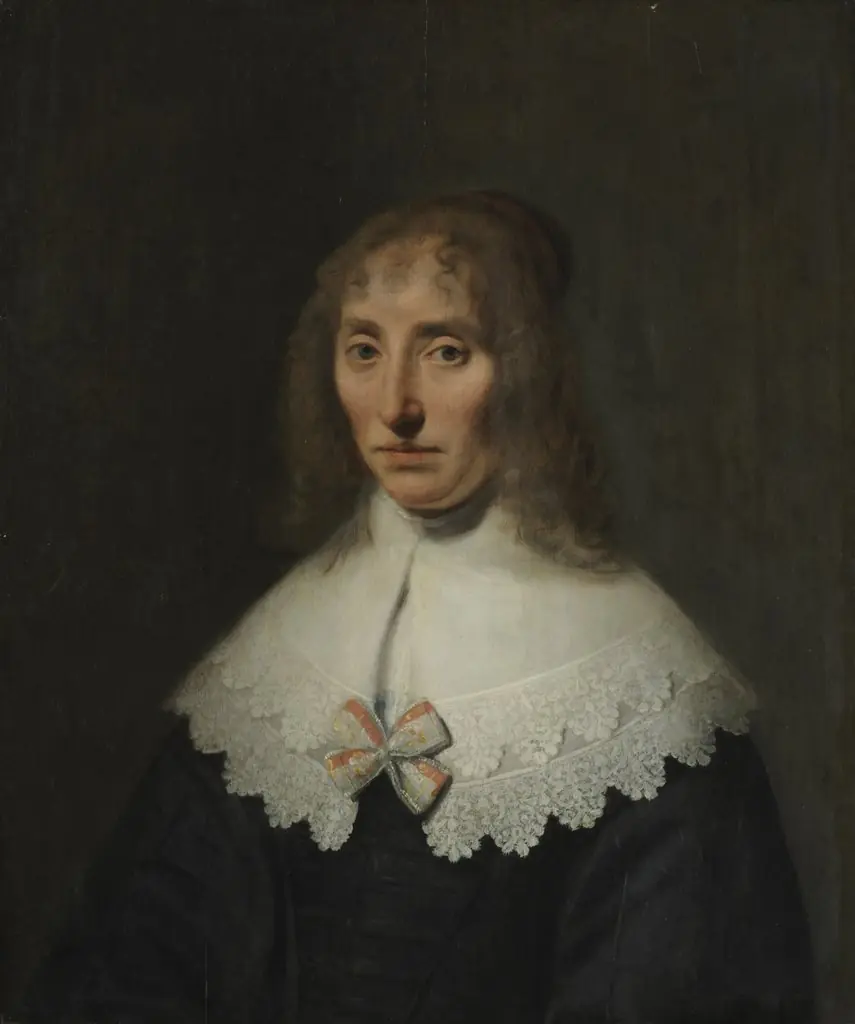 Portrait of a Woman
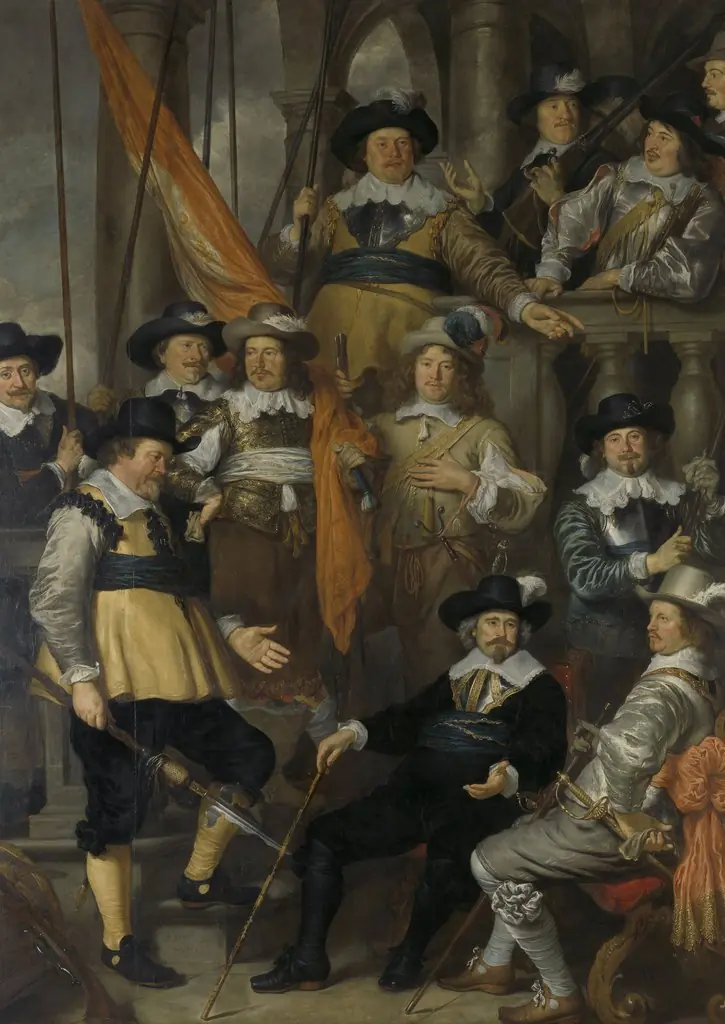 The Company of Captain Albert Bas and Lieutenant Lucas Conijn
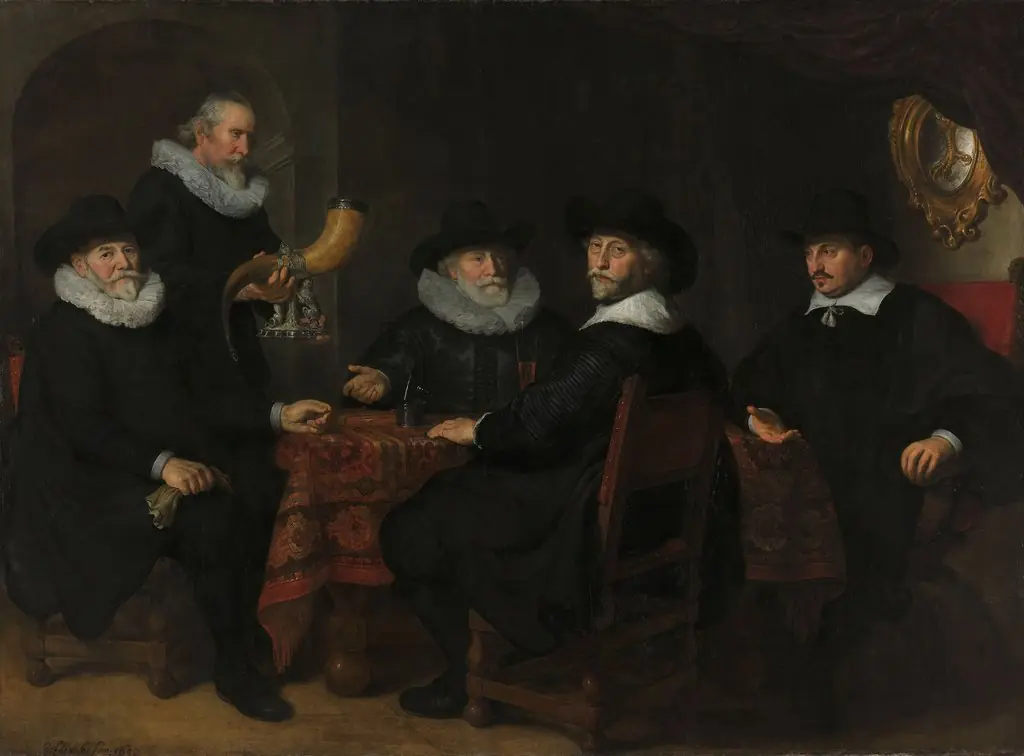 Four directors of the arquebusier's guild, Amsterdam, 1642
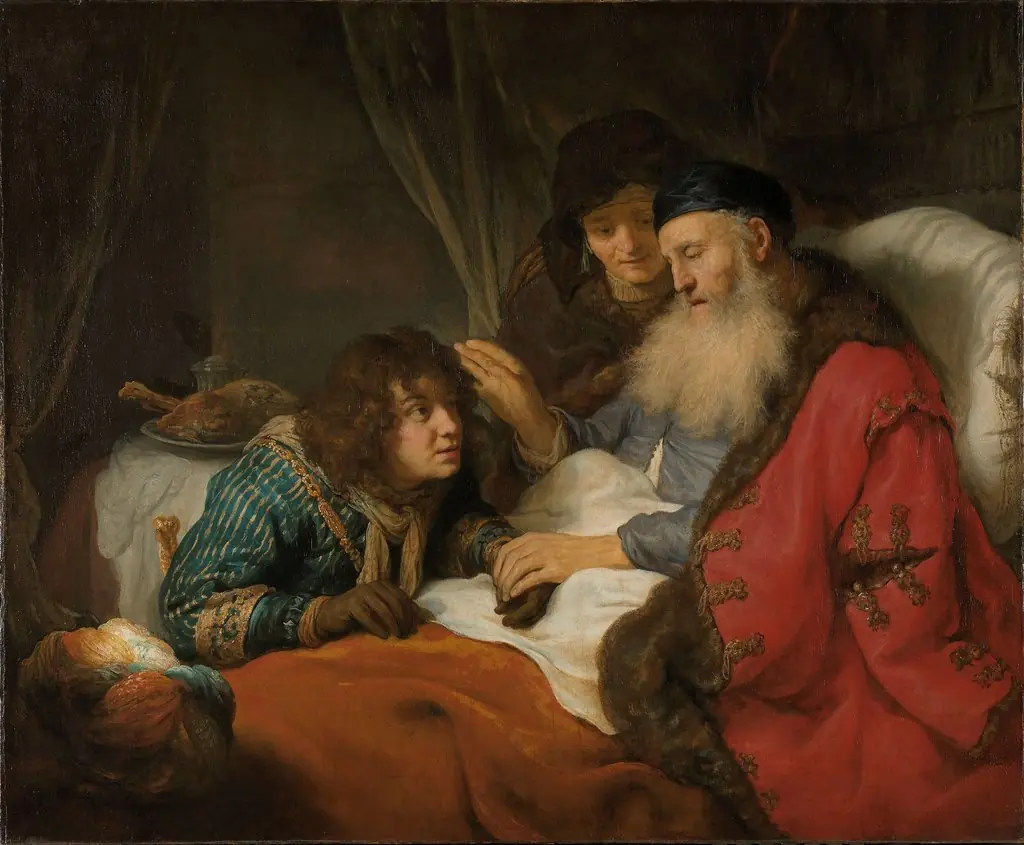 Isaac Blessing Jacob
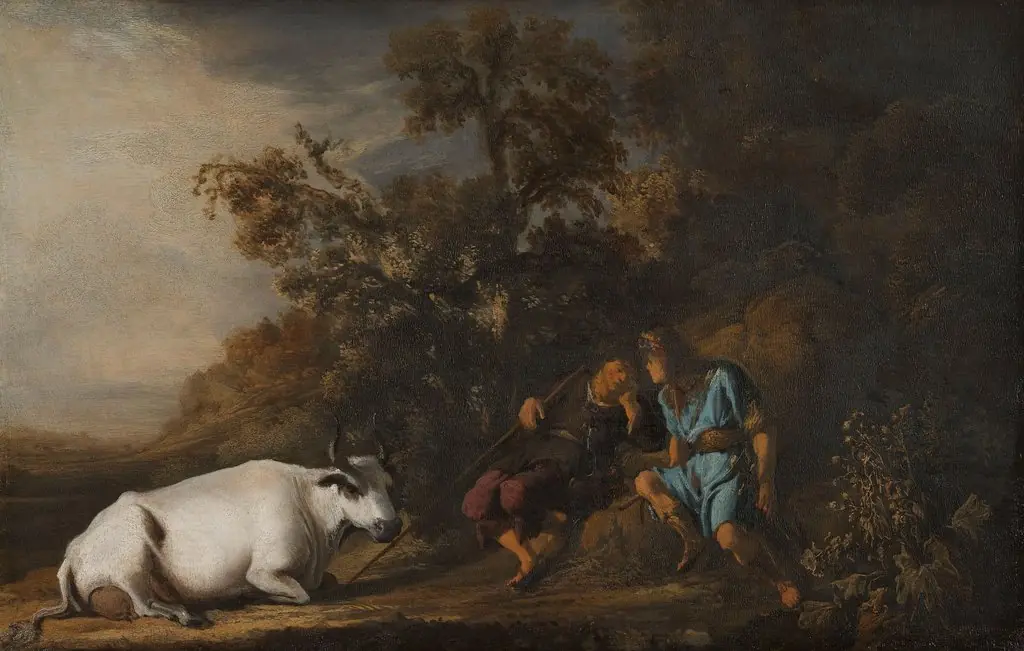 Mercury, Argus and Io
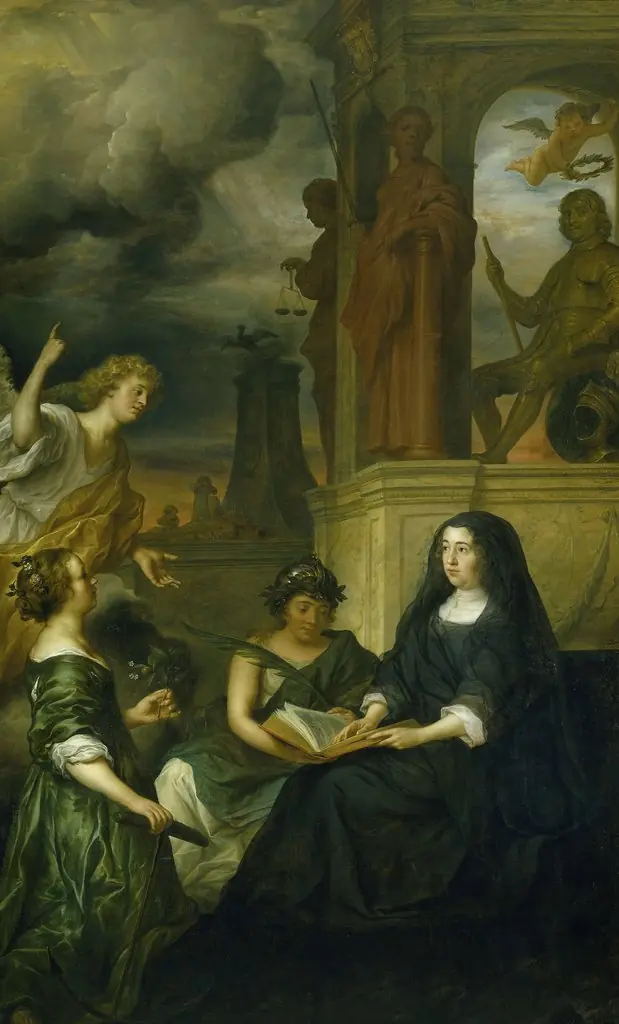 Allegory on the memory of Frederik Hendrik (1584-1647), prince of Orange, with the portrait of his widow Amalia van Solms
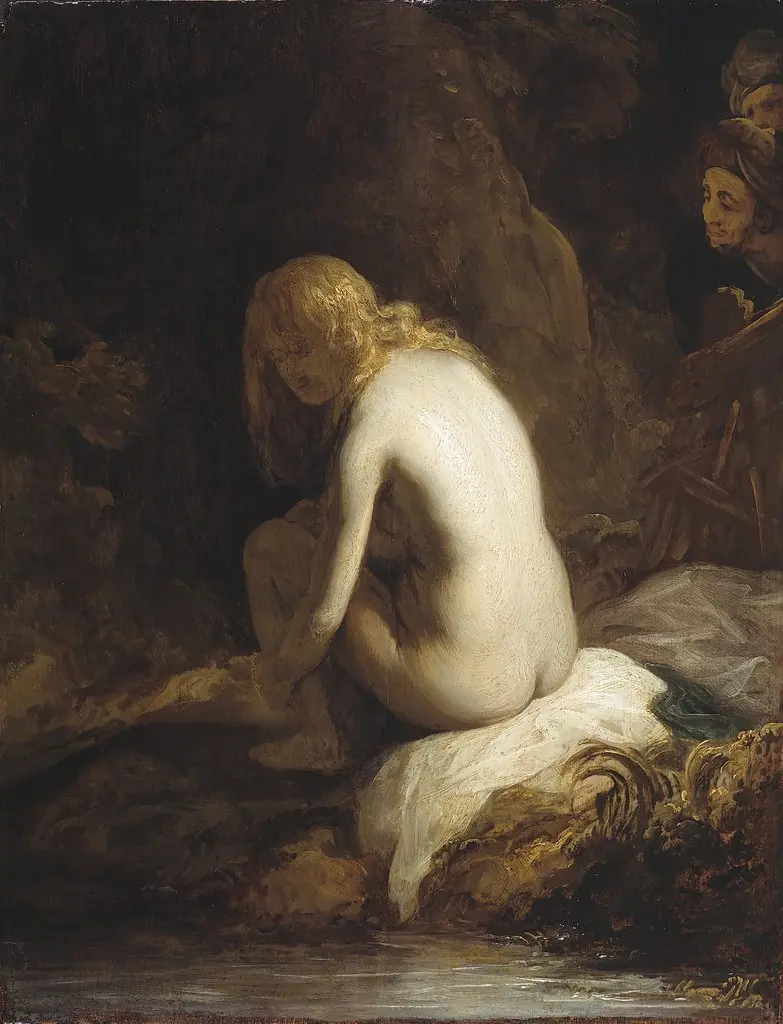 Susanna and the Elders
- Portrait of a Woman
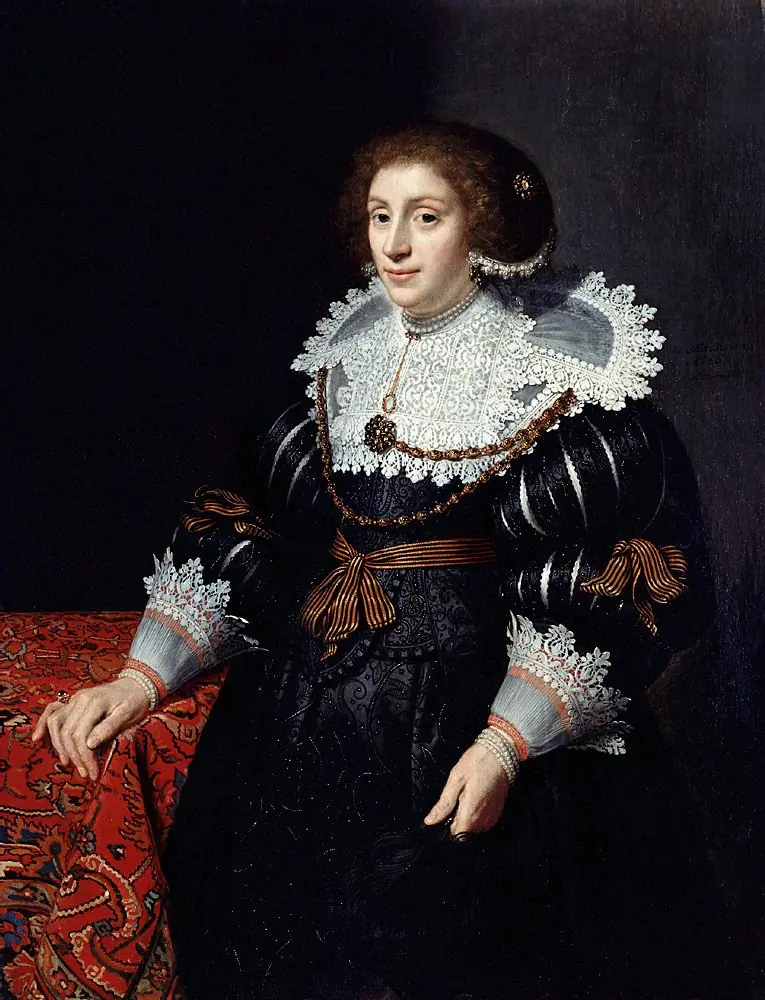 Portrait of a Woman
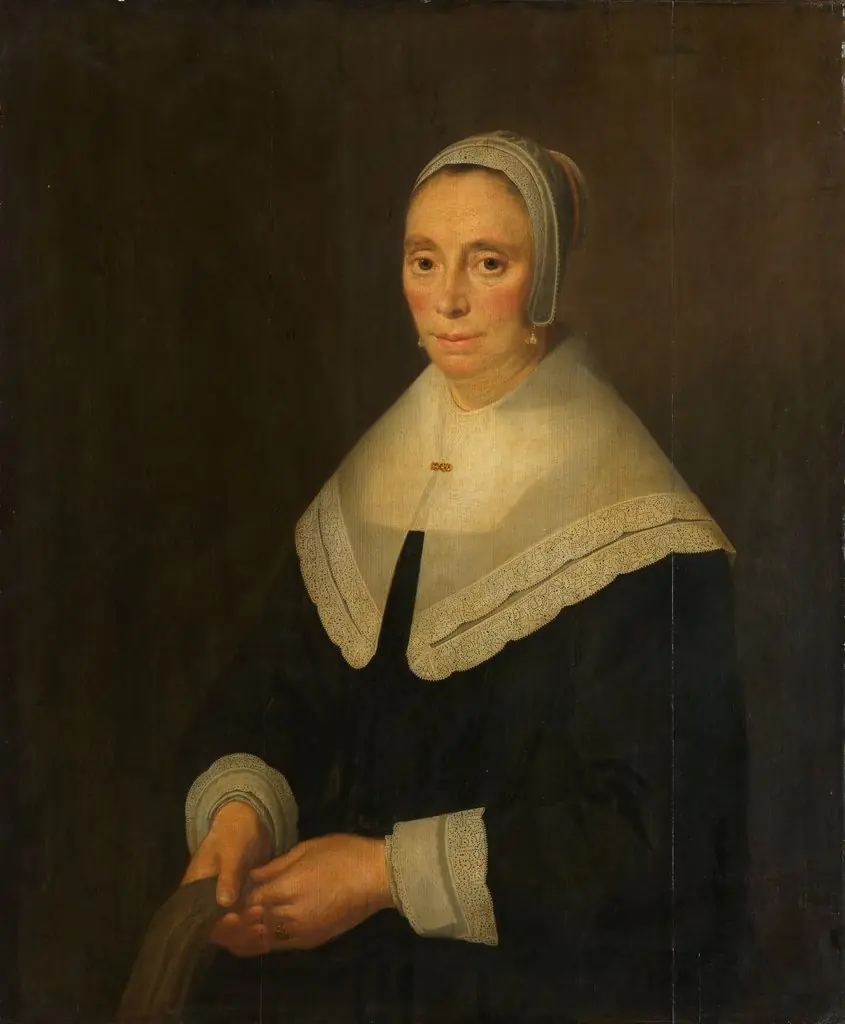 Portrait of a woman
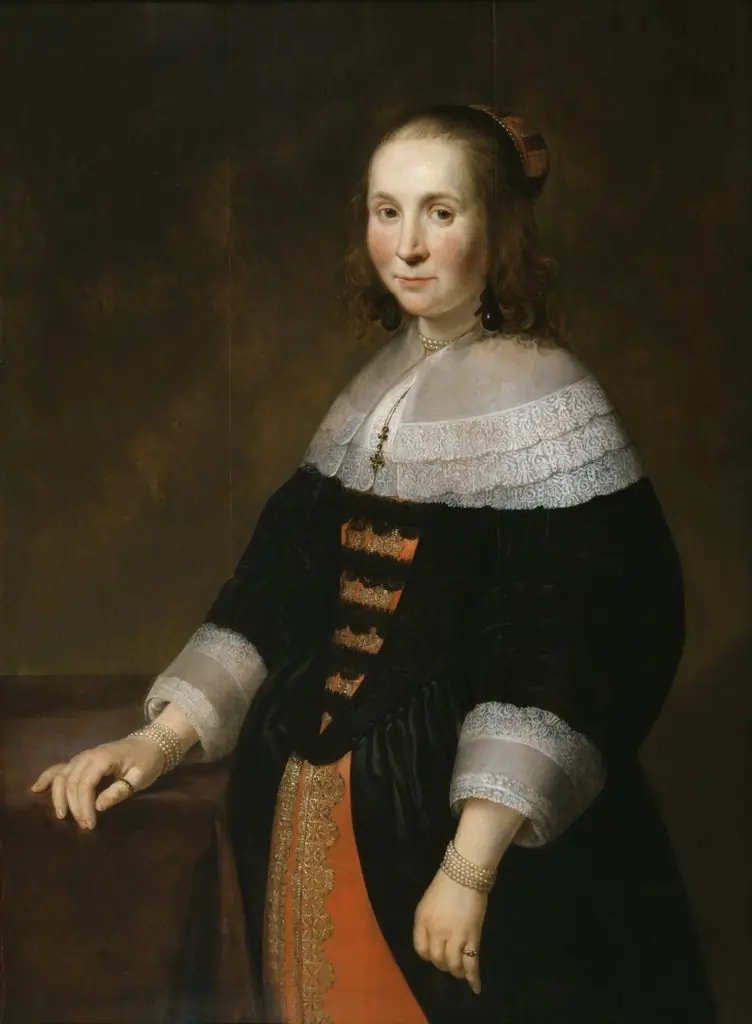 Portrait of a Wife
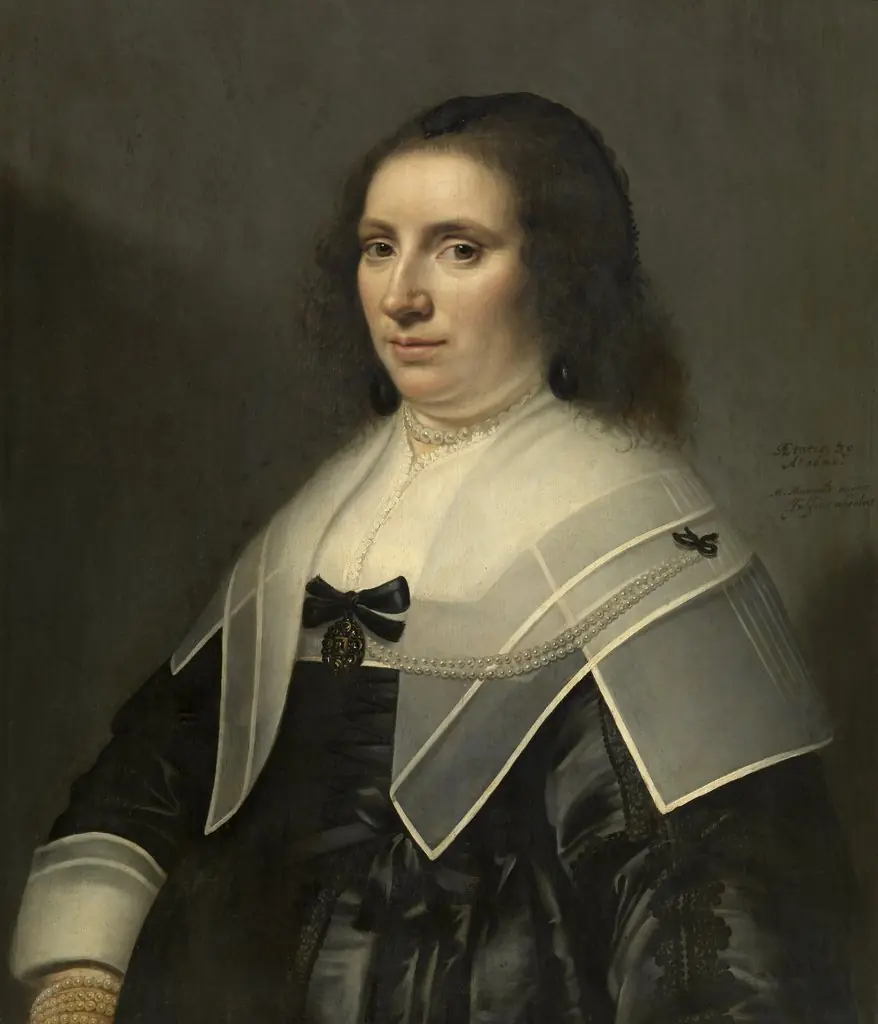 Portrait of Christina Pijll
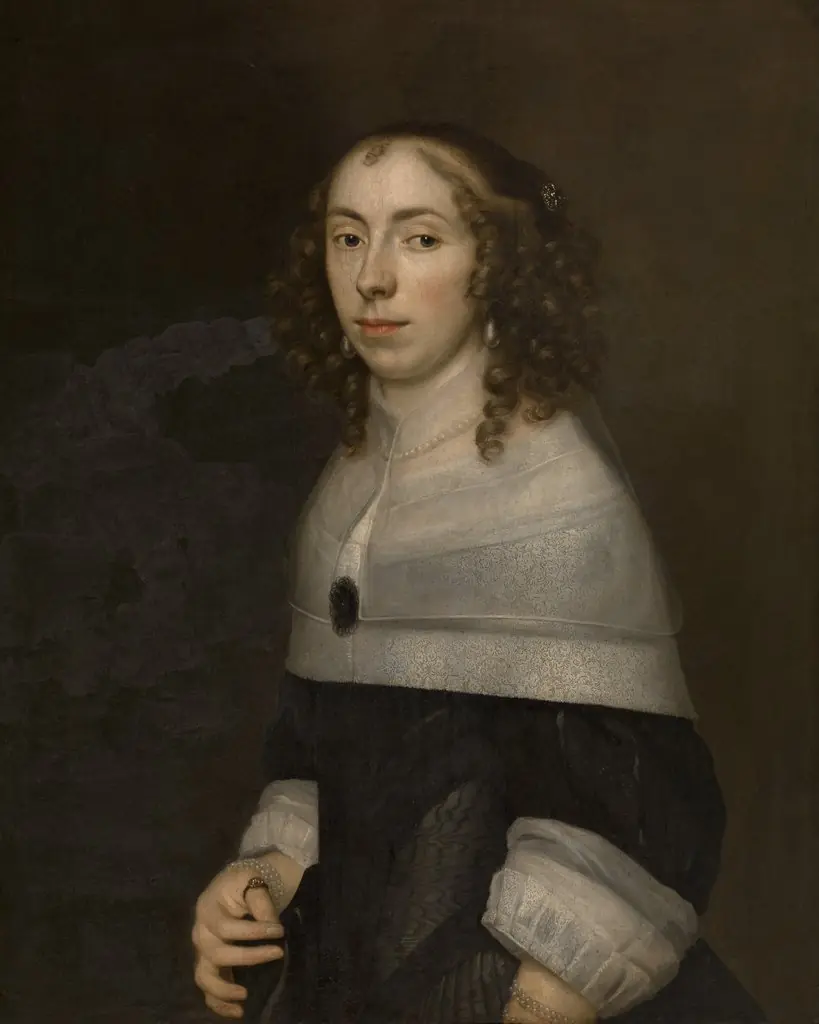 Portrait of Geertruijd Coenen (1635-1716)
 Girl Holding a Fan
 Portrait of Volkera van Beresteyn (1624–1653), wife of Salomon van Schoonhoven (1617–1653)
 Portrait of a young woman
 Portrait of a Young Woman
 Portret de femeie