Artwork
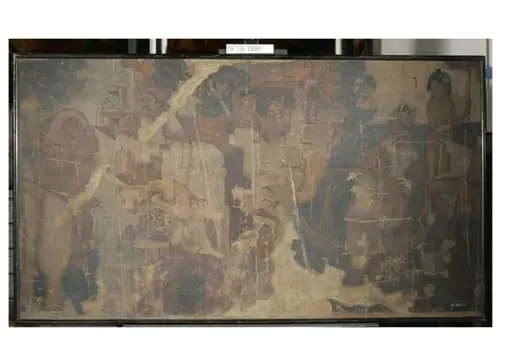
Copy of painting in the caves of Ajantan (cave 17)
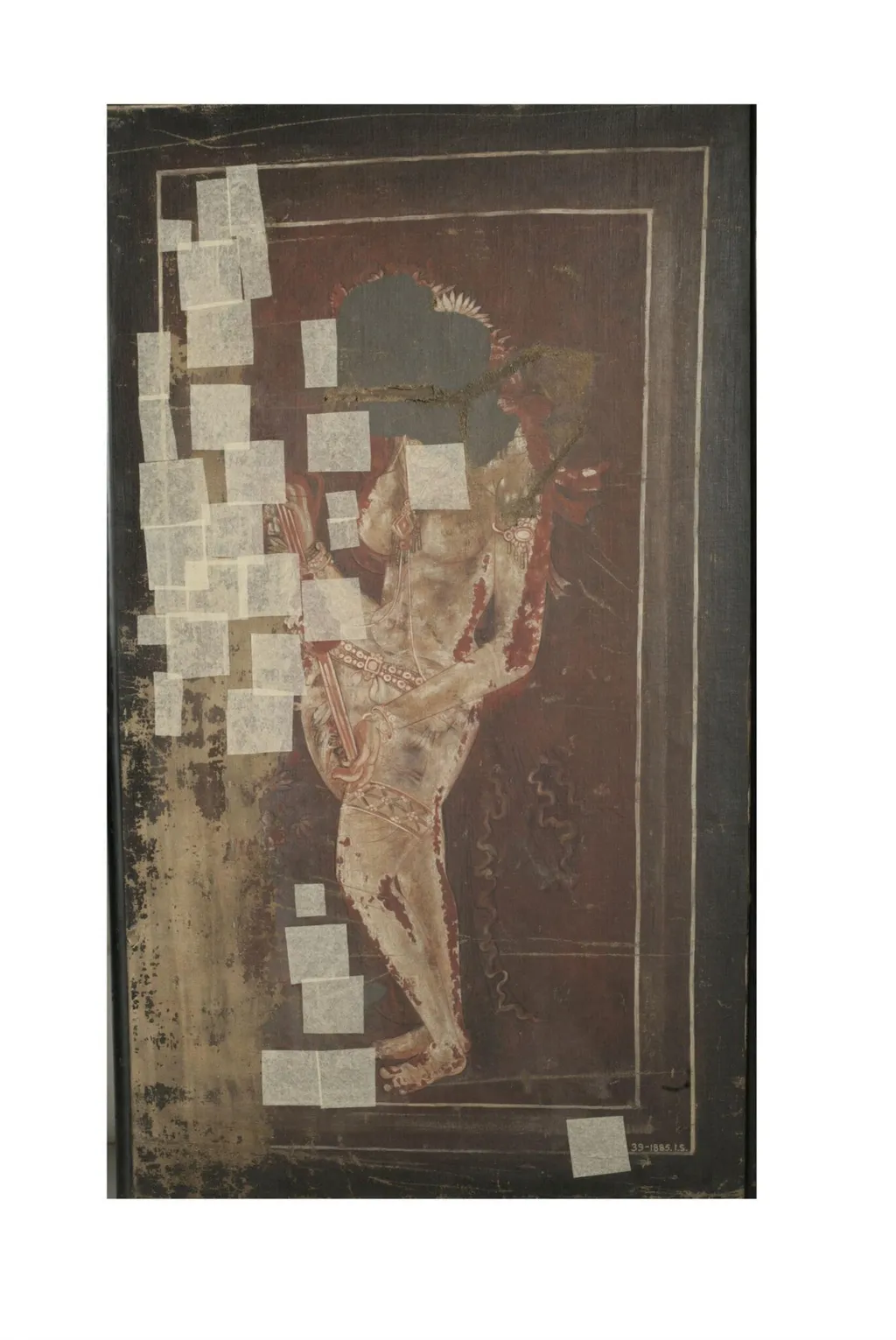
Copy of painting in the caves of Ajantan (cave 17) is an oil painting by the Impressionist artist John Griffiths. It dates from 1882 and is held in the collection of the Victoria and Albert Museum.
About this work
Griffiths and students spent over a decade recreating these fragile murals.
This is an oil painting by John Griffiths made between 1881 and 1883. It copies an ancient cave painting from Ajanta. The caves hold some of India’s oldest surviving paintings.
Griffiths and students spent over a decade recreating these fragile murals. Most earlier copies by Major Robert Gill were lost in a fire. Their work saved many stories of the Buddha for study.
Want to see more? Look up Griffiths, John.
Overview
This oil painting is a reproduction of a mural from Cave 17 at Ajanta, created between 1881 and 1883 by John Griffiths and his students. It belongs to a larger project undertaken to preserve the ancient Buddhist wall paintings, many of which had been lost when earlier copies by Major Robert Gill were destroyed in a fire. The reproduction was made as part of a sustained effort to document and safeguard the visual narratives of the Ajanta caves.
Subject & Meaning
The original mural depicts episodes from the Jataka tales, stories recounting the Buddha’s previous lives. These narratives emphasize moral lessons, compassion, and spiritual growth. Griffiths’s copy preserves the composition and iconography of the ancient work, allowing modern viewers to engage with the devotional and ethical themes central to early Buddhist art in India.
Technique & Style
Unlike the original frescoes executed in natural pigments on wet plaster, this reproduction is rendered in oil on canvas. Griffiths and his students meticulously replicated the flowing lines, muted color palette, and spatial depth of the ancient murals. The oil medium allowed for greater detail and durability, though it introduced a different material character than the original cave paintings.
History & Provenance
After the 1866 fire destroyed Robert Gill’s earlier copies, the Bombay School of Art initiated a new documentation project in 1872. Under Griffiths’s direction, seven Indian students spent thirteen winters at Ajanta, producing around 300 reproductions. This painting is one of those surviving works, created during the final phase of the project between 1881 and 1883, and remains a key record of the cave’s deteriorating murals.
Context
The Ajanta caves, carved between the 2nd century BCE and 5th century CE, represent one of India’s earliest and most significant traditions of narrative painting. By the 19th century, many murals were fading or crumbling. Griffiths’s project emerged amid colonial efforts to preserve cultural heritage, yet it was also driven by Indian artists seeking to record their own artistic legacy before it vanished.
Legacy
Griffiths’s reproductions became vital references for scholars and conservators after the original murals continued to degrade. The copies provided the first comprehensive visual archive of Ajanta’s iconography, influencing later studies of Indian art history. Today, the white patches on this painting mark areas where the original mural’s surface has since deteriorated further, underscoring the urgency of the project’s mission.
Own this work as a print
Artist & collection

Artist
John Griffiths (29 November 1837 – 1 December 1918) was a Welsh artist who worked in India, noted for his Orientalist works.

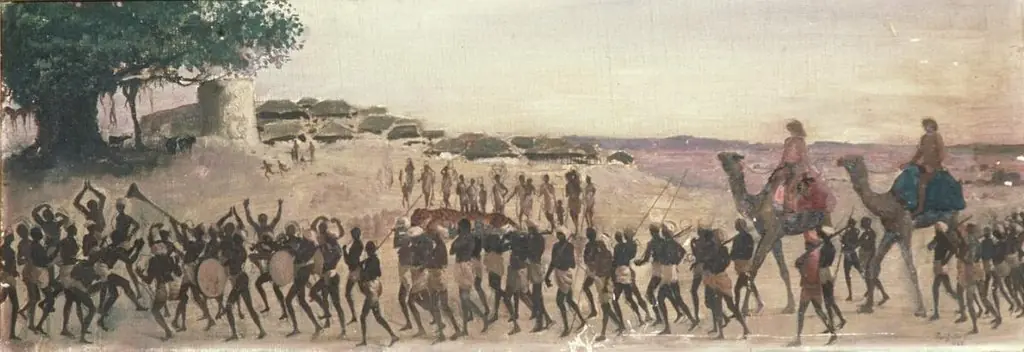 Tiger shooting in East Berar
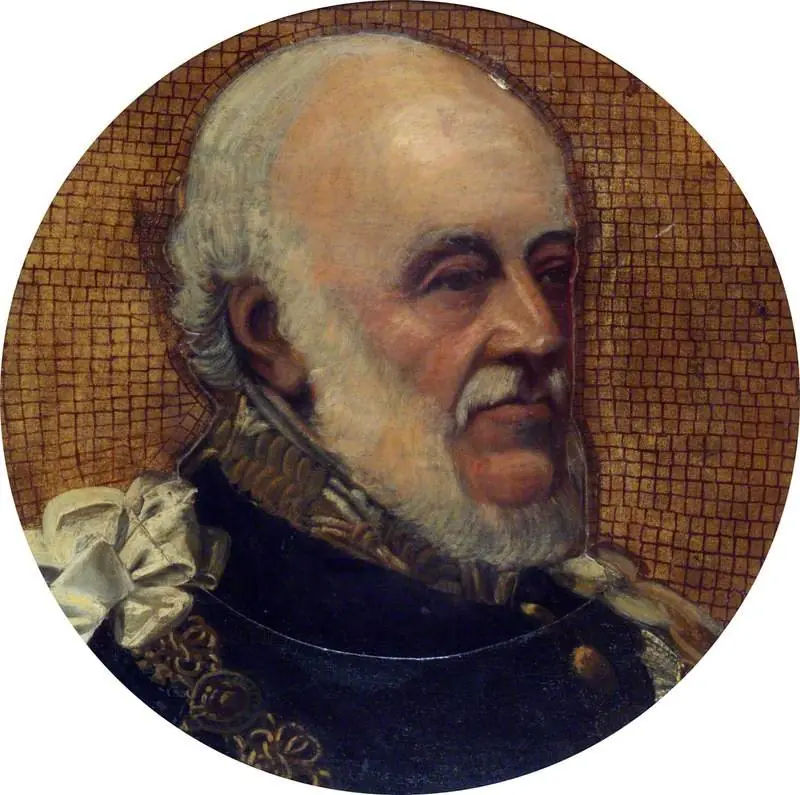 The Marquis of Salisbury (1791–1868)
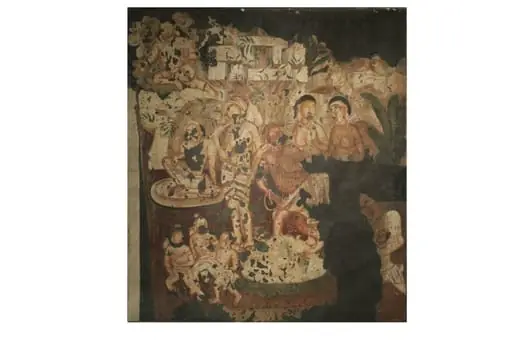 Copy of painting inside the caves of Ajanta (Cave 2)
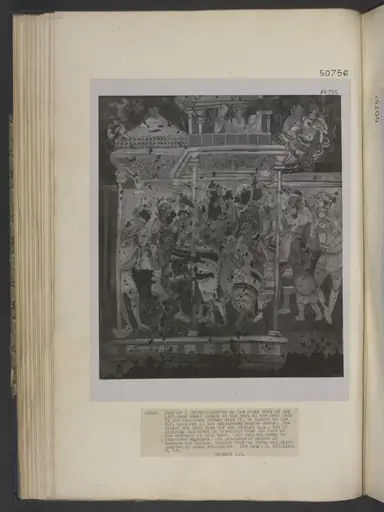 Copy of painting in the caves of Ajanta (cave 2)
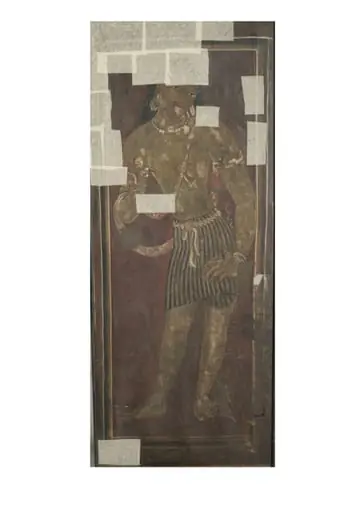 Copy of painting in the caves of Ajanta (cave 17)
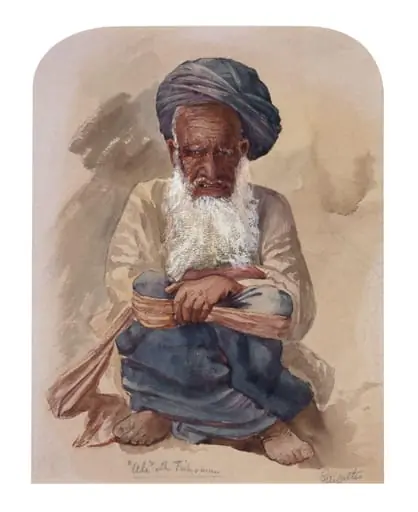 Ali the fisherman
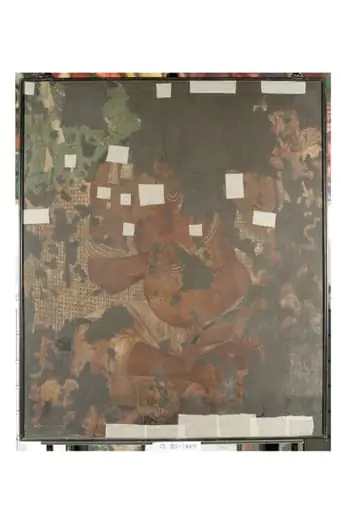 Copy of painting inside the caves of Ajanta (cave 16)
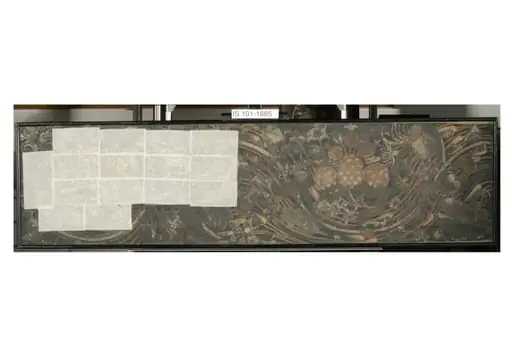 Copy of painting inside the caves of Ajanta (Cave 9)
- Copy of painting inside the caves of Ajanta (cave 10)
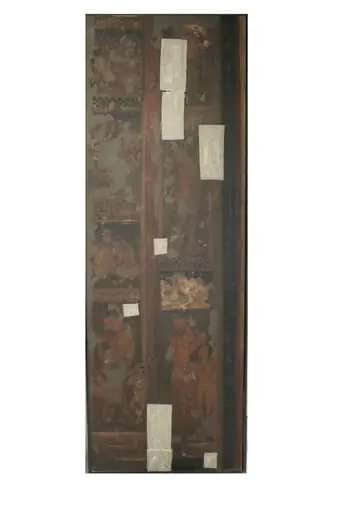 Copy of painting in the caves of Ajanta (cave 6)
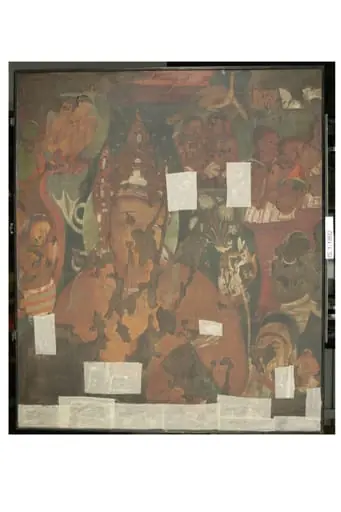 Copy of painting inside the caves of Ajanta (cave 11)
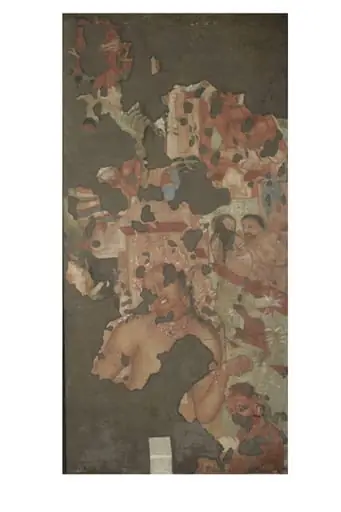 Copy of painting inside the caves of Ajanta (cave 9)
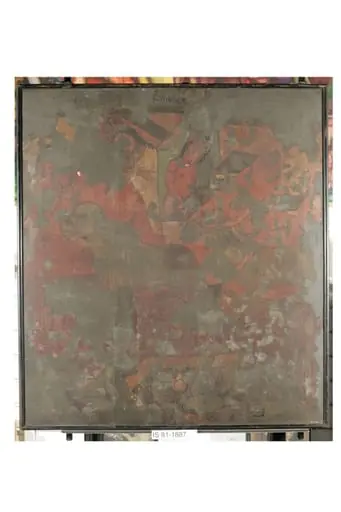 Copy of painting inside the caves of Ajanta (cave 16)
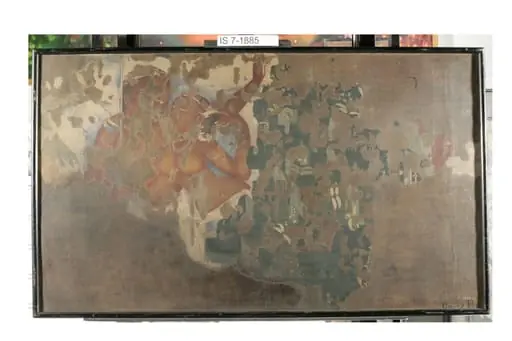 Copy of painting inside the caves of Ajanta (cave 2)
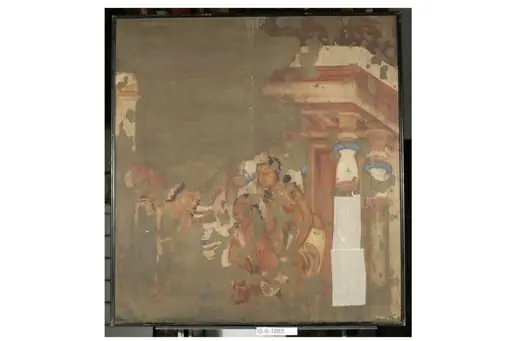 Copy of painting inside the caves of Ajanta (Cave 1)
 Copy of painting inside the Ajanta caves (cave 10)
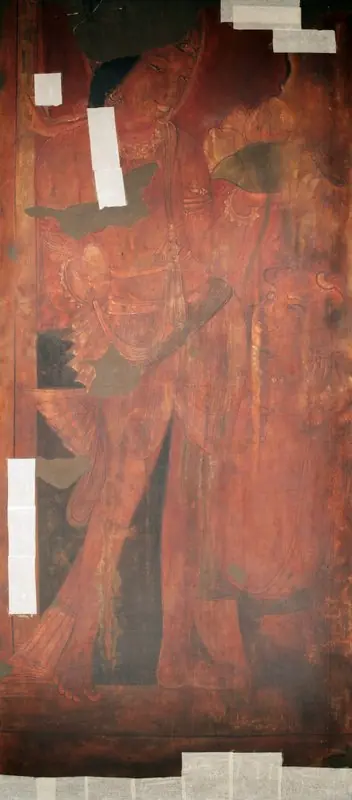 Copy of Painting inside the Caves of Ajanta (cave 17)