
Subject
Figure
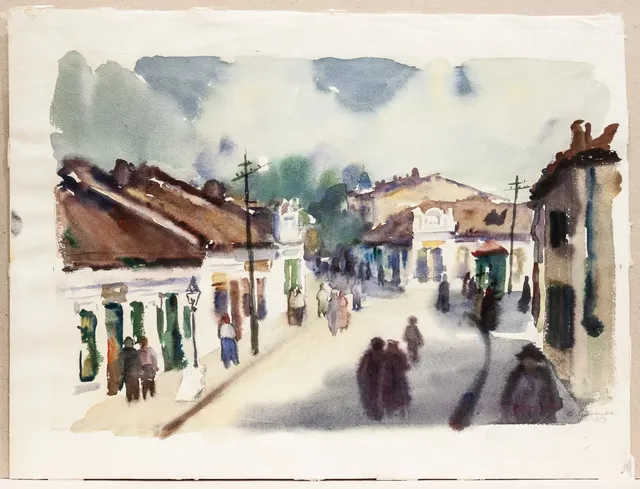
Figure is a subject in art. The gallery holds 78 works in this subject in art, including works by Antonello da Messina, Theodor Pallady and Iosif Iser.
The figure—the representation of a human, animal, or mythical being—is the oldest and most enduring concern in art. Its history begins before recorded civilisation: the Venus of Hohle Fels, a small mammoth-ivory figure of a woman carved roughly 40,000 years ago, is the earliest known depiction of a human being, one of a family of Upper Palaeolithic "Venus figurines" produced across Ice Age Europe. On the painted walls of Lascaux (c. 15,000 BCE), animals dominate—horses, bison, aurochs, stags—while the human appears only once, as an enigmatic bird-headed man. From these origins the figure became the principal vehicle through which cultures recorded belief, status, myth, and the self.
The decisive shift toward naturalism came in ancient Greece. Around the early fifth century BCE sculptors introduced contrapposto, shifting a standing figure's weight onto one leg so that hips and shoulders counterbalance. For the first time the body could convey poise, movement, and inner disposition rather than rigid frontality. This classical inheritance was revived in Renaissance Italy, where the dissection-driven anatomical study of artists such as Leonardo da Vinci and Michelangelo, and the successive Davids of Donatello, Verrocchio, and Michelangelo, refined the figure into an instrument of psychological and physical truth.
Defining the genre are attention to anatomy, gesture, facial expression, proportion, and the play of light on flesh. In Venice, Antonello da Messina's San Cassiano Altarpiece (1475–76)—whose left panel and central fragments survive—helped introduce Netherlandish oil technique to Italy and shaped the monumental sacra conversazione later perfected by Giovanni Bellini, demonstrating how grouped figures could be unified by a single coherent space and light.
Figuration is the natural opposite of abstraction, and the twentieth century recast their relationship. As abstract and conceptual art ascended, Francis Bacon and his friend Lucian Freud insisted that the figure could still carry raw contemporary feeling—Bacon through visceral distortion, Freud through unsparing realist scrutiny of the body. The tradition persists in regional realist painting, too: works such as Constantin Găvenea's coastal and townscape canvases set the human figure within everyday place. From ivory amulet to anxious modern portrait, the figure remains art's most direct mirror of what it is to be embodied.
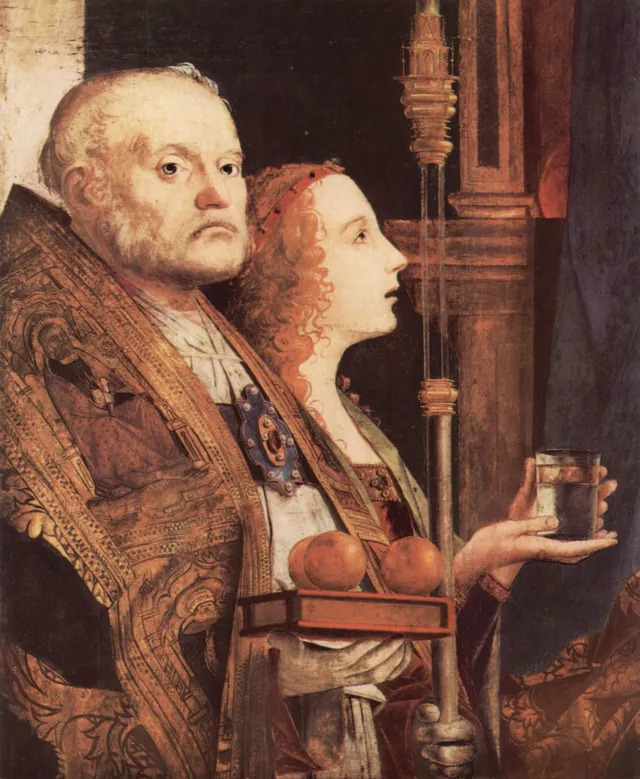
Key artists
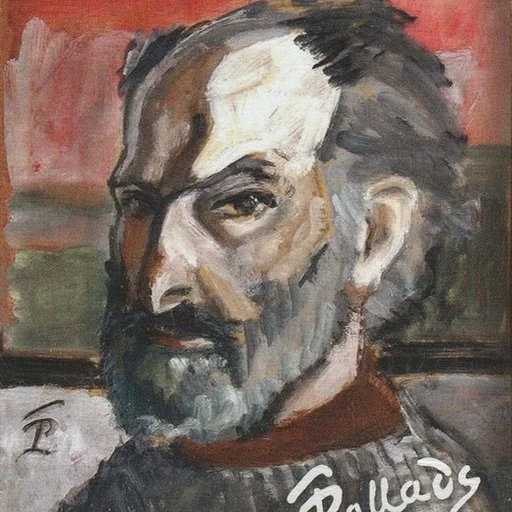

Works
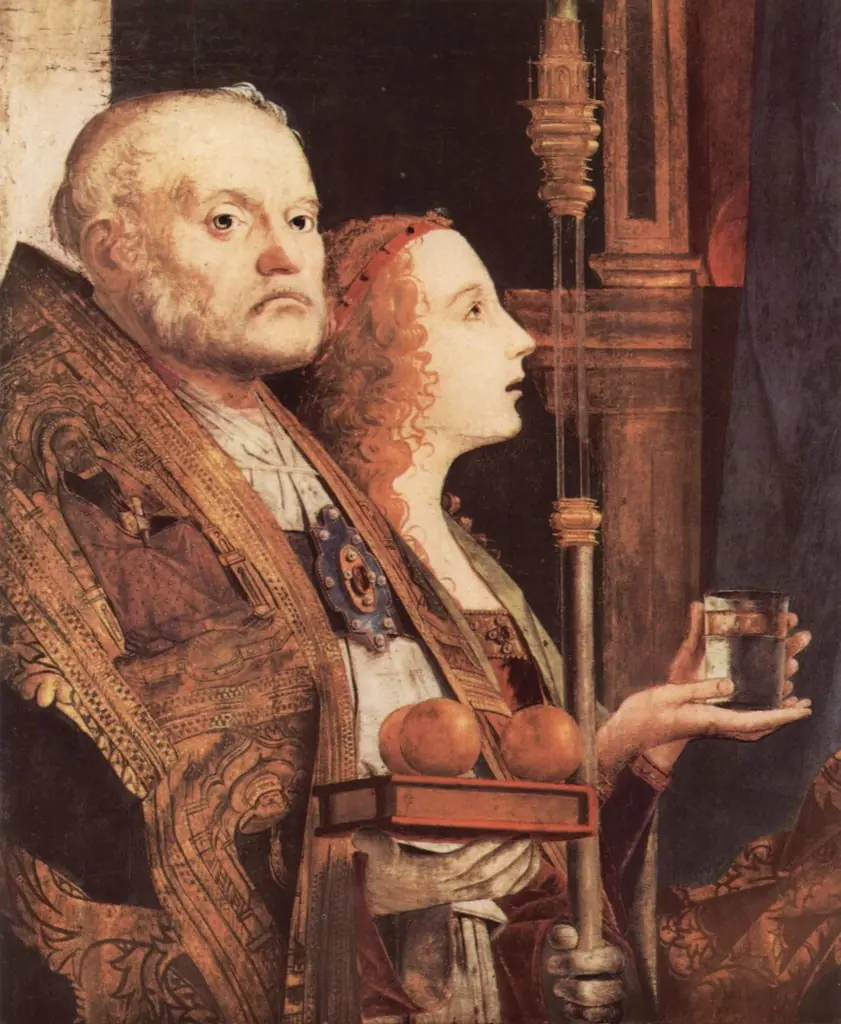 Left panel San Cassiano Altarpiece
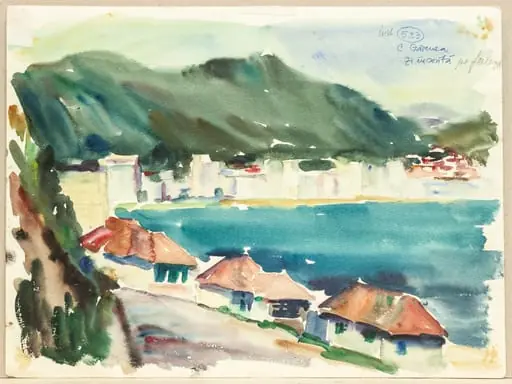 verso: La malul mării
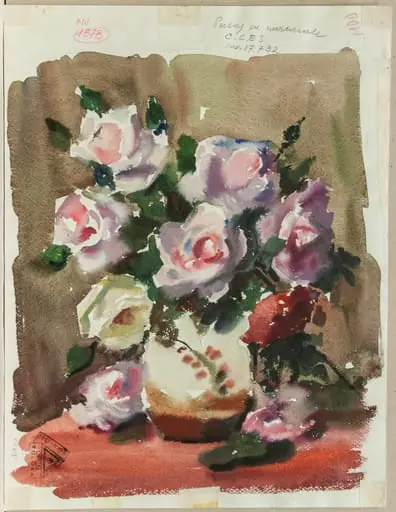 v: Vas cu trandafiri
 Pe chei Tulcea
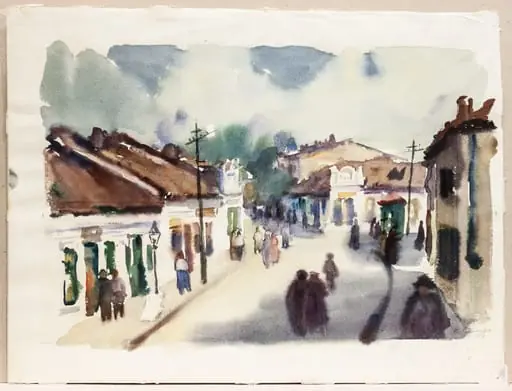 Vechiul centru din Tulcea
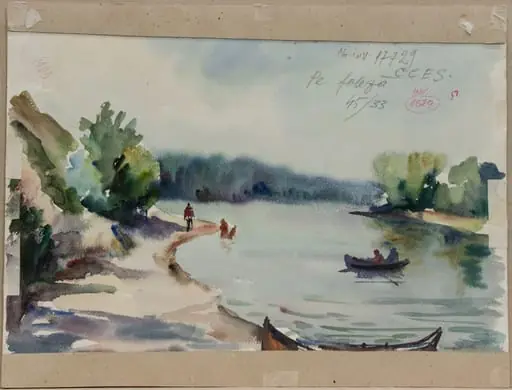 Pe faleză
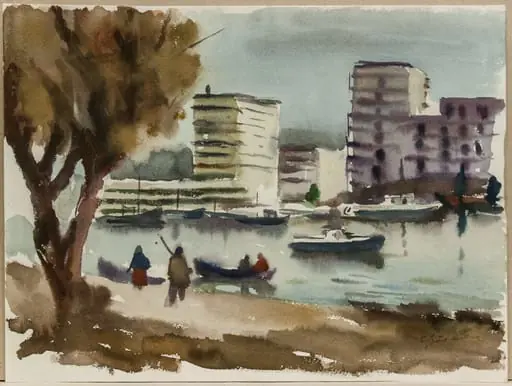 Pe faleză la Tulcea
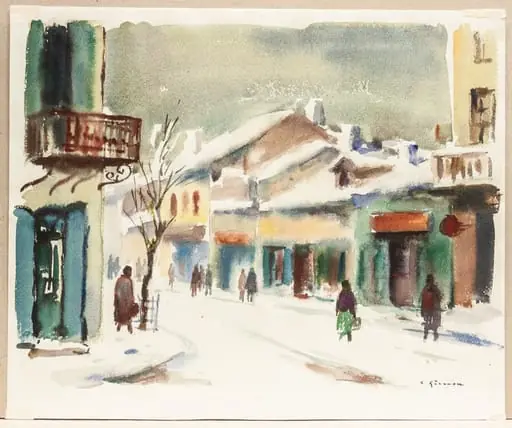 Centrul Tulcei Iarna
 Cine sunt ucigașii
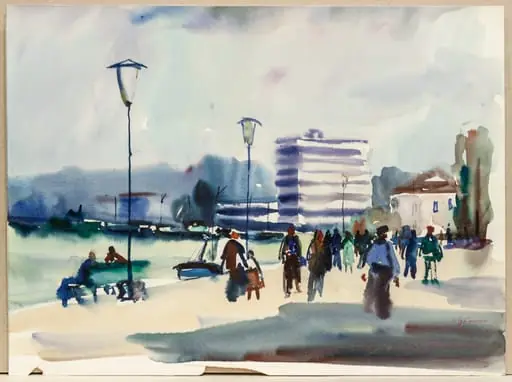 Peisaj cu noul hotel
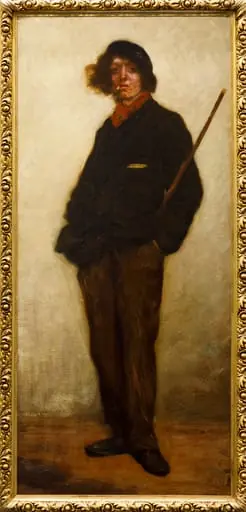 Ștrengarul
 Strada Ștefan cel Mare
 În așteptare
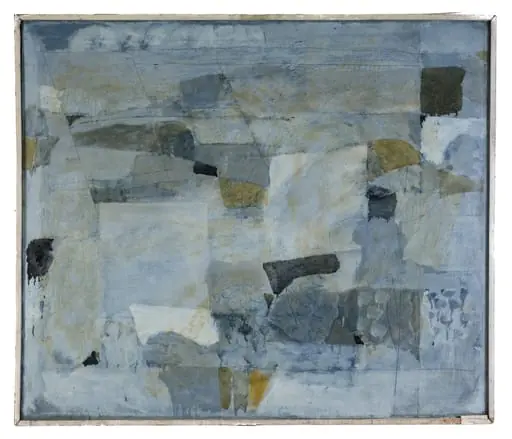 Peisaj
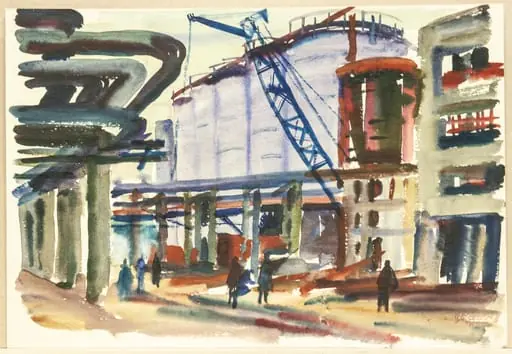 Peisaj industrial la uzina de alumină
 Țărancă împletind
 Ghiolul Agighiolului
 Iarna la Tulcea
 Polixenia la Mangalia
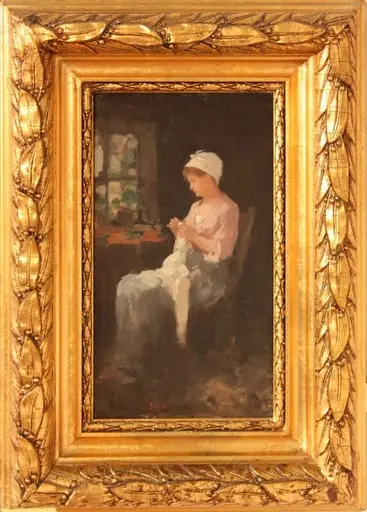 Cu acul
 Peisaj la Tulcea
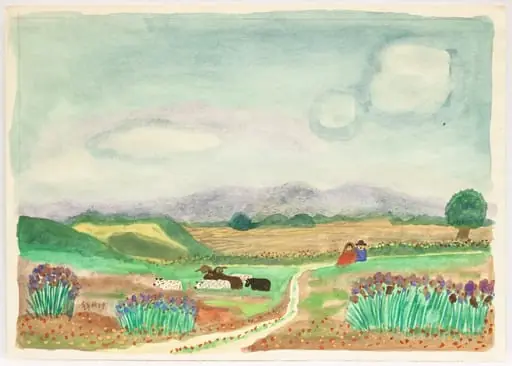 Drumul Agighiolului
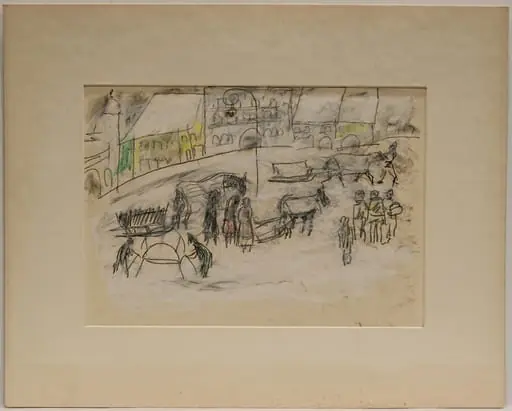 Peisaj de iarnă
 Peisaj din Cișmigiu
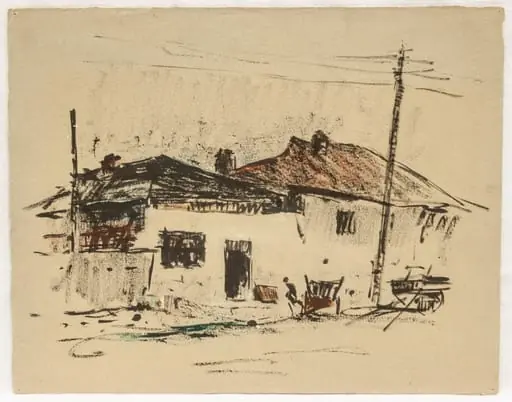 Peisaj cu case vechi
 Sonata pentru pian
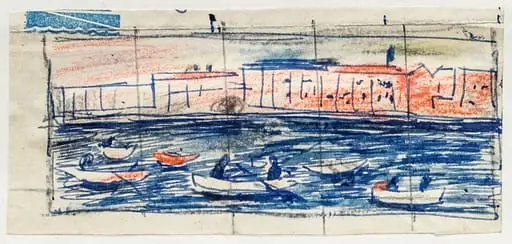 Vedere spre Institutul Repin
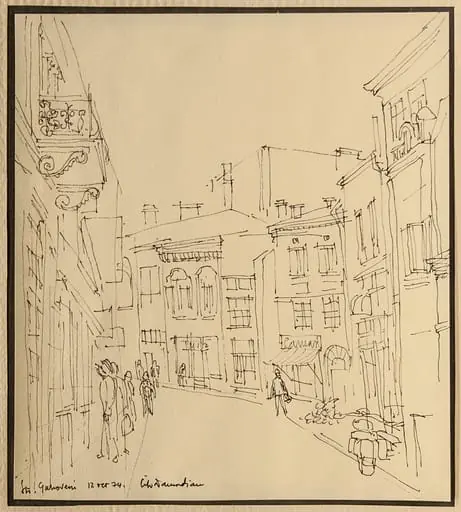 Strada Gabroveni
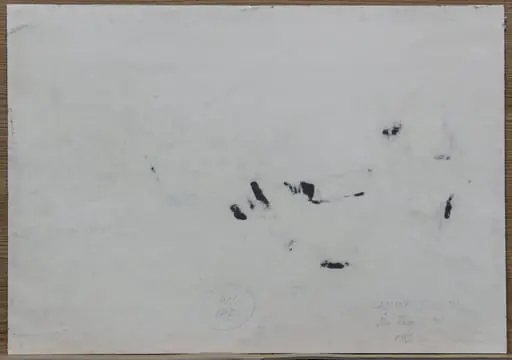 În larg
 Peisaj din deltă
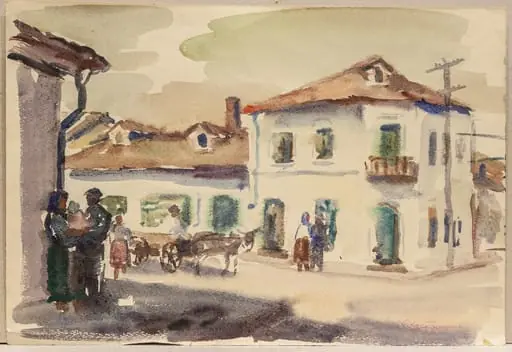 Peisaj cu stradă
 Războiul. Din ciclul „Satul”
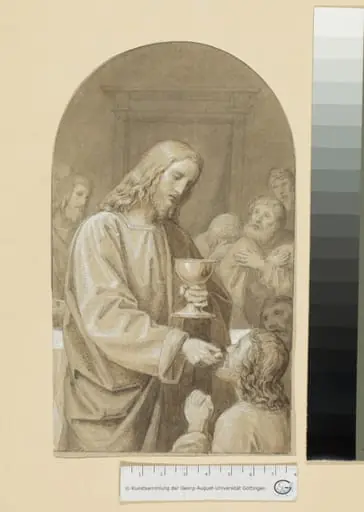 Das letzte Abendmahl (evtl. früher Entwurf für das Walsroder Altargemälde)
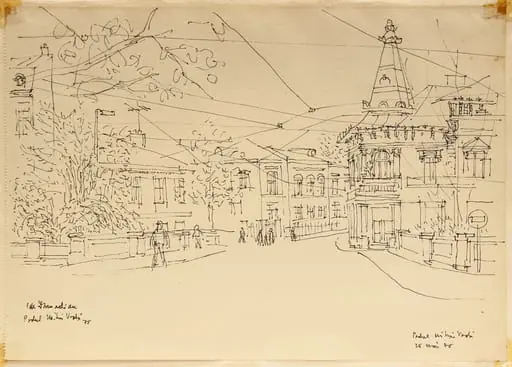 Podul Mihai Vodă
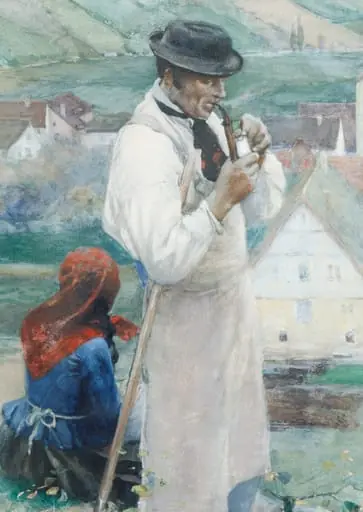 La câmp
 Casă la Tulcea
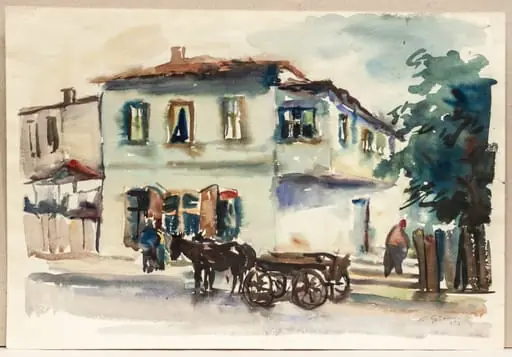 Casă veche cu trepte
 La Tulcea - Casa de creație
 Bazarul
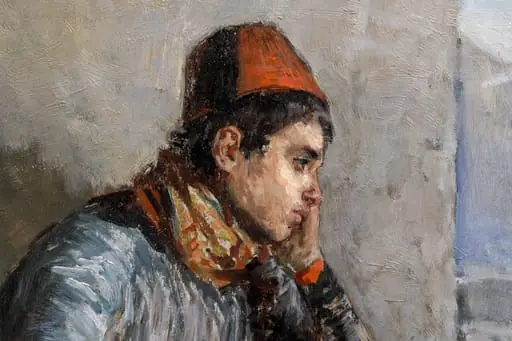 Bragagiul, 1893
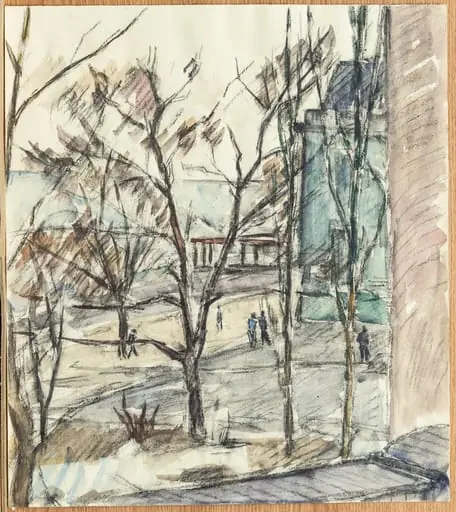 Peisaj
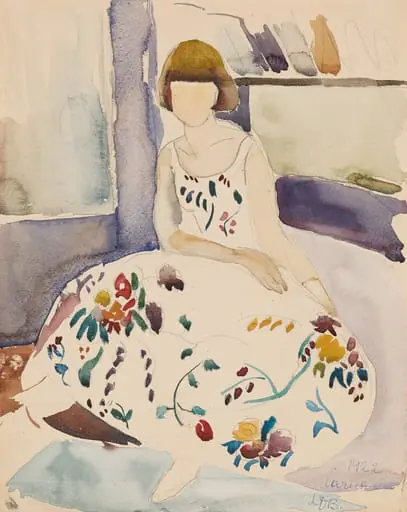 Gazel Dabija (Proiect de portret)
 Portul Tulcea
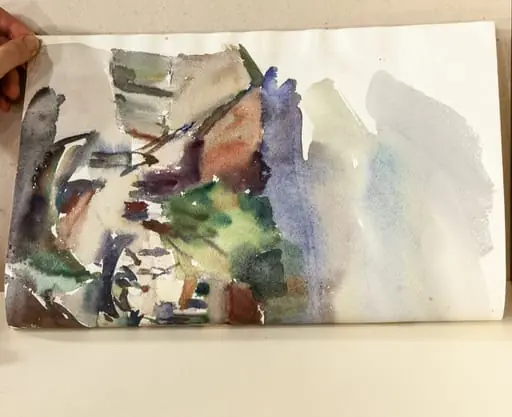 față: Strada Isaccea
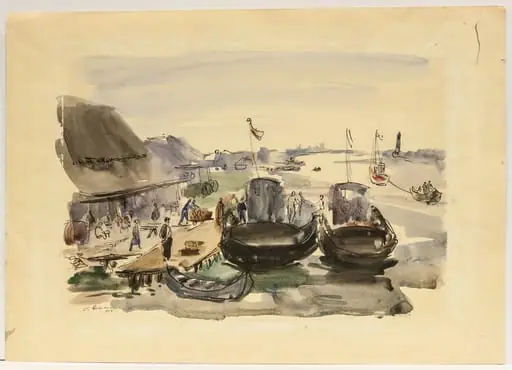 Încărcarea peștelui la Tulcea (la cherhana)
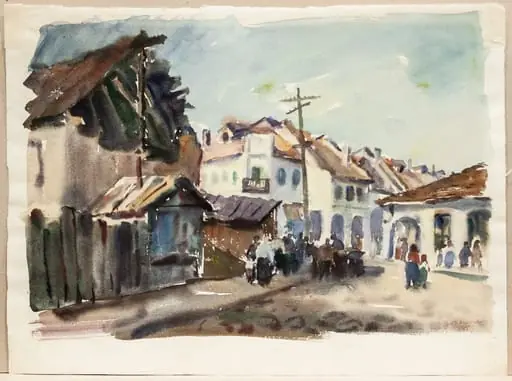 Drum spre coloane
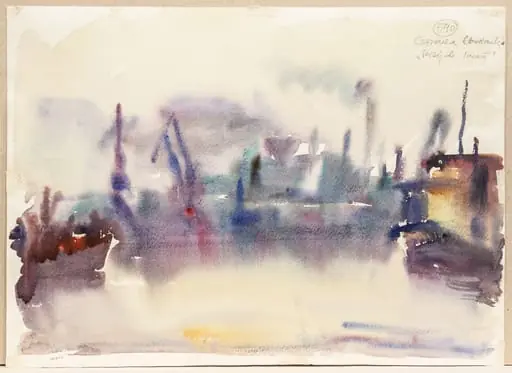 verso: Peisaj industrial la Tulcea;
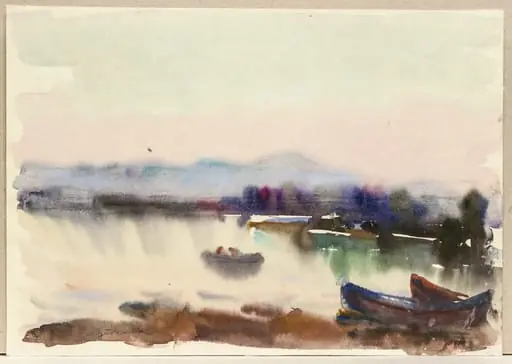 Lacul Razelm
 Cortegiu
 Strada Mahmudia
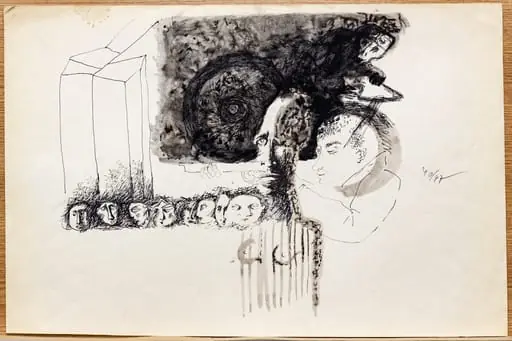 Vânător și capete de expresie
 Portret
 Casă veche din Tulcea
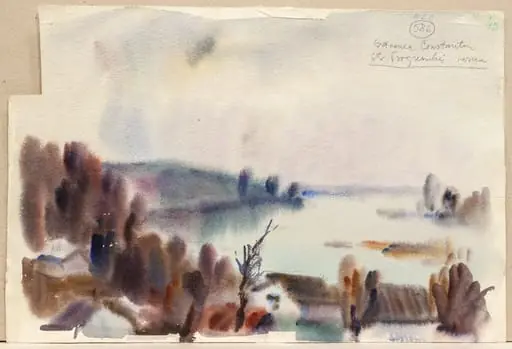 față: Strada Progresului iarna
 Obloanele roșii
 Marinarul
 Piață turcească
 Personaje
 Portret de femeie cu părul roșcat
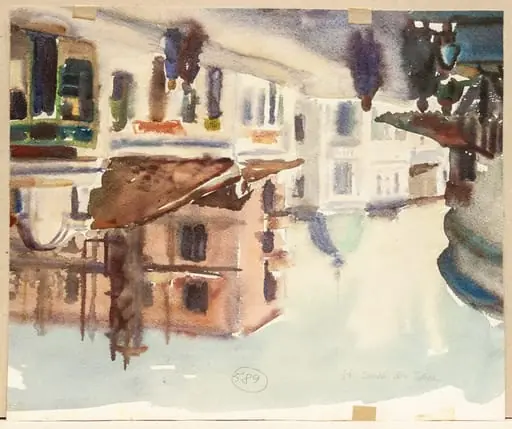 față: Strada Isaccei din Tulcea
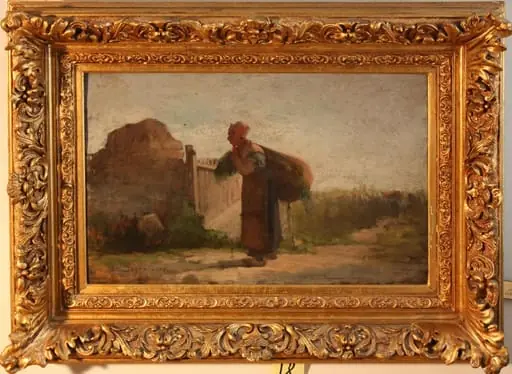 Țărancă franceză
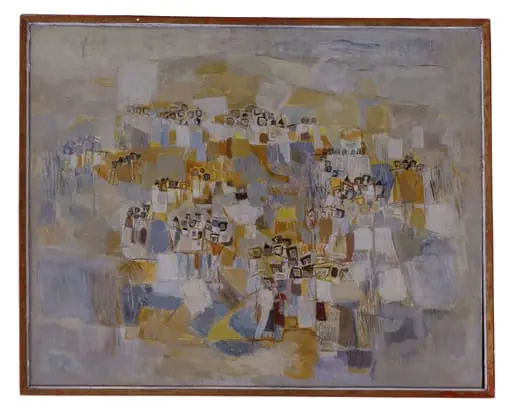 Târg
Târg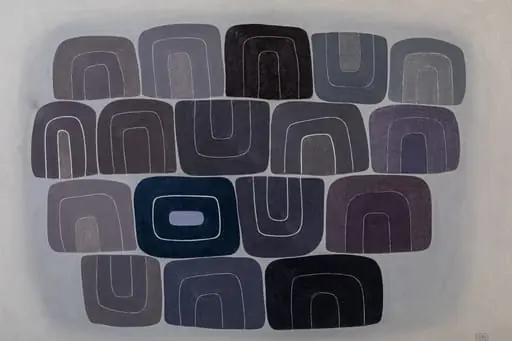 Compoziție
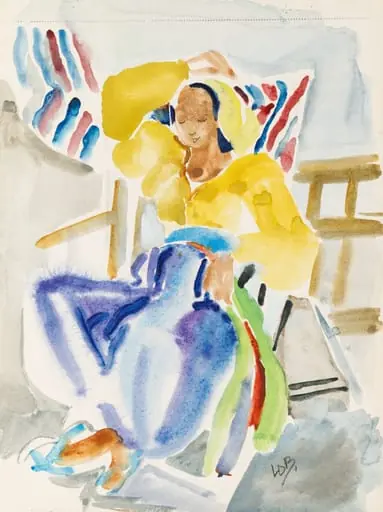 Model îmbrăcat (Mangalia)
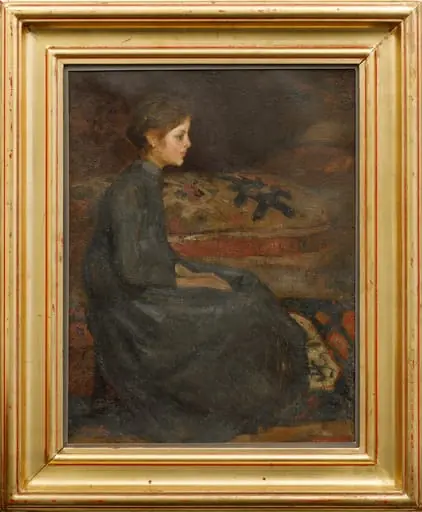 Portretul domnișoarei Rogaveski
 Personaje fantastice
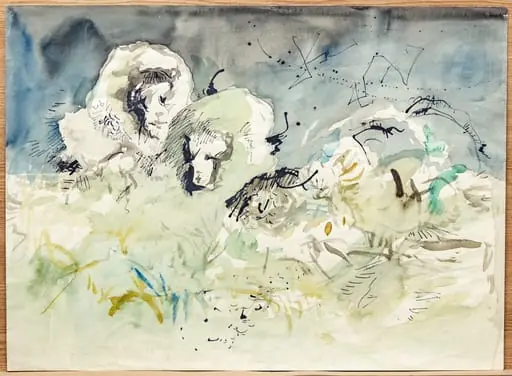 F: Personaje cu animale
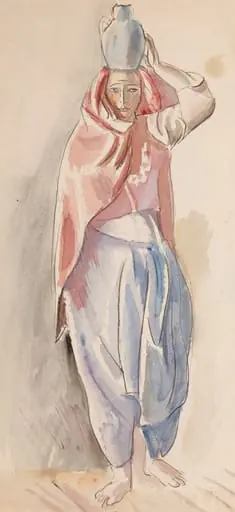 Tătăroaică purtând un vas pe cap
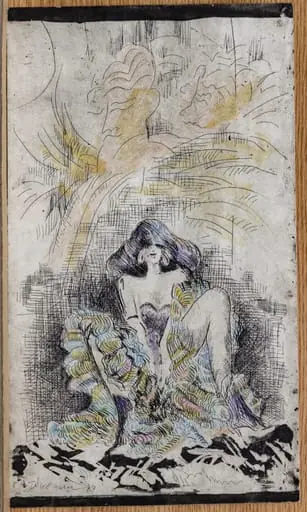 Pauză de spectacol
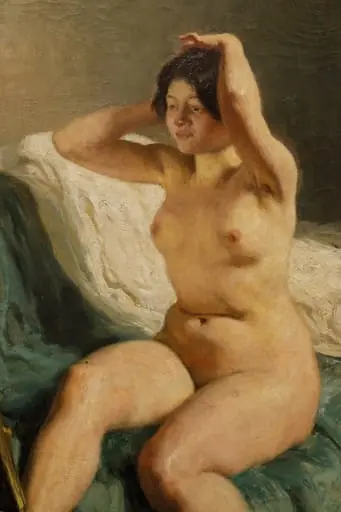 La toaletă
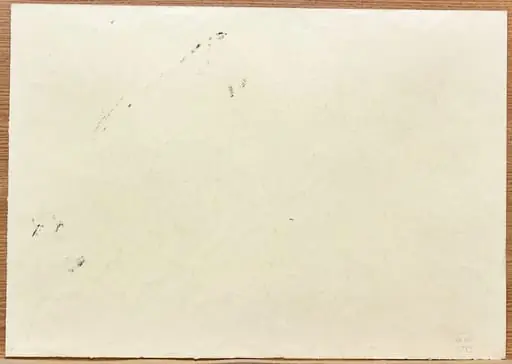 Nud și cap de expresie
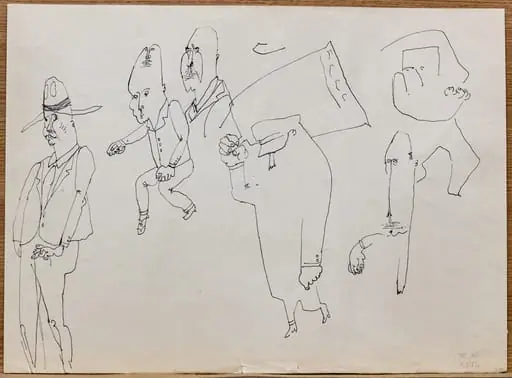 V: Defilare
 Strigăt
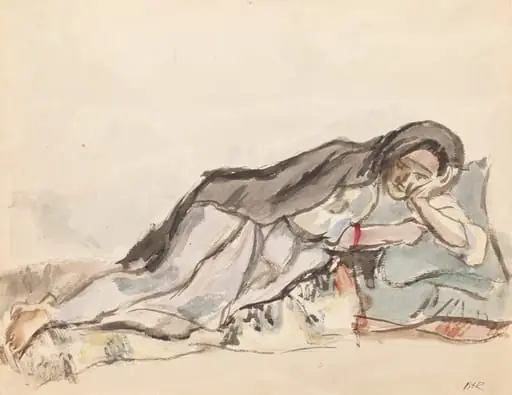 Tătăroaică culcată
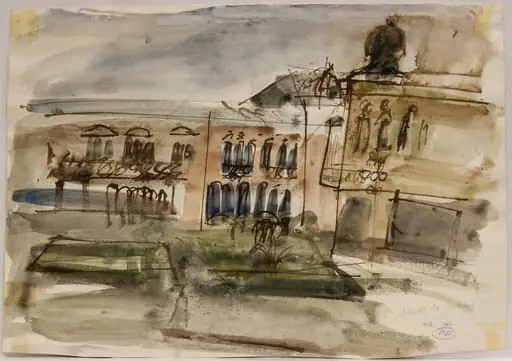 Stradă la Botoșani
 Încurcătură
 Elevi
Elevi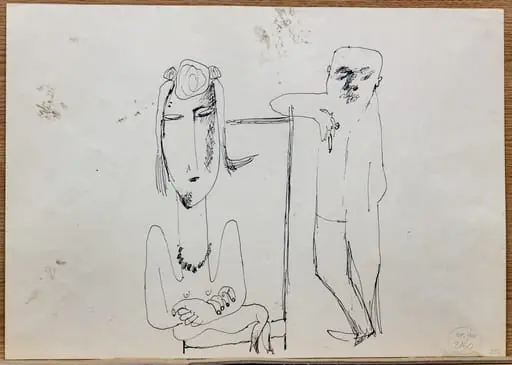 V: Poză de familie
Frequently asked questions
What is Figure?
Figure is a subject in art. representation of humans, animals, or mythical beasts, in any medium
How many Figure works does Artifact World Gallery have?
Artifact World Gallery holds 78 public-domain Figure works, all free to view and download.
Who are the key Figure artists?
Key Figure artists in the collection include Antonello da Messina, Theodor Pallady and Iosif Iser.
Where can I see Figure works?
Figure works in the collection are held by Gavrila Simion Eco-Museum Research Institute Tulcea, National Museum of Art of Romania and Moldova National Museum Complex.