Subject
Standing
Standing is a subject in art. The gallery holds 119 works in this subject in art, including works by Titian, Thomas Eakins and Paolo Veronese.
The standing human figure is among the oldest and most enduring subjects in art, a posture used across civilizations to embody dignity, presence, and power. Ancient Egyptian sculptors fixed it into a rigid, frontal convention: figures stand with arms held to the sides, feet planted, and the left leg slightly advanced, a formula that endured for millennia. Archaic Greek sculptors adopted this striding pose for the kouros—the freestanding nude youth—throughout the sixth century BC, but soon transformed it. The decisive break came with Polykleitos's Doryphoros (Spear Bearer), carved about 450–440 BC and so admired for its systematic ideal proportions that it was itself called the "Canon."
That innovation was contrapposto, the relaxed stance in which a figure's weight rests on one leg while the other bends, throwing the hips and shoulders into opposing diagonals and giving the body a lifelike S-curve poised between rest and motion. Embodying the Greek ideal of symmetria, contrapposto became the grammar of the standing figure in Western art. Rediscovered in the Renaissance, it animates Michelangelo's David (1501–04), whose easy weight-shift and idealized nudity self-consciously revive the antique canon.
From the sixteenth century the full-length standing portrait became the supreme vehicle for projecting status. Hans Holbein the Younger's image of Henry VIII—broad-shouldered, feet apart—made the standing body itself an emblem of authority, echoing Titian's life-size full-length of Charles V. In the following century Anthony van Dyck refined the type into something more elegant and informal, his sitters posed with aristocratic nonchalance, a hand on the hip signalling effortless command.
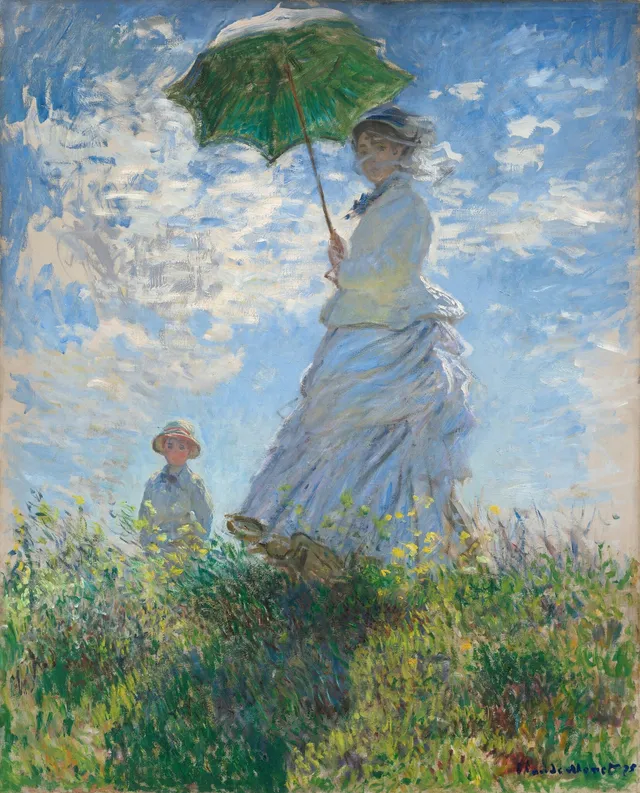
The upright figure remained central as artists turned from idealization to direct observation. Gustave Courbet's The Young Bather sets the unidealized nude standing in a landscape, while Claude Monet's Woman with a Parasol—Madame Monet and Her Son (1875) recasts the convention in fleeting modern life: Camille Monet stands on a windswept rise, viewed from below against the sky, her veil and white dress caught mid-gust in rapid plein-air strokes. From Egyptian rigidity to Impressionist immediacy, the standing figure has endured as a constant measure of how each age imagined the human presence.
Key artists
Works
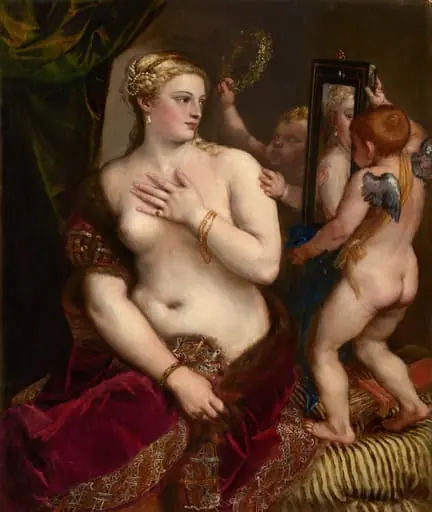 Venus with a Mirror
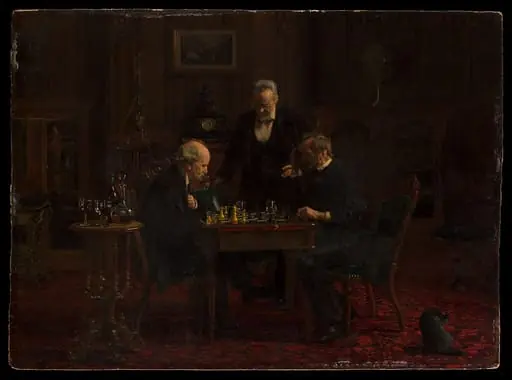 The Chess Players
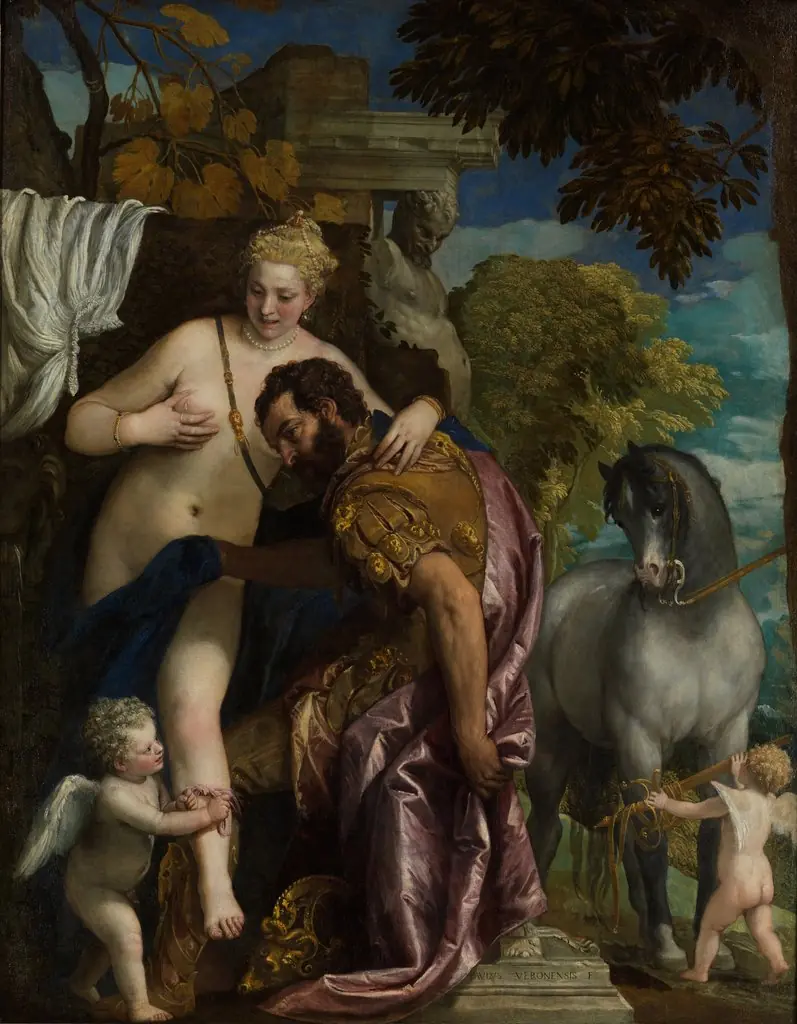 Venus and Mars
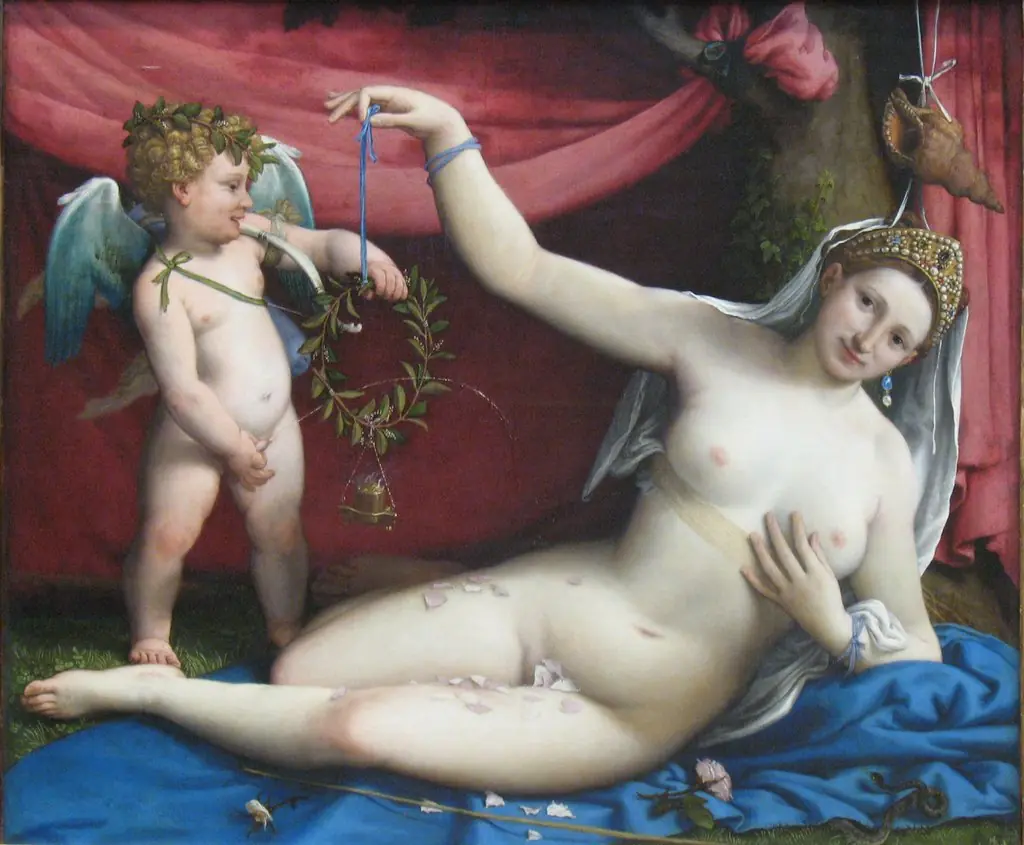 Venus and Cupid
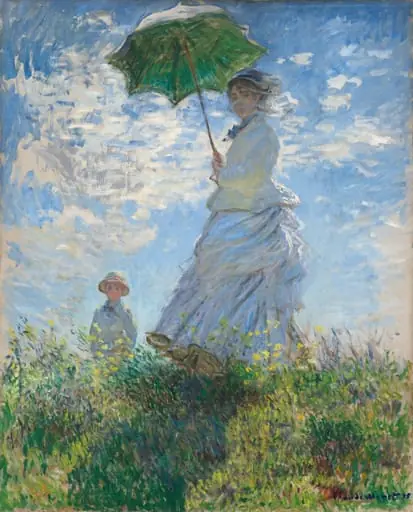 Woman with a Parasol - Madame Monet and Her Son
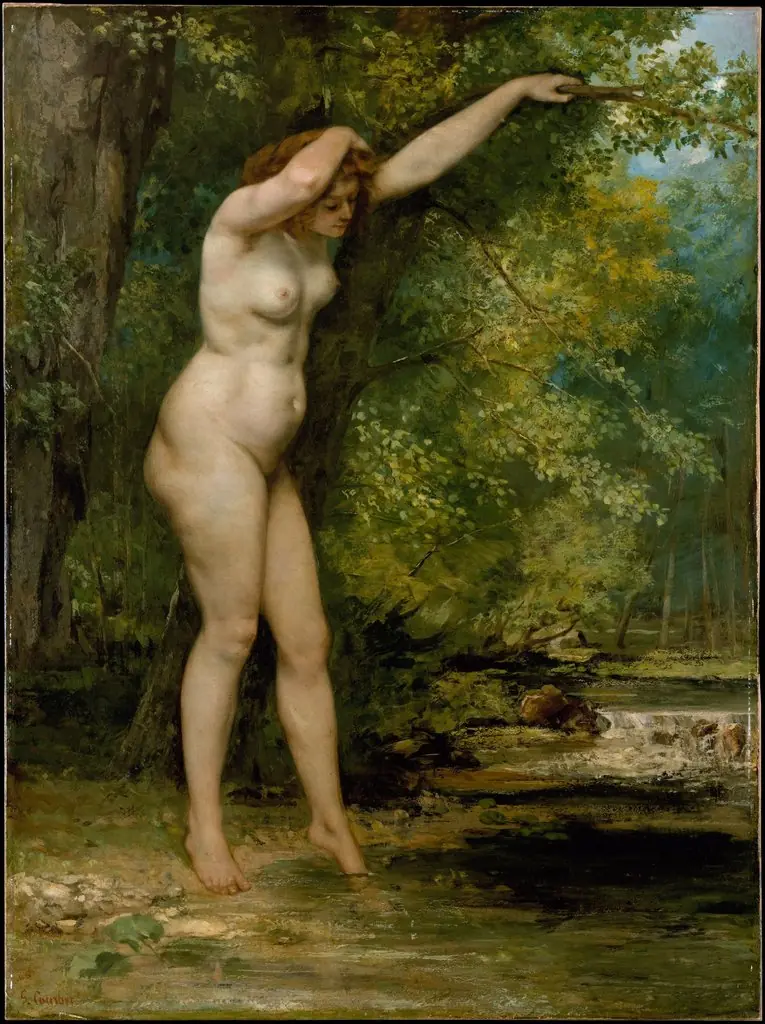 The Young Bather
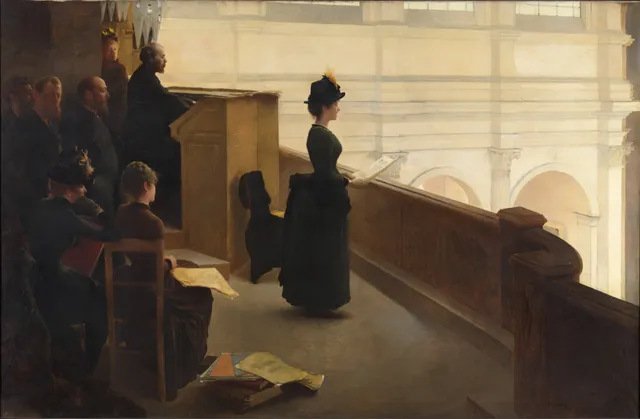
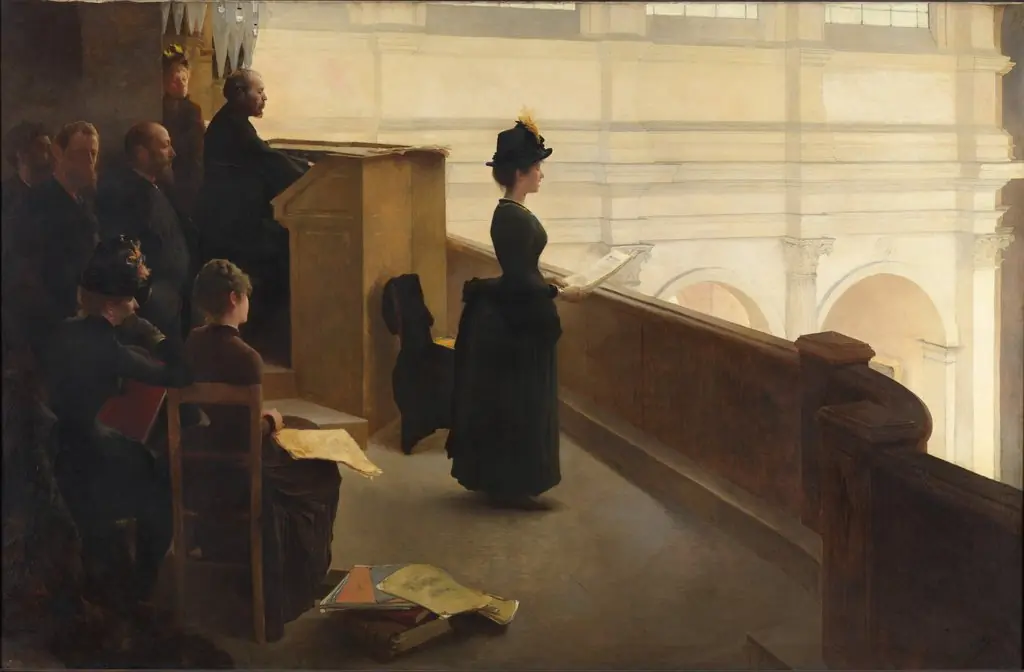 The Organ Rehearsal
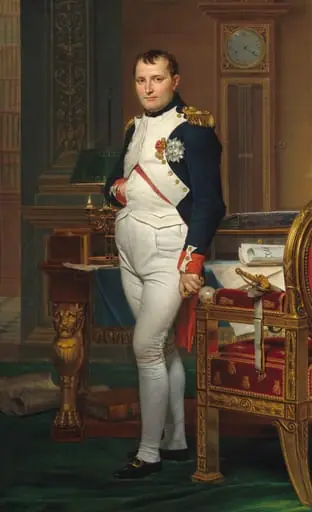 The Emperor Napoleon in His Study at the Tuileries
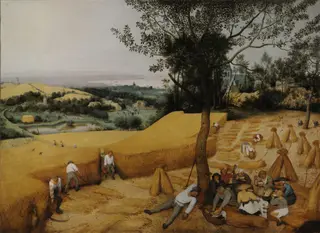 The Harvesters
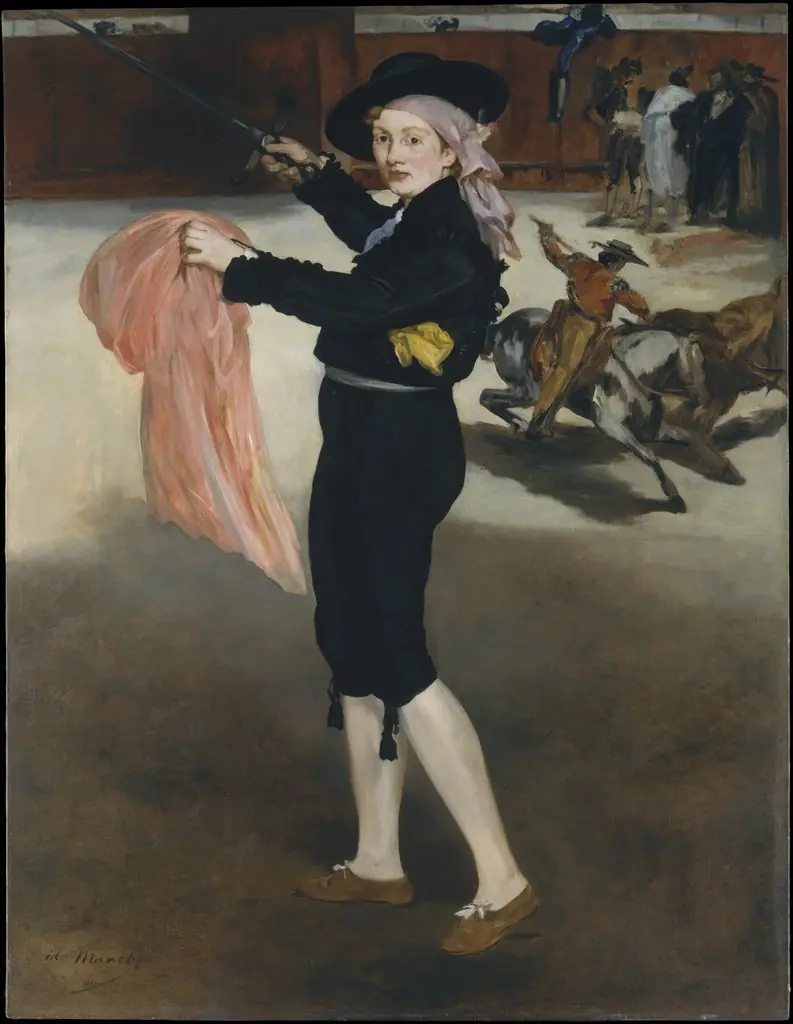 Mademoiselle V. . . in the Costume of an Espada
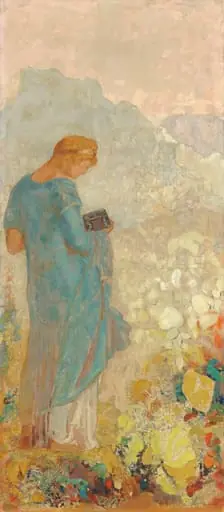 Pandora
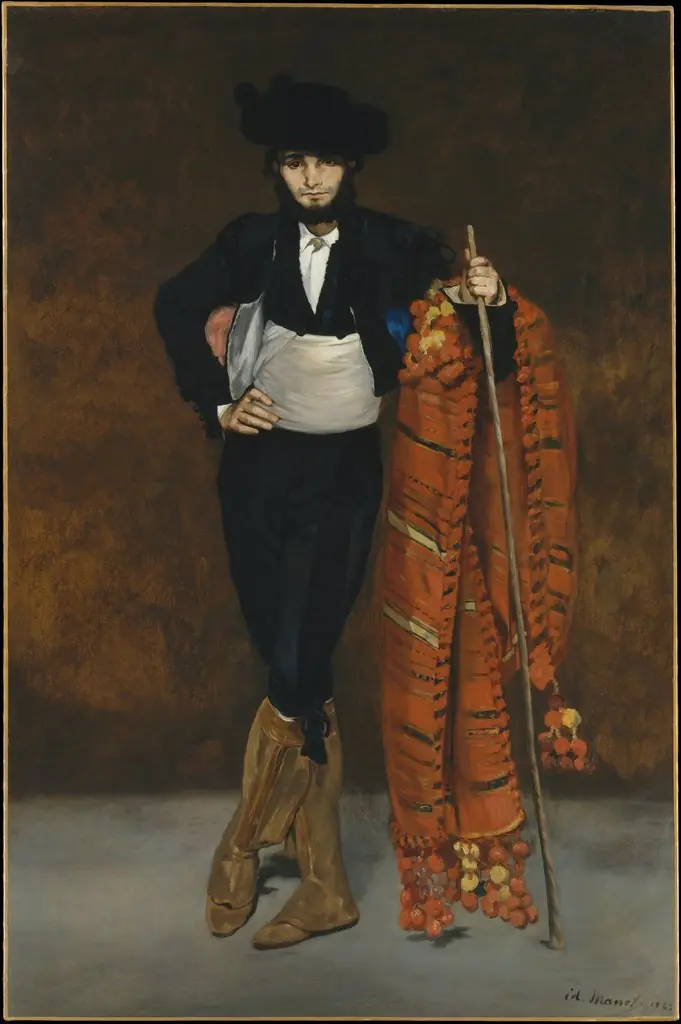 Young man in Mayo costume
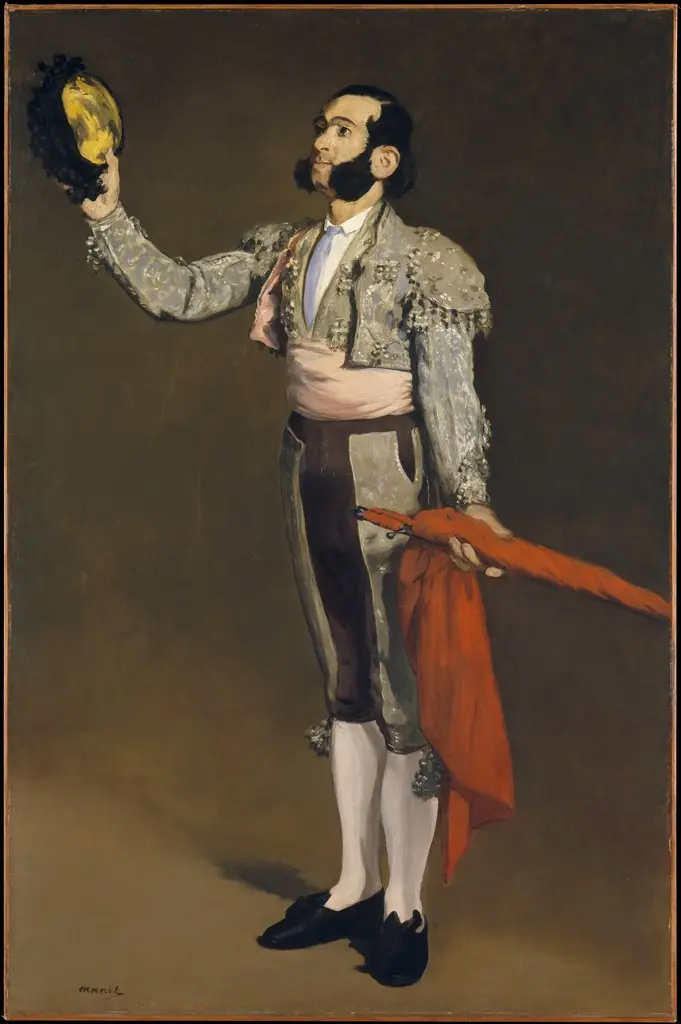 The Matador Saluting
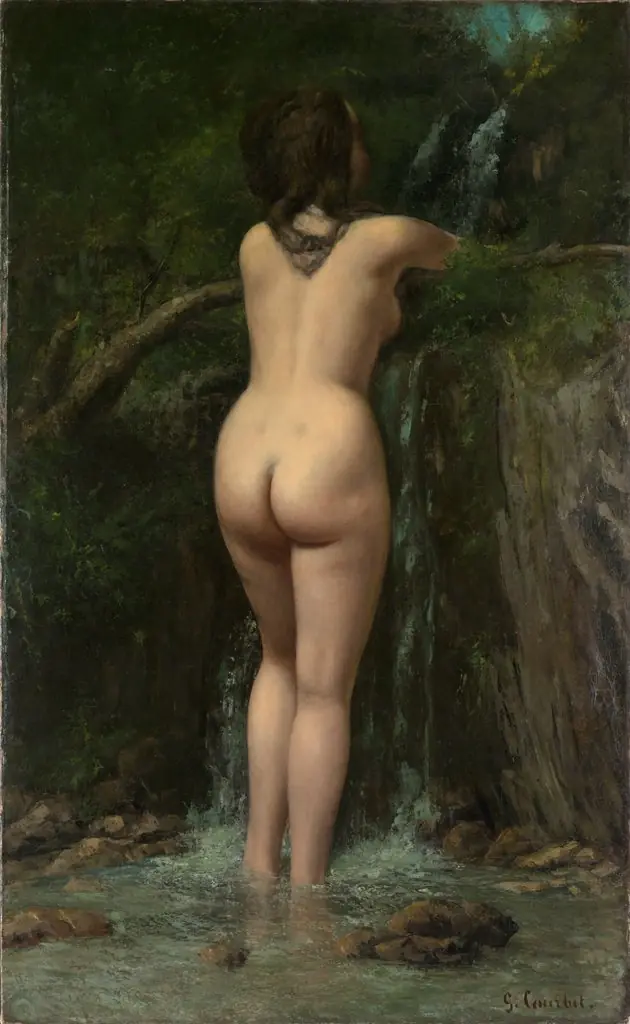 The Source
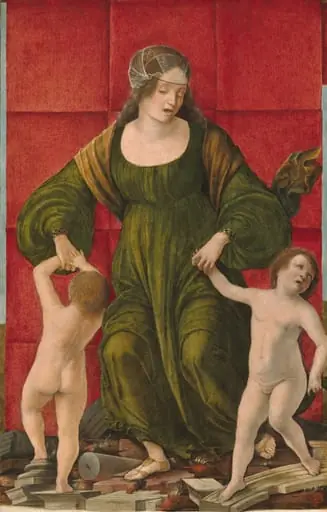 The Wife of Hasdrubal and Her Children
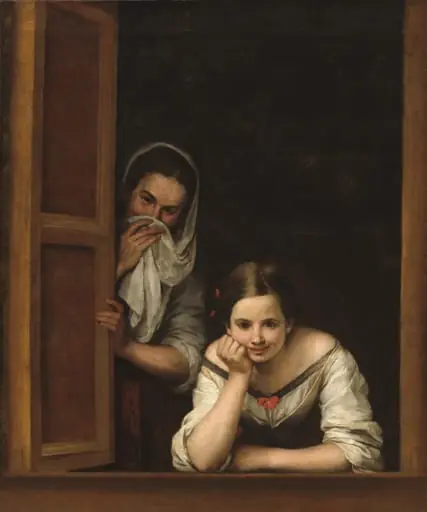 Two Women at a Window
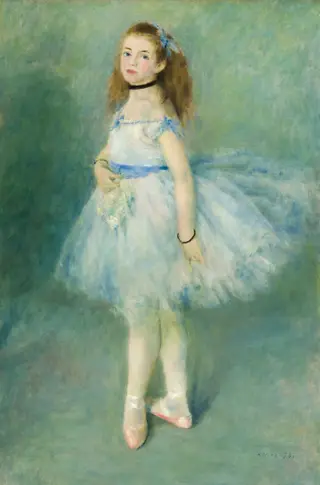 The Dancer
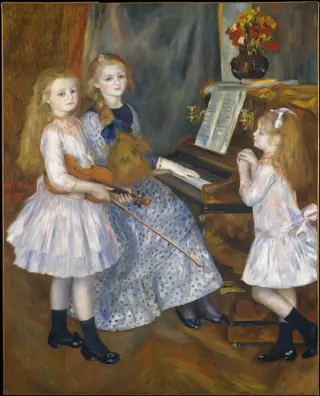 The Daughters of Catulle Mendès
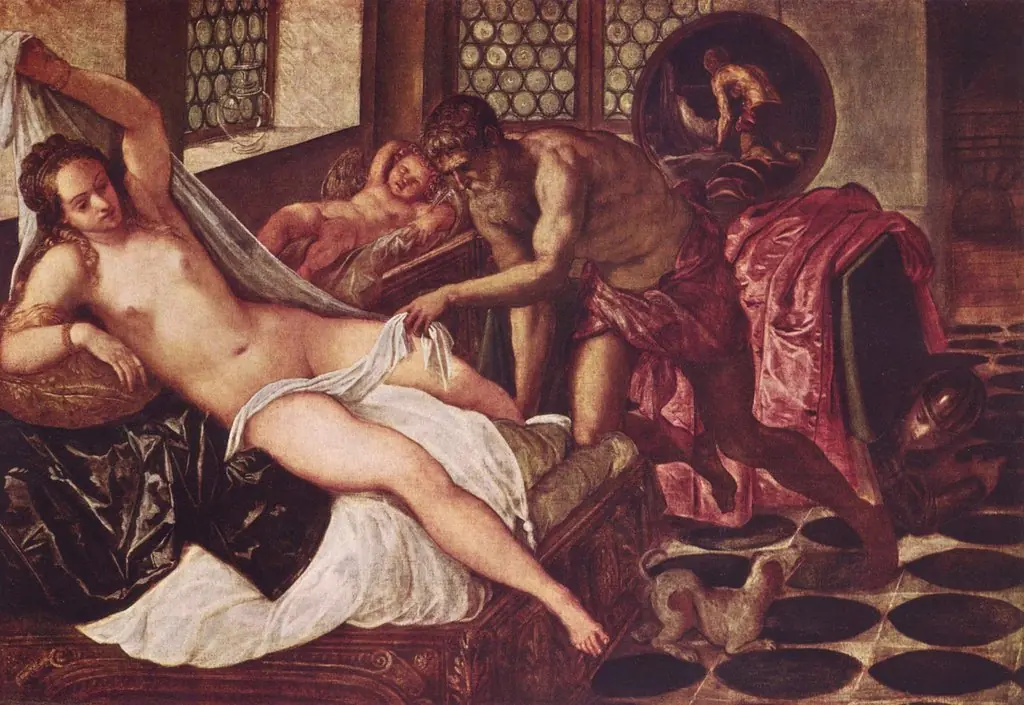 Venus and Mars Surprised by Vulcan
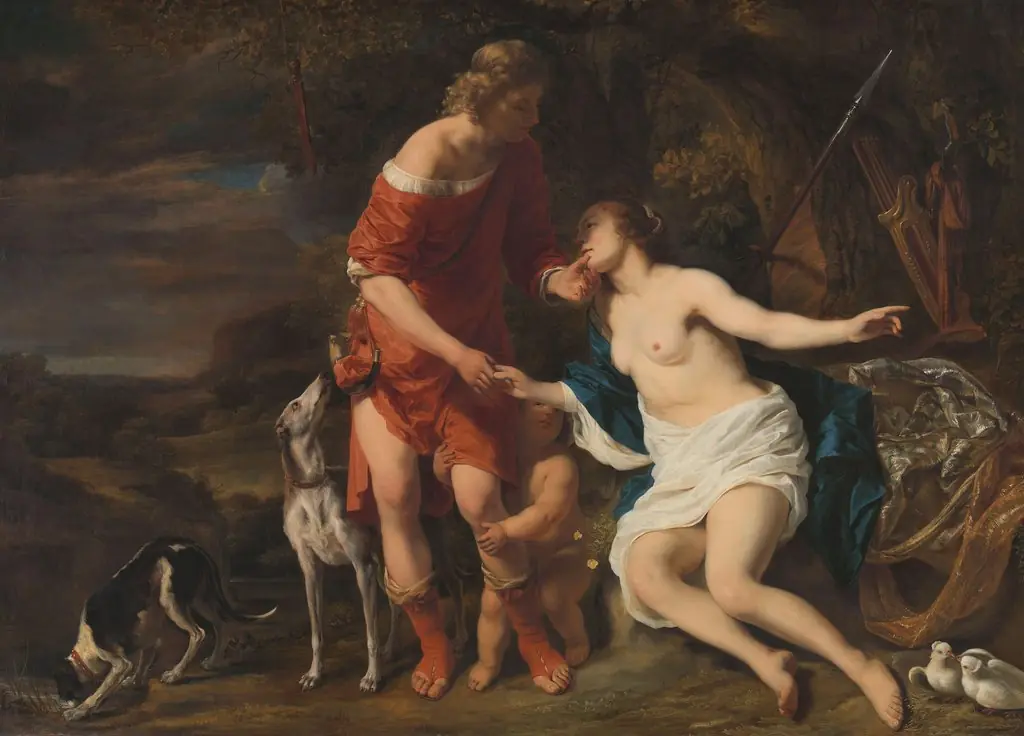 Venus and Adonis
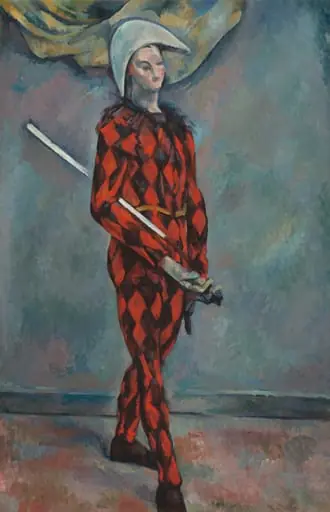 Harlequin
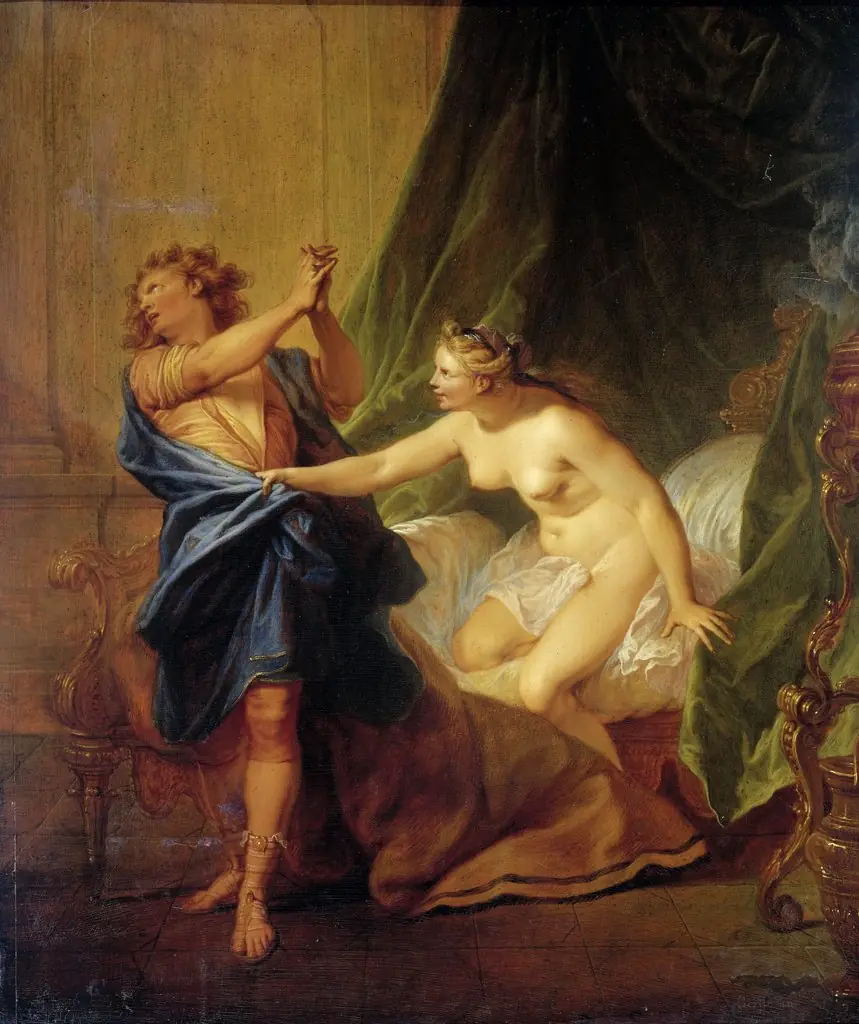 Joseph and Potiphar's Wife
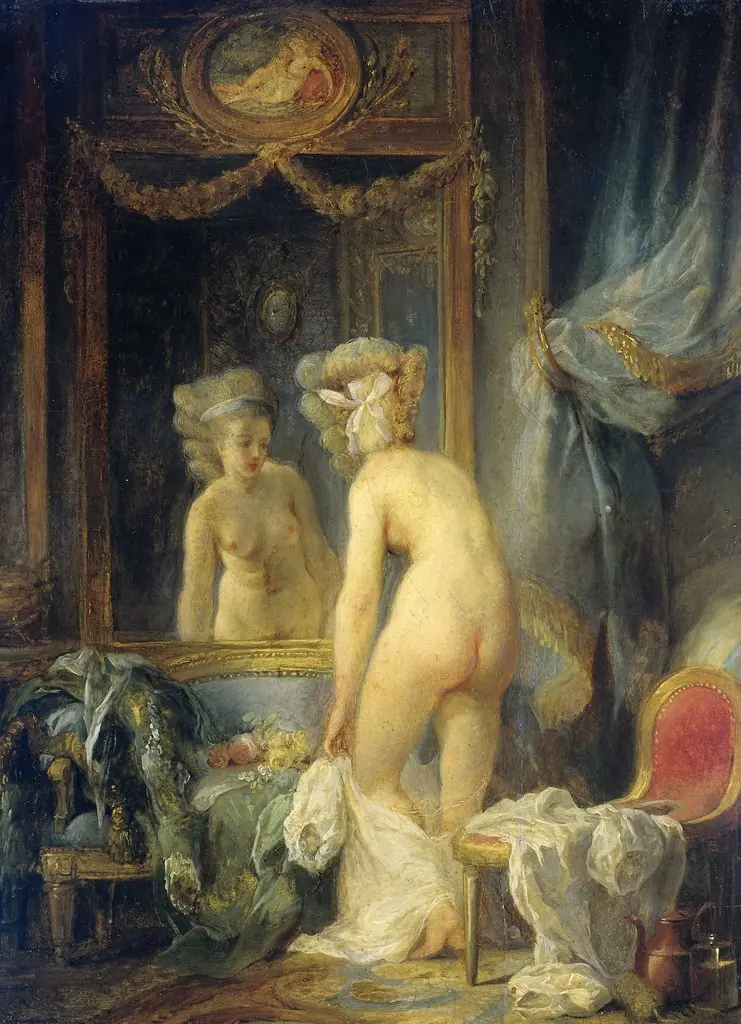 Morning Toilet
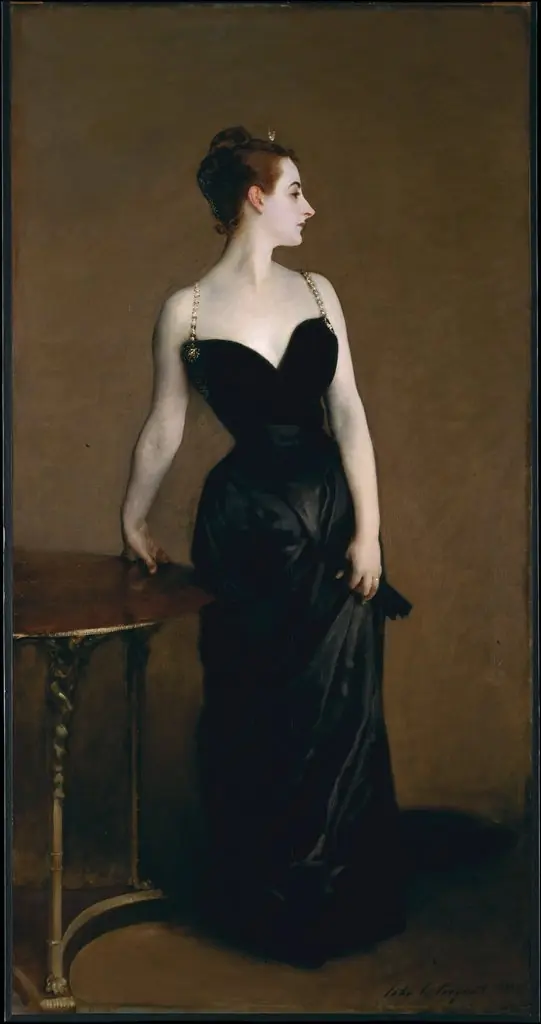 Madame X (Virginie Amélie Avegno Gautreau)
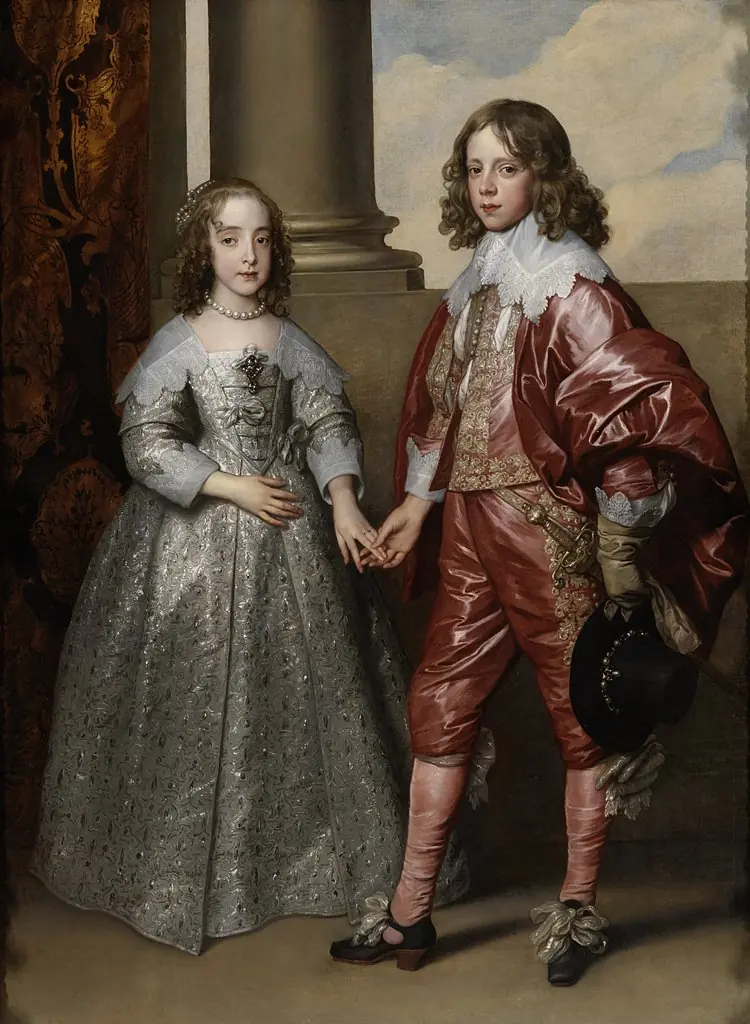 William II, Prince of Orange, and his Bride, Mary Stuart
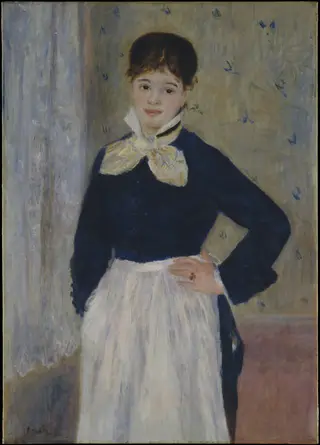 A Waitress at Duval's Restaurant
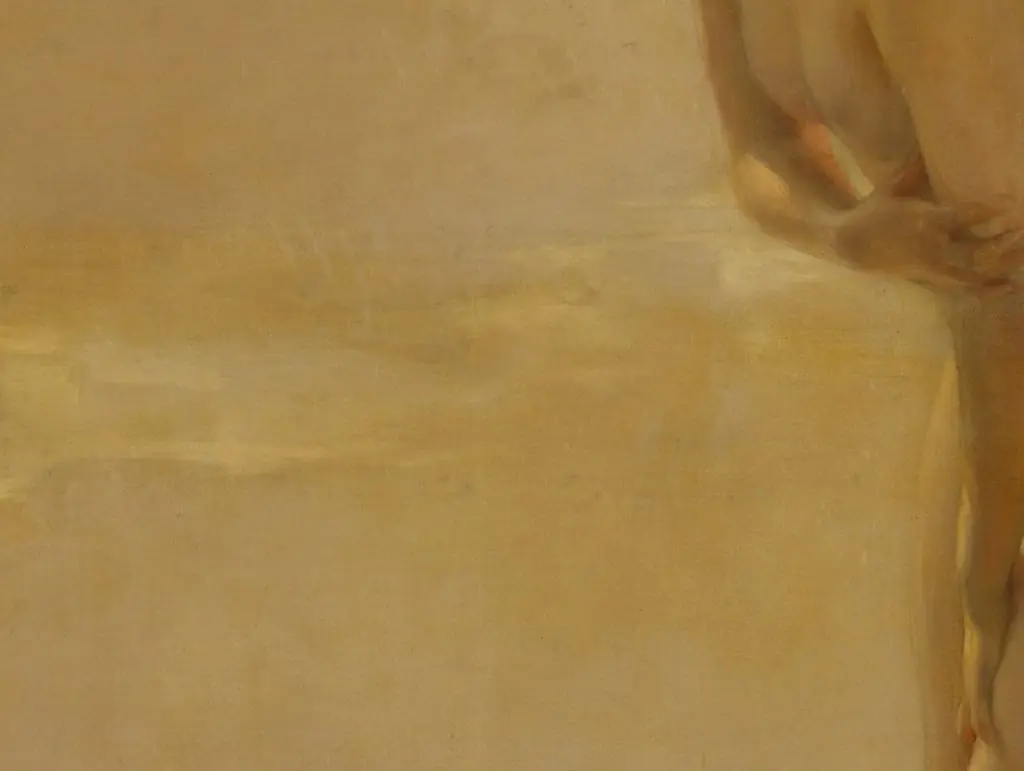 September Morn
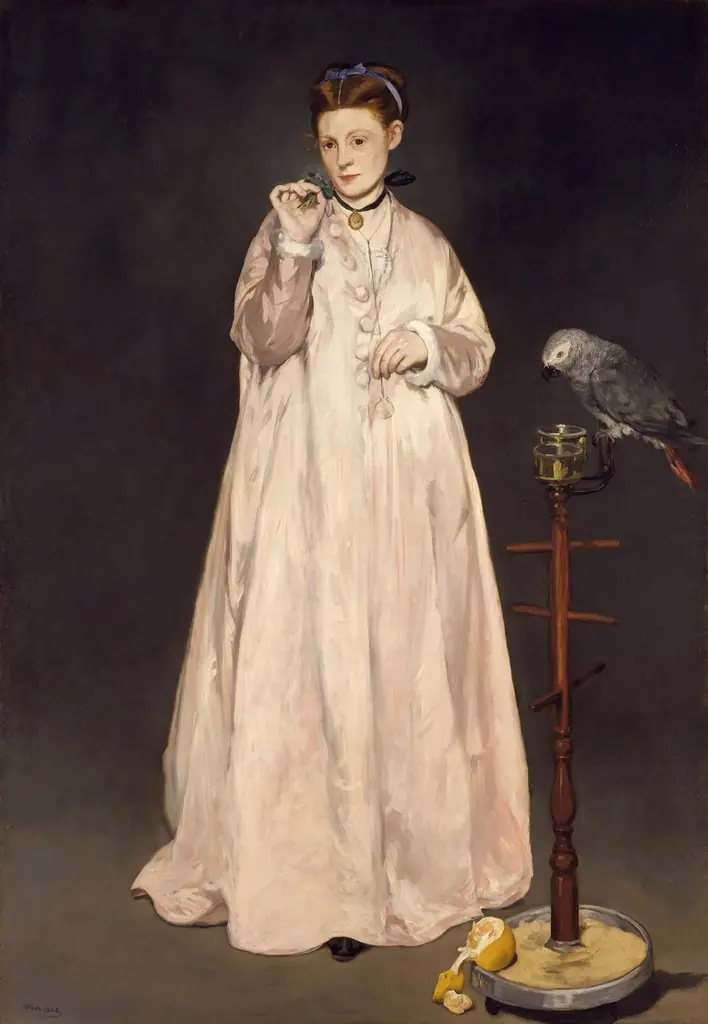 Young Lady in 1866
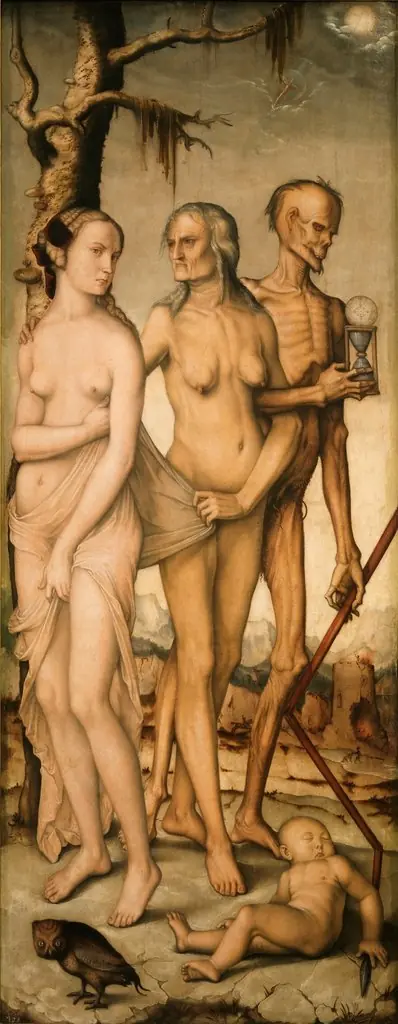 The Ages and Death
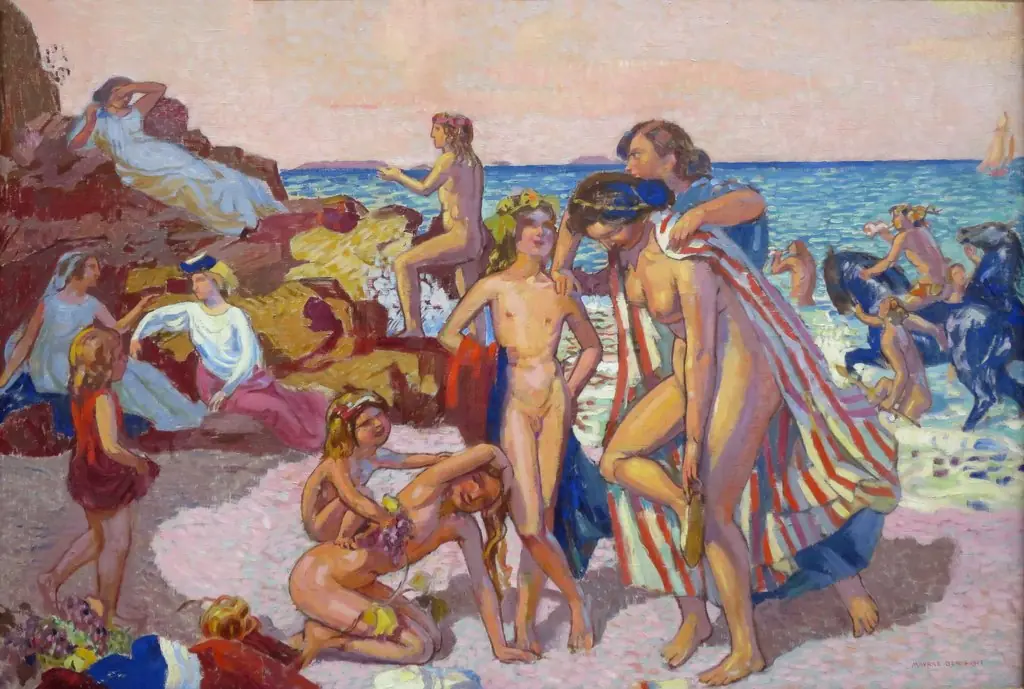 Bacchus and Ariadne
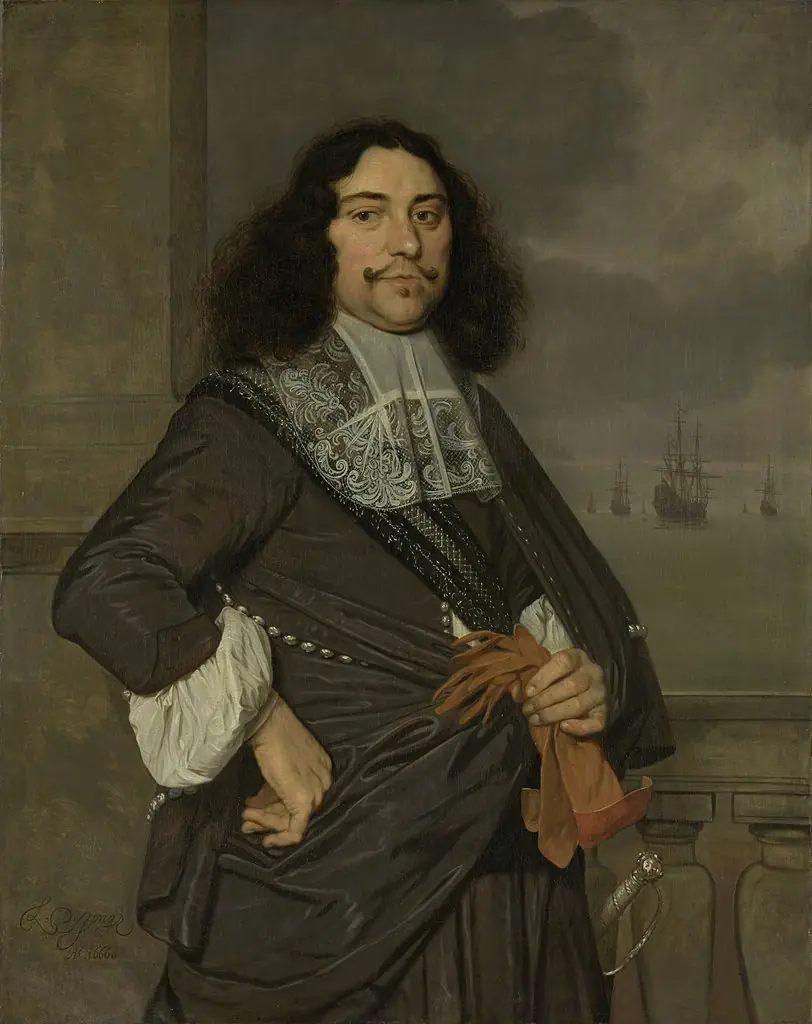 Portrait of Jan van Nes (1631-80). Vice admiral of Holland and West-Friesland
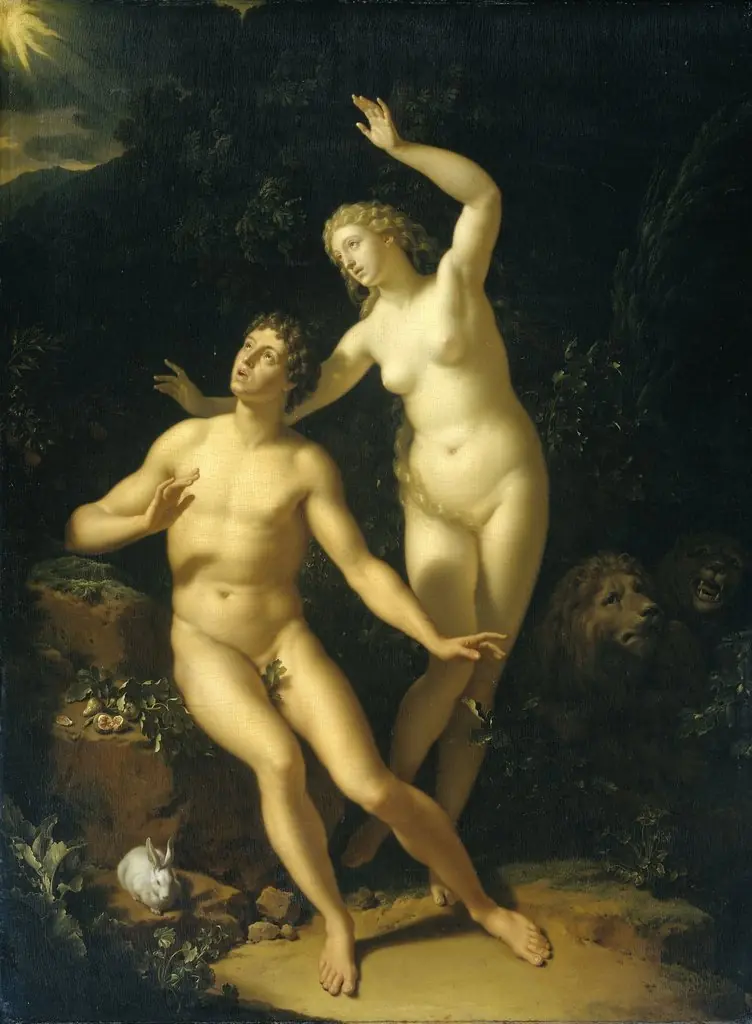 God Holds Adam and Eve Responsible
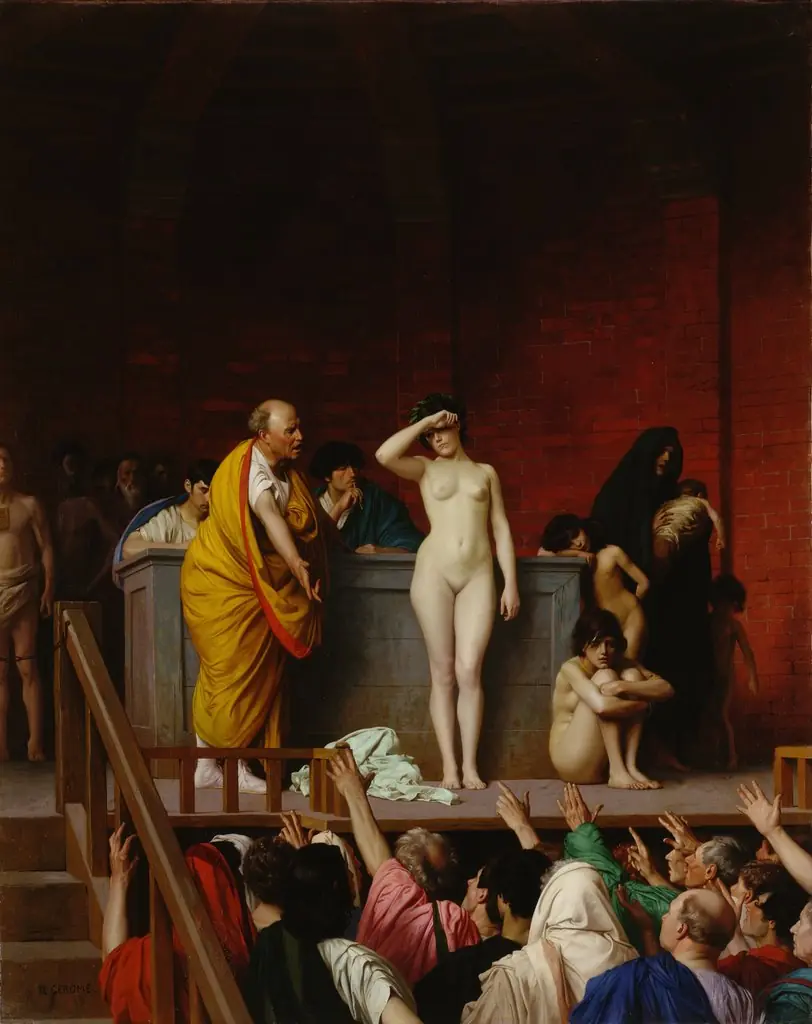 Slave Market in Rome
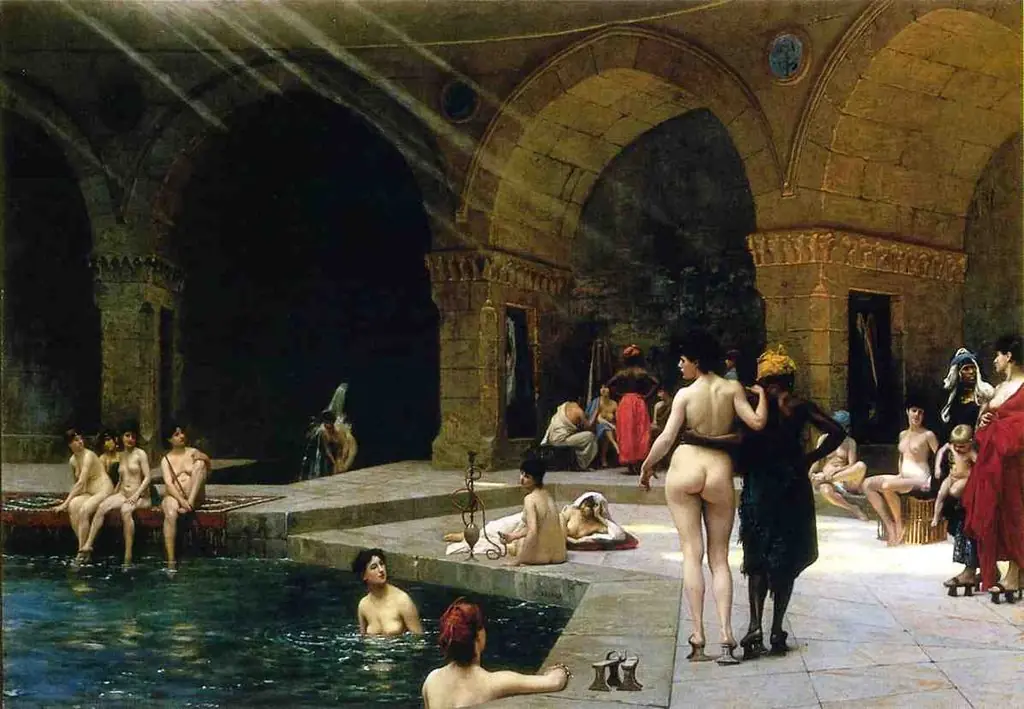 The Great Bath at Bursa
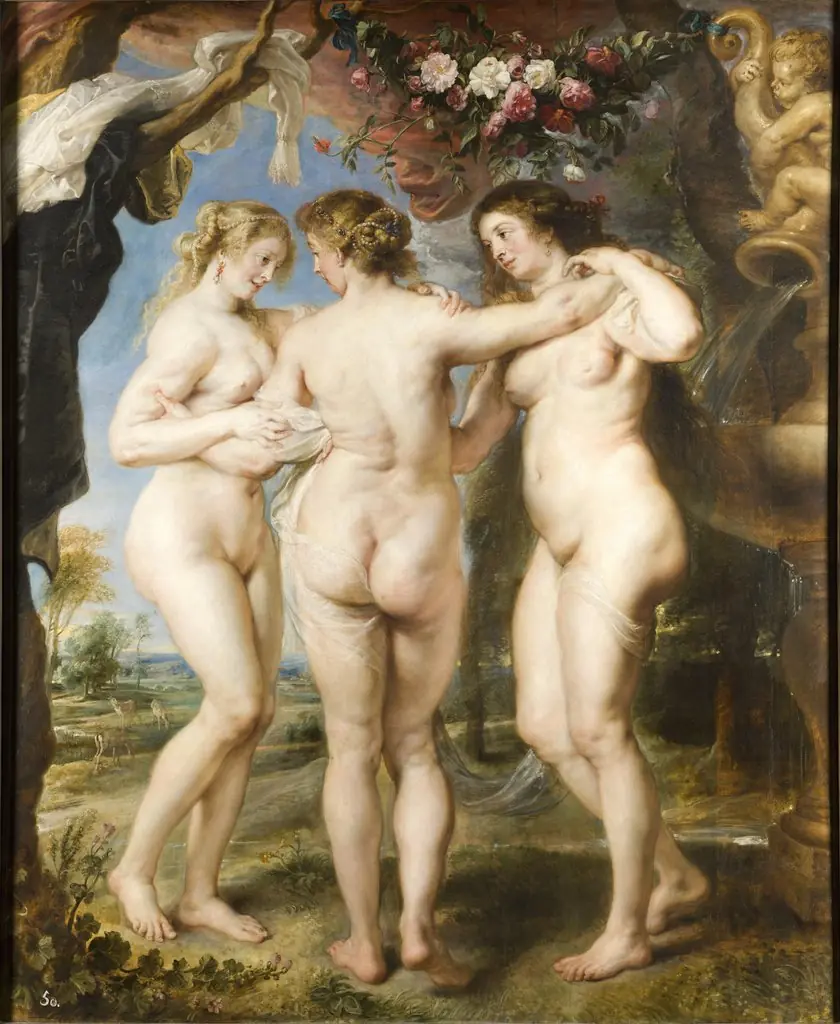 The Three Graces
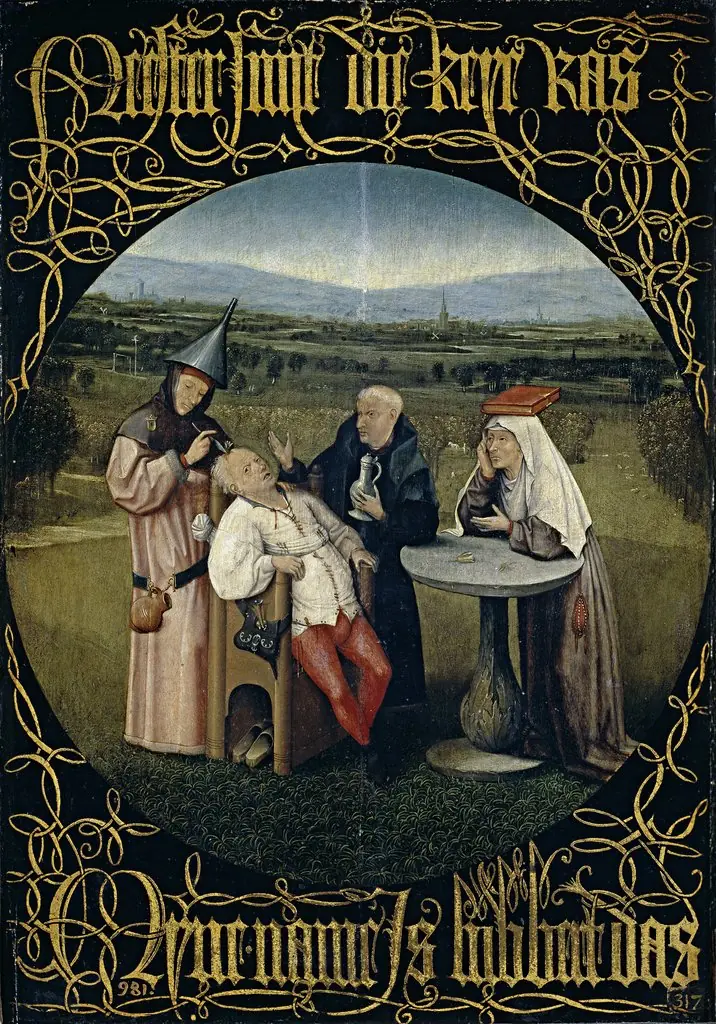 Cutting the Stone
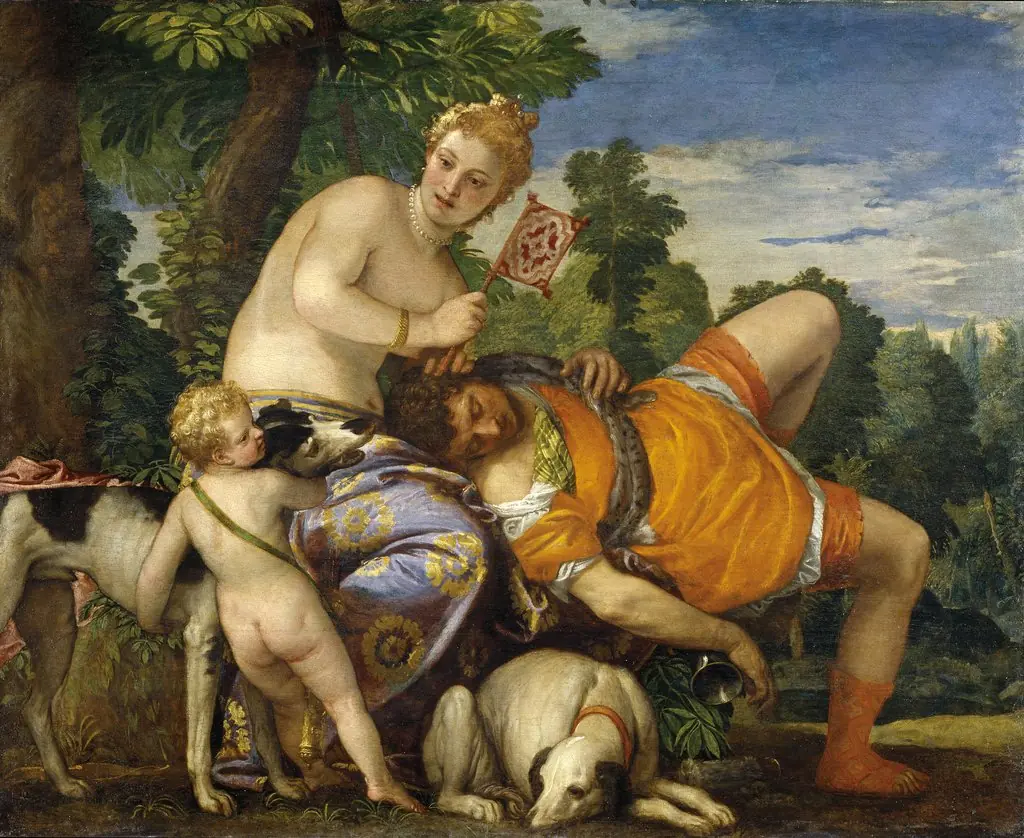 Venus and Adonis
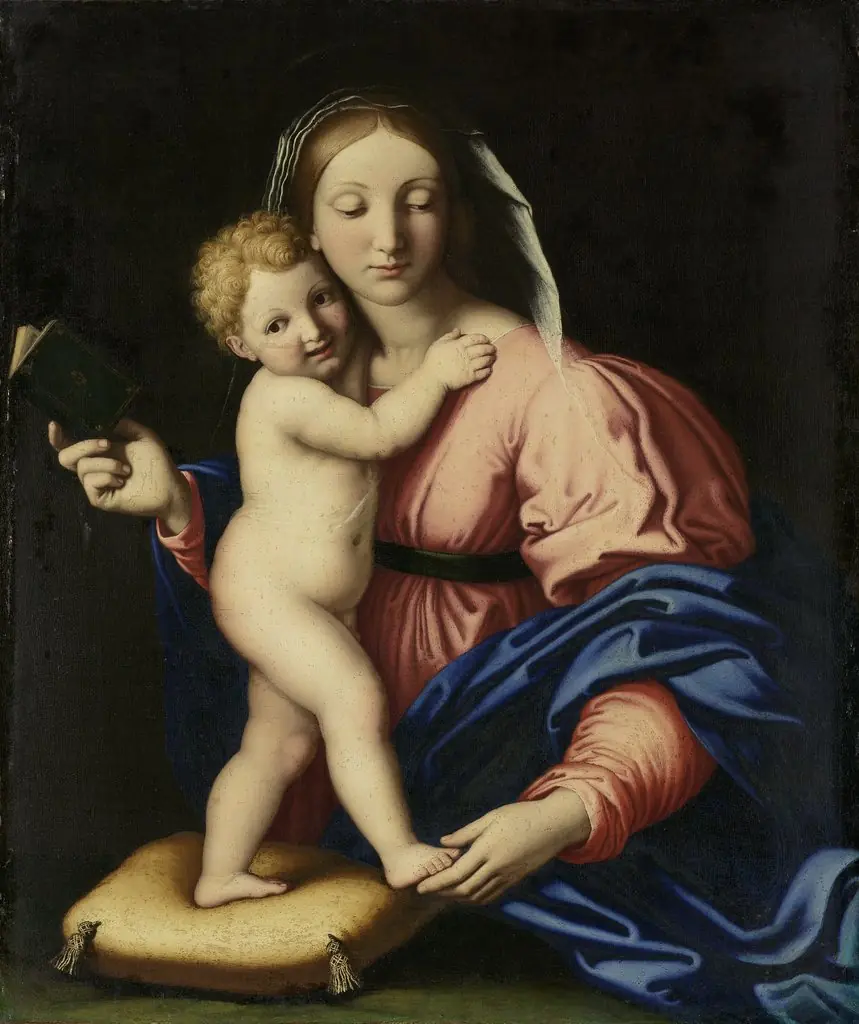 Virgin and Child
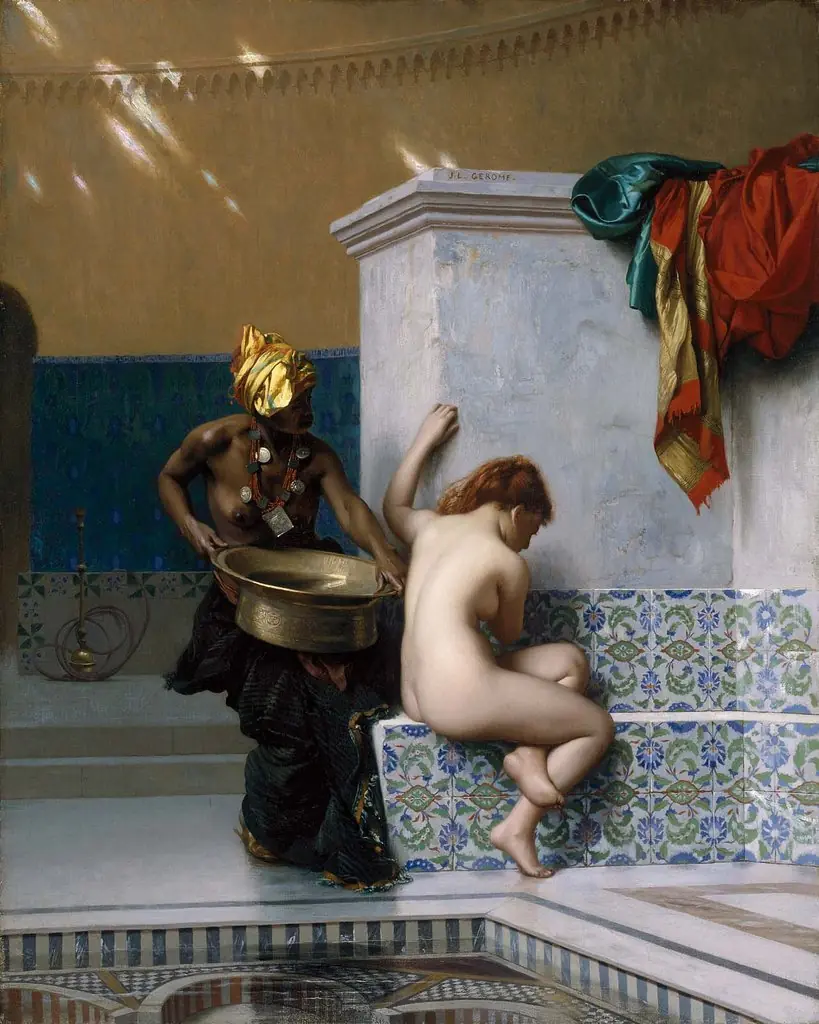 Moorish Bath
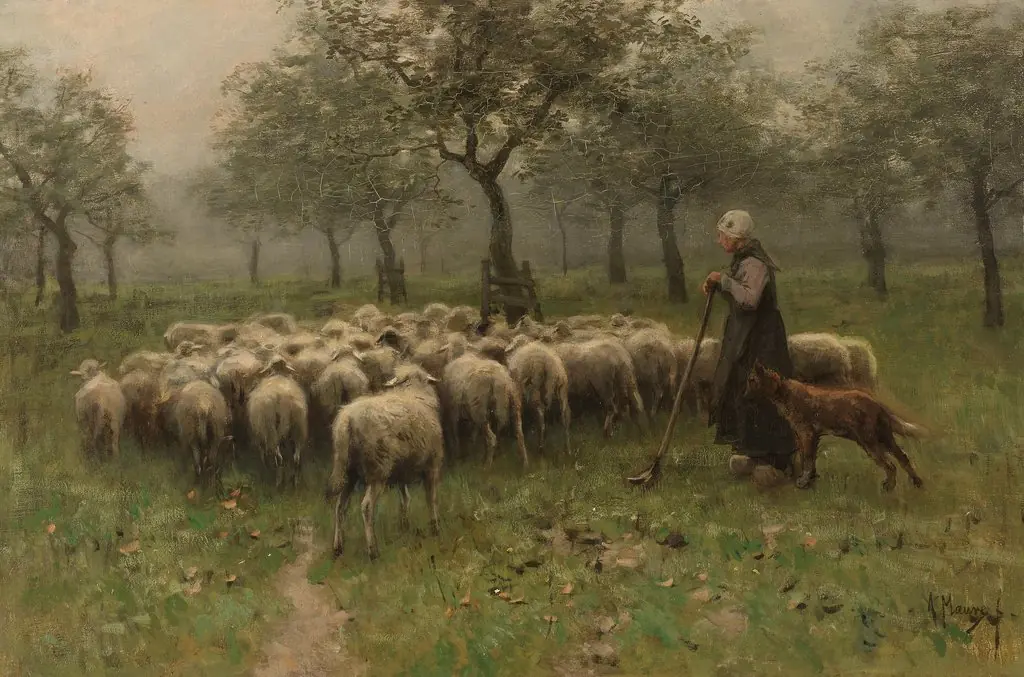 Shepherdess with a Flock of Sheep
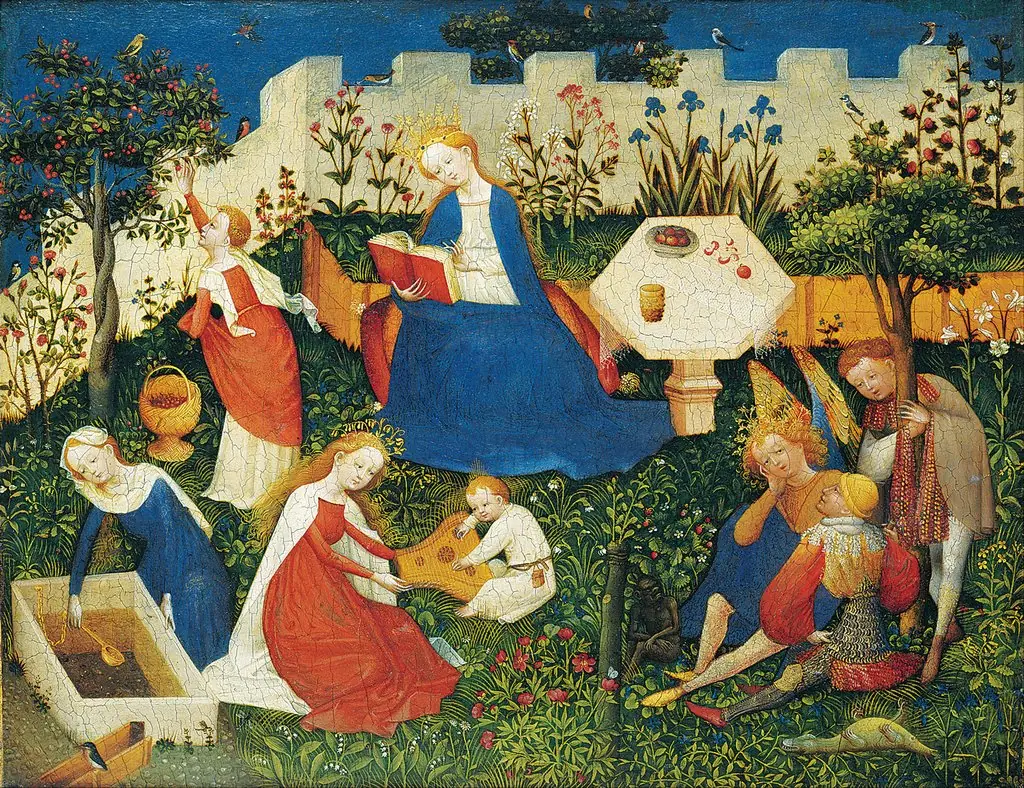 Paradiesgärtlein
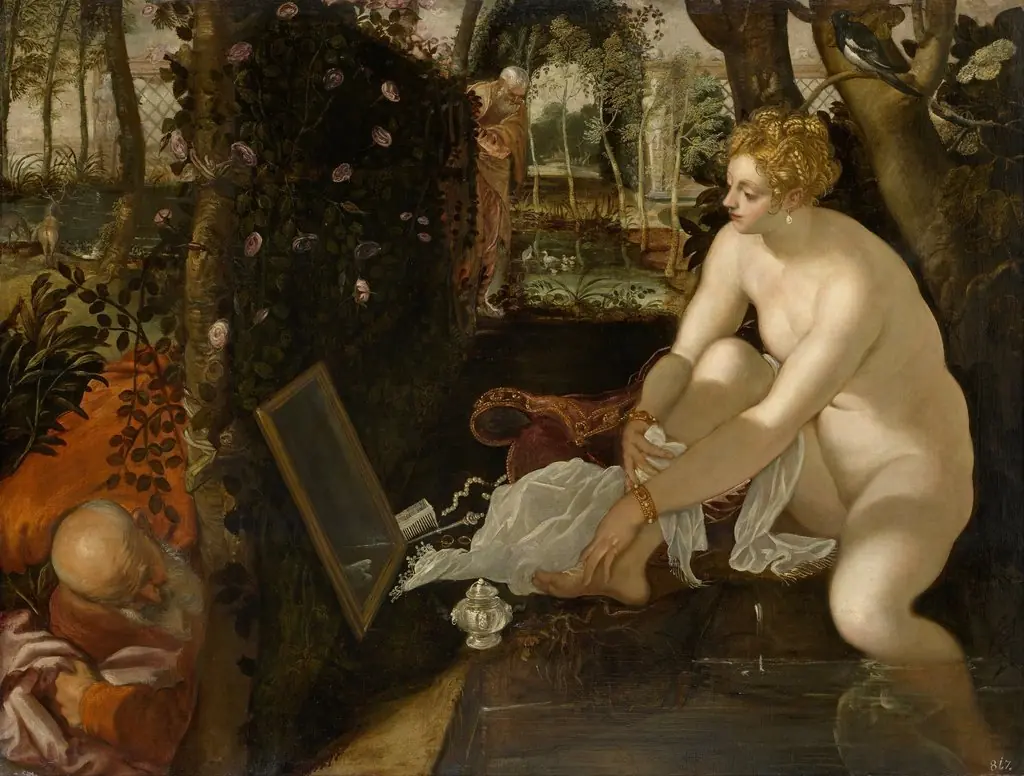 Susanna and the Elders
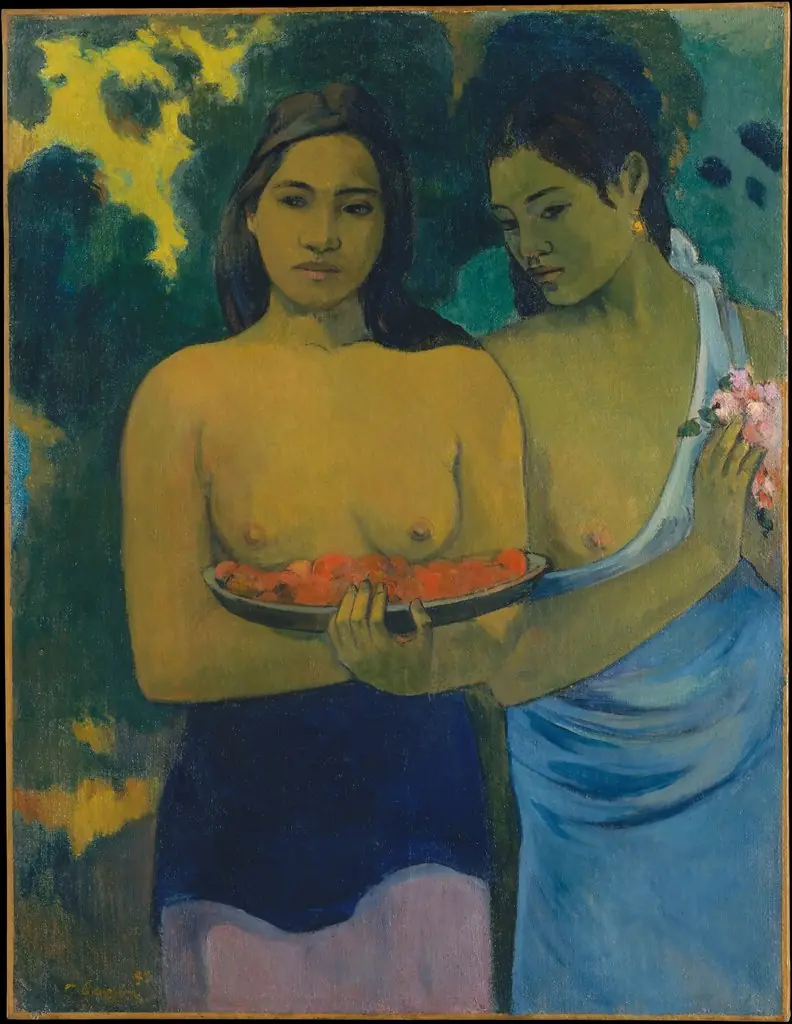 Two Tahitian Women
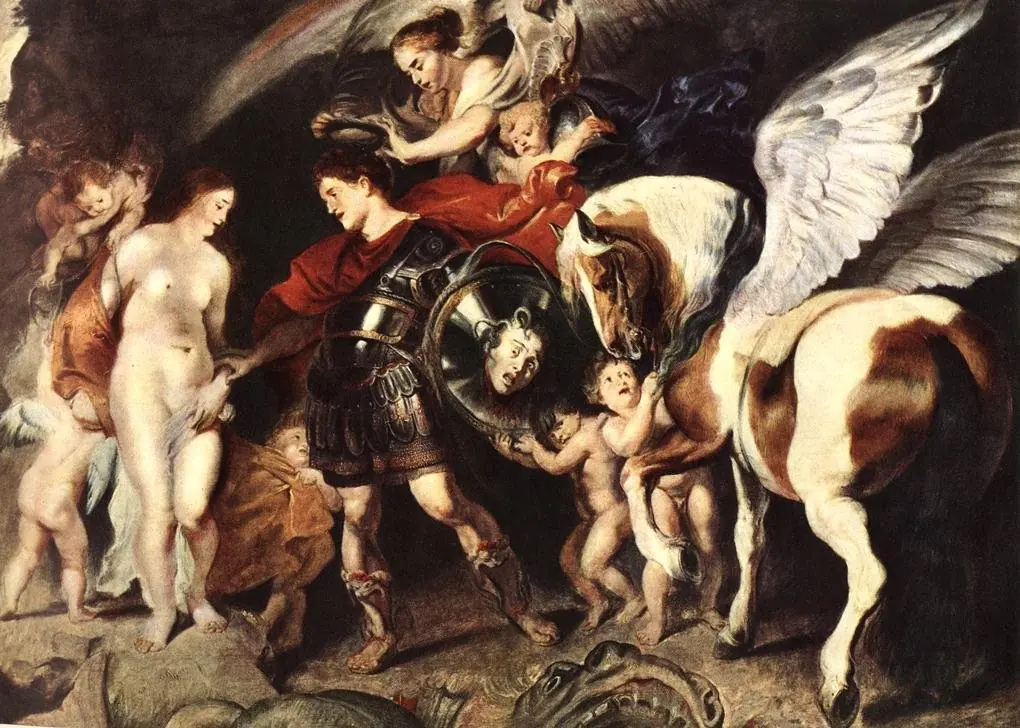 Perseus and Andromeda
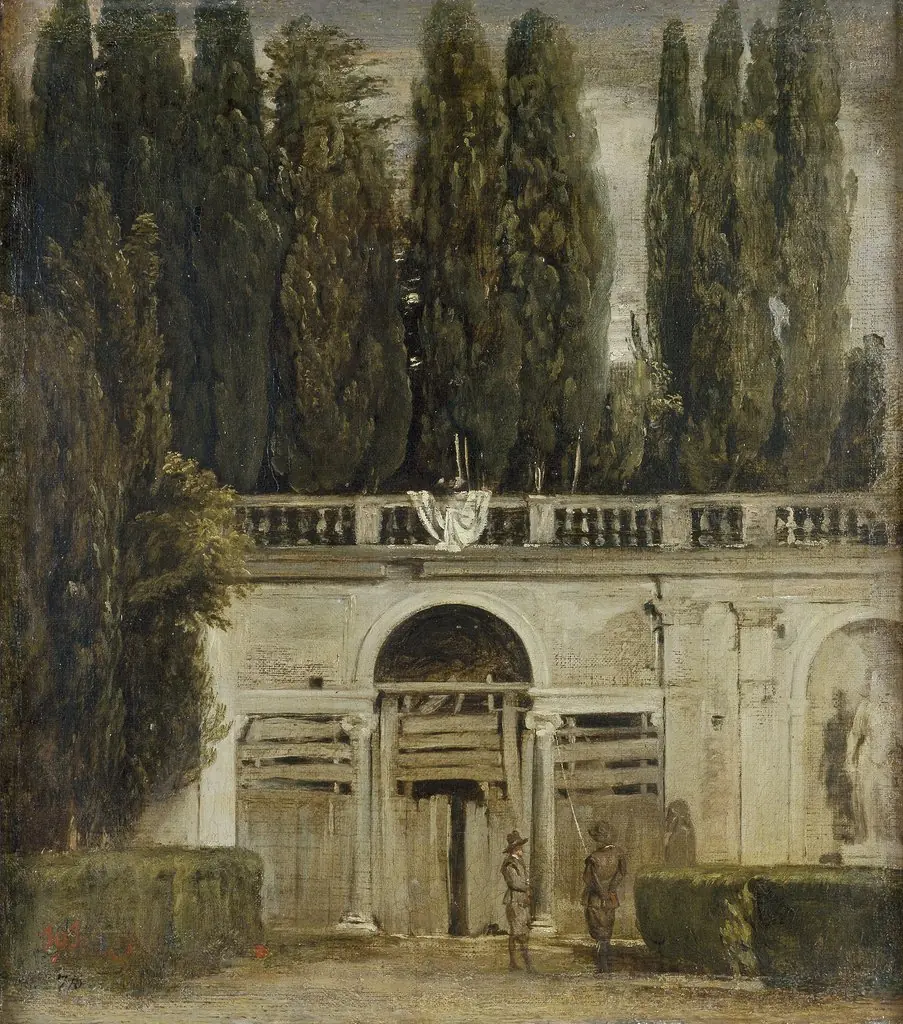 View of the Garden of the Villa Medici
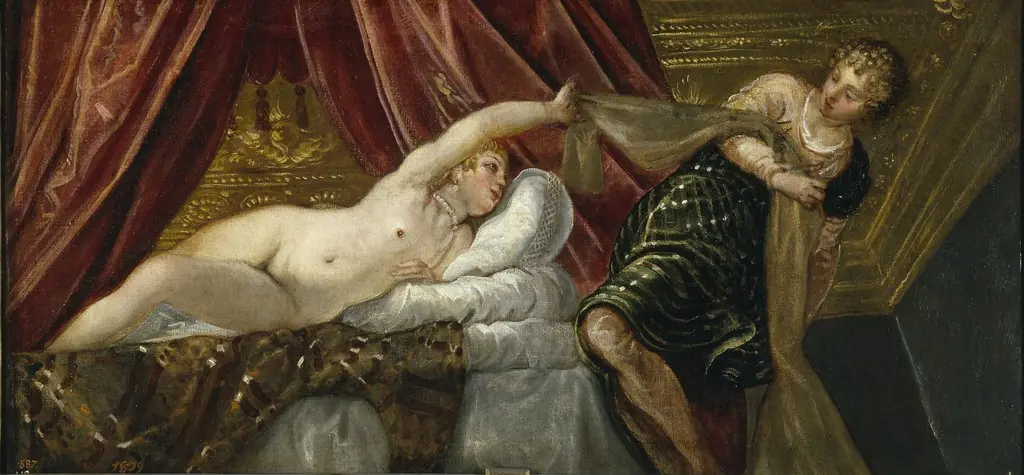 Joseph and Potiphar's Wife
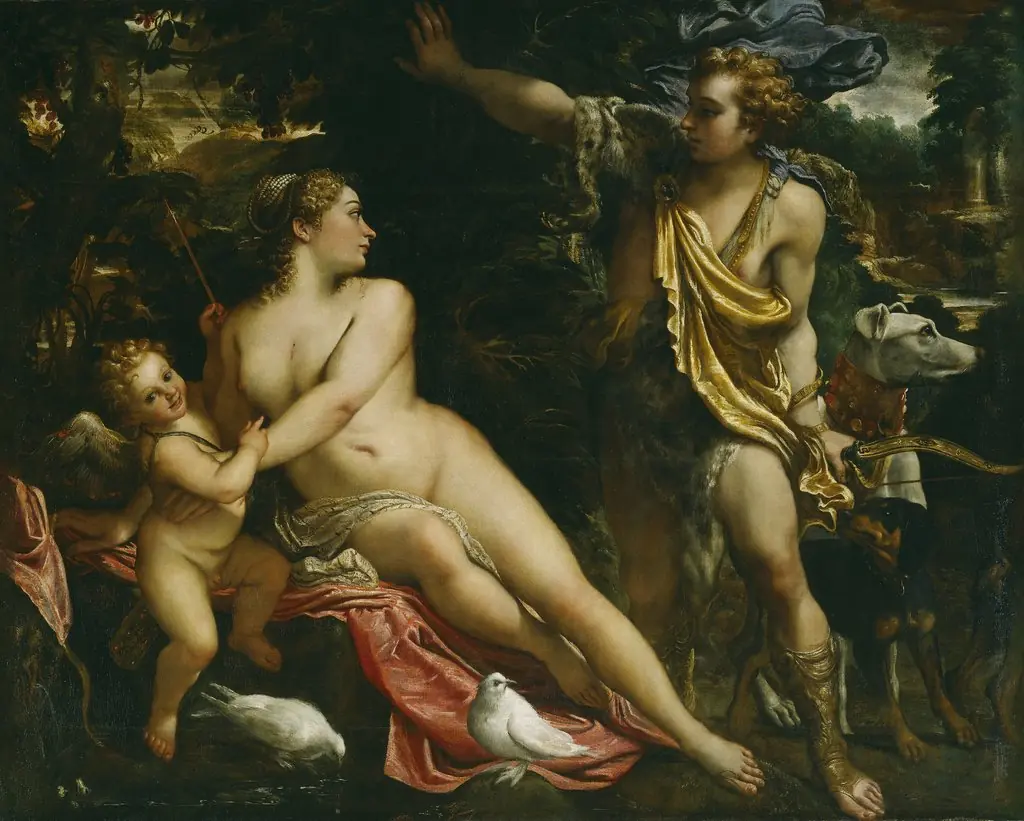 Venus, Adonis and Cupid
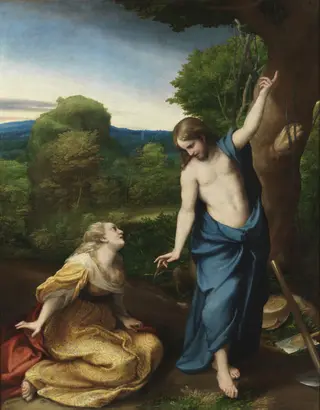 Noli me tangere
 Leda and the Swan
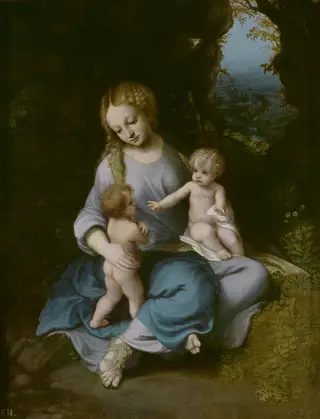 Madonna and Child with the Young Saint John
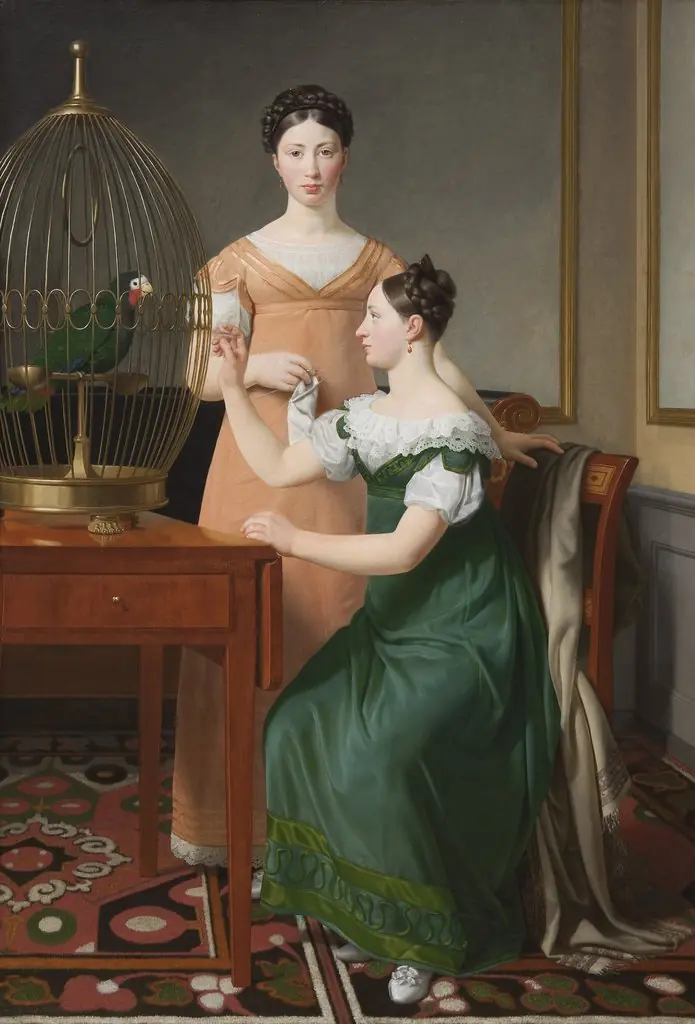 Bella and Hanna. The Eldest Daughters of M. L. Nathanson
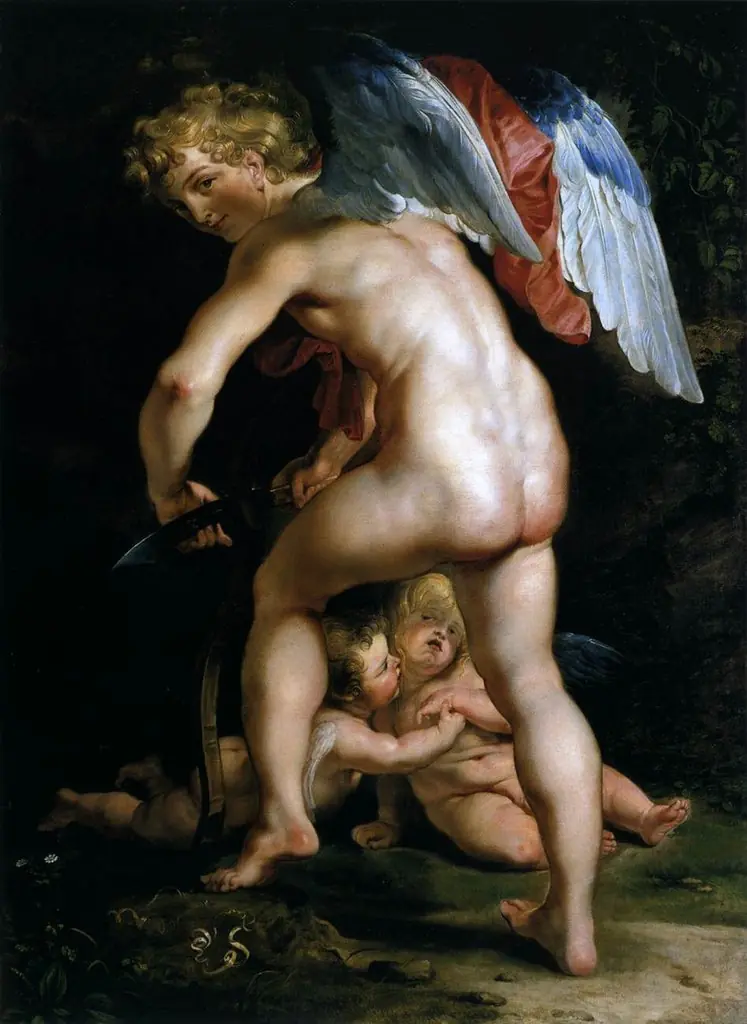 Cupid (Eros) Carves the Bow
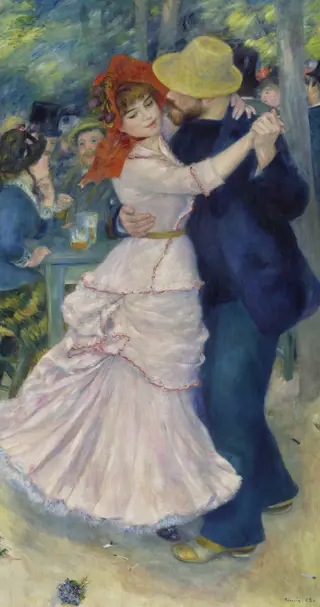 Dance at Bougival
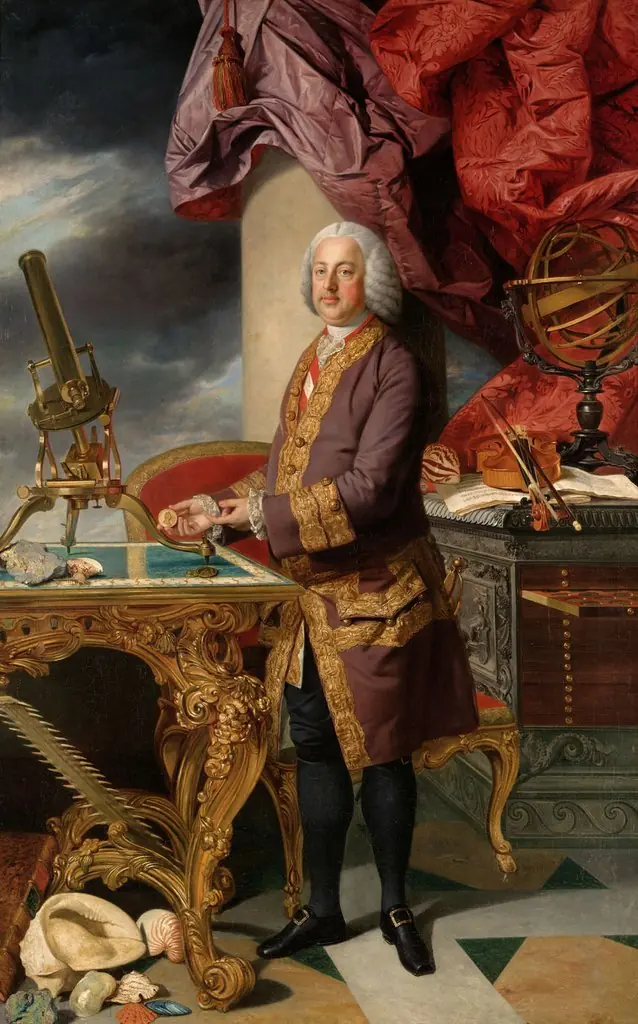 François Ier du Saint-Empire et sa collection d'histoire naturelle
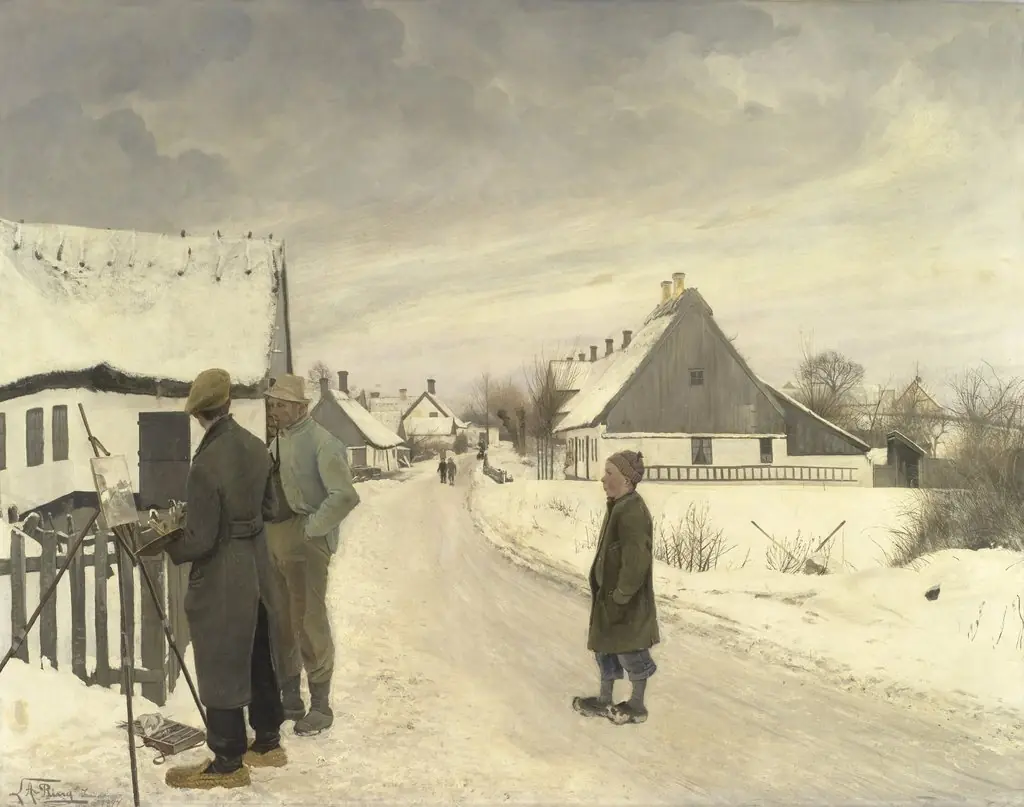 The Painter in the Village
 Separation of David and Jonathan
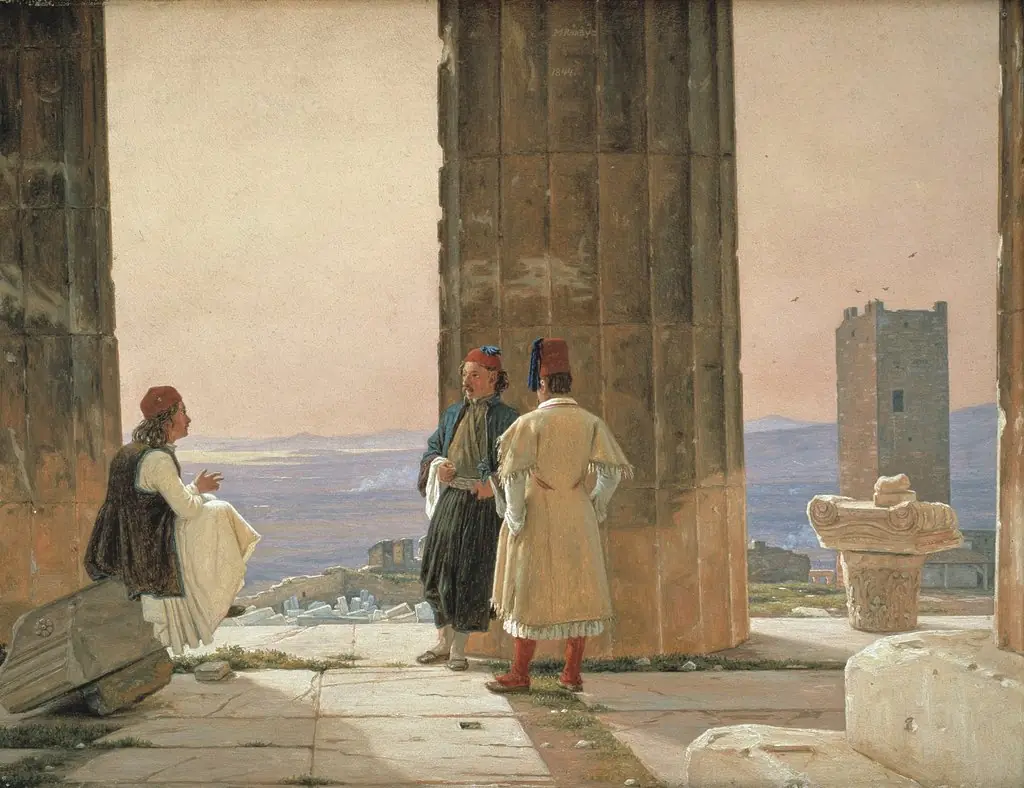 The View from the Temple of Athena on the Acropolis
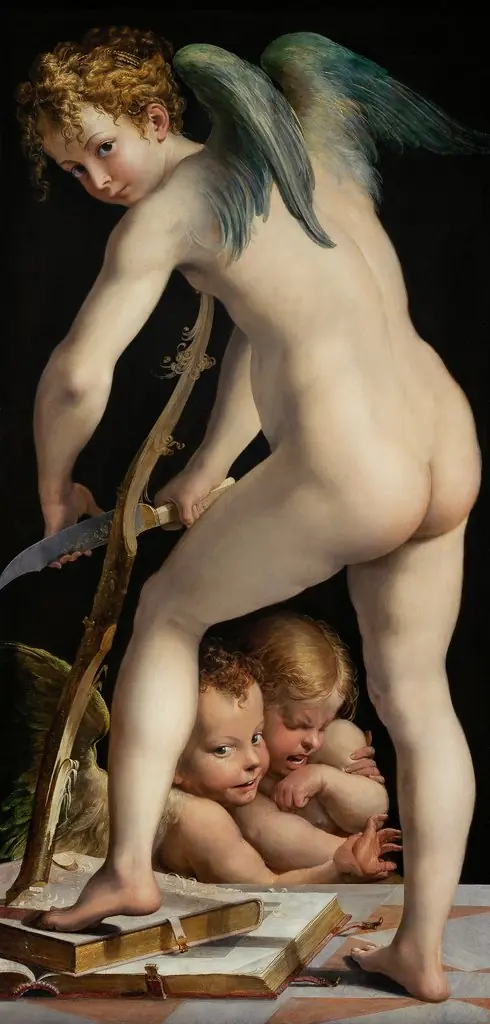 Cupid Making His Arch
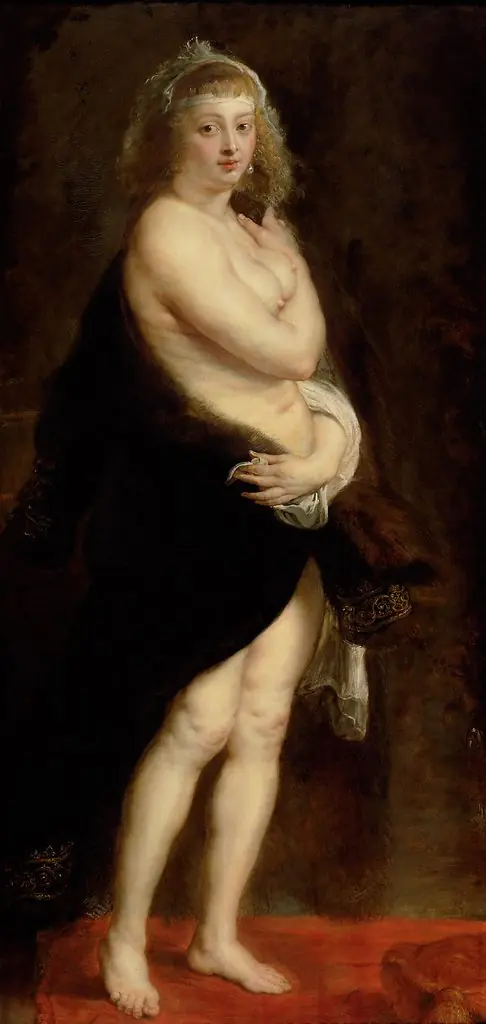 Helena Fourment in a Fur Robe
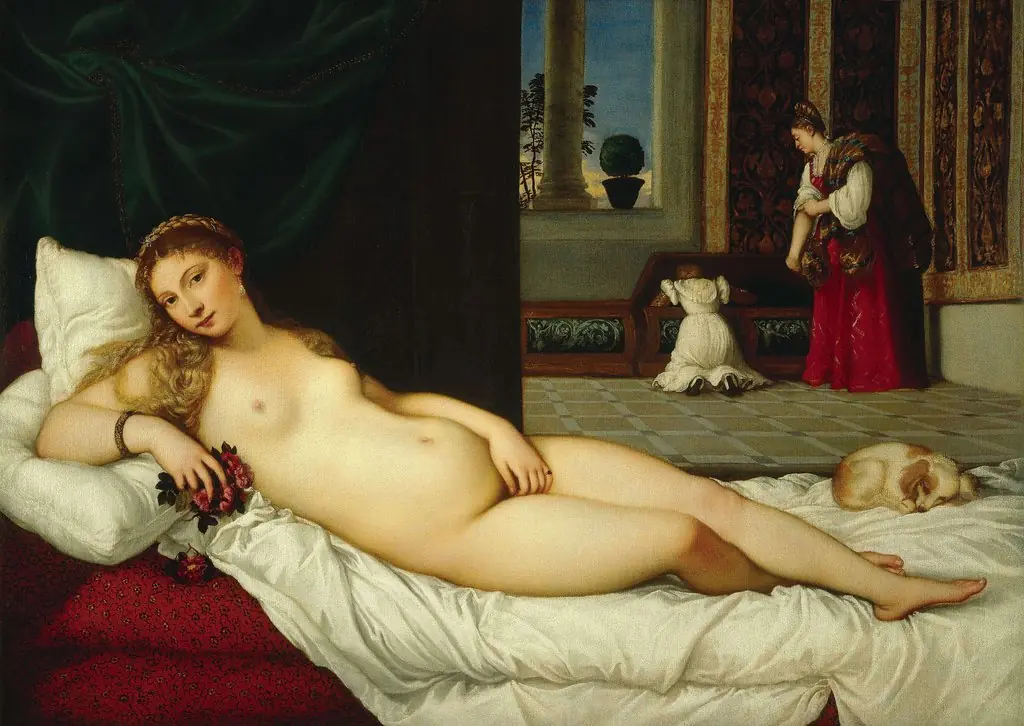 Venus of Urbino
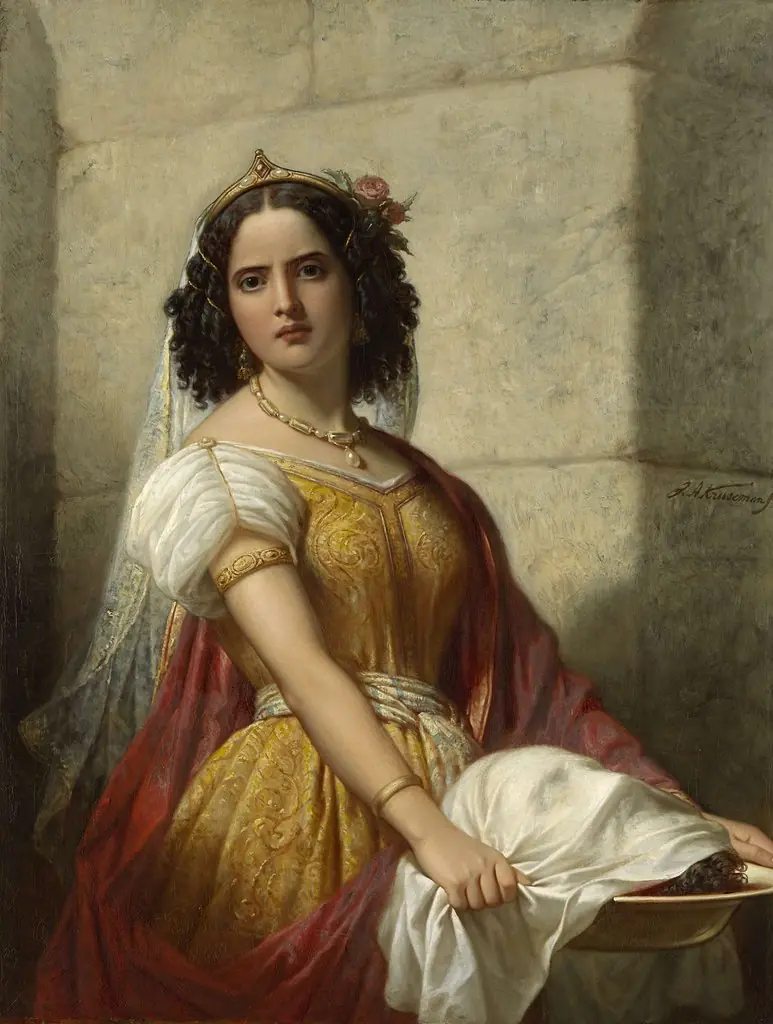 Salome with the Head of John the Baptist
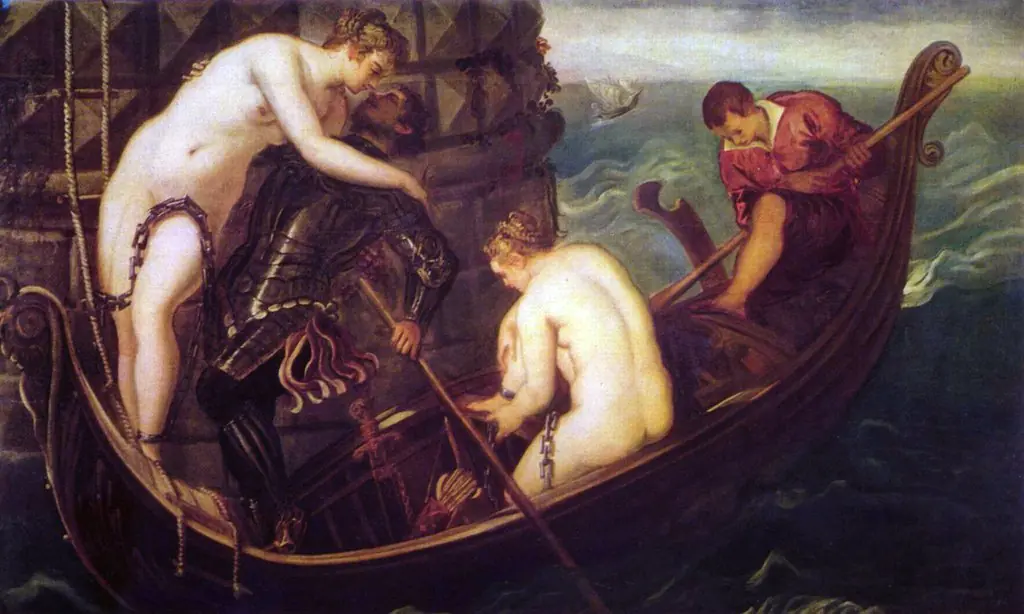 The Deliverance of Arsinoe
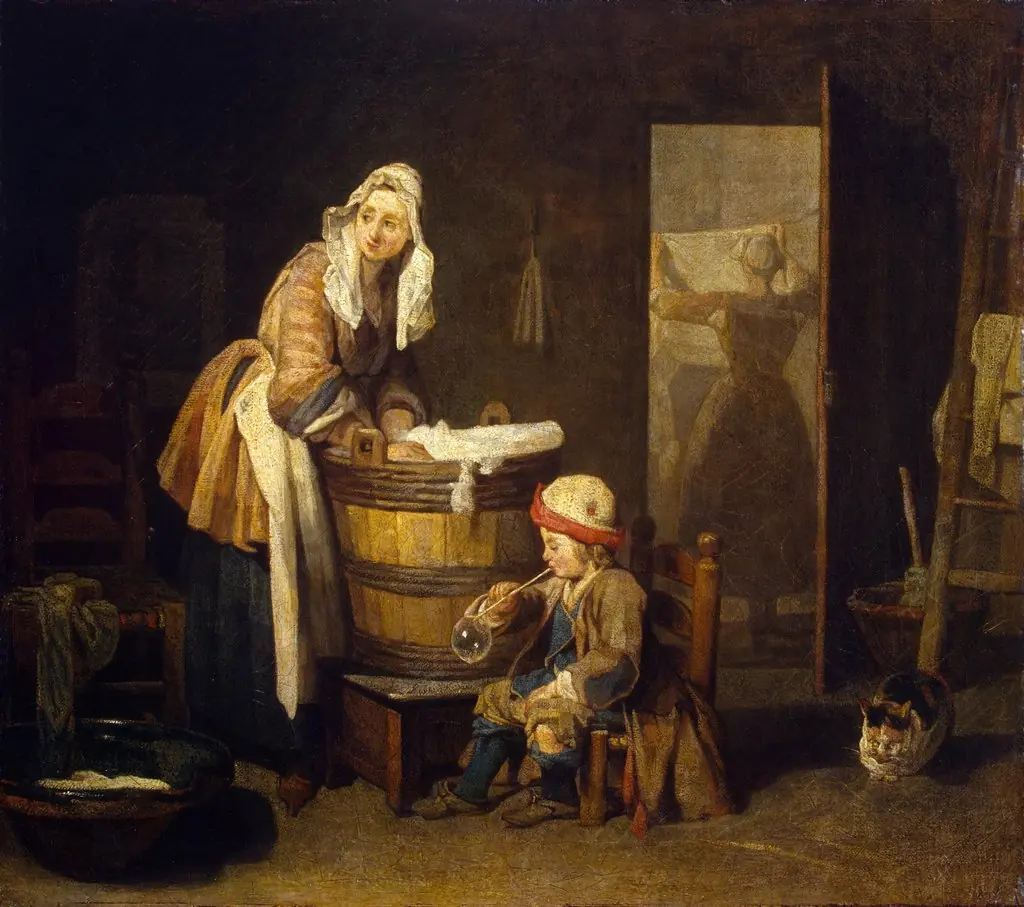 The Laundress
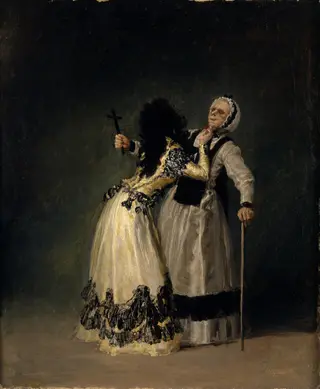 The Duchess of Alba and la Beata
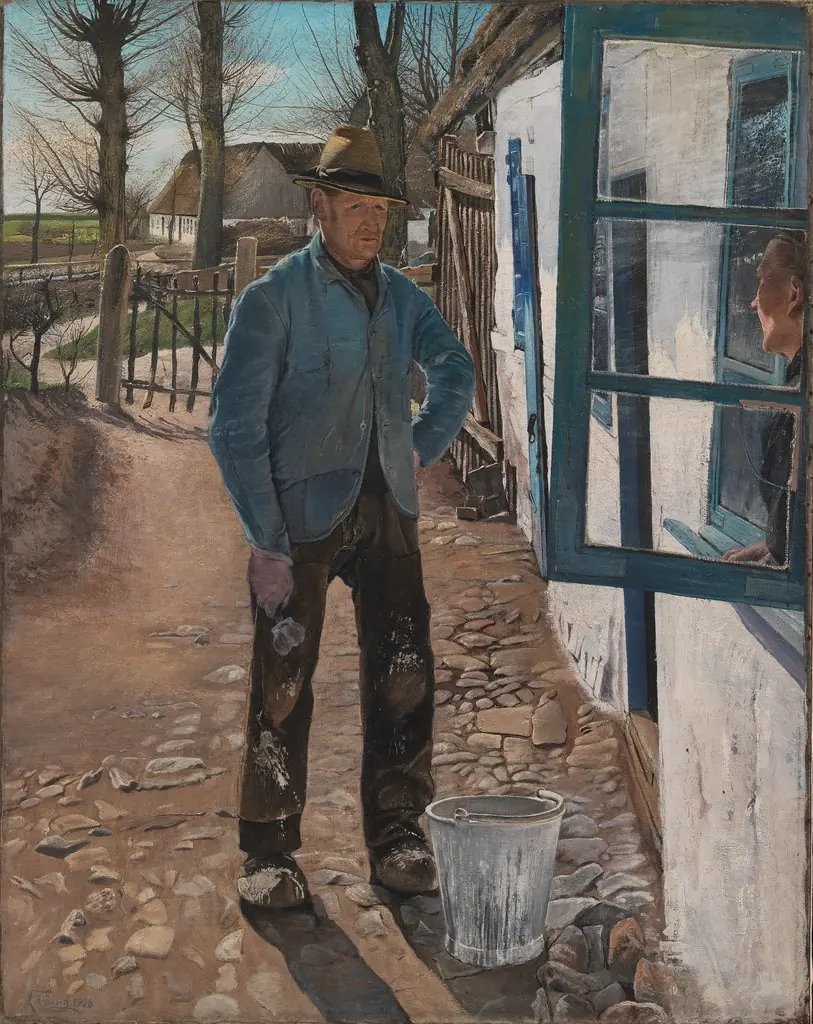 Whitewashing the Old House
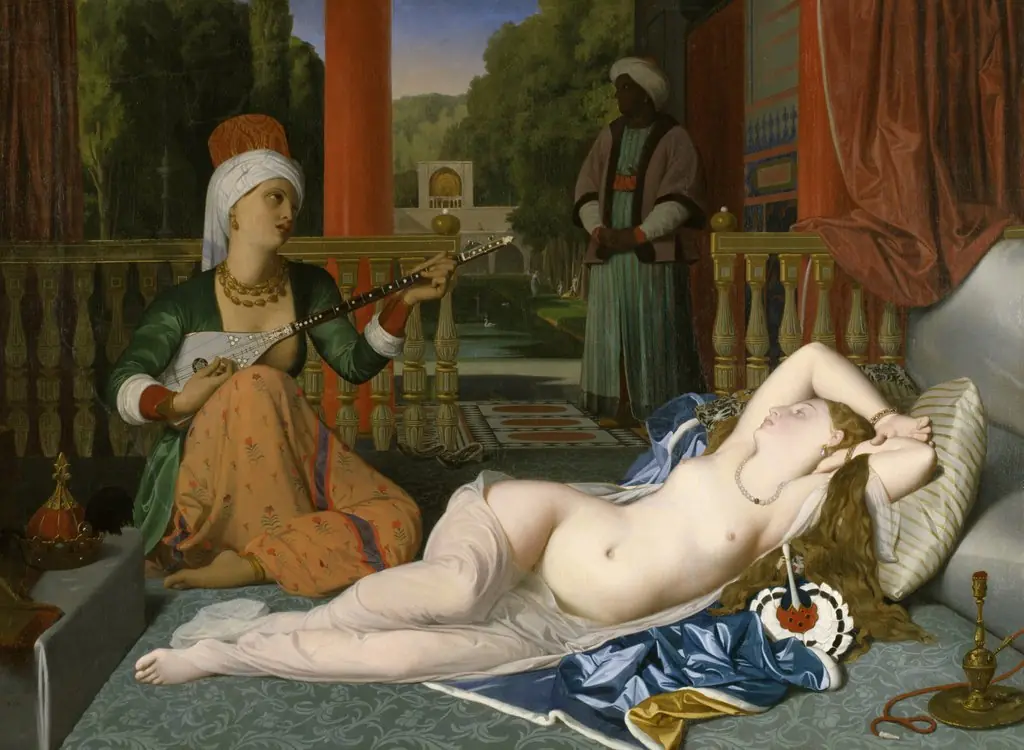 Odalisque with Slave
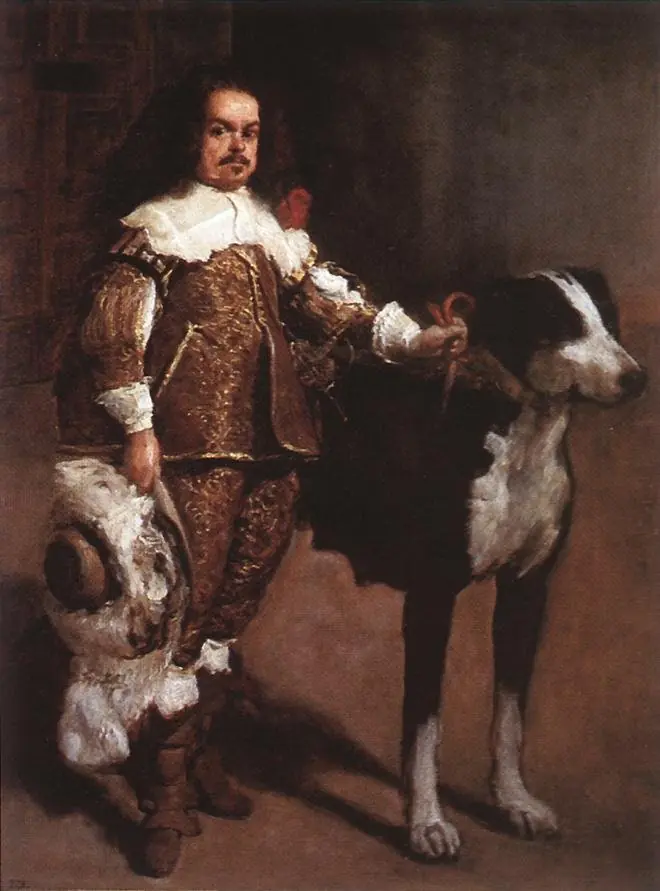 Dwarf with a Dog, formerly denominated Antonio el Inglés
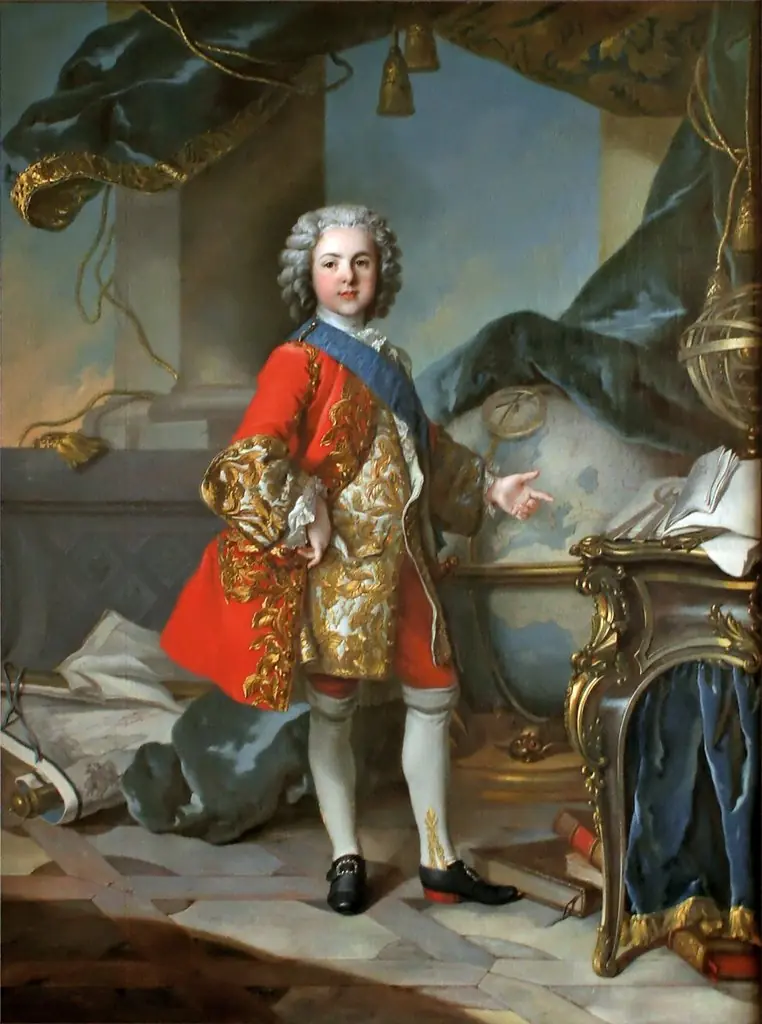 Portrait of Louis of France
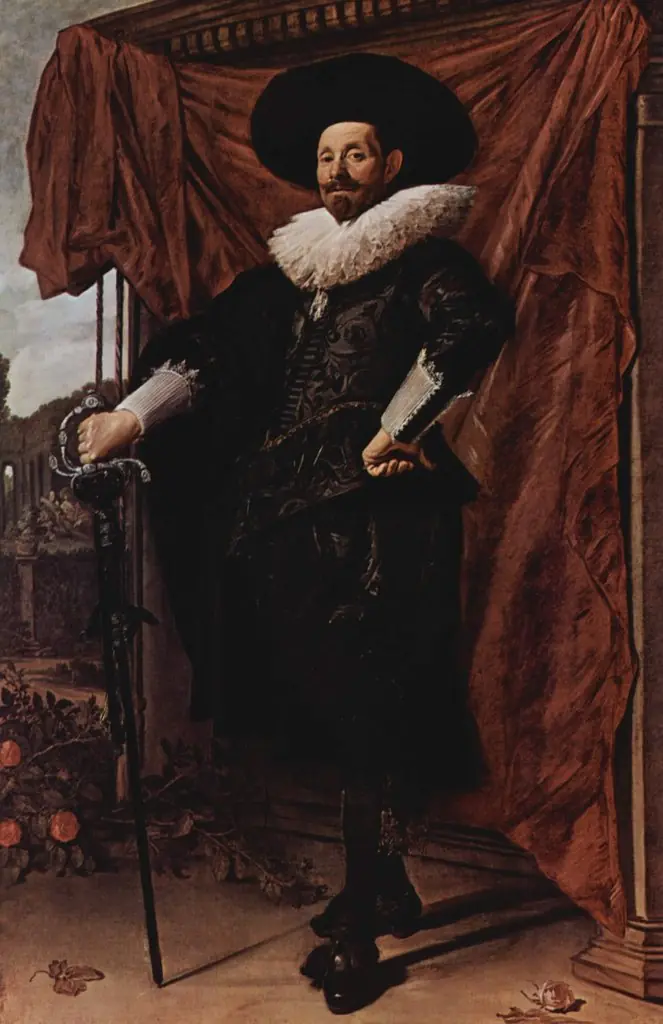 Willem van Heythuysen posing with a sword
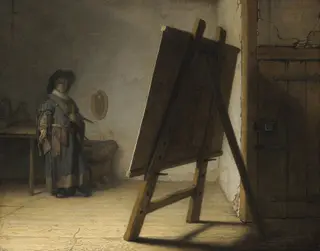 Artist in his studio
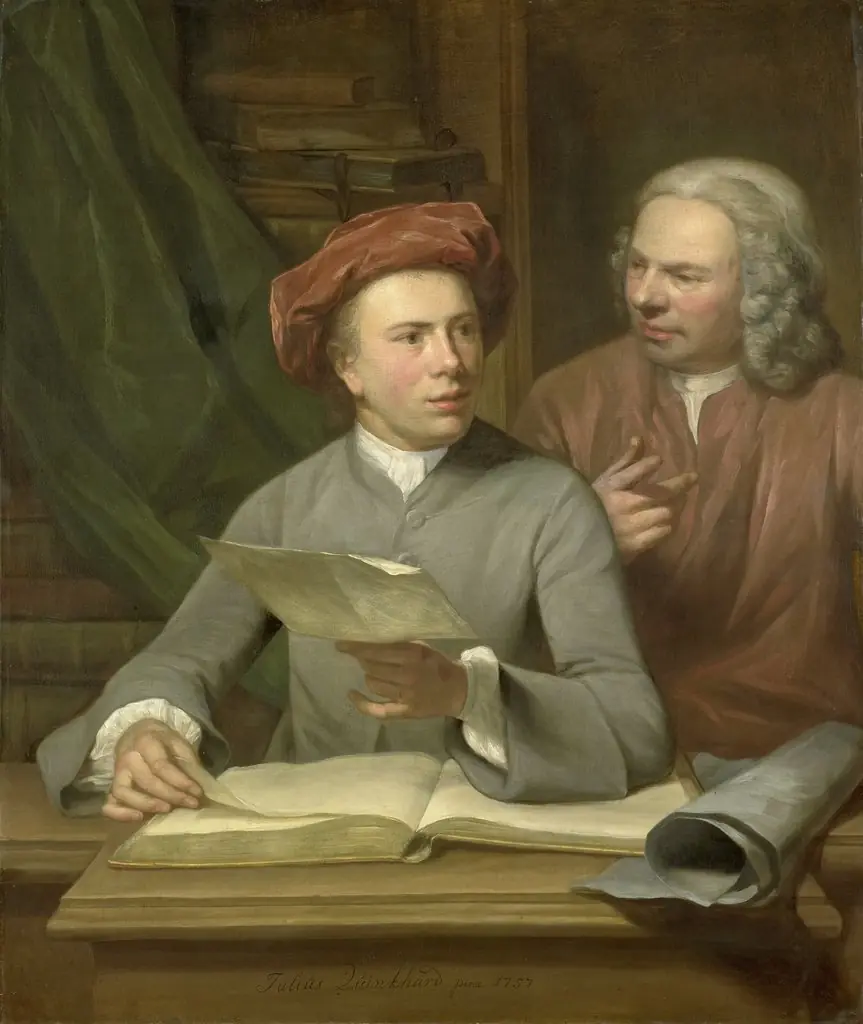 Self-portrait with Jan Maurits Quinkhard next to him
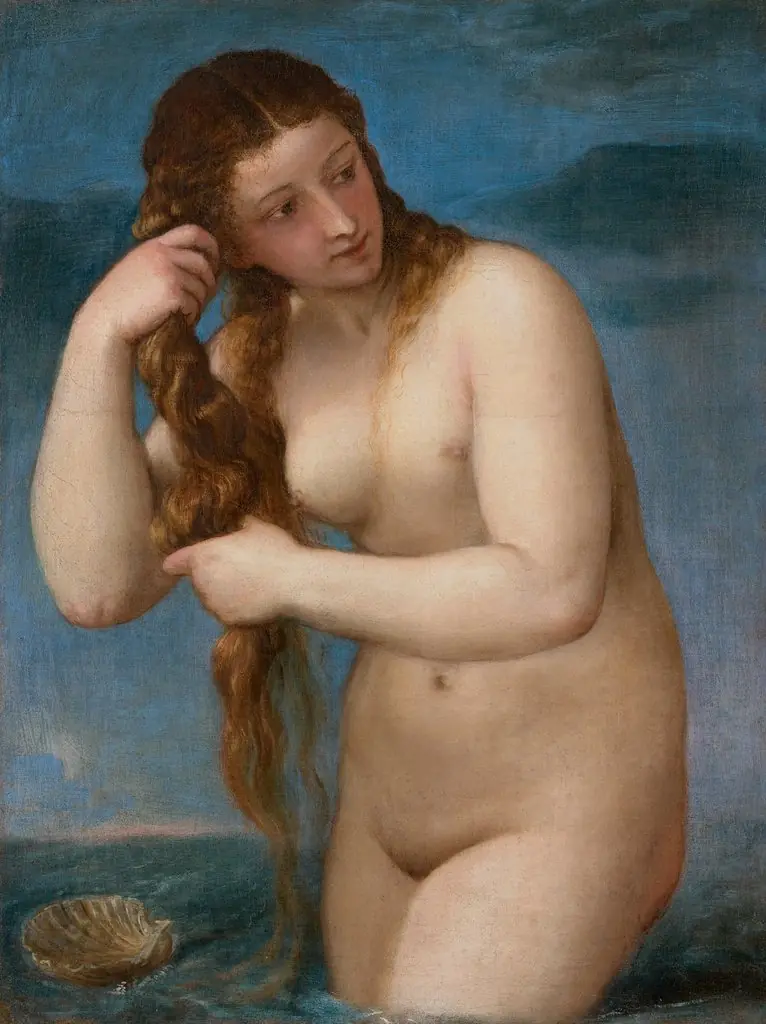 Venus Anadyomene
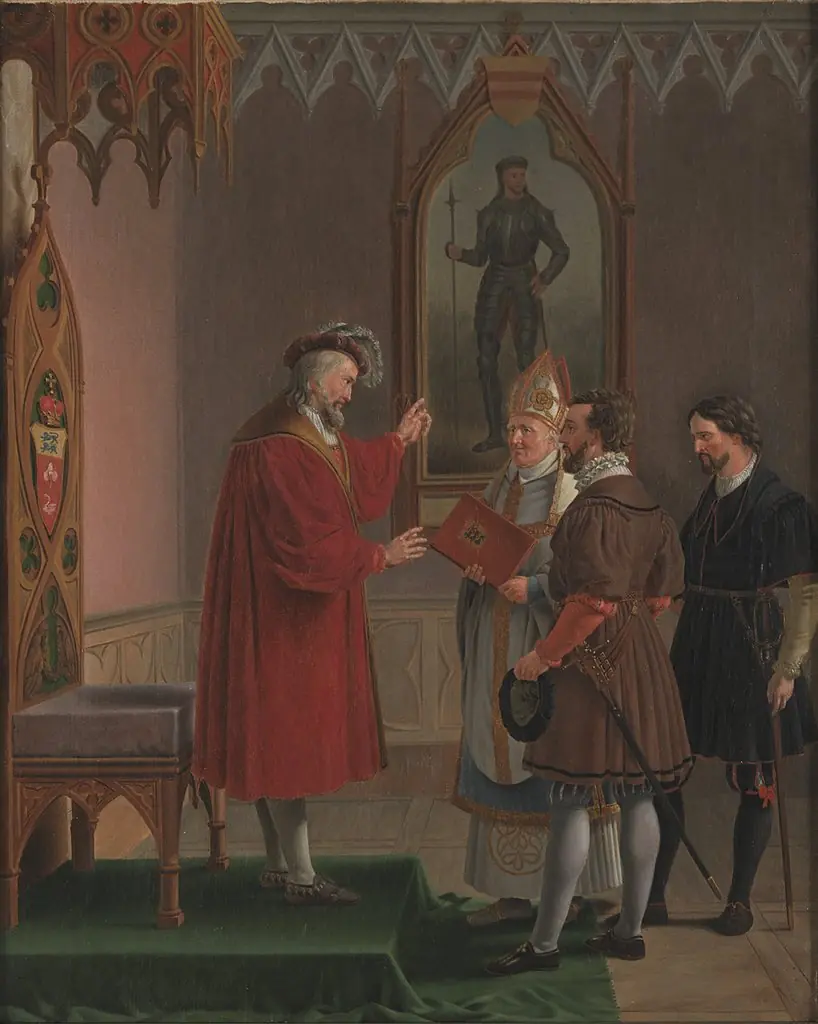 Adolf, Duke of Schleswig-Holstein, Declines the Offer to Accede to the Danish Throne. Copy after C. W. Eckersberg
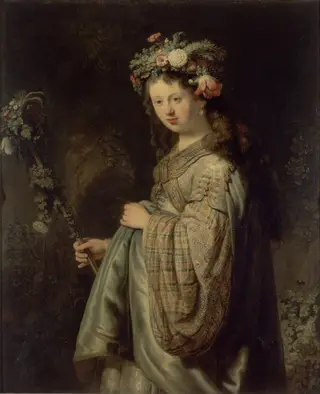 Flora
Flora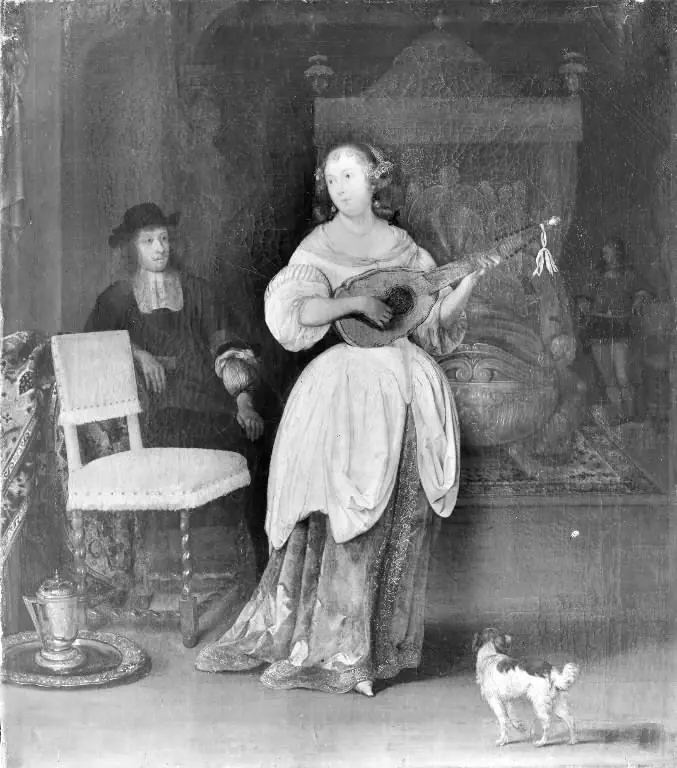 A Woman Playing the Bandora
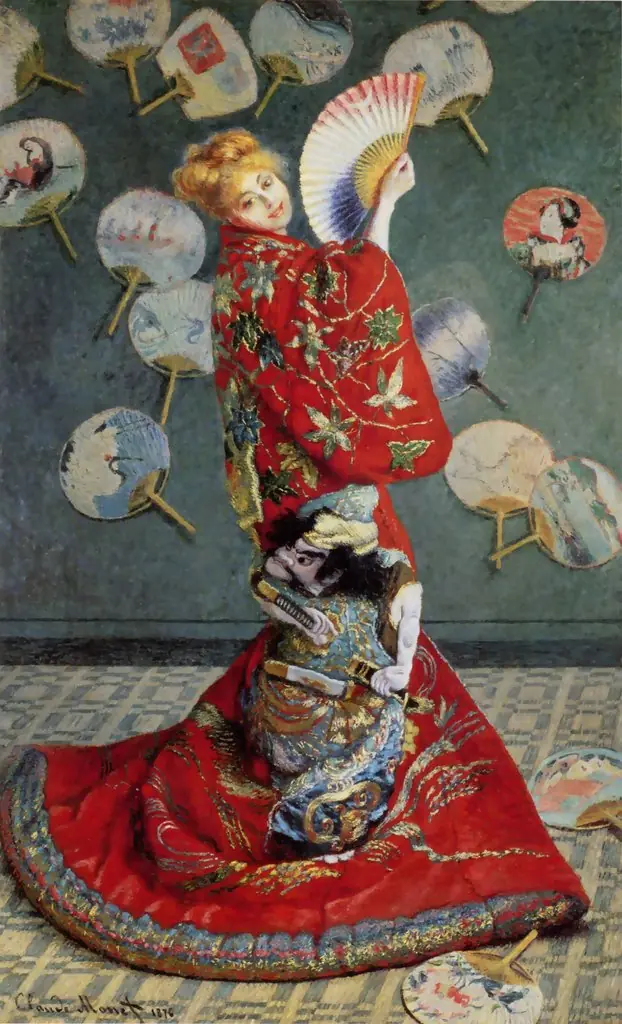 Madame Monet wearing a kimono
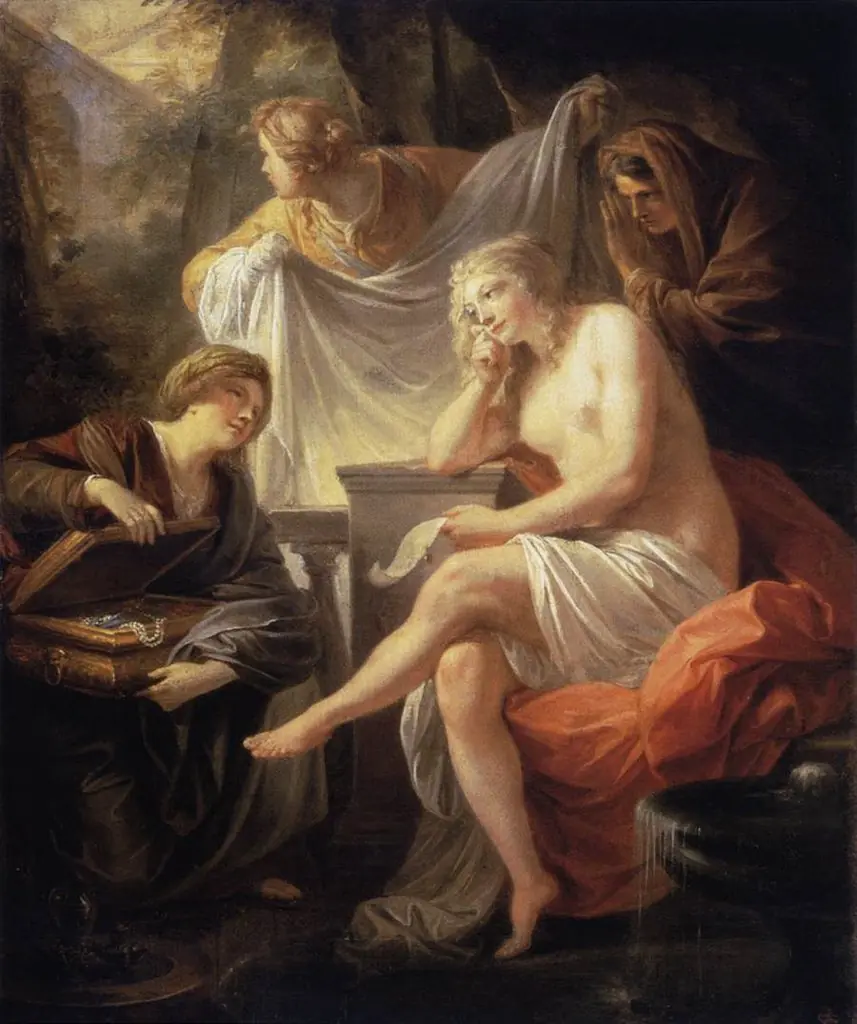 Bathsheba at her bath
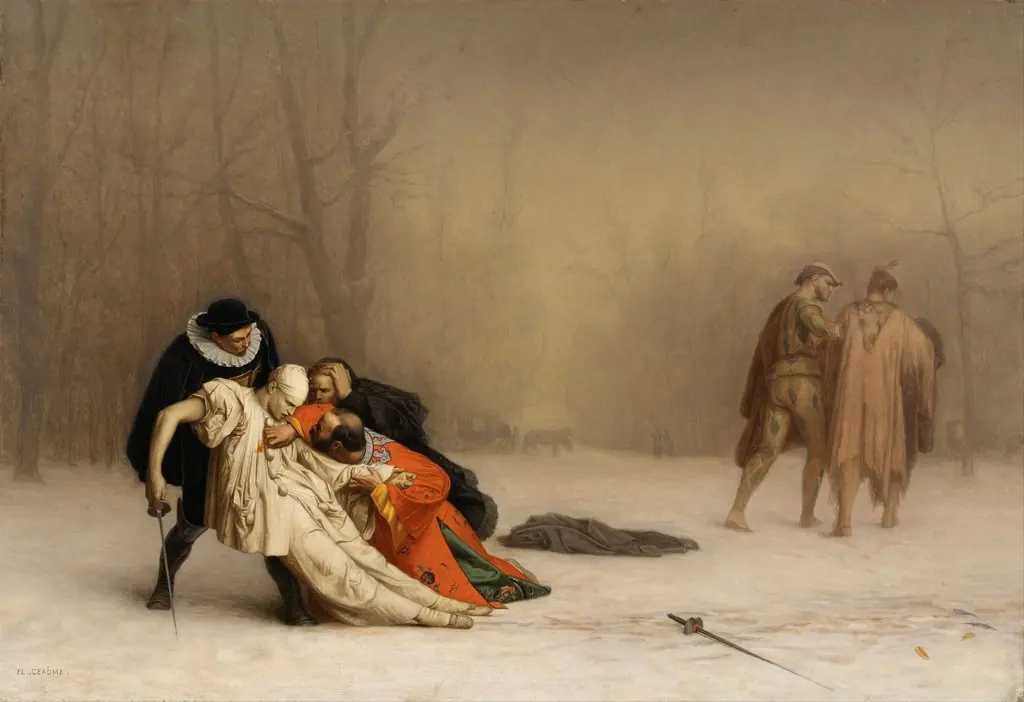 The Duel After the Masquerade
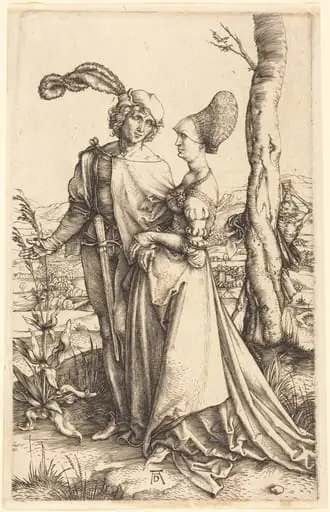 Promenade
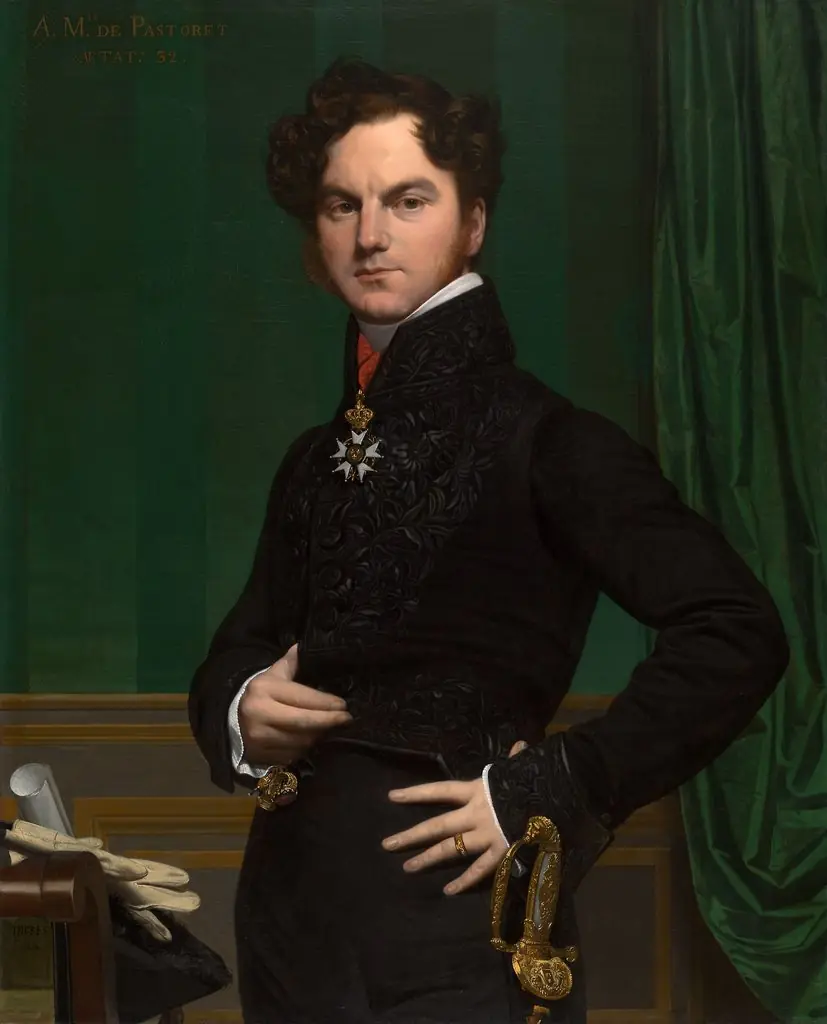 Amédée-David, the Comte de Pastoret
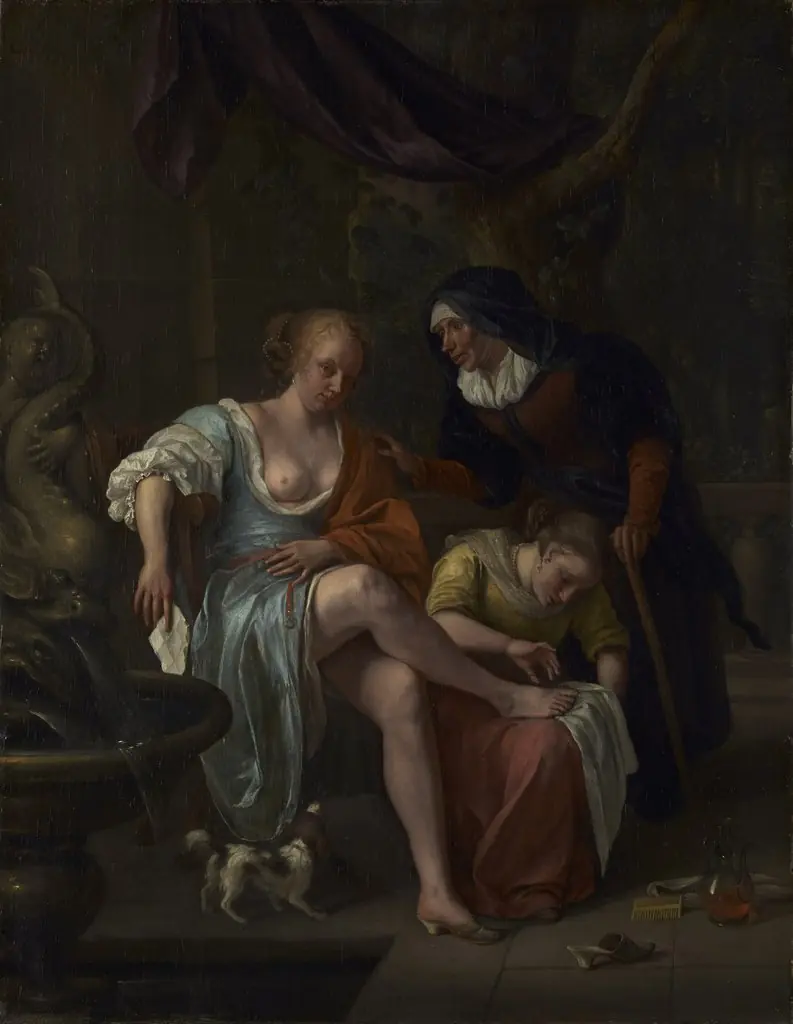 Bathsheba after the Bath
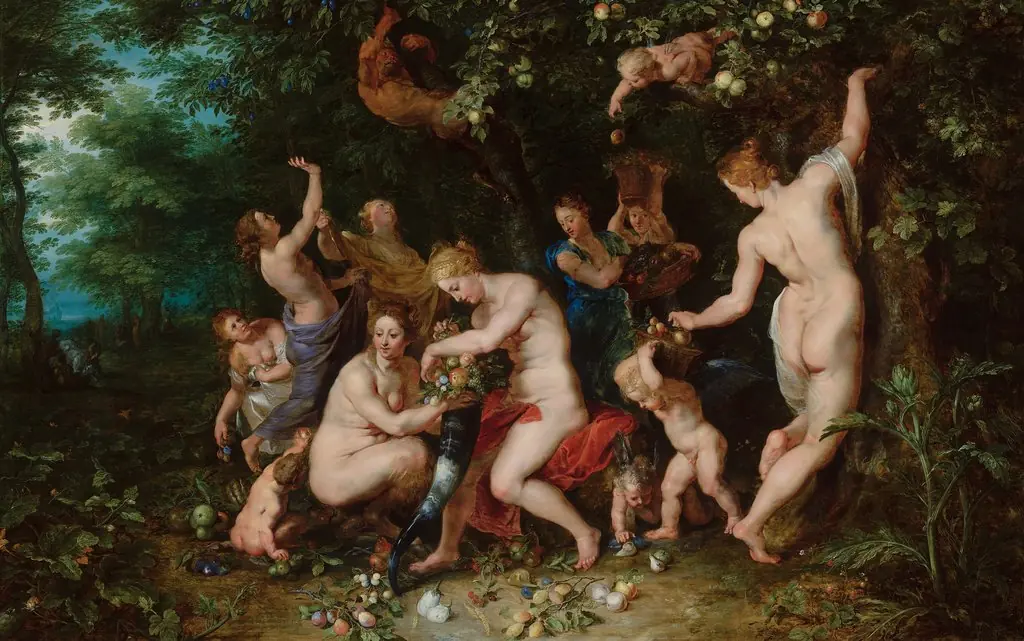 Nymphs filling the horn of plenty
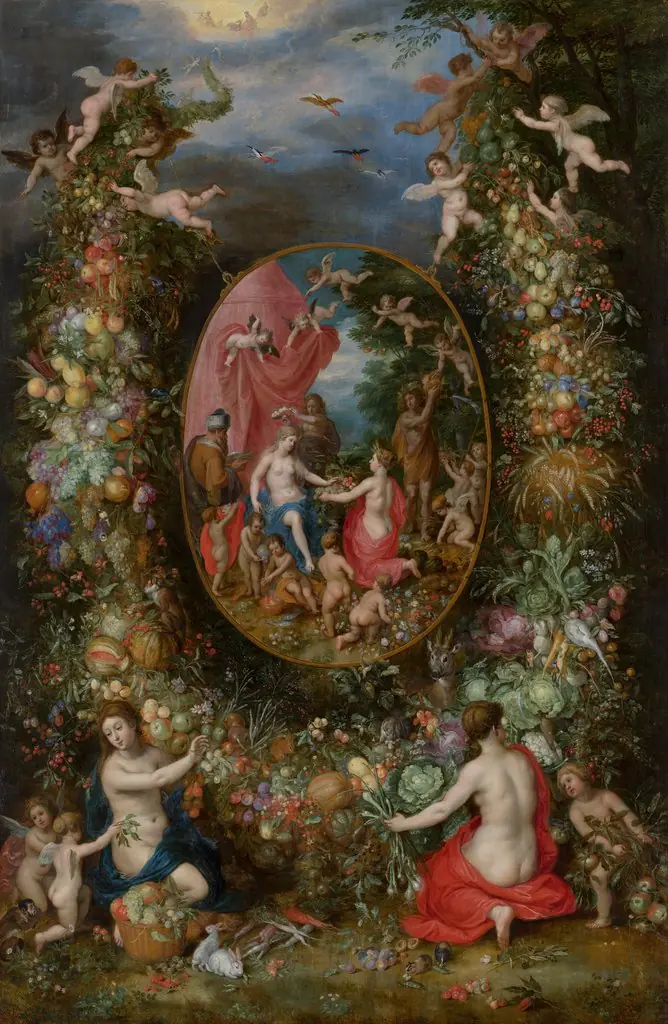 Garland of Flowers around an Allegory of Farming
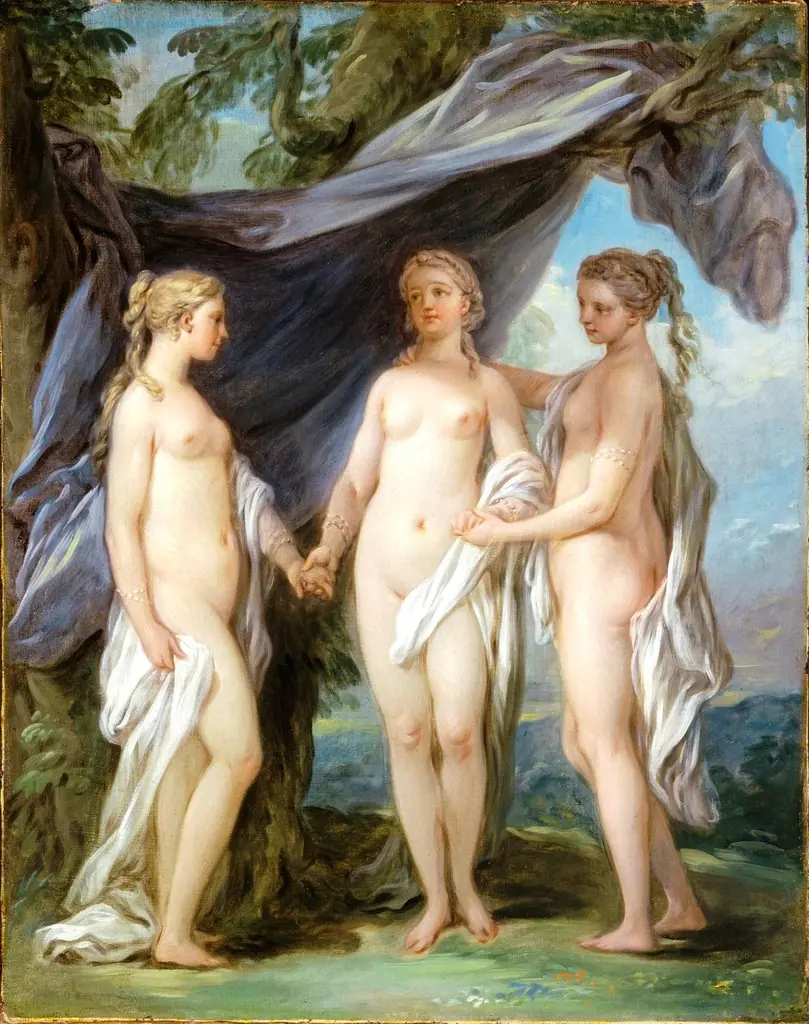 The Three Graces
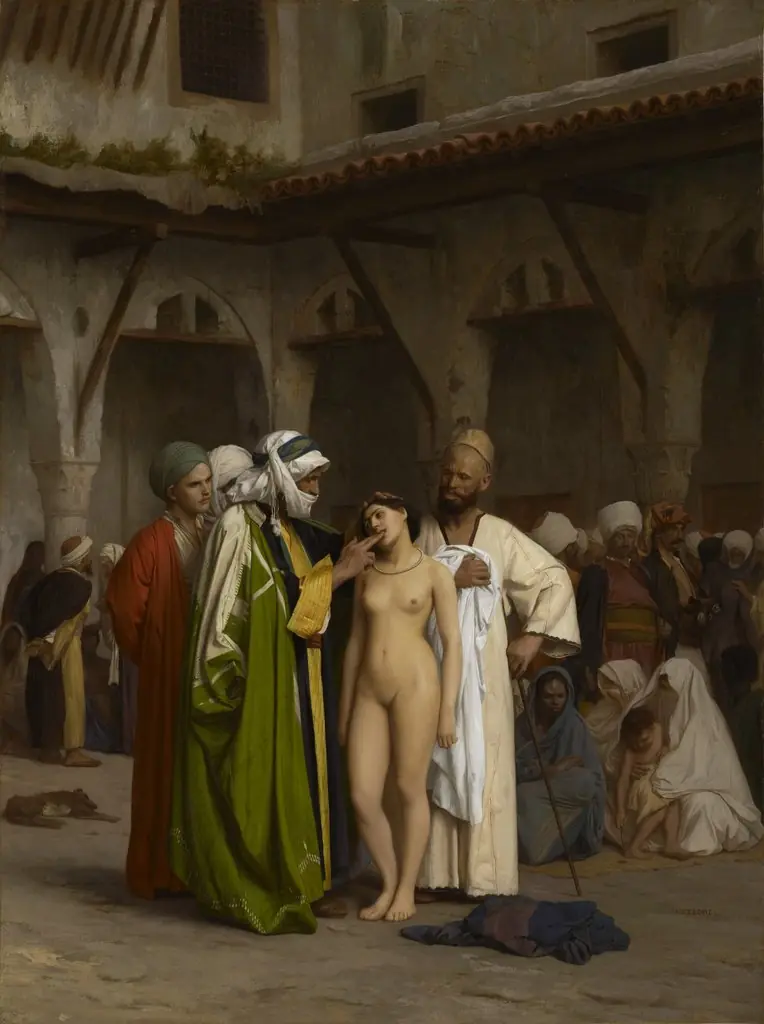 The Slave Market
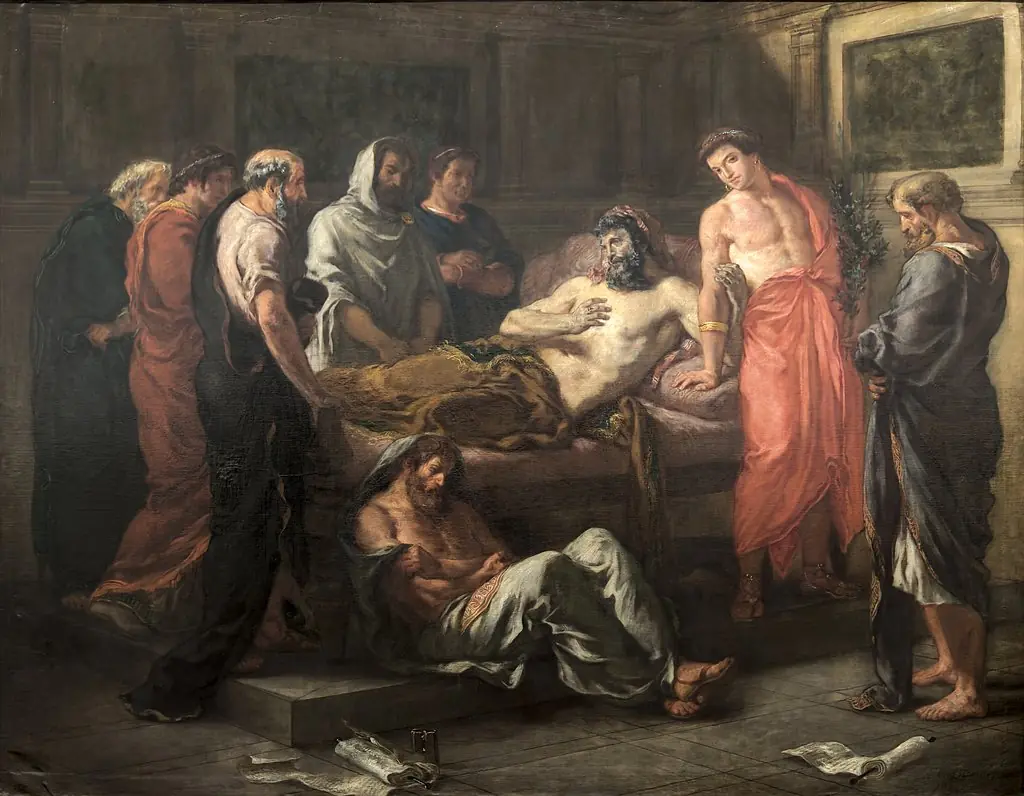 Last Words of the Emperor Marcus Aurelius
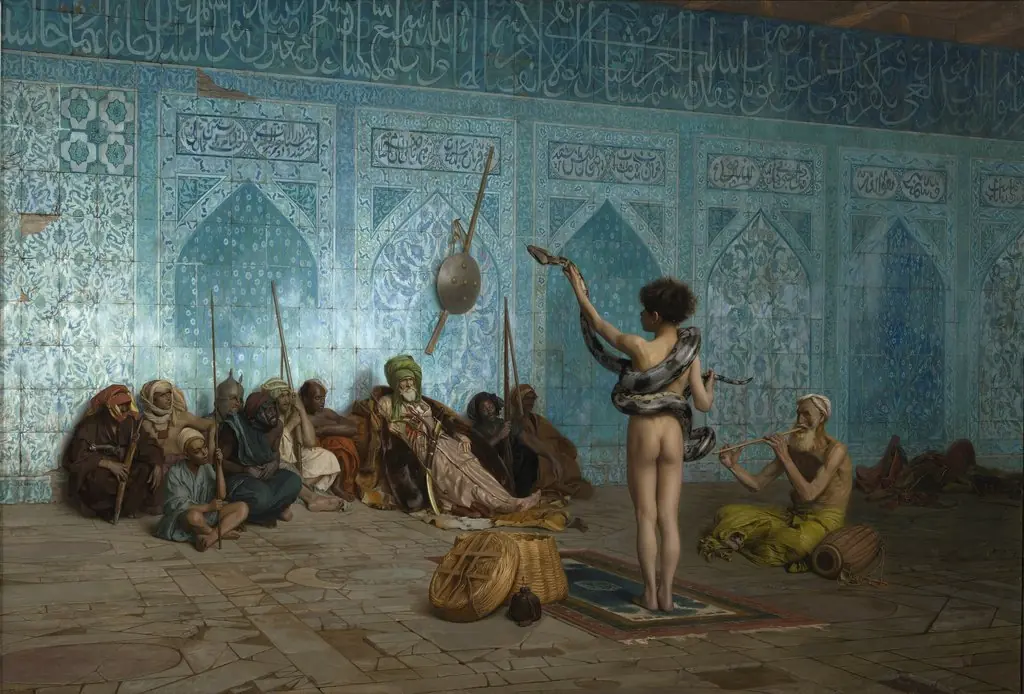 The Snake Charmer
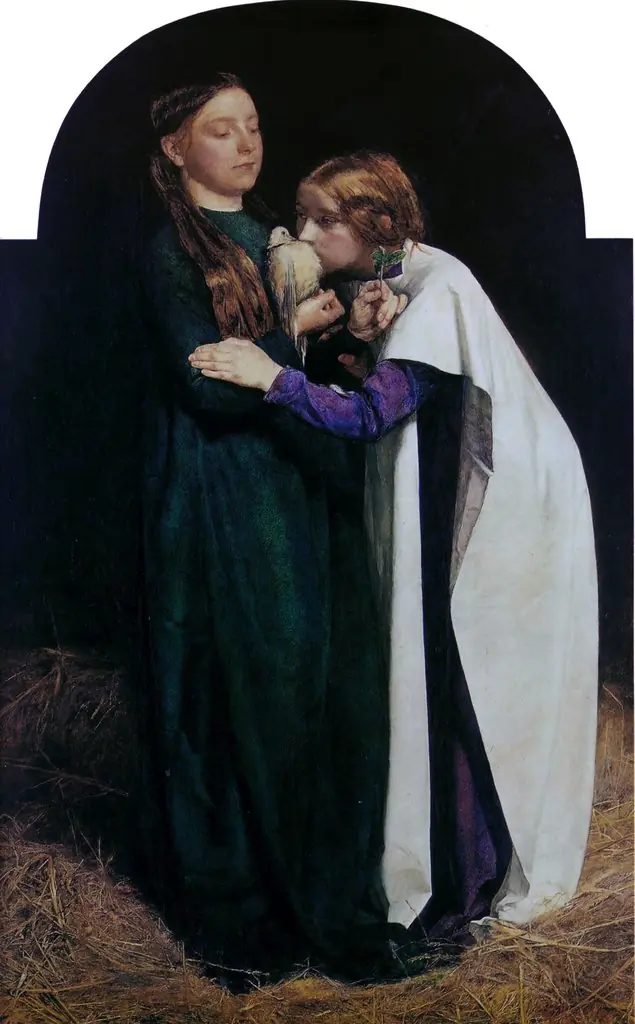 The Return of the Dove to the Ark
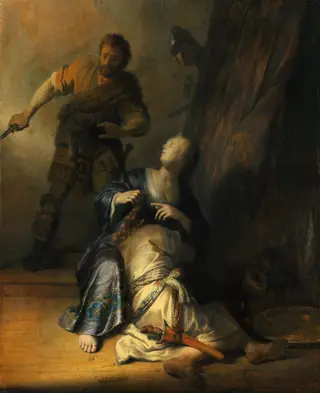 Samson betrayed by Delilah
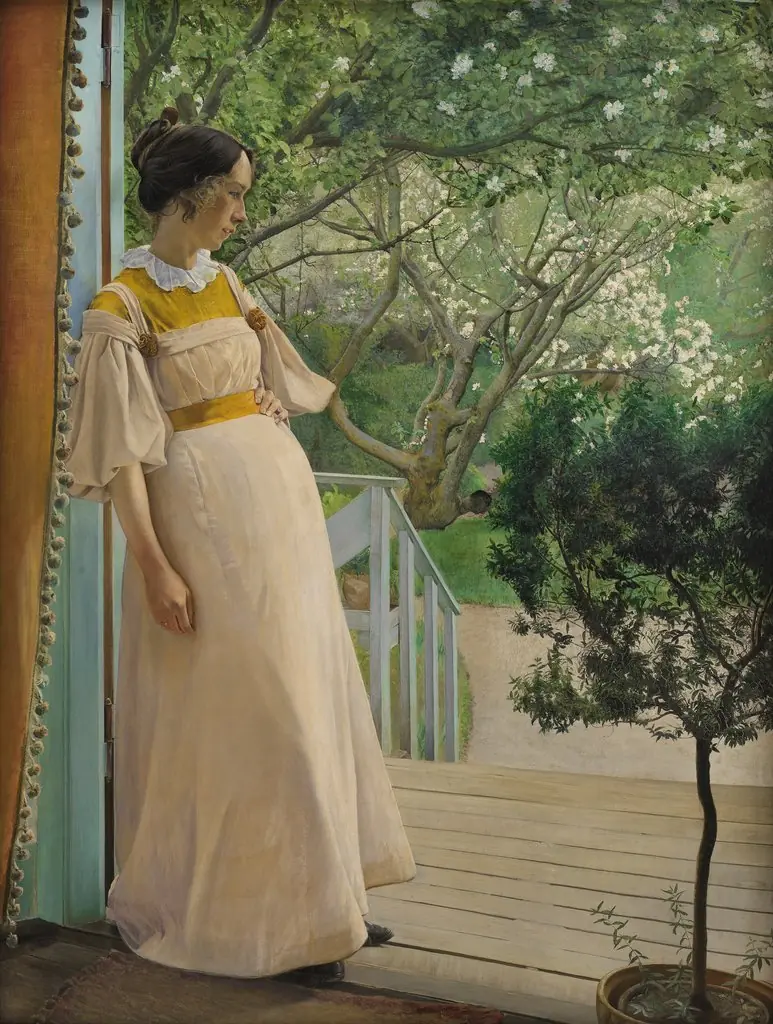 At the French Windows. The Artist's Wife
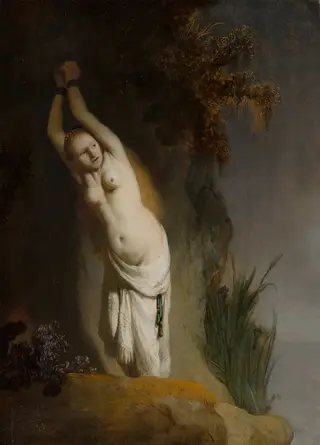 Andromeda Chained to the Rocks
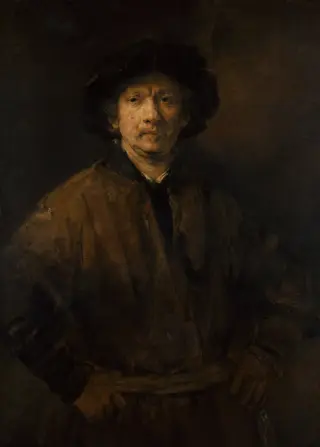 Self Portrait
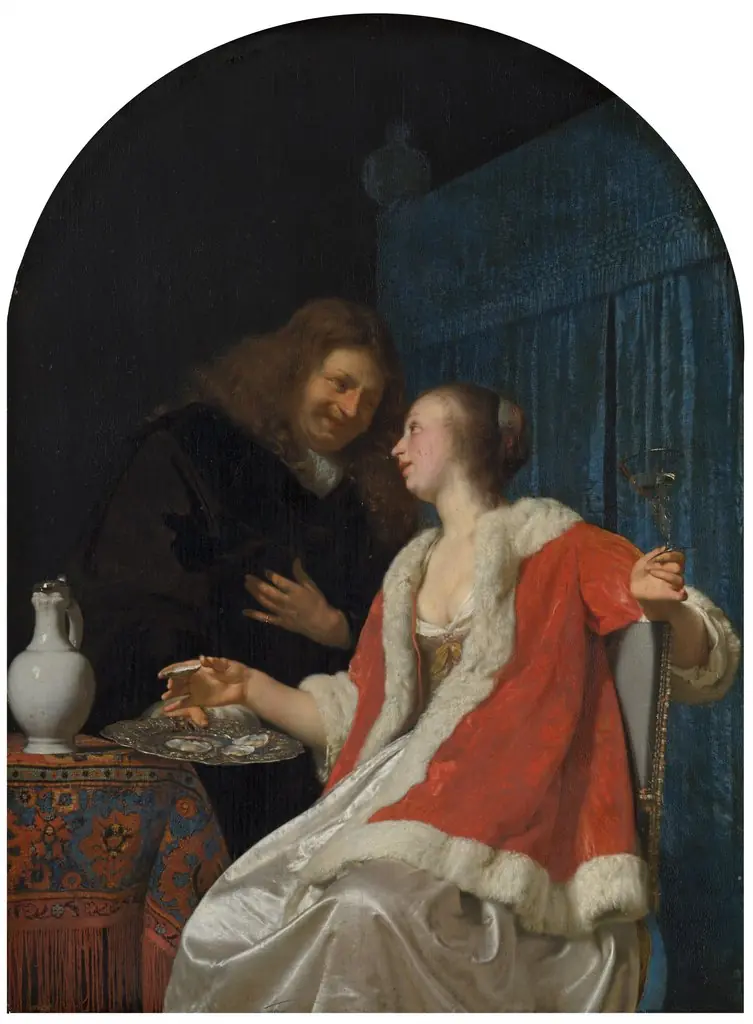 A Meal of Oysters
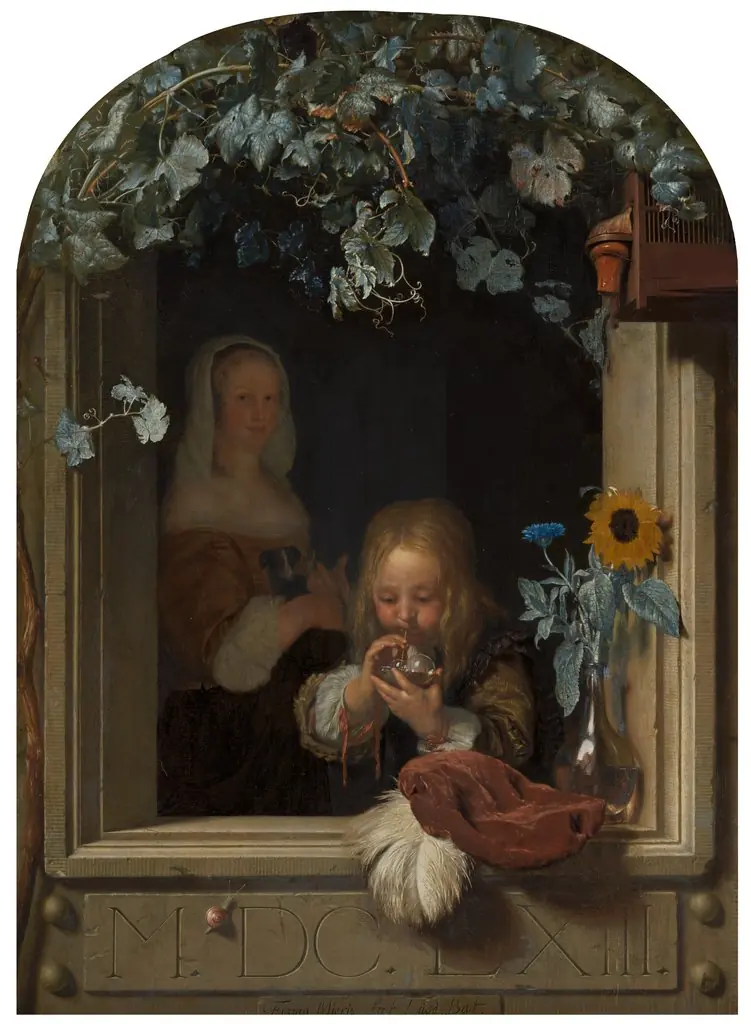 A Boy Blowing Bubbles
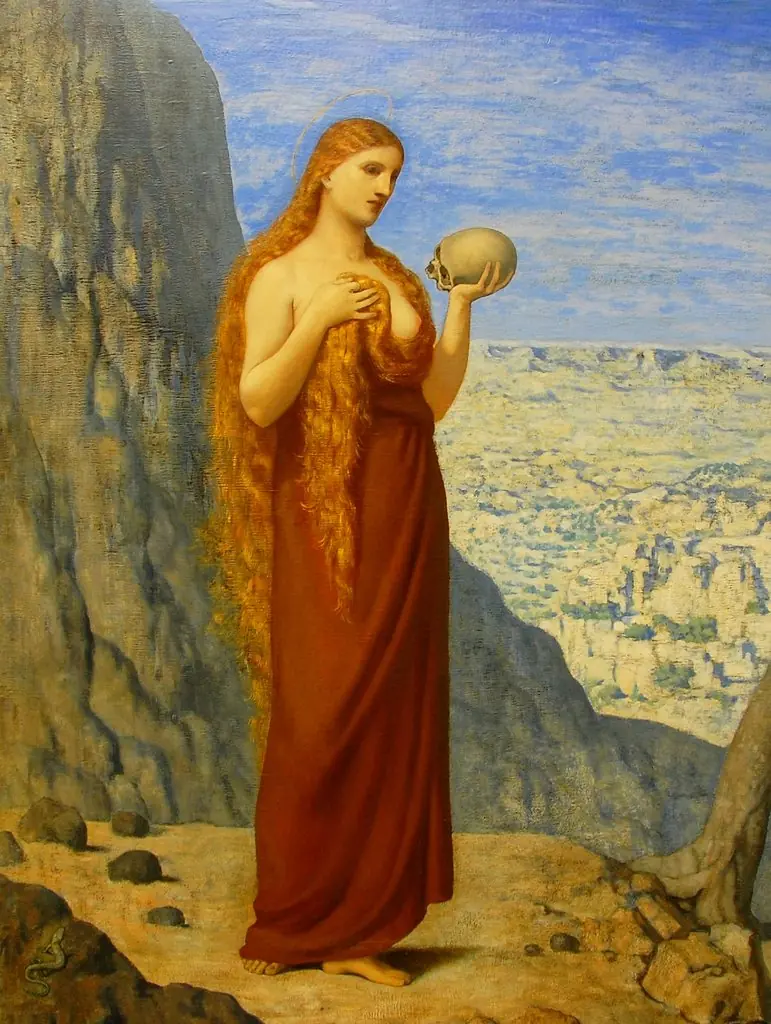 Mary Magdalene in the Desert
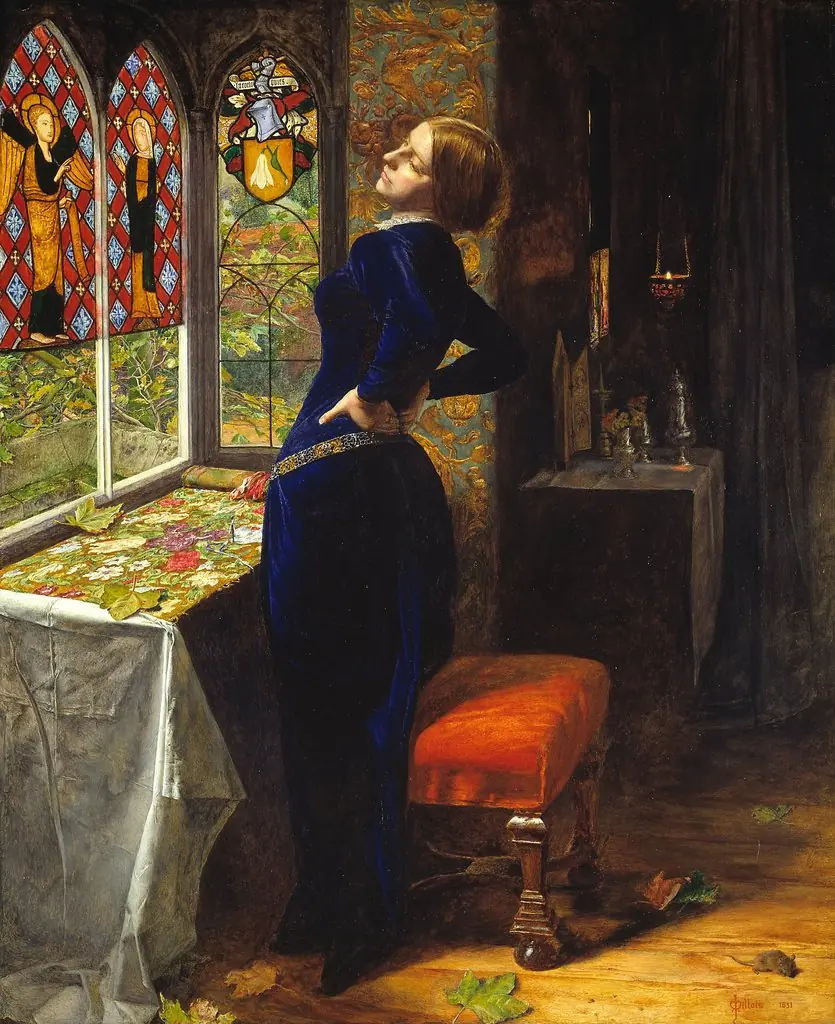 Mariana
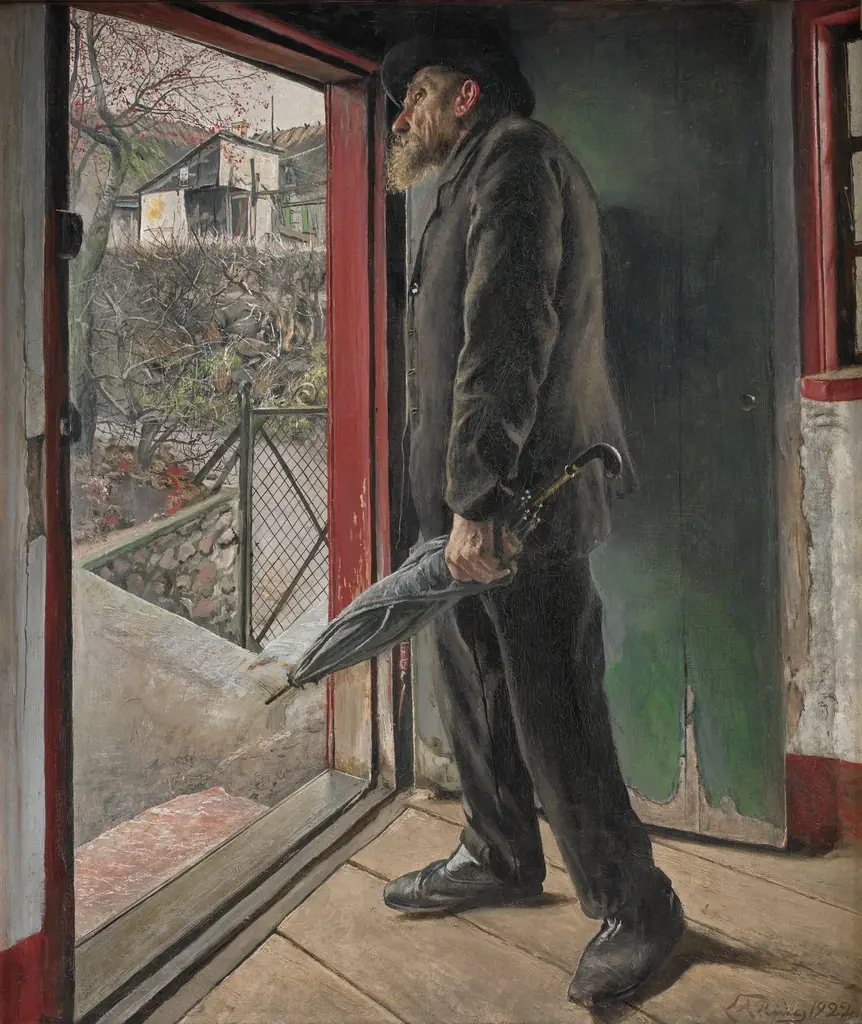 Has it Stopped Raining?
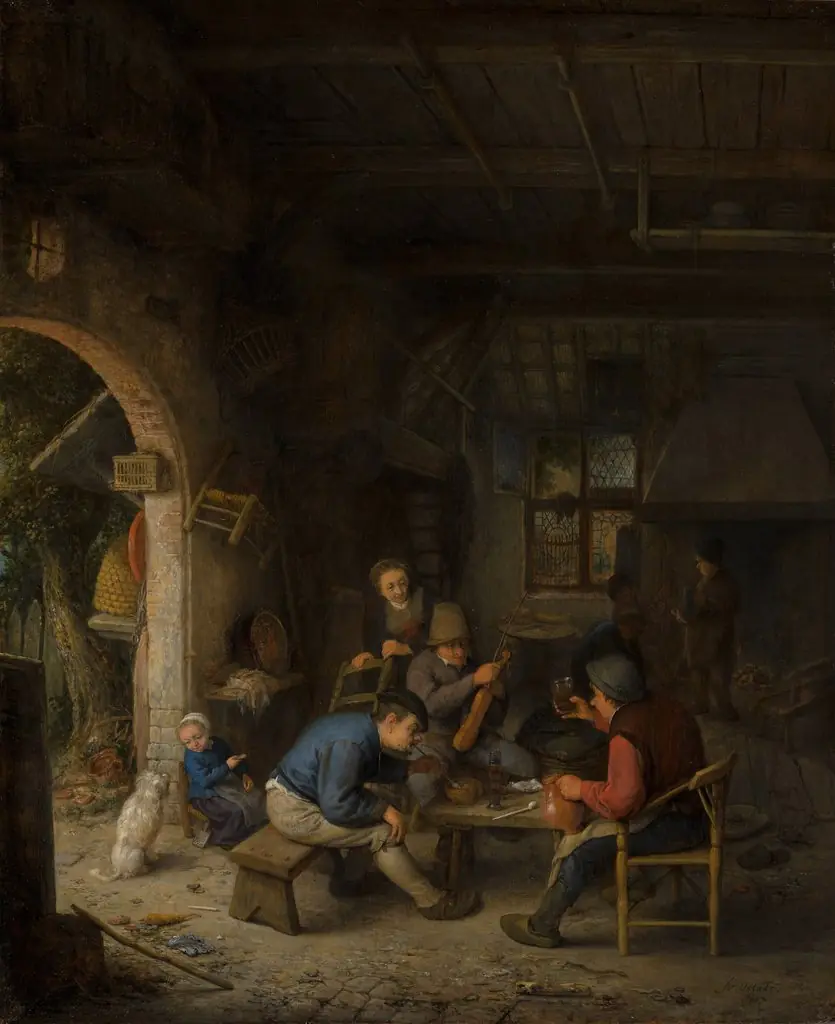 Peasants in an inn
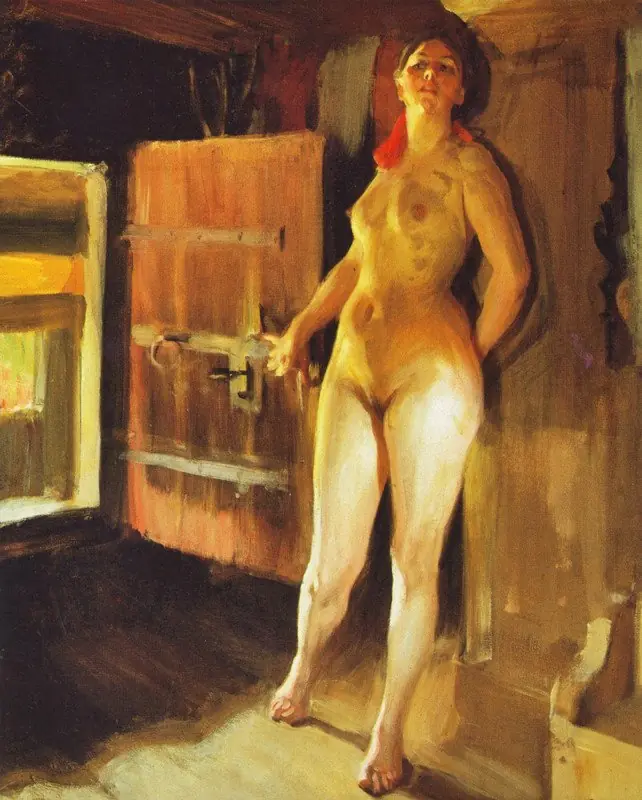 Girl in the Loft
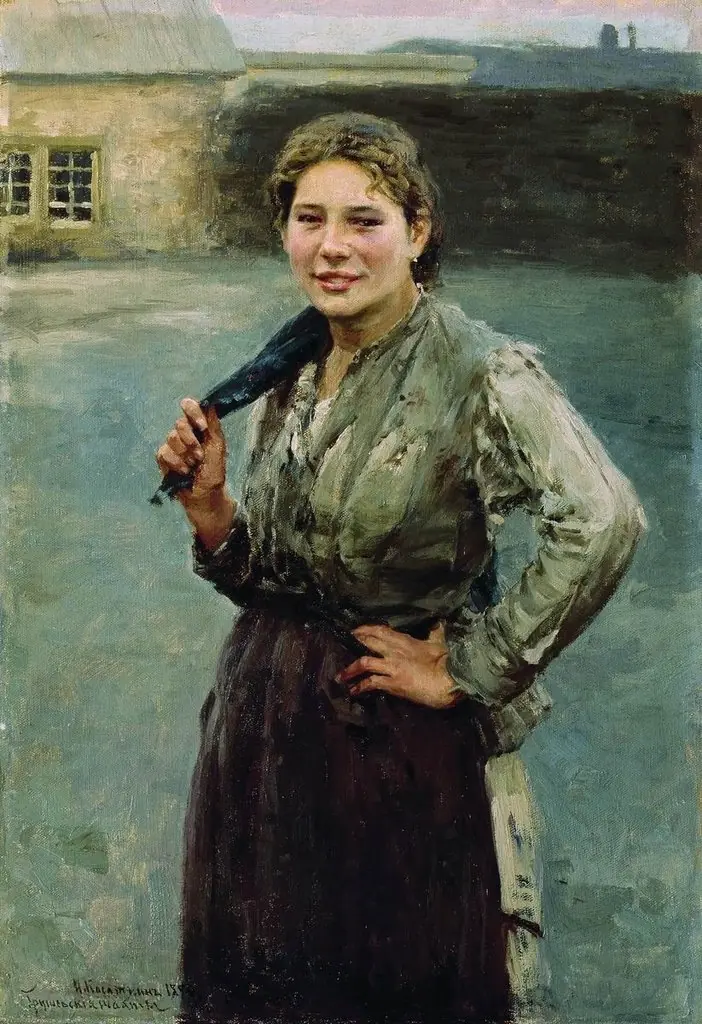 Chakhtiorka
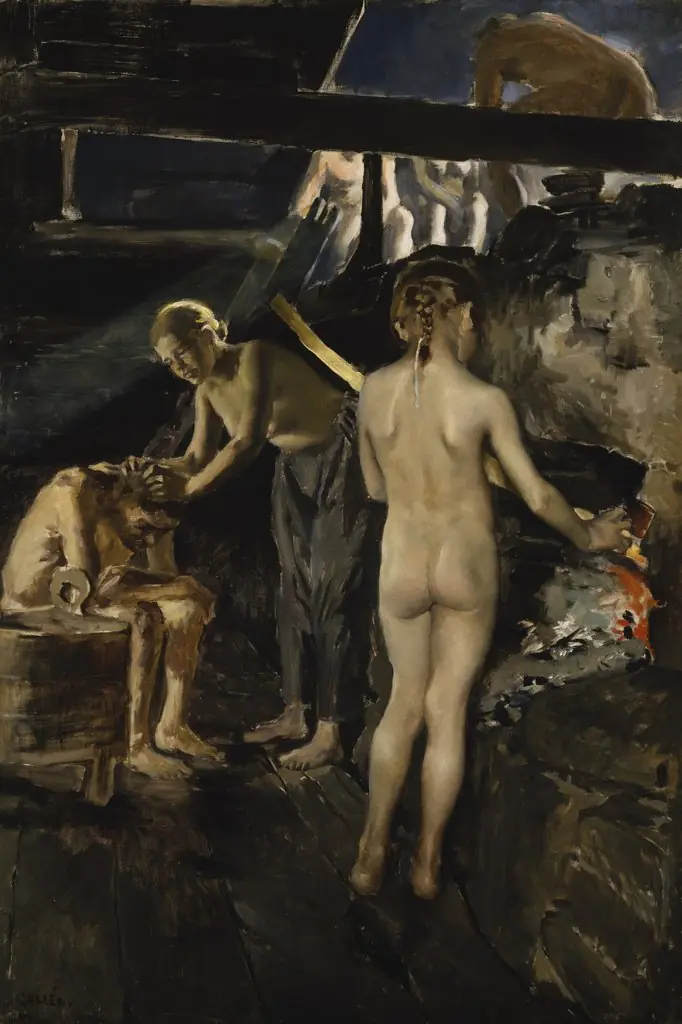 In the Sauna
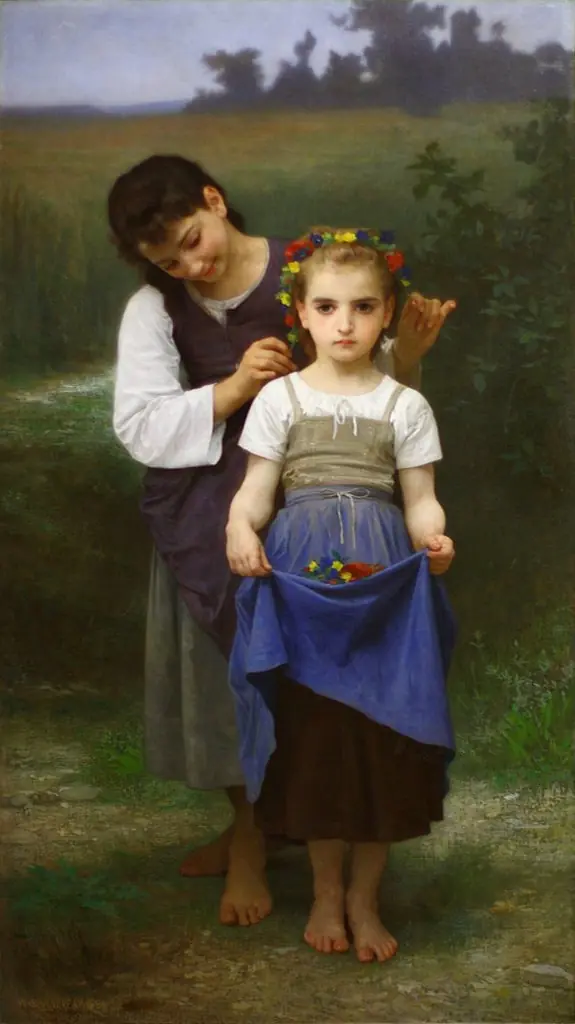 Crown of Flowers
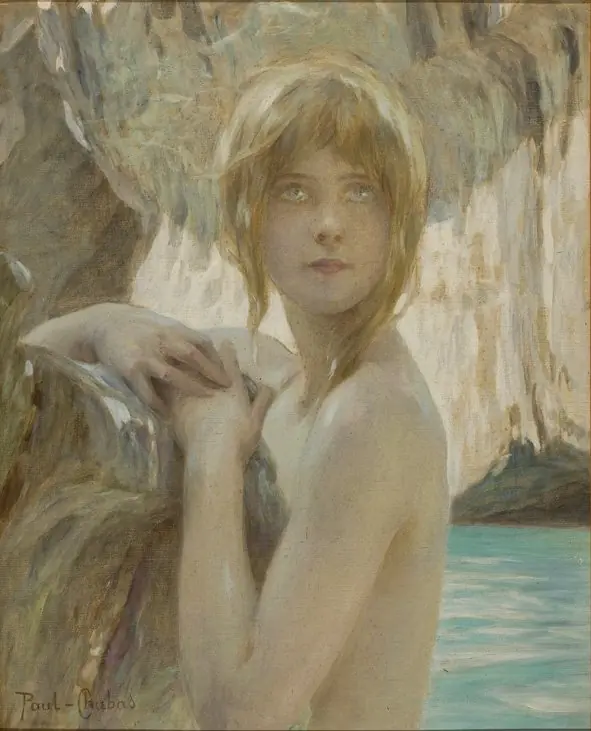 Blonde Nymph
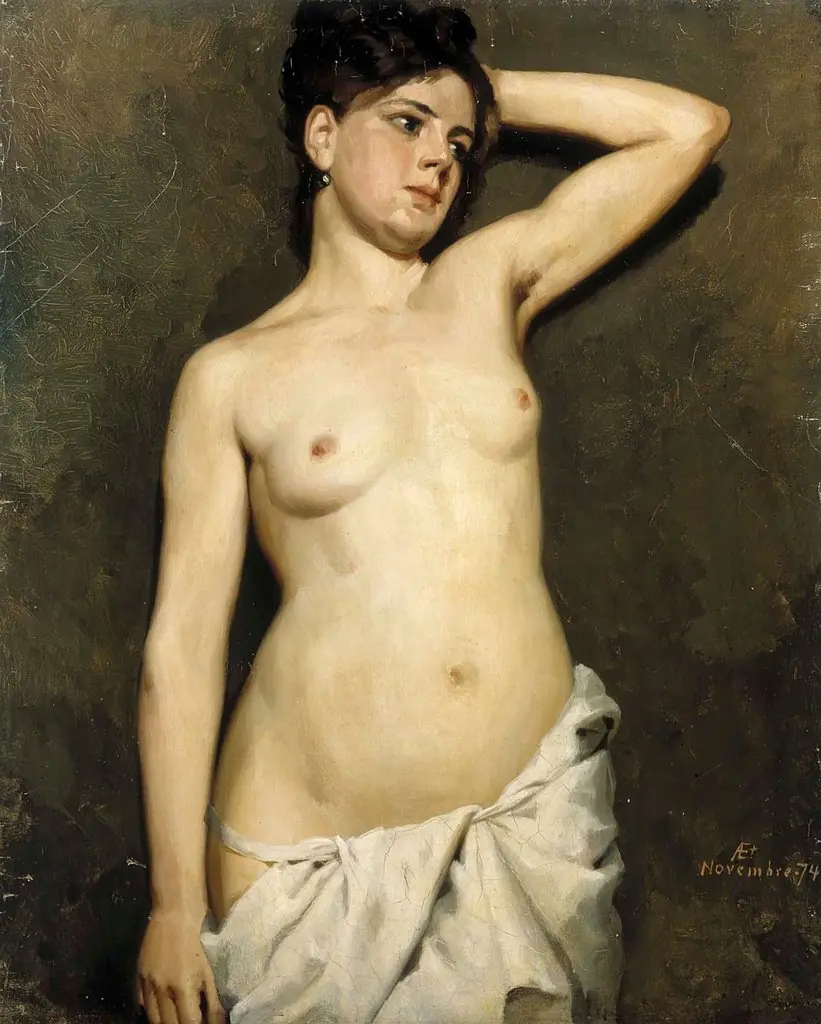 Female Nude, Study
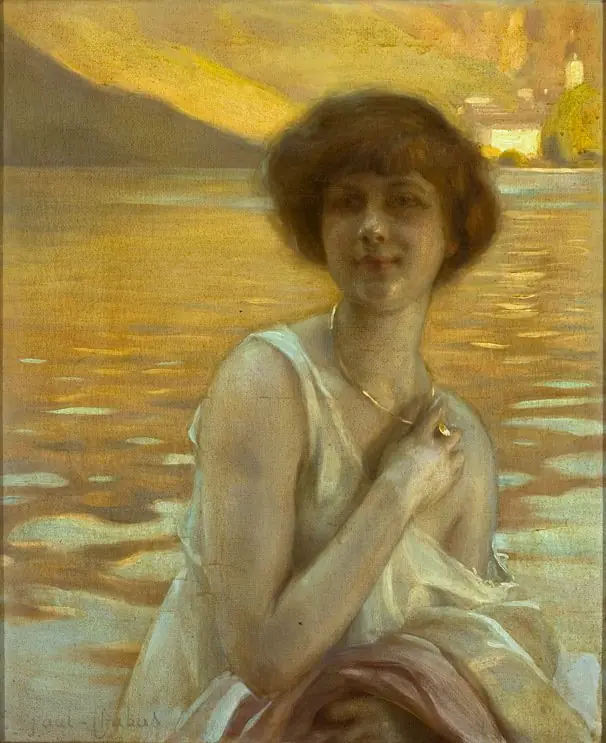 Portrait of a Lady
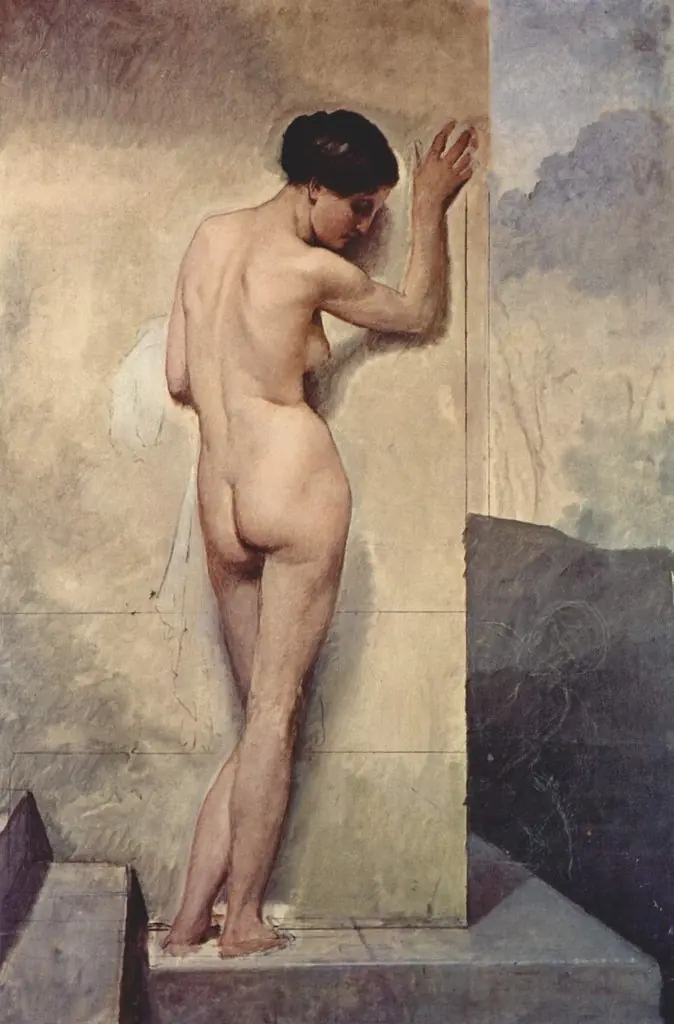 Female Nude
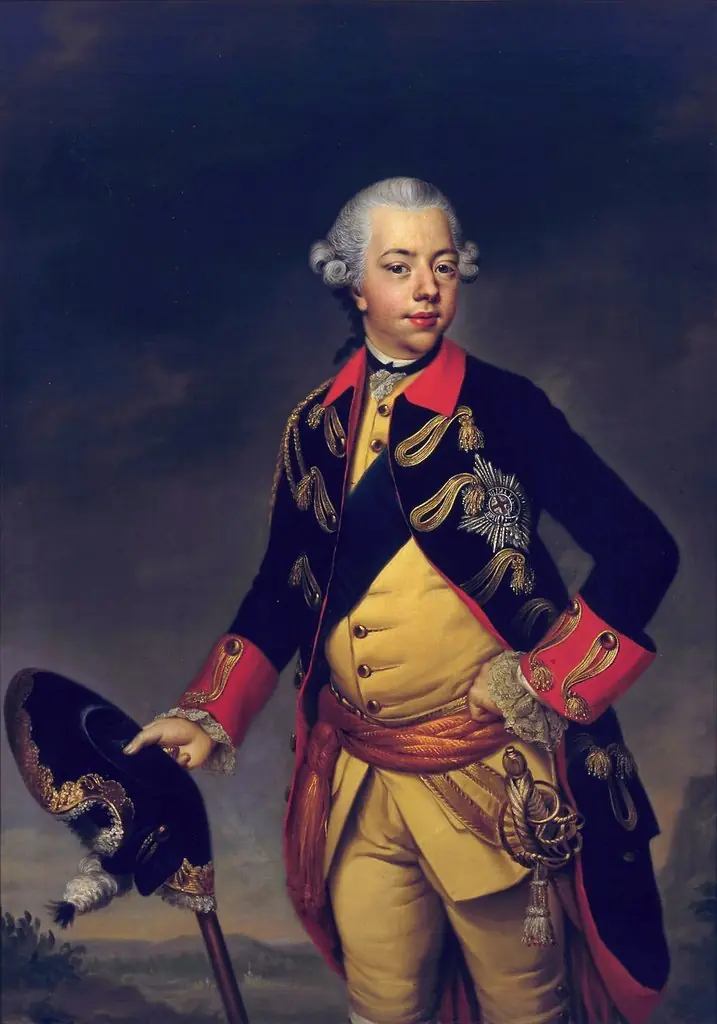 Portrait of Willem V (1748-1806), Prinz von Oranien-Nassau
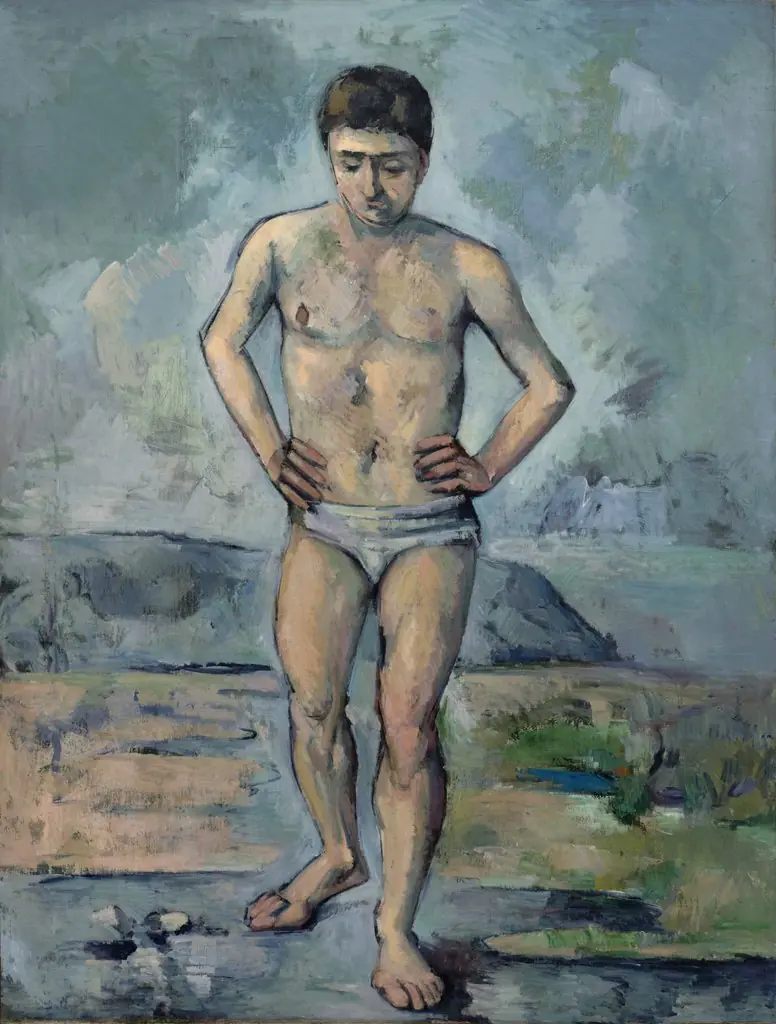 The Bather
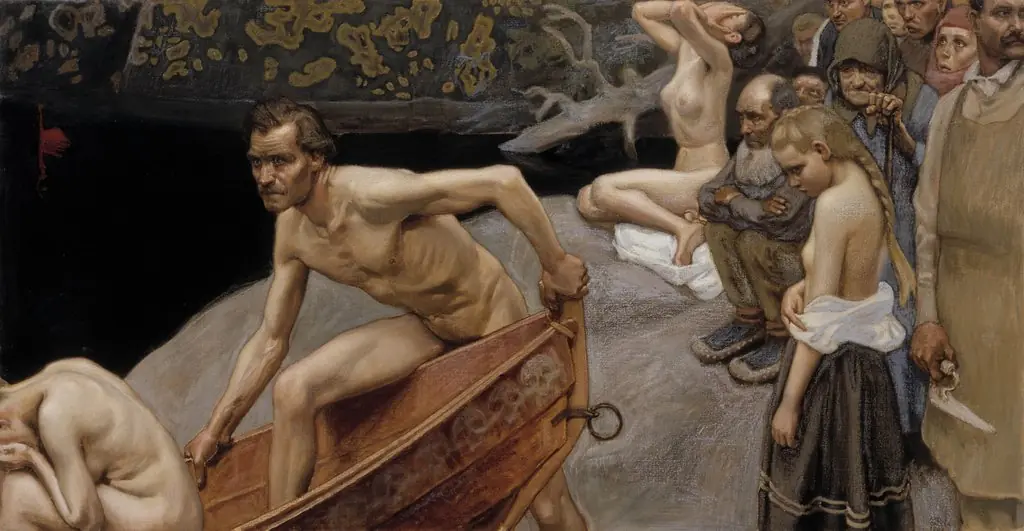 By the River of Tuonela, study for the Jusélius Mausoleum frescos
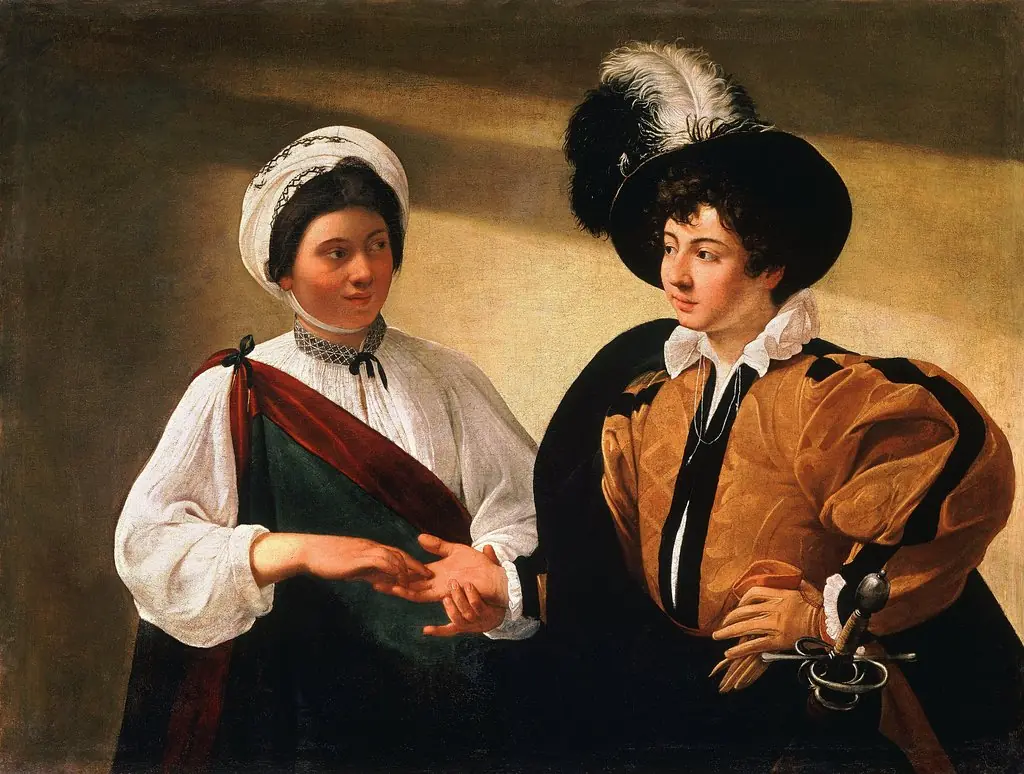 The Fortune Teller
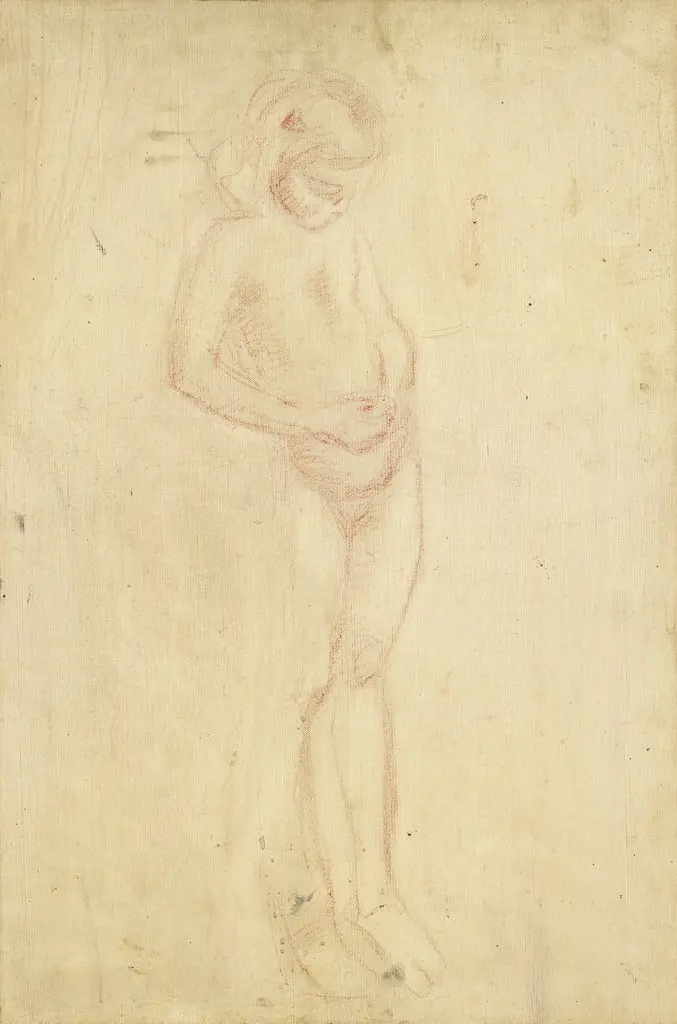 Naked Small Girl
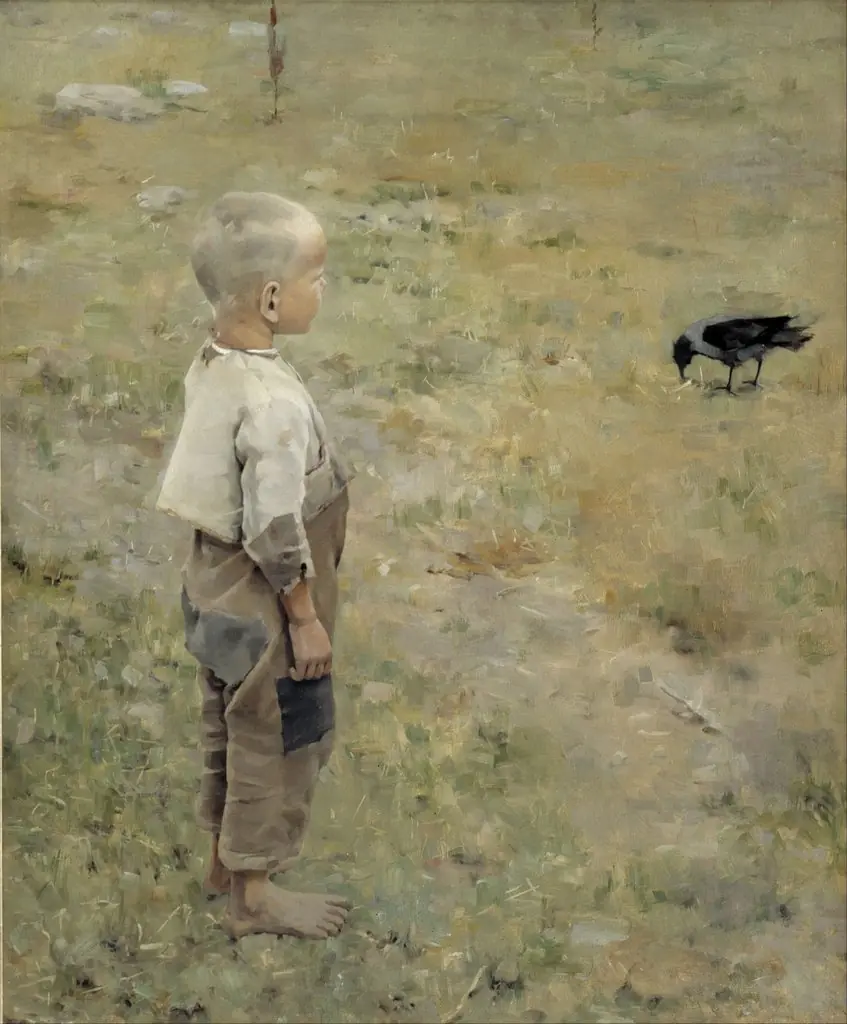 Boy with a Crow
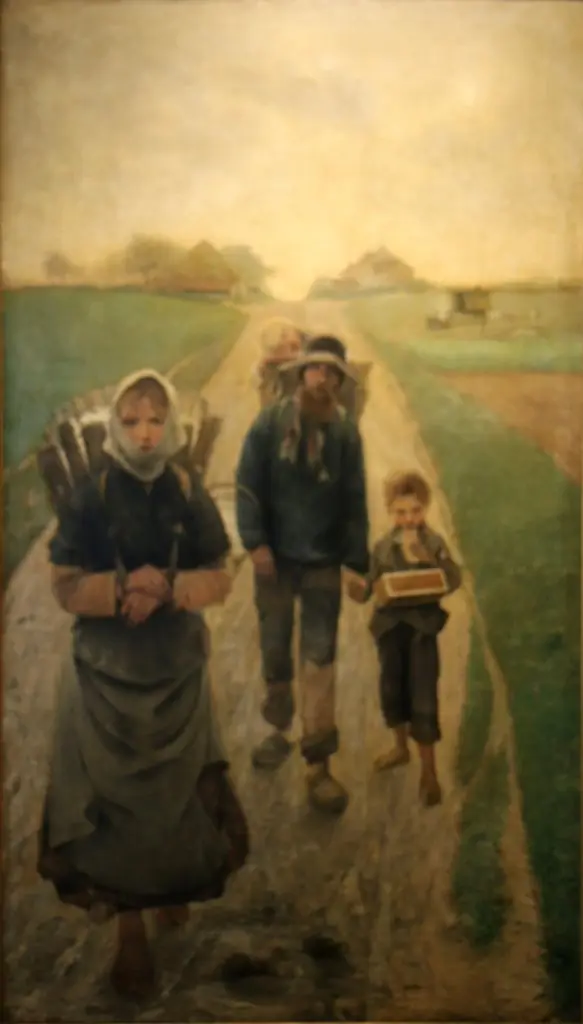 The chalk sellers-In the morning
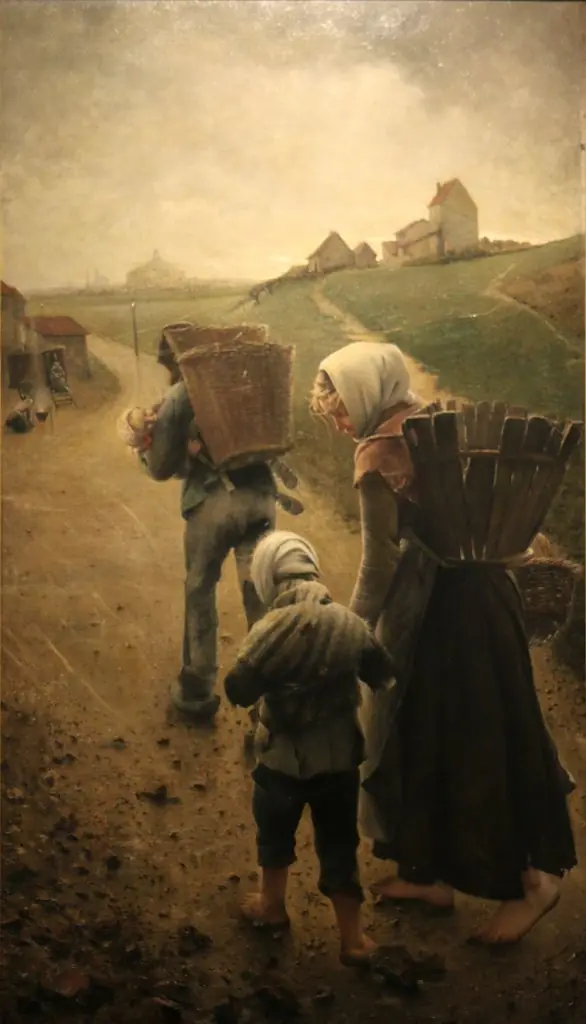 The chalk sellers-In the evening
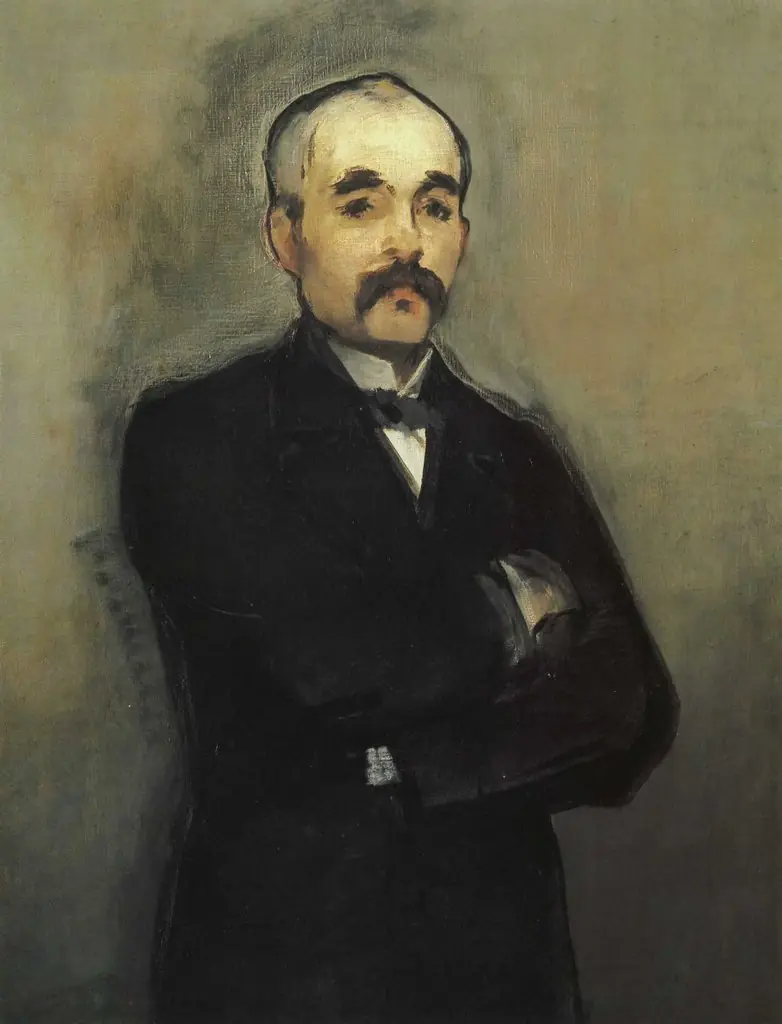 Portrait of Georges Clemenceau
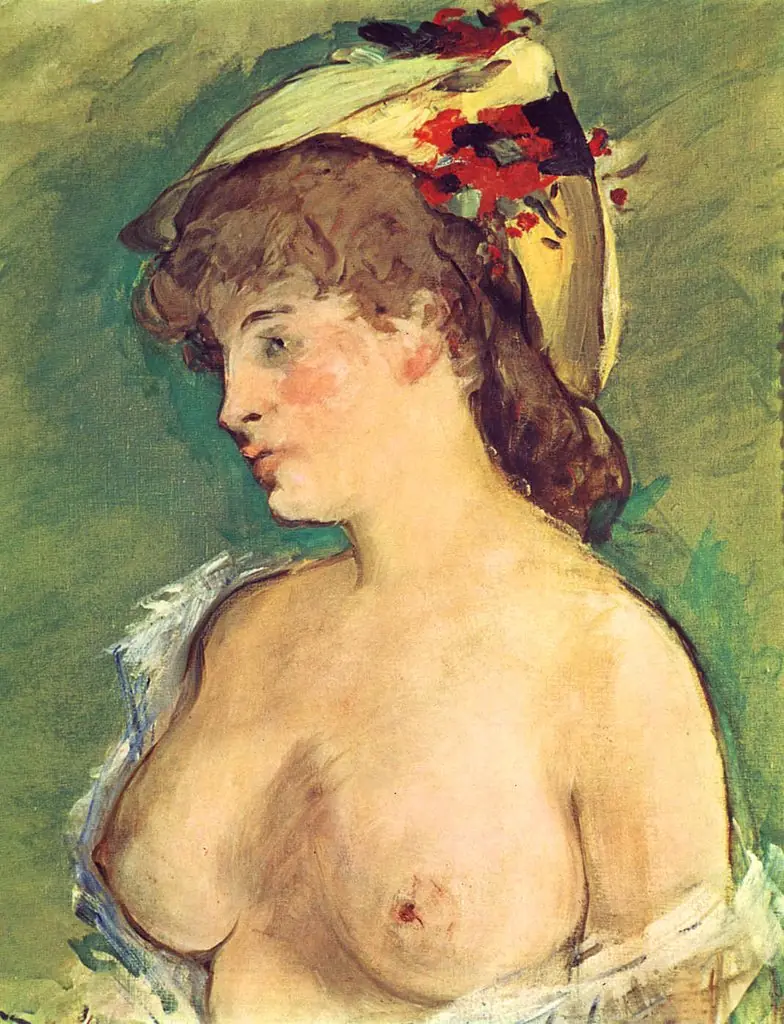 La Blonde aux seins nus
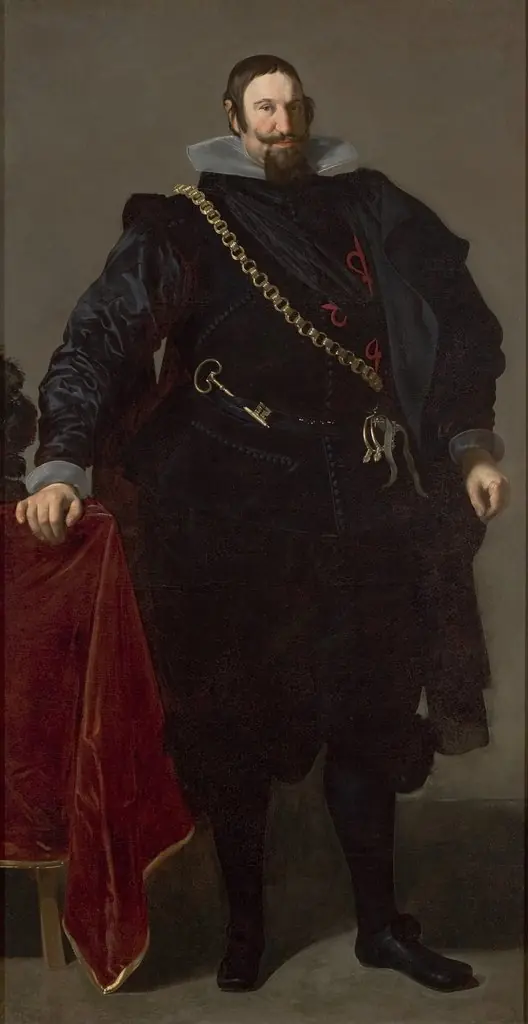 Portrait of the Count-Duke of Olivares
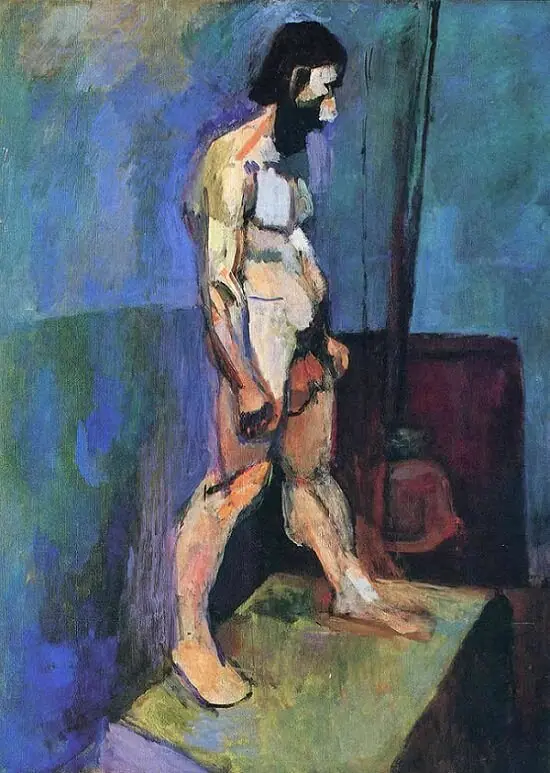 Male Model
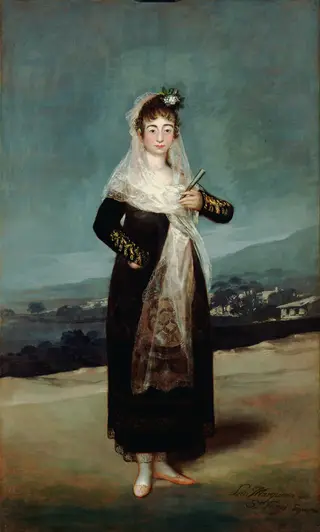 Portrait of the Marquesa de Santiago
Frequently asked questions
What is Standing?
Standing is an English surname.
How many Standing works does Artifact World Gallery have?
Artifact World Gallery holds 119 public-domain Standing works, all free to view and download.
Who are the key Standing artists?
Key Standing artists in the collection include Titian, Thomas Eakins and Paolo Veronese.
Where can I see Standing works?
Standing works in the collection are held by Metropolitan Museum of Art, Museo del Prado and Statens Museum for Kunst.