Artwork
Figure 54: Abaissement volontaire de la mâchoire inférieure: mouvement inexpressif
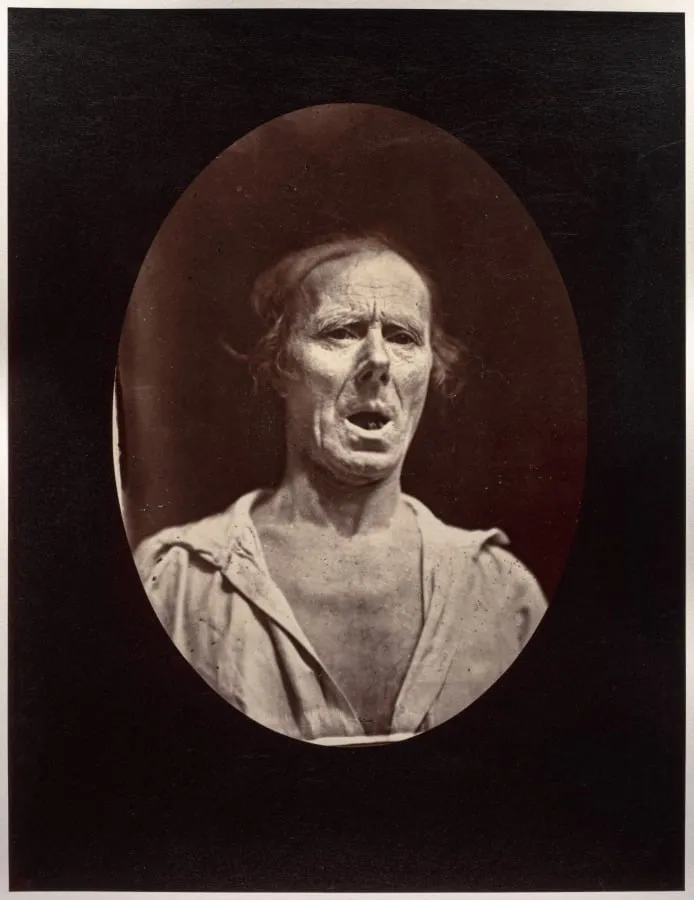
Figure 54: Abaissement volontaire de la mâchoire inférieure: mouvement inexpressif is a photography by the Impressionist artist Guillaume-Benjamin-Amand Duchenne (de Boulogne). It dates from 1856 and is held in the collection of the Cleveland Museum of Art.
- Accession no.
- 2018.11
- Credit line
- Severance and Greta Millikin Trust
About this work
Overview
Figure 54: Abaissement volontaire de la mâchoire inférieure: mouvement inexpressif is a black-and-white photograph by Duchenne, depicting an elderly man's face with his mouth manipulated open by wires.
Subject & Meaning
The subject is an older man, described by Duchenne as having a thin, toothless face with ordinary features. Duchenne used this model to demonstrate that any face can convey emotional beauty when expressing genuine emotions.
Technique & Style
The photograph employs chiaroscuro, using light and shadow to define the subject's facial features. Wires attached to batteries stimulate the facial muscles, creating an unnatural expression, characteristic of Duchenne's experiments mapping facial expressions to emotions.
Context
Duchenne's work involved using electrical stimulation to understand how facial muscles create emotional expressions, treating the face as a subject for scientific study rather than portraiture.
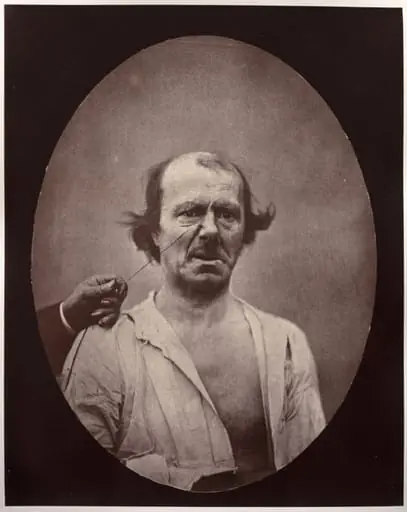
Artist & collection
Artist
Guillaume-Benjamin-Amand Duchenne (de Boulogne)
Guillaume-Benjamin-Amand Duchenne (1806–1875) was a De boulogne artist.

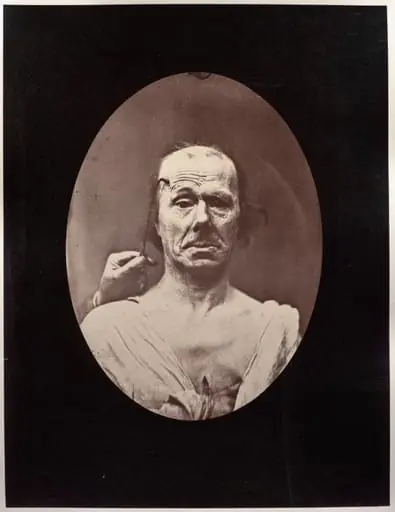 Figure 7: Étude du méchanisme et de l'expression du muscle frontal chez un vieillard: à droit, attention; à gauche, repos
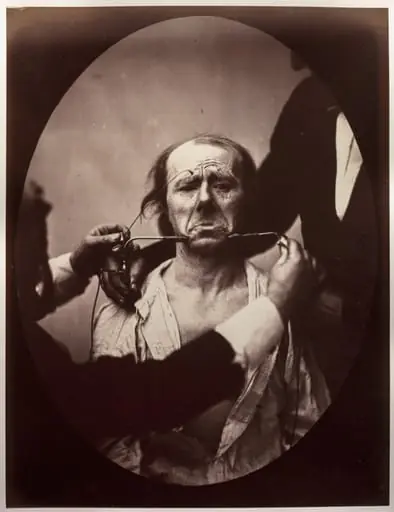 Figure 45: Contraction électrique forte des triangulaires des lèvres et des sourciliers: douleur et déspoir
- Figure 51: À droite, contraction partielle de l'élévateur commun de l'aile du nez et de la lèvre supérieure: mécontentement, mauvaise humeur; à gauche, repos
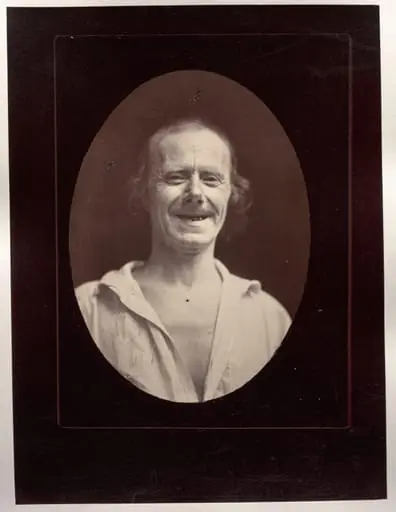 Figure 32: Natural laughter by the voluntary contraction of the two large zygomatics and the lower palpebral orbicularis