Artwork
Willem V (1748-1806), prins van Oranje
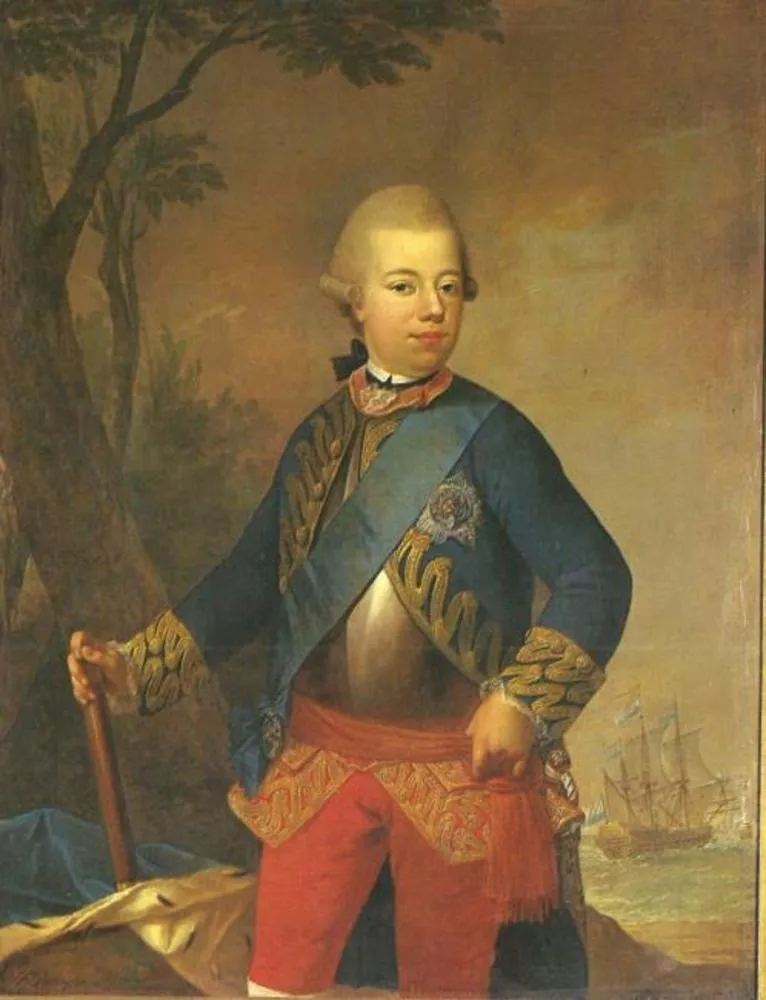
Willem V (1748-1806), prins van Oranje is an oil painting by the Rococo painting artist Guillaume de Spinny. It dates from 1775 and is held in the collection of the Rijksmuseum.
About this work
Subject & Meaning
The use of oil paint on canvas further aligns the work with the established conventions of elite European court portraiture in the late eighteenth century.
The painting is a portrait of William V, Prince of Orange (1748–1806), as identified in both the title and the Wikidata record. Created in 1775 by Guillaume de Spinny, the work belongs to the genre of portraiture and centers on William V as its main subject.
As a formal state-style portrait of the reigning stadtholder, the image functions as an official representation of dynastic authority. The large scale of the canvas (135.5 cm tall by 105 cm wide) is consistent with the dignified, life-sized presentation typical of princely portraiture of the period, lending the sitter a commanding physical presence. The use of oil paint on canvas further aligns the work with the established conventions of elite European court portraiture in the late eighteenth century.
Held in the collection of the Rijksmuseum, the portrait preserves the visual identity of the House of Orange-Nassau at a politically significant moment in the decade before the Patriot era and the eventual French invasion of the Dutch Republic.
Technique & Style
The portrait employs oil paint on canvas, laid out in a three-quarter view typical of eighteenth-century court portraiture. The handling shows smooth modeling of the face and costume, with delicate transitions in the flesh tones and careful detailing of the lace jabot and coat buttons. The background is softly blended, directing attention to the sitter’s poised posture and the gleaming Order of the Golden Fleece star suspended at his chest.
The composition balances formal dignity with a restrained naturalism, consistent with Spinny’s documented portrait practice in the mid-1770s.
History & Provenance
The portrait of Willem V, Prince of Orange, was created in 1775 by the artist Guillaume de Spinny. Executed as an oil painting on canvas, the work measures 135.5 cm in height and 105 cm in width. The piece entered the collection of the Rijksmuseum, where it is currently held.
The artwork depicts William V, Prince of Orange, serving as a formal representation of the stadtholder during the late 18th century.
Overview
Created in 1775, this oil portrait by Guillaume de Spinny presents William V, Prince of Orange (1748‑1806). The work is part of the Rijksmuseum’s collection and offers a formal representation of the Dutch heir apparent during the late eighteenth century.
Context
The portrait was produced during a period when the House of Orange was consolidating its political influence in the Dutch Republic. The naval motif aligns with the Prince’s role as a patron of the navy, while the formal dress underscores the courtly expectations of a future stadtholder.
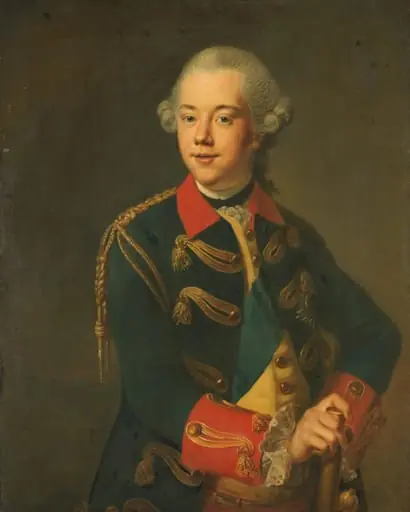
Artist & collection

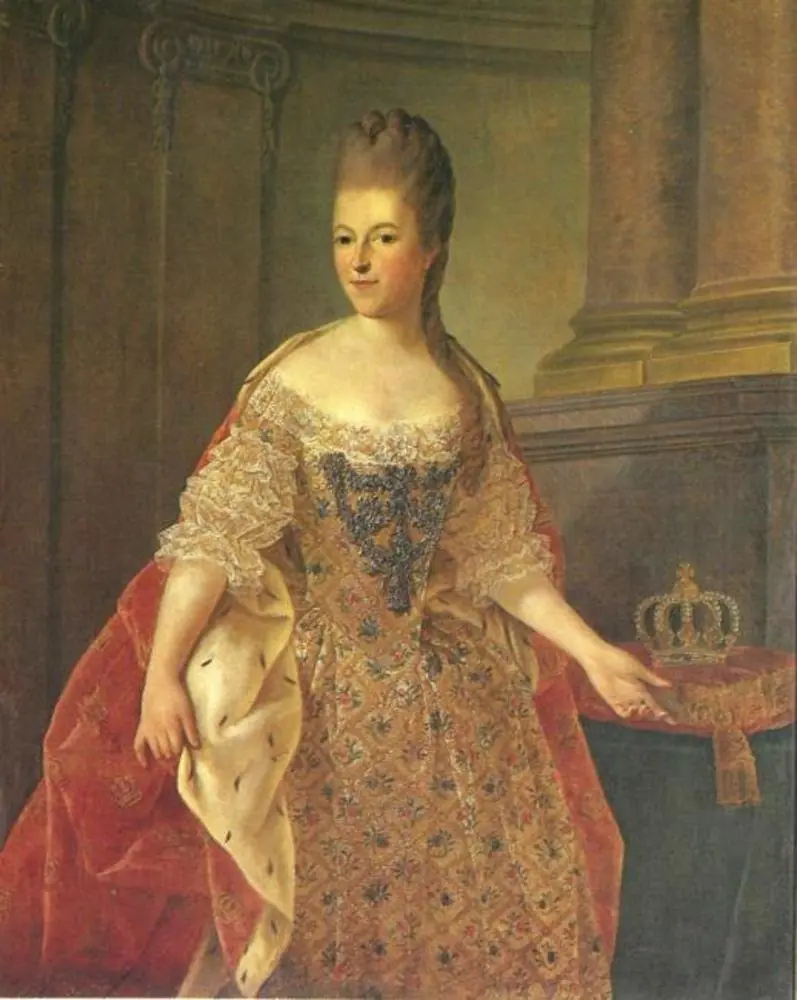
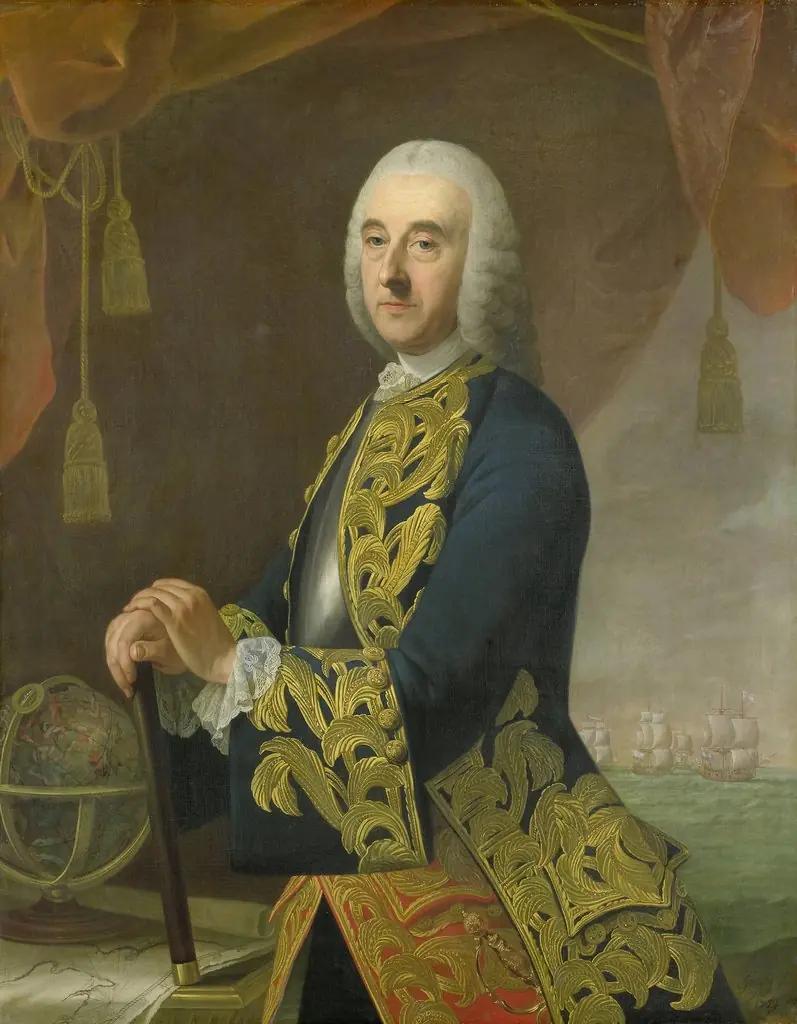
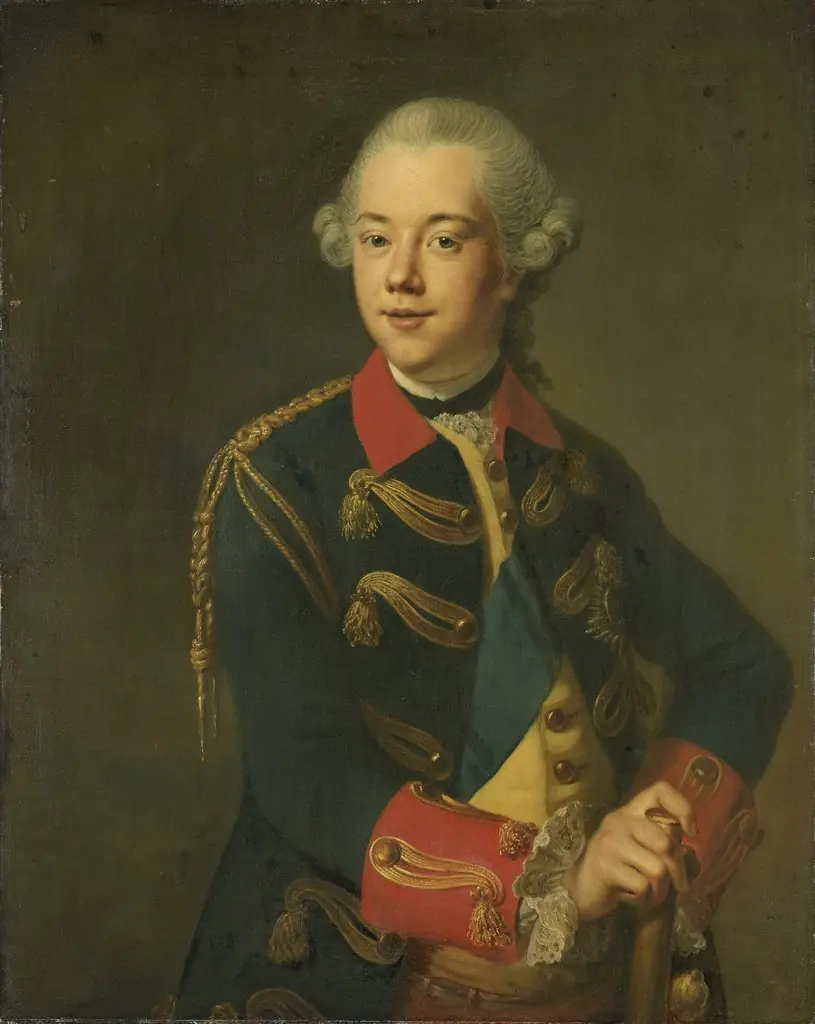 Portrait of William V, Prince of Orange-Nassau
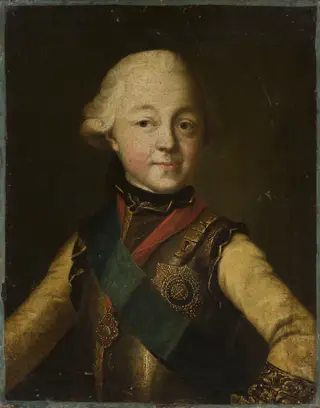 Portrait of a boy from the Romanov family (?), in armour, with the Order of Saint Anne and the star of the Order of St. Andrew the Apostle the First-Called
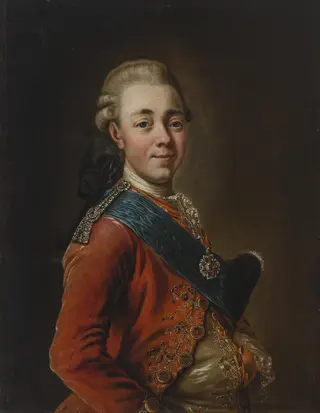 Portrait of Grand Duke Pavel Petrovich, the Future Emperor Paul I of Russia (1754-1801)
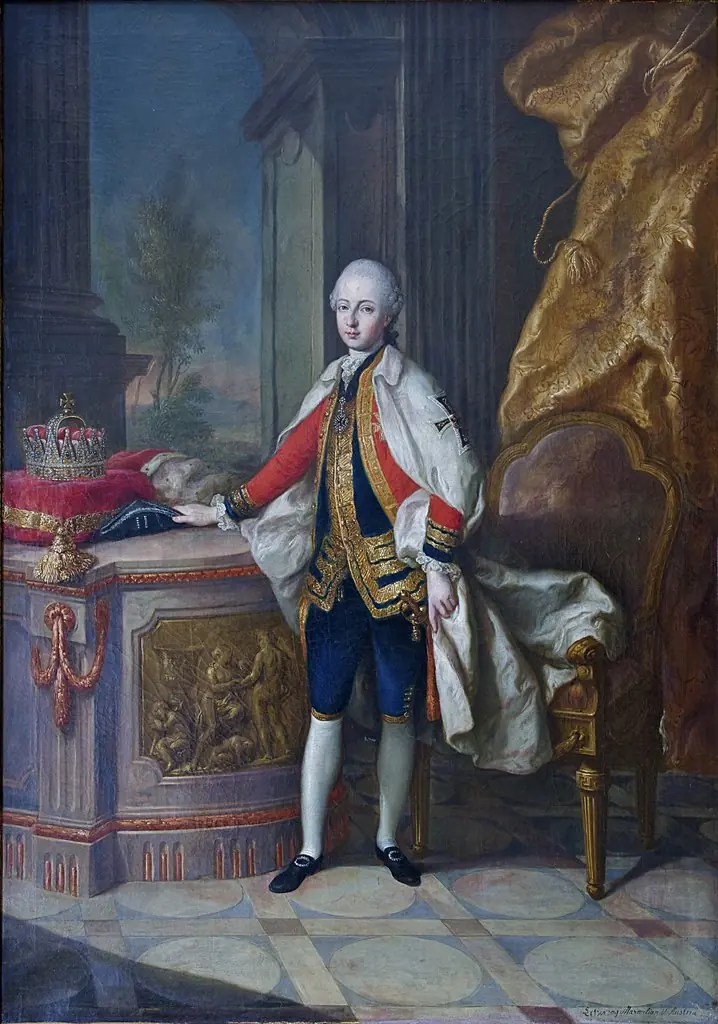 Maximilian, Archduke of Austria (1756-1801)
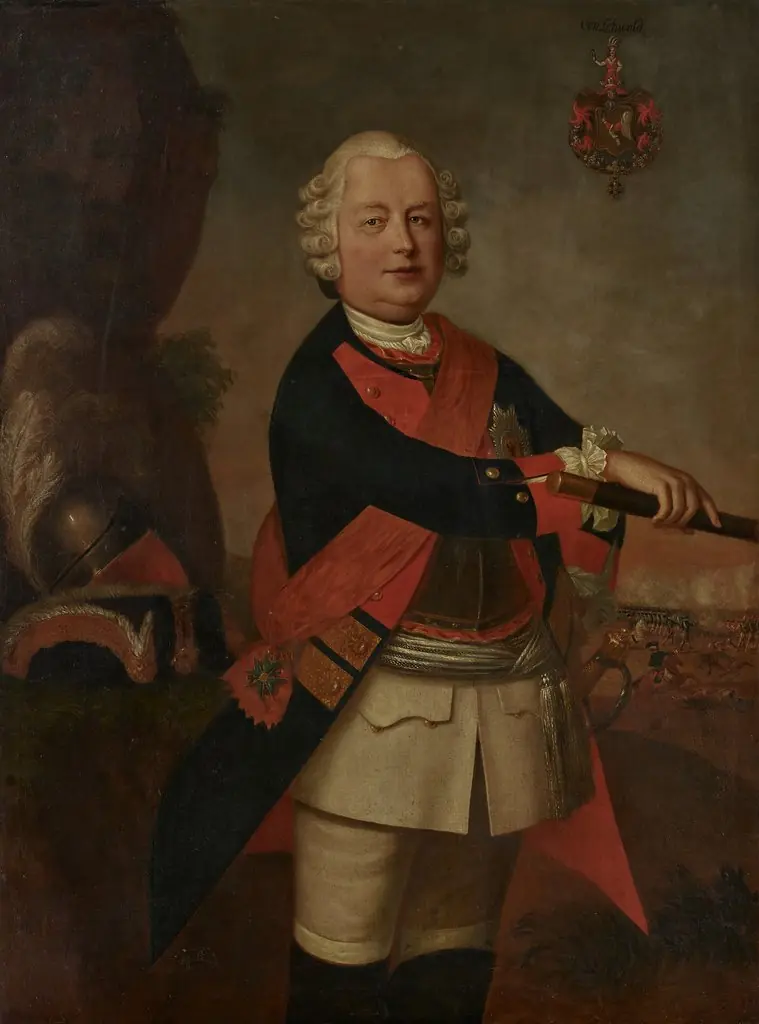 Lieutenant General Johann (Hans) von Lehwald
 Portrait of Grand Duke Pavel Petrovich
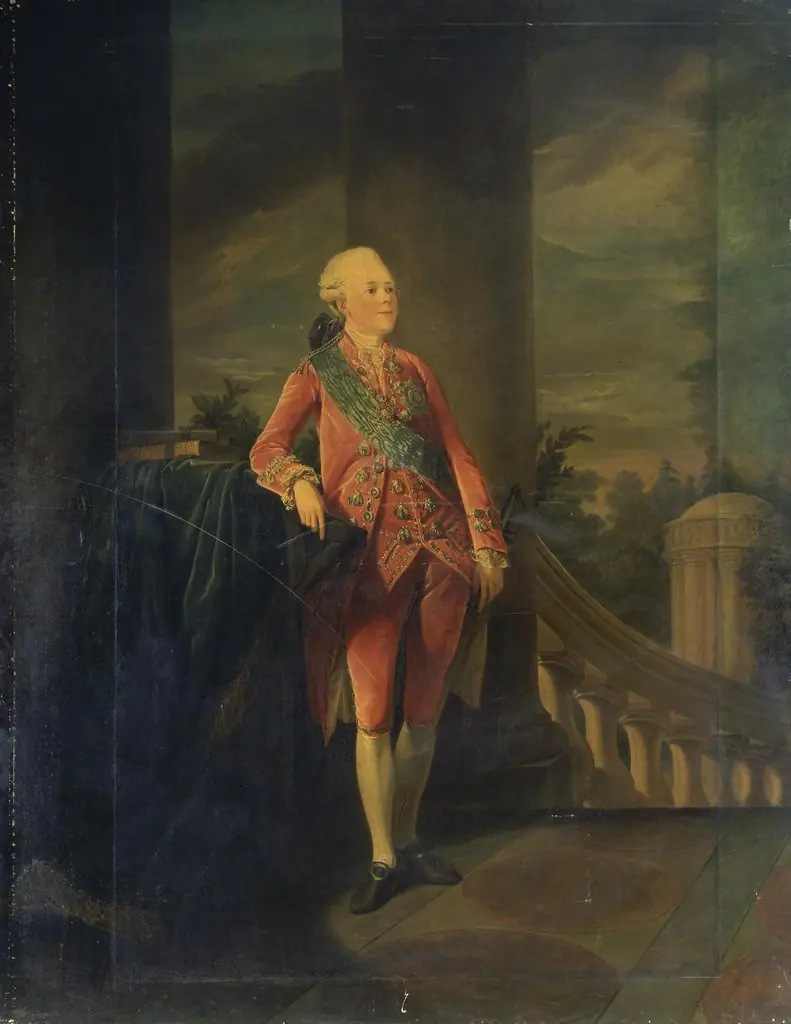 Grand Duke Pavel Petrovich of Russia
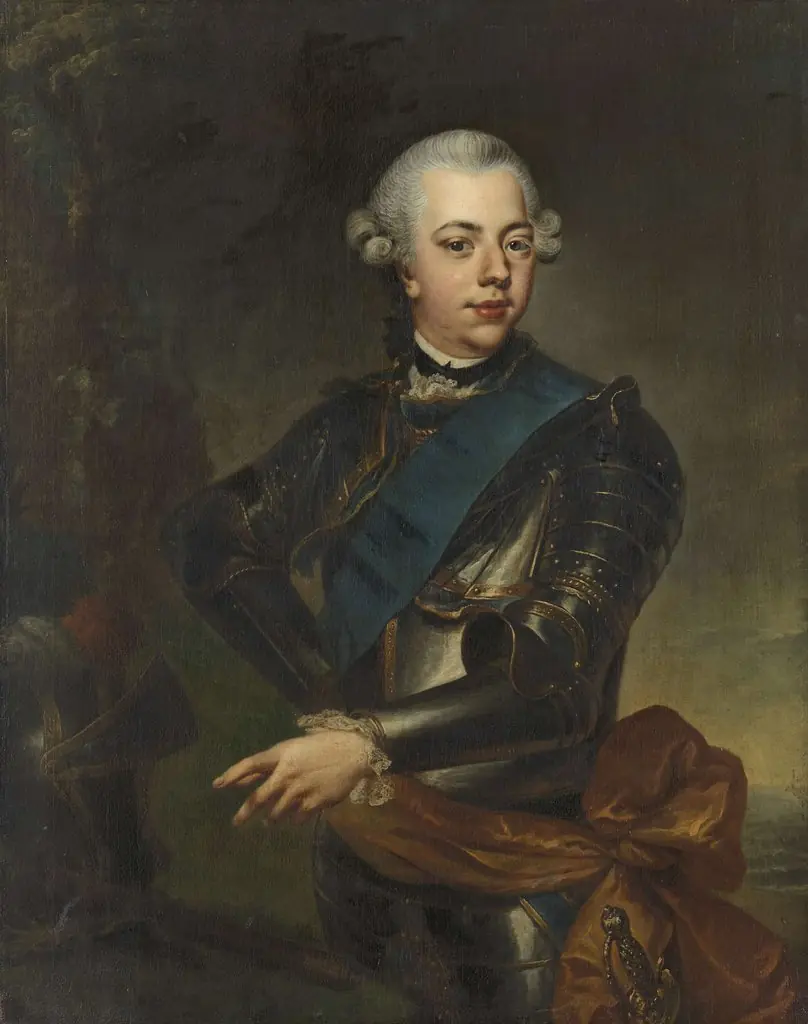 Willem V (1748-1806), prins van Oranje-Nassau
 Portrait of Emperor Peter III
 Portrait of Alliksandr I. Bibikov