Artwork
Portrait of William V, Prince of Orange-Nassau
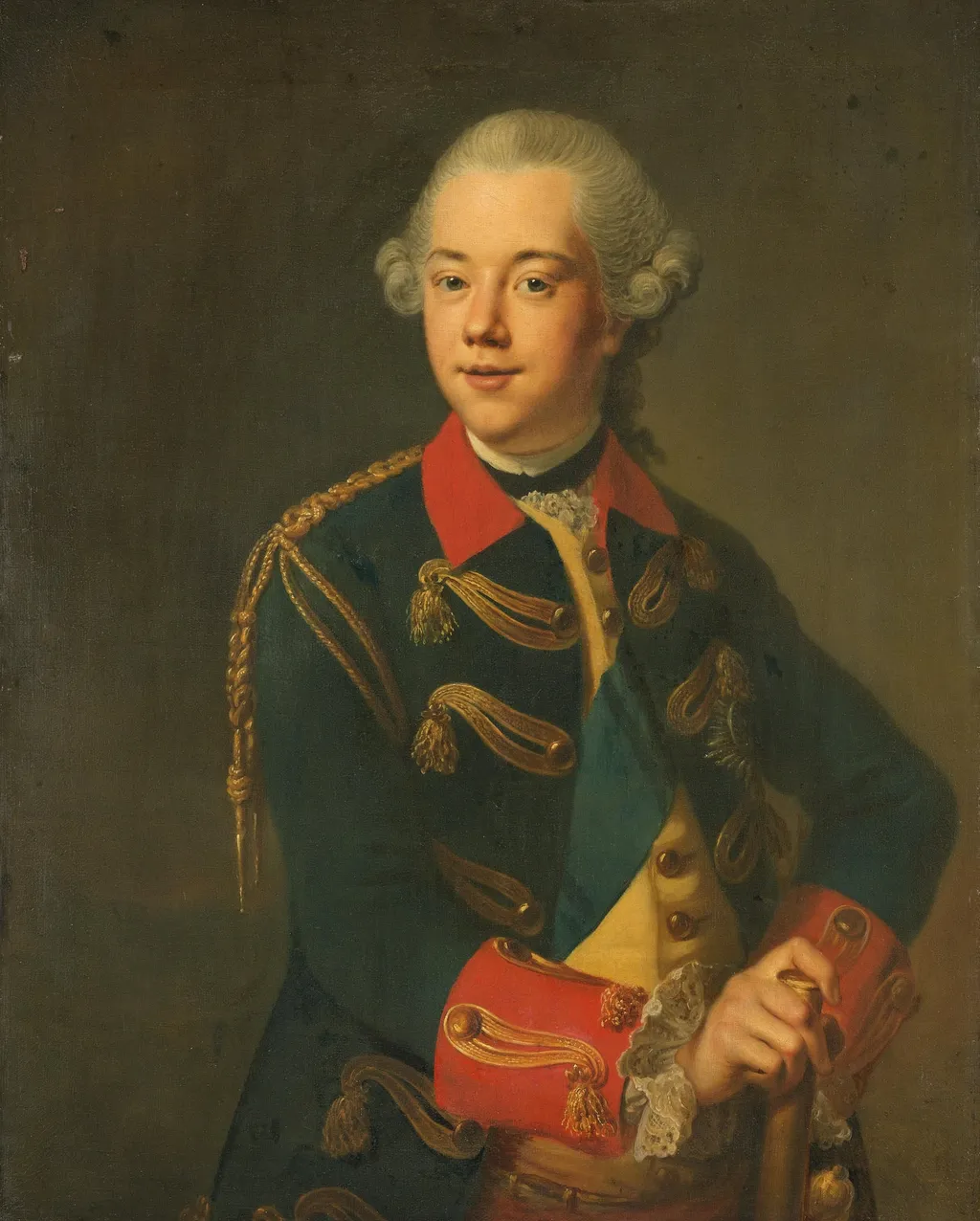
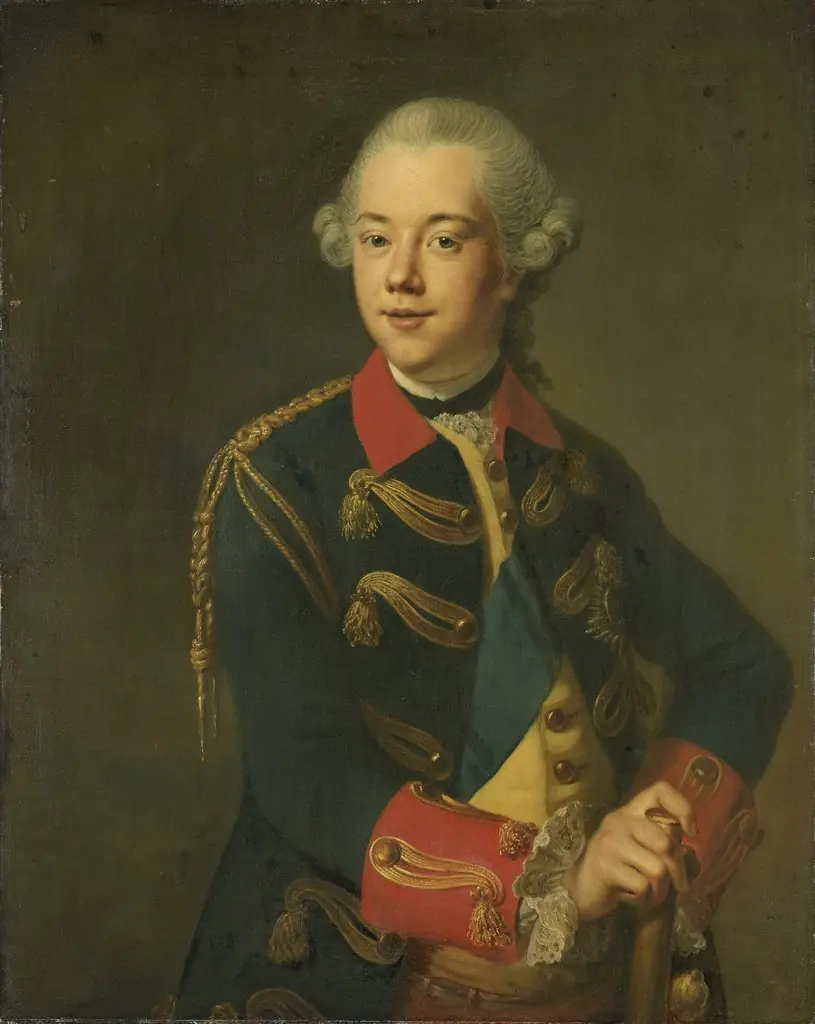
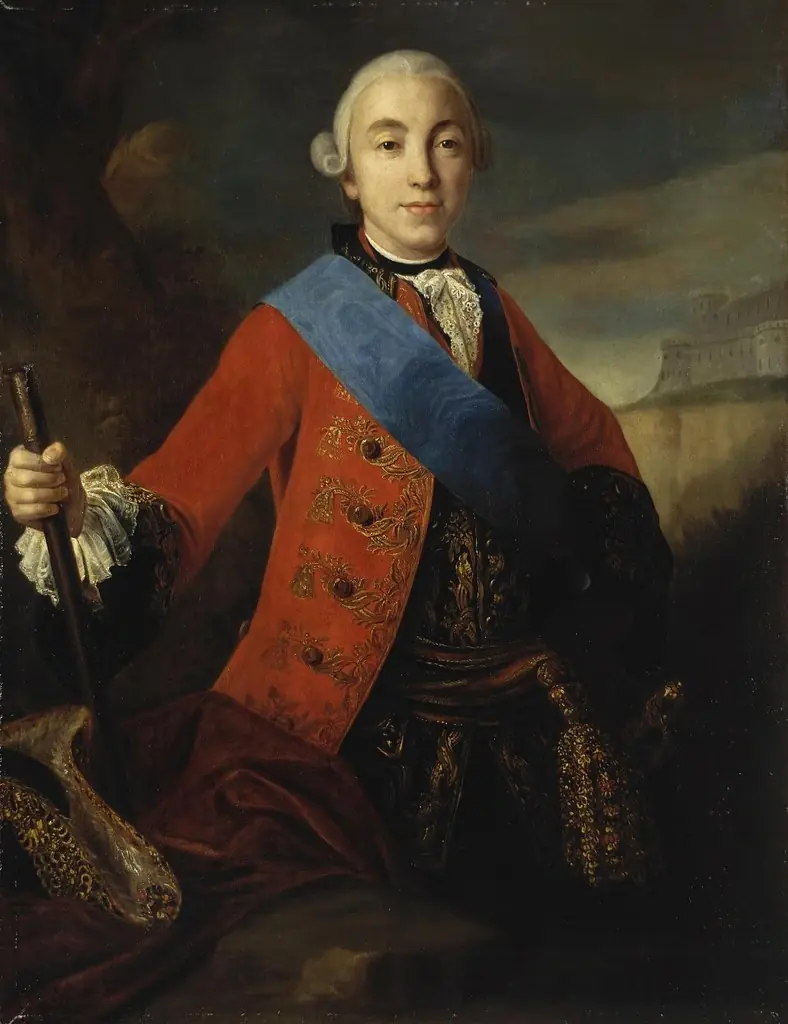
Portrait of William V, Prince of Orange-Nassau is an unspecified painting by the Rococo painting artist Johann Georg Ziesenis. It dates from 1770 and is held in the collection of the Rijksmuseum. The work depicts William V, Prince of Orange‑Nassau (1748–1806), in a formal half‑length pose.
About this work
The artist didn’t sign it, which was common for royal portraits, accuracy mattered more than credit.
A man in a blue military coat stands stiffly, one hand resting on a tall staff. Gold trim glints on his sleeves and collar. His face is pale, eyes fixed straight ahead.
This is William V, a Dutch prince who ruled during a tough time. The painting was made between 1763 and 1776, but no one knows who painted it. The artist didn’t sign it, which was common for royal portraits, accuracy mattered more than credit.
If you like this kind of formal portrait, visit the Rijksmuseum to see more.
Subject & Meaning
The painting depicts William V, Prince of Orange-Nassau, a figure associated with the Dutch House of Orange and the role of Stadtholder, reflecting his political position within the Dutch Republic. The subject is rendered in a manner typical of 18th-century European portraiture, emphasizing status and lineage rather than individual character. The work belongs to the broader context of Dutch portraiture during the late 18th century, a period marked by the continued influence of the Dutch Golden Age and the evolving tastes of European aristocracy. Ziesenis painted this portrait during his time in the Netherlands, where he was active in producing works for the Stadtholder's court. The painting's iconography aligns with conventional representations of princely authority, without overt symbolic elements beyond those tied to his title and lineage.
History & Provenance
The portrait of William V, Prince of Orange-Nassau, was created by the German-Danish painter Johann Georg Ziesenis. The work dates to the period between 1763 and 1776, with specific production occurring during the artist's residence in The Netherlands starting in 1768. During his stay in The Hague, Ziesenis received commissions to paint portraits of the Stadtholder, his wife Wilhelmina of Prussia, and their family. The artist, who served as a court painter in Hanover, traveled to the Netherlands specifically to execute these royal likenesses. While the exact year of the commission within the 1763-1776 range is not specified in the available records, the creation is firmly situated in the late 1760s following his arrival in the Dutch Republic.
Context
Johann Georg Ziesenis created the Portrait of William V, Prince of Orange-Nassau during his Dutch period, producing several family portraits for the Stadhouder’s court between 1768 and 1770. The work reflects the Dutch court’s preference for idealized yet restrained representation, aligning with broader Rococo portrait conventions while incorporating German technical precision. Scholarship emphasizes its significance as a diplomatic artifact, documenting Orange-Nassau familial connections through art, and it remains a key example of cross-border patronage in 18th-century Northern Europe.
The painting’s reception was contemporary but limited to elite circles, with no published critiques surviving; its artistic merit was later recognized during 20th-century reevaluations of Ziesenis’s oeuvre, particularly in studies of Hanoverian Rococo and Dutch court portraiture. Its placement in art history is anchored to Ziesenis’s role as a transitional figure between German and Dutch portrait traditions, influencing later artists through his synthesis of courtly realism and decorative elegance.
Own this work as a print
Artist & collection
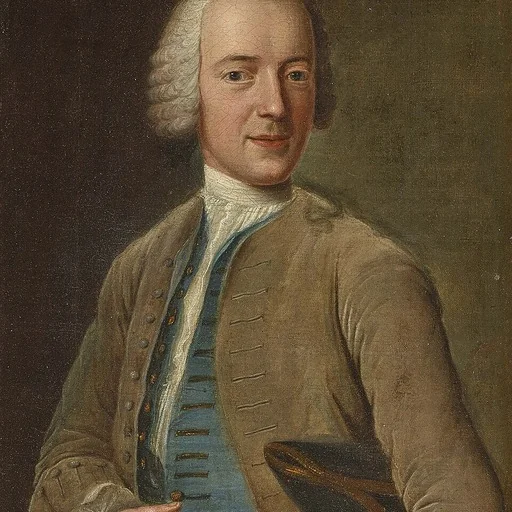

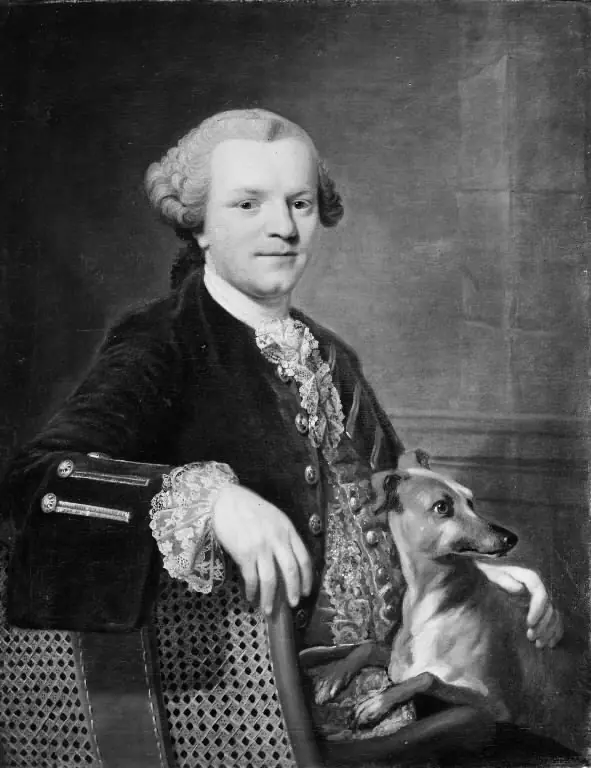 Portrait of Freiherr von Münchhausen
- Portrait of William V, Prince of Orange-Nassau
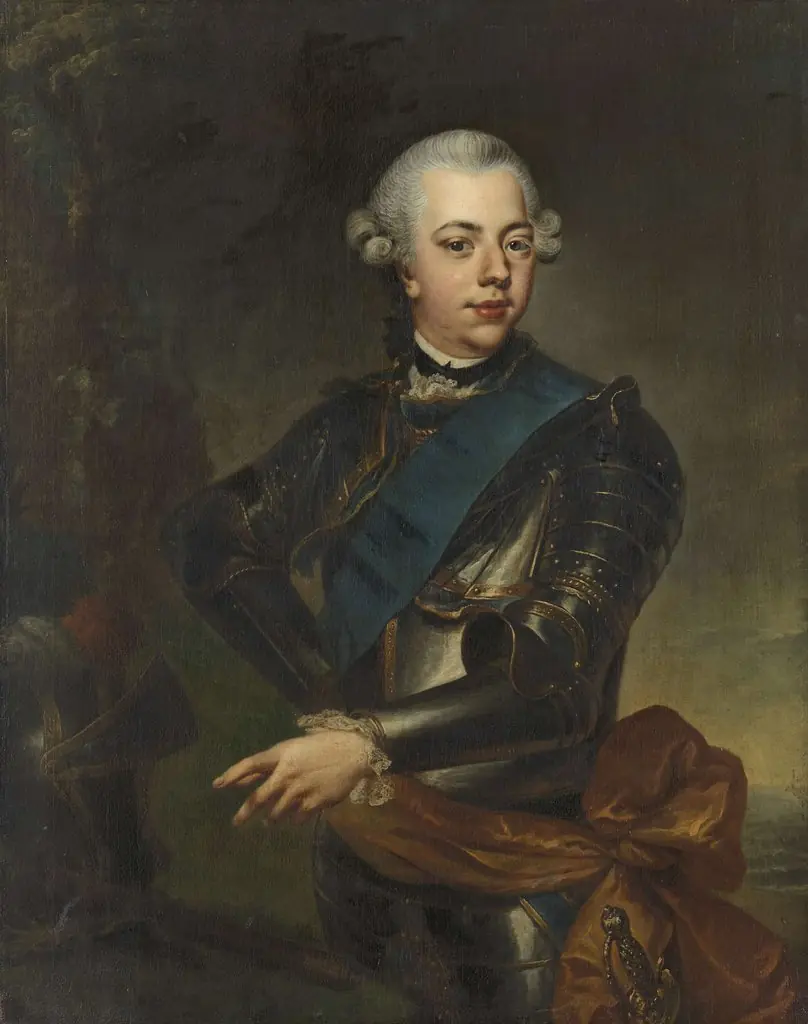 Willem V (1748-1806), prins van Oranje-Nassau
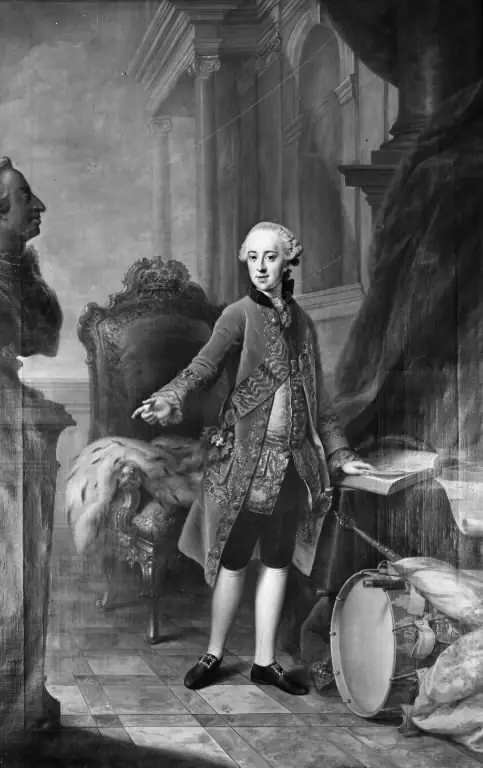 Portrait of Frederik, Heir Presumptive
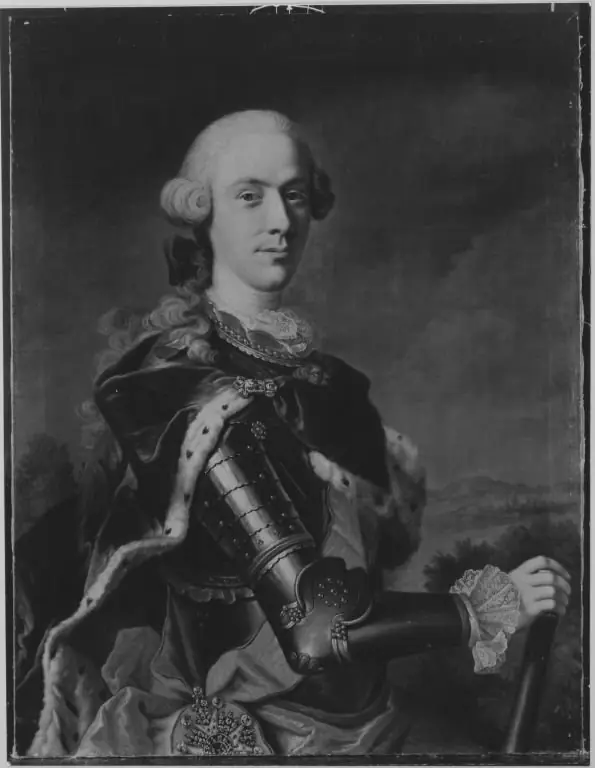 Bildnis von Christian IV., Herzog von Pfalz-Zweibrücken (1722-1775)
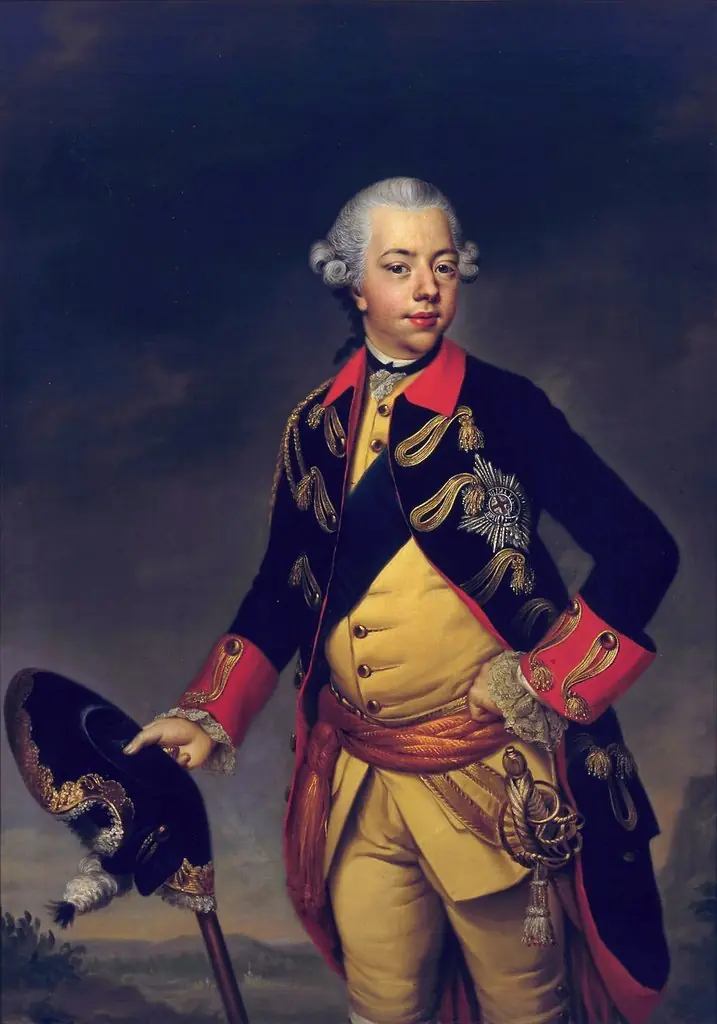 Portrait of Willem V (1748-1806), Prinz von Oranien-Nassau
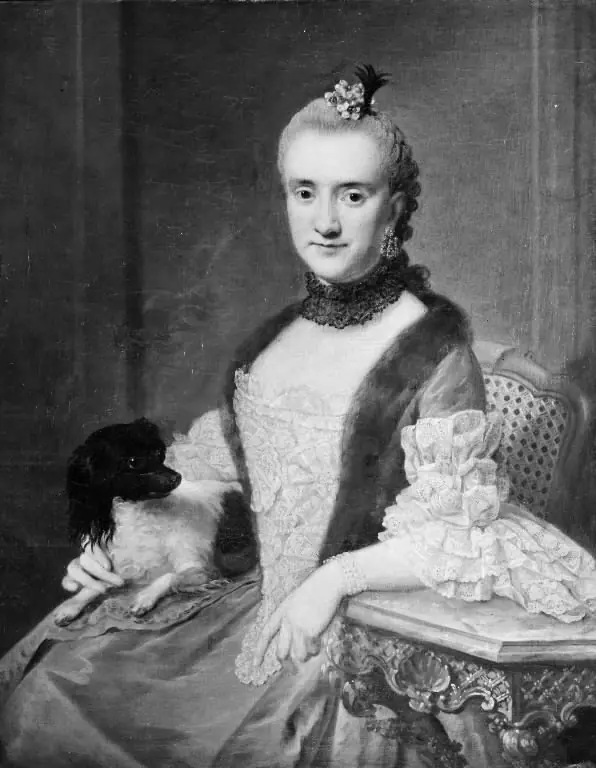 Portrait of Freifrau von Münchhausen
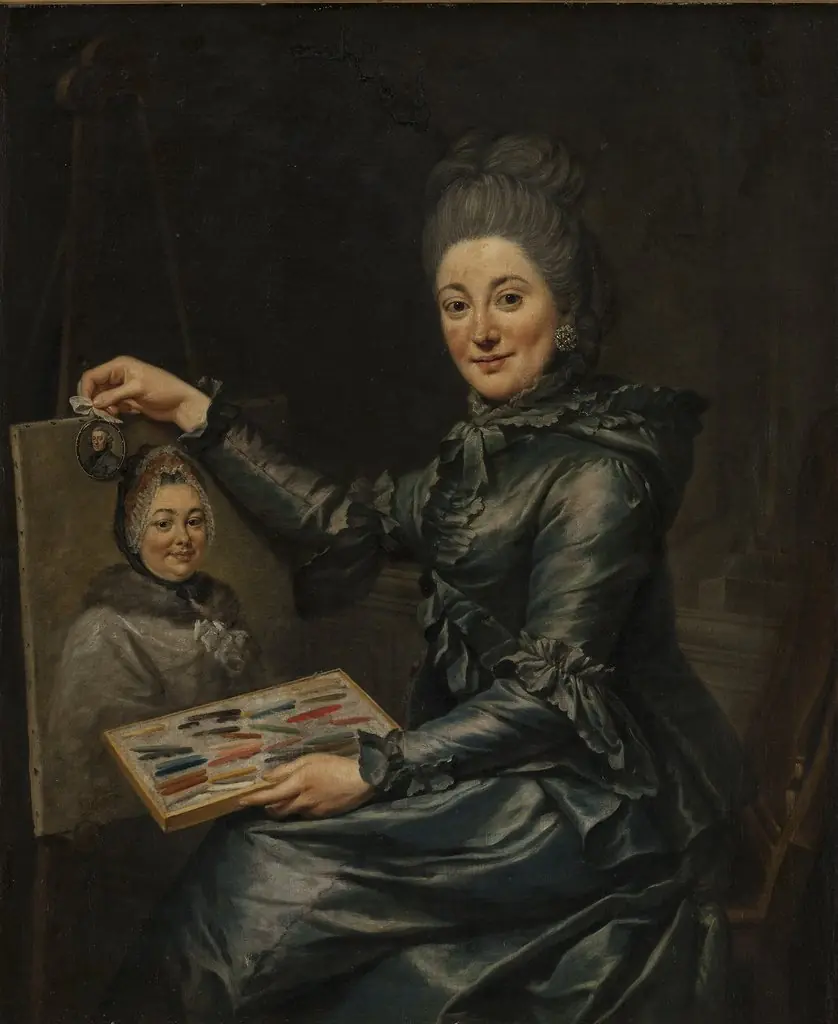 Portrait of the Artist's Daughter Elisabeth, Married Lampe
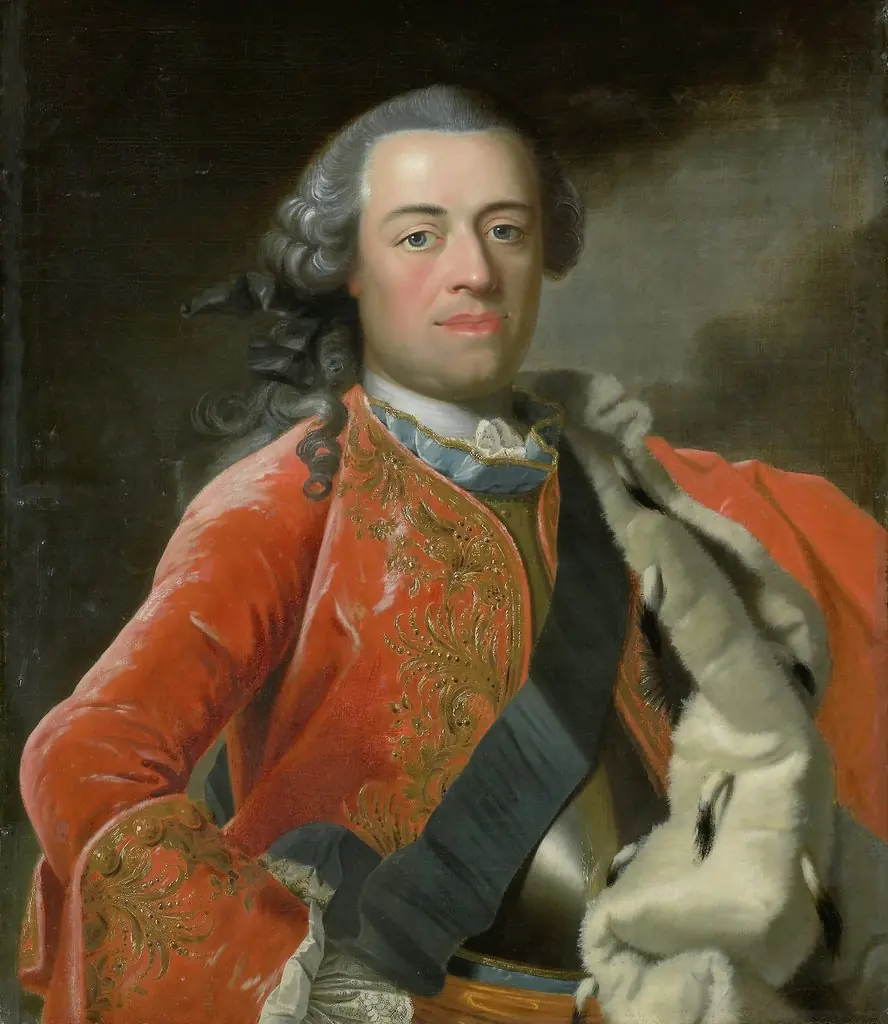 Portrait of Willem IV van Oranje-Nassau (1711-1751)
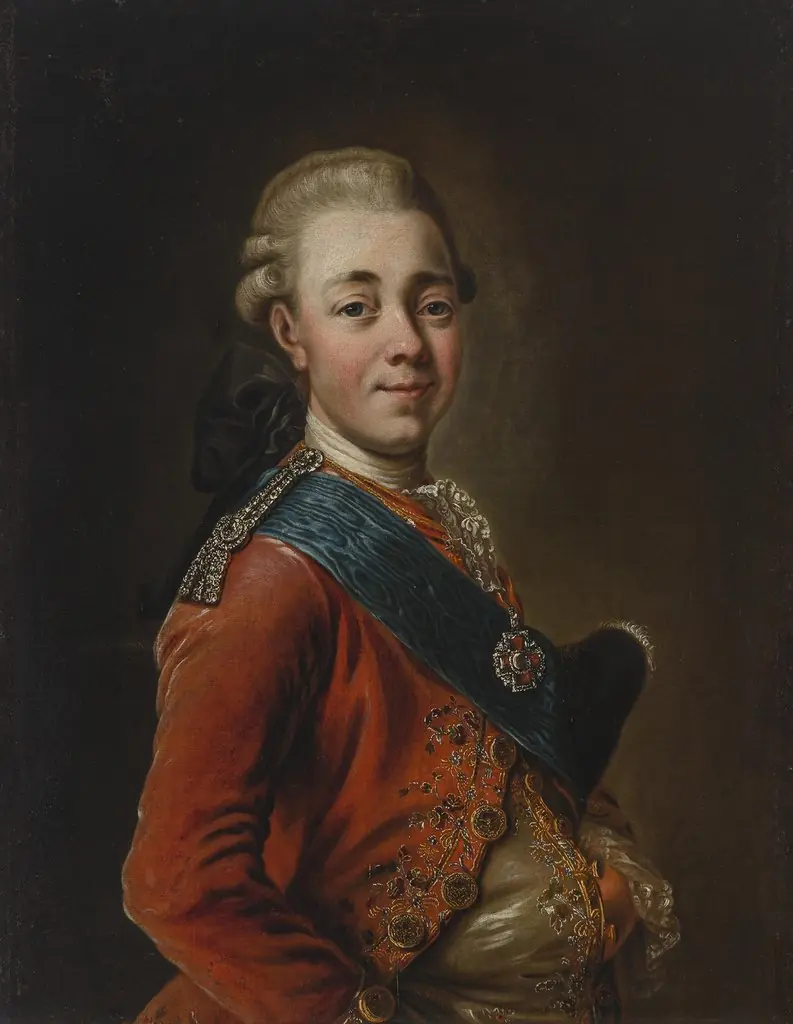 Portrait of Grand Duke Pavel Petrovich, the Future Emperor Paul I of Russia (1754-1801)
 Portrait of Count N.P.Sheremetev
 Portrait of Emperor Peter III
 Portrait of Paul I, Emperor of Russia, at a young age
 Childhood portrait of Paul I
 Portrait of Grand Duke Piotr Fiodorovich