Artwork
De prediking van Johannes de Doper, linkerpaneel van een drieluik
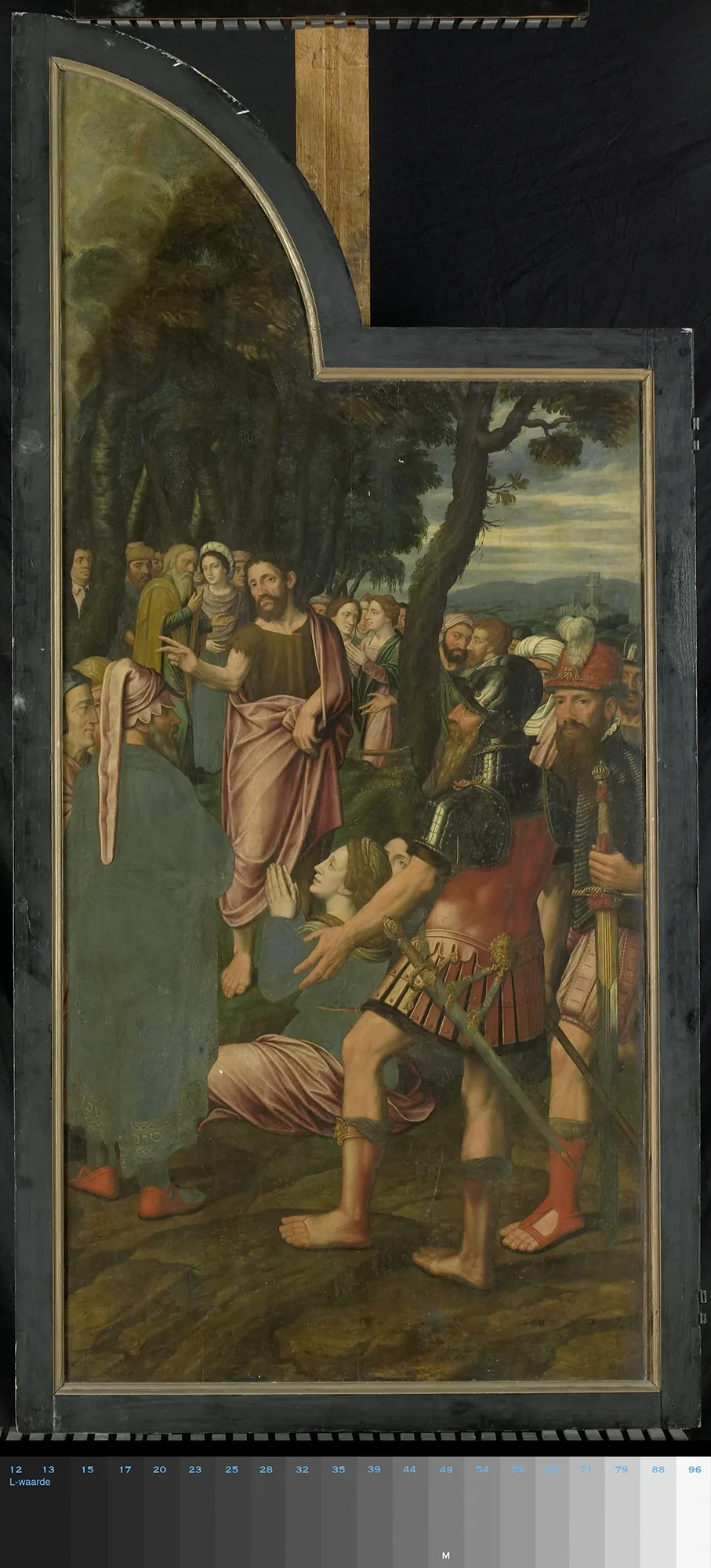
De prediking van Johannes de Doper, linkerpaneel van een drieluik is an oil painting by the Northern Renaissance artist Hans van Coninxloo. It dates from 1557 and is held in the collection of the Rijksmuseum.
About this work
Subject & Meaning
As indicated by its classification as religious art, the painting centers on the main subject of John the Baptist, capturing the moment of his preaching.
The work depicts the religious scene of John the Baptist delivering a sermon, serving as the left panel of a triptych. As indicated by its classification as religious art, the painting centers on the main subject of John the Baptist, capturing the moment of his preaching. Created in 1557 by Hans van Coninxloo (I) in the Southern Netherlands, the image functions as a devotional representation of this biblical event.
The composition focuses entirely on the figure of the Baptist and his act of preaching, aligning with the traditional iconography of the saint as a herald of repentance.
Technique & Style
The left panel of the triptych depicts the preaching of John the Baptist, executed in oil paint on wooden panel. The work belongs to the religious genre and was created in 1557 in the Southern Netherlands. Its formal qualities reflect the stylistic conventions of early Netherlandish religious painting, with careful attention to composition and narrative clarity.
History & Provenance
The work was created in 1557 in the Southern Netherlands by Hans van Coninxloo (I) as the left panel of a triptych depicting the preaching of John the Baptist. It was commissioned for religious use and originally owned by Cornelis Hoogendijk before entering the collection of the Rijksmuseum, where it remains on display.
The work is held in the collection of the Rijksmuseum, where it is listed under inventory number SK-A-1765. It was made in the Southern Netherlands in 1557 and originally owned by Cornelis Hoogendijk, later entering the museum's holdings. The painting has been included in exhibitions focused on Dutch religious art at the Rijksmuseum, though specific exhibition titles are not detailed in the source.
Overview
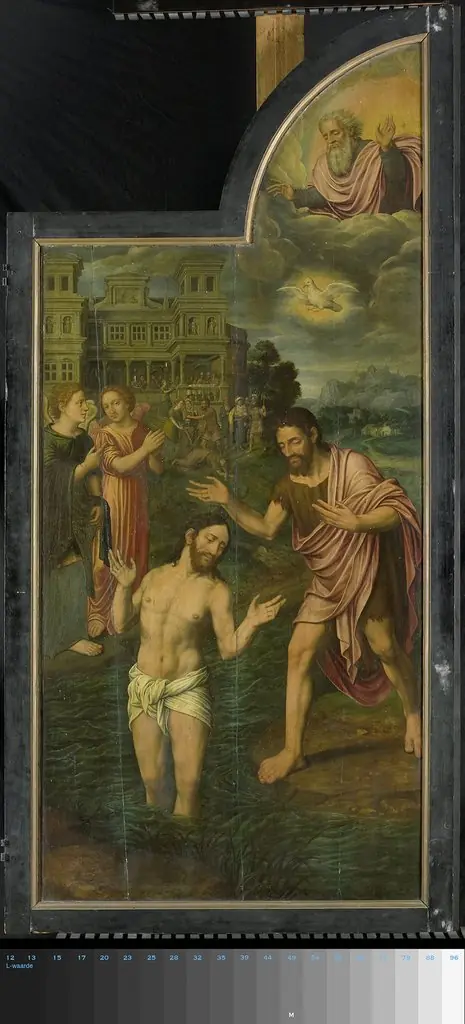
Hans van Coninxloo’s left-hand panel of a three‑part altarpiece, painted in oil in 1557, portrays the biblical figure John the Baptist delivering a sermon. The work is part of a larger composition and is currently displayed in the Rijksmuseum’s collection.
Context
The work belongs to a period when Netherlandish artists frequently depicted biblical narratives within naturalistic landscapes, integrating sacred subjects with everyday surroundings. Coninxloo’s portrayal of John the Baptist aligns with contemporary devotional practices that emphasized personal piety and the moral example of the saint.
Artist & collection

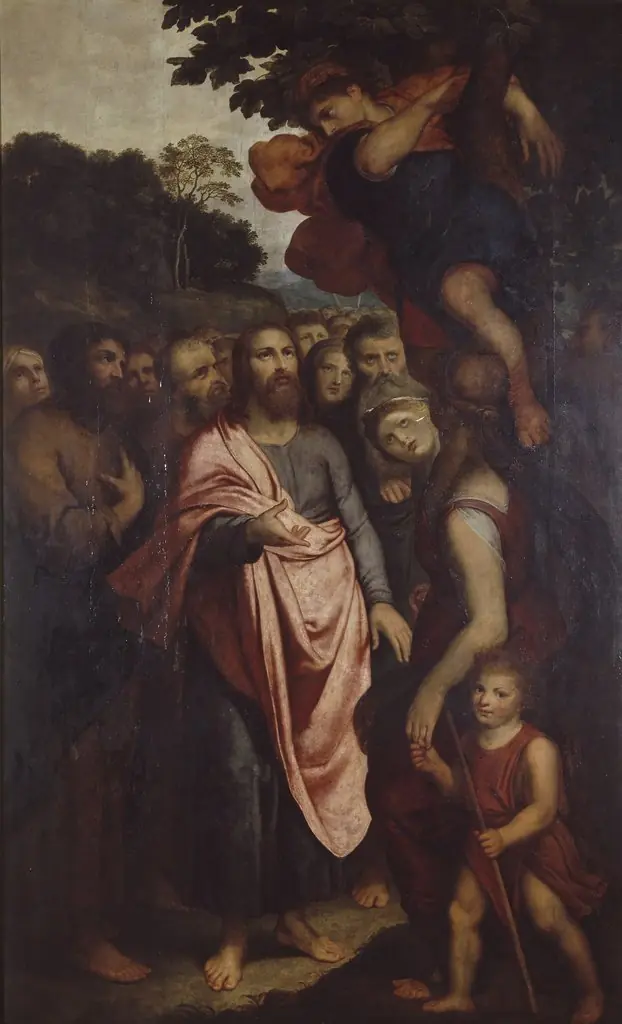 The Calling of Zacchaeus who is Sitting in a Fig Tree
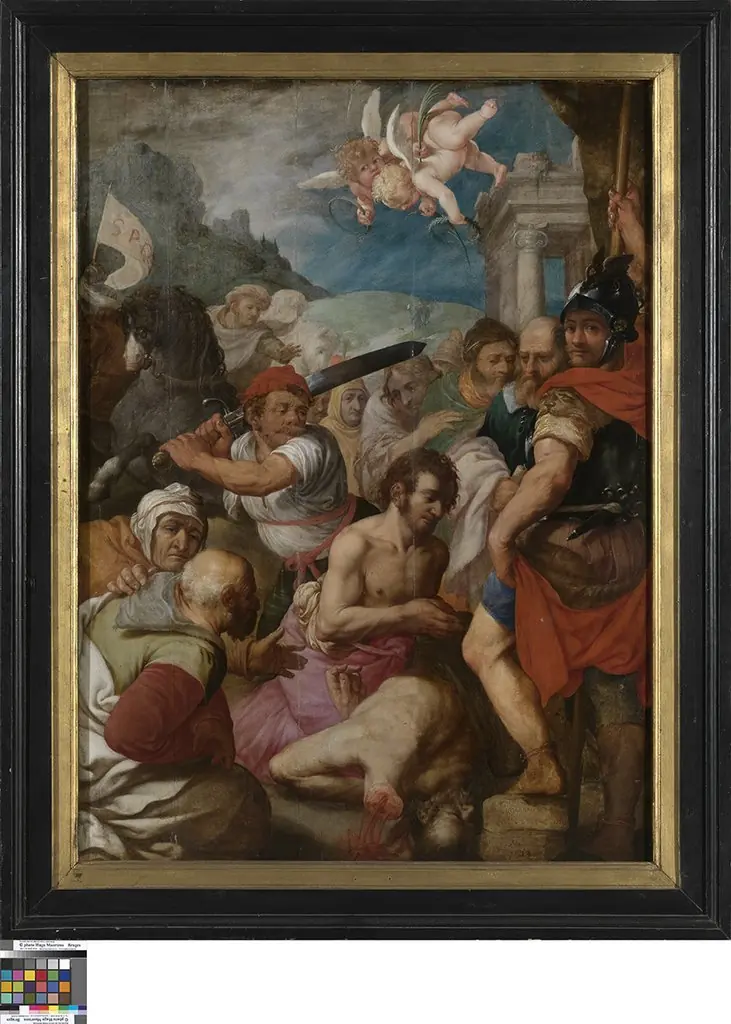 The Martyrdom of the Saints Crispin and Crispinian
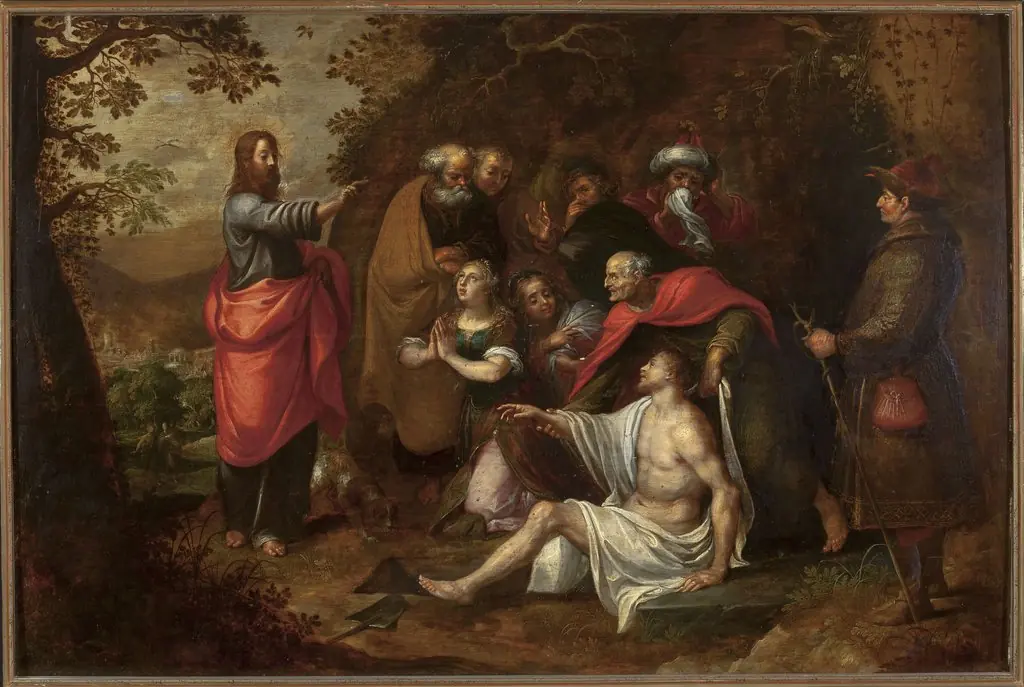 Raising o Lazarus
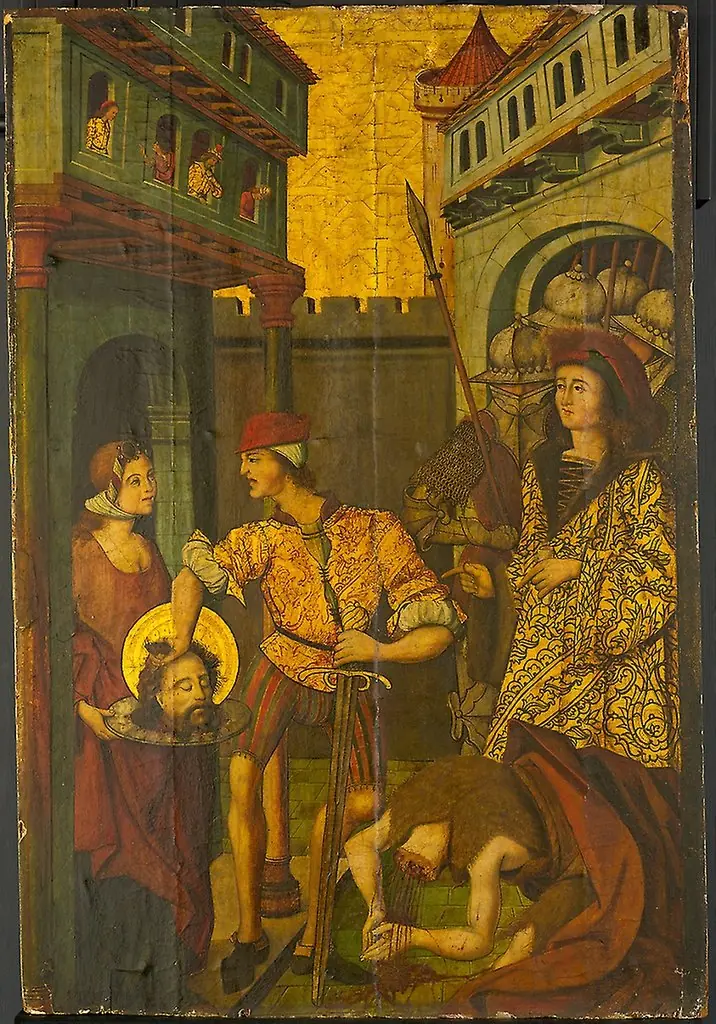 The Beheading of Saint John the Baptist
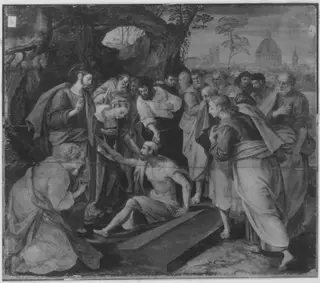 Auferweckung des Lazarus
 The Healing of the Two Blind Men at Jericho
 The Healing of the Two Blind Men at Jericho
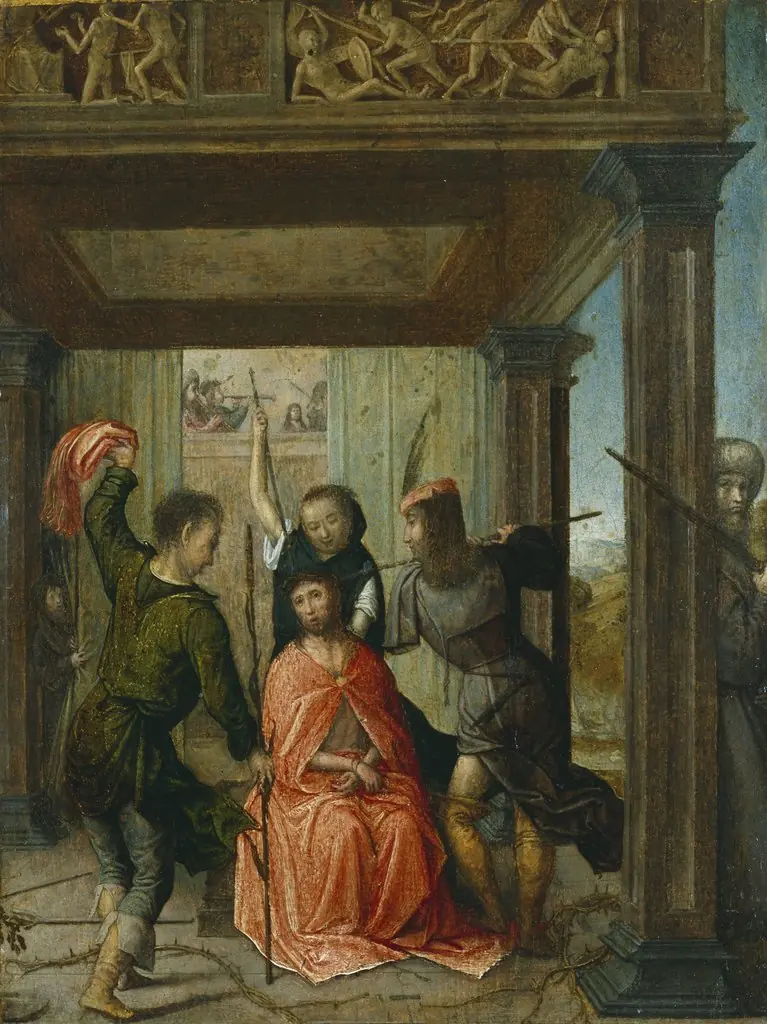 Christ Crowned with Thorns
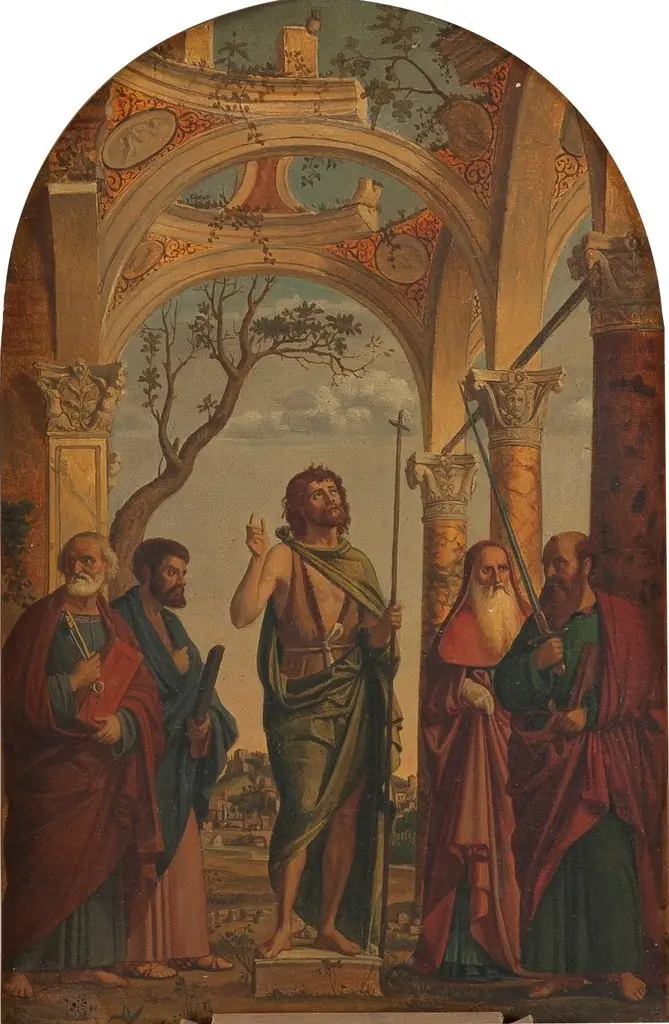 San Juan Bautista y santos
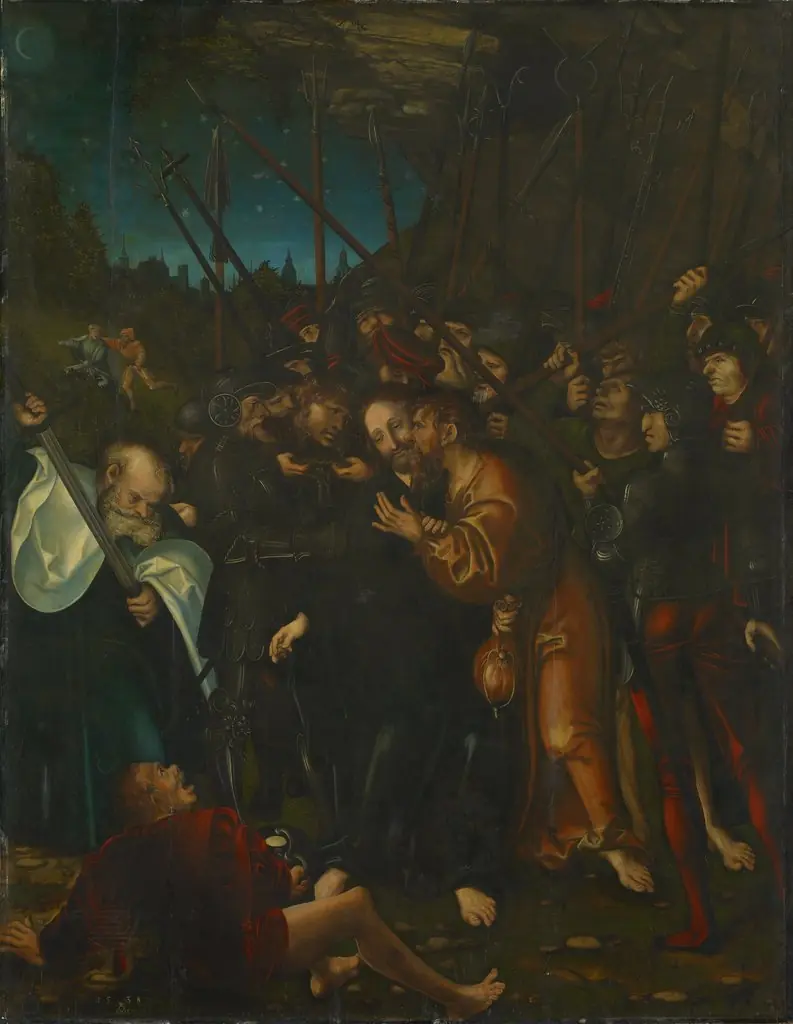 Christ's Arrest