Artwork
The Ascension of Christ
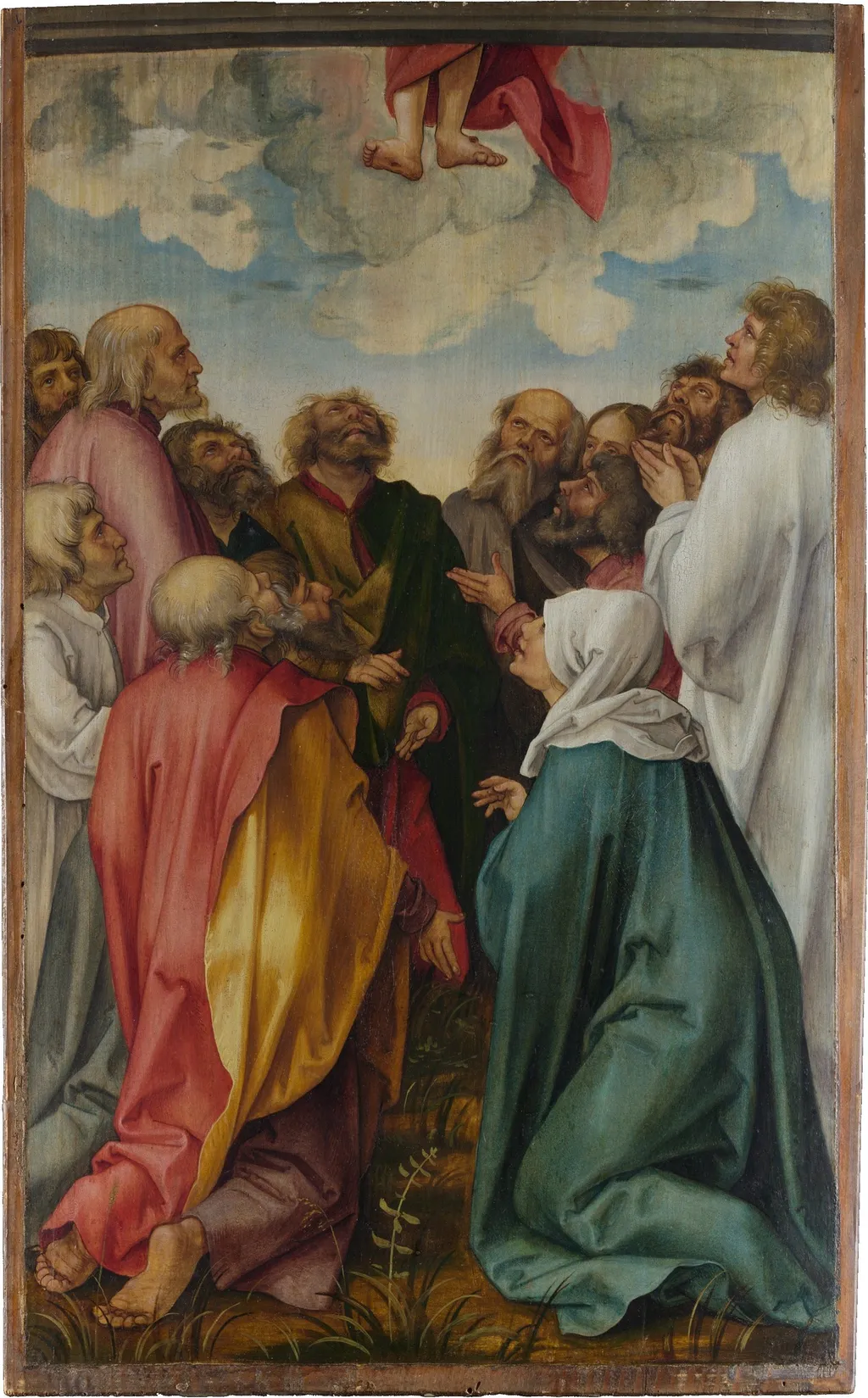
The Ascension of Christ is an oil painting by the Northern Renaissance artist Hans von Kulmbach. It dates from 1513 and is held in the collection of the Metropolitan Museum of Art.
About this work
Technique & Style
The composition follows the stylistic conventions of the period, emphasizing devotional imagery within a compact format suited to an altarpiece context.
The work is executed in oil on a wooden panel, reflecting the material practice of early sixteenth-century German painting; the support is a panel, and the medium is identified as oil paint. Its subject matter belongs to the religious genre, depicting the Ascension of Christ with figures of the apostles, the Virgin Mary, and Christ, which aligns with its classification as a religious painting. The composition follows the stylistic conventions of the period, emphasizing devotional imagery within a compact format suited to an altarpiece context.
History & Provenance
Created in 1513, The Ascension of Christ is an oil painting on panel by the German artist Hans von Kulmbach (also known as Hans Süss von Kulmbach). The work depicts the biblical scene of the Ascension of Jesus, featuring Christ alongside the Virgin Mary and several apostles. Measuring 61.5 cm in height and 35.9 cm in width, the piece was completed during the early 16th century.
While the specific original commission details are not recorded in the available data, the painting has entered the public collection of the Metropolitan Museum of Art, where it is currently held. The work is classified within the genre of religious art and remains a significant example of Kulmbach's output from that period.
The Ascension of Christ, an oil-on-panel painting created by Hans von Kulmbach in 1513, is currently held in the collection of the Metropolitan Museum of Art. While the artwork is part of the museum's permanent holdings, the provided sources do not specify a unique inventory or accession number for the piece. The work depicts the Ascension of Jesus alongside the Virgin Mary and the apostles, measuring 61.5 cm in height and 35.9 cm in width. No information regarding specific exhibition history, past loans, or display dates is available within the referenced materials.
Context
The Ascension of Christ, painted by Hans von Kulmbach in 1513, belongs to the religious repertoire of the Nuremberg school, reflecting the period's shift from late-Gothic devotional imagery toward more naturalistic composition. Its iconography, depicting Christ's ascent with the apostles and the Virgin, points to its function within contemporary liturgical and altarpiece practice, while its presence in the Metropolitan Museum of Art illustrates its continued relevance in modern collections.
Overview
Hans von Kulmbach's The Ascension of Christ, an oil painting from 1513, is a significant example of the Northern Renaissance. It depicts Jesus ascending to heaven, observed by Mary and the apostles. This work is part of The Metropolitan Museum of Art's collection.
Von Kulmbach, a German painter active in the early 16th century, was also known as Hans Suess and contributed to the Kraków St John's Altar.
Subject & Meaning
The artwork illustrates the biblical narrative of Christ's ascent into the heavens. Jesus, clad in a red robe and white cloth, rises against a backdrop of blue sky and clouds. Below, Mary and the apostles gaze upwards with expressions of awe.
Their varied postures, some kneeling and others standing, convey the profound spiritual impact of the event, emphasizing the solemnity of the moment.
Own this work as a print
Artist & collection
Artist
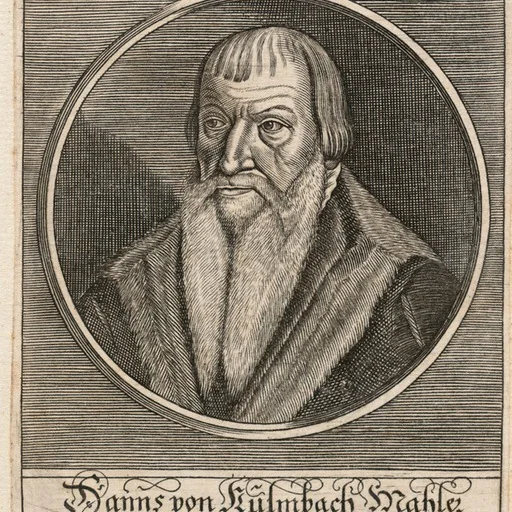
Hans Suess, known as Hans von Kulmbach (1480 in Kulmbach, Franconia – prior to 3 December 1522 in Nuremberg), was a German artist active in Poland. Hans von Kulmbach was the artist who created the Kraków St John's Altar.

- The Ascension
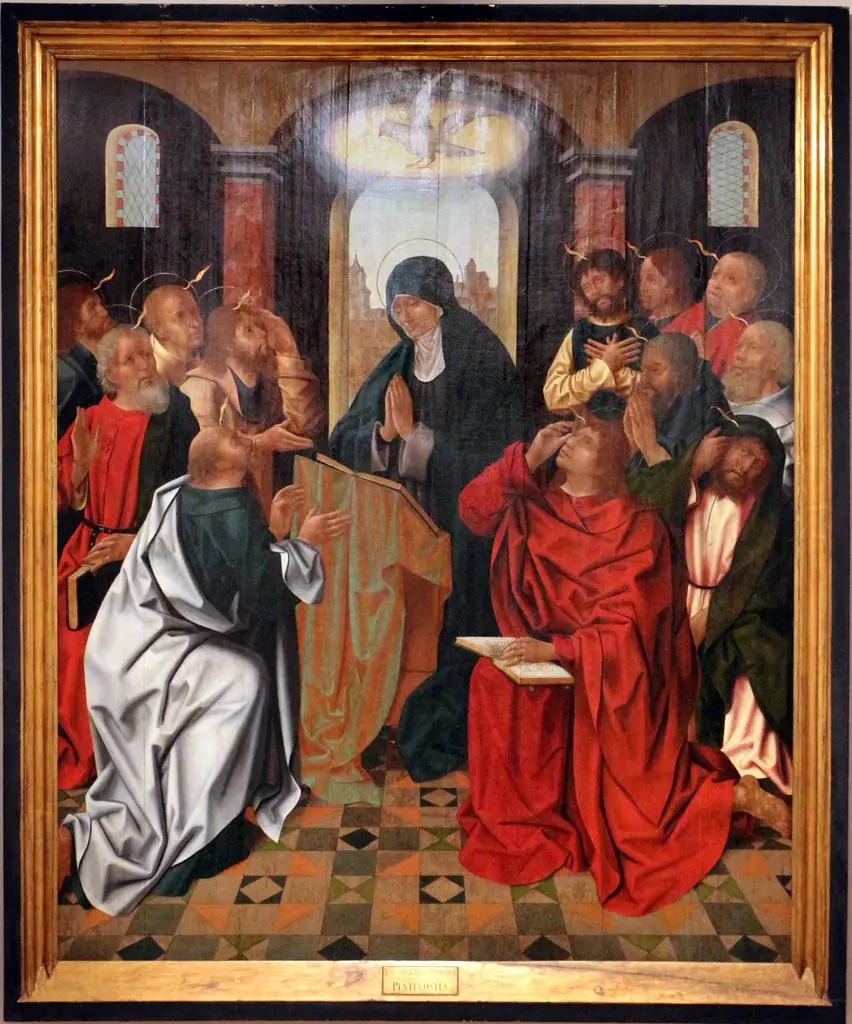 Pentecostes
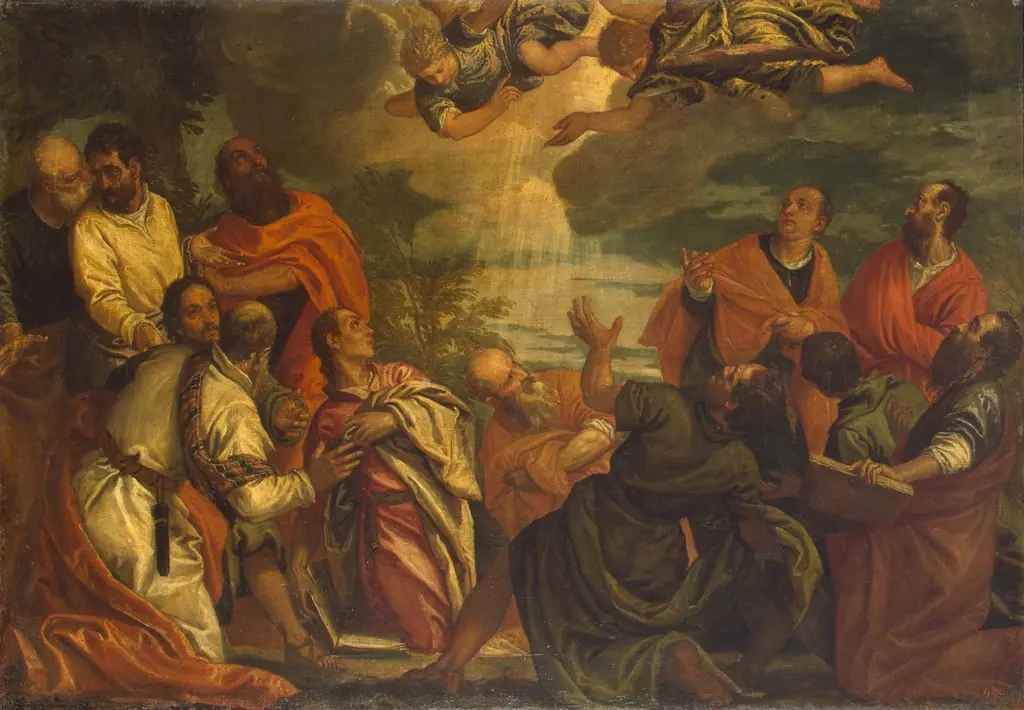 Pentecostés
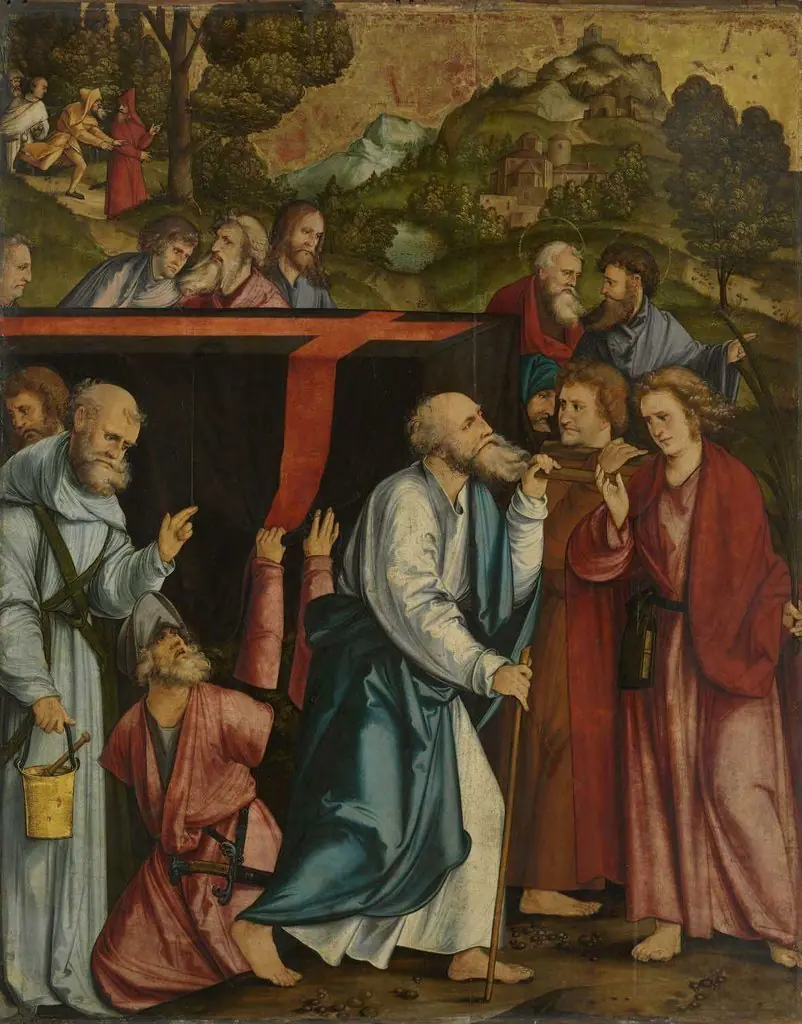 Christgartner Altar: Grabtragung Mariens Rückseite: Fall Christi auf das Kreuz
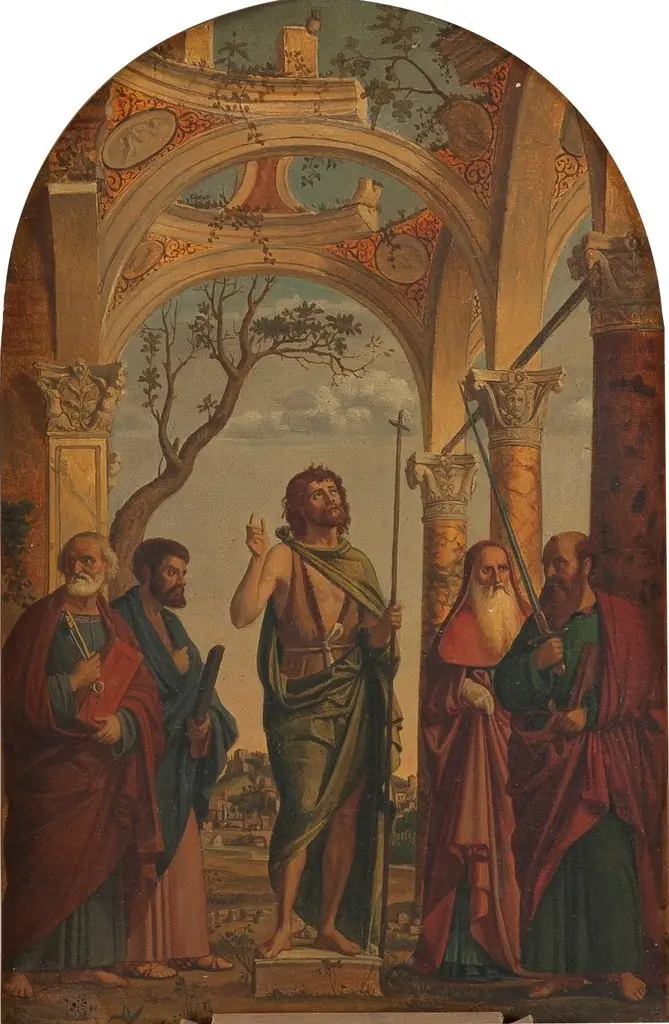 San Juan Bautista y santos
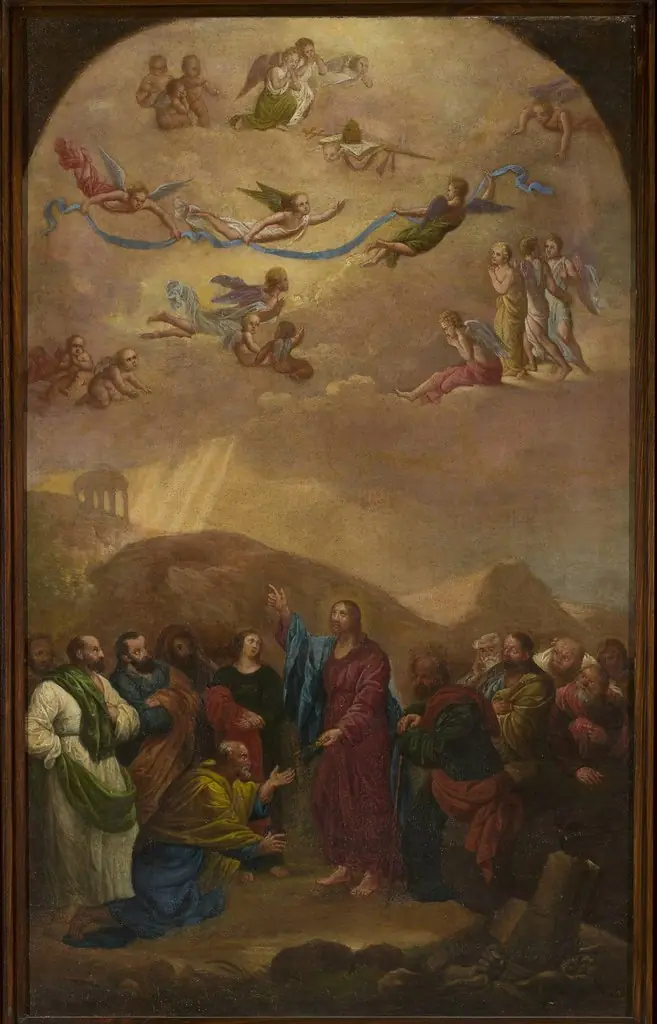 Delivery of the keys to St. Peter
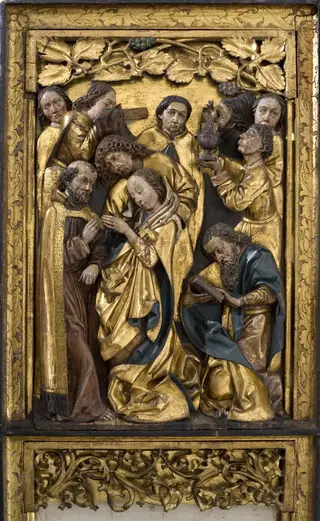 Death of Mary, space remaining after the lost relief: Mary Returns to Sleeping St Theophilus of Adana a Pact Signed at the Instigation of the Devil (carved obverse); Christ before Caiaphas, Carrying t
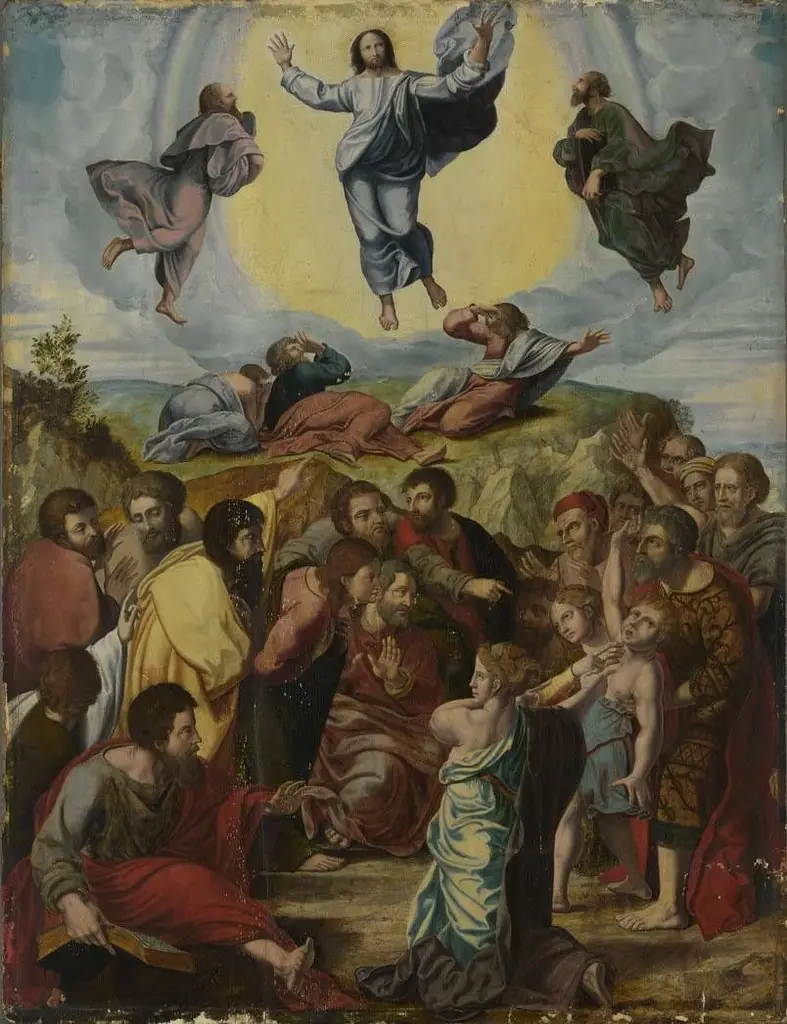 Transfiguration Christ
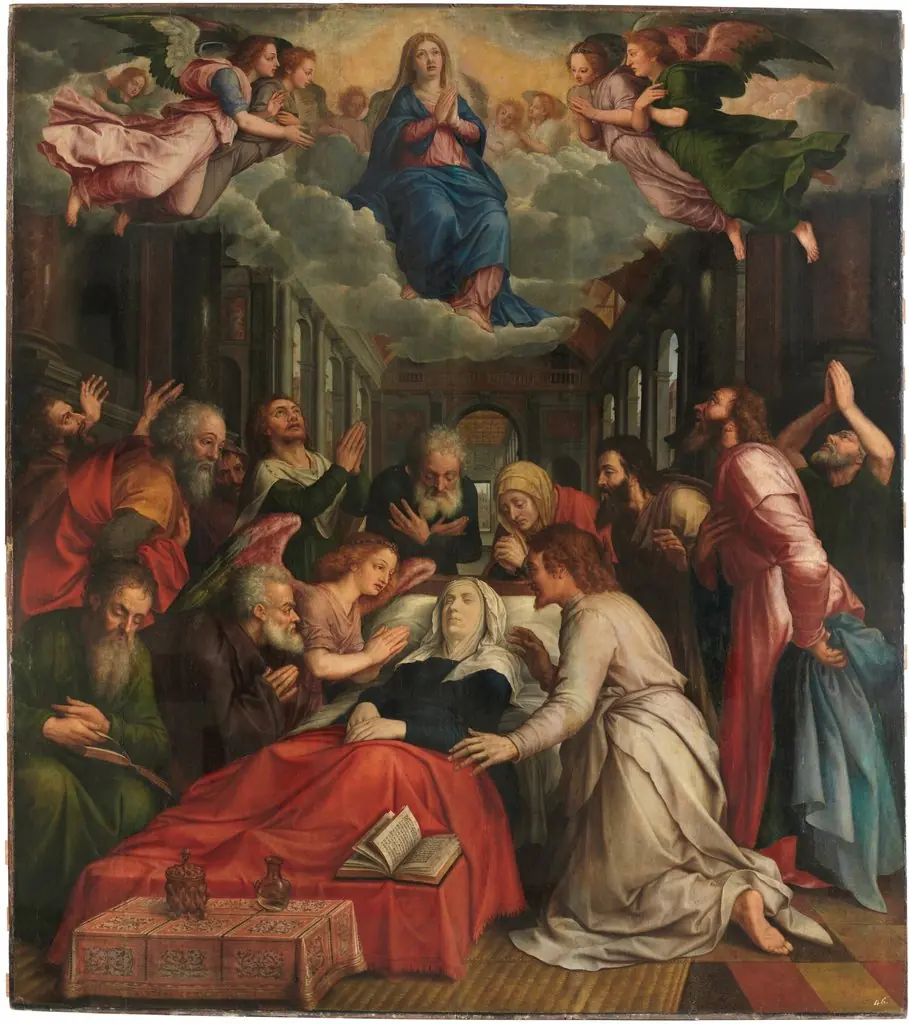 The Death of the Virgin
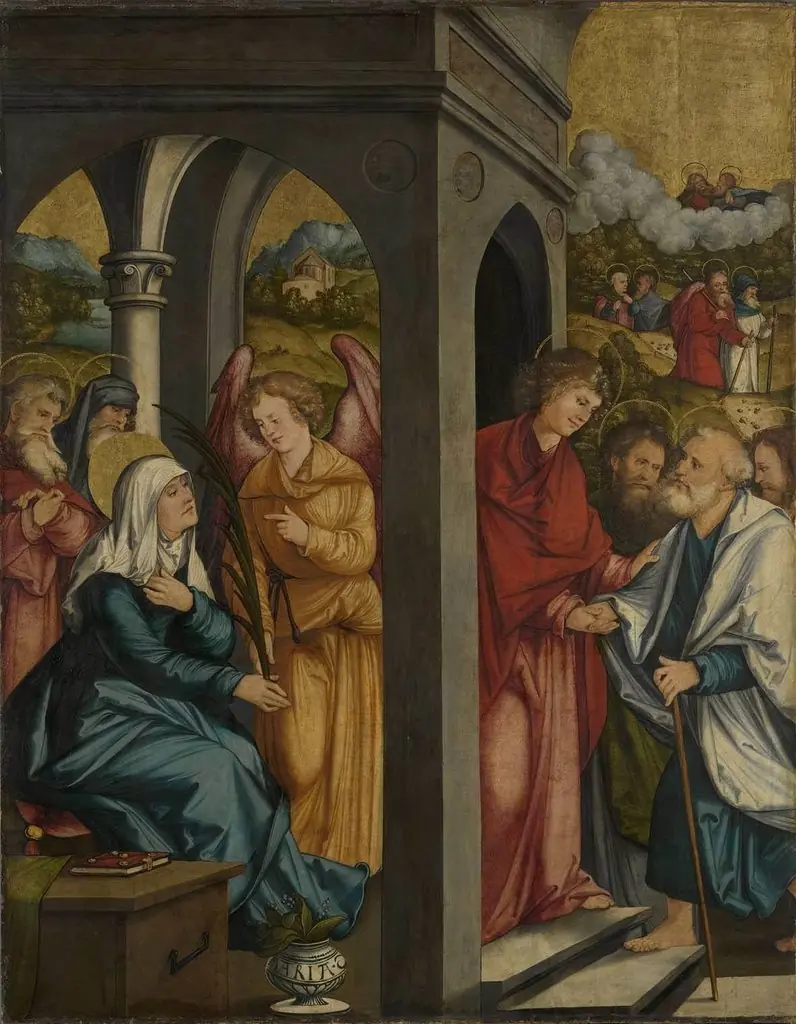 Christgartner Altar: Ein Engel reicht Maria die Palme
 Transfiguration
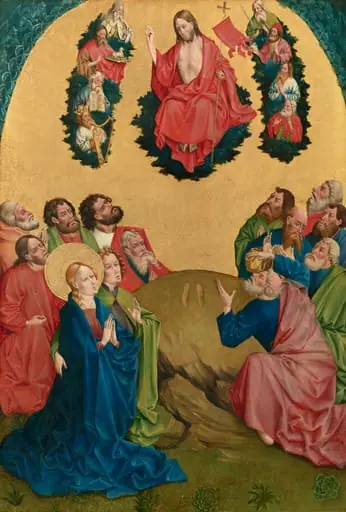
 The Ascension