Artwork
The Death of the Virgin
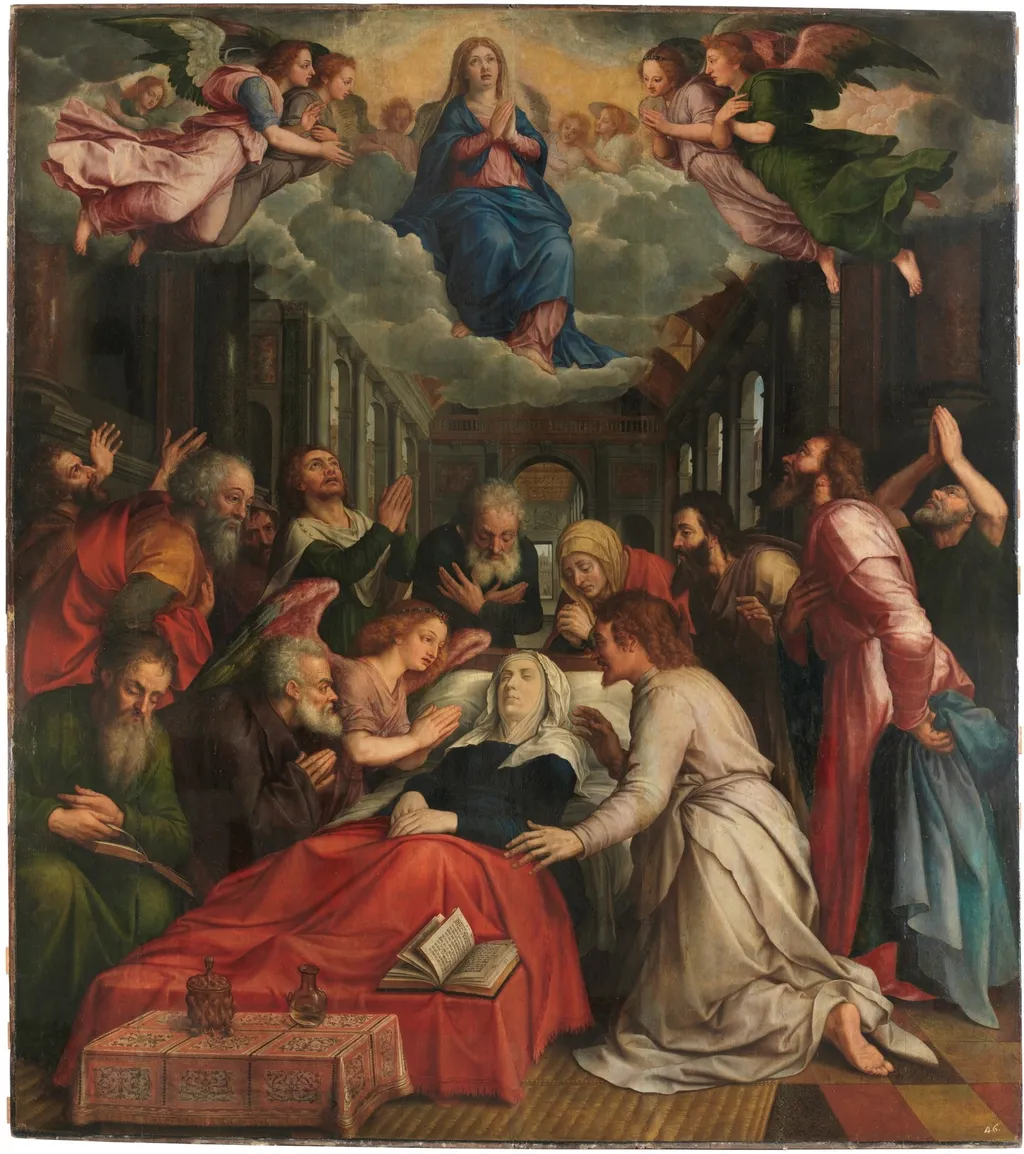
The Death of the Virgin is an oil painting by Michiel Coxie. It dates from 1550 and is held in the collection of the Museo del Prado.
About this work
Subject & Meaning
Another version of the subject, commissioned by the archers' guild of Brussels, resides in the Royal Museums of Fine Arts of Belgium.
The Death of the Virgin portrays the moment of the Virgin Mary's passing, emphasizing her physical decline and spiritual transition. The composition draws on classical models, combining muscular figures reminiscent of Michelangelo with the serene elegance of Raphael, while retaining a naturalistic treatment of objects and a distinctly Flemish color palette. The work functions as the central panel of a triptych originally painted for the collegiate church of Sainte-Gudule in Brussels and later acquired by King Philip II for the Escorial.
Another version of the subject, commissioned by the archers' guild of Brussels, resides in the Royal Museums of Fine Arts of Belgium.
Technique & Style
The Death of the Virgin is an oil painting on panel created circa 1555. It measures 208 cm in height and 182 cm in width and depicts the central panel of a triptych originally painted for the collegiate church of Sainte-Gudule in Brussels. The work was later acquired by King Philip II and transferred to the Monastery of El Escorial before entering the collection of the Museo del Prado in Madrid.
Michiel Coxcie combines the muscular figures of Michelangelo with the classical grace of Raphael’s school while retaining a realistic treatment of objects and a rich Flemish sensibility. The composition fills the space with varied poses and gestures, conveying a contained spirituality appropriate to the subject.
History & Provenance
Painted by Michiel Coxie around 1555, this work originally served as the central panel of a triptyche commissioned for the Collegiate Church of Saint Gudule in Brussels. The complete altarpiece, which included side panels depicting the Nativity and Presentation of the Virgin, was acquired by King Philip II of Spain, a frequent patron of the artist. In 1586, the monarch donated the triptych to the monastery of El Escorial alongside other works by Coxie. The painting is currently housed in the Museo del Prado in Madrid.
The Death of the Virgin is held by the Museo del Prado in Madrid. It forms the central panel of a triptych whose flanking wings, the Birth of the Virgin and the Presentation of the Virgin in the Temple, are also preserved at the Prado.
The triptych was originally painted for the Collegiate Church of Saint Gudula in Brussels. It was subsequently acquired by Philip II of Spain, for whom Coxcie worked as a court painter, and in 1586 the king donated the work, together with other pieces by the artist, to the Monastery of San Lorenzo de El Escorial.
Context
Michiel Coxie's The Death of the Virgin, created around 1550, occupies a significant position in the transition between Northern and Italian Renaissance traditions. The artist's training in both Brussels and Rome is evident in the work's synthesis of Michelangelo's muscular figure style with the classical beauty associated with Raphael, all while maintaining a distinctively Flemish realism in the depiction of objects. Originally the central panel of a triptyque commissioned for the collegiate church of Sainte-Gudule in Brussels, the painting reflects Coxie's status as a favored court painter to Philip II of Spain.
The monarch later transferred the triptyque, along with other works by the artist, to the Monastery of El Escorial in 1586. The composition manages to convey the spiritual gravity of the scene through a crowded arrangement of poses and gestures, avoiding excessive emotional exaltation in favor of contained drama.
Overview
Created circa 1550 by the Flemish painter Michiel Coxie the Elder, this oil on canvas depicts the final moments of the Virgin Mary. The work is part of the collection of the Museo del Prado in Madrid. Coxie, known for his altarpieces and stained‑glass designs, was active in the courts of Charles V and Philip II, earning a contemporary reputation as the “Flemish Raphael.”
Own this work as a print
Artist & collection
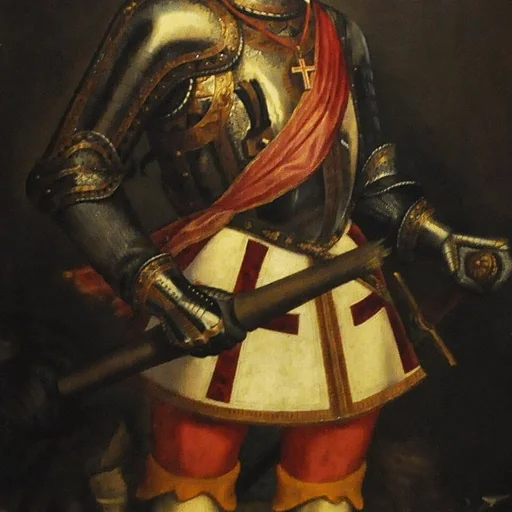
Artist
Michiel Coxie the Elder, Michiel Coxcie the Elder or Michiel van Coxcie, Latinised name Coxius (1499 – 3 March 1592), was a Flemish painter of altarpieces and portraits, a draughtsman and a designer of stained-glass windows, tapestries and…