Artwork
Chipping Sparrow
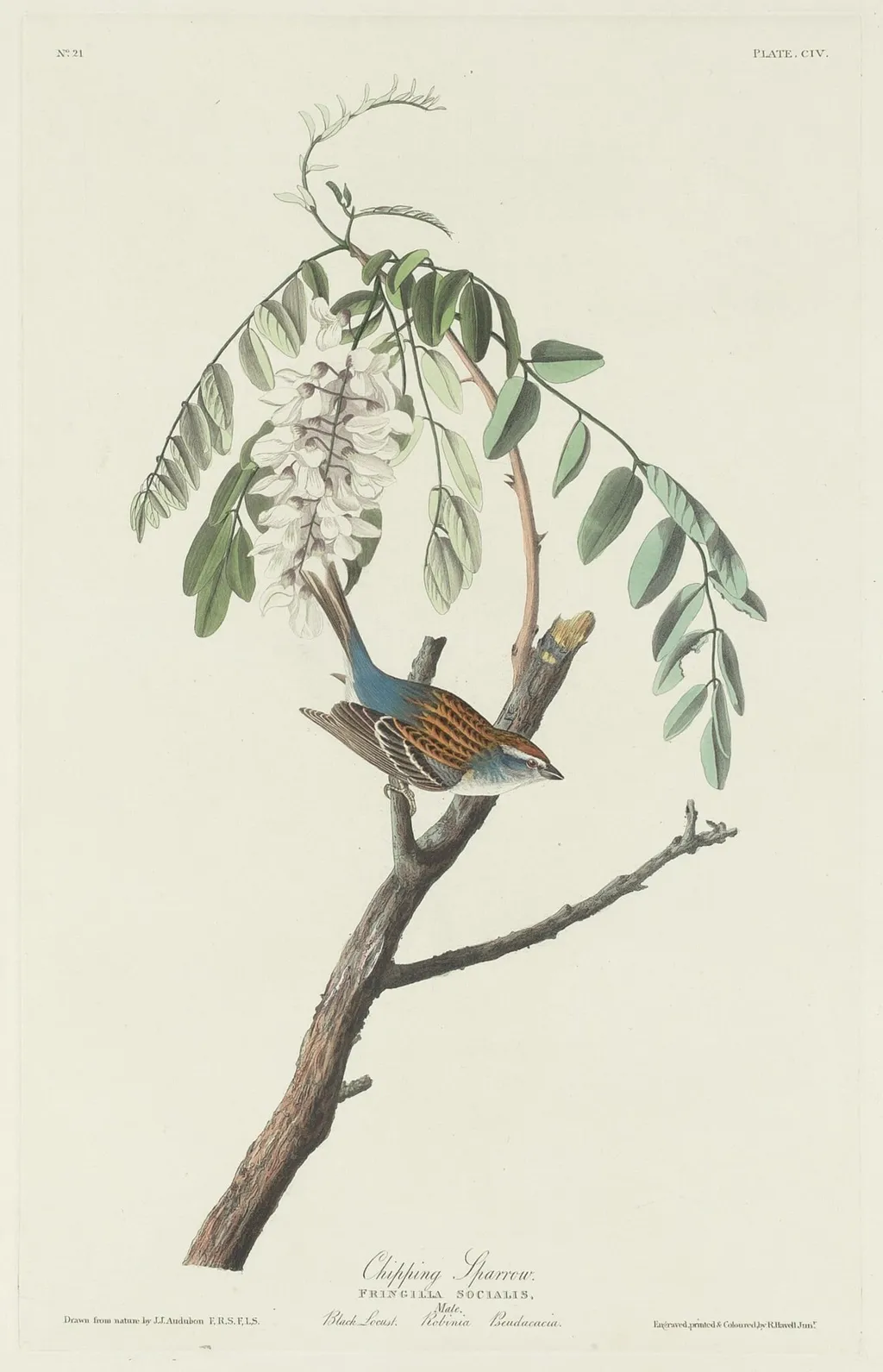
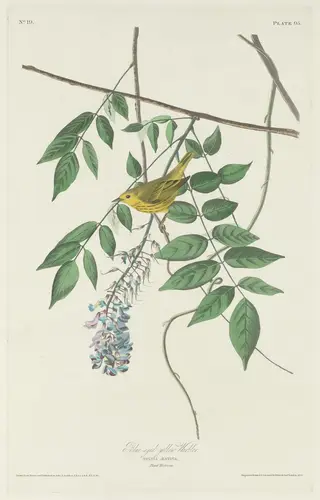
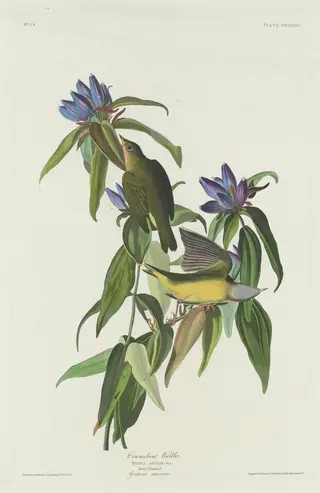
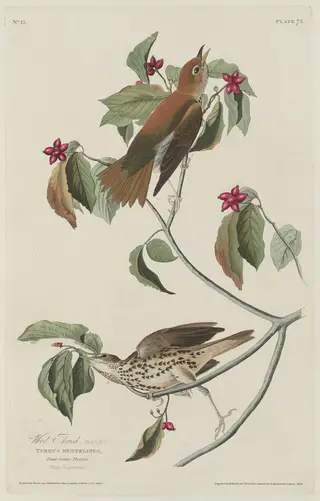
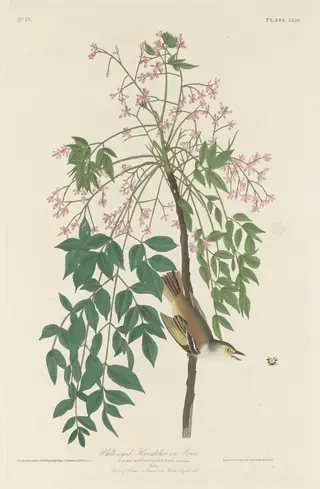
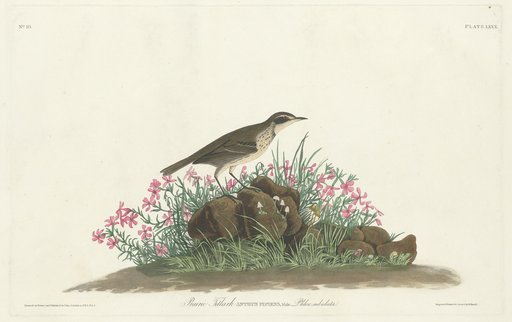
Chipping Sparrow is an ink print by the Romanticist artist Havell, Jr., Robert. It dates from 1831 and is held in the collection of the National Gallery of Art.
About this work
Overview
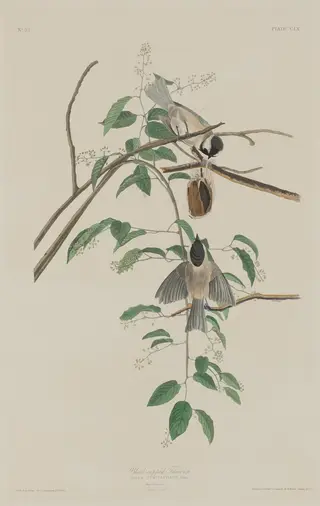
Chipping Sparrow is a hand-colored engraving and aquatint print created by Robert Havell Jr. in 1831 on Whatman wove paper. The piece showcases the artist's skill in capturing natural subjects with precision.
Subject & Meaning
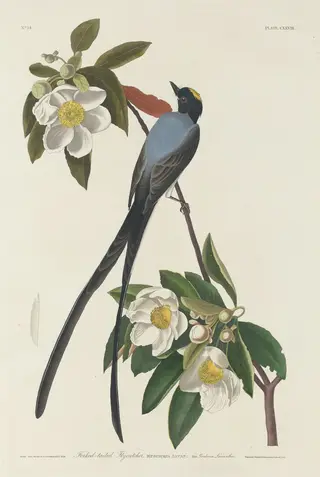
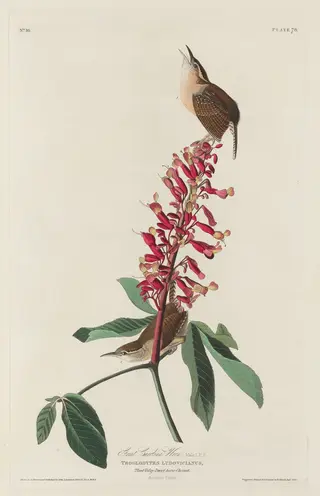
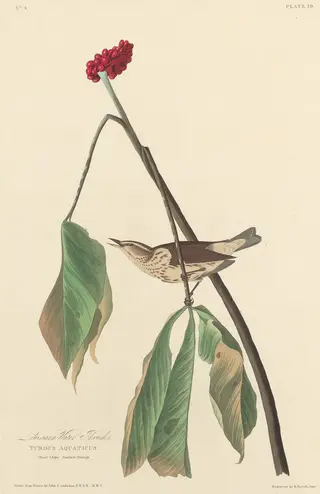
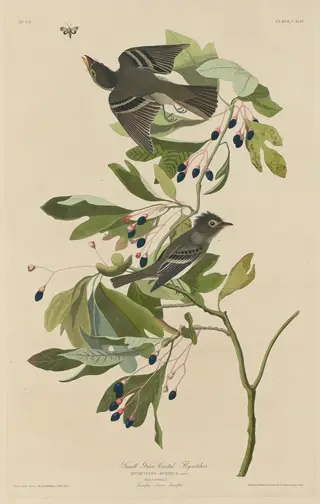
The print depicts a Chipping Sparrow perched on a bare branch, with a nearby leafy branch bearing white black locust flowers. The detailed rendering reflects the 19th-century tradition of meticulous nature study.
Technique & Style
Employing the aquatint technique, a method for which the Havell family was renowned, Havell Jr. achieved soft, natural colors. The engraving highlights his attention to the bird's feathers and the botanical details of its surroundings.
History & Provenance
As the son of Robert Havell the Elder, a prominent engraver and publisher, Robert Havell Jr. was part of a family of artists and craftsmen influential in 19th-century printmaking and publishing.
Context
Chipping Sparrow exemplifies the early 19th-century interest in natural history illustrations, characterized by accurate and detailed representations of flora and fauna.
Legacy
While specific legacy details of Chipping Sparrow are not provided, the work contributes to the broader recognition of the Havell family's contributions to the development of aquatint in printmaking, particularly in botanical and zoological illustrations.
Own this work as a print
Artist & collection
Artist
The Havell family of Reading, Berkshire, England, included a number of notable engravers, etchers and painters, as well as writers, publishers, educators, and musicians.