Artwork
Key-west Dove
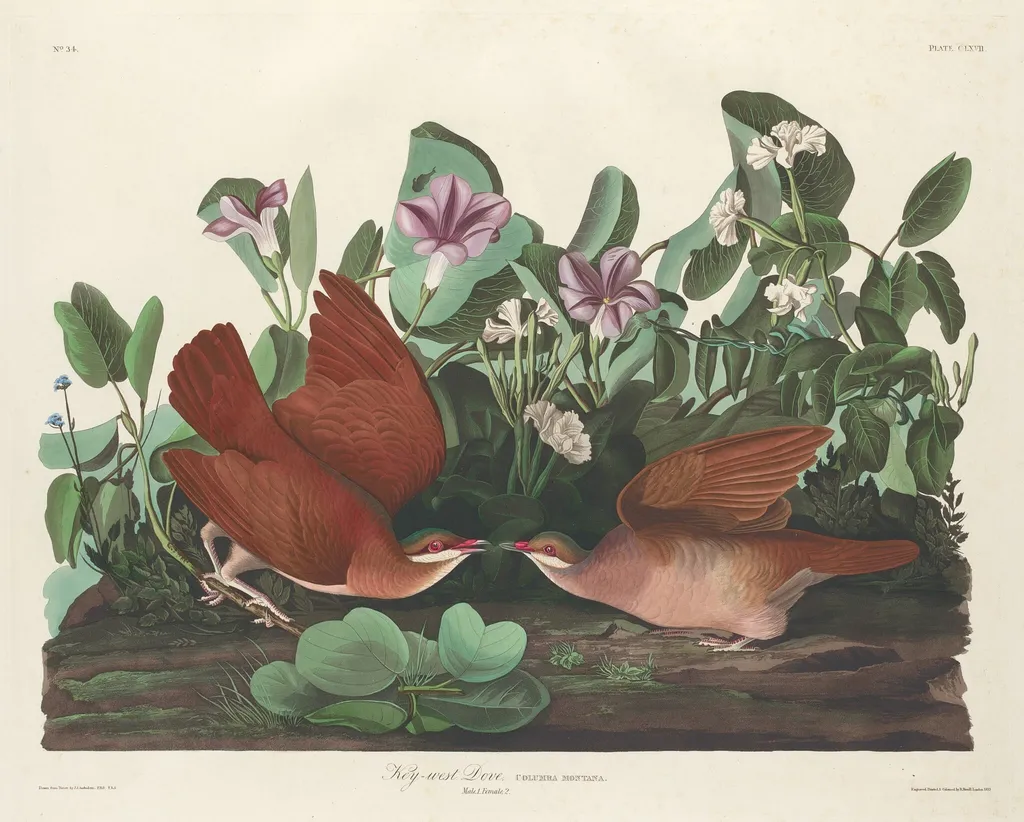
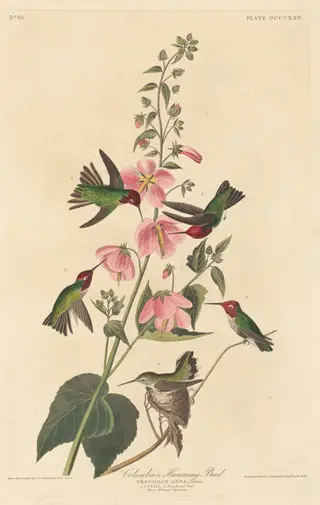
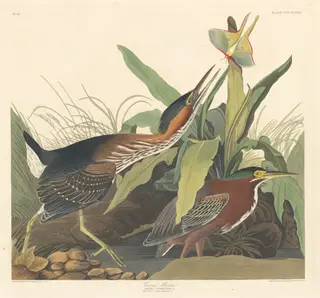
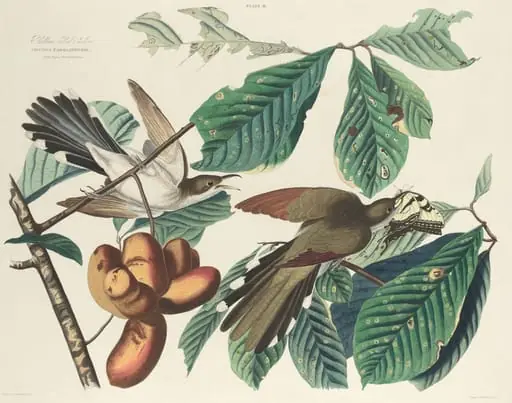
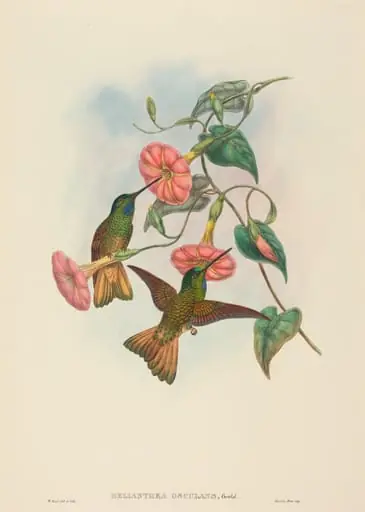
Key-west Dove is an ink print by the Romanticist artist Havell, Jr., Robert. It dates from 1833 and is held in the collection of the National Gallery of Art. Created in 1833, Key‑west Dove is a hand‑coloured engraving combined with aquatint, printed on fine Whatman wove paper.
About this work
Overview
The work exemplifies early‑nineteenth‑century natural‑history illustration, balancing scientific observation with decorative appeal.
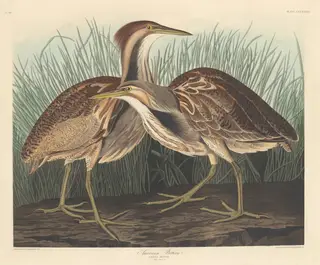
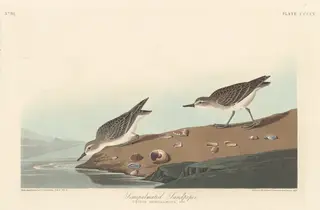
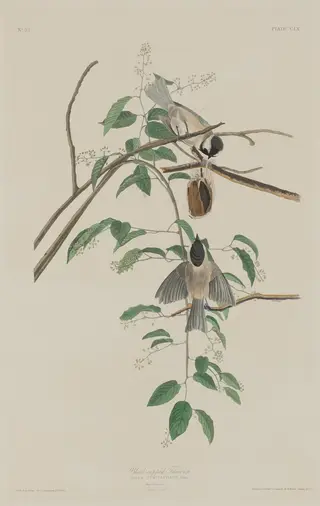
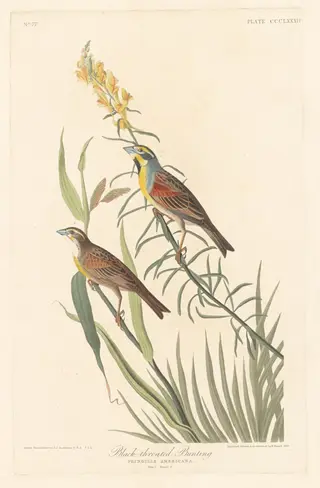
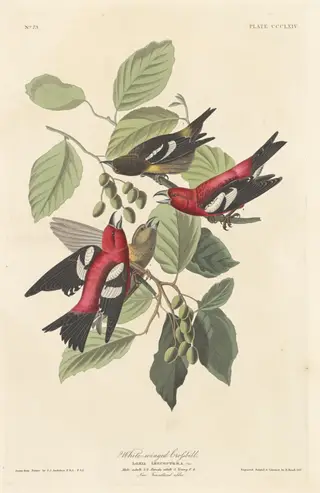
Created in 1833, Key‑west Dove is a hand‑coloured engraving combined with aquatint, printed on fine Whatman wove paper. The image presents two birds perched on a log amid a lush arrangement of pink, white and red blossoms, their feathers rendered with meticulous attention to texture. The work exemplifies early‑nineteenth‑century natural‑history illustration, balancing scientific observation with decorative appeal.
Technique & Style
The print employs aquatint to achieve a range of subtle tonal washes, a method the Havell workshop helped to perfect. Engraving provides the precise line work that defines the birds’ plumage and the botanical details, while hand‑applied colour enhances the vivid reds, browns and greens. The combination of these processes yields a richly layered surface typical of the period’s high‑quality prints.
Subject & Meaning
At its centre are a male and female bird, identified as doves, rendered in contrasting hues, deep red on the male’s chest and softer browns on the female. The surrounding flora, dominated by pink and white flowers, creates a harmonious natural setting, reflecting contemporary interest in documenting wildlife within its habitat and suggesting an idealised vision of the Indian subcontinent’s biodiversity.
History & Provenance
The piece originates from the Havell family workshop, a lineage that included Robert Havell the Elder, his brother Luke, and nephew Daniel, all noted for their contributions to engraving and publishing. Robert Havell Jr., who produced this print, continued the family’s engagement with Indian artistic themes, supplying images for scientific and decorative publications of the era.
Context
During the early 1800s, European audiences were fascinated by exotic flora and fauna, spurred by colonial exploration and the rise of natural‑history societies. Prints like Key‑west Dove catered to this demand, serving both as educational material and as decorative objects for genteel interiors, illustrating the intersection of art, science, and imperial curiosity.
Own this work as a print
Artist & collection
Artist
The Havell family of Reading, Berkshire, England, included a number of notable engravers, etchers and painters, as well as writers, publishers, educators, and musicians.