Artwork
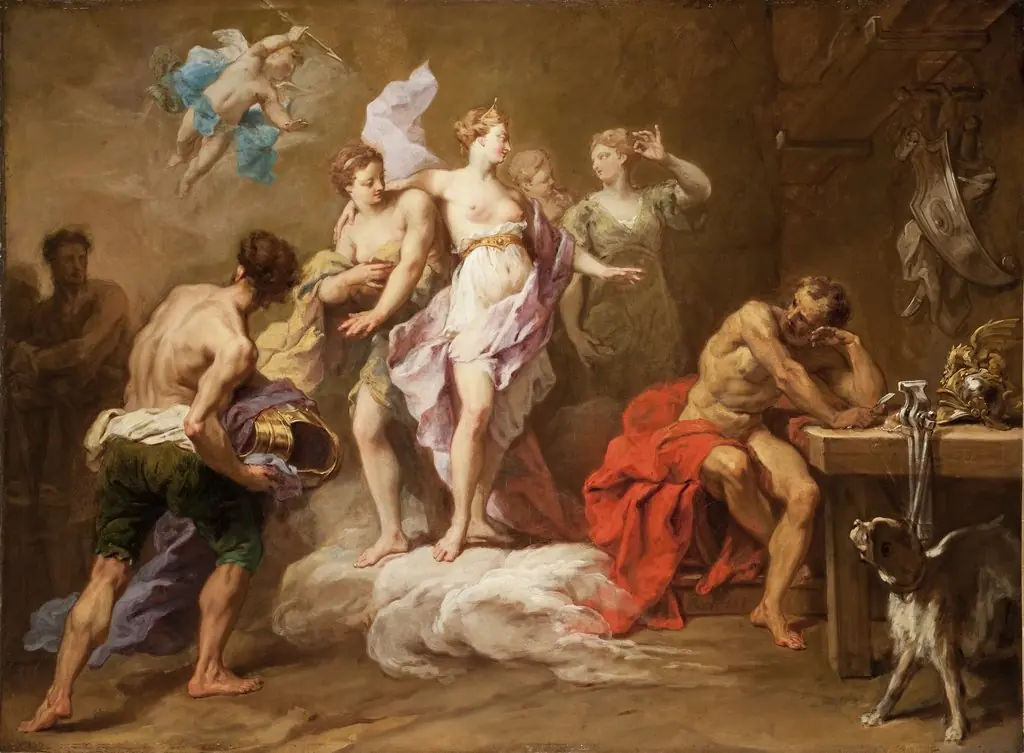
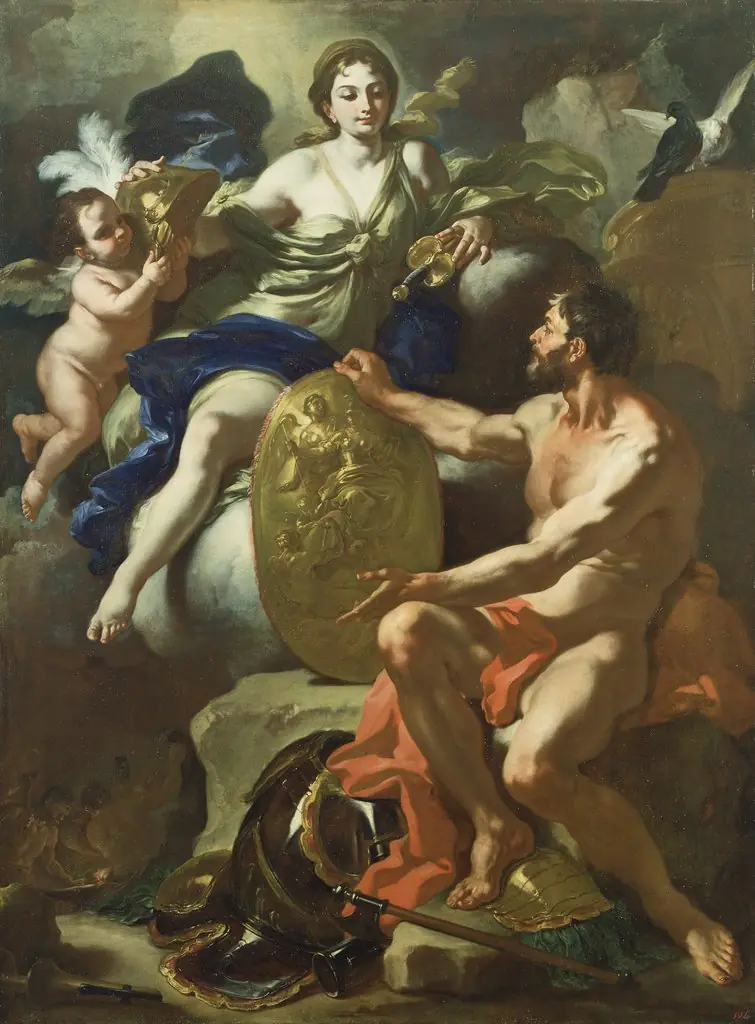
Venus in the forge of Vulcan
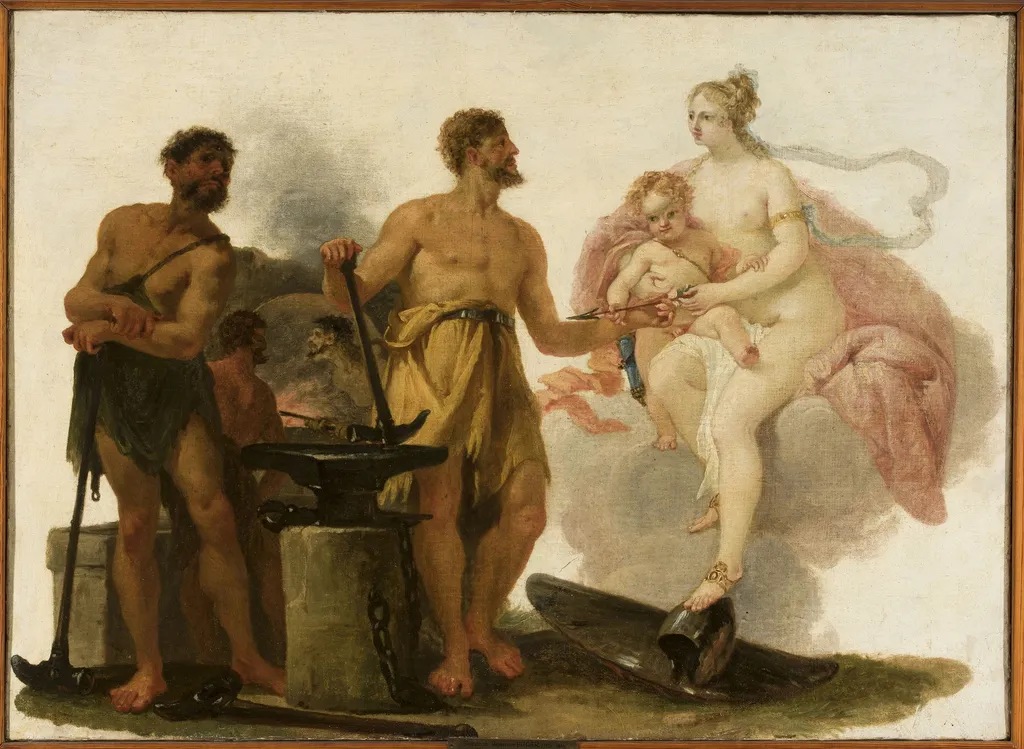
Venus in the forge of Vulcan is an oil painting by Heinrich Füger. It dates from 1794 and is held in the collection of the National Museum in Warsaw.
About this work
Overview
Heinrich Friedrich Füger painted Venus in the Forge of Vulcan circa 1794 in oil on canvas. A German artist associated with classical ideals, Füger rendered a mythological episode from ancient tradition. The work is part of the National Museum in Warsaw’s collection, where it remains as a representative example of late 18th-century European historical painting rooted in classical themes.
Subject & Meaning
The presence of the infant suggests a moment of tenderness amid industrial labor, contrasting divine grace with mortal toil.
The scene illustrates Venus, goddess of love, visiting Vulcan’s workshop, where he forges weapons for the gods. She holds her infant son, Cupid, symbolizing the union of love and craftsmanship. The presence of the infant suggests a moment of tenderness amid industrial labor, contrasting divine grace with mortal toil. The narrative draws from Roman mythology, emphasizing the interplay between passion and creation.
Technique & Style
Füger employed chiaroscuro to define forms and direct focus, using strong contrasts between light and shadow to heighten the drama. Warm tones dominate the forge’s interior, enhancing the sense of heat and depth. The figures are rendered with restrained anatomical precision, reflecting classical training. Background tools and equipment are rendered with careful detail, grounding the myth in a tangible, earthly setting.
History & Provenance
The painting was completed during Füger’s mature period, following his time in Vienna and Rome, where he absorbed neoclassical influences. It entered the National Museum in Warsaw’s collection in the 19th century, likely through acquisition or donation. Its preservation reflects the museum’s early commitment to European academic art, though its specific journey before institutional ownership remains undocumented.
Context
Created during the height of neoclassicism, the work aligns with broader European efforts to revive classical antiquity in art. Füger’s choice of mythological subject matter responded to Enlightenment-era interests in moral and intellectual narratives drawn from antiquity. The painting’s restrained emotion and structured composition reflect the period’s preference for order over theatricality, distinguishing it from contemporaneous Romantic tendencies.
Legacy
Though not widely reproduced, the painting stands as a quiet example of German academic classicism in Eastern Europe. It contributes to understanding how classical themes were interpreted beyond Italy and France, particularly in regions influenced by Habsburg cultural networks. Its continued display in Warsaw underscores its role as a historical artifact of 18th-century artistic values rather than a celebrated icon.
Own this work as a print
Artist & collection
Artist
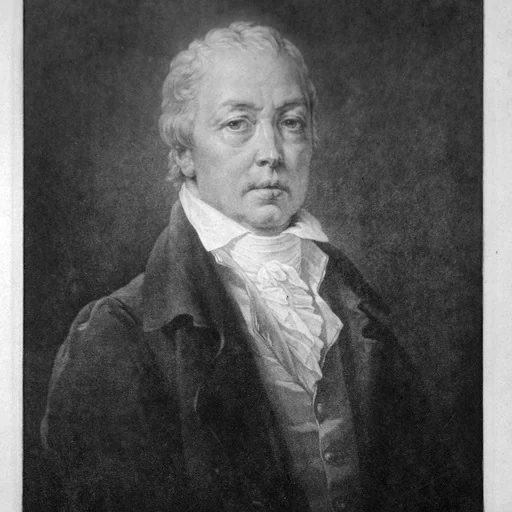
Heinrich Friedrich Füger (8 December 1751 – 5 November 1818) was a German portrait and historical painter and one of the most important German representatives of classicism.

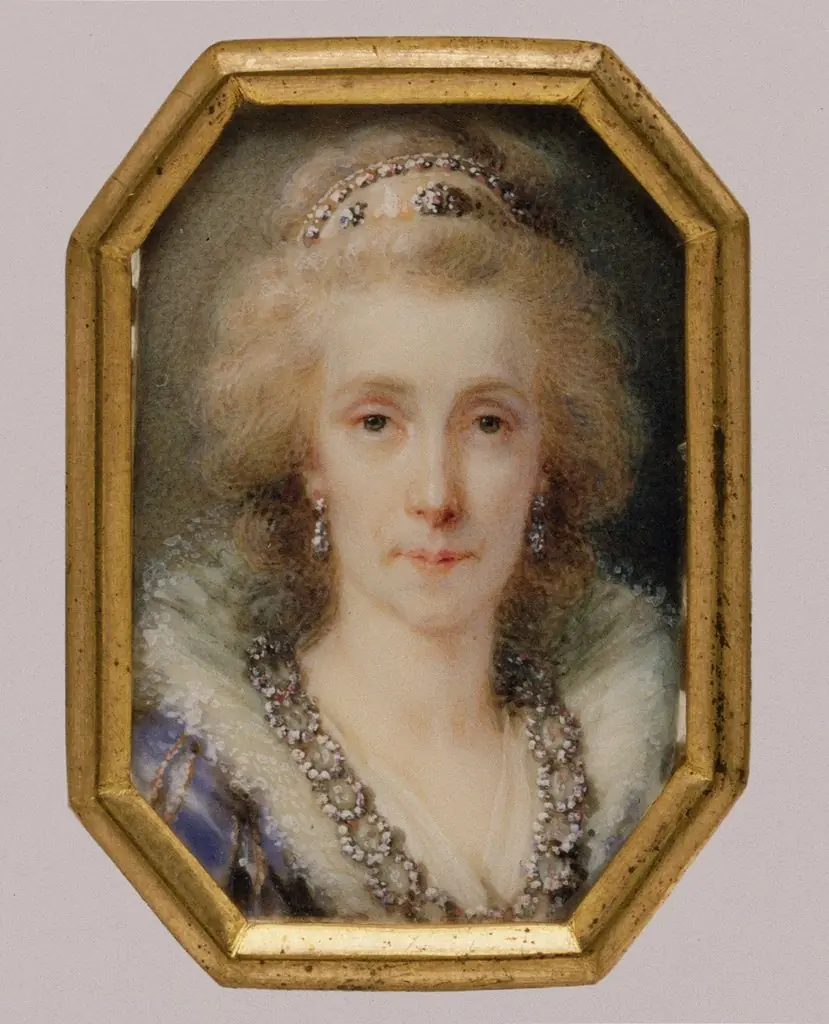 Maria Louisa (1745–1792), Empress of Austria
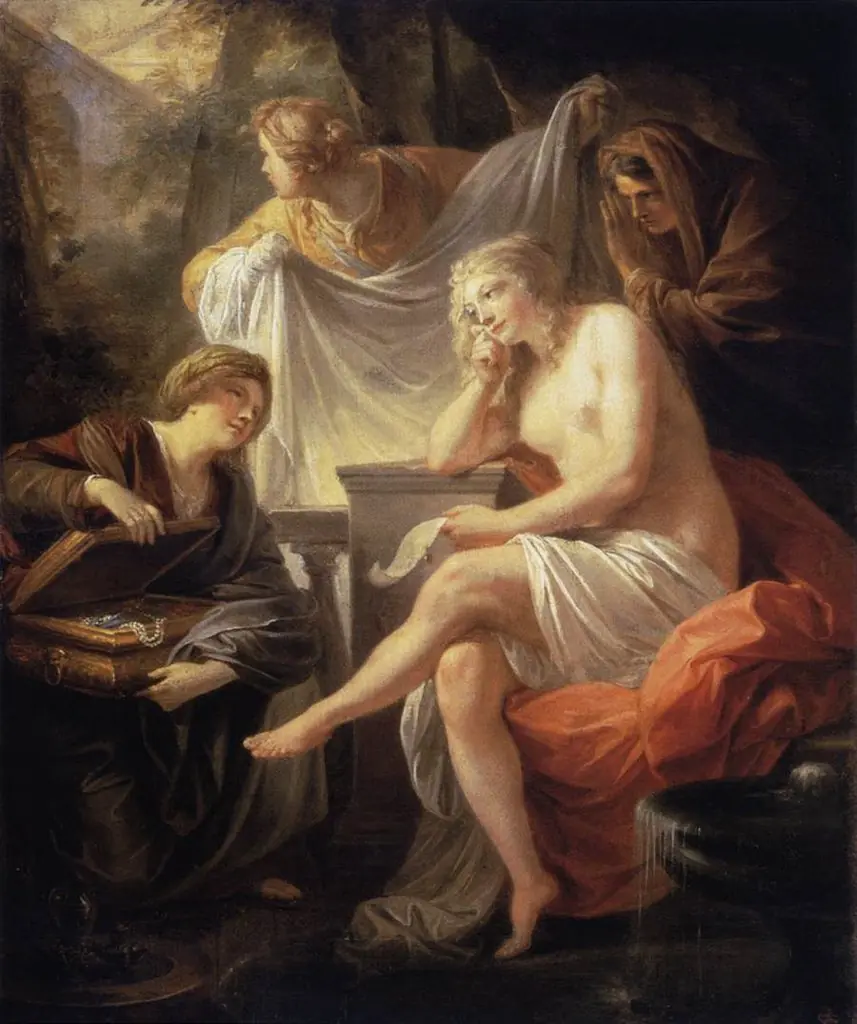 Bathsheba at her bath
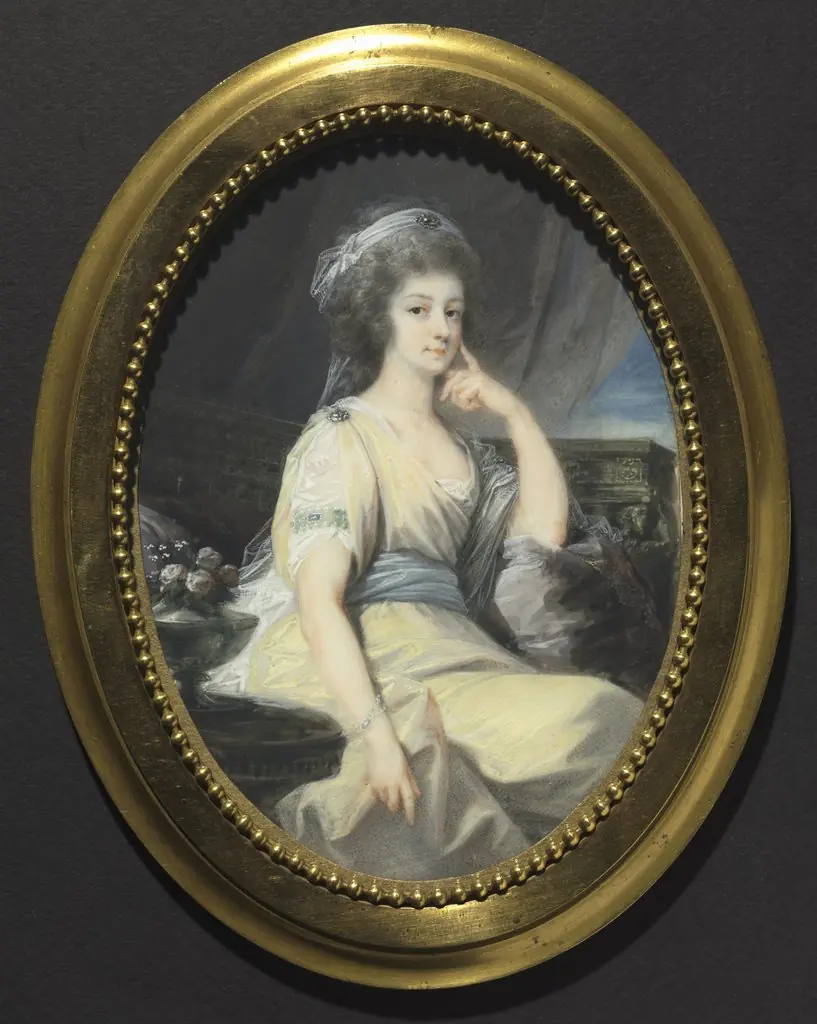 Portrait of Marie Karolina Anna, Countess Thun
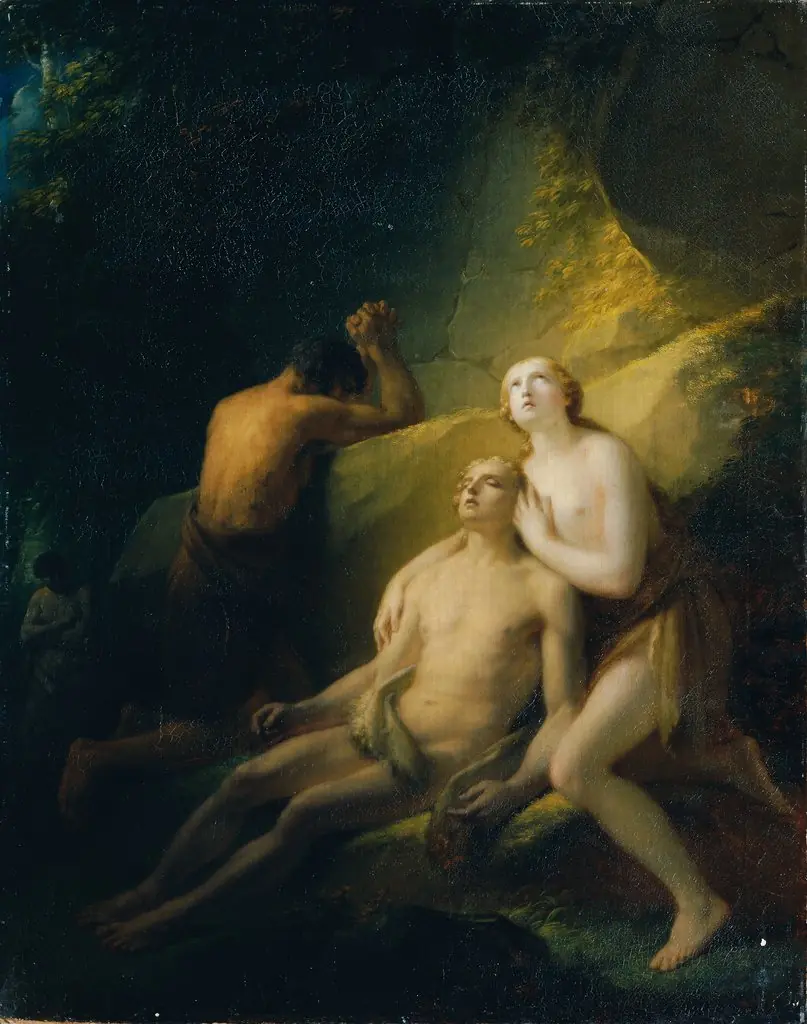 Adam and Eve Mourn the Dead Abel
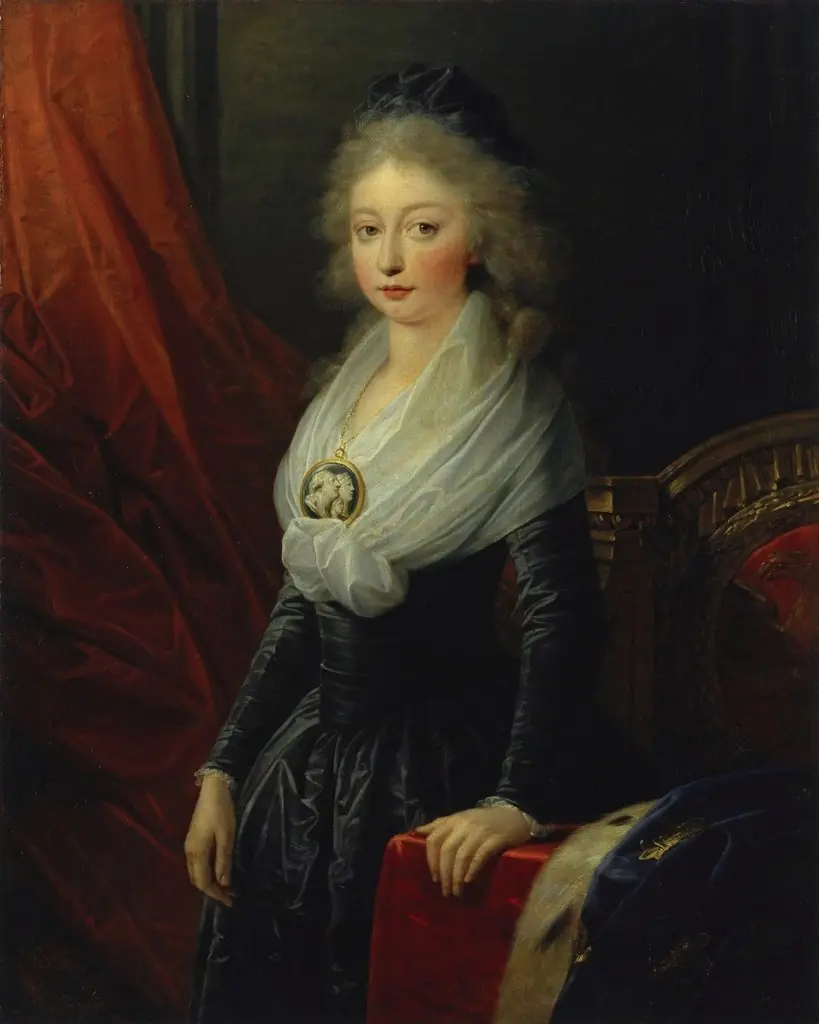 Portrait of Maria Theresia Charlotte of Bourbon
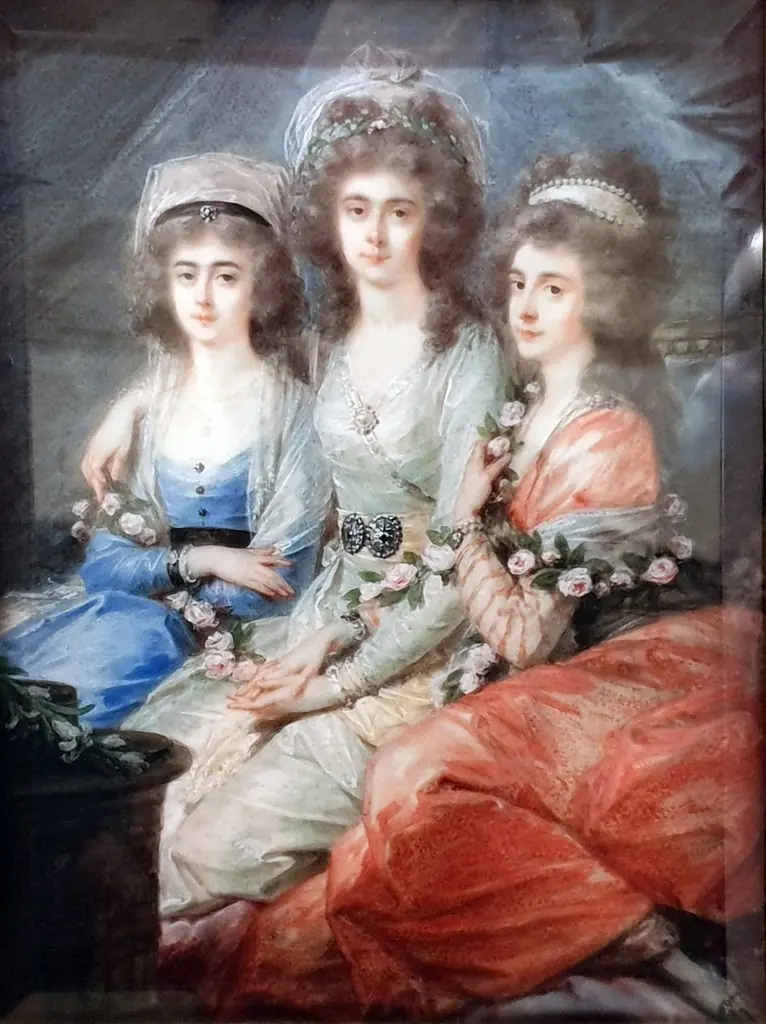 The countesses Elisabeth, Christiane and Marie Karoline Thun-Hohenstein-Klösterle
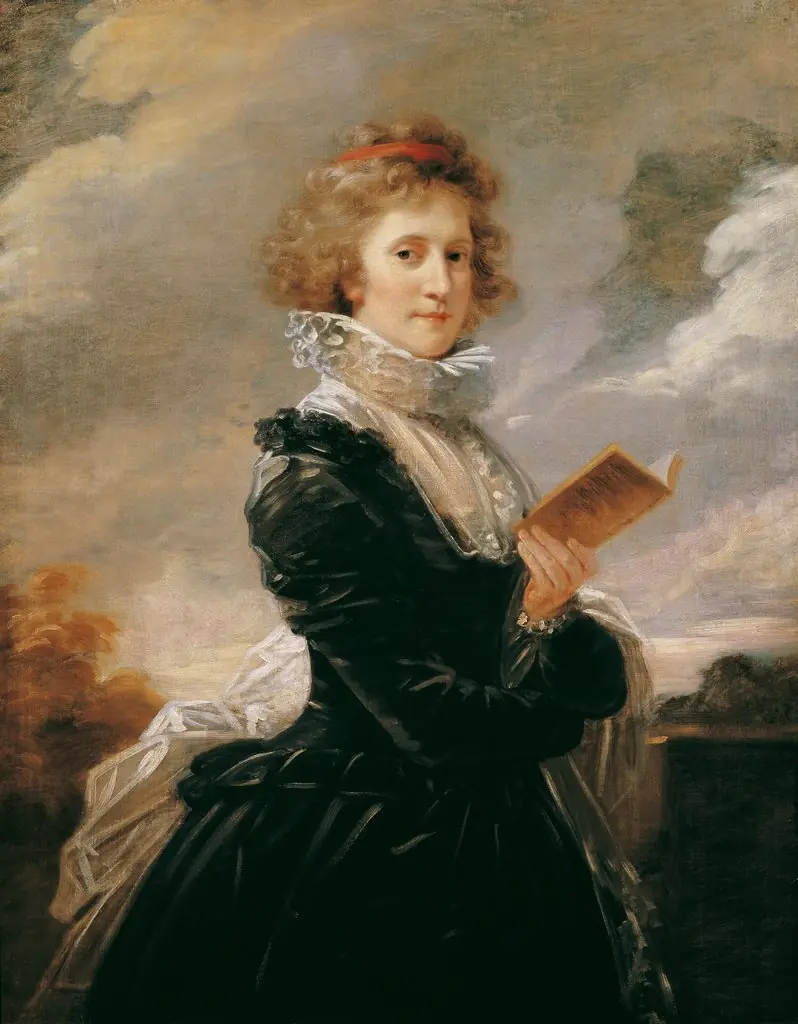 The actress Josefa Hortensia Füger, the wife of the artist
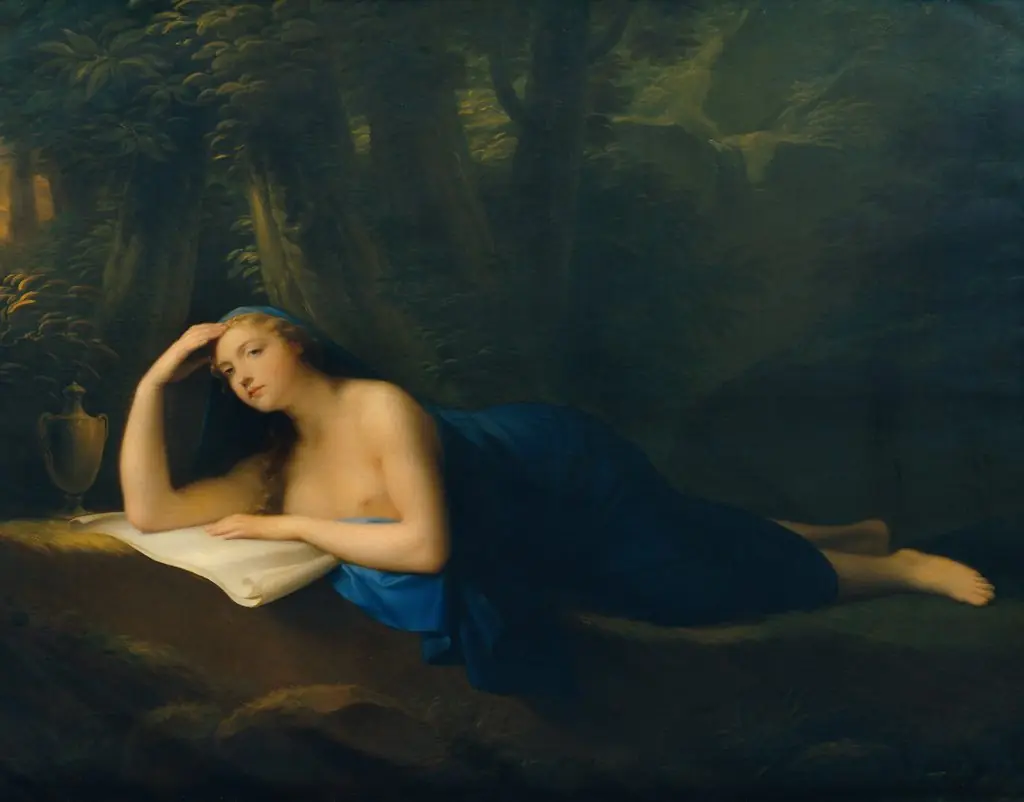 The Penitent Magdalene