Artwork
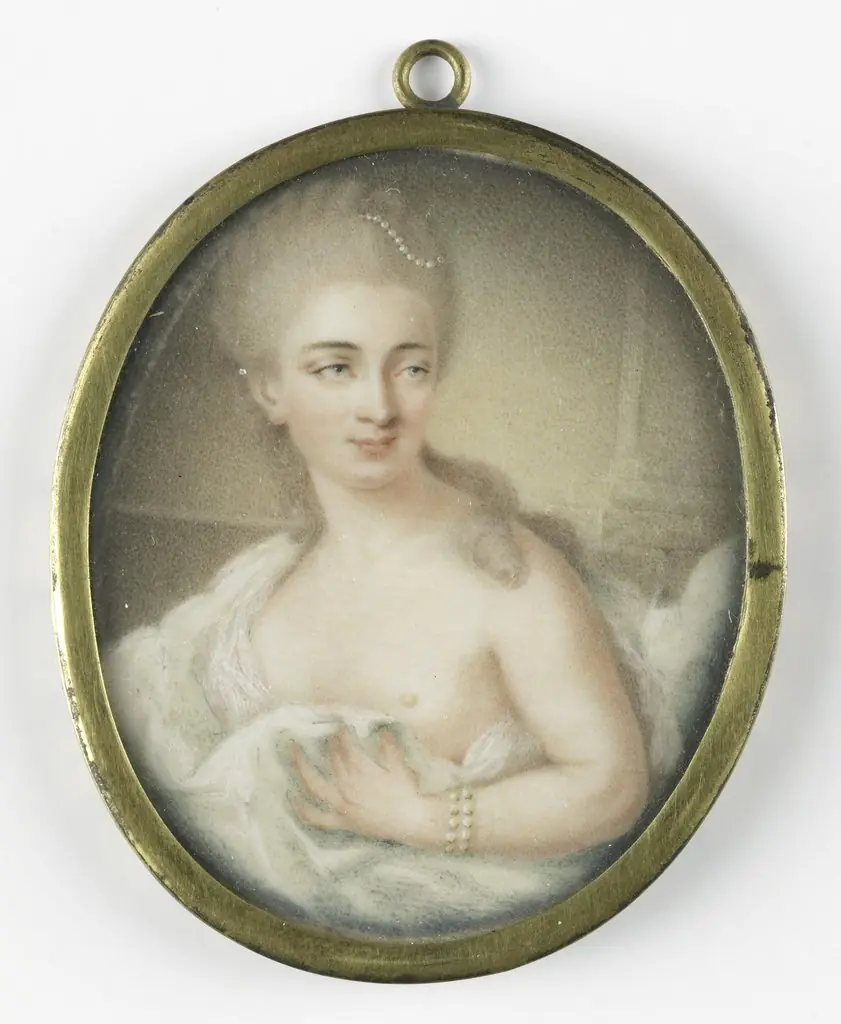
Portrait of Marie Karolina Anna, Countess Thun
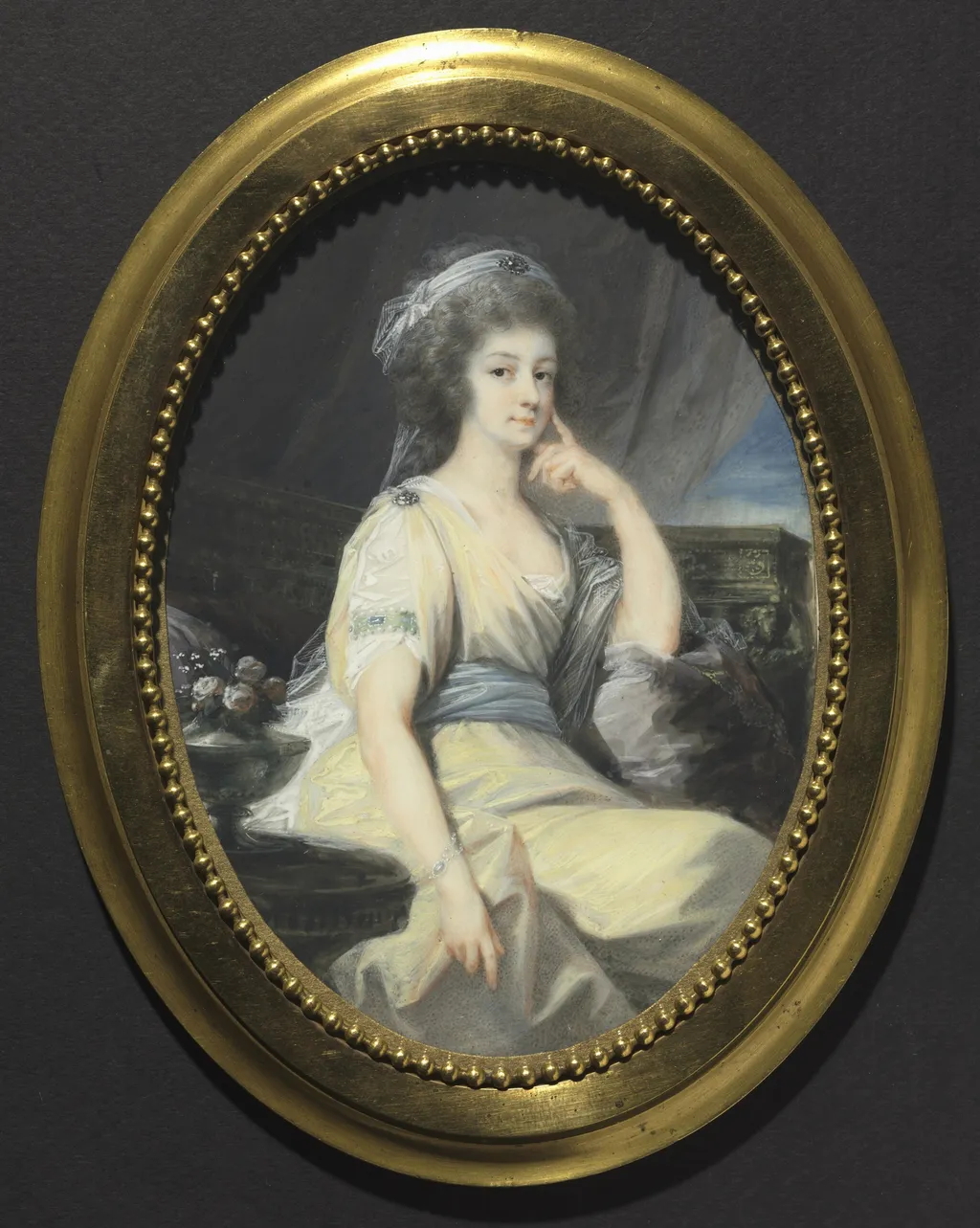
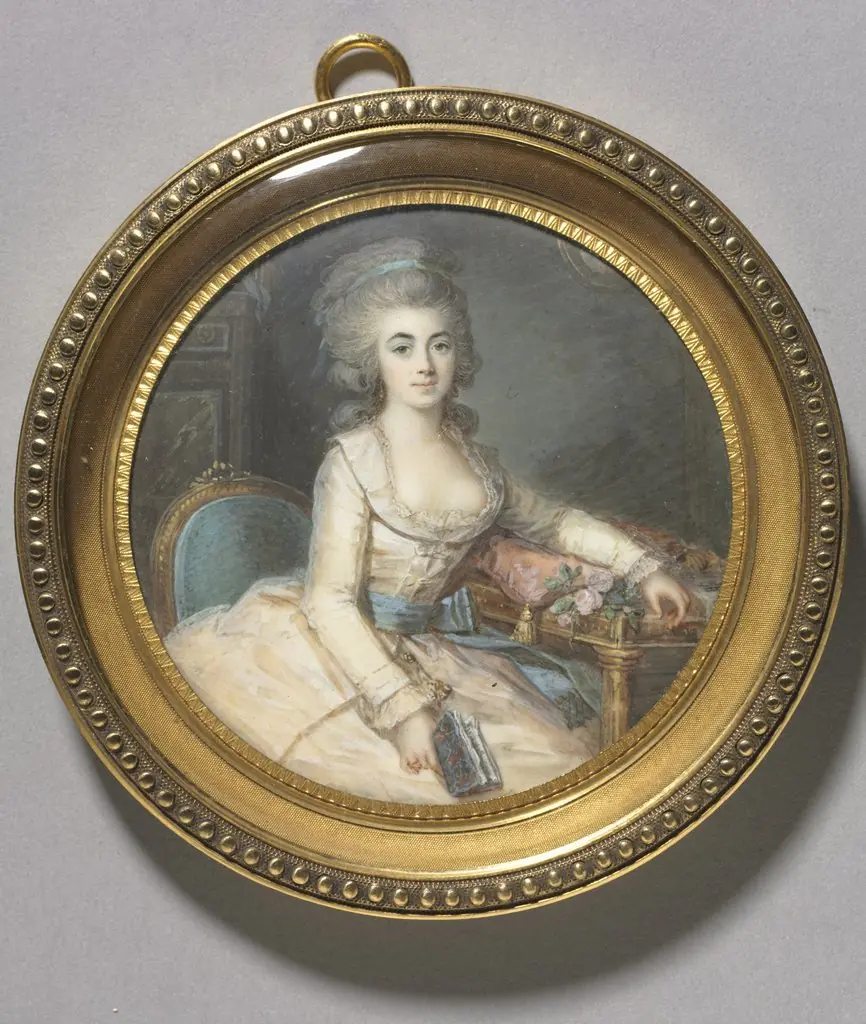
Portrait of Marie Karolina Anna, Countess Thun is a watercolor painting by the Rococo painting artist Heinrich Füger. It dates from 1793 and is held in the collection of the Cleveland Museum of Art.
About this work
Technique & Style
The work is a portrait miniature executed in watercolor on a thin ivory panel, a support typical of late‑18th‑century Austrian portraiture.
The work is a portrait miniature executed in watercolor on a thin ivory panel, a support typical of late‑18th‑century Austrian portraiture. The artist applied translucent watercolor washes to the polished ivory surface, allowing the natural translucency to enhance the delicate modeling of the sitter’s features. The painting measures approximately 17.5 cm in height by 12.7 cm in width and dates to 1785, as recorded in the museum’s catalogue.
Its formal qualities include a restrained palette, fine linear detail, and a composition that emphasizes the sitter’s aristocratic poise while maintaining the intimate scale of a miniature portrait. The work is housed in the Cleveland Museum of Art.
History & Provenance
Heinrich Füger created this portrait miniature of Marie Karolina Anna, Countess Thun, in 1785. Executed in watercolor on ivory, the work measures 17.5 by 12.7 centimeters. While one record suggests a creation window extending to 1790, the specific date of 1785 is established as the primary inception year.
The piece was produced in Germany. It eventually entered the collection of the Cleveland Museum of Art, where it is cataloged under the accession number 1942.1142, indicating its acquisition by the institution in 1942.
The portrait miniature of Marie Karolina Anna, Countess Thun, is held in the collection of the Cleveland Museum of Art in Cleveland. The work carries the museum's accession number 1942.1142. While the artwork was created in 1785, the specific exhibition history for this piece is not detailed in the provided sources.
Context
The Portrait of Marie Karolina Anna, Countess Thun, executed in 1785 on ivory, exemplifies the German neoclassical portrait miniature tradition. Heinrich Füger, a court painter active in Vienna and later in Munich, specialized in small-scale works that combined precise draftsmanship with delicate coloration on ivory supports.
The painting, now in the Cleveland Museum of Art, was regarded in its time as a refined representation of aristocratic elegance and was documented in contemporary inventories as a status symbol for the nobility. Modern scholarship interprets the work as indicative of Füger’s transition from large‑scale oil portraiture to intimate formats, reflecting broader shifts in elite visual culture during the late Enlightenment.
Overview
Heinrich Friedrich Füger, a prominent German classicist painter, completed the Portrait of Marie Karolina Anna, Countess Thun in 1793. This intimate painting, rendered on ivory, captures the noblewoman in a refined pose characteristic of late 18th-century portraiture. The artwork is presently housed within the collection of The Cleveland Museum of Art, representing a notable example of Füger's work.
Subject & Meaning
The portrait presents Countess Marie Karolina Anna in an elegant, seated posture, her gaze directed subtly away from the viewer. Dressed in a light gown accented with a blue sash, her hair is meticulously styled. Her hand rests gently on her chest, conveying a sense of composure and grace.
A dark curtain and a floral vase in the background provide a traditional setting, emphasizing the subject's status and the formal nature of the commission.
Own this work as a print
Artist & collection
Artist
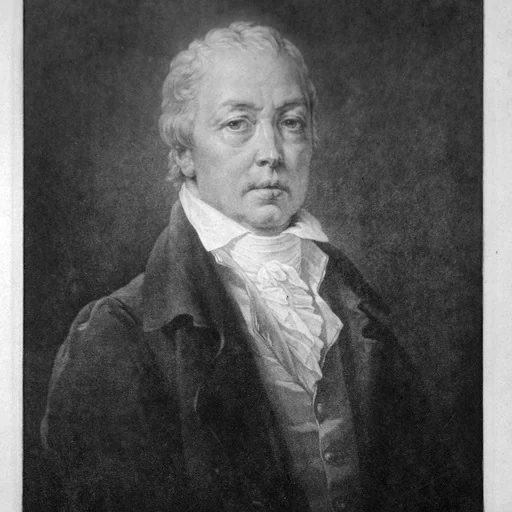
Heinrich Friedrich Füger (8 December 1751 – 5 November 1818) was a German portrait and historical painter and one of the most important German representatives of classicism.

 Portrait of a Woman
 Portrait of a Woman, called Mrs. Close
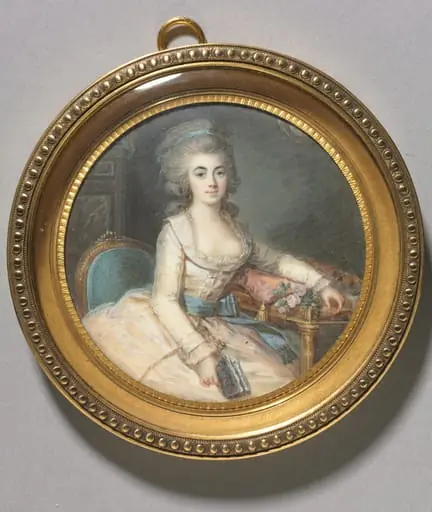 Portrait of a Woman
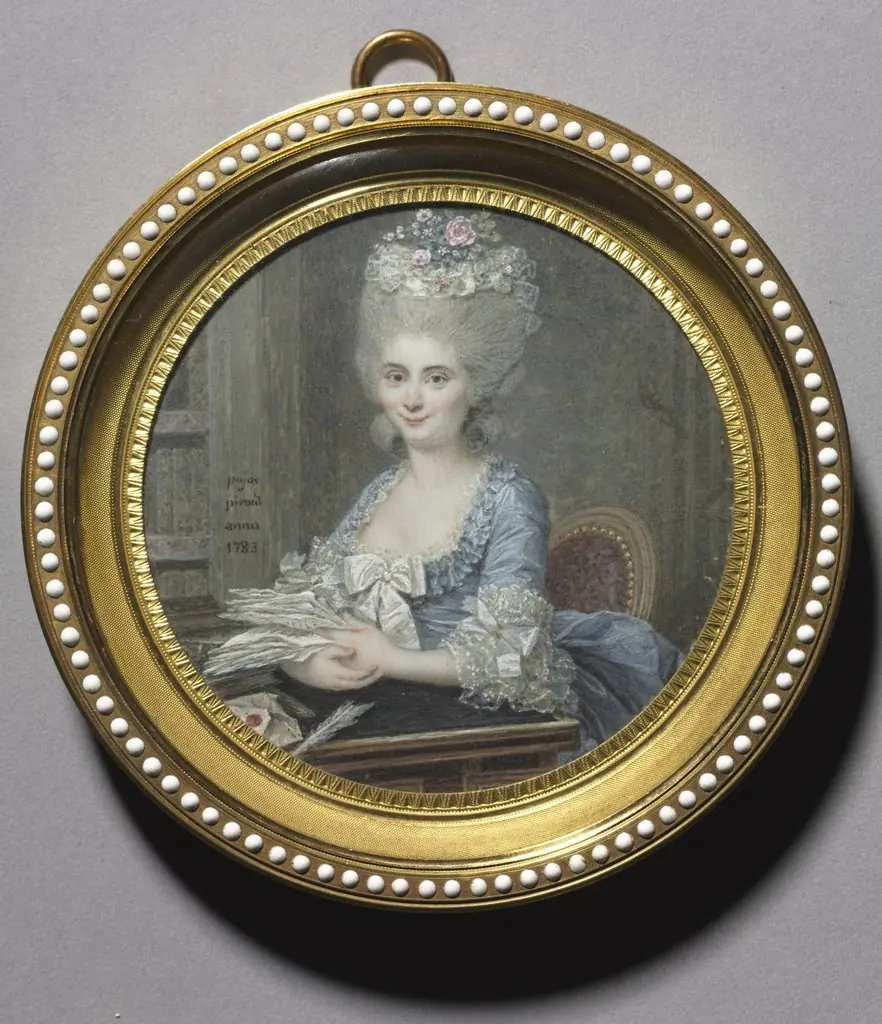 Portrait of a Woman in a Blue Dress
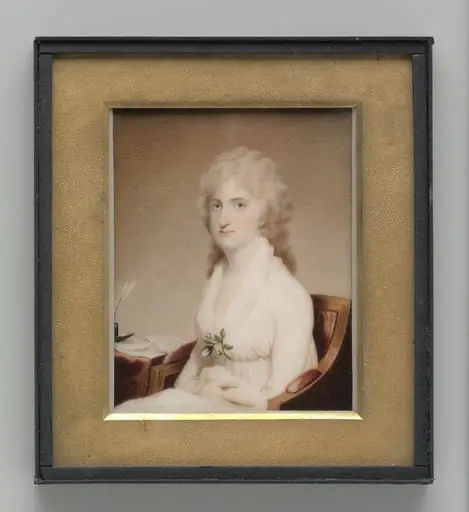 Mrs. Richard Peters (Abigail Willing)
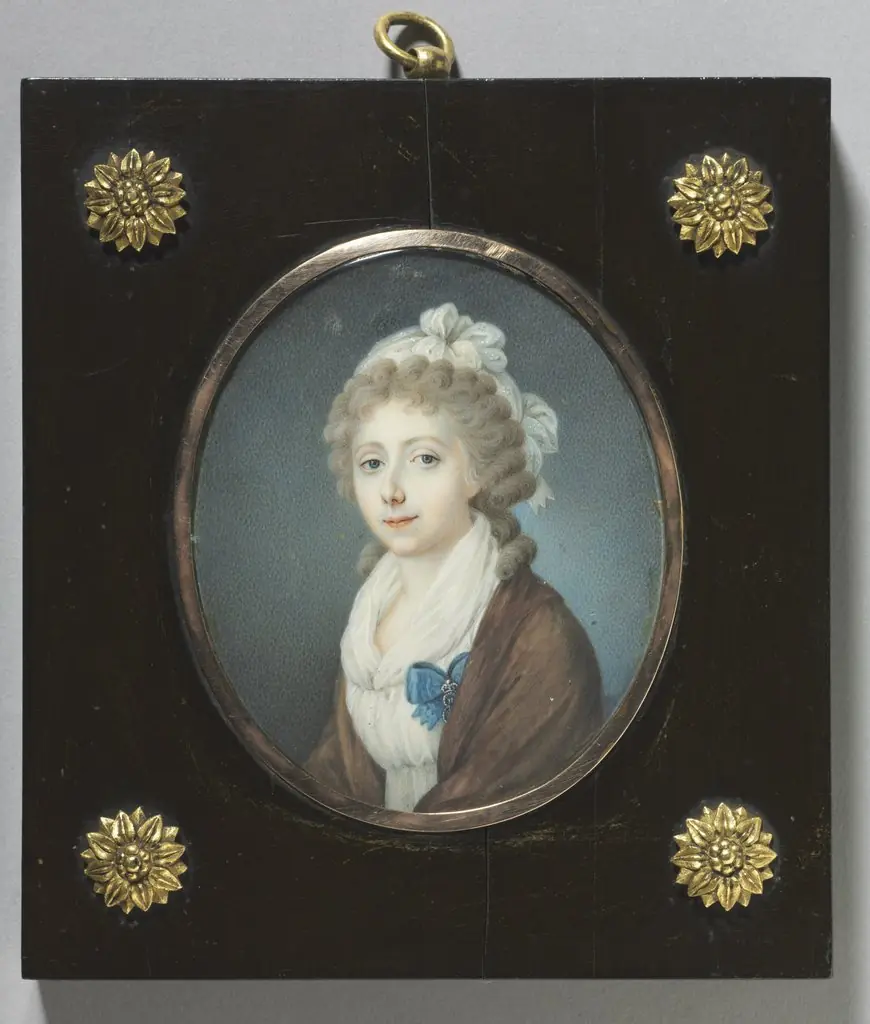 Portrait of a Noblewoman
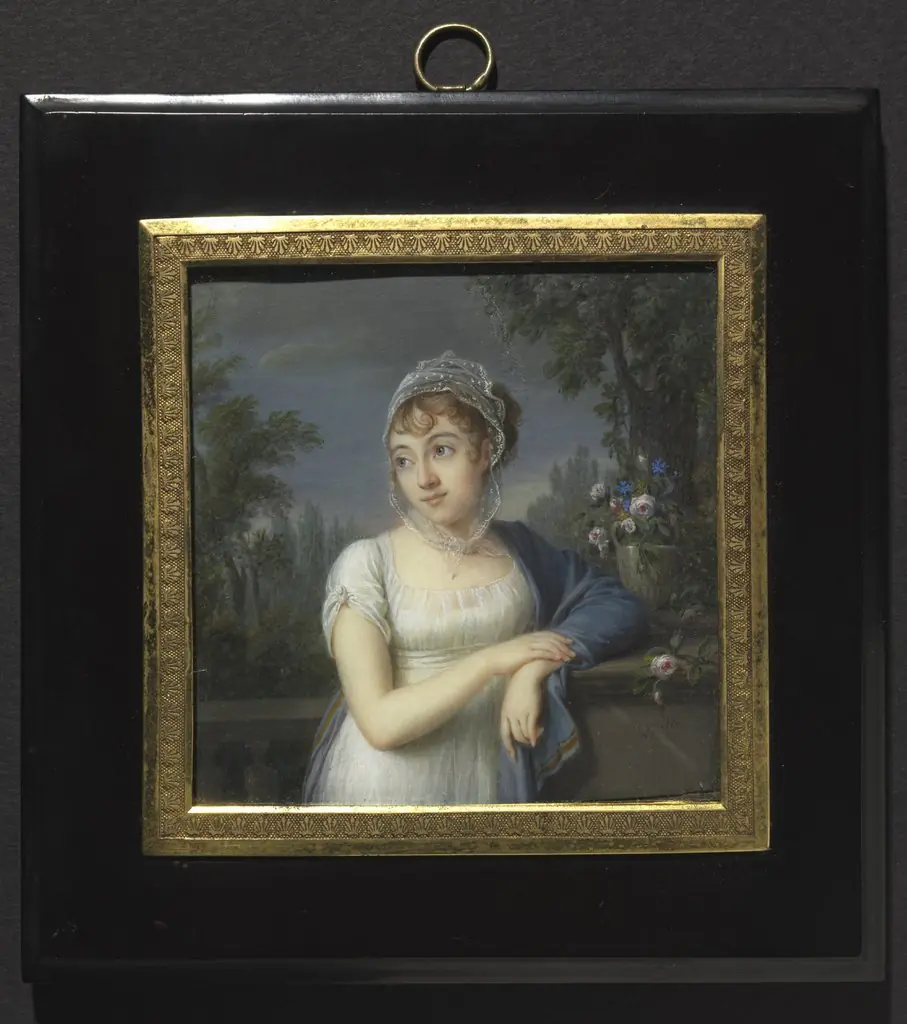 Portrait of a Woman Near a Balustrade
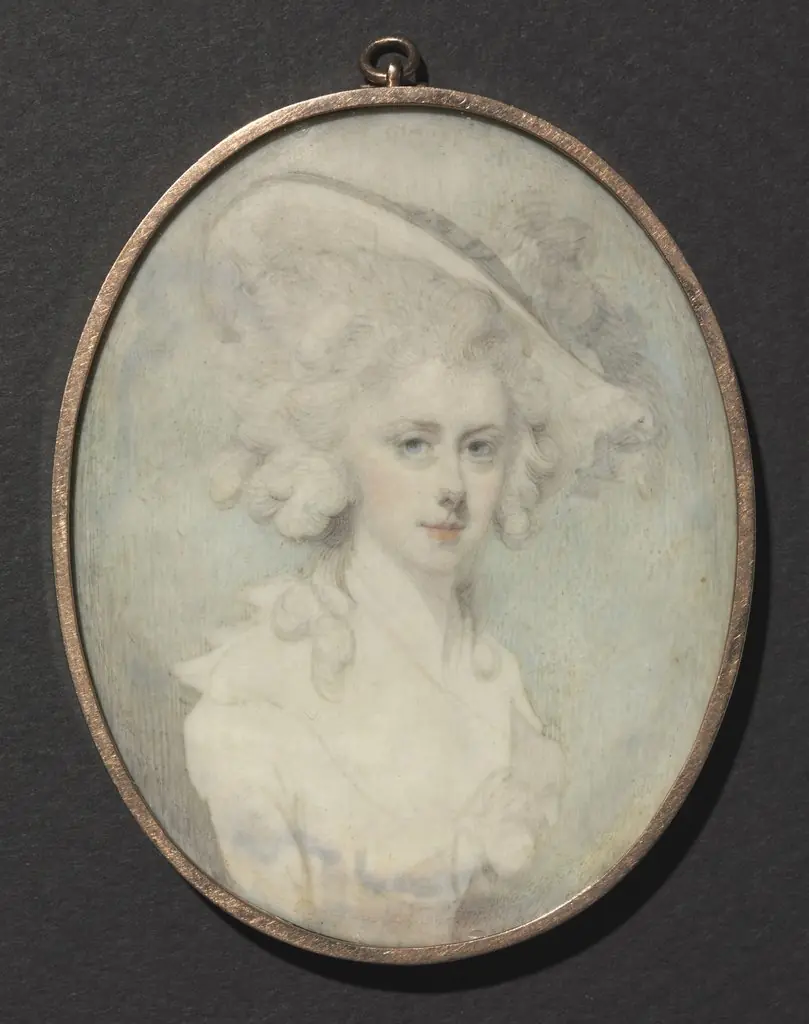 Portrait of a Woman with a Hat
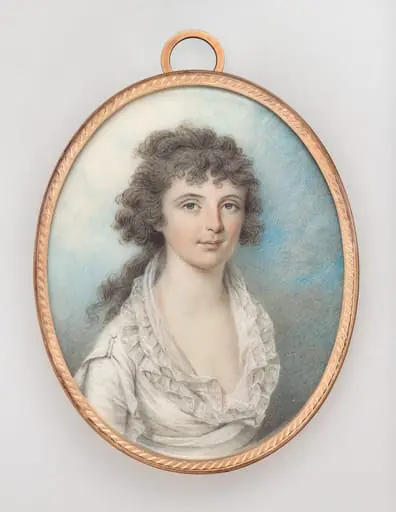 Marcia Burns
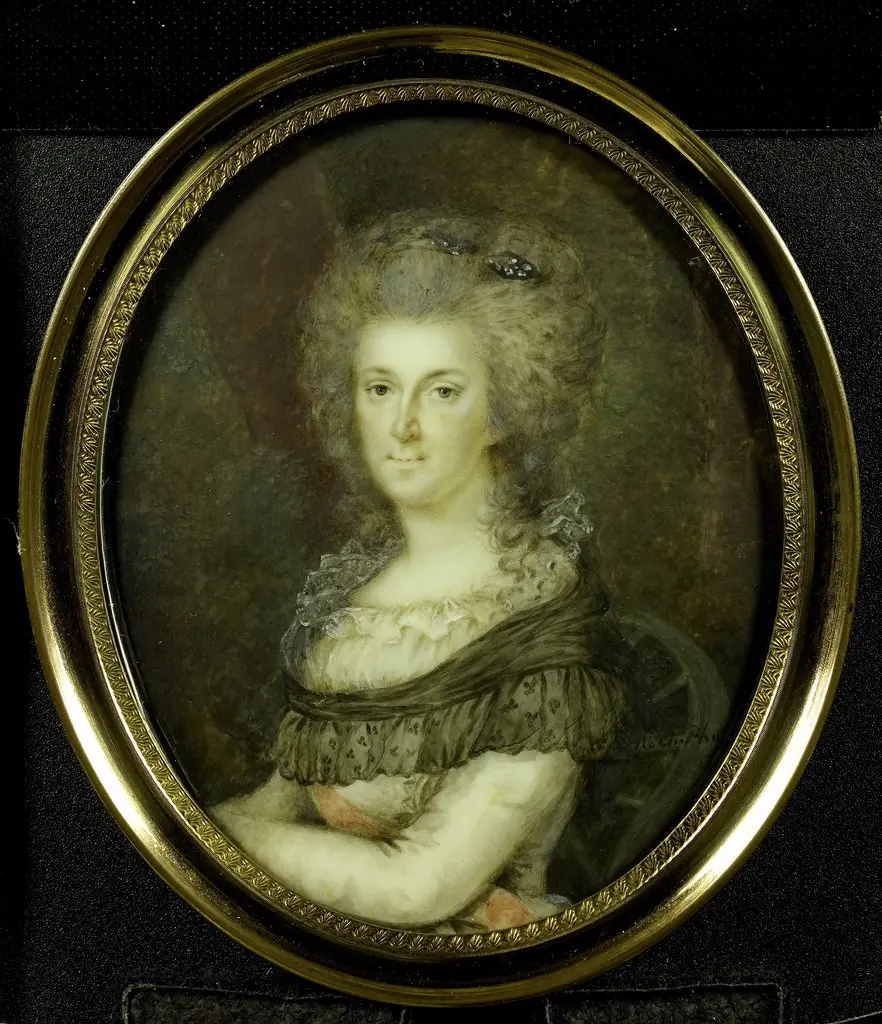 Portrait of Wilhelmina van Pruisen (1751-1820)
 Portret van een jonge vrouw
- Portrait of Marie Karolina Anna, Countess Thun