Artwork
Maria Louisa (1745–1792), Empress of Austria
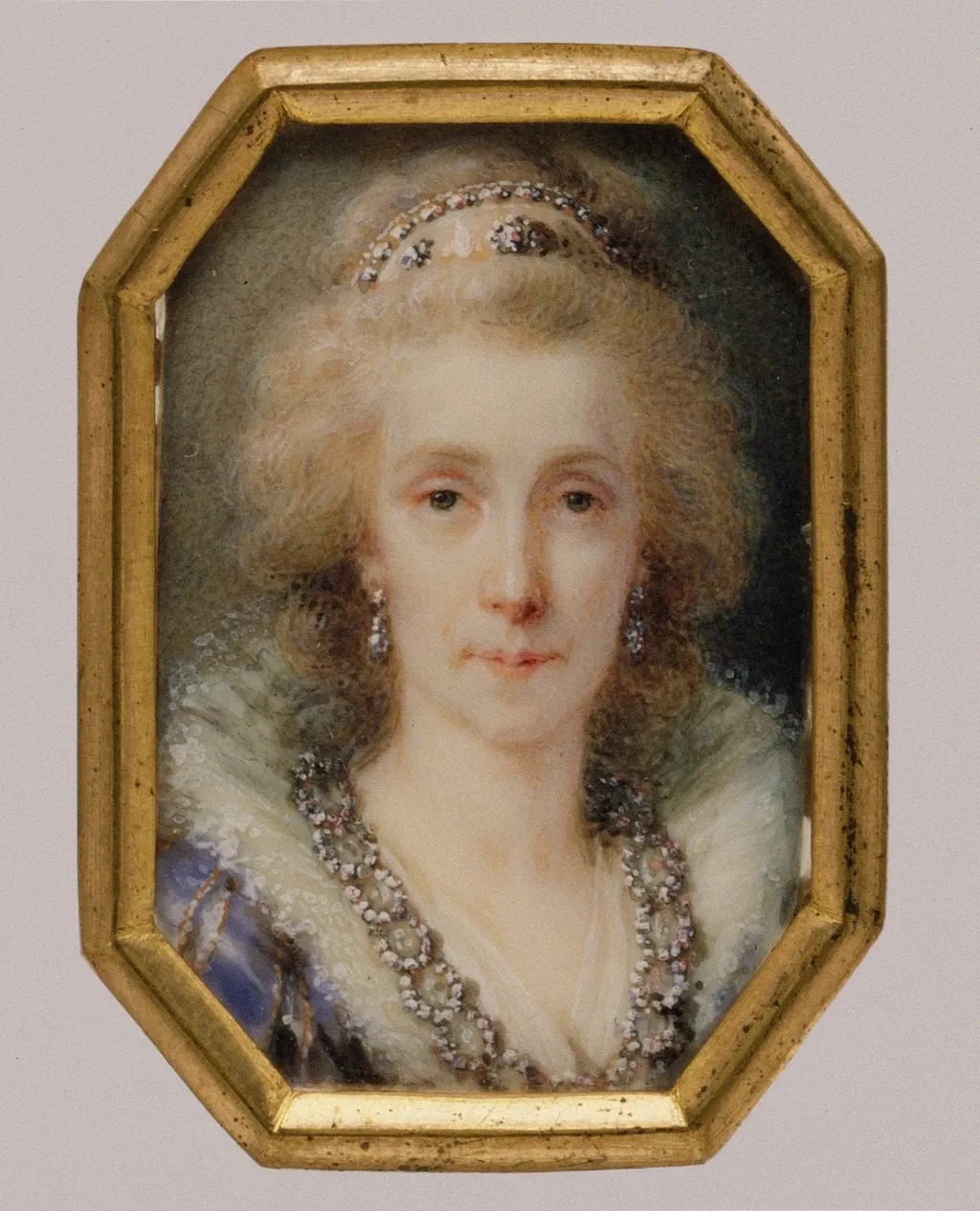
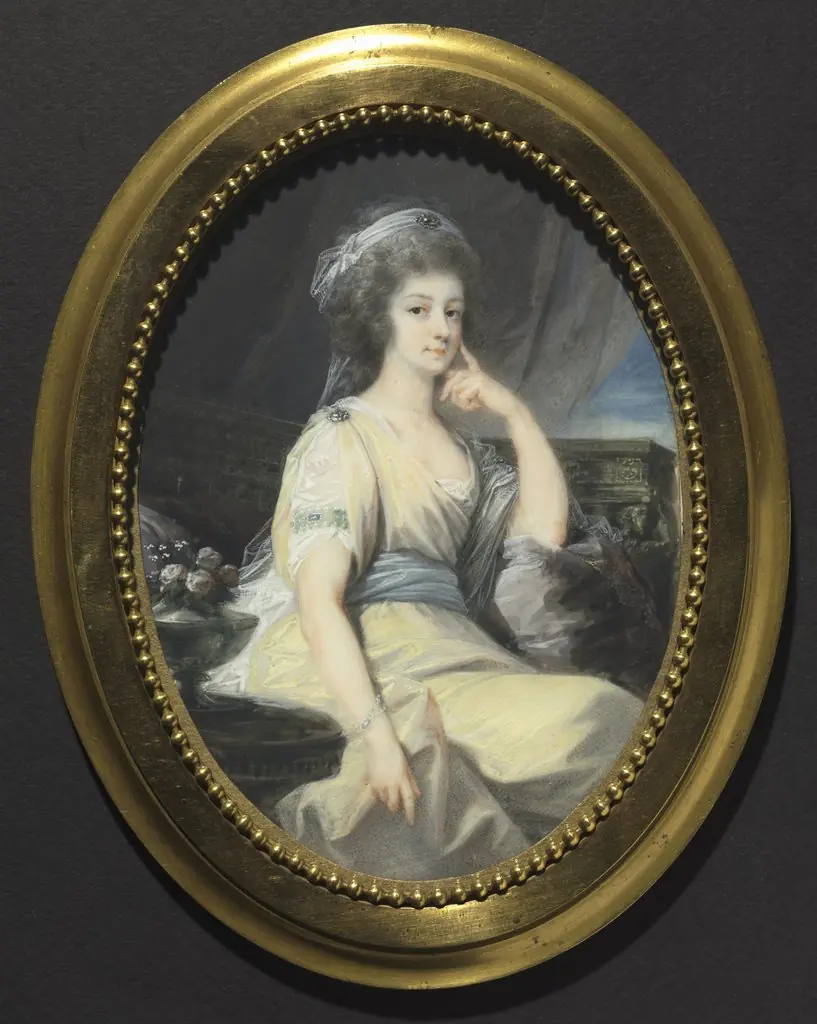
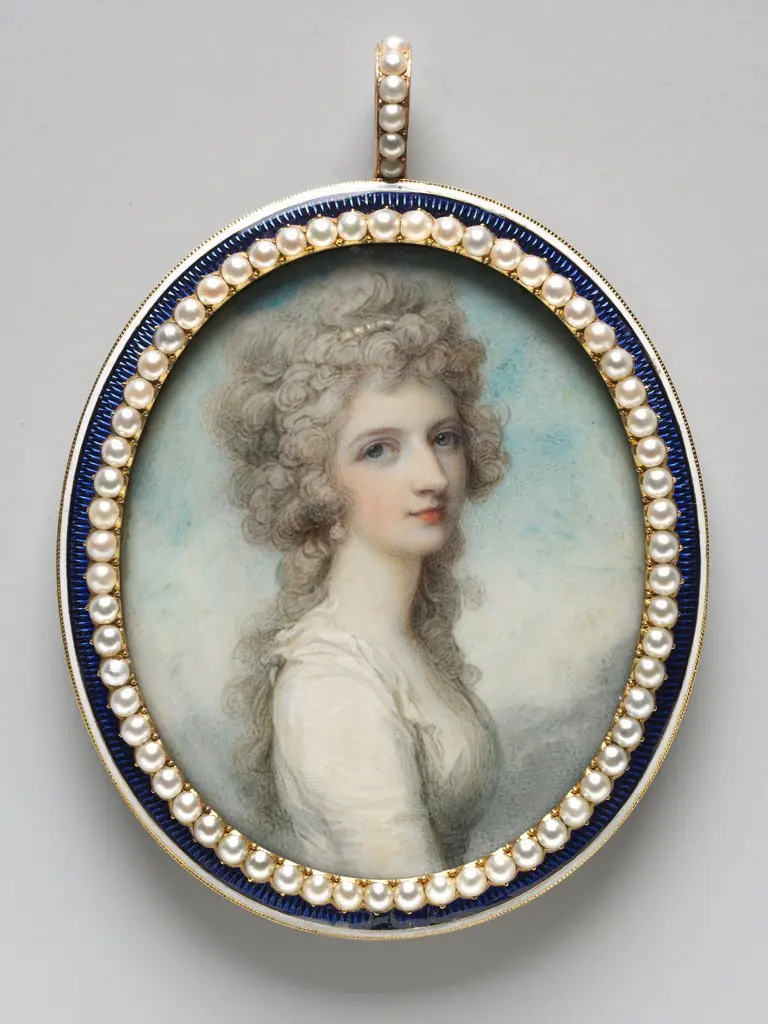
Maria Louisa (1745–1792), Empress of Austria is an unspecified painting by the Neoclassicist artist Heinrich Füger. It dates from 1796 and is held in the collection of the Metropolitan Museum of Art. Heinrich Friedrich Füger's 1796 painting depicts Maria Louisa, Empress of Austria, in a neoclassical style.
About this work
Subject & Meaning
The painting depicts Maria Louisa (1745–1792), who held the title of Empress of Austria, presented as a formal portrait of a woman.
The painting depicts Maria Louisa (1745–1792), who held the title of Empress of Austria, presented as a formal portrait of a woman. Created by Heinrich Füger in 1790, the work identifies its subject solely through her historical identity and gender, without explicit inclusion of regalia, heraldic symbols, or allegorical figures in the provided descriptions. As a portrait genre piece, the work functions primarily as a visual record of the Empress during her lifetime, capturing her likeness roughly forty-five years after her birth.
The representation focuses on the individual rather than broader political iconography, serving as a direct depiction of the woman who occupied the imperial office. The composition emphasizes her status as a female member of the Habsburg dynasty through the medium of portraiture itself.
Technique & Style
Heinrich Füger's 1790 portrait of Maria Louisa, Empress of Austria, is executed as a painting, adhering to the conventions of late 18th-century portraiture. The work is characterized by its small-scale format, measuring 31 inches in height and 22 inches in width. While the specific support material and pigment composition are not detailed in the available records, the piece is classified strictly as a painting rather than a drawing or mixed-media work.
The formal qualities focus on the depiction of the subject as a woman within the portrait genre, capturing the likeness of the Empress during the final years of her life. The handling of the image aligns with Füger's known output from this period, presenting a formal representation of the Austrian royal figure currently held in the Metropolitan Museum of Art collection.
History & Provenance
The portrait depicting Maria Louisa, Empress of Austria, was created by the artist Heinrich Füger in 1790. Classified as a painting within the portrait genre, the work measures 31 by 22 units. The piece is currently held in the collection of the Metropolitan Museum of Art, where it remains located.
While the specific circumstances regarding its original commission or the detailed chain of ownership prior to its arrival at the museum are not detailed in the available records, the date of inception and the creator are firmly established as 1790 and Füger, respectively.
Heinrich Füger's 1790 portrait of Maria Louisa, Empress of Austria, is held in the collection of the Metropolitan Museum of Art. The work, classified as a portrait depicting the empress, measures 31 inches in height and 22 inches in width. While the source material confirms the painting's current location within the museum's holdings and its creation date, the provided texts do not specify a unique inventory or accession number for the piece.
Furthermore, the available documentation contains no record of the artwork's exhibition history, leaving details regarding its display timeline unaddressed in the current data.
Overview
Heinrich Friedrich Füger's 1796 painting depicts Maria Louisa, Empress of Austria, in a neoclassical style. This portrait, held by The Metropolitan Museum of Art, exemplifies the German classicist's approach to dignified representation. Created four years after the Empress's death, it captures her likeness with a focus on refined clarity, characteristic of the era's aesthetic principles. Füger was a prominent figure in the German classical movement, known for both historical and portraiture works.
Context
Heinrich Friedrich Füger was a leading exponent of German classicism, a movement that valued order, balance, and idealized forms, drawing inspiration from classical antiquity. His work, including this portrait, reflects these principles through its emphasis on clarity, structured composition, and a dignified portrayal of the sitter. As a prominent painter of both historical scenes and portraits, Füger significantly shaped the artistic landscape in German-speaking lands during the late 18th century, advocating for a refined aesthetic.
Artist & collection
Artist
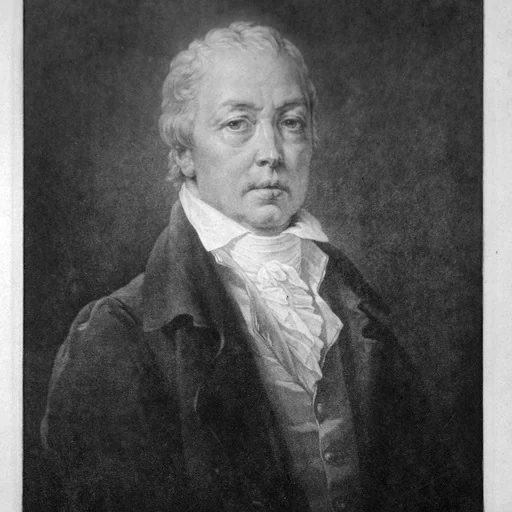
Heinrich Friedrich Füger (8 December 1751 – 5 November 1818) was a German portrait and historical painter and one of the most important German representatives of classicism.

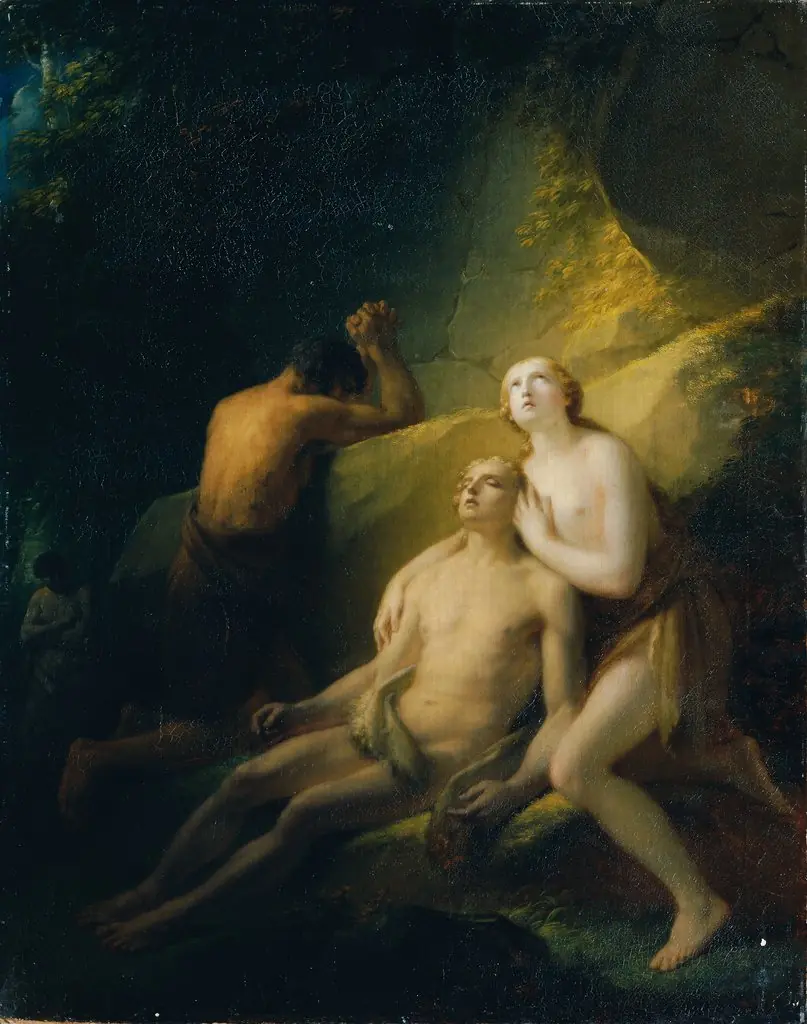
- Portrait of a Woman, called Mrs. Close
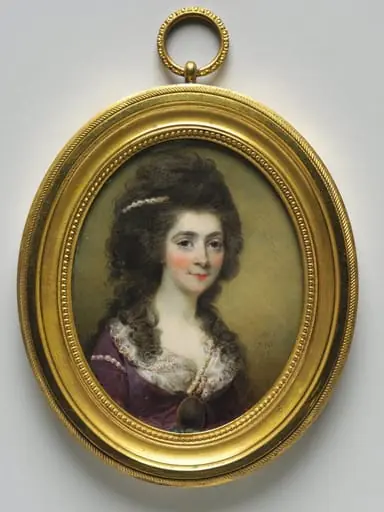 Portrait of a Woman, called Mrs. Close
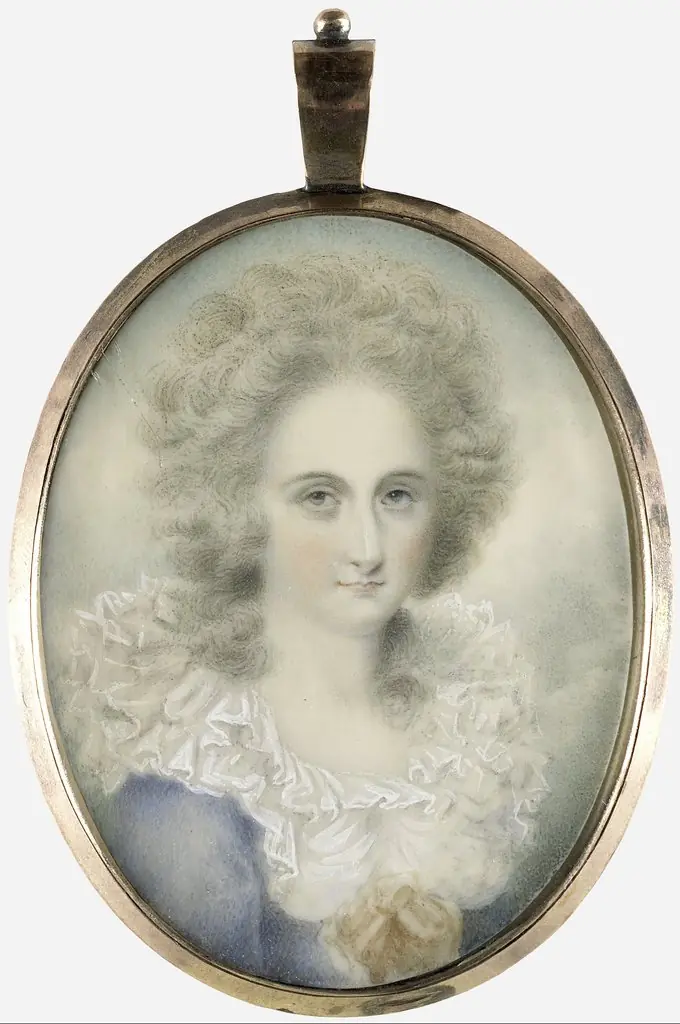 Portret van een vrouw
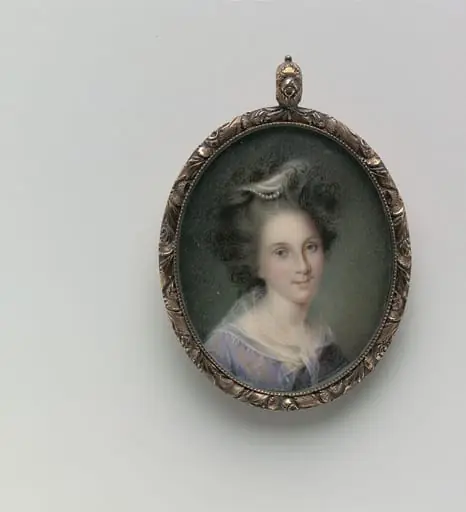 Mrs. Charles Willson Peale (Rachel Brewer)
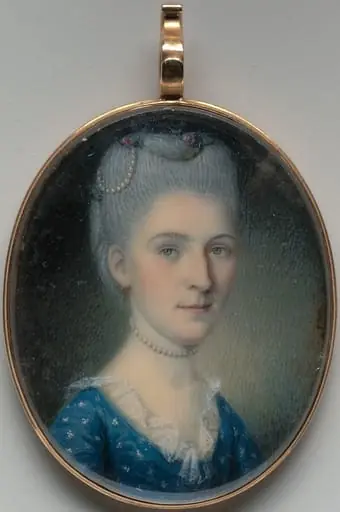 Mrs. Joseph Donaldson (Frances Johnston)
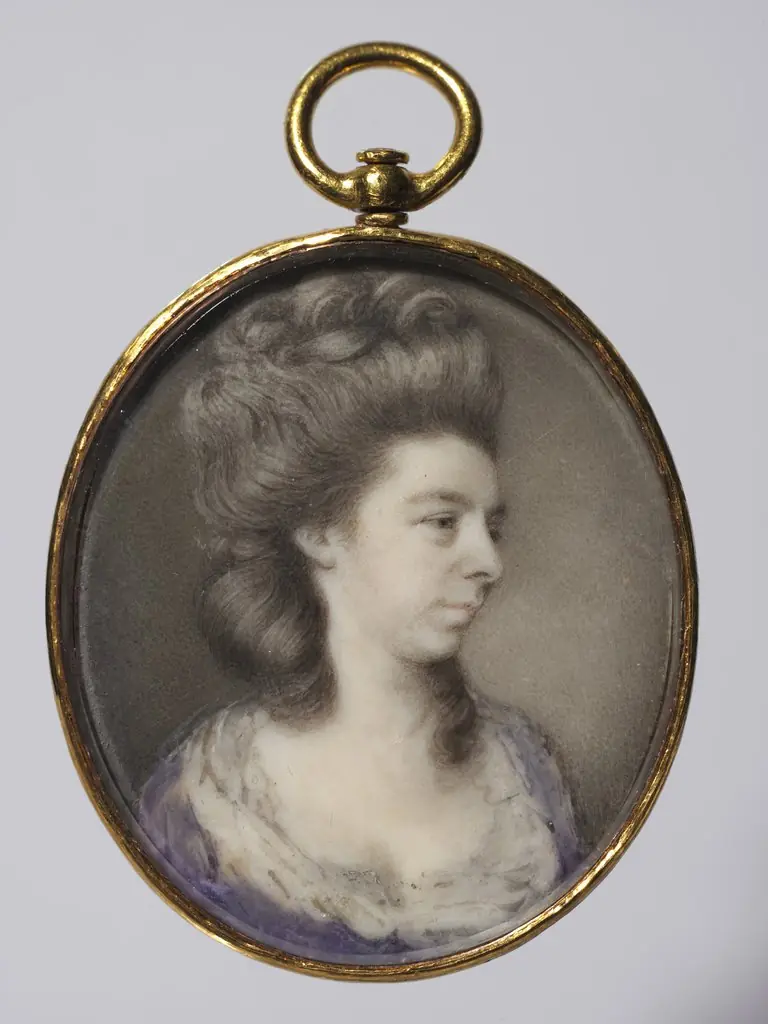 Portrait of a Woman
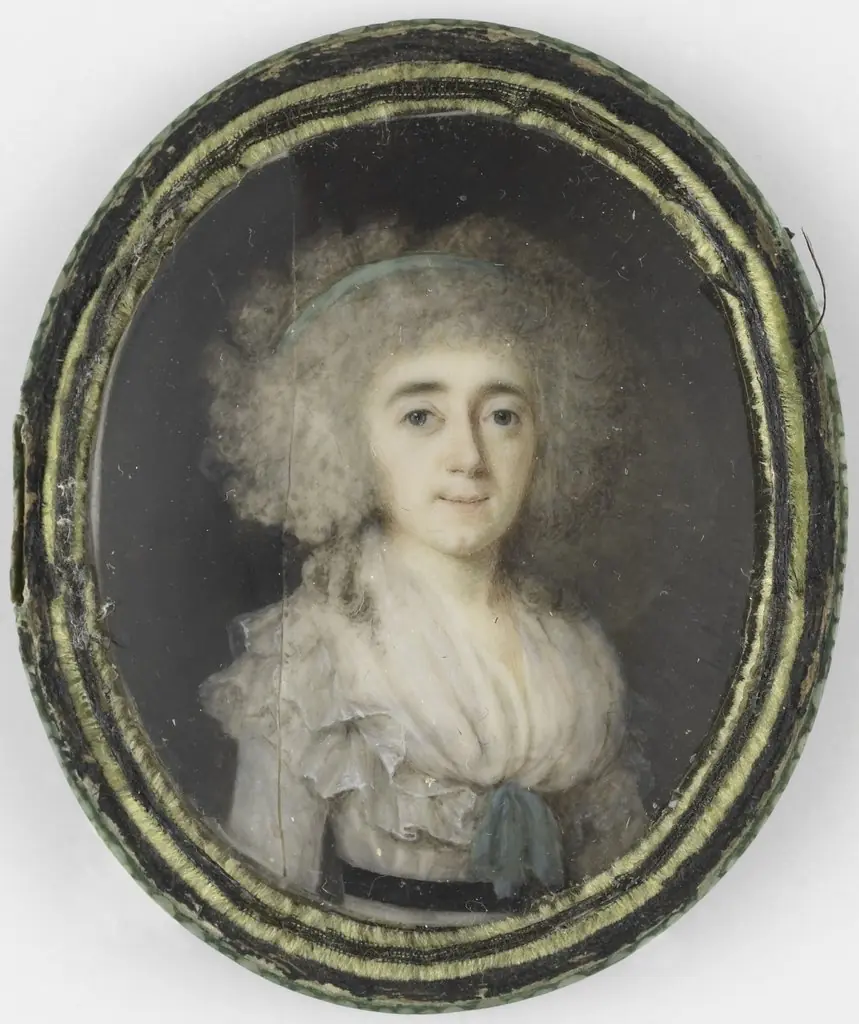 Portrait of a woman
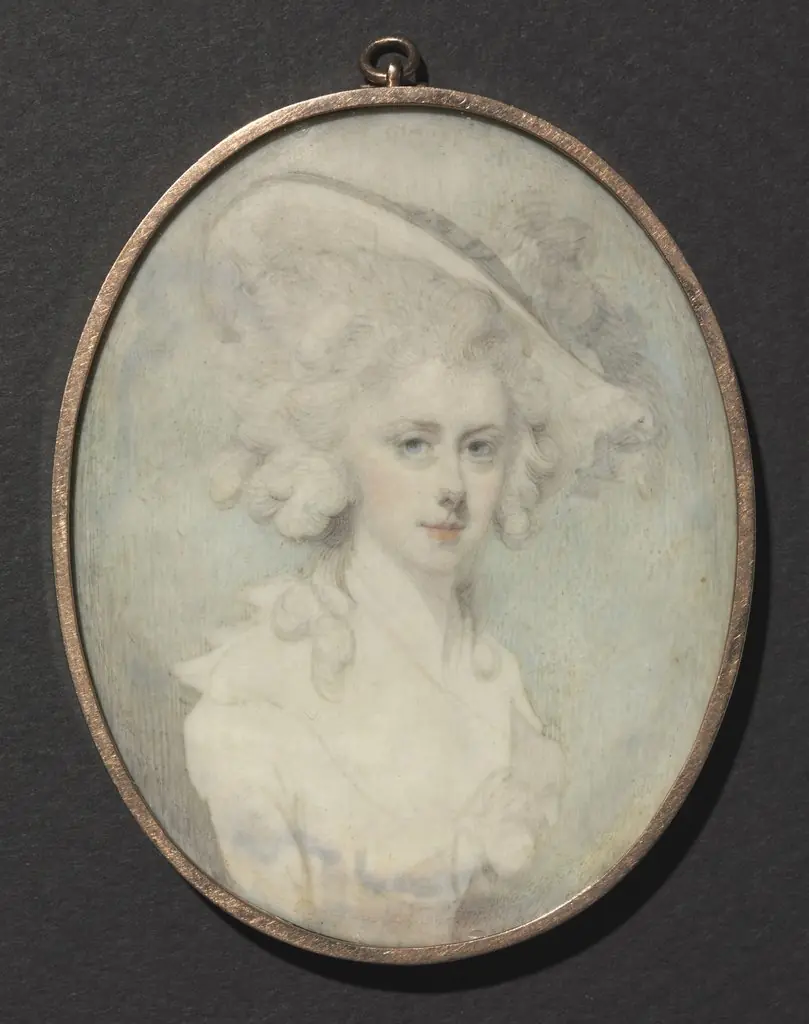 Portrait of a Woman with a Hat
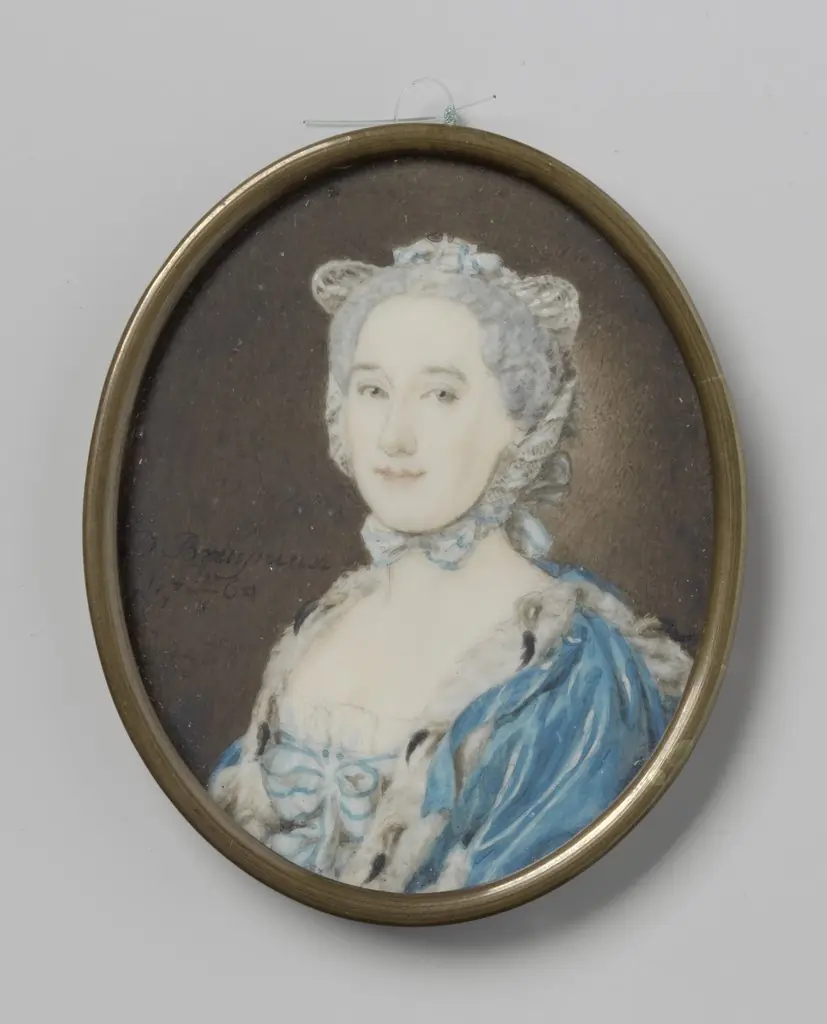 Portret van een vrouw
 Portrait of a Woman
 Portret van een vrouw
 Portrait of Mary Frances (Fanny) Swinburne