Artwork
Adam and Eve Mourn the Dead Abel
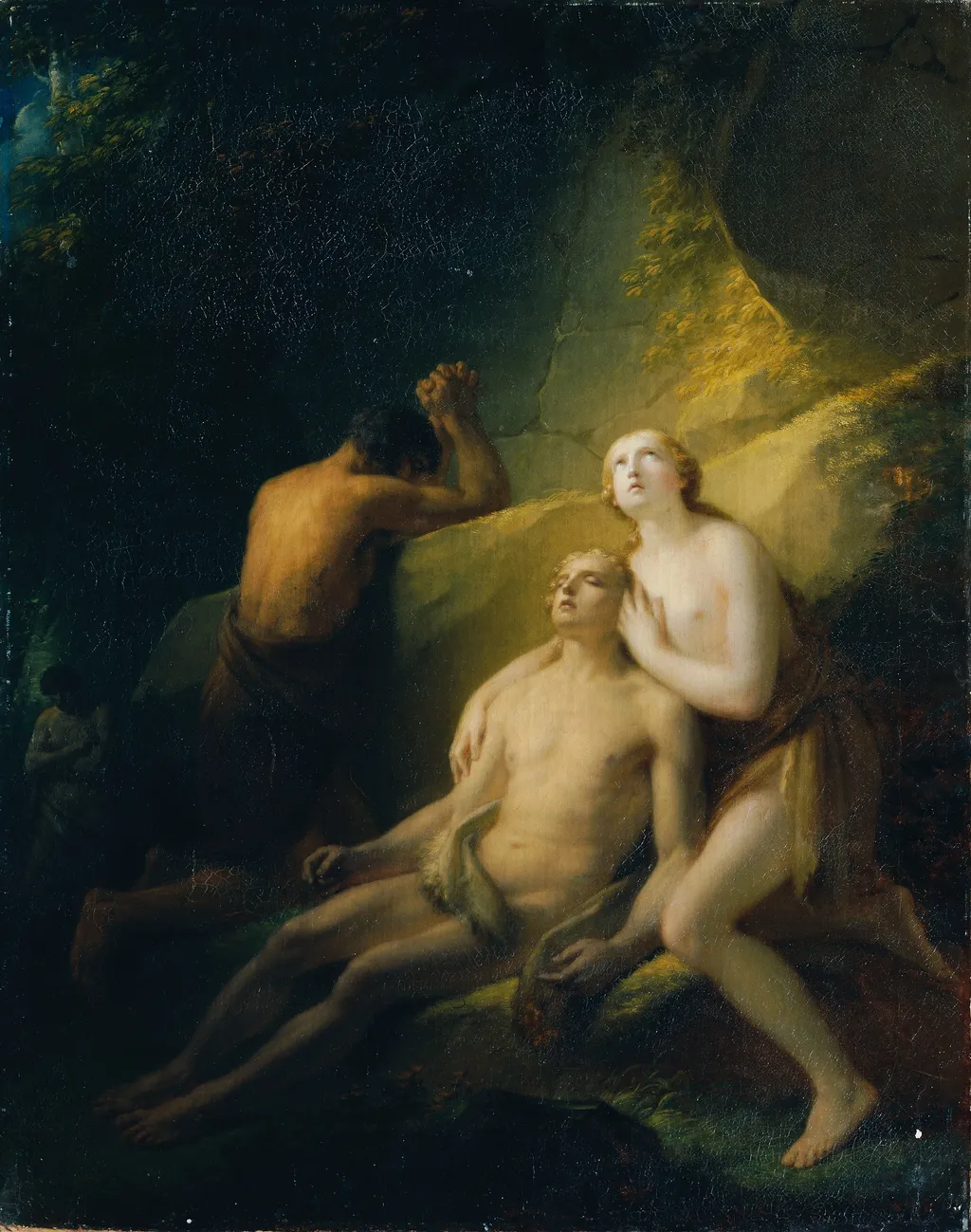
Adam and Eve Mourn the Dead Abel is an oil painting by the German Romanticist artist Heinrich Füger. It dates from 1800 and is held in the collection of the Kunsthistorisches Museum.
About this work
Subject & Meaning
The presence of both the murderer and the victims within a single frame underscores the tragic fracturing of the first family.
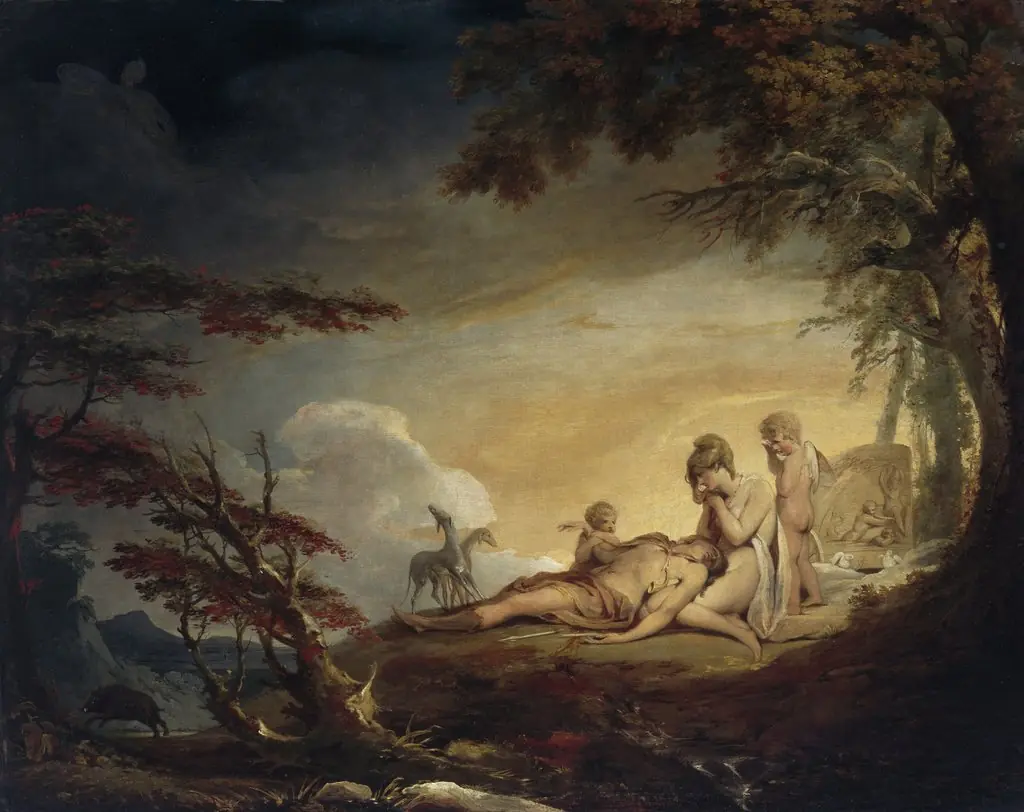
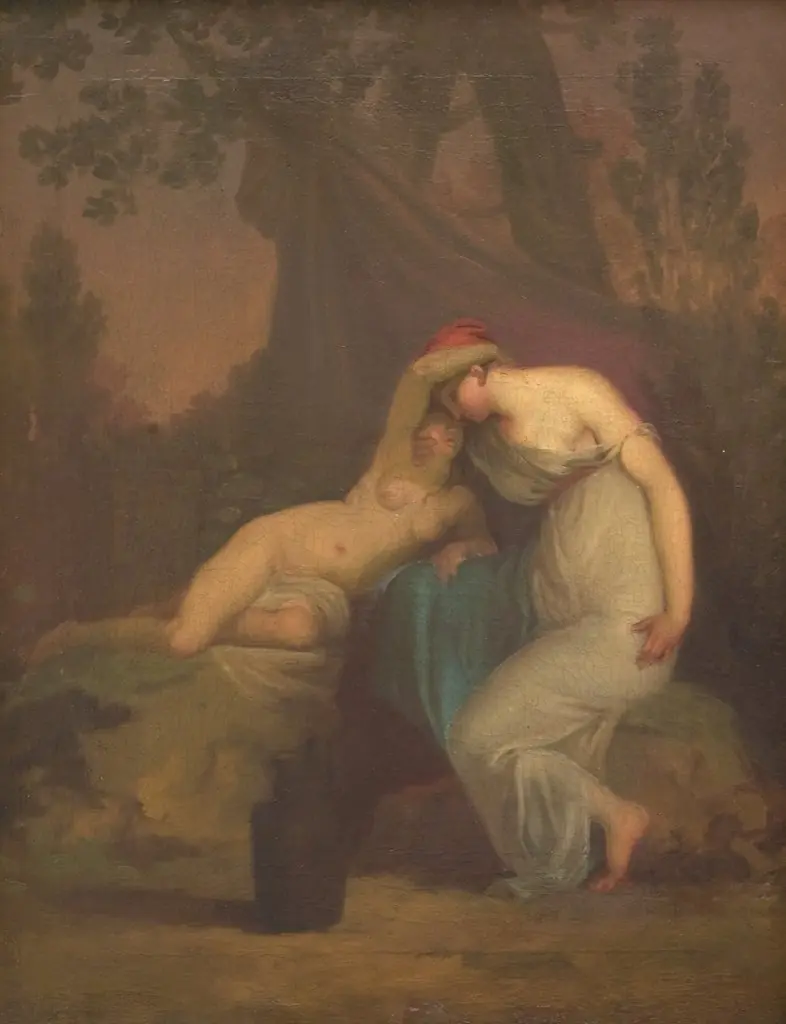
Heinrich Füger's 1800 oil painting illustrates a poignant episode from the Book of Genesis, depicting the first parents, Adam and Eve, grieving over the corpse of their son Abel. The composition also includes Cain, establishing the immediate aftermath of the first murder in human history. As a work of religious art, the image serves as a visual meditation on the consequences of sin, the introduction of death into the world, and the profound sorrow experienced by humanity's progenitors.
The presence of both the murderer and the victims within a single frame underscores the tragic fracturing of the first family.
History & Provenance
The painting Adam and Eve Mourn the Dead Abel was created in 1800 by Heinrich Füger as an oil on canvas, with dimensions of 112.5 cm in height and 89.5 cm in width. The work belongs to the religious genre and depicts Abel, Cain, Adam, and Eve. It is part of the collection of the Belvedere in Vienna, where it remains housed.
The available sources do not provide a reliable accession number or a documented exhibition history for the work.
Overview
Heinrich Friedrich Füger, a prominent German painter associated with classicist and Romantic currents, completed the oil work Adam and Eve Mourn the Dead Abel in the year 1800. The canvas is part of the permanent holdings of Vienna’s Kunsthistorisches Museum, where it is displayed among other 19th‑century European paintings.
Technique & Style
Executed in oil, the painting employs a dramatic chiaroscuro that pools light on the mournful figures against a dim, shadow‑filled landscape. The contrast of illuminated flesh and deep darkness heightens emotional intensity, while the soft, almost ethereal glow surrounding the winged figure suggests a celestial intervention.
Context
The painting aligns with German Romanticism’s fascination with biblical tragedy and the sublime. By portraying a mythic moment through heightened emotional expression and stark lighting, Füger joins contemporaries who sought to evoke spiritual contemplation through the human condition.
Own this work as a print
Artist & collection
Artist
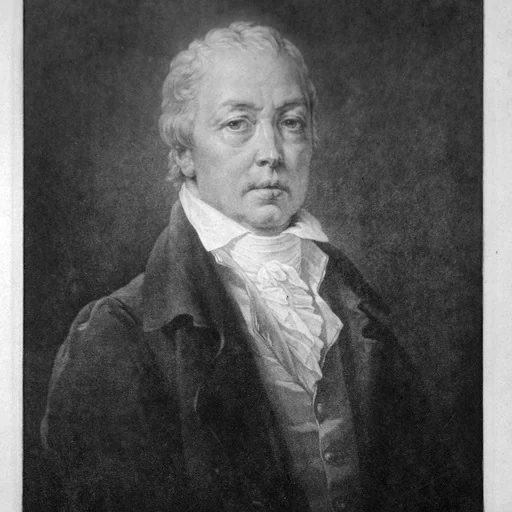
Heinrich Friedrich Füger (8 December 1751 – 5 November 1818) was a German portrait and historical painter and one of the most important German representatives of classicism.