Artwork
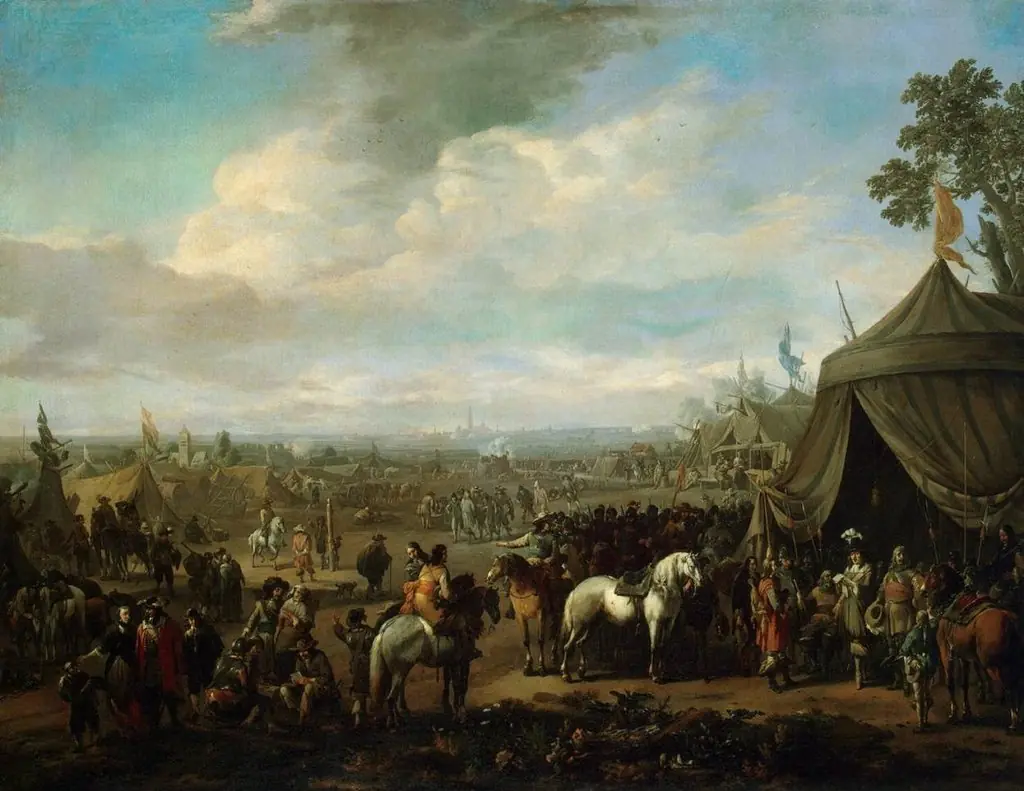
Departure of Charles II of England at Scheveningen, June 2, 1660
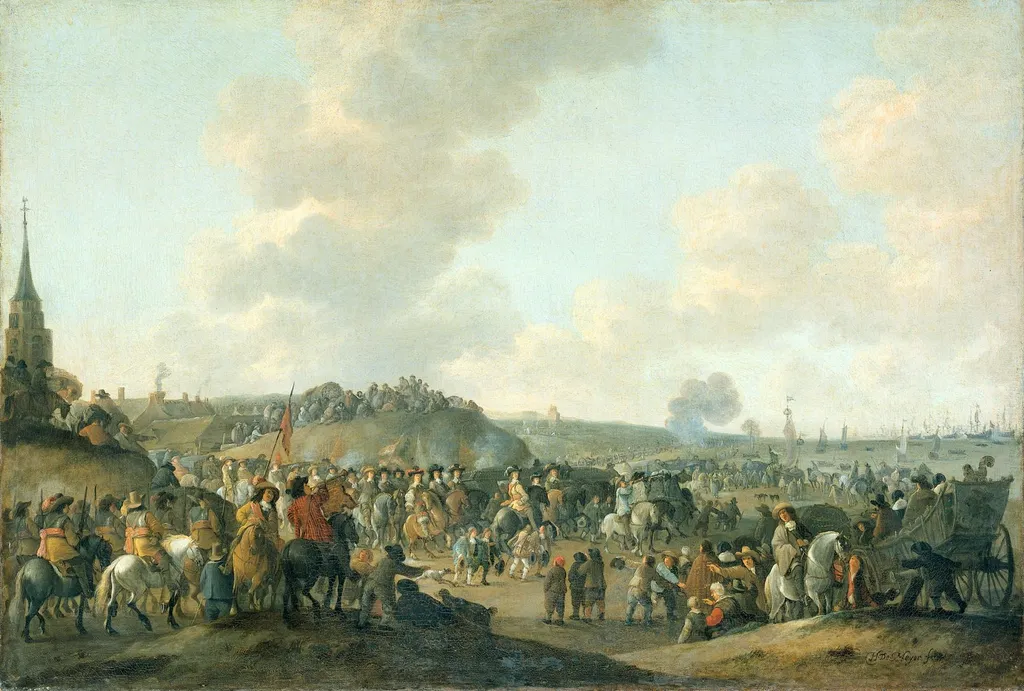
Departure of Charles II of England at Scheveningen, June 2, 1660 is an oil painting by the Dutch Golden Age artist Hendrick de Meijer. It dates from 1671 and is held in the collection of the Rijksmuseum.
About this work
Subject & Meaning
The painting portrays the exiled Charles II of England embarking from Scheveningen on June 2, 1660, marking his return from Dutch exile.
The painting portrays the exiled Charles II of England embarking from Scheveningen on June 2, 1660, marking his return from Dutch exile. It symbolizes the political reconciliation between the English monarch and the Dutch Republic following the Second Anglo-Dutch War. The depiction emphasizes Charles’s personal departure aboard a small boat, underscoring the precariousness of his position and the symbolic rebirth of his fortunes through Dutch support.
Technique & Style
The painting is executed in oil on canvas, measuring 52 × 75 cm. As a history painting, the work depicts the departure of Charles II of England from Scheveningen, with the scene rendered through the medium of oil paint on a canvas support. The work was created in 1671 by Hendrick de Meijer, more than a decade after the historical event it portrays.
History & Provenance
The painting depicting the departure of Charles II of England at Scheveningen was created by Hendrick de Meijer in 1671. Executed in oil paint on canvas, the work measures 52 cm in height and 75 cm in width. It is classified as a history painting that captures the specific historical event of June 2, 1660. The artwork is currently held in the collection of the Rijksmuseum.
The painting is held in the collection of the Rijksmuseum. While the work was created in 1671, the provided sources do not specify a unique inventory or accession number for the piece. Furthermore, there is no information available within the reference material regarding any past or current exhibitions featuring this artwork.
Overview
Hendrick de Meijer’s 1671 oil painting records the departure of Charles II from the Dutch seaside town of Scheveningen on 2 June 1660. Executed as a history work, the canvas captures the moment of the restored monarch’s embarkation, situating him amid a bustling waterfront populated by soldiers, civilians and ships.
Context
Scheveningen in the mid‑1600s was a modest fishing village that also served as a naval harbor. The departure of Charles II from its shores marked the end of his exile and the beginning of the Restoration era, linking the local maritime setting to a broader European political narrative.
Own this work as a print
Artist & collection

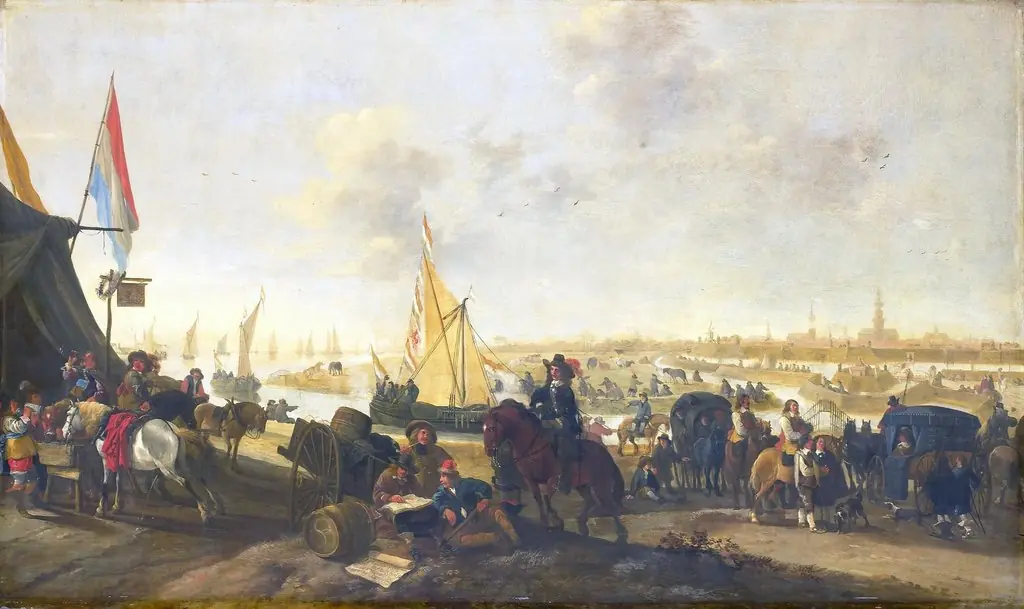
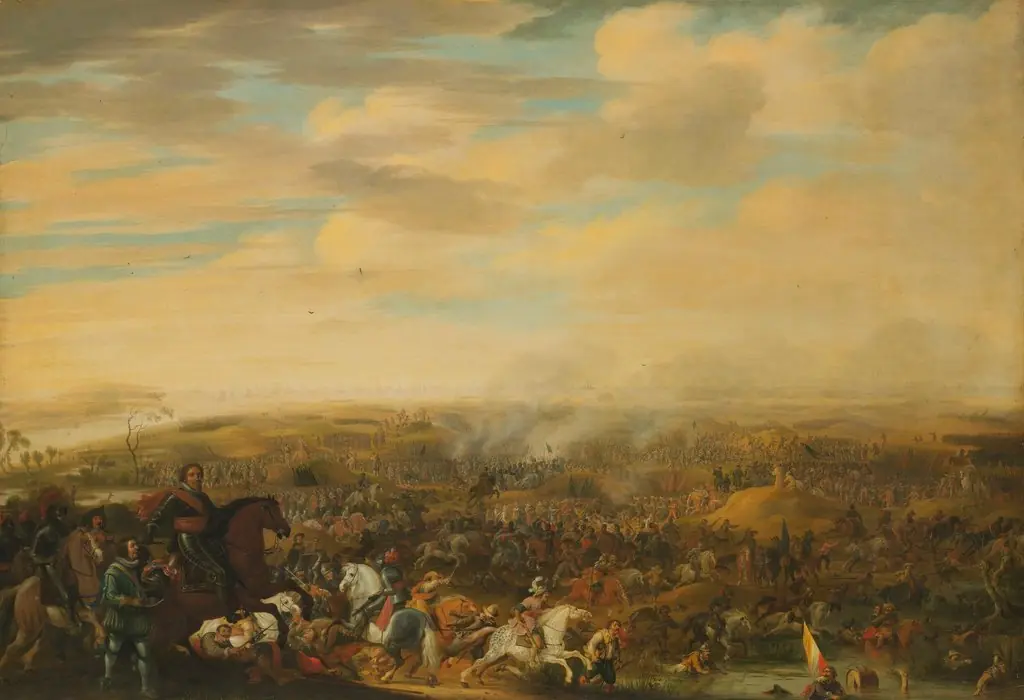 Prince Maurits at the Battle of Nieuwpoort, 2 July 1600
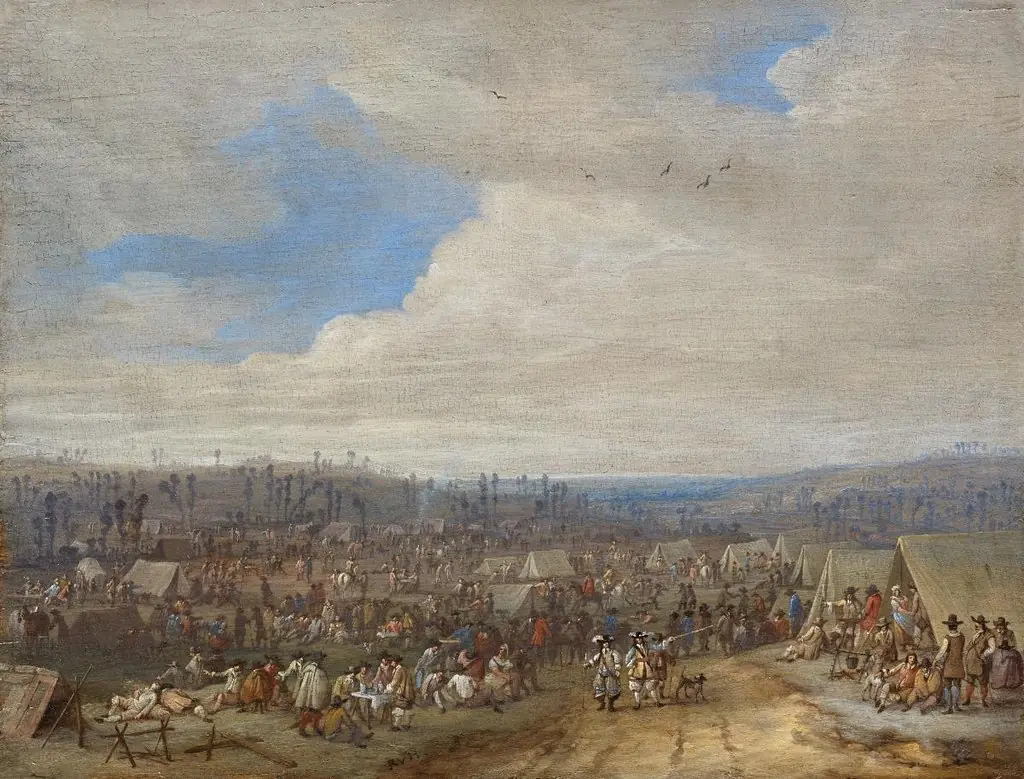 Soldaten im Lager
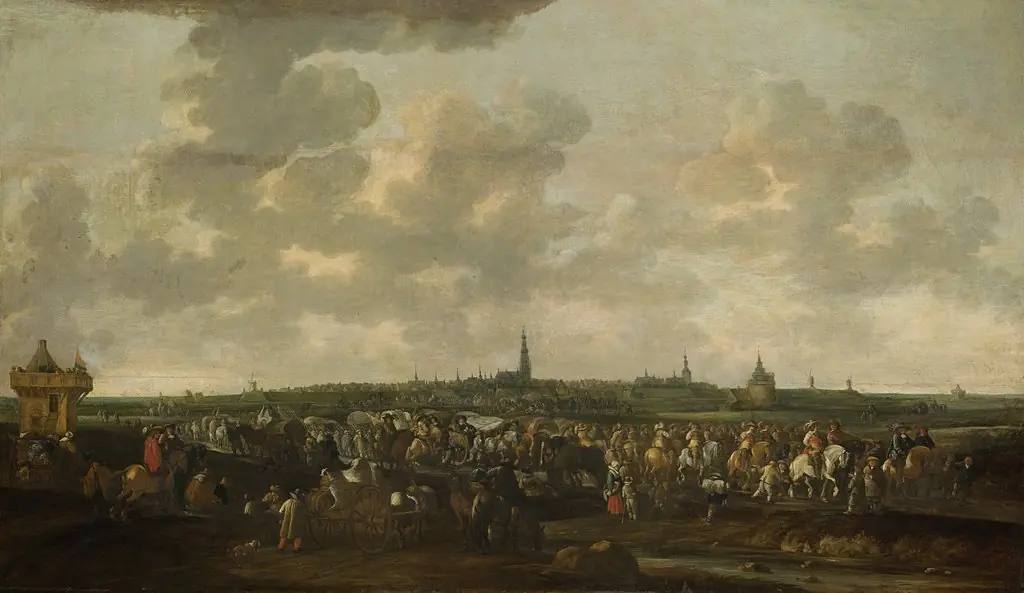
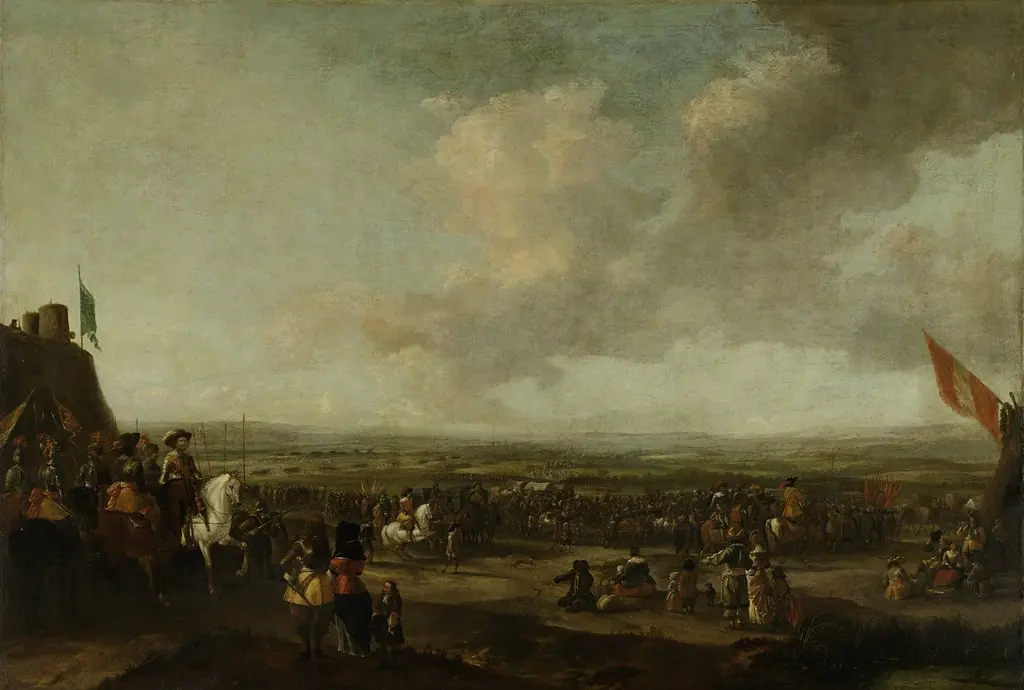 Frederik Hendrik at the surrender of Maastricht, 22 August 1632
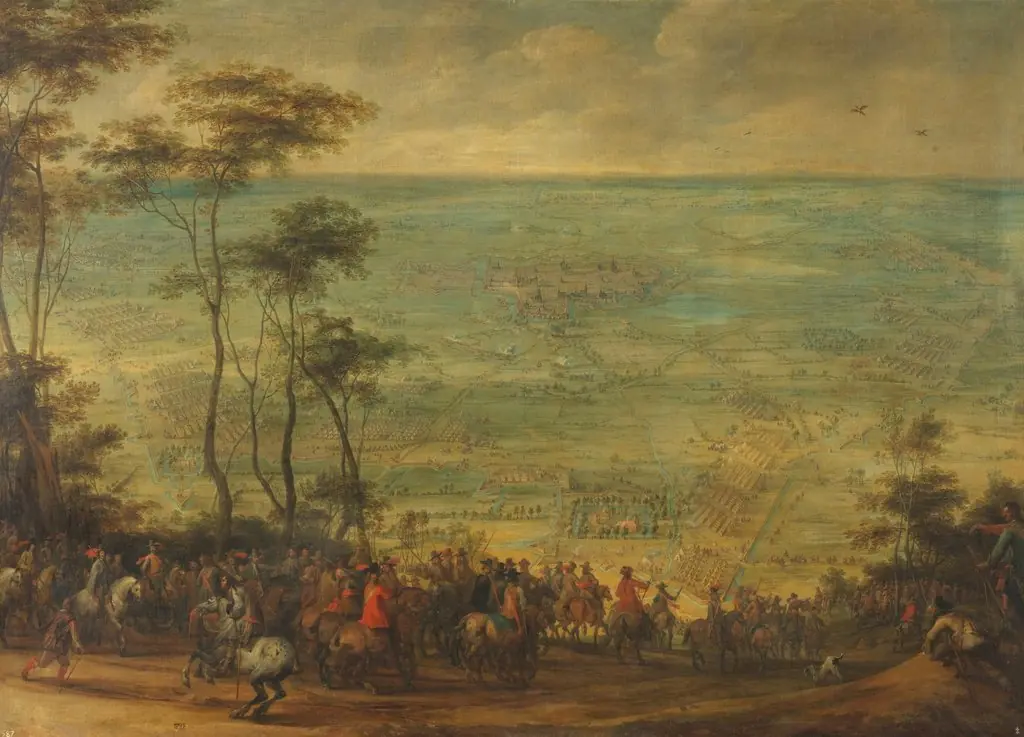 The taking of Ypres
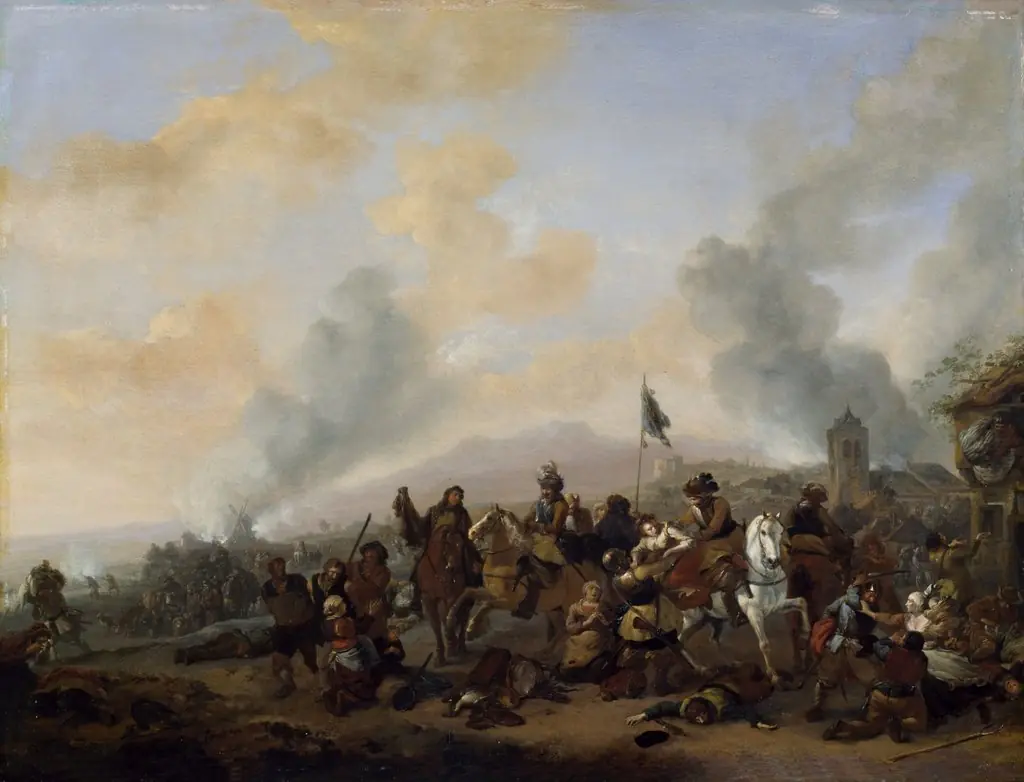 Soldiers Plundering a Village
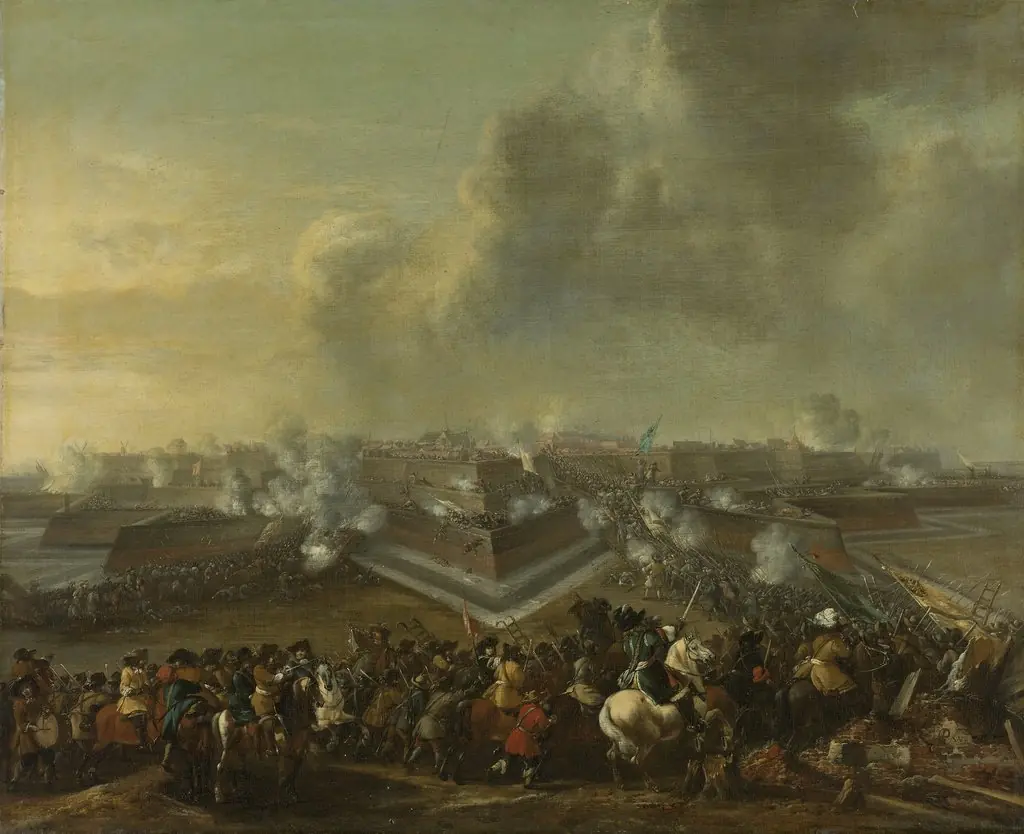 The storming of Coevoorden, 30 december 1672
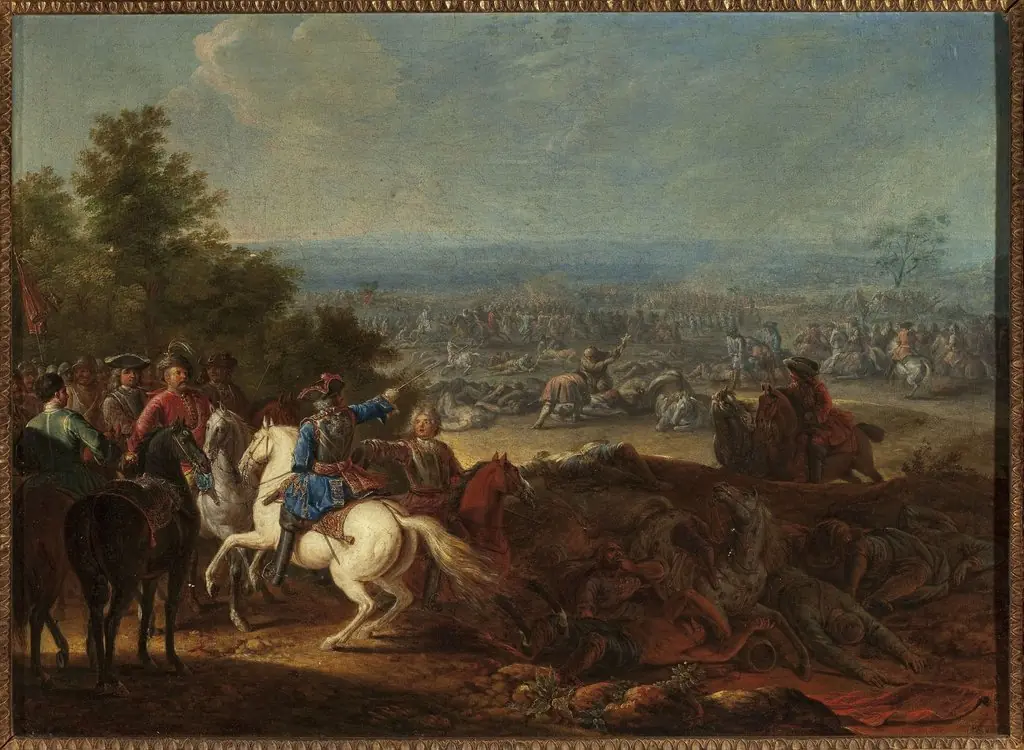 After the battle
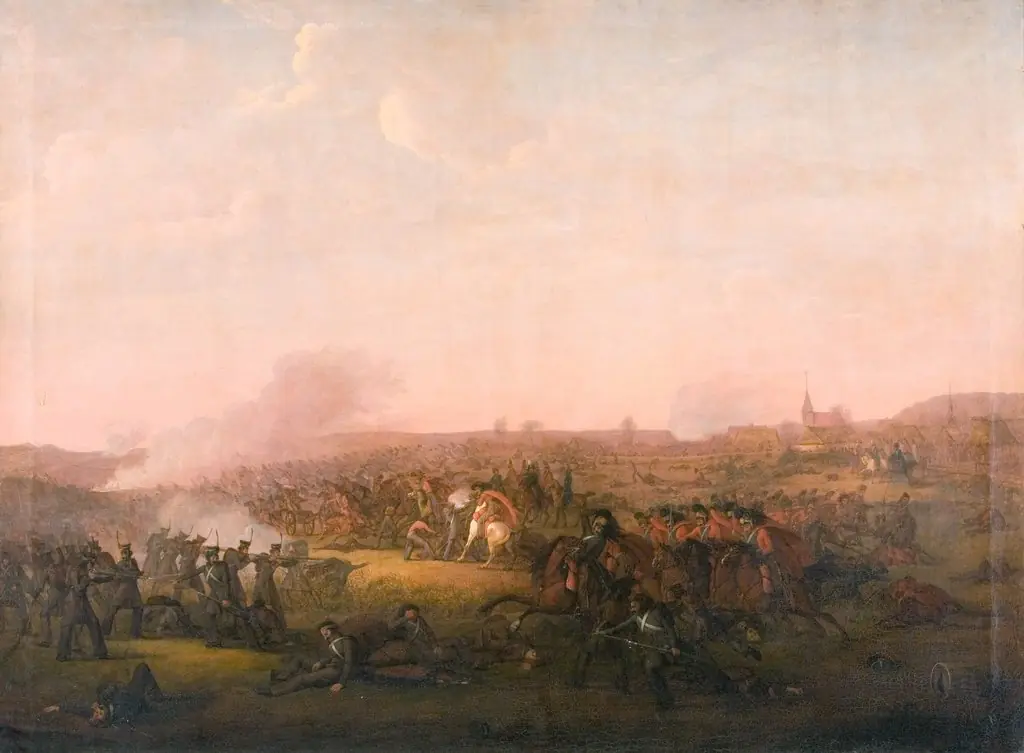 Slaget ved Sehested
 Flemish Town Sieged by the Spanish Soldiers