Artwork
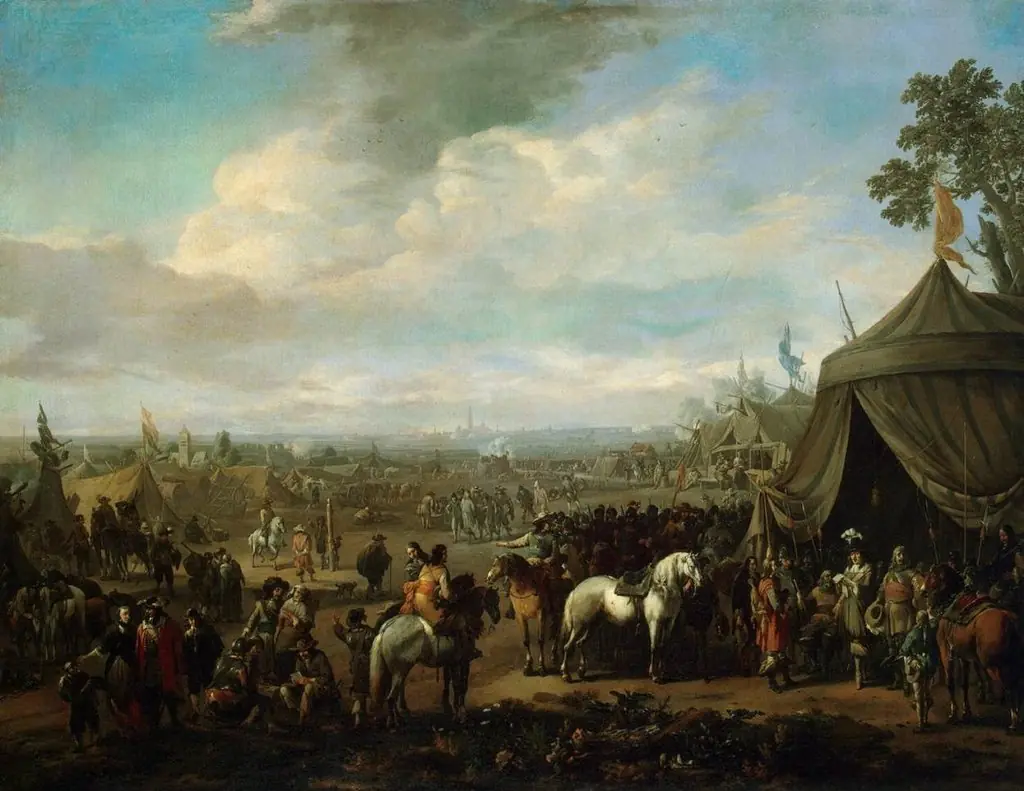
Departure of Spanish Occupation Troops from Breda, October 10, 1637
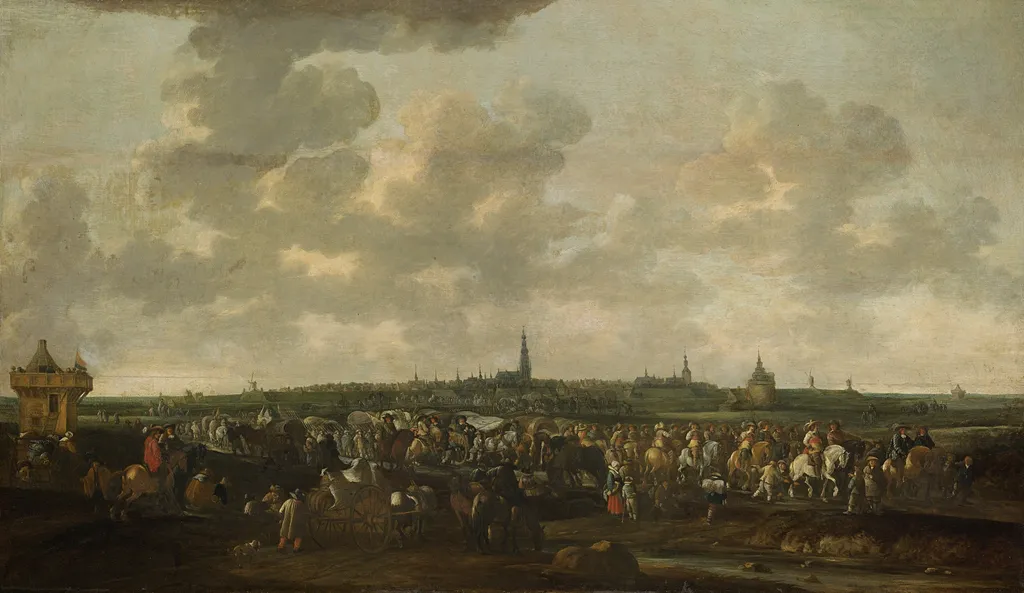
Departure of Spanish Occupation Troops from Breda, October 10, 1637 is a wood painting by the Dutch Golden Age artist Hendrick de Meijer. It dates from 1650 and is held in the collection of the Rijksmuseum.
About this work
Technique & Style
Created in 1650, this history painting by Hendrick de Meijer is executed on a wood support. The work measures 94.5 cm in height and 162 cm in width. As a history painting, it depicts the specific event of the departure of Spanish occupation troops from Breda on October 10, 1637. The piece is currently held in the collection of the Rijksmuseum.
History & Provenance
The painting was created in 1650 by Hendrick de Meijer, as indicated by its documented inception year and the artist’s attribution in the collection record.
The painting was created in 1650 by Hendrick de Meijer, as indicated by its documented inception year and the artist’s attribution in the collection record.
It entered the collection of the Rijksmuseum, where it remains located. The work depicts the historical event of the Spanish troops’ departure from Breda on October 10, 1637, aligning its subject with the museum’s holdings of history paintings.
The painting Departure of Spanish Occupation Troops from Breda, October 10, 1637 by Hendrick de Meijer is held in the collection of the Rijksmuseum in Amsterdam. Created in 1650, this history painting on wood depicts the city of Breda and measures 94.5 cm in height by 162 cm in width. The provided sources do not contain specific accession numbers or a record of the work's exhibition history.
Legacy
Hendrick de Meijer's 1650 wood panel depicting the departure of Spanish troops from Breda reflects the historical narrative of the Eighty Years' War and was created shortly after the event it portrays. The work was later acquired by the Rijksmuseum, where it remains on display, cementing its reputation as a significant example of Dutch history painting from the mid-17th century.
Overview
Hendrick de Meijer’s wood painting, dated around 1650, records the withdrawal of Spanish occupation forces from the Dutch city of Breda on 10 October 1637. Executed in a history‑painting format, the work is part of the Rijksmuseum’s collection and offers a narrative snapshot of a pivotal moment in the Eighty Years’ War.
Subject & Meaning
The composition centers on a bustling thoroughfare where mounted soldiers and infantry march away from Breda’s fortified walls. Civilians in period attire line the streets, some guiding wagons, others observing the procession, underscoring the transition from military occupation to civilian life.
Context
The departure of Spanish troops marked the end of a lengthy siege that had devastated Breda. By portraying the moment of exit, de Meijer contributes to a broader visual tradition that celebrated Dutch resilience and the restoration of municipal autonomy during the mid‑17th century.

Artist & collection

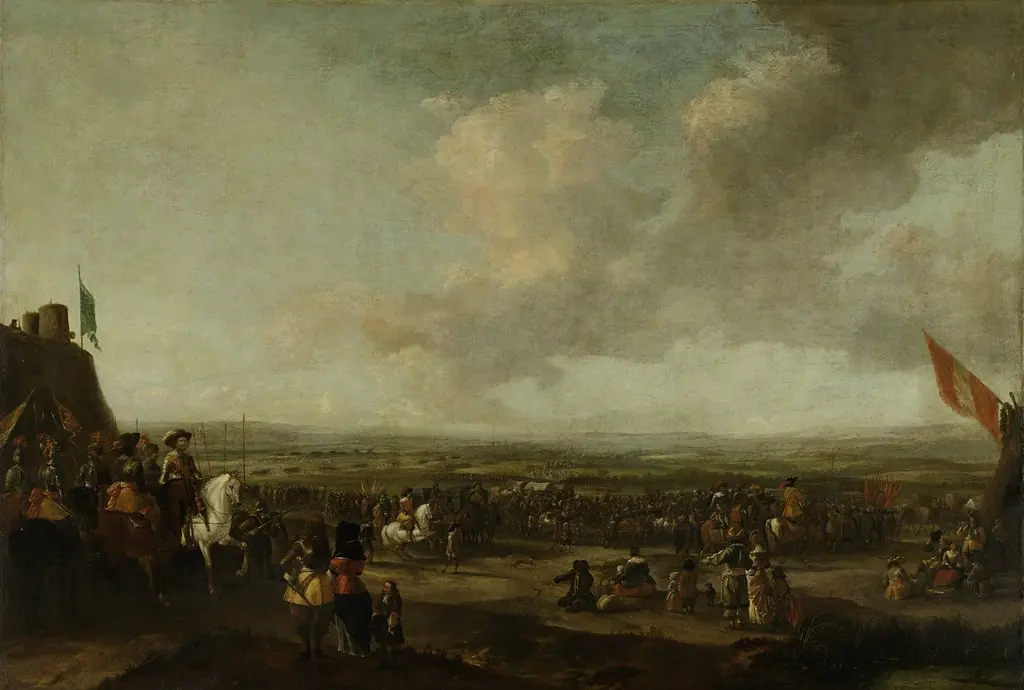 Frederik Hendrik at the surrender of Maastricht, 22 August 1632
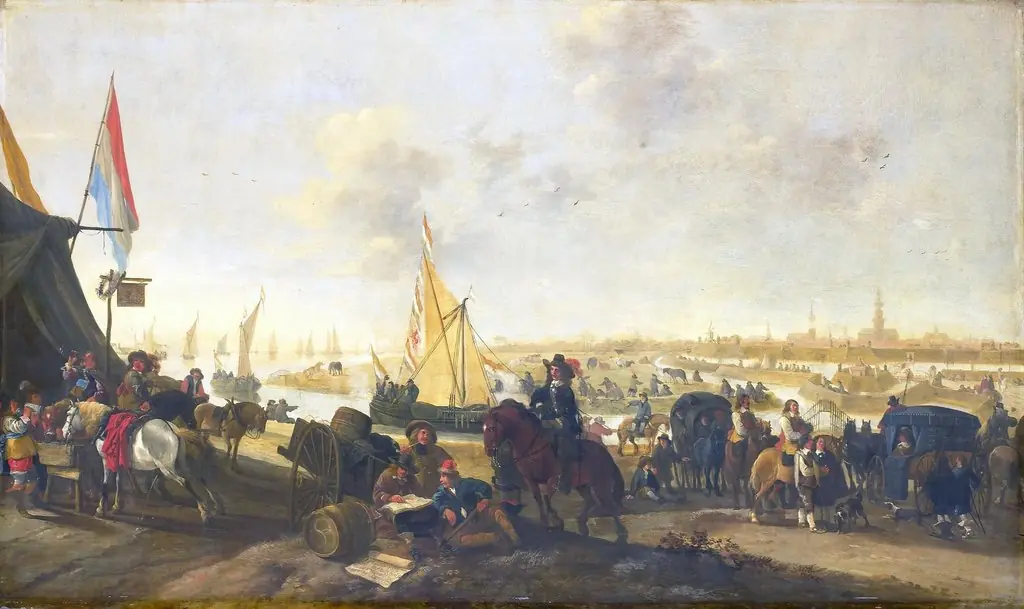
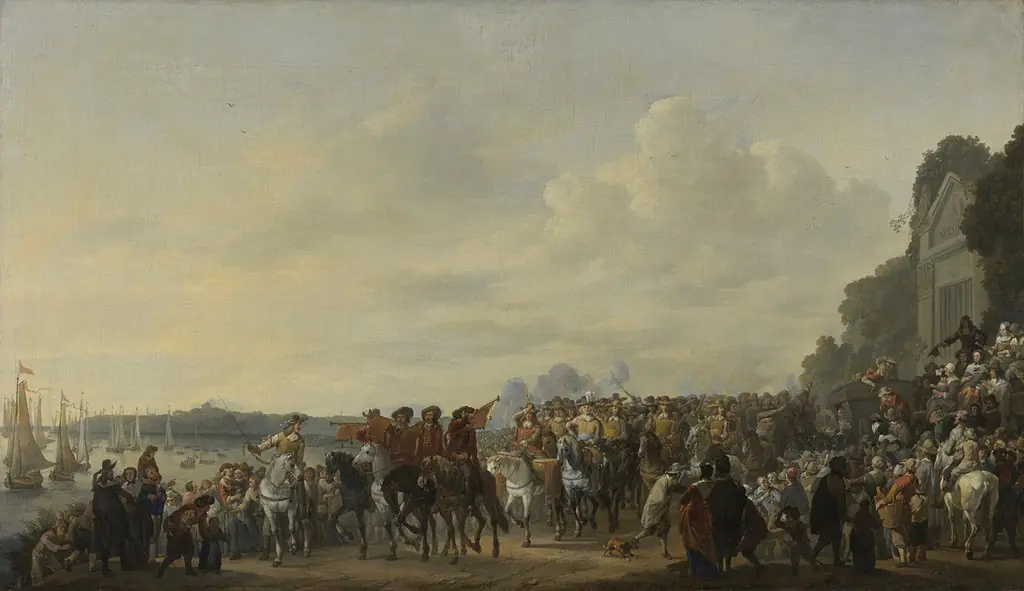 Charles II (1630-1685) stopping at the Estate of Wema on the Rotte on his Journey from Rotterdam to The Hague, 25 May 1660
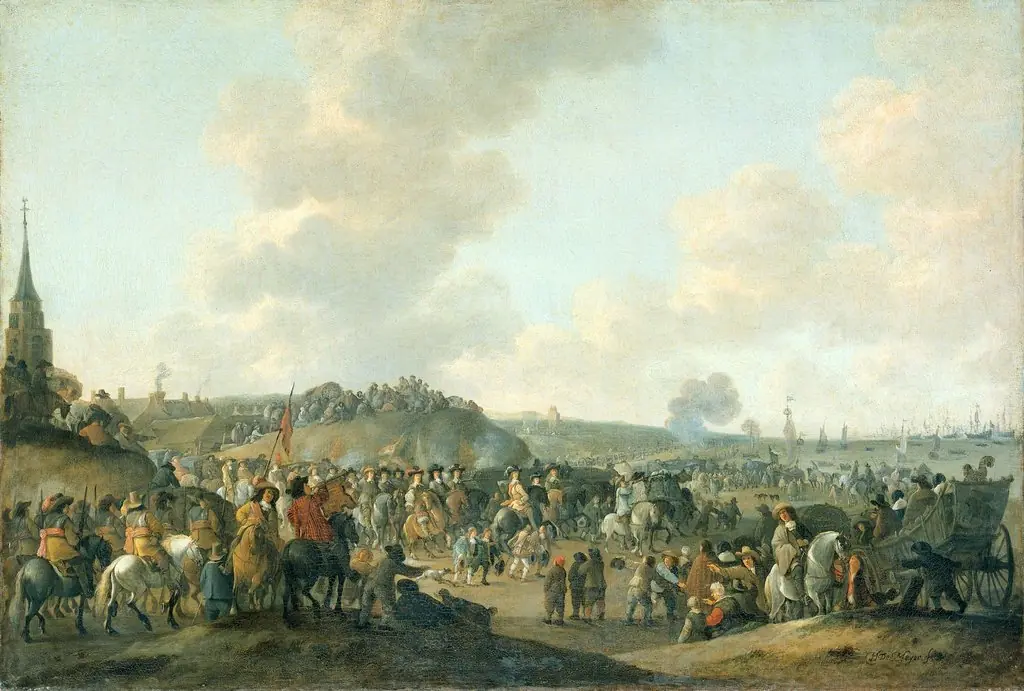
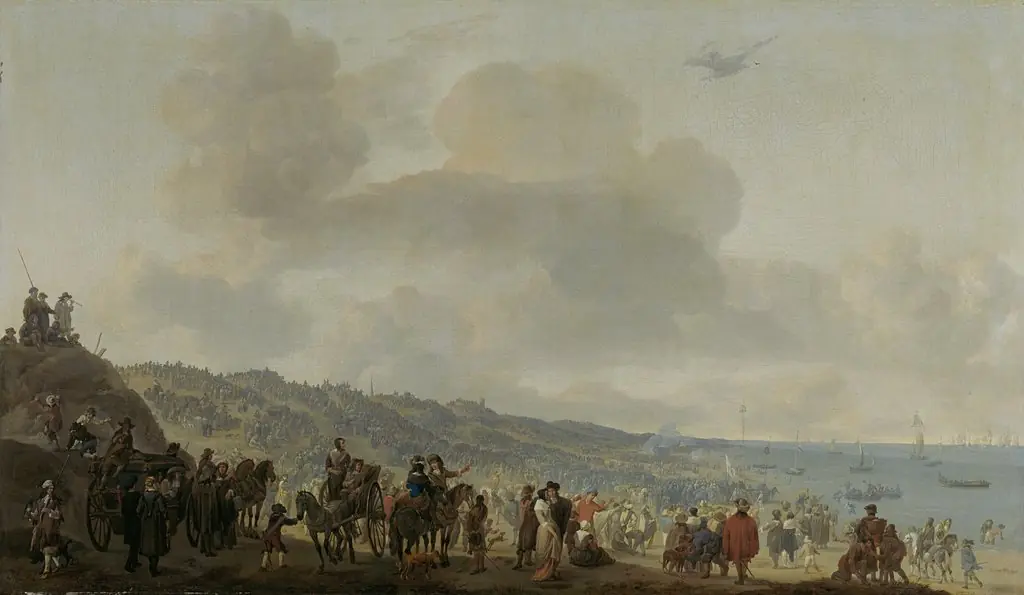 The Departure of Charles II (1630-1685) from Scheveningen, 2 June 1660
 View of the City of Arnhem
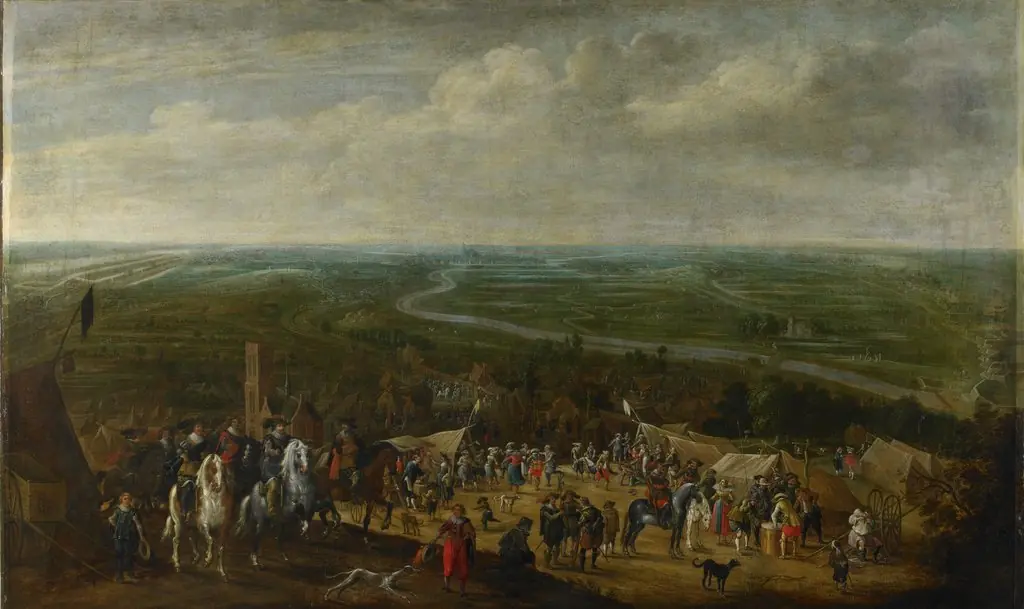 Prince Frederik Hendrik at the siege of 's-Hertogenbosch, 1629
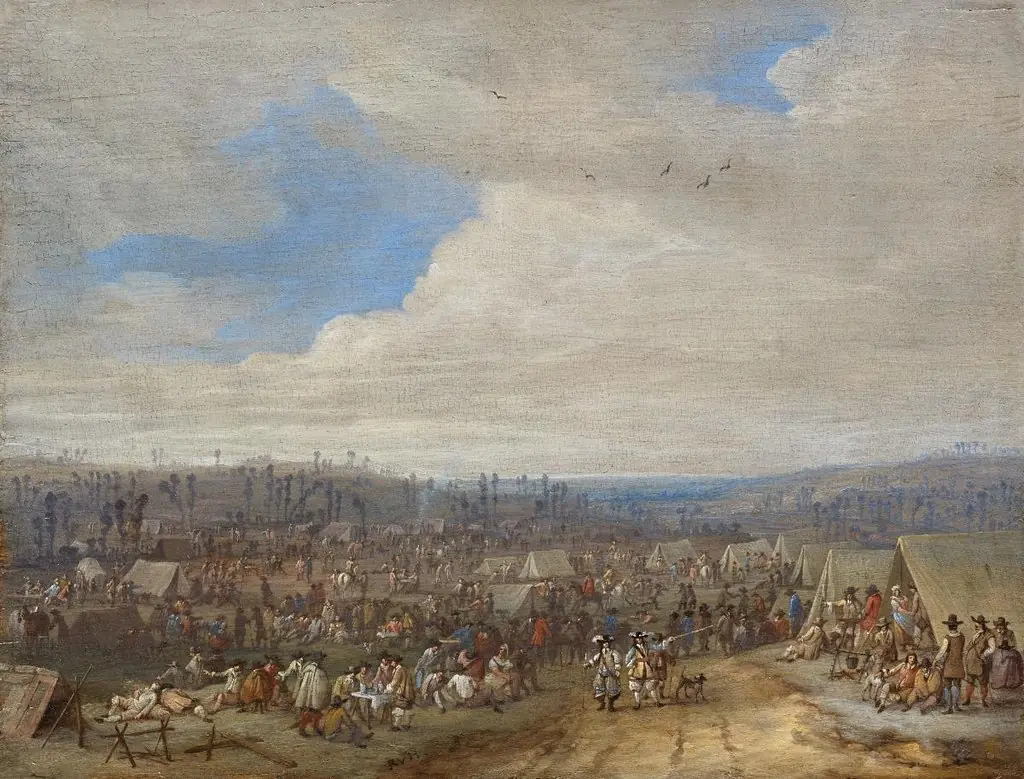 Soldaten im Lager
 Flemish Town Sieged by the Spanish Soldiers
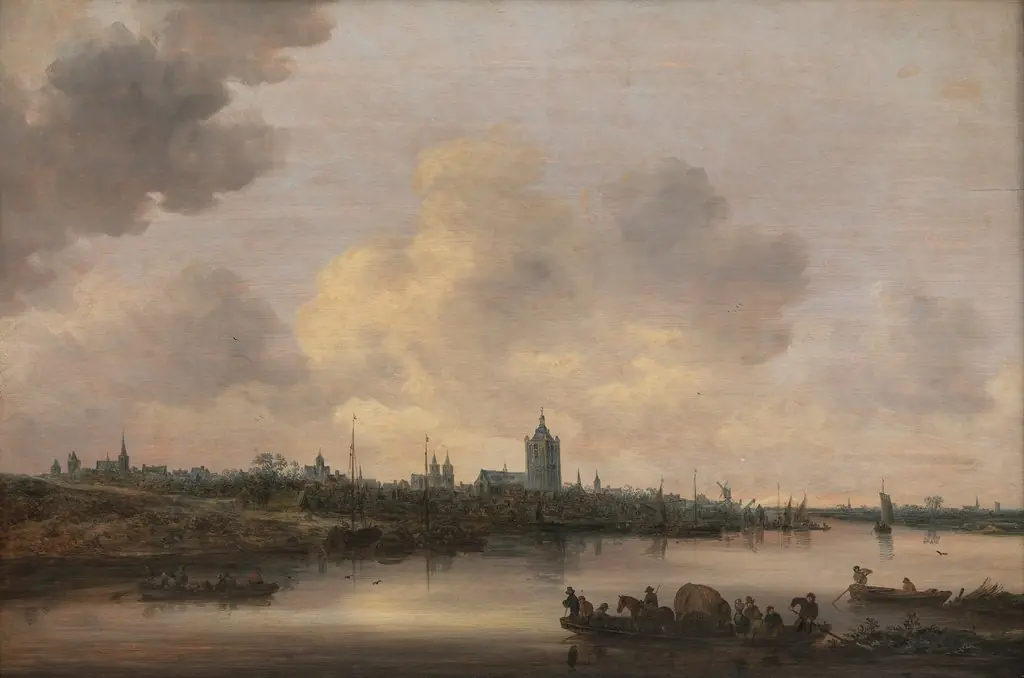 View of the City of Arnhem