Artwork
The Siege and Capture of the City of Hulst from the Spaniards, November 5, 1645
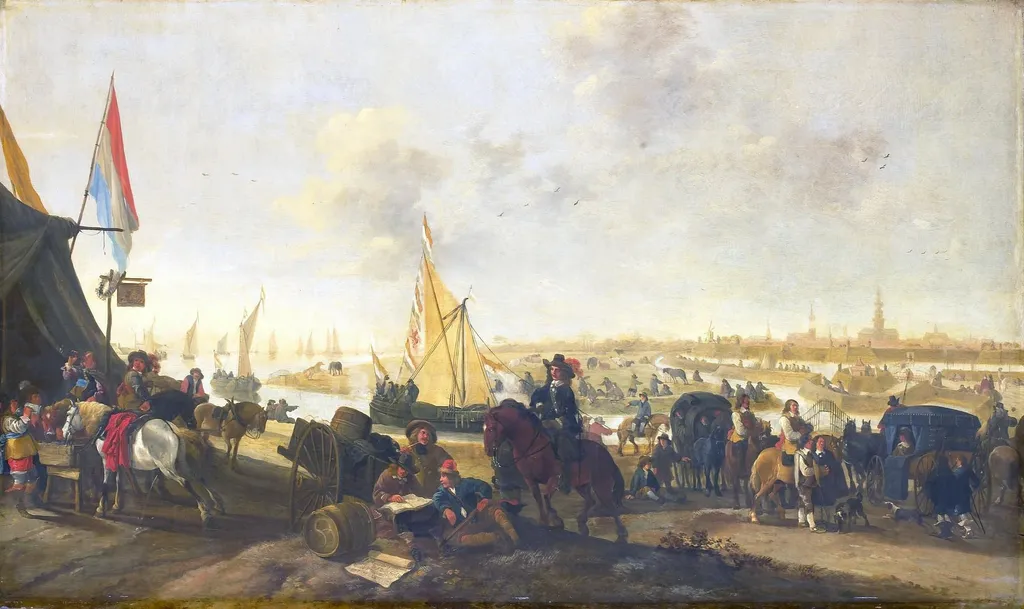
The Siege and Capture of the City of Hulst from the Spaniards, November 5, 1645 is an oil painting by the Dutch Golden Age artist Hendrick de Meijer. It dates from 1645 and is held in the collection of the Rijksmuseum.
About this work
Subject & Meaning
The presence of soldiers and the focus on the siege action convey a symbolic message of victory and commemorate the success.
The painting depicts the Siege and Capture of the City of Hulst from the Spaniards on 5 November 1645, showing soldiers engaged in the assault on the fortified town. As a history painting, the work records this contemporary military event, emphasizing the triumph of the forces involved. The presence of soldiers and the focus on the siege action convey a symbolic message of victory and commemorate the success. By portraying the event in a detailed, narrative format, the artist intends to memorialize the achievement.
Technique & Style
Executed in 1645 by Hendrick de Meijer, this history painting utilizes oil paint applied to a wooden panel support. The work measures 94 cm in height and 154.5 cm in width, presenting a broad horizontal format suitable for depicting the extensive military operations of the Siege of Hulst. As a history painting, the composition focuses on the narrative depiction of soldiers and the capture of the city from Spanish forces.
The available records confirm the medium and support but do not provide specific details regarding the artist's brushwork, surface condition, or underlying preparatory layers.
Overview
Hendrick de Meijer’s 1645 oil on canvas records the capture of Hulst on 5 November 1645. The composition presents a crowded tableau of soldiers, civilians, and horses clustered before a tent, while a rider dominates the central axis. Beyond them, the fortified town rises above a river dotted with vessels, all under a brooding, cloud‑filled sky.
History & Provenance
Created in the year of the event, the canvas entered the Rijksmuseum’s collection, where it remains on public display. Its acquisition history traces back to 19th‑century Dutch efforts to preserve visual records of national military achievements.
Context
The siege of Hulst was part of the broader campaign to expel Spanish forces from the Low Countries. De Meijer’s depiction aligns with contemporary Dutch historiographic paintings that celebrated victories, serving both as documentation and as propaganda reinforcing the Republic’s emerging identity.
Artist & collection

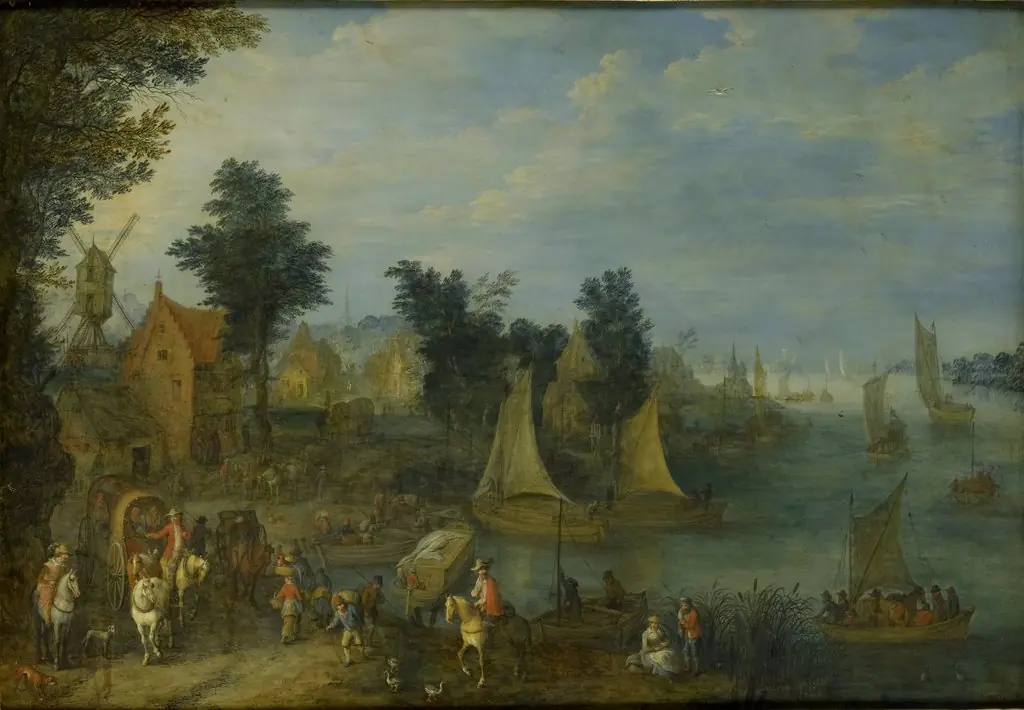
- Village on the Bank of a River
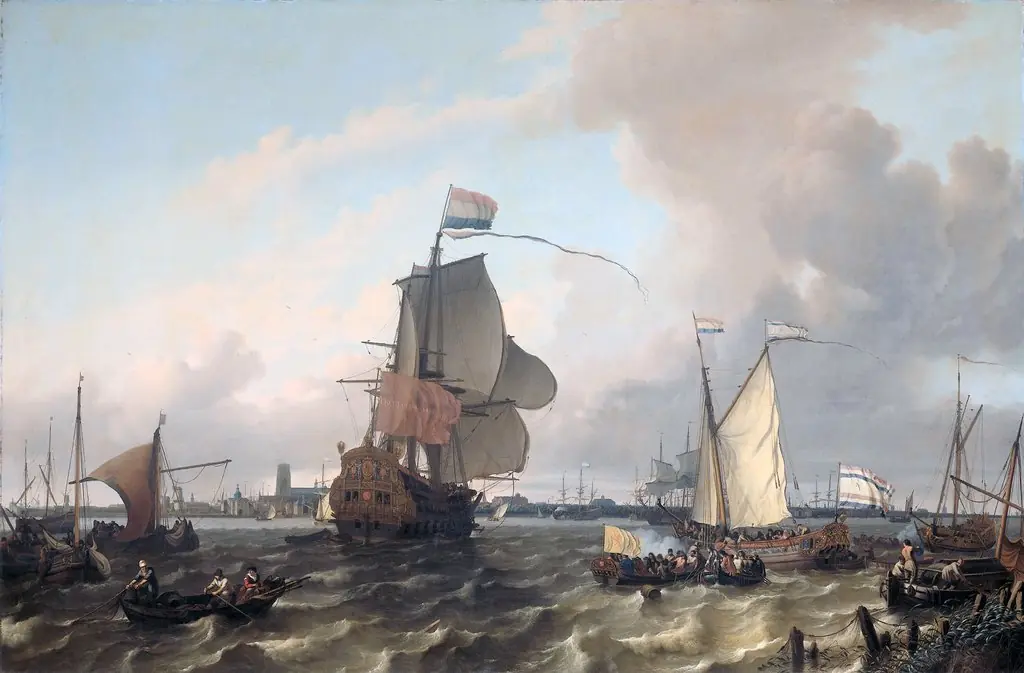 The Man-of-War Brielle on the River Maas off Rotterdam
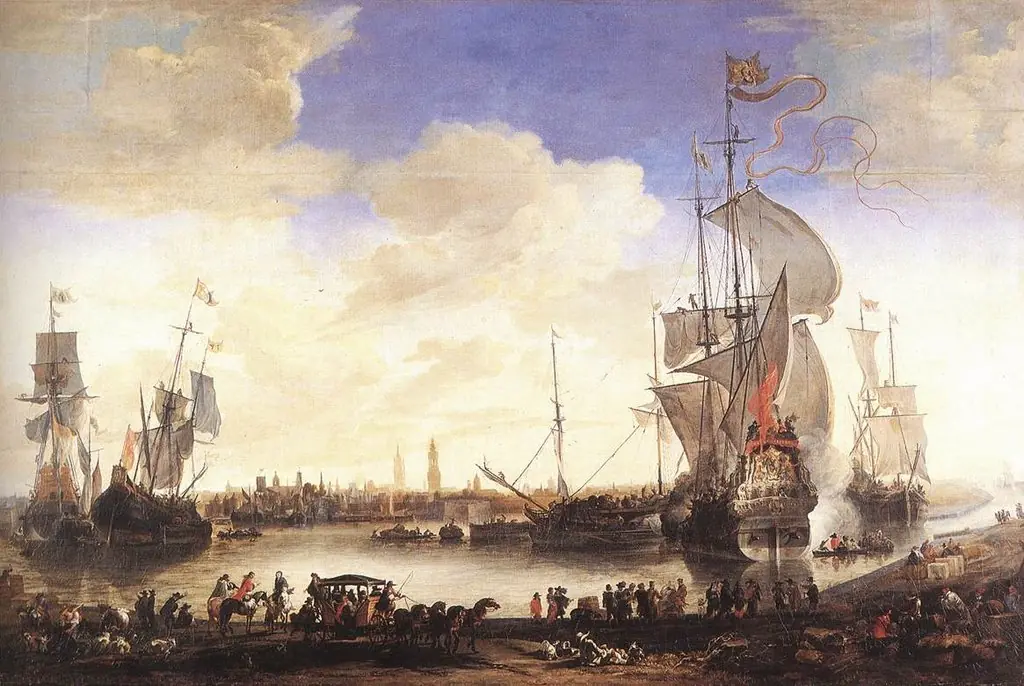 The Harbour Basin in Bruges
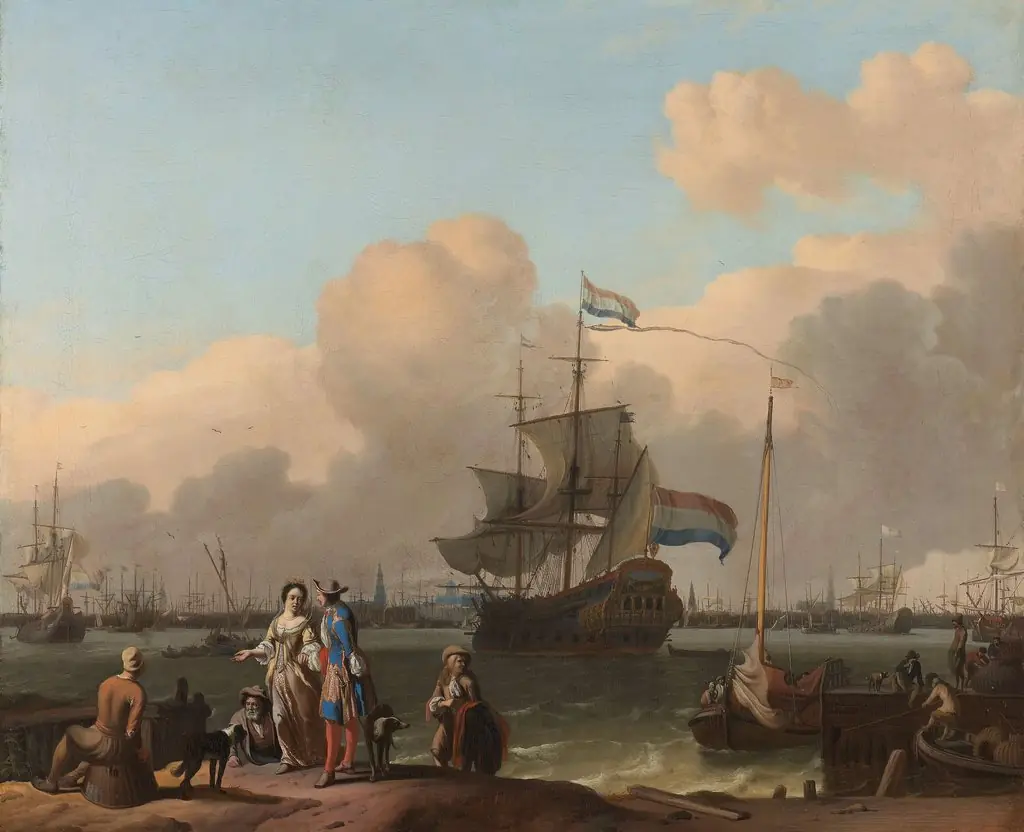 The Y at Amsterdam, with the frigate 'De Ploeg'
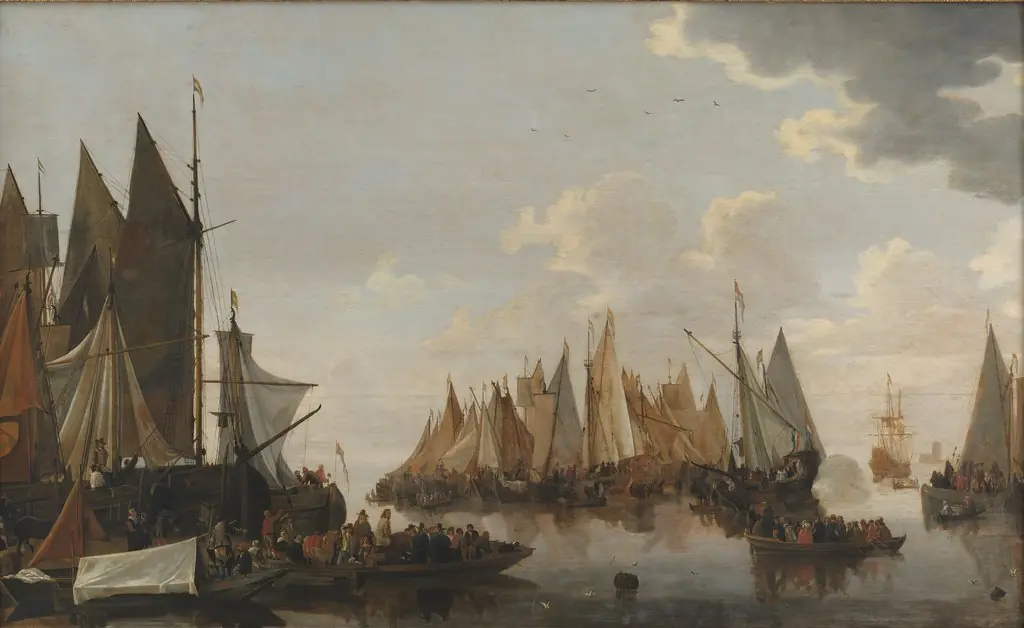 Embarkation of Troops on a Dutch River
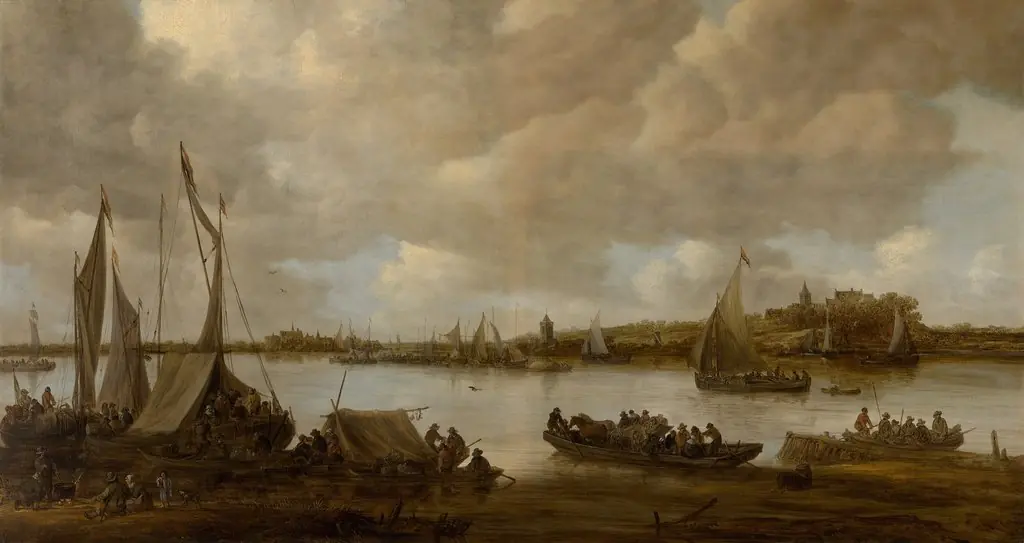 View of the Rhine near Hoog-Elten
 Untitled
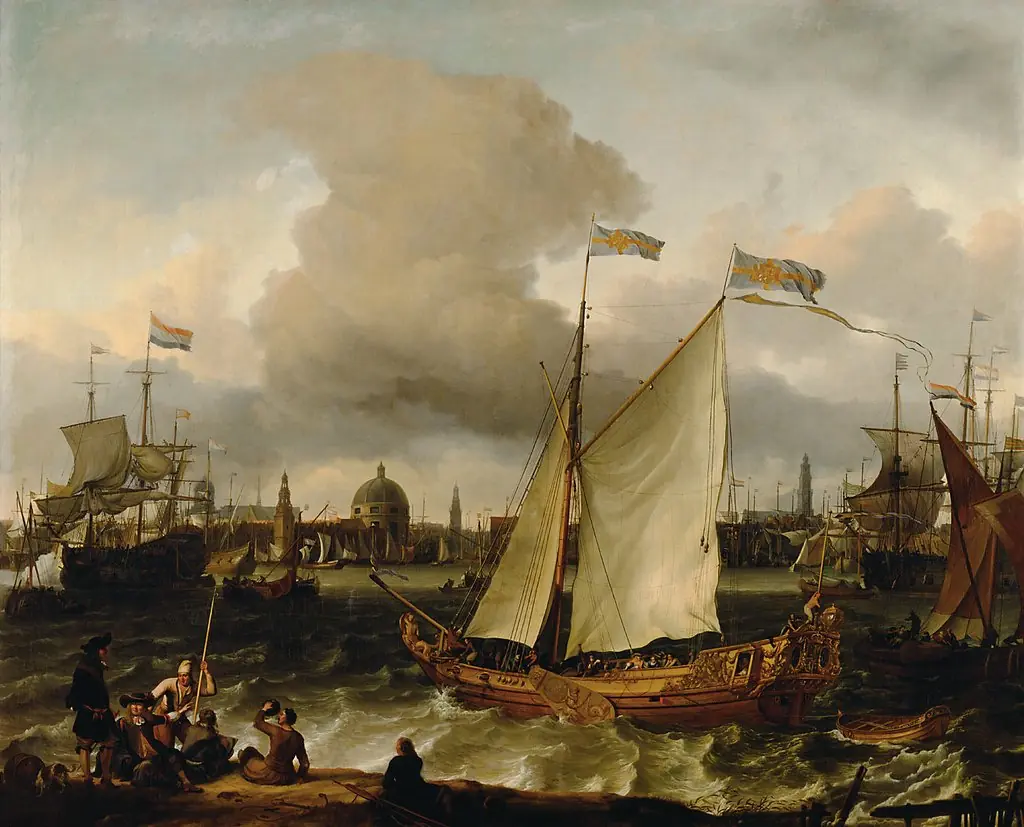 View of the Amsterdam Port with the Swedish Ship 'Lejonet'; the Lutheran Church beyond
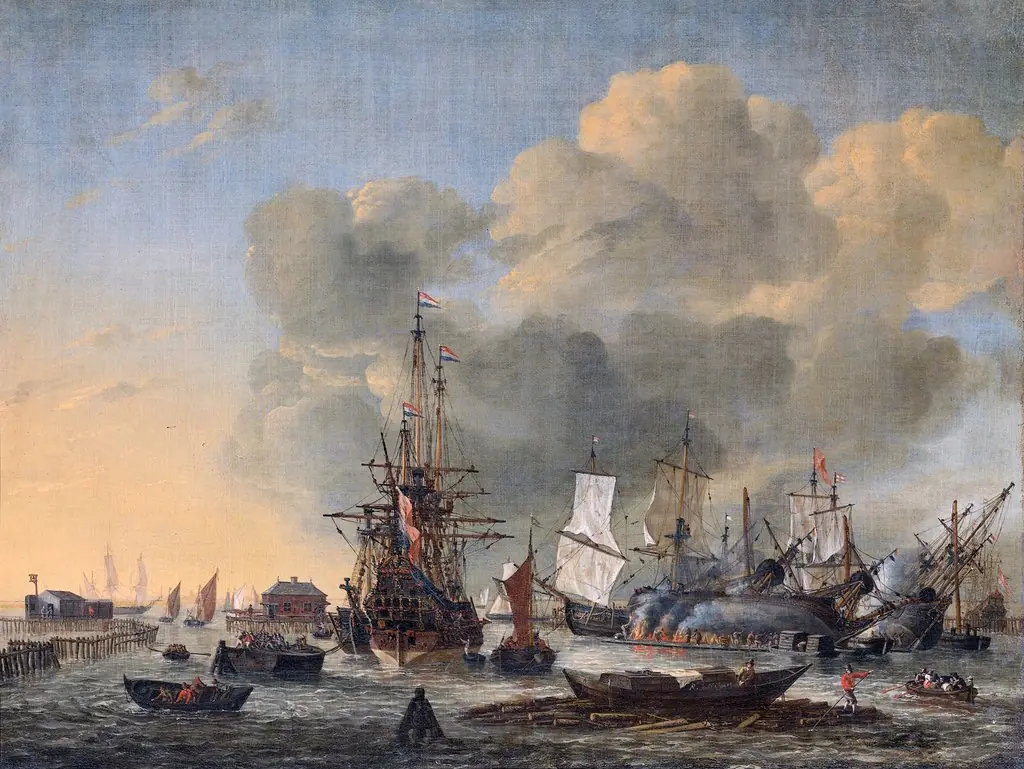 Caulking ships at the Bothuisje (flounder shed) on the Y at Amsterdam
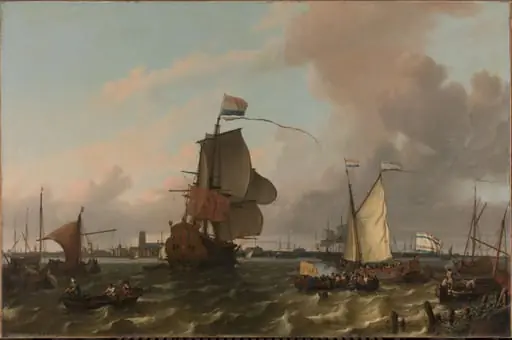 Het oorlogsschip Brielle op de Maas voor Rotterdam
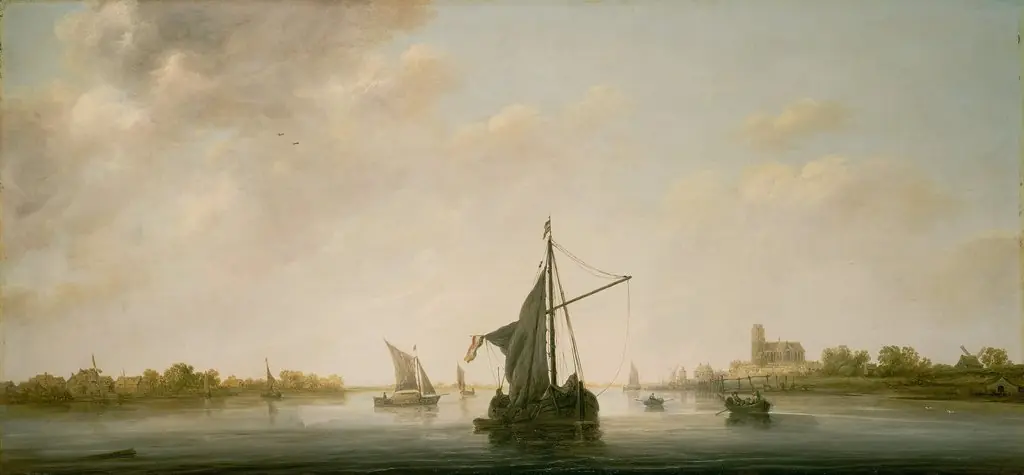 A View of the Maas at Dordrecht
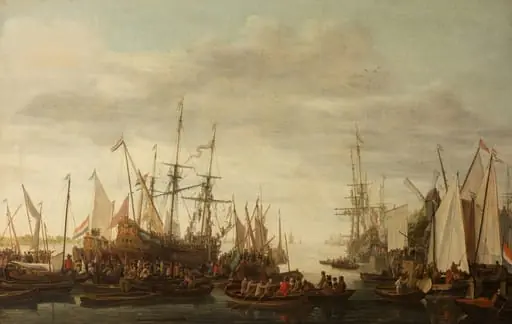 Het kielhalen van de scheepschirurgijn van admiraal Jan van Nes