Artwork
Woman Seated at a Table (Vanitas)
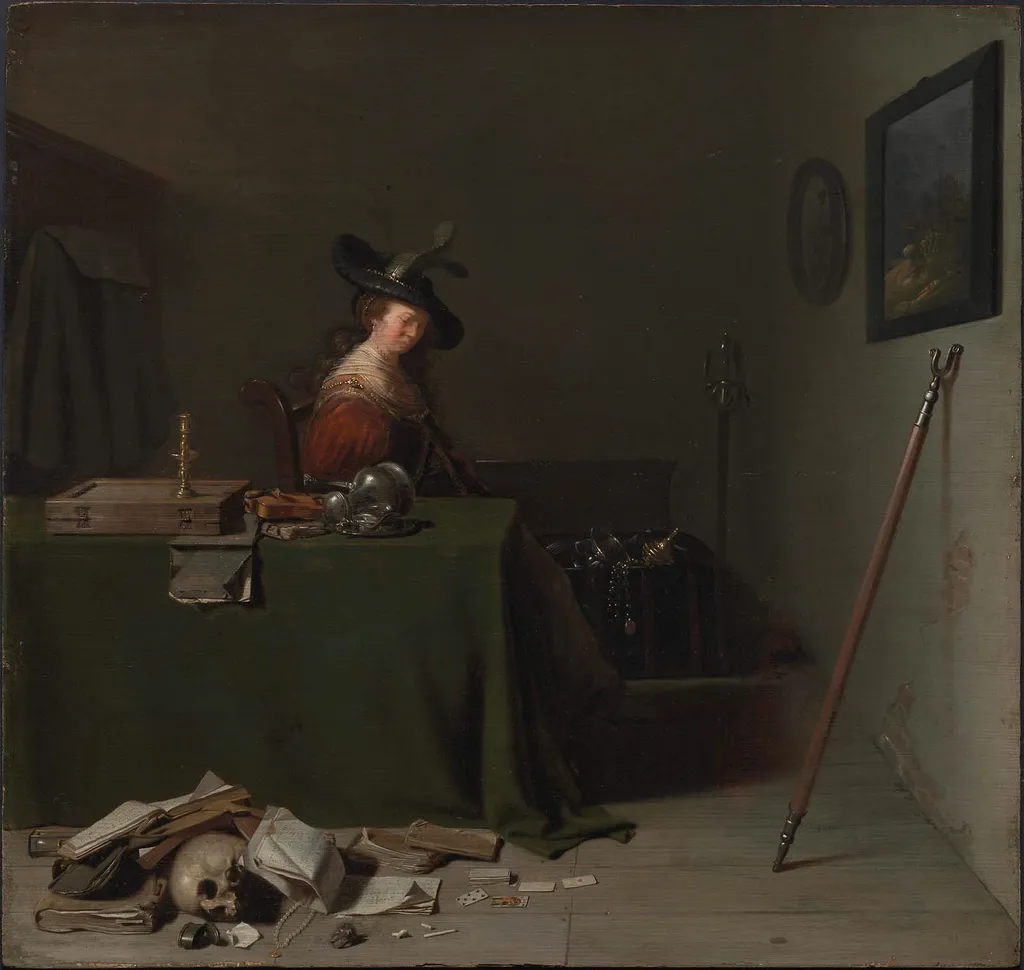
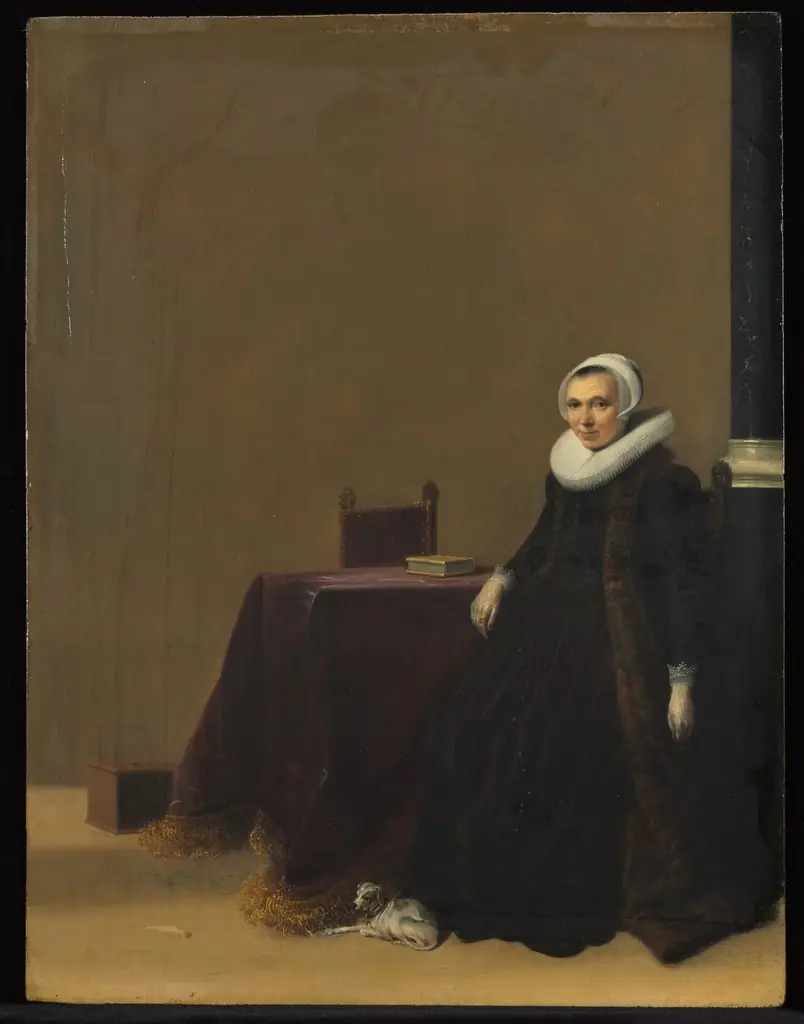
Woman Seated at a Table (Vanitas) is an oil painting by the Dutch Golden Age artist Hendrik Gerritsz Pot. It dates from 1628 and is held in the collection of the Museum of Fine Arts Boston.
About this work
History & Provenance
No specific inventory or accession number is provided in the available sources, nor is there any recorded exhibition history for this piece.
The painting Woman Seated at a Table (Vanitas) by Hendrik Gerritsz Pot is held in the collection of the Museum of Fine Arts, Boston. The work is an oil painting on canvas measuring 48.9 cm in height and 49.2 cm in width. It is currently owned by Dr. Leon Lilienfeld.
No specific inventory or accession number is provided in the available sources, nor is there any recorded exhibition history for this piece.
Legacy
The painting Woman Seated at a Table (Vanitas) by Hendrik Gerritsz Pot has been cited in art historical literature as an early example of the vanitas genre that influenced later Dutch still-life compositions. Its compositional emphasis on transience and material abundance informed subsequent works by artists such as Willem Kalf and Pieter Claesz, contributing to the development of 17th‑century symbolic still life. The work remains on view at the Museum of Fine Arts Boston, where it is part of the permanent collection and continues to be referenced in scholarly discussions of Dutch Golden Age painting.
Overview
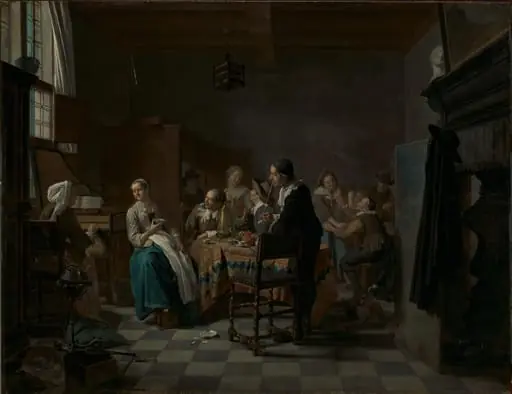
Created circa 1628, Woman Seated at a Table (Vanitas) is an oil painting by Haarlem‑based Dutch Golden Age artist Hendrik Gerritsz Pot. The work shows a solitary female figure at a table, rendered with a striking contrast of light and shadow. It is part of the collection of the Museum of Fine Arts, Boston.
Subject & Meaning
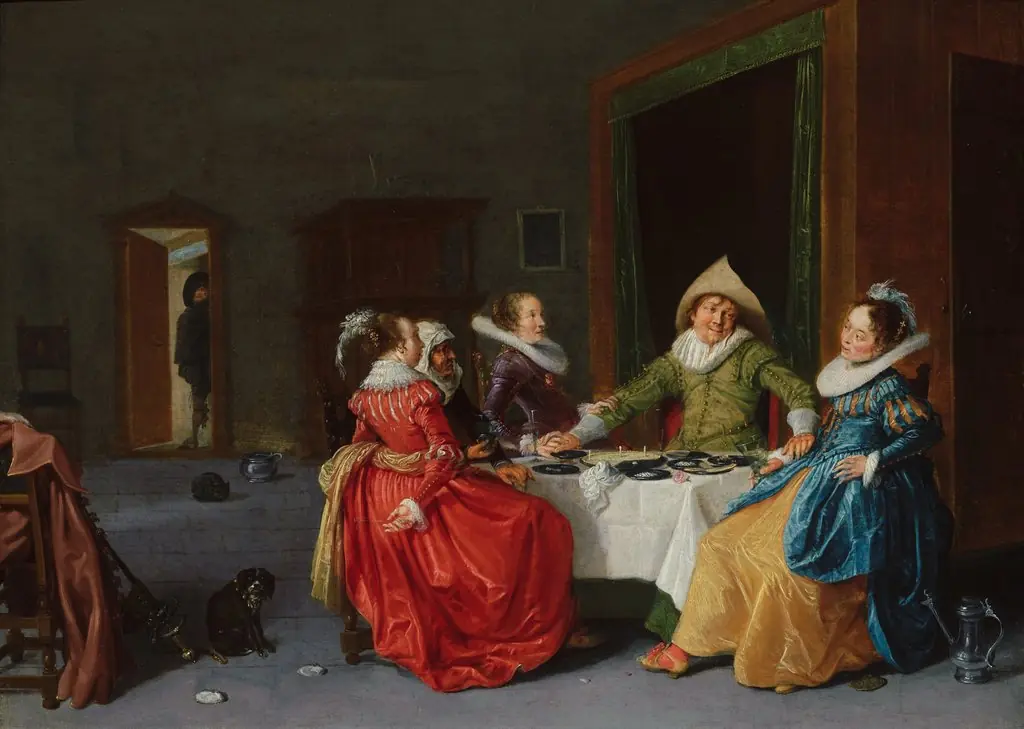
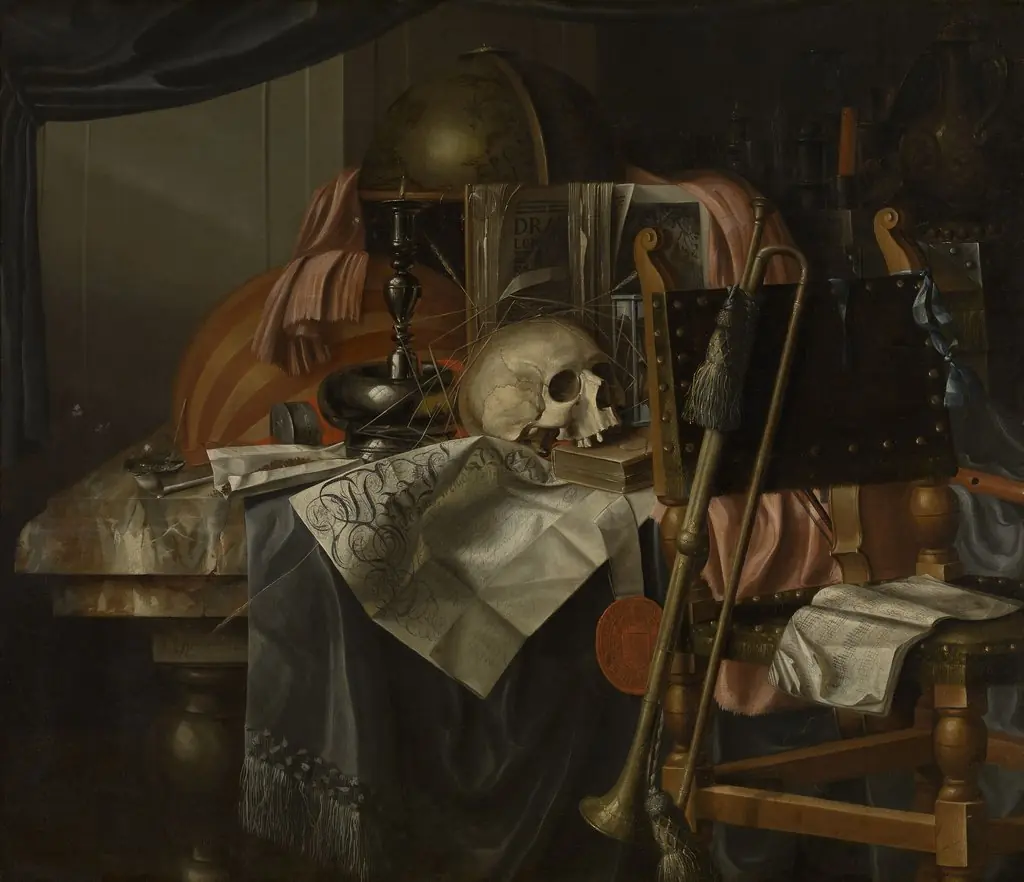
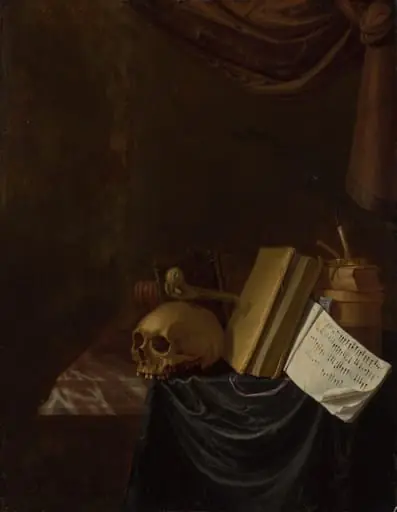
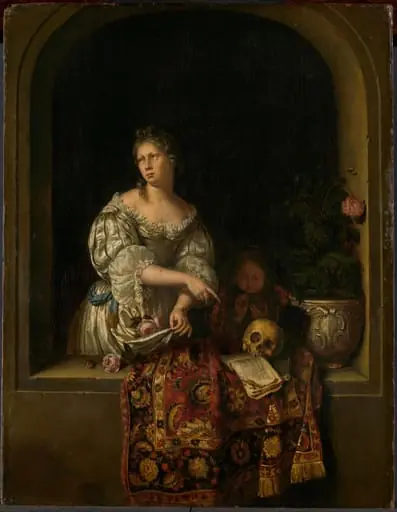
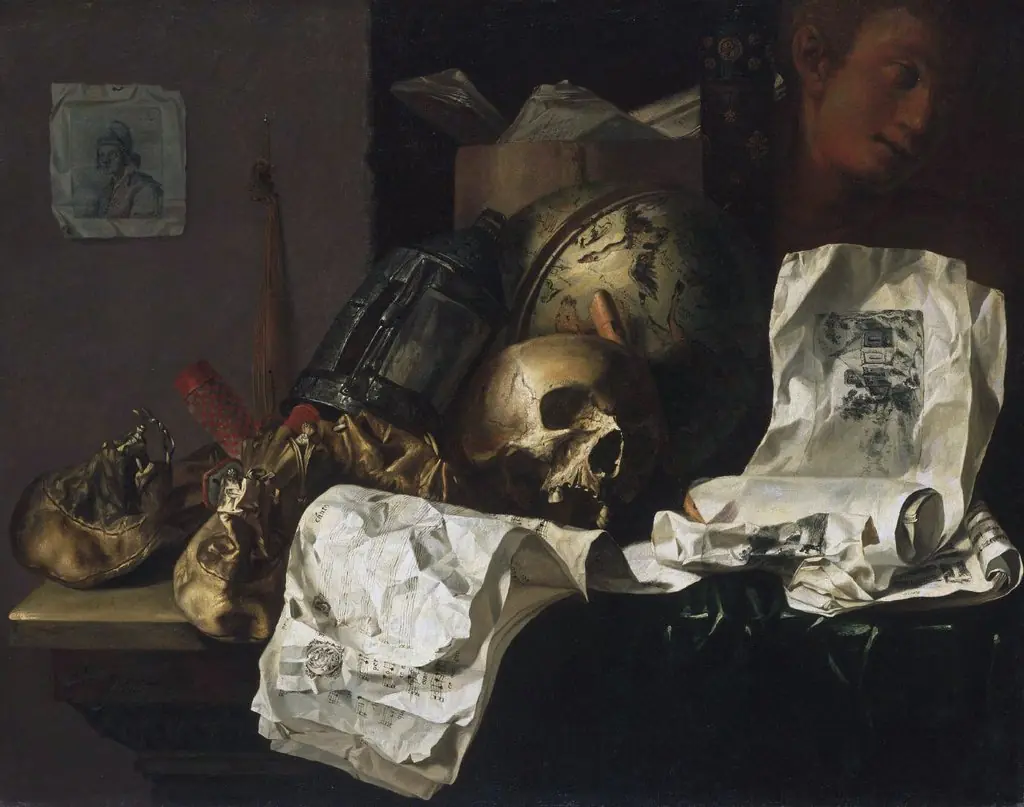
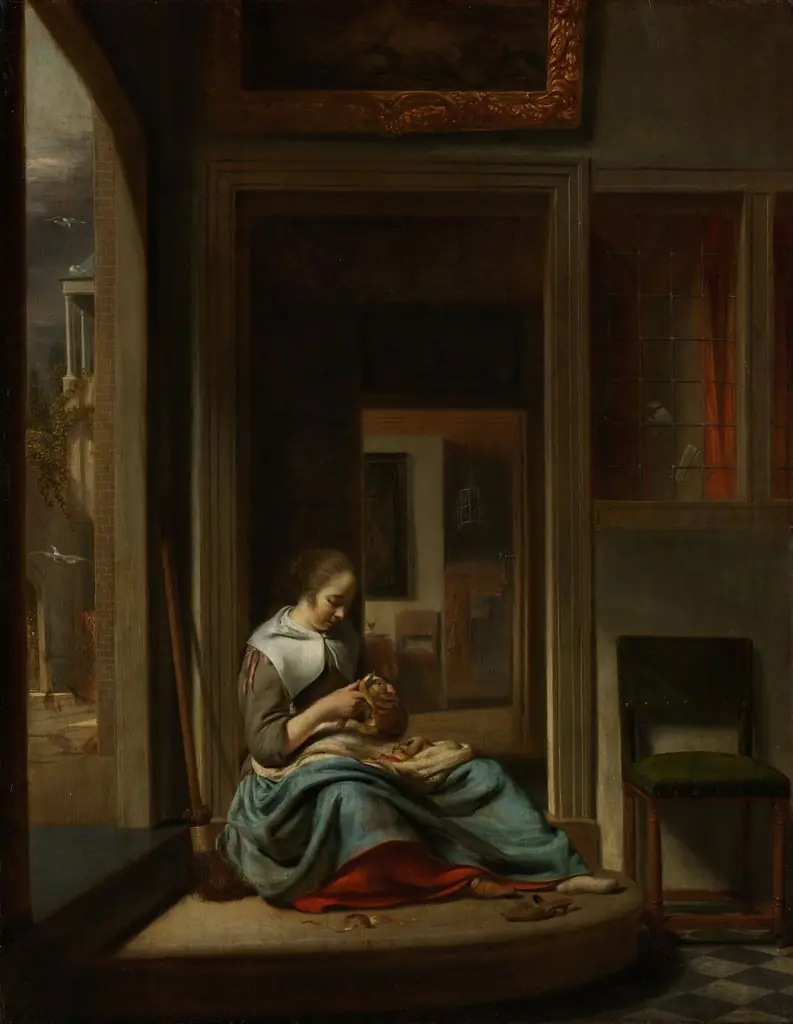
The sitter, dressed in a red gown and black hat, gazes away from the viewer while a helmet, an open book and a candle rest on the tabletop. Scattered playing cards, a skull and assorted small objects lie on the floor, invoking the vanitas tradition that reminds viewers of life's transience and the futility of earthly pursuits.
Technique & Style
Pot employs a chiaroscuro approach, allowing a focused beam of light to illuminate the woman's face and upper body against a deep, muted background. The handling of oil paint creates a smooth flesh tone and crisp details on the accessories, while the darker areas retain a soft, atmospheric quality characteristic of early‑17th‑century Dutch realism.
Context
The painting reflects the broader Dutch preoccupation with moralizing still‑life elements during the Golden Age, where symbols such as skulls and playing cards served as reminders of mortality and the fleeting nature of pleasure. Pot’s work aligns with contemporaneous vanitas compositions, integrating portraiture with allegorical objects to convey a layered narrative.
Own this work as a print
Artist & collection
Artist
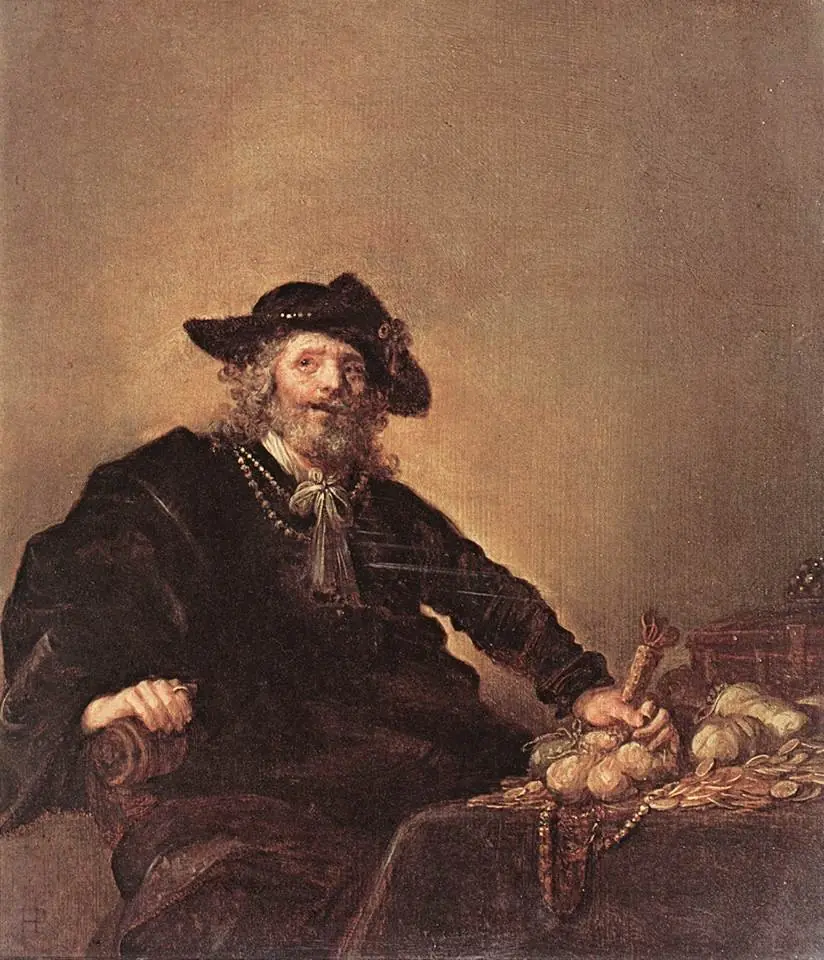
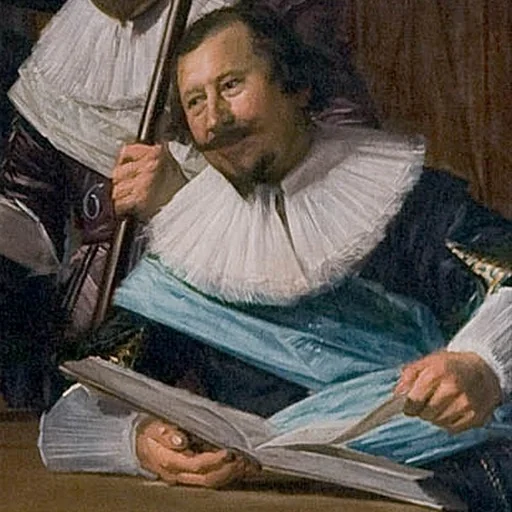
Hendrik Gerritsz Pot (c. 1580 – 15 October 1657 (buried)) was a Dutch Golden Age painter, who lived and painted in Haarlem, where he was an officer of the militia, or schutterij. Dutch artist Frans Hals painted Pot in…