Artwork
Putti Playing
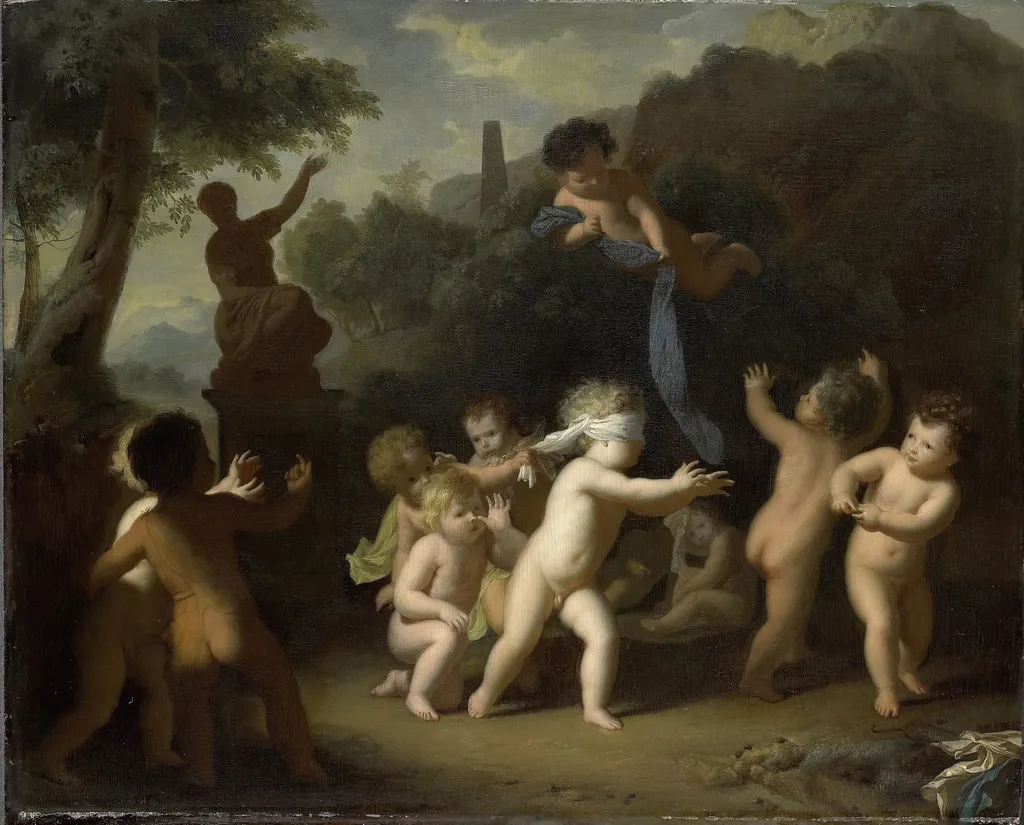
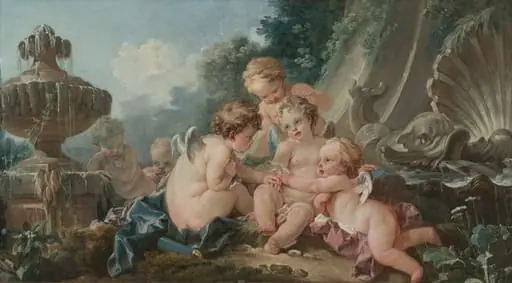
Putti Playing is an unspecified painting by the Rococo painting artist Hendrik van Limborch. It dates from 1710 and is held in the collection of the Rijksmuseum. This painting depicts a lively scene of putti engaged in a game of blind man's bluff within an expansive landscape.
About this work
Technique & Style
The work is classified as a painting. Its title, “Putti Playing,” indicates a figurative subject of cherubic children at play, a motif common in allegorical and decorative compositions of the period. Beyond the medium and subject, the available sources do not document the support, dimensions, or condition of the piece.
Context
Putti Playing is a painting by Hendrik van Limborch, a Dutch artist active in the early eighteenth century who worked in The Hague.
Putti Playing is a painting by Hendrik van Limborch, a Dutch artist active in the early eighteenth century who worked in The Hague. Van Limborch trained successively under Jan Hendrik Brandon, Robbert Duval (from 1696), Jan de Baen, and from 1699 Adriaen van der Werff in Rotterdam, whose refined style he came to imitate. He was registered as a master in the Hague Guild in 1706 and built his reputation primarily on portraits and historical allegories, a body of work that situates Putti Playing within the classicizing, finely finished tradition associated with van der Werff's circle.
The painting is recorded in the Gemälde-Galerie zu Dresden catalogue compiled by Hans Posse (1930), and van Limborch is documented in standard Dutch reference works including the Biographisch woordenboek der Nederlanden. Works by him are also held by the Rijksmuseum.
Overview
This painting depicts a lively scene of putti engaged in a game of blind man's bluff within an expansive landscape. One cherubic figure, blindfolded, reaches out while companions scatter playfully. The composition includes a classical statue and a distant, mountainous vista, characteristic of decorative art from its period. The work captures a lighthearted spirit, often found in 18th-century interiors.
Subject & Meaning
The central action portrays several putti, or winged infants, caught in the midst of a game. One figure, eyes covered, extends its arms in search, while others react with amusement and movement. To the left, a stone sculpture of a seated woman observes the scene from a plinth, grounding the playful activity within a classical setting. The background features rolling hills and an obelisk, adding depth to the pastoral environment.
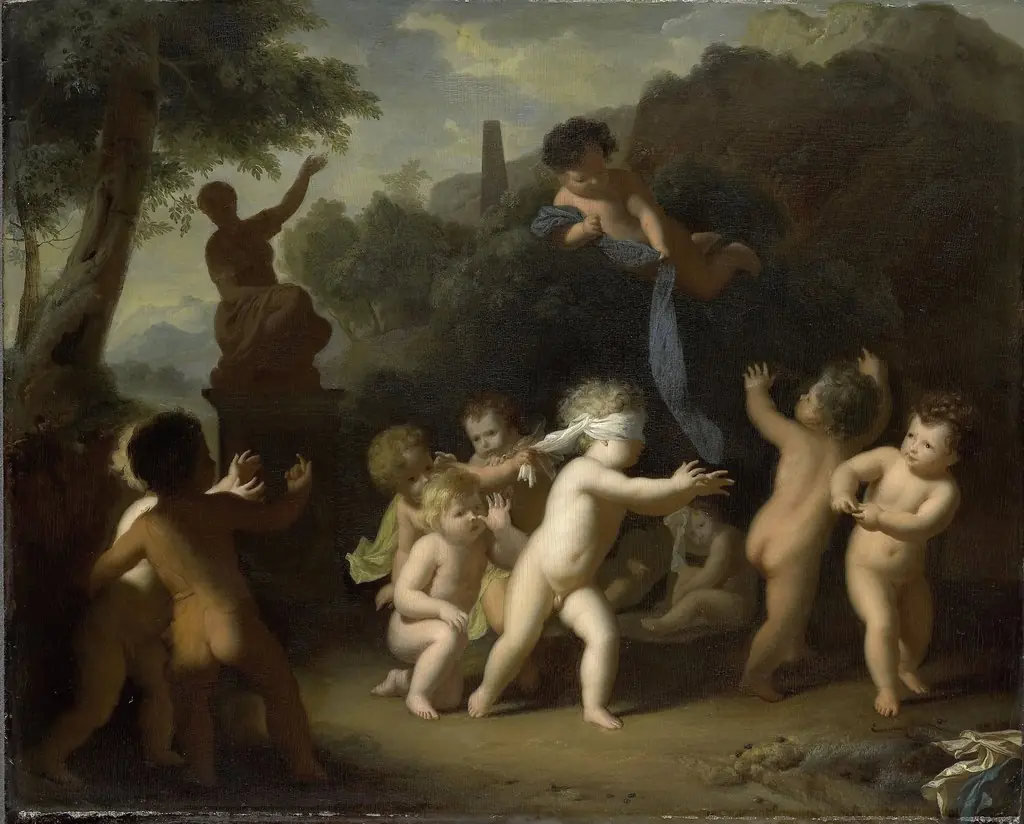
Own this work as a print
Artist & collection

Artist
Hendrik van Limborch (9 March 1681 – 3 February 1759) was a painter and an engraver from the Dutch Republic.

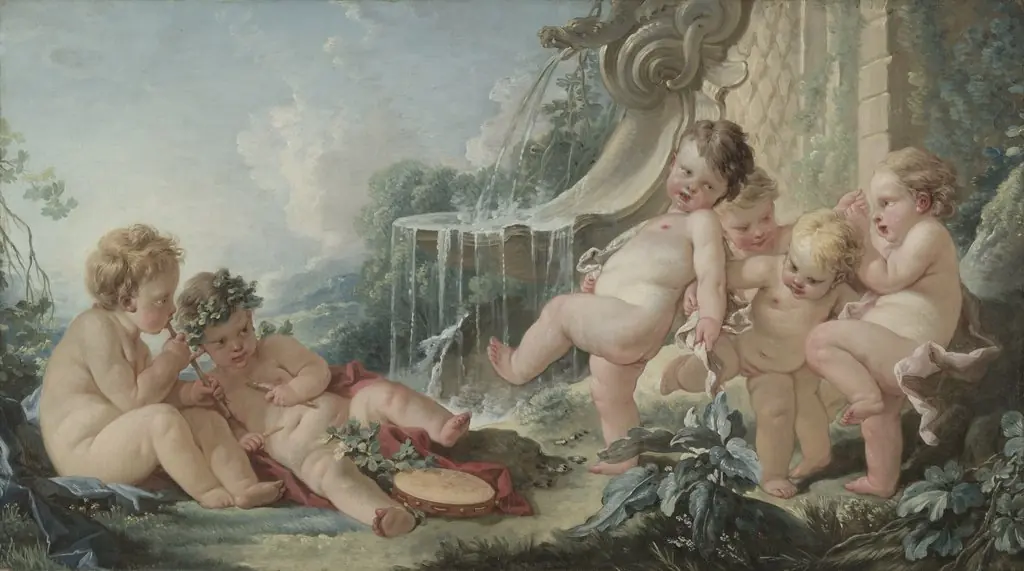 Music and Dance
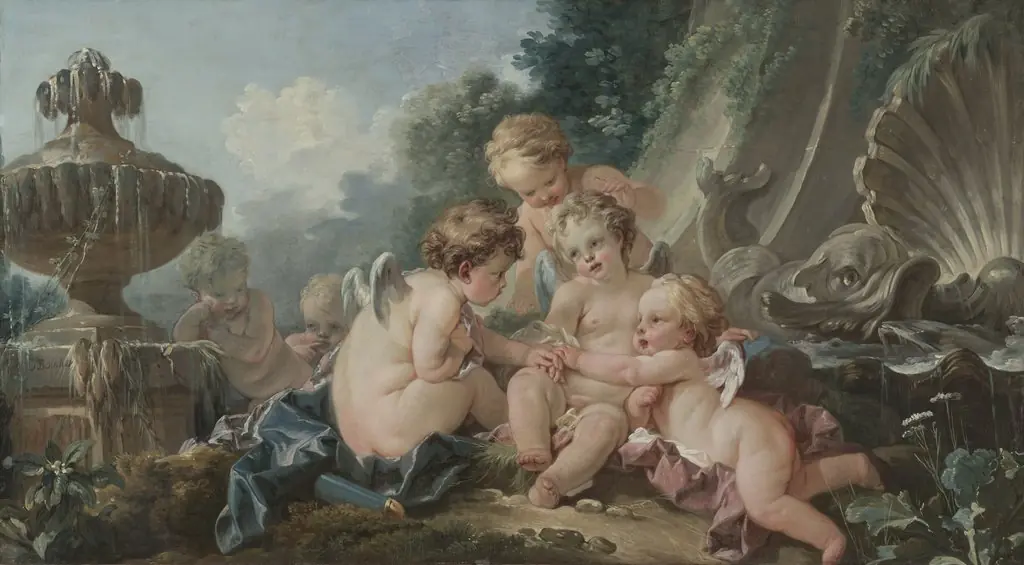 Cupids in Conspiracy
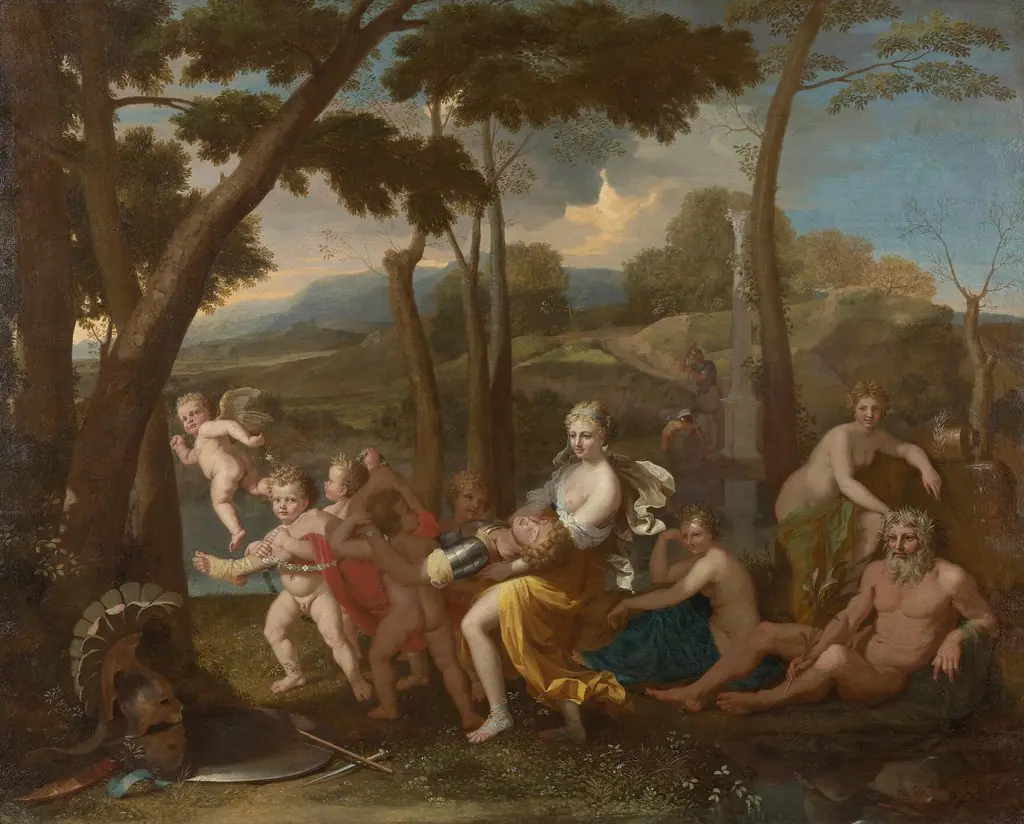 The Abduction of the Euthanized Rinaldo
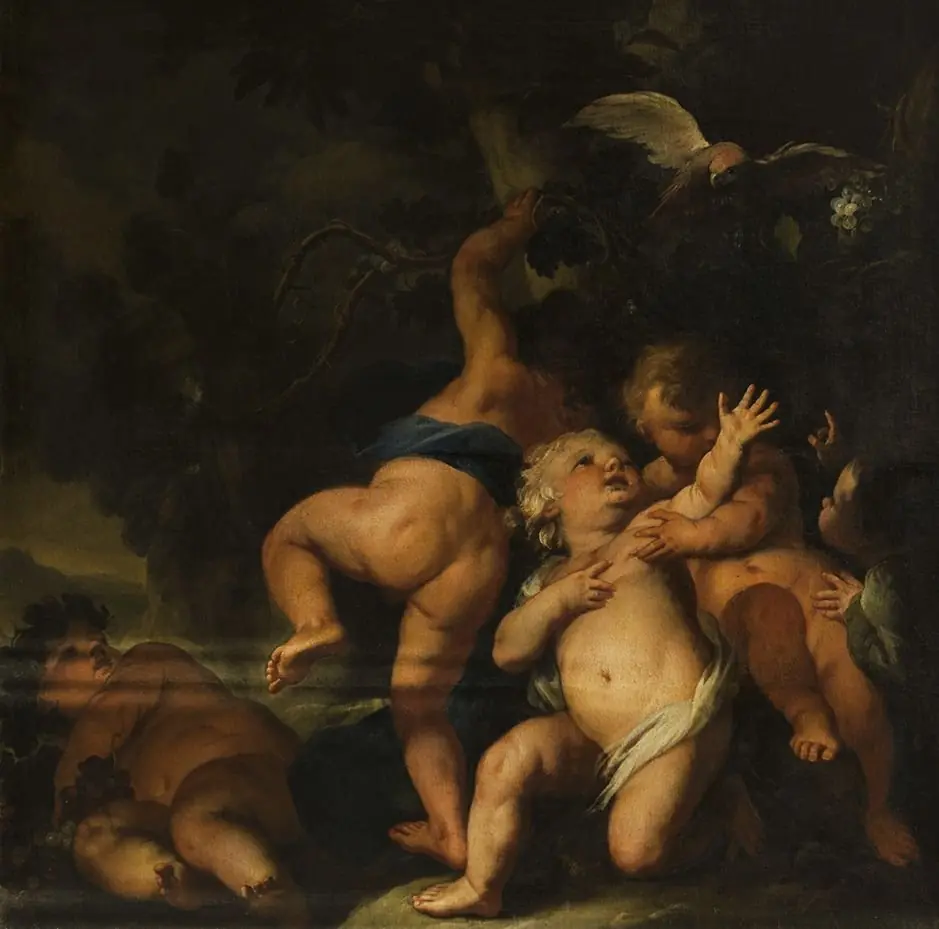 Fünf spielende Kinder mit Weinlaub und Papagei
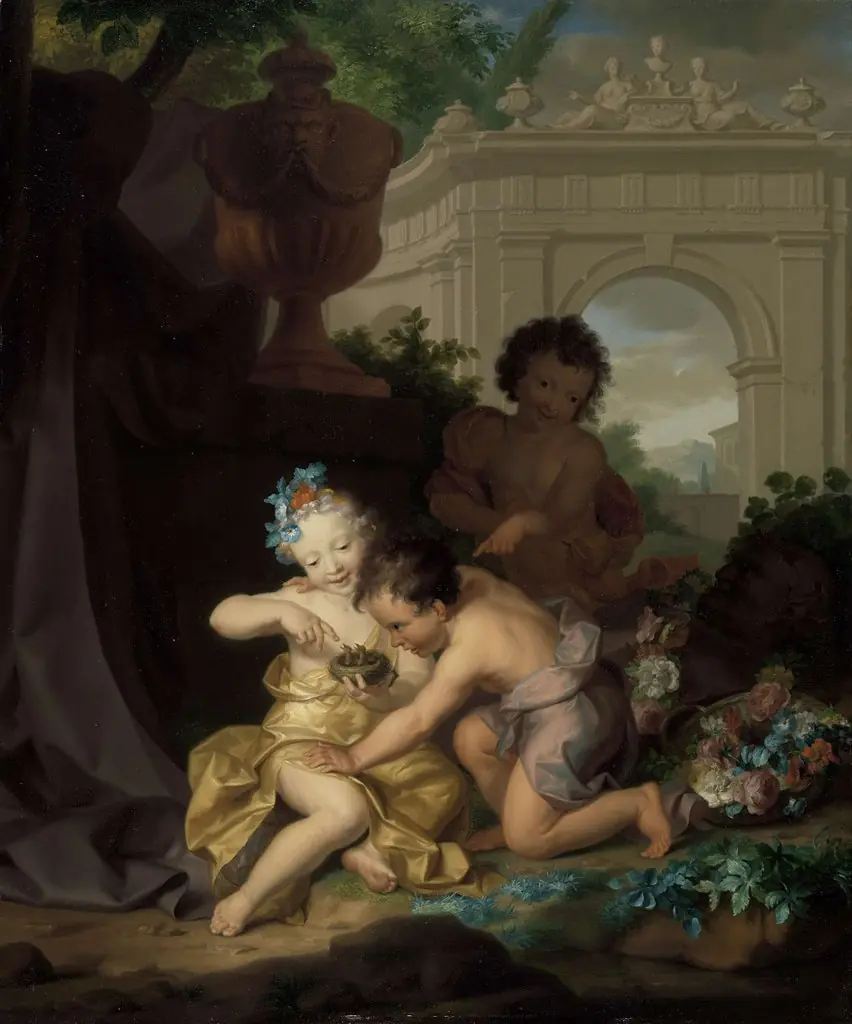 Drie kinderen spelend met een vogelnestje
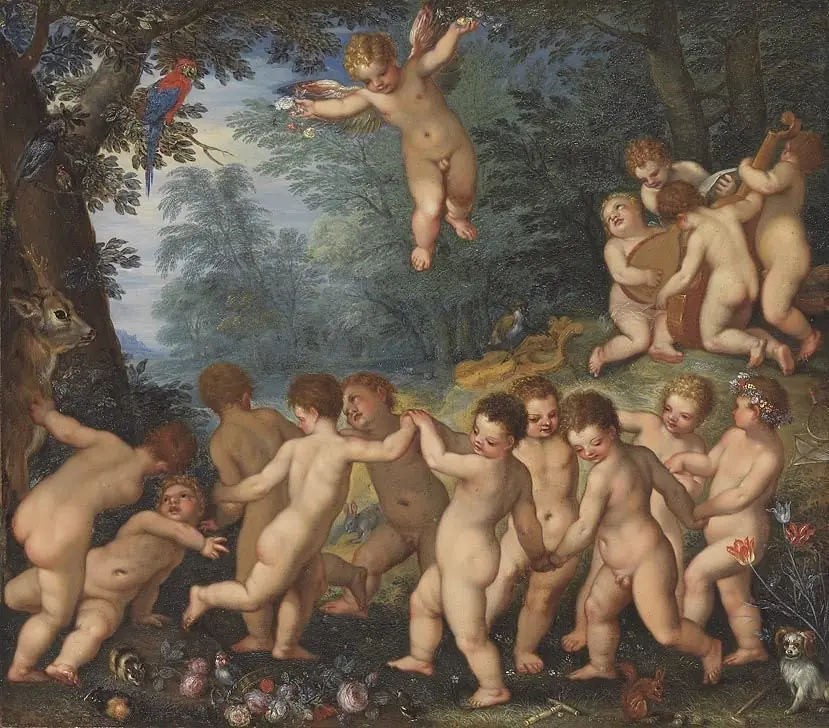 Ring of Children
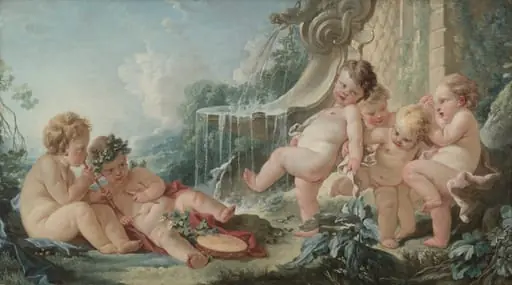 Music and Dance
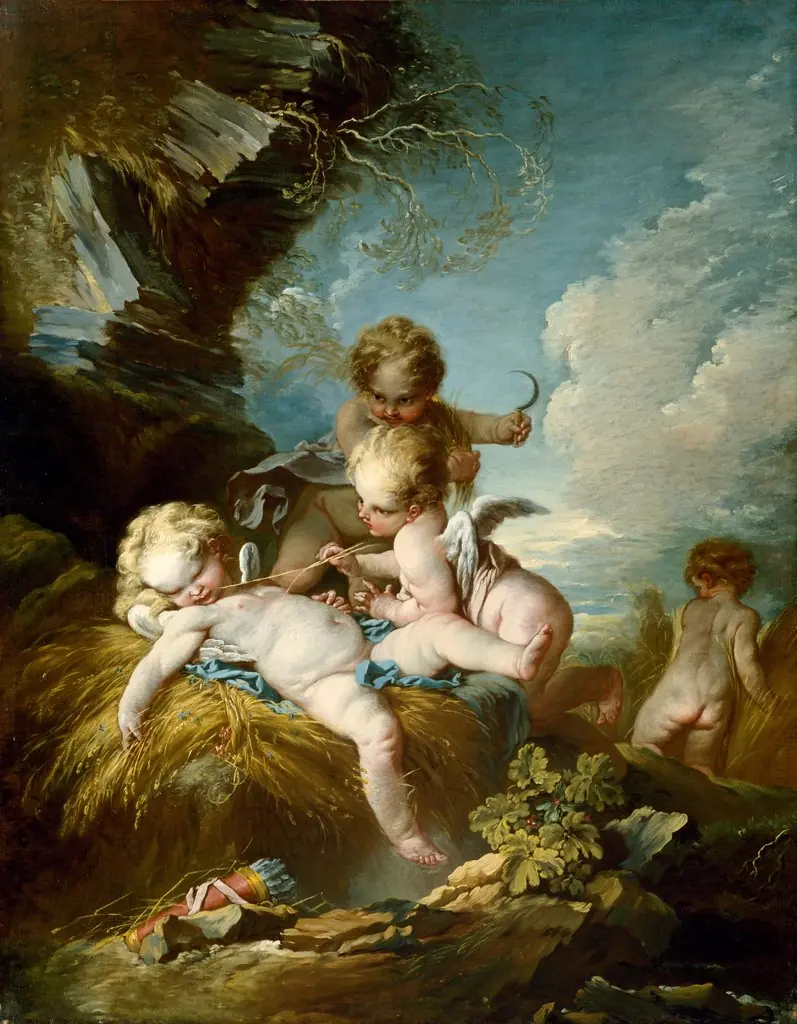 The Cherub Harvesters
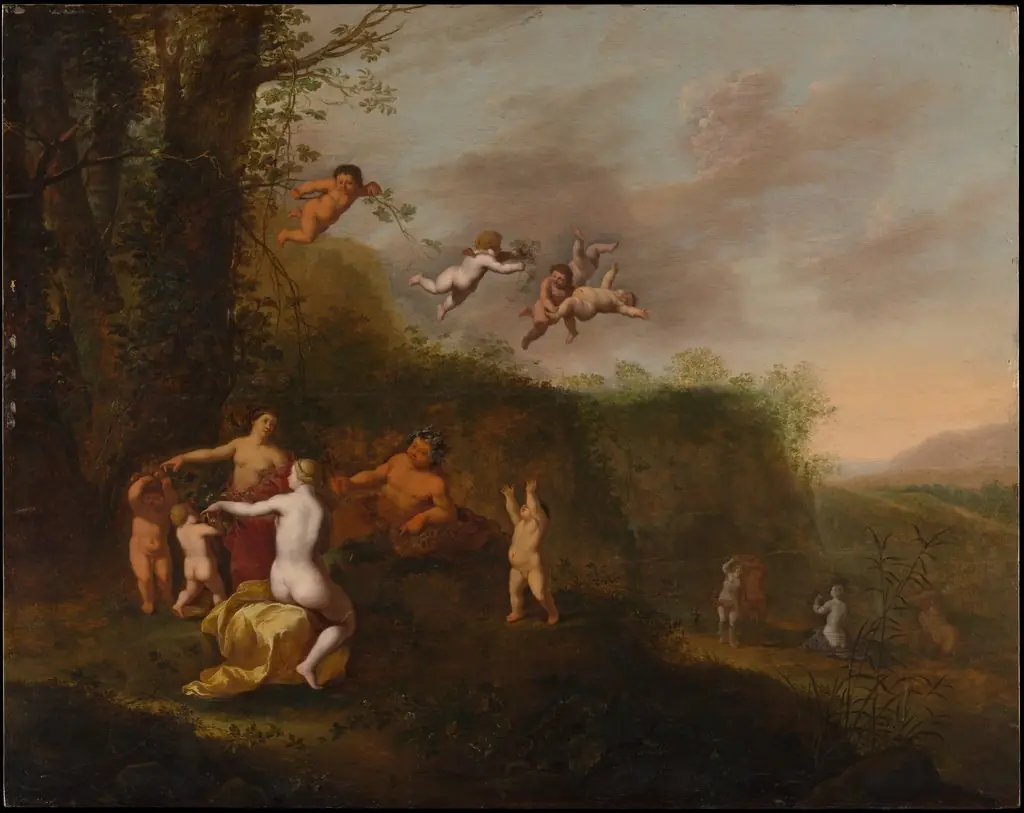 Bacchus and Nymphs in a Landscape
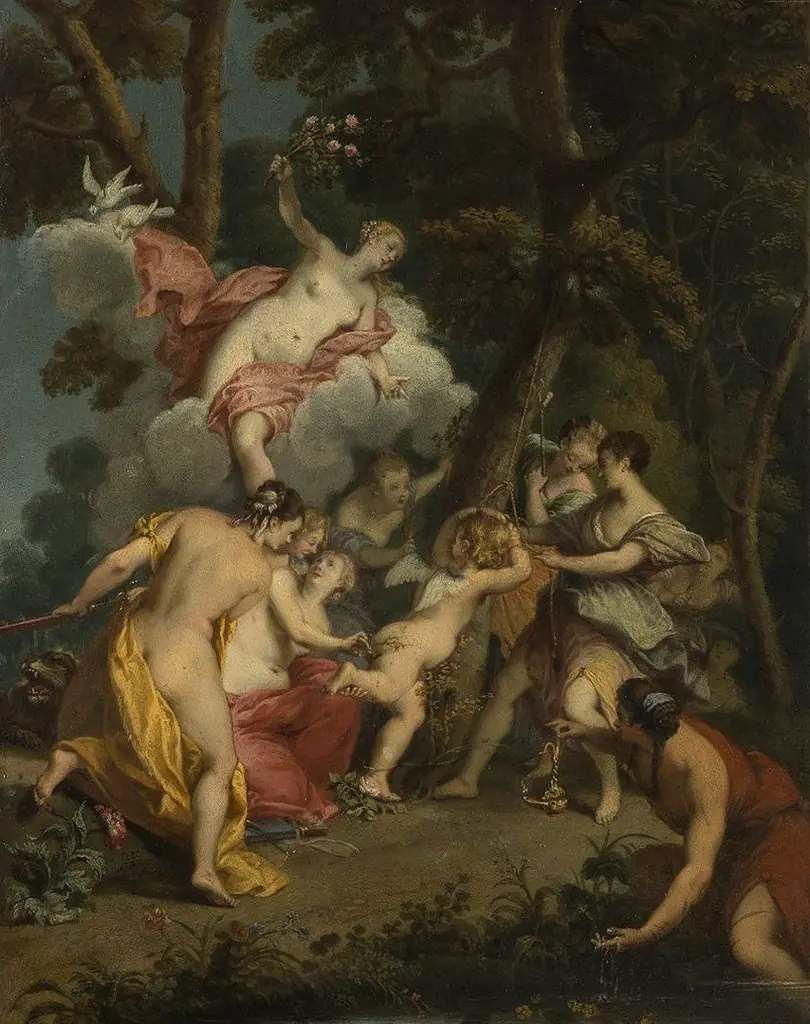 The Punishment of Cupid
 Cupids in Conspiracy
- Playing Putti