Artwork
The Night-Hag Visiting Lapland Witches
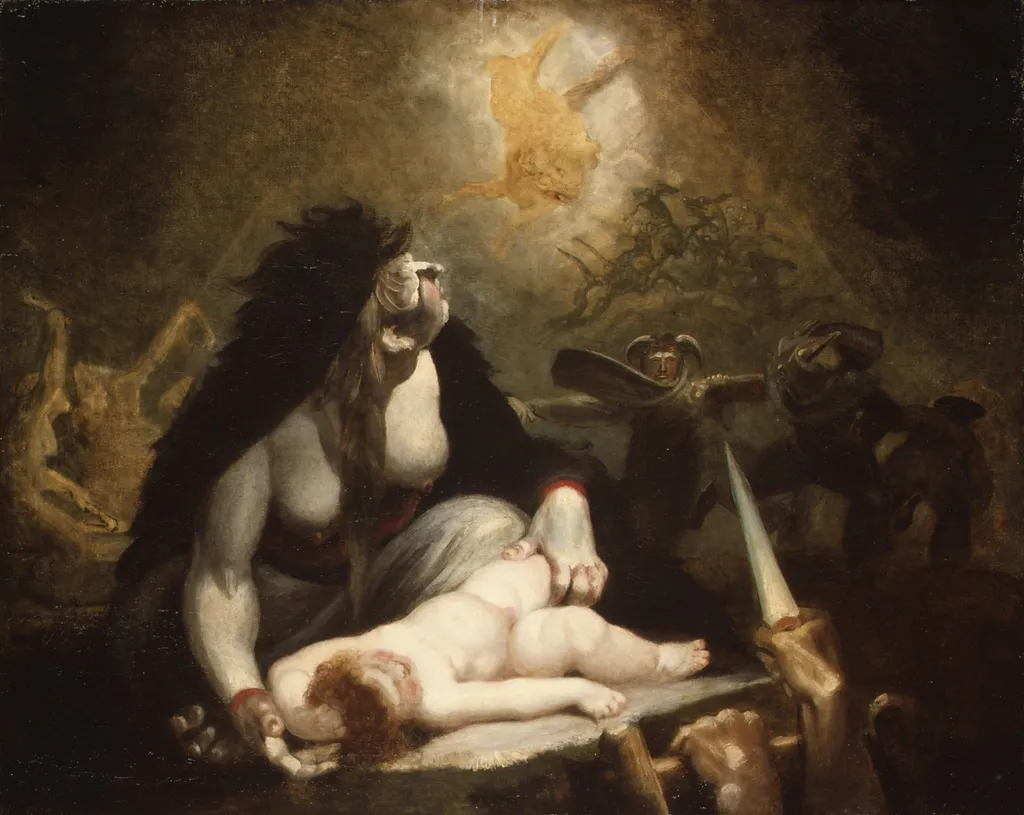
The Night-Hag Visiting Lapland Witches is an oil painting by the British Romanticist artist Henry Fuseli. It dates from 1798 and is held in the collection of the Metropolitan Museum of Art.
About this work
A dark, chaotic scene: a woman crouches over a sleeping child with a knife, her face twisted and intense, while winged shadowy figures hover and a ghostly light glows from above. Fuseli used deep shadow and dramatic light to make it eerie, the child's pale skin standing out against the gloom. Painted in 1798.
Subject & Meaning
Her entrance illuminates a macabre scene in which figures dance or look on while one prepares to stab a naked infant lying on a stone slab in the foreground.
Painted in 1796, this nocturne illustrates an episode from John Milton's Paradise Lost concerning Sin. The composition depicts the aerial arrival of the Night-Hag, identified with Hecate, queen of witches, at a Lapland sabbath. Her entrance illuminates a macabre scene in which figures dance or look on while one prepares to stab a naked infant lying on a stone slab in the foreground.
The imagery draws a parallel between the hell-hounds of Milton's text and the creatures accompanying the witch, reinforcing the work's focus on infanticide and demonic ritual. By visualizing this literary passage, Fuseli turns the abstract idea of sin into a tangible, terrifying narrative of supernatural malevolence.
Technique & Style
Executed in 1796, The Night-Hag Visiting Lapland Witches is oil on canvas and measures 101.6 by 126.4 cm. Classified as a nocturne, it uses a dark, atmospheric setting to depict the supernatural scene, with the figure of Hecate arriving by air to illuminate a gathering of witches. Dramatic handling of light and shadow emphasizes her arrival against the dark background, while the foreground presents a nude infant on a slab surrounded by figures engaged in ritual. The medium supports the rich tonal contrasts characteristic of Fuseli's style, capturing the eerie and macabre subject derived from Milton's Paradise Lost.
History & Provenance
Created in 1796 by the Swiss-born British artist Henry Fuseli, The Night-Hag Visiting Lapland Witches is an oil on canvas inspired by the passage on Sin in John Milton's Paradise Lost. Specific commission details are not recorded. The work was acquired at auction in 1980 and entered the collection of the Metropolitan Museum of Art, New York, where it remains.
It is categorized as a nocturne and is noted for its depiction of Hecate arriving at a Lapland sabbath.
Context
The Night-Hag Visiting Lapland Witches (1796) by Henry Fuseli holds a distinctive place in late-eighteenth-century British art as a dramatic illustration of Miltonic subject matter. Its nocturnal violence and supernatural iconography belong to Fuseli's broader engagement with the sublime and the irrational, themes central to his reputation among the Romantic generation. Critical reception has emphasized the work's alignment with its literary source, John Milton's Paradise Lost, which the composition literalizes through Hecate's arrival at a Lapland witches' sabbath.
Its acquisition by the Metropolitan Museum of Art in 1980 secured its place among the museum's holdings of Romantic-era painting.
Legacy
The Night-Hag Visiting Lapland Witches is among Fuseli's notable treatments of nocturnal horror and the grotesque. The painting fuses Miltonic subject matter with the dramatic chiaroscuro characteristic of his work, contributing to Romantic-era depictions of witchcraft and the supernatural. Its acquisition by the Metropolitan Museum of Art in 1980 secured its place within Fuseli's oeuvre and ensured its continued study and reinterpretation in art-historical discourse.
Overview
The Night-Hag Visiting Lapland Witches (1798) by Henry Fuseli is an oil painting that dramatizes a supernatural encounter rooted in the artist's fascination with the macabre and the sublime. The composition centers on a crouching, hag-like figure hovering over a sleeping child, her face contorted in a grimace of malevolent intensity. She clutches a knife, suggesting an imminent threat to the infant.
Surrounding this central interaction are shadowy, winged figures that emerge from the darkness, their expressions ranging from mockery to horror. A stark, ghostly light source from above illuminates the scene, creating a high-contrast chiaroscuro effect that emphasizes the textures of the figures and the depth of the surrounding void. Executed in 1798, this work reflects Fuseli's mature style, characterized by distorted anatomy and psychological tension, which he developed during his time in London.
The painting draws upon contemporary interests in folklore and the occult, specifically referencing the witch trials and superstitions associated with Lapland. It stands as a significant example of Fuseli's contribution to Romanticism, prioritizing emotional impact and dreamlike terror over naturalistic representation.
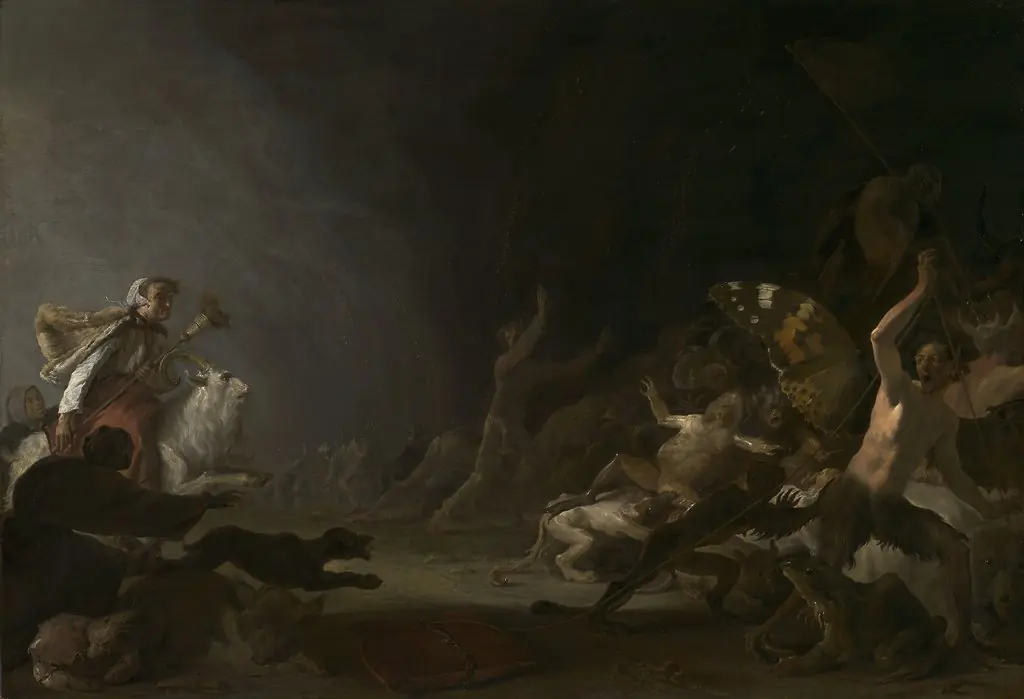
Own this work as a print
Artist & collection
Artist
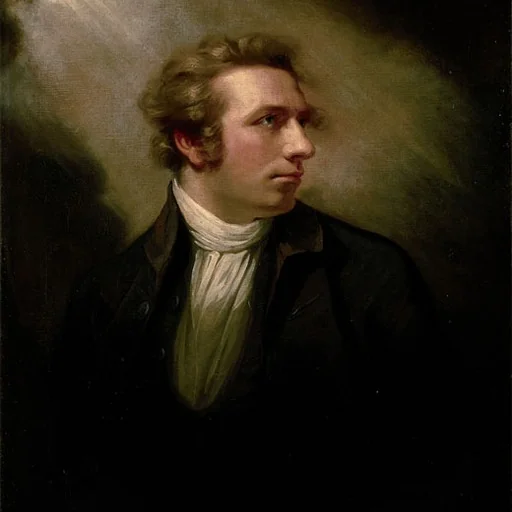
Henry Fuseli was a Swiss painter, draughtsman, and writer on art who spent much of his career in Britain.

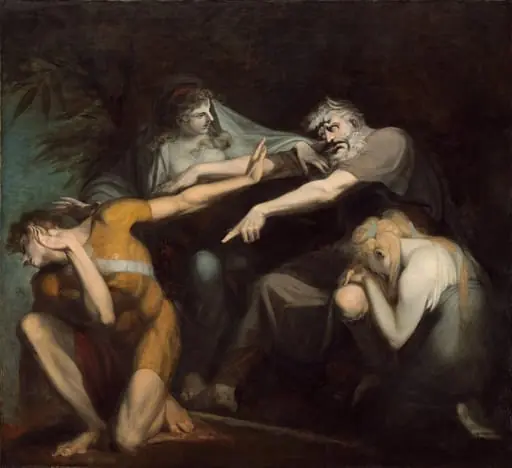
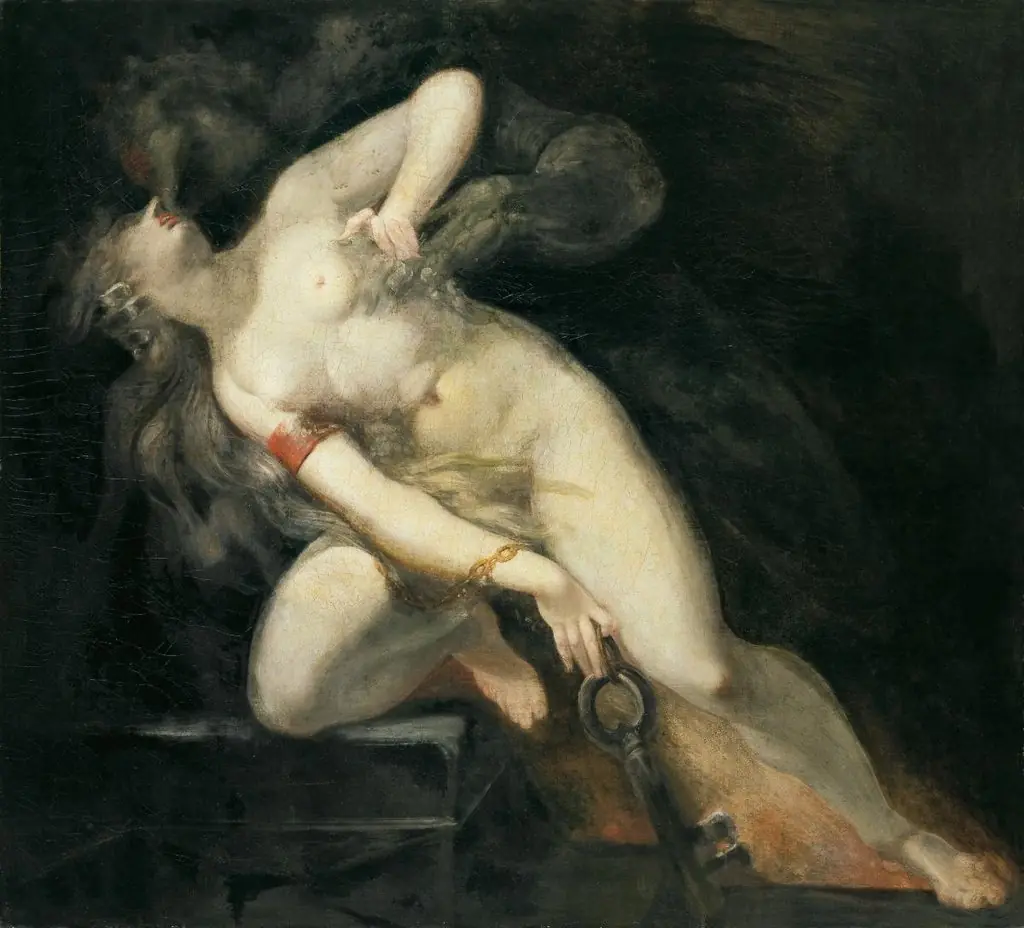 Die Sünde, vom Tode verfolgt
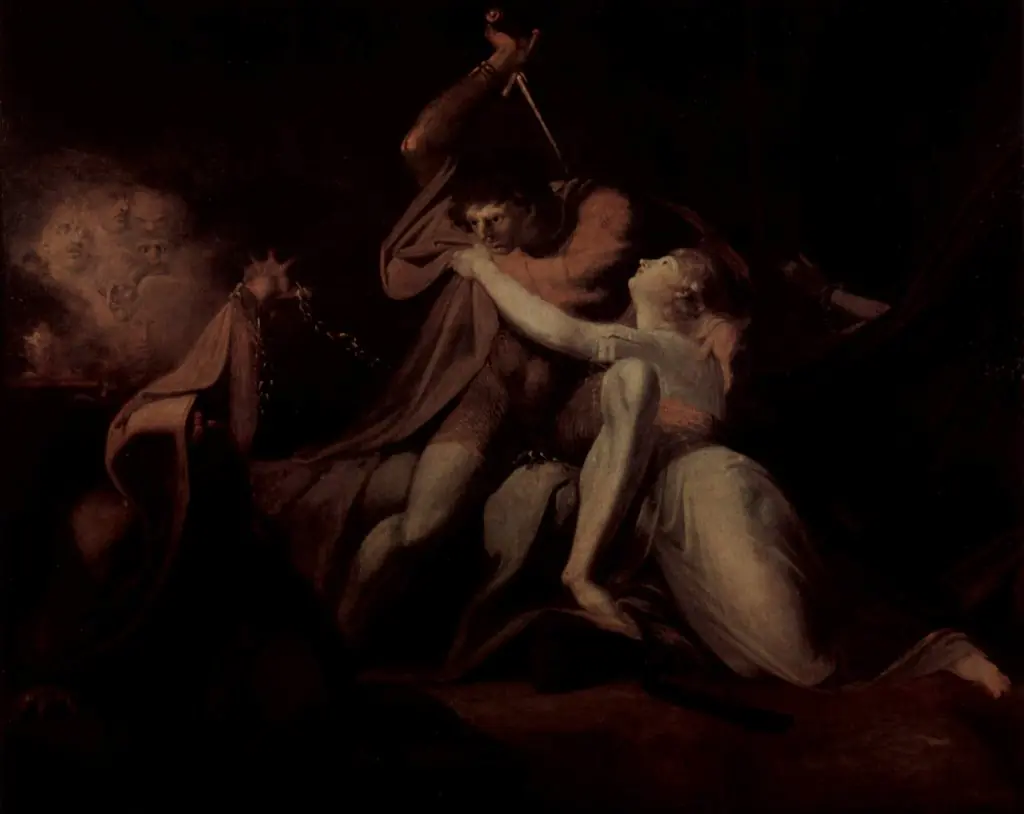 Parcival befreit Belisane von den Zaubereien des Urma
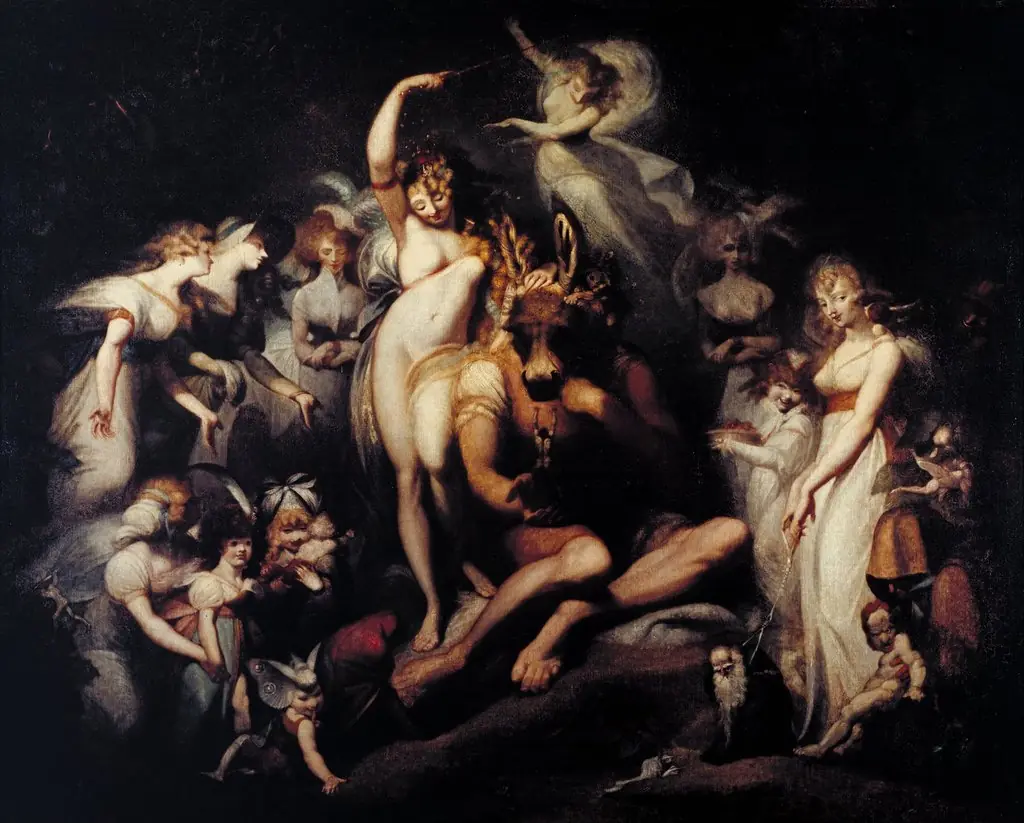 Titania and Bottom
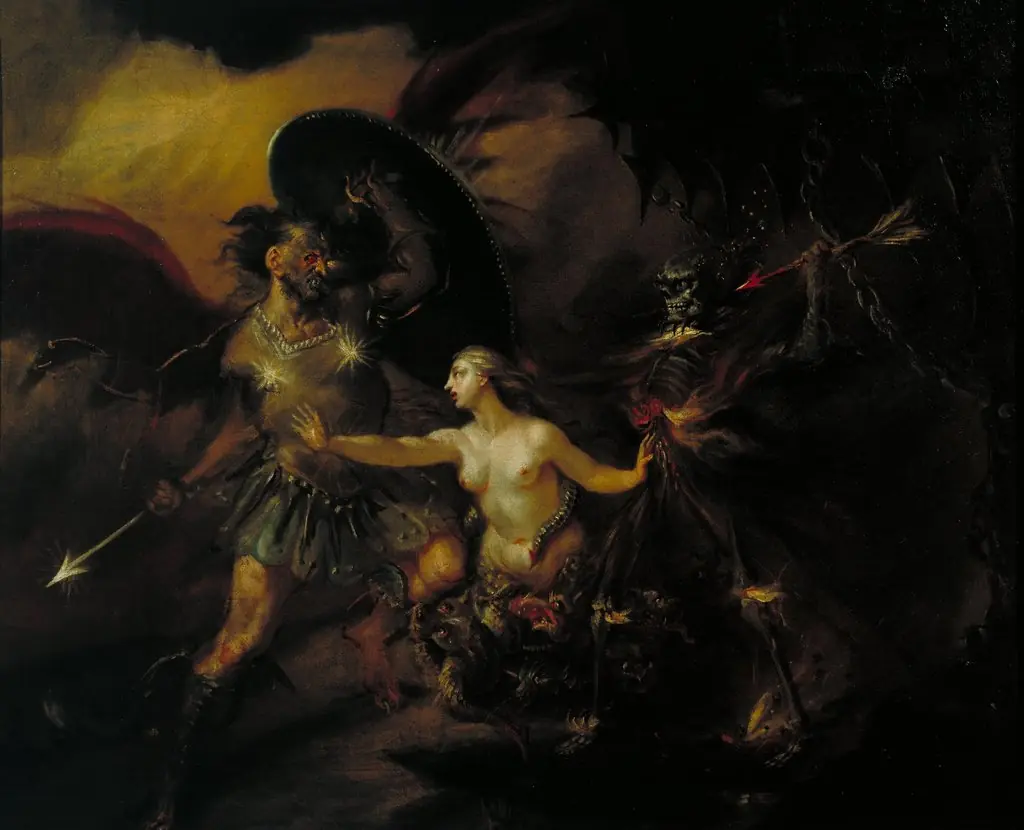 Satan, Sin and Death (A Scene from Milton's `Paradise Lost')
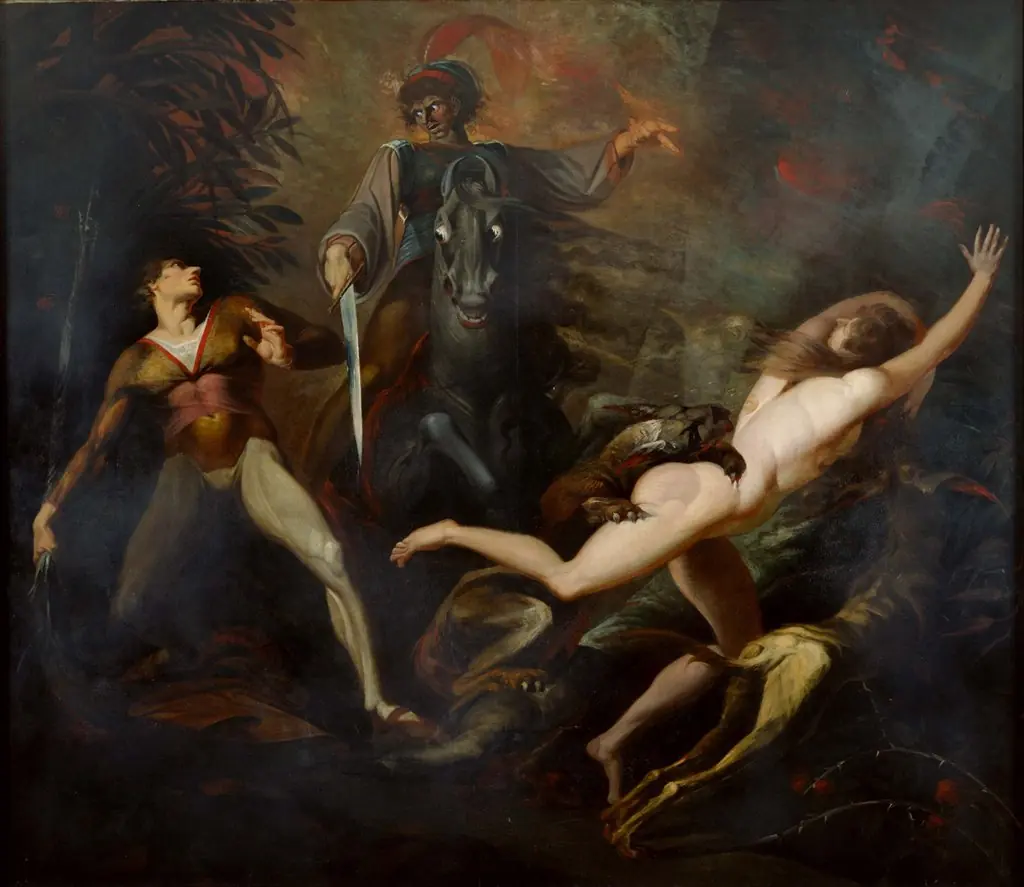 Theodore Meets in the Wood the Spectre of His Ancestor Guido Cavalcanti
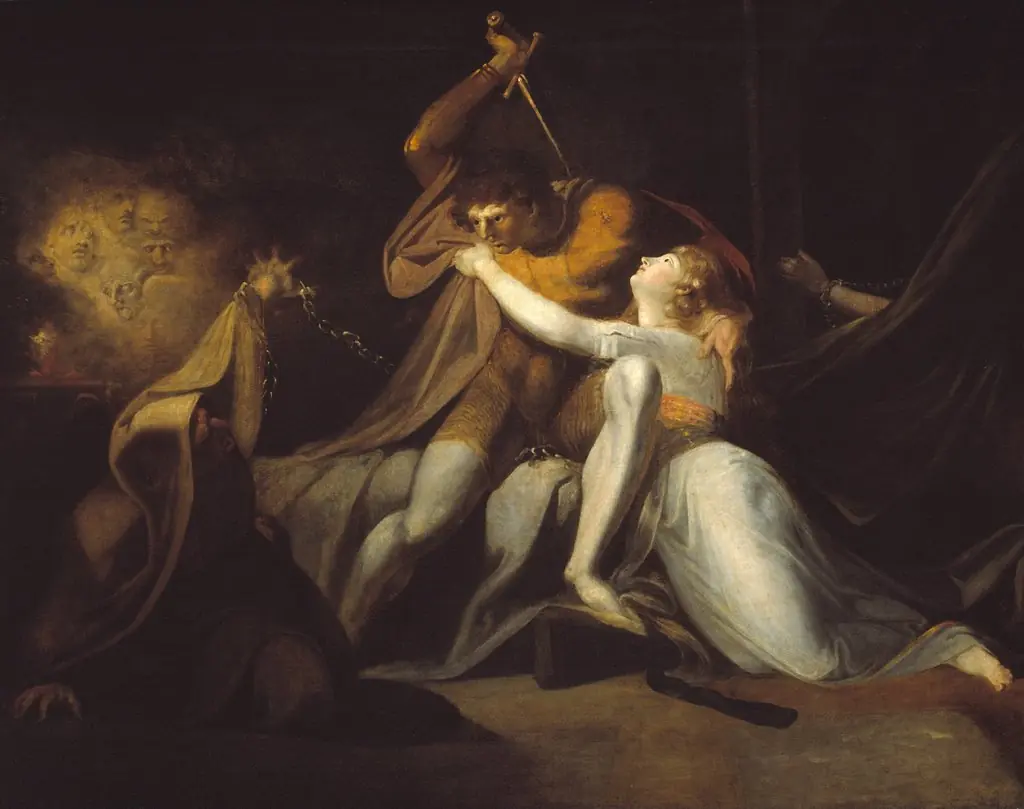 Percival Delivering Belisane from the Enchantment of Urma
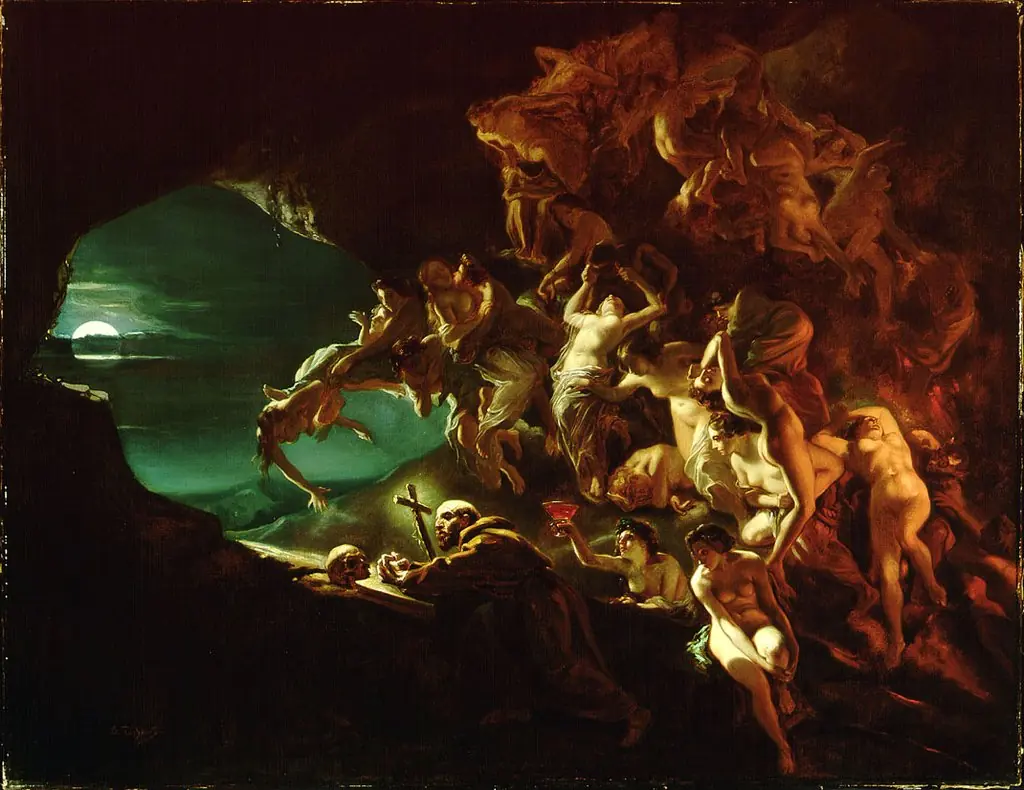 Temptation of Saint Hilarion
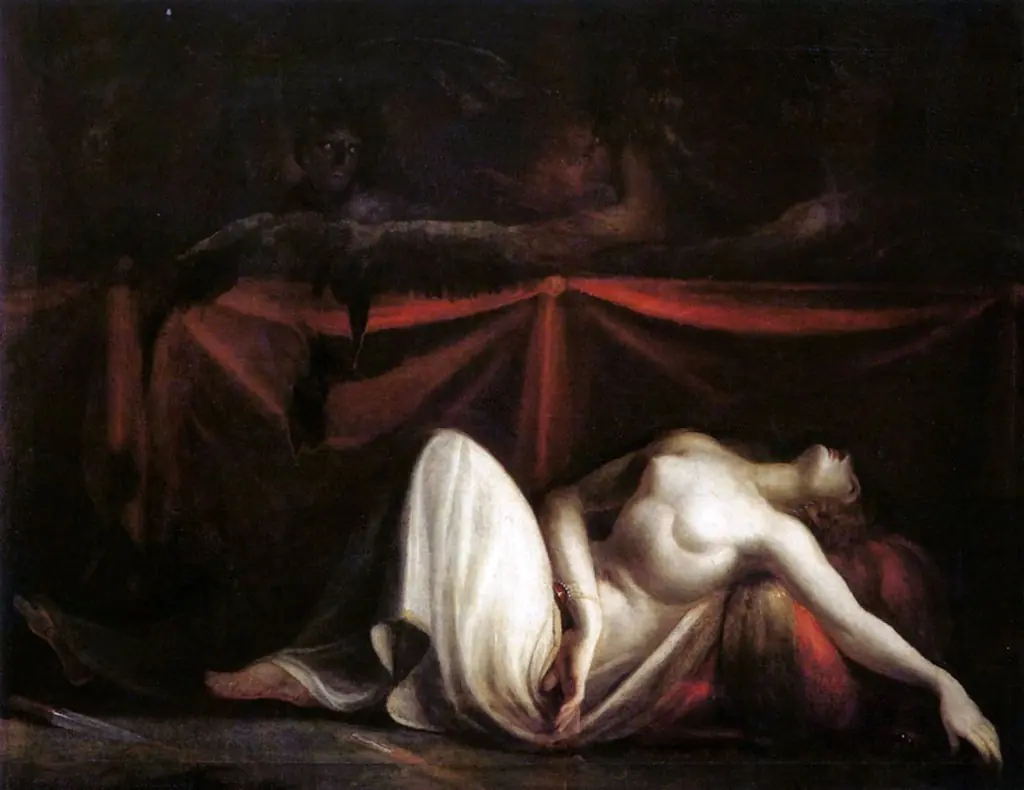 The Erinyes Drive Alcmaeon from the Corpse of his Mother, Eriphyle, Whom He Has Killed.
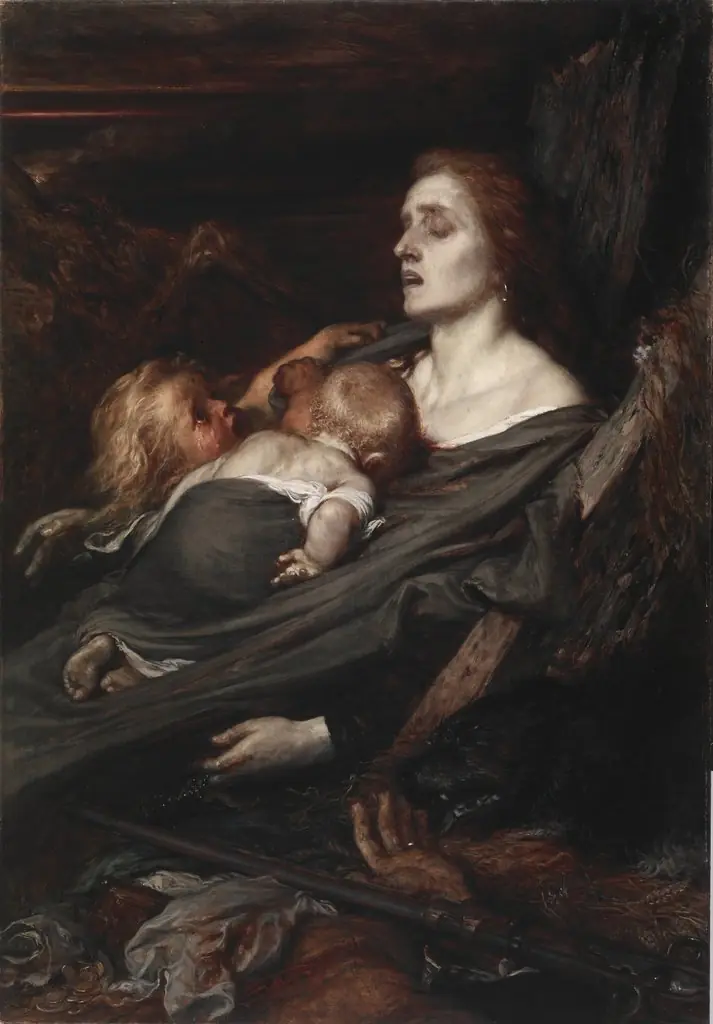 War
War