Artwork
Oedipus Cursing His Son Polynices
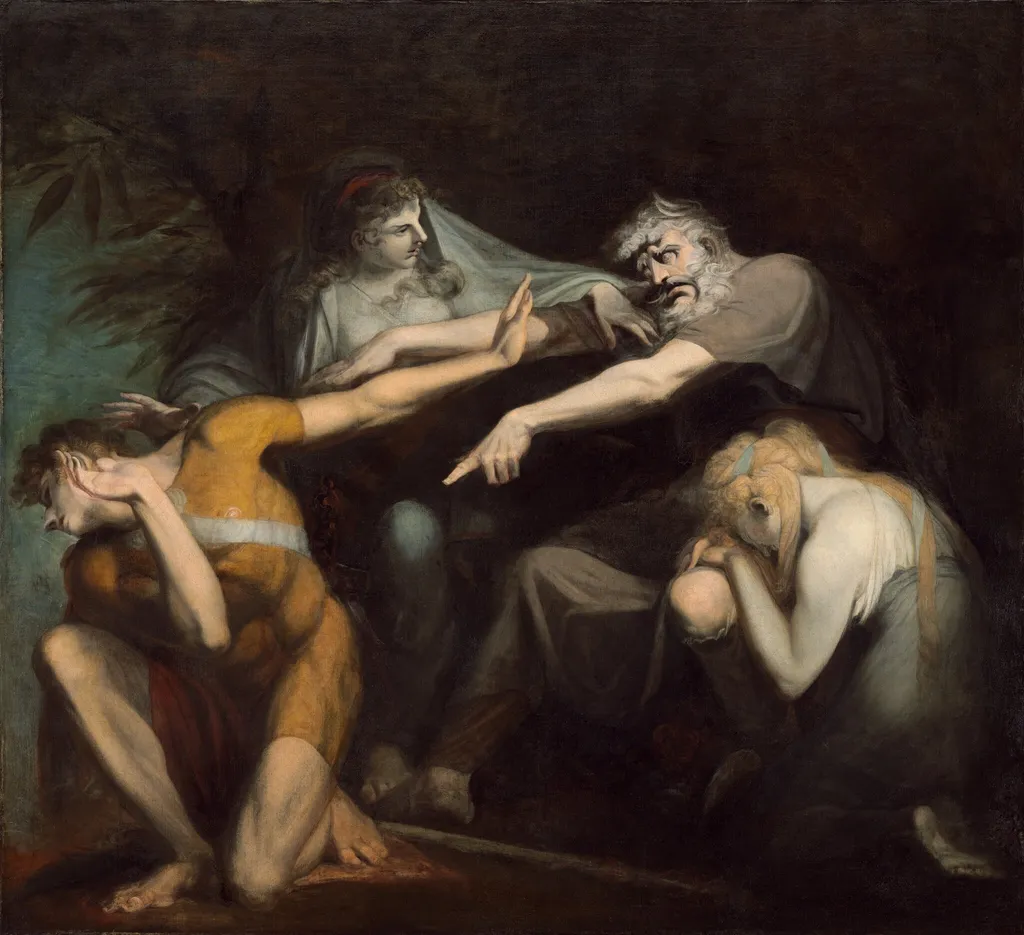
Oedipus Cursing His Son Polynices is an oil painting by the Rococo painting artist Henry Fuseli. It dates from 1786 and is held in the collection of the National Gallery of Art.
About this work
Subject & Meaning
The work centers on the dramatic confrontation between the two figures, capturing Oedipus in the act of cursing his offspring for his role in the civil war.
Henry Fuseli's 1786 painting depicts the tragic moment from Sophocles' Oedipus at Colonus where the blinded king Oedipus invokes divine vengeance against his son Polynices. The work centers on the dramatic confrontation between the two figures, capturing Oedipus in the act of cursing his offspring for his role in the civil war. While the specific iconographic details of the infernal invocation are not elaborated in the provided sources, the title and subject matter clearly represent the themes of familial betrayal, paternal wrath, and the fulfillment of a terrible prophecy.
The scene serves as a powerful visualization of the final rupture in the cursed House of Thebes, emphasizing the irreversible consequences of Oedipus's earlier actions and the destructive nature of the conflict between the brothers.
Technique & Style
Executed in 1786, Oedipus Cursing His Son Polynices is an oil painting on canvas. The work measures 149.8 cm in height and 165.4 cm in width. Created by Henry Fuseli, the piece utilizes oil paint as the primary medium applied to a canvas support.
The painting depicts the mythological figures Oedipus and Polynices. It is currently held in the collection of the National Gallery of Art in Washington, D.C., having been gifted to the institution by Paul Mellon in 1983 after passing through various private collections and dealers in the 20th century.
History & Provenance
Oedipus Cursing His Son Polynices was painted by Henry Fuseli in 1786. The artist sold the work to William Roscoe in October 1791, after which it appeared in a Liverpool sale on 28 September 1816 (no. 154) and was purchased by Baxter of the Maltzahn Gallery, London, in 1973. Later that year it passed through Weiss Antiques in Zürich before being acquired by Paul Mellon in Upperville, Virginia, in 1974. Mellon gave the painting to the National Gallery of Art, Washington, D.C., in 1983, where it remains.
The painting Oedipus Cursing His Son Polynices is held in the collection of the National Gallery of Art in Washington, D.C. It entered the museum in 1983 as a gift from Paul Mellon, having previously been acquired by him in 1974 from the Maltzahn Gallery in London and from Weiss Antiques in Zürich; earlier it had been sold in October 1791 by Henry Fuseli to William Roscoe and later appeared in the Baxter collection. The work is catalogued in the National Gallery of Art’s collection records as part of the 1983 acquisition. No exhibition history is documented in the sources consulted.
Overview
Henry Fuseli's painting, Oedipus Cursing His Son Polynices, depicts a moment of intense paternal wrath. Executed in oil on canvas, the work captures the ancient king with an expression of profound anger, his arms dramatically raised in a gesture of condemnation. The scene is framed by a foreboding, shadowy cave, setting a somber and emotionally charged atmosphere that departs from traditional serene mythological depictions.
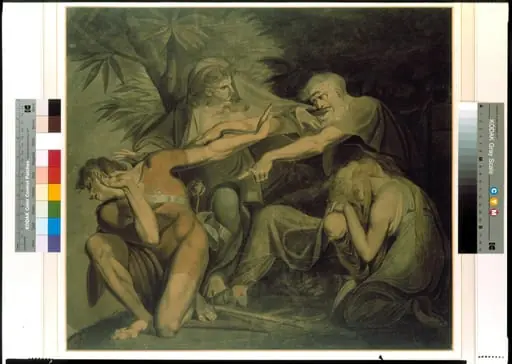
Own this work as a print
Artist & collection
Artist
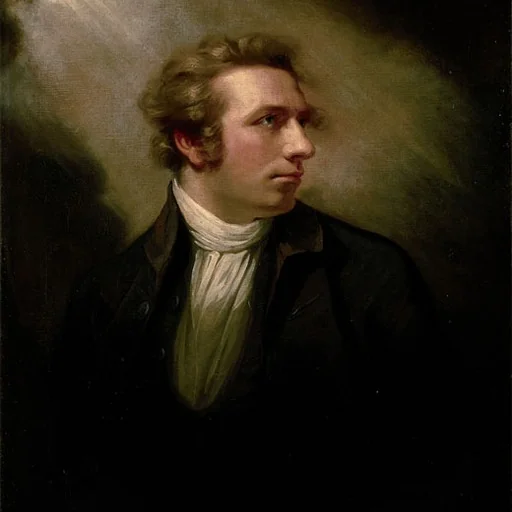
Henry Fuseli was a Swiss painter, draughtsman, and writer on art who spent much of his career in Britain.

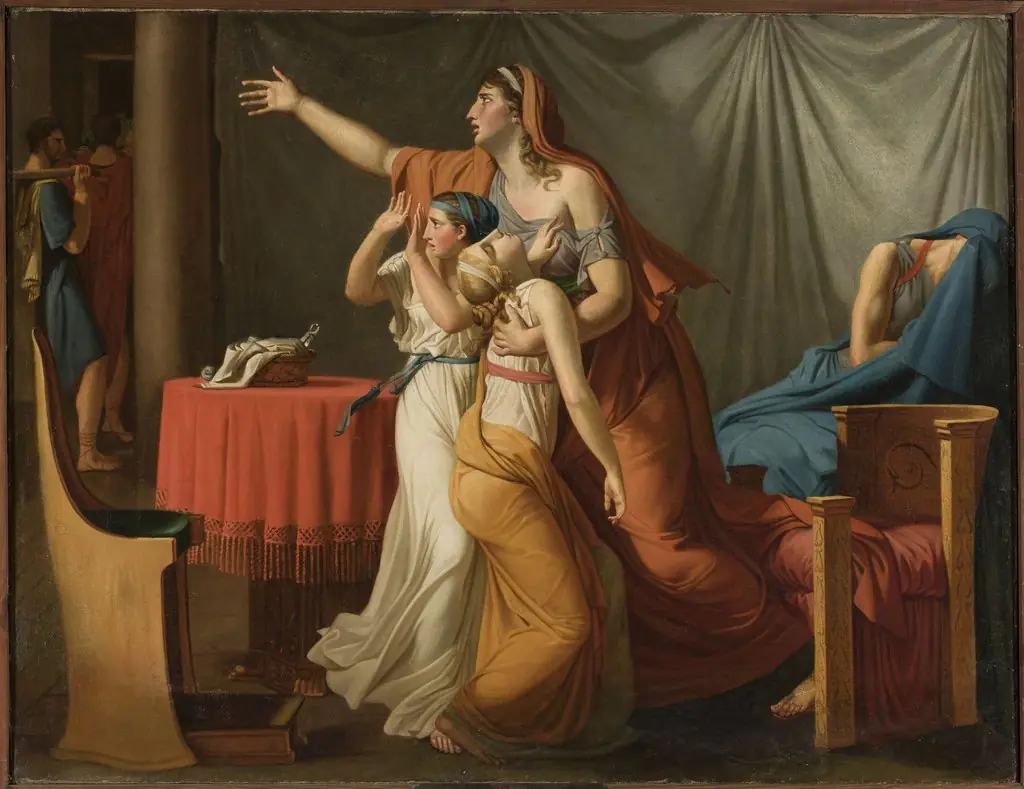 Lictors bring to Brutus the bodies of his sons
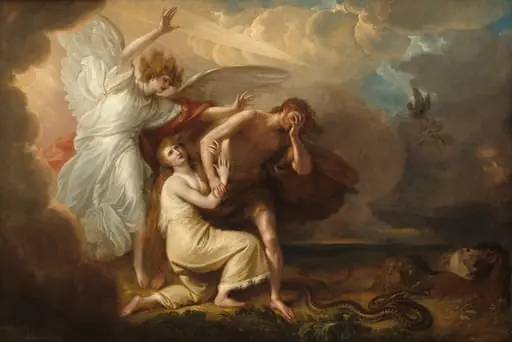 The Expulsion of Adam and Eve from Paradise
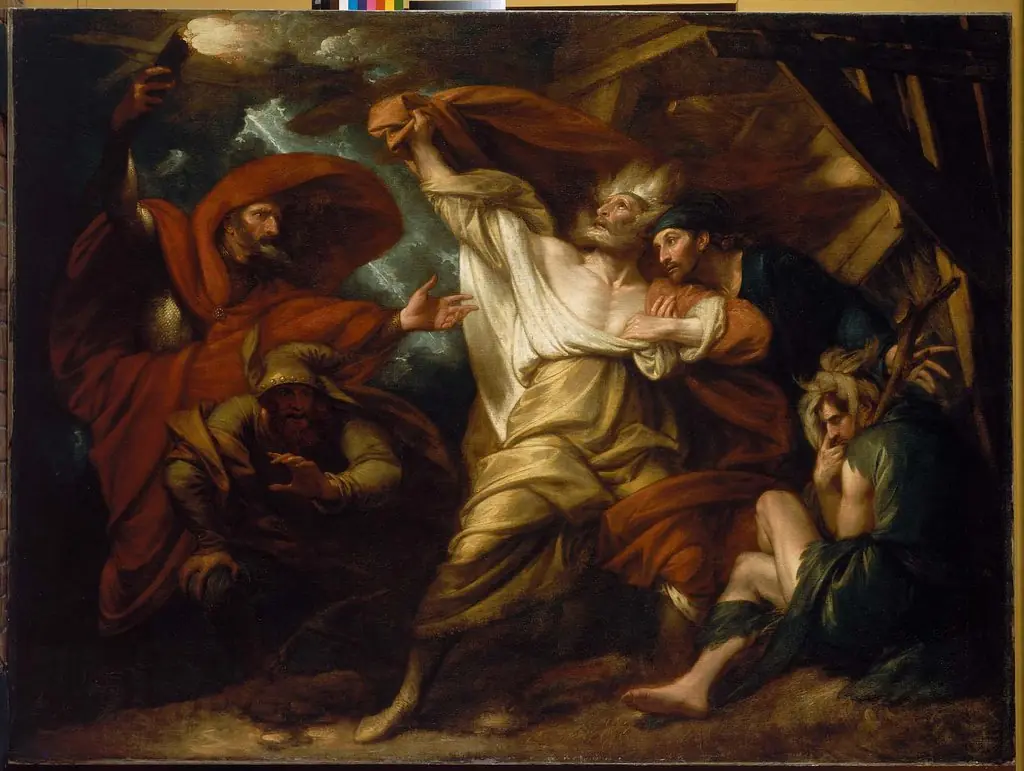 King Lear
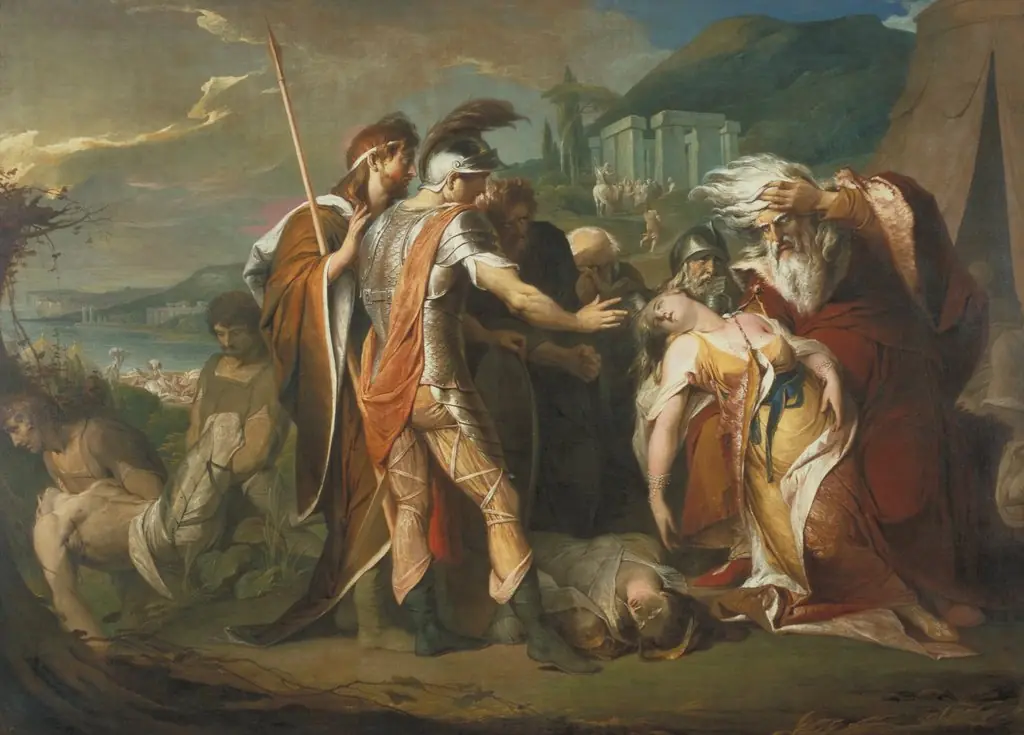 King Lear Weeping over the Dead Body of Cordelia
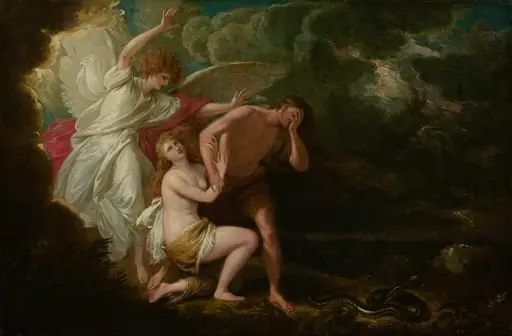 The Expulsion of Adam and Eve from Paradise
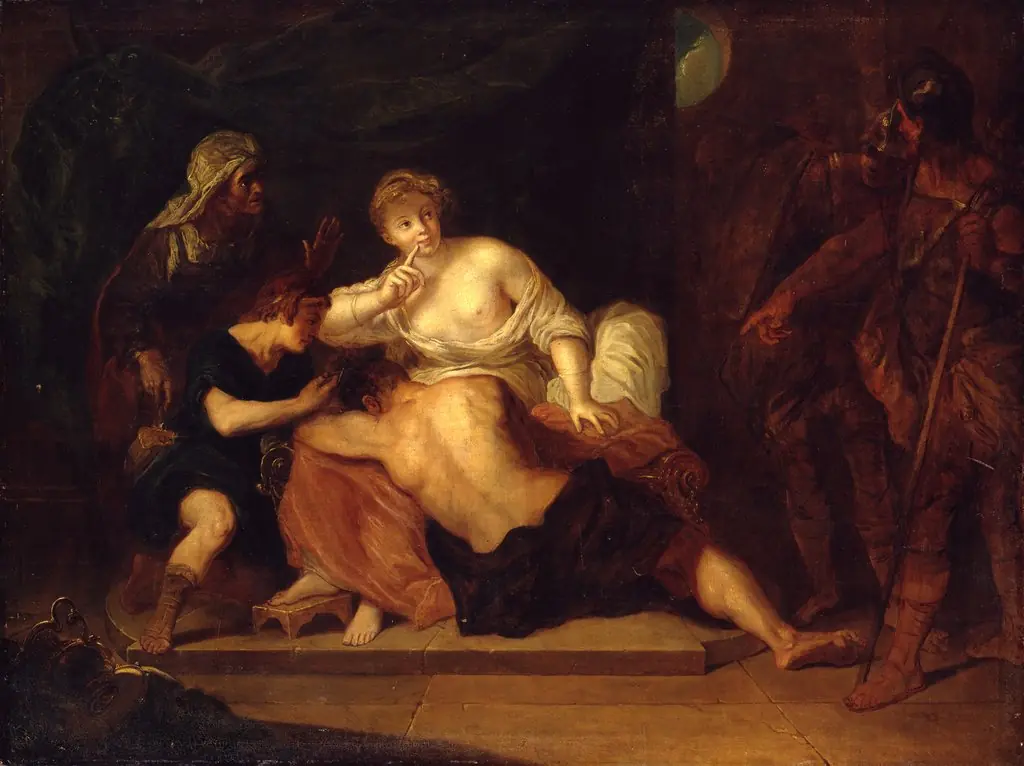 Samson and Delilah
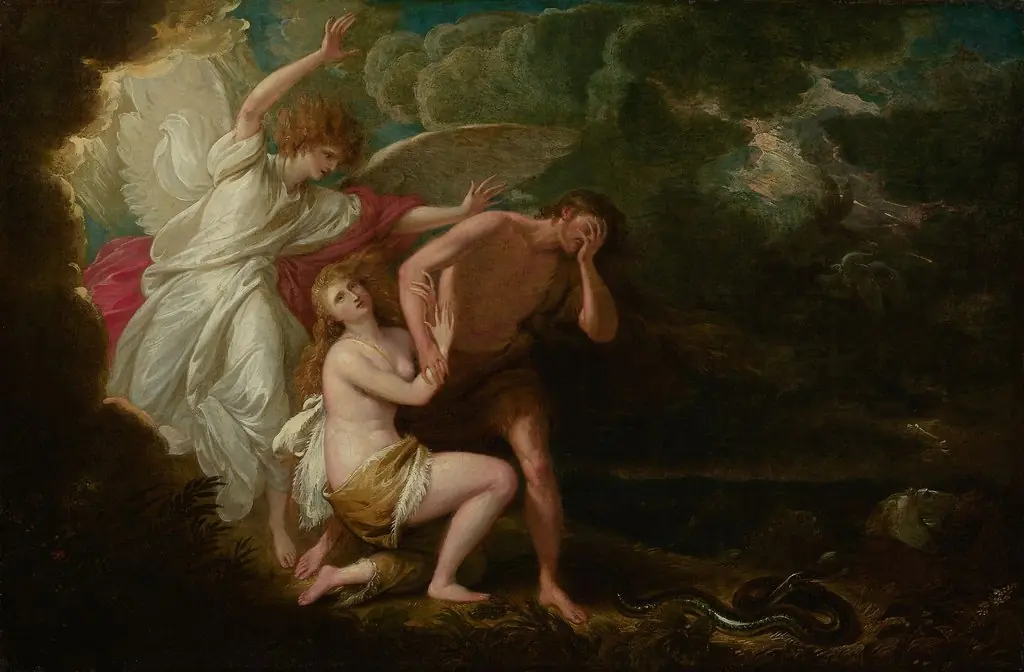 The Expulsion of Adam and Eve from Paradise
 Christ and the Adulteress
 Hercules tötet den Riesen Cacus und raubt die Rinder des Geryoneus
 Et historisk stykke
 Death of Virginia
- Oedipus cursing his son Polynices