Artwork
The Nightmare
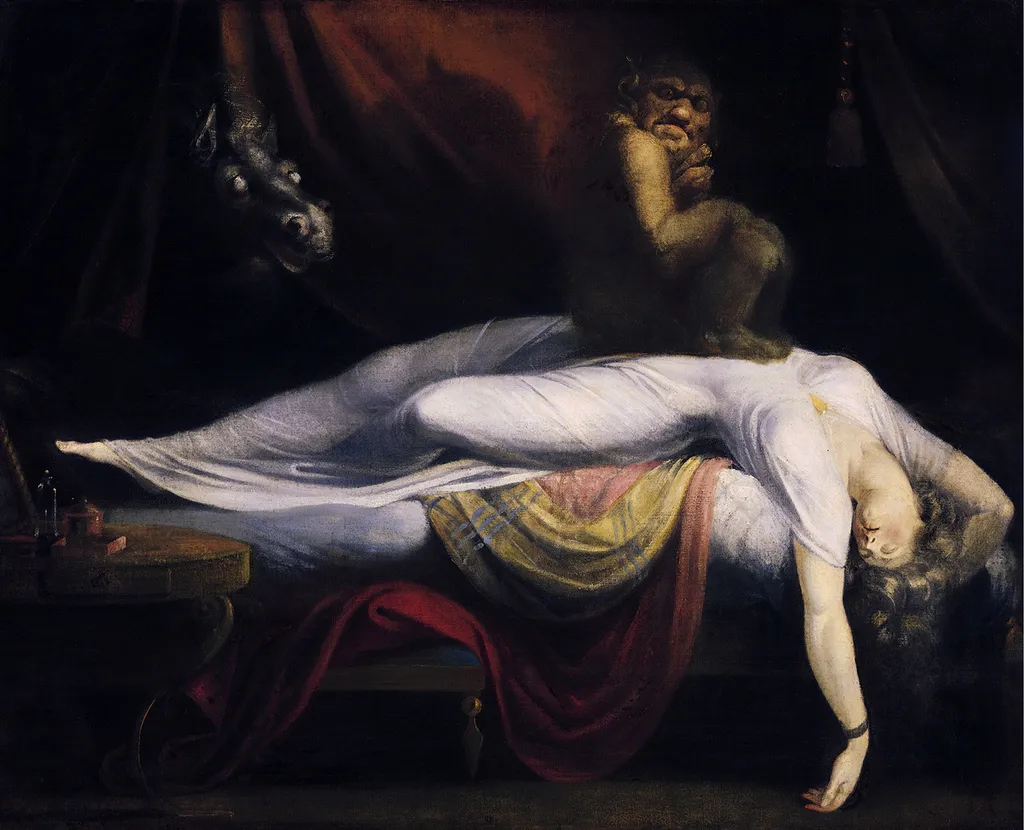
The Nightmare is an oil painting by the Neoclassicist artist Henry Fuseli. It dates from 1791 and is held in the collection of the Detroit Institute of Arts.
About this work
This painting shows a sleeping woman in distress, with a strange creature on her chest and a horse peeking in the dark. The Swiss artist Henry Fuseli painted it in 1781. People back then were shocked by how bold it was.
It mixes fear and desire in a way that feels new. Some say it hints at hidden thoughts before Freud or Jung.
Look up the Detroit Institute of Arts.
Subject & Meaning
Contemporary critics found the overt sexuality shocking and interpreted the incubus and horse as symbols of erotic dread and supernatural torment.
The Nightmare depicts a sleeping woman in a white satin dress lying across a bed, her head and arms dangling down as an incubus crouches on her chest and a spectral horse's head emerges from red velvet curtains behind the bed. The painting simultaneously shows the dream and its terrifying effect, using chiaroscuro to contrast the woman's pale brilliance against dark reds, yellows, and ochres. Fuseli drew on folklore about nightmares, Germanic tales of demons, witches, and mare-riding spirits, where the word 'nightmare' derives from 'mara,' a Scandinavian spirit believed to press on sleepers' chests.
Contemporary critics found the overt sexuality shocking and interpreted the incubus and horse as symbols of erotic dread and supernatural torment. The composition may reference classical models such as the Vatican's Ariadne and Giulio Romano's Dream of Hecuba, while the horse was likely added later as a visual pun on 'nightmare' (mare = mare). The work was inspired by Fuseli's own erotic fantasies about Anna Landholdt, a woman who rejected his marriage proposal, making the painting a possible expression of unrequited desire and sexual frustration.
Versions of the painting were widely distributed through Thomas Burke's 1783 engraving, which earned publisher John Raphael Smith over 500 pounds, and it influenced 19th-century Gothic literature, including Mary Shelley's Frankenstein.
Technique & Style
The Nightmare is an oil painting on canvas measuring 101 by 127 centimeters, created by Henry Fuseli in 1781. It depicts a sleeping woman in a white dress lying at the edge of a bed, her head and arms hanging down, while an incubus crouches on her chest and a horse’s head emerges from red velvet curtains behind the bed. Fuseli employs chiaroscuro to produce stark contrasts between light and shadow, and the interior features contemporary details such as a small table with a mirror, vial, and book.
The composition combines symbolic representation of a nightmare with the literal image of a dream, reflecting folklore about demons and night spirits. The painting’s erotic and haunting style marked a breakthrough for Fuseli, drawing both horrified fascination and commercial success, leading to multiple versions and widespread reproduction through engravings.
History & Provenance
The Nightmare was painted by Henry Fuseli in 1781 and first exhibited at the Royal Academy of London in 1782. It was sold for twenty guineas and quickly gained fame through an engraving by Thomas Burke that circulated from January 1783 and earned its publisher over 500 pounds. The work is part of the collection of the Detroit Institute of Arts and has been reproduced in at least three other versions, including one painted between 1790 and 1791 now housed at the Goethe-Haus in Frankfurt and another in the Frances Lehman Loeb Art Center at Vassar College.
Fuseli drew on folklore about nightmares, incubi, and the Germanic belief in mare‑riding, using a chiaroscuro effect to contrast the luminous figure of a sleeping woman with the darker reds, yellows, and ochres of the background. The painting combines a literal depiction of a nightmare with a symbolic representation of the dream, showing a woman draped over a bed, an incubus on her chest, and a horse’s head emerging from the curtains. Contemporary critics found the overt sexuality shocking and linked it to emerging ideas about the unconscious, while later psychoanalytic interpretations, including those of Sigmund Freud, saw the work as a representation of sublimated desire.
The primary version of The Nightmare is held by the Detroit Institute of Arts in the United States. The museum acquired the work in 1954. The painting was first exhibited at the Royal Academy of London in 1782, where it generated significant public interest and critical reaction.
Following this initial showing, the work achieved widespread fame, leading Henry Fuseli to create at least three other versions of the composition. An engraving by Thomas Burke, based on the original, was published in January 1783 and circulated widely, further cementing the image's popularity. While the original canvas was sold for twenty guineas, the reproductive print generated over 500 pounds for its publisher.
Other versions of the subject are located at the Goethe-Haus in Frankfurt and the Frances Lehman Loeb Art Center at Vassar College.
Context
The Nightmare is widely regarded as a landmark of early Romanticism, its haunting, erotic imagery marking a breakthrough for Fuseli after years of unsuccessful submissions to the Royal Academy. First shown in 1782, it became his first commercial success and inspired at least three later painted versions, including one from 1790–91 now in Frankfurt's Goethe-Haus, plus a 1790 version at the Vassar College's Frances Lehman Loeb Art Center. The image spread further through Thomas Burke's 1783 engraving, which earned its publisher John Raphael Smith more than 500 pounds, and was frequently parodied in political satire targeting figures such as Napoleon, Louis XVIII, Charles James Fox, and William Pitt.
The painting's overt sexuality unsettled contemporary critics and has since been read as anticipating later ideas about the unconscious. Art historian H. W. Janson identified the sleeper as Anna Landholdt, the niece of Fuseli's friend Johann Kaspar Lavater whose rejection of his marriage proposal is thought to have shaped the work. Marcia Allentuck, in Woman as Sex Object (1972), argued it depicts female orgasm, while Sigmund Freud reportedly kept an etched copy in his Vienna apartment. The painting's influence extended into Gothic literature, notably inspiring Mary Shelley's Frankenstein.
Legacy
The Nightmare became Fuseli's breakthrough work following its 1782 Royal Academy exhibition, and its cultural reach expanded rapidly thereafter. Thomas Burke's 1783 engraving, accompanied by a poem by Erasmus Darwin, circulated widely and earned the publisher John Raphael Smith more than 500 pounds, spreading the image across Europe. Fuseli himself produced at least three further versions, including a vertical-format variant of 1790–91 now in Frankfurt's Goethe-Haus.
The composition was parodied in political satire targeting figures such as Napoleon Bonaparte, Louis XVIII, Charles James Fox, and William Pitt, and was adapted by other artists, notably Nicolai Abraham Abildgaard in 1800, who added a second body to the scene. It also shaped Gothic literature, being cited as a likely source of inspiration for Mary Shelley's Frankenstein.
In the twentieth century, the painting became a touchstone for psychoanalytic readings of dreams and desire. Sigmund Freud owned an etched copy, which hung in his Vienna apartment, and later commentators have continued to invoke the work in discussions of sleep paralysis and the unconscious.
Overview
Created in 1781, this oil on canvas by Swiss painter Henry Fuseli depicts a nocturnal scene that quickly entered public consciousness. The work is housed in the Detroit Institute of Arts, where it continues to attract scholarly attention for its striking composition and unsettling atmosphere.
Own this work as a print
Artist & collection
Artist
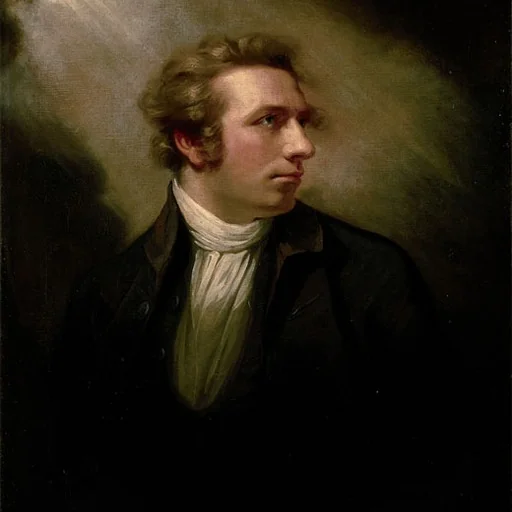
Henry Fuseli was a Swiss painter, draughtsman, and writer on art who spent much of his career in Britain.

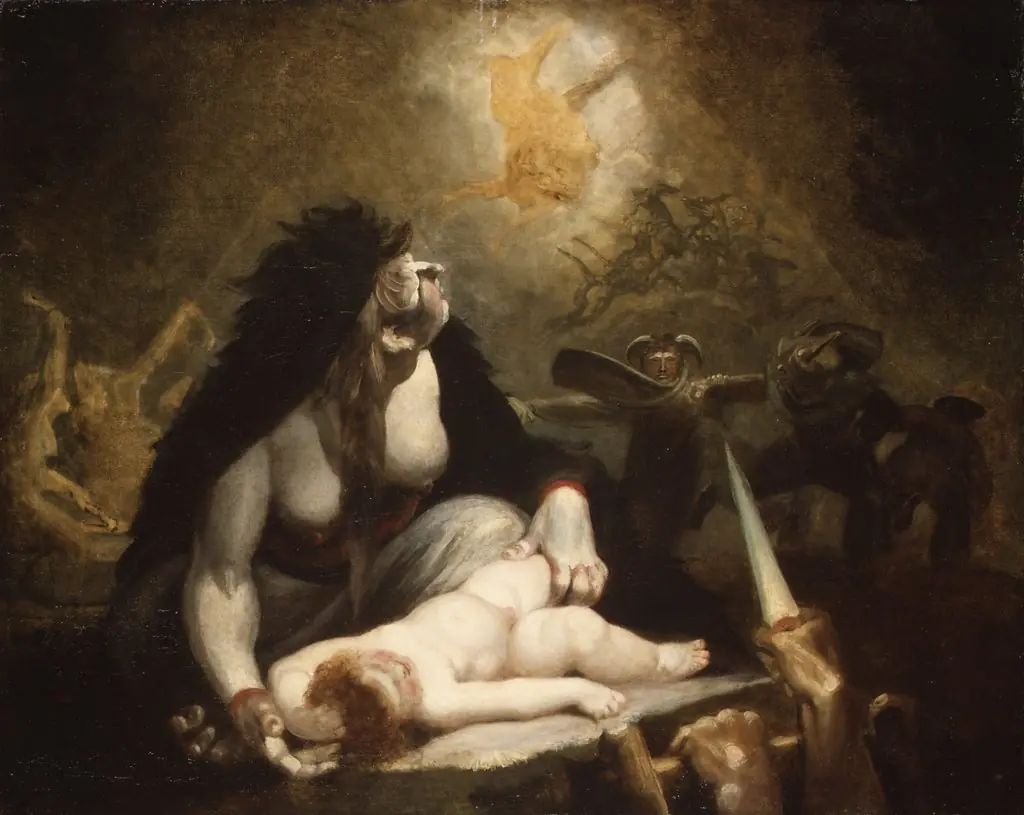
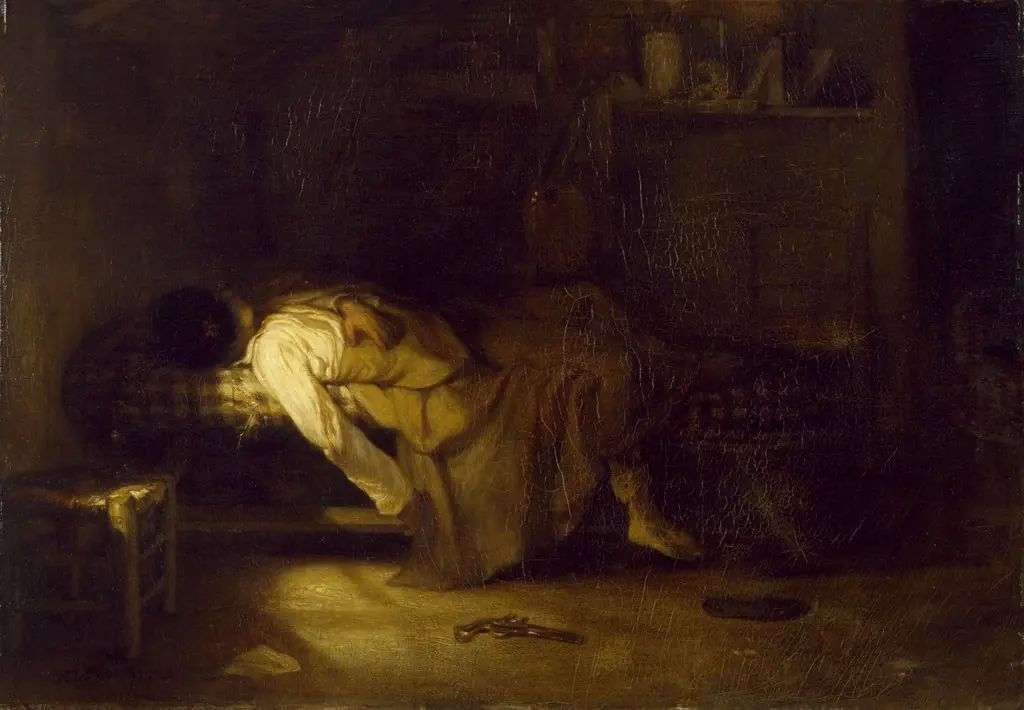
- The Suicide
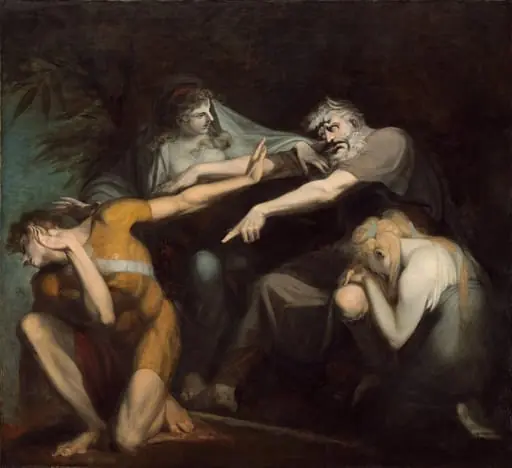
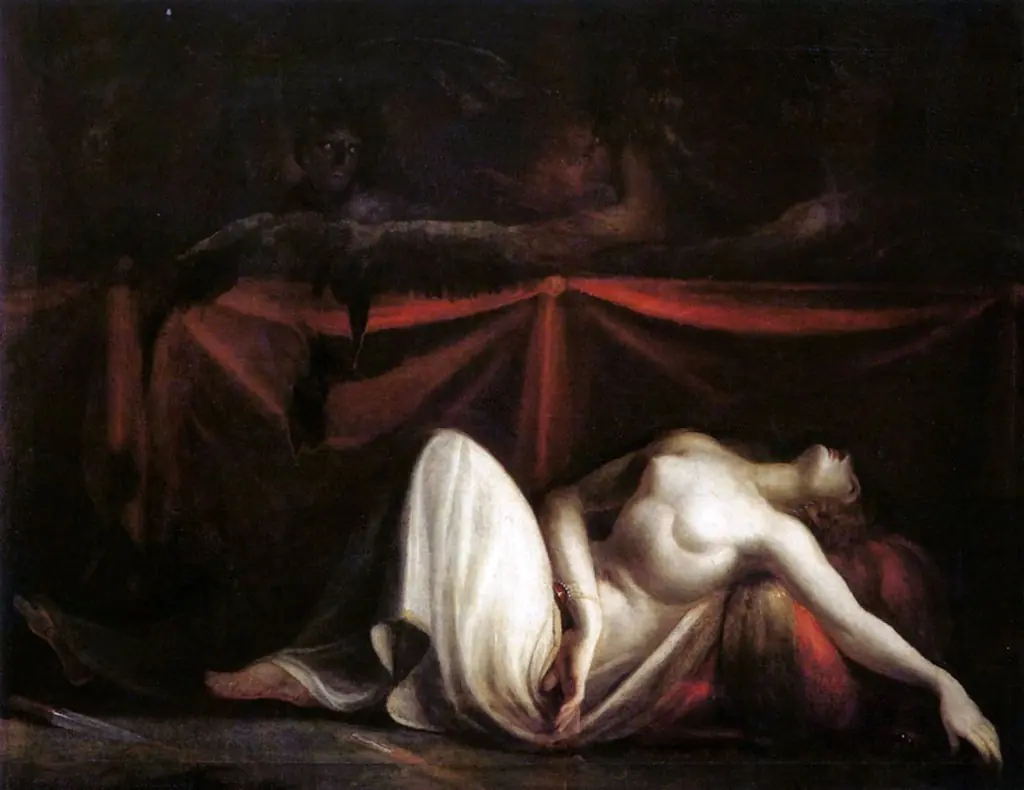 The Erinyes Drive Alcmaeon from the Corpse of his Mother, Eriphyle, Whom He Has Killed.
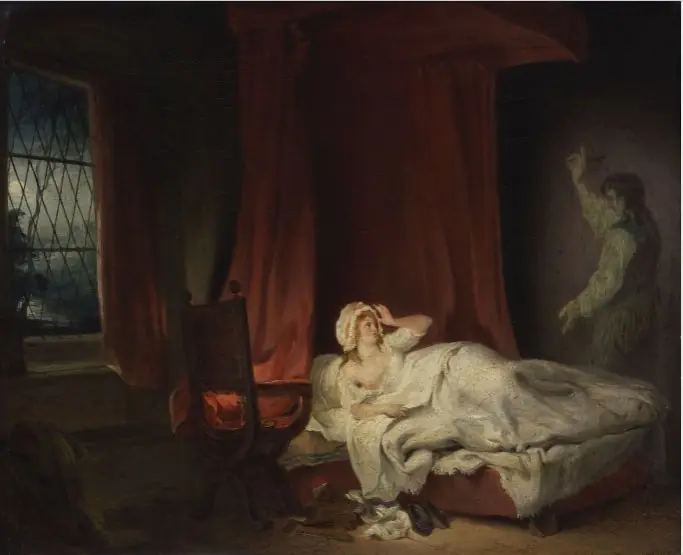 Mary's Dream
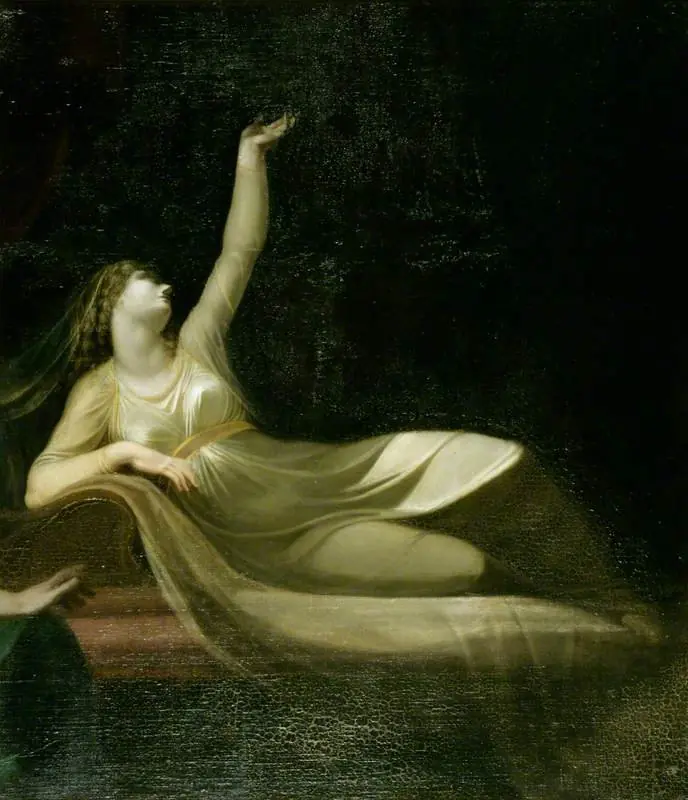 The Dream of Queen Katherine (from William Shakespeare's 'Henry VIII', Act IV, Scene 2) (fragment)
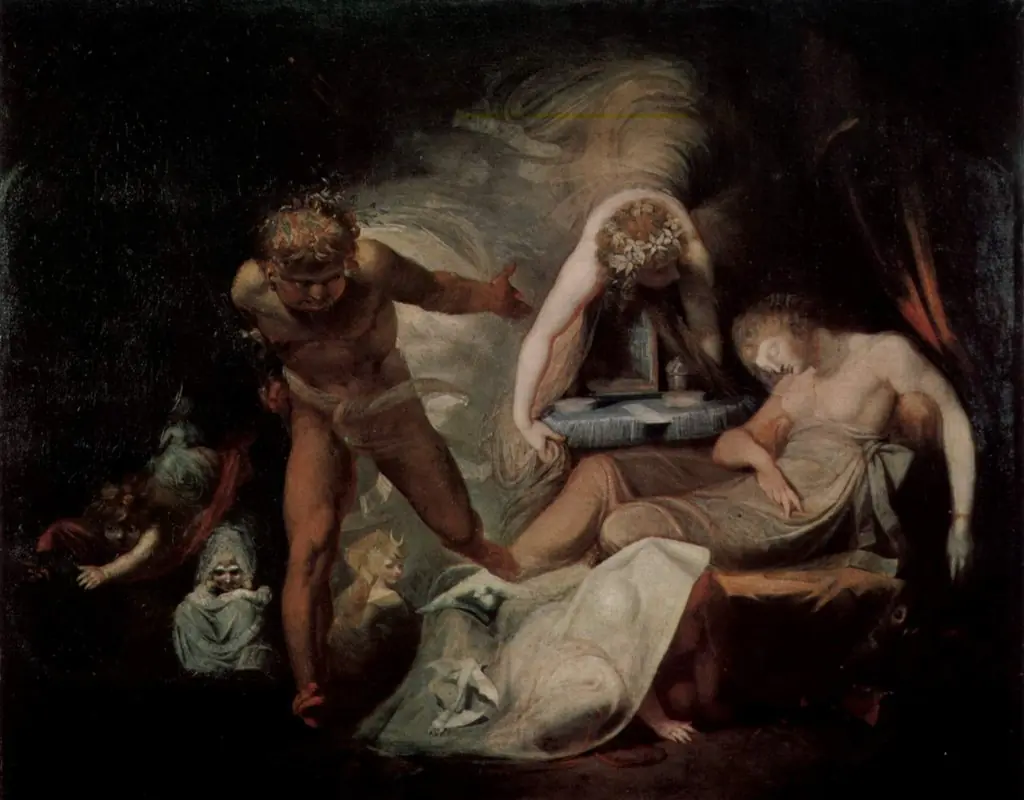 The Dream of Belinda
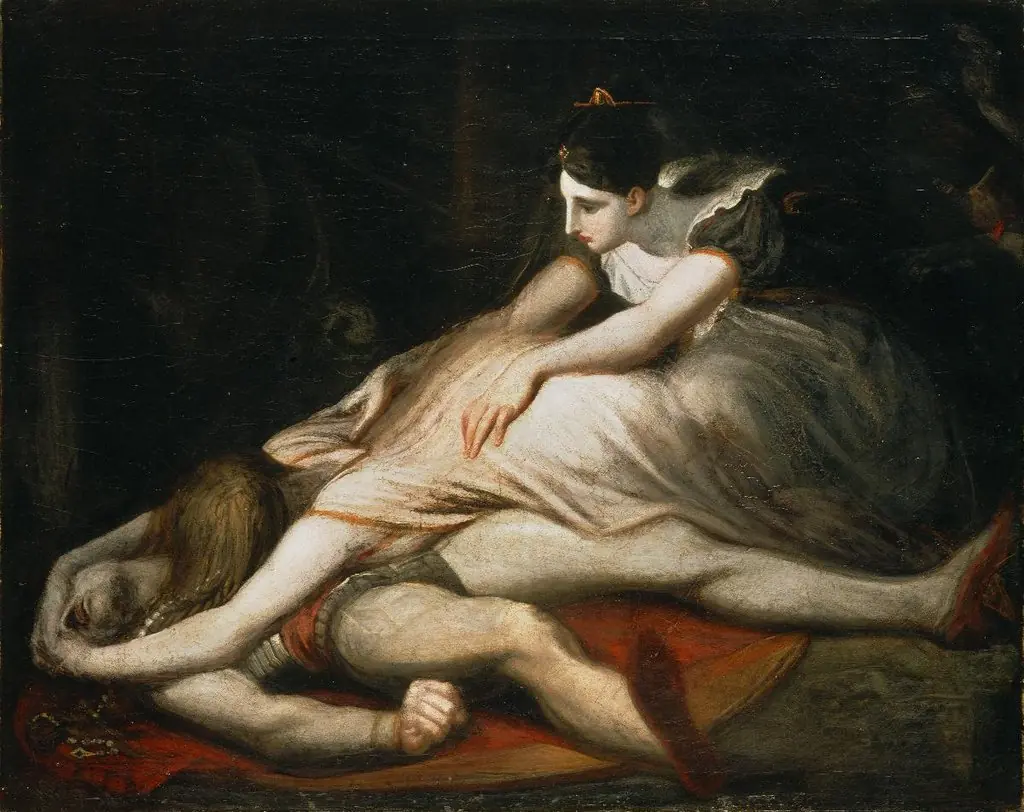 Kriemhild über der Leiche Siegfrieds
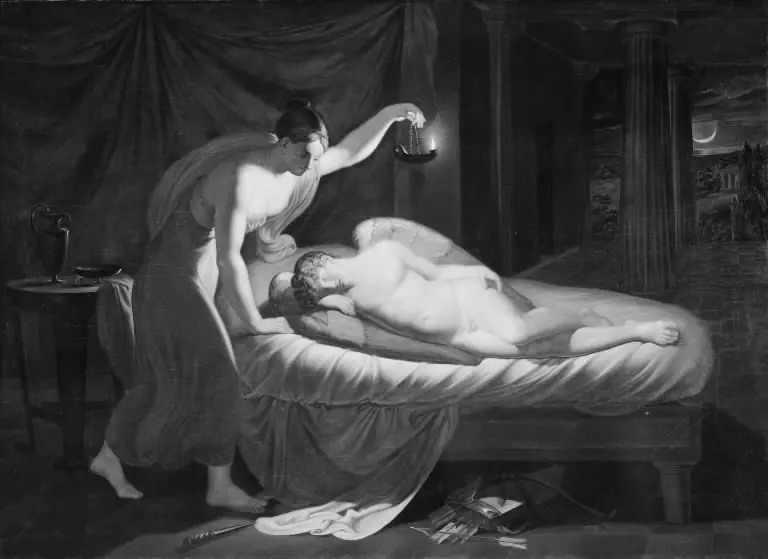 Psyke, der nærmer sig den sovende Amor
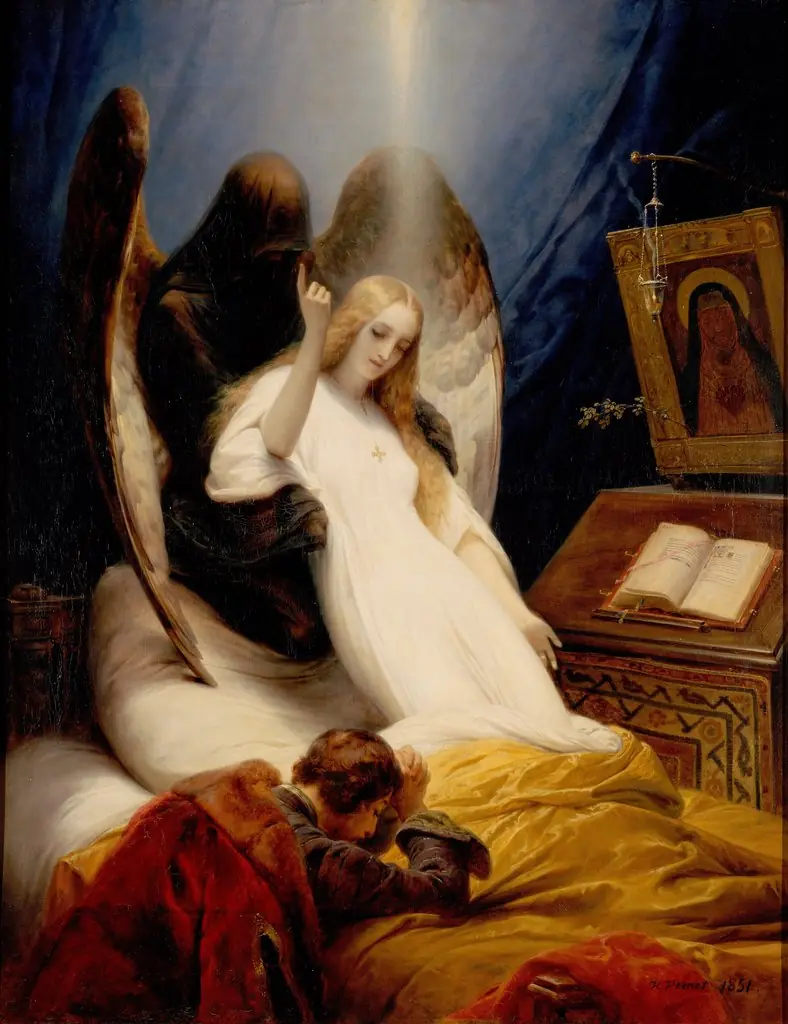 Angel of the Death
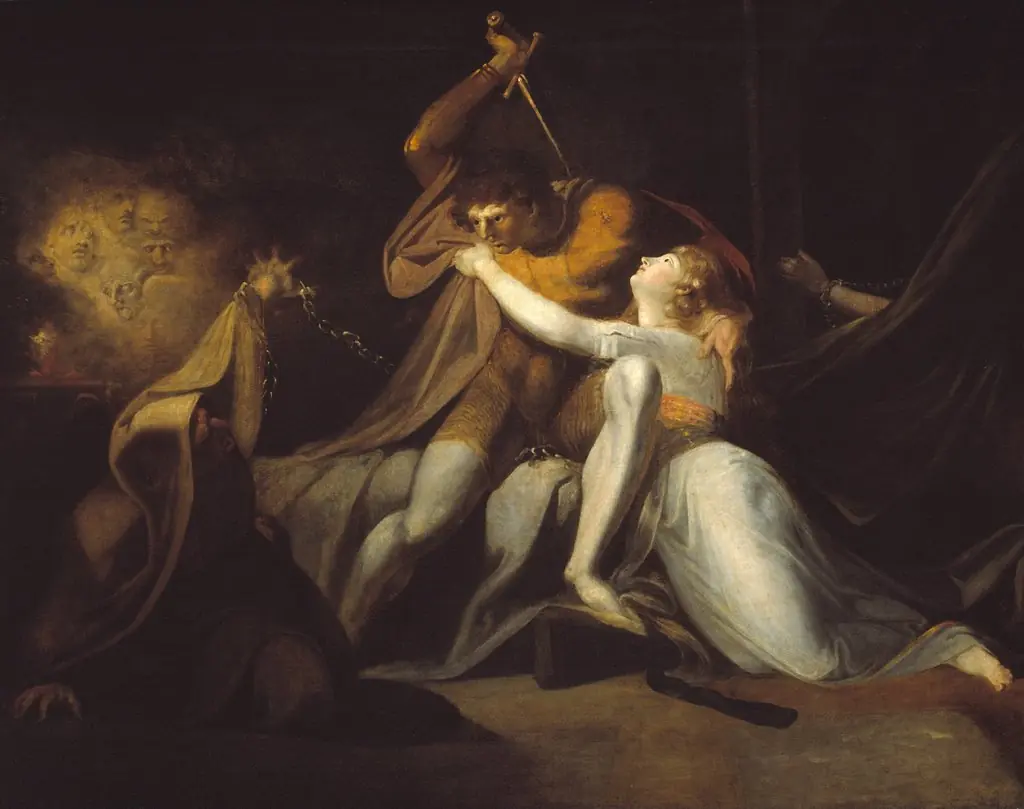 Percival Delivering Belisane from the Enchantment of Urma
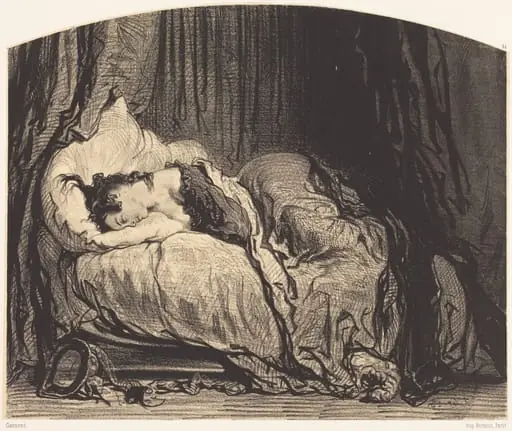 After the Pardon (Il lui sera beaucoup pardonne parce qu'elle a beaucoup danse)
 Psyke, der nærmer sig den sovende Amor
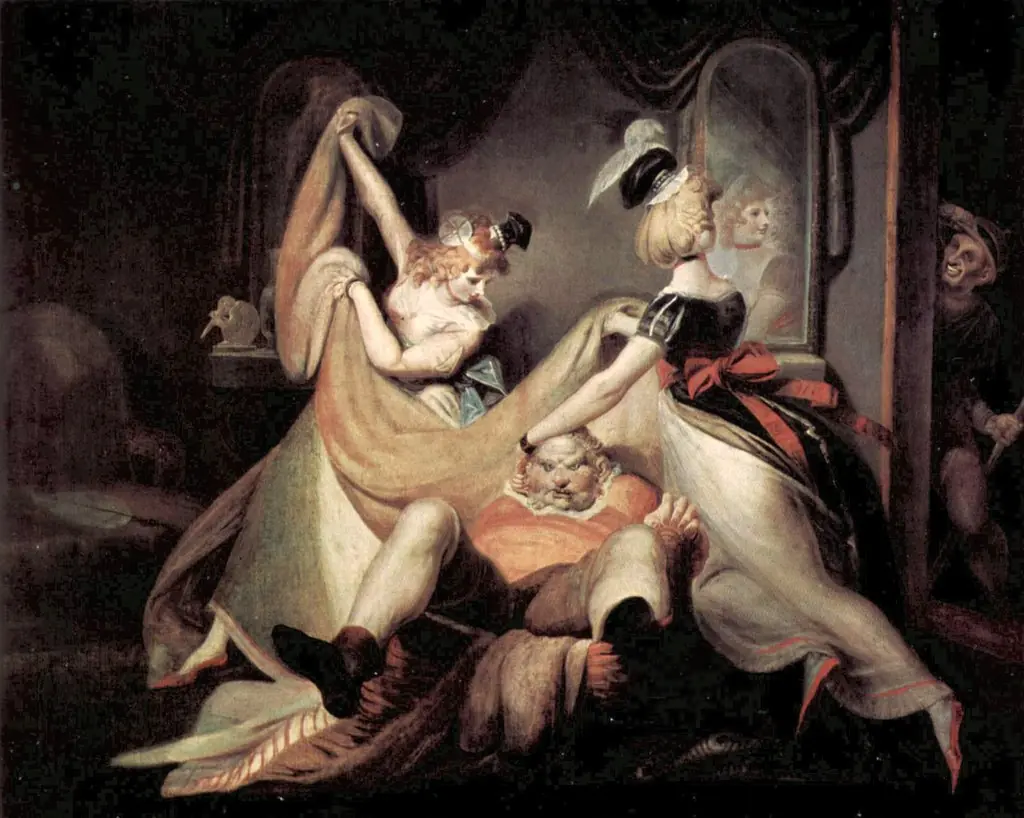 Falstaff in the Laundry Basket