Artwork
The Parable of the Wise and the Foolish Virgins
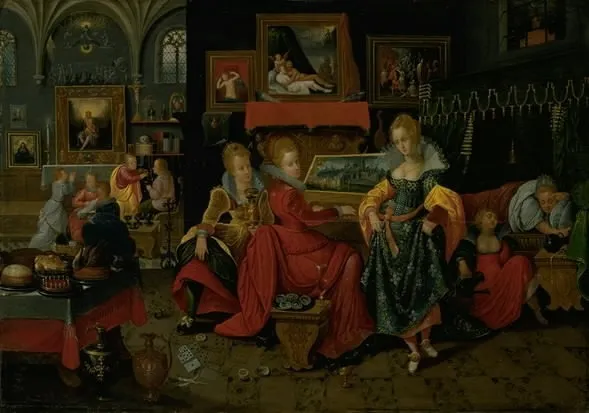
The Parable of the Wise and the Foolish Virgins is an unspecified painting by the Early Baroque Italian artist Hieronymous Francken II. It dates from 1608 and is held in the collection of the Statens Museum for Kunst.
About this work
Subject & Meaning
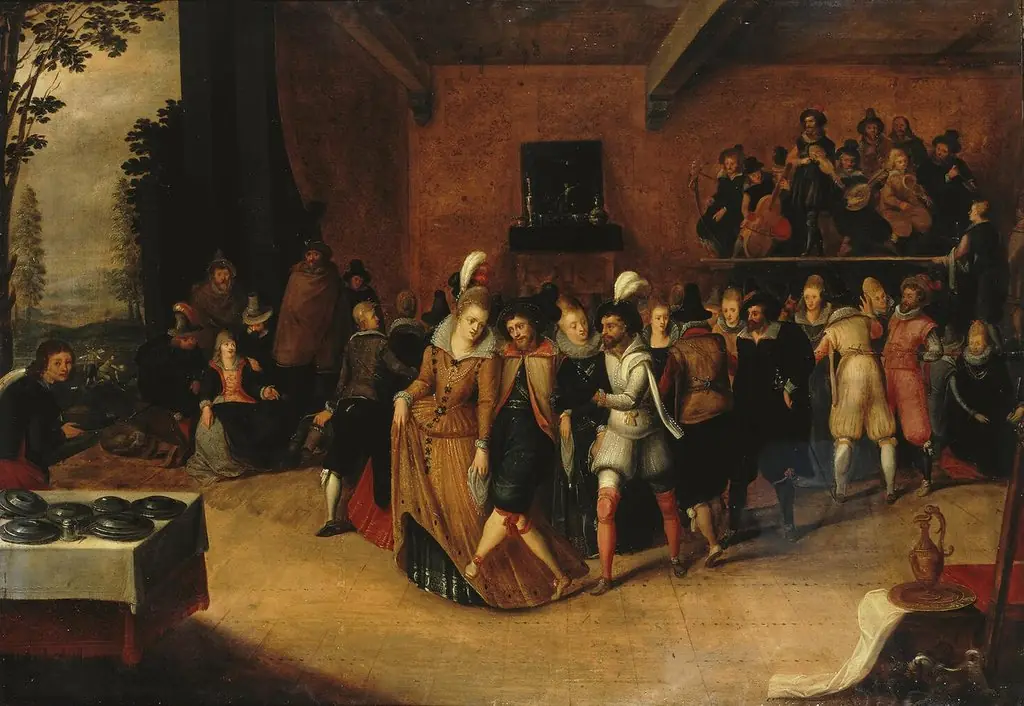
The painting depicts the Parable of the Ten Virgins (Matthew 25:1–13), a biblical narrative contrasting wisdom and folly through the readiness of ten bridesmaids awaiting a bridegroom. Francken’s composition juxtaposes the five wise virgins, holding lit lamps, with the five foolish ones whose lamps have gone out, emphasizing vigilance and divine judgment. The scene unfolds in a sumptuous interior, where music-making and revelry contrast with the moral lesson, underscoring the tension between earthly pleasures and spiritual preparedness.
The inclusion of a clavichord and dancers further frames the allegory within contemporary Netherlandish culture, reinforcing the parable’s timeless warning about moral vigilance.
Technique & Style
The physical support measures 52 centimeters in height and 72 centimeters in width.
Created in 1608 by Hieronymus Francken II, this work is classified as a painting. The physical support measures 52 centimeters in height and 72 centimeters in width. The composition is densely populated, formally depicting the Parable of the Ten Virgins alongside a variety of interior elements including a church setting, a bed, and a table.
Stylistically, the scene incorporates genre details such as a concert, a dancer, and a clavichord, integrating the biblical narrative with contemporary Flemish interior life.
History & Provenance
The Parable of the Wise and the Foolish Virgins was painted in 1608 by Hieronymus Francken II, as documented in contemporary records and the work’s catalogue entry. The painting entered the collection of the Statens Museum for Kunst, where it remains on display, with no documented private sales or transfers. No evidence indicates a specific commission; the piece appears to have been produced as an autonomous work within the artist’s oeuvre.
Its creation date aligns with the documented inception of 1608, and its subject matter reflects the biblical parable of the ten virgins, a theme recurring in Francken’s oeuvre.
Overview
Created in 1608 by the Flemish painter Hieronymus Francken II, The Parable of the Wise and the Foolish Virgins is an early Baroque work. Francken, active in Antwerp, was recognized for his varied output, encompassing religious, allegorical, and architectural themes, sometimes in collaboration with his brother Frans Francken II. This painting illustrates the biblical story of the Ten Virgins and is housed in the collection of the Statens Museum for Kunst.
Artist & collection
Artist
Hieronymus Francken the Younger or Hieronymus II (Antwerp, 1578 – Antwerp, 1623) was a Flemish painter and one of the most prominent members of the large Francken family of artists.

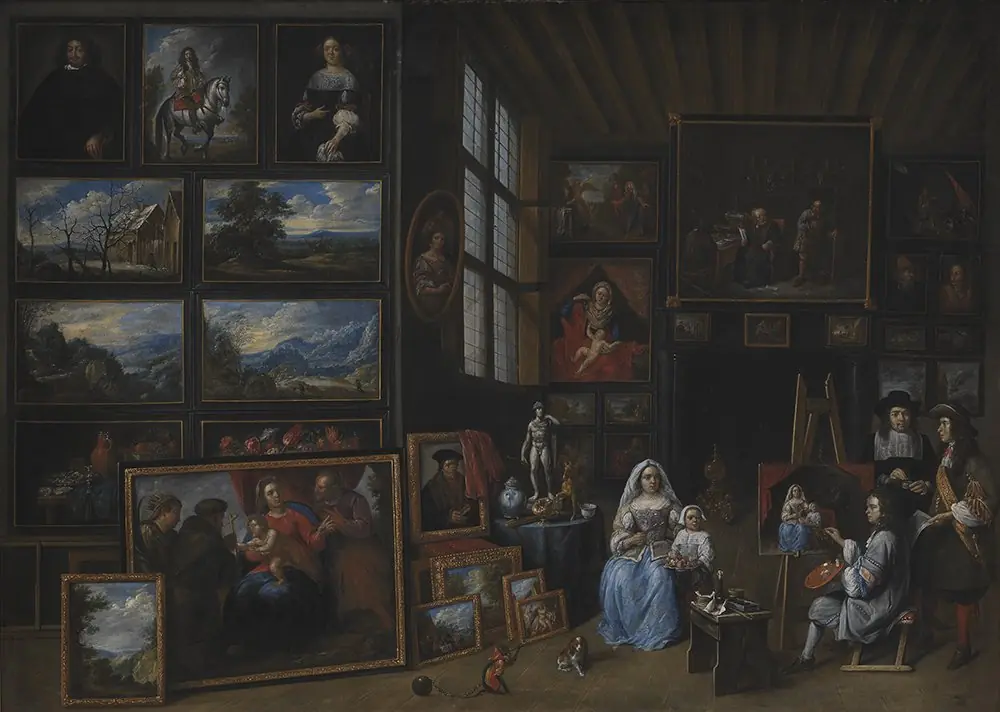 Et billedgalleri med en kunstner, der maler en kvinde og en pige. Allegori over malerkunsten
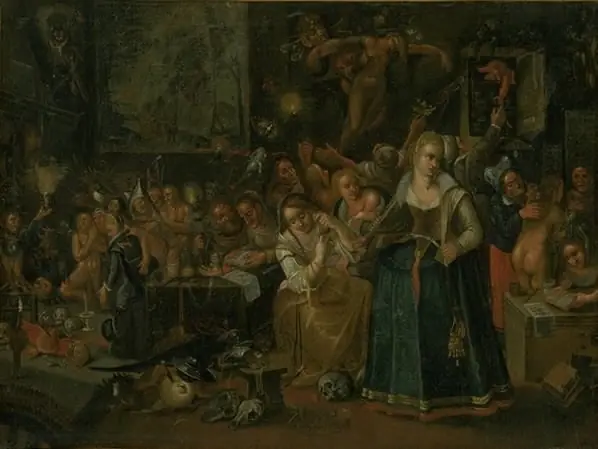 Witches' Sabbath
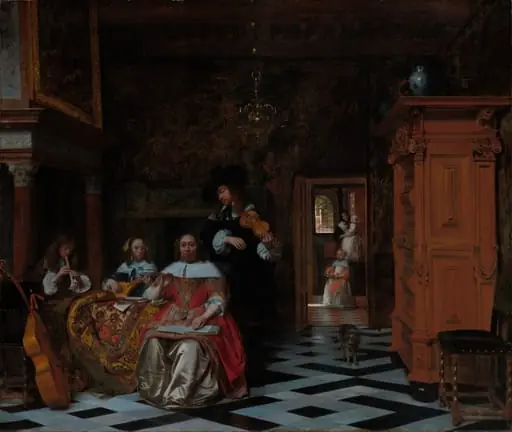 Portrait of a Family Playing Music
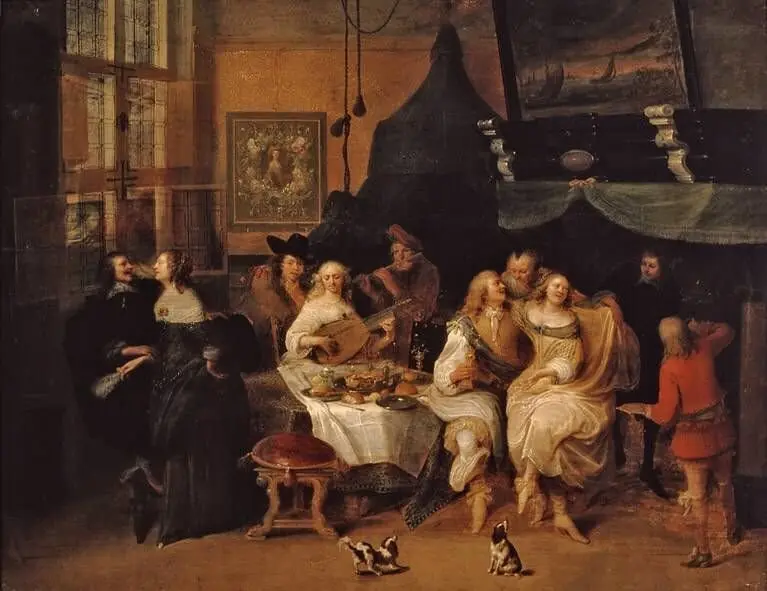 Merry Company
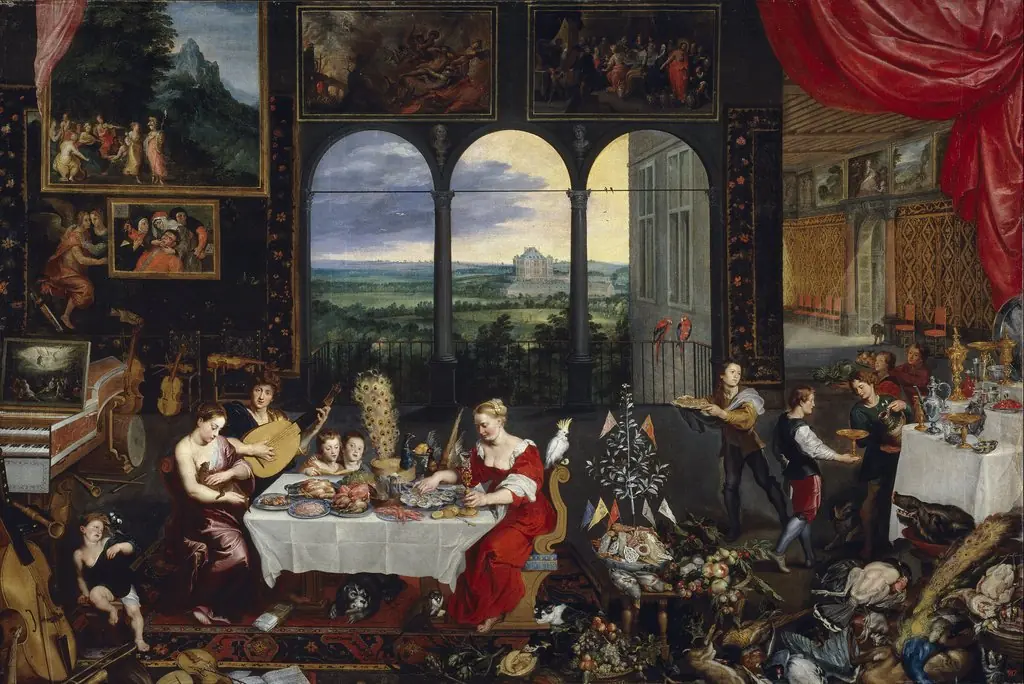 The Senses of Hearing, Touch and Taste
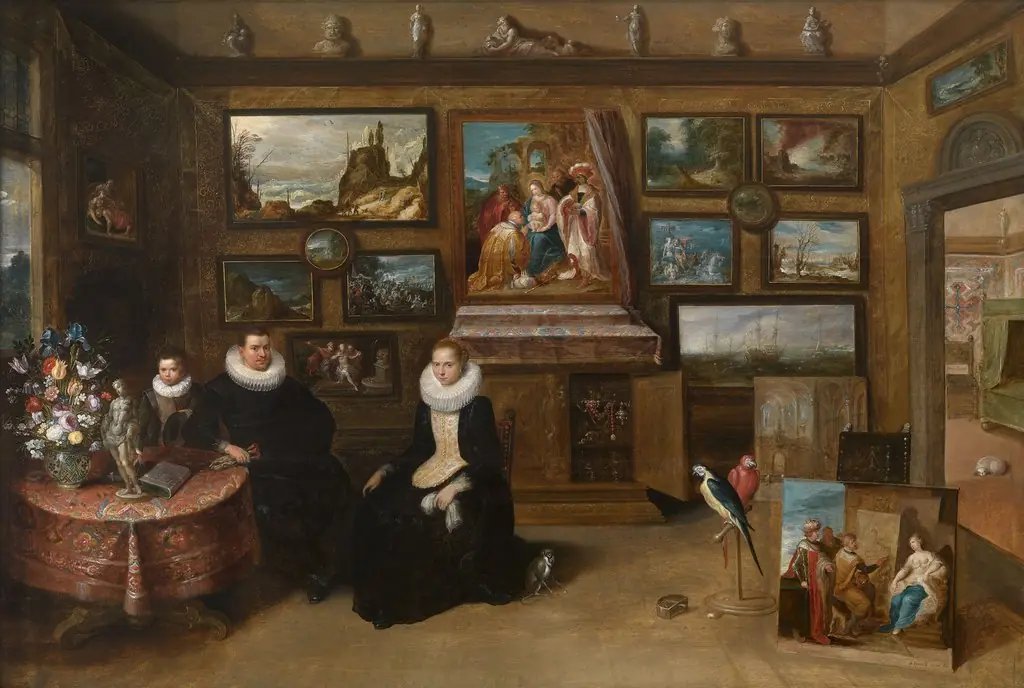 The Collection of paintings of Sebastiaan Leerse
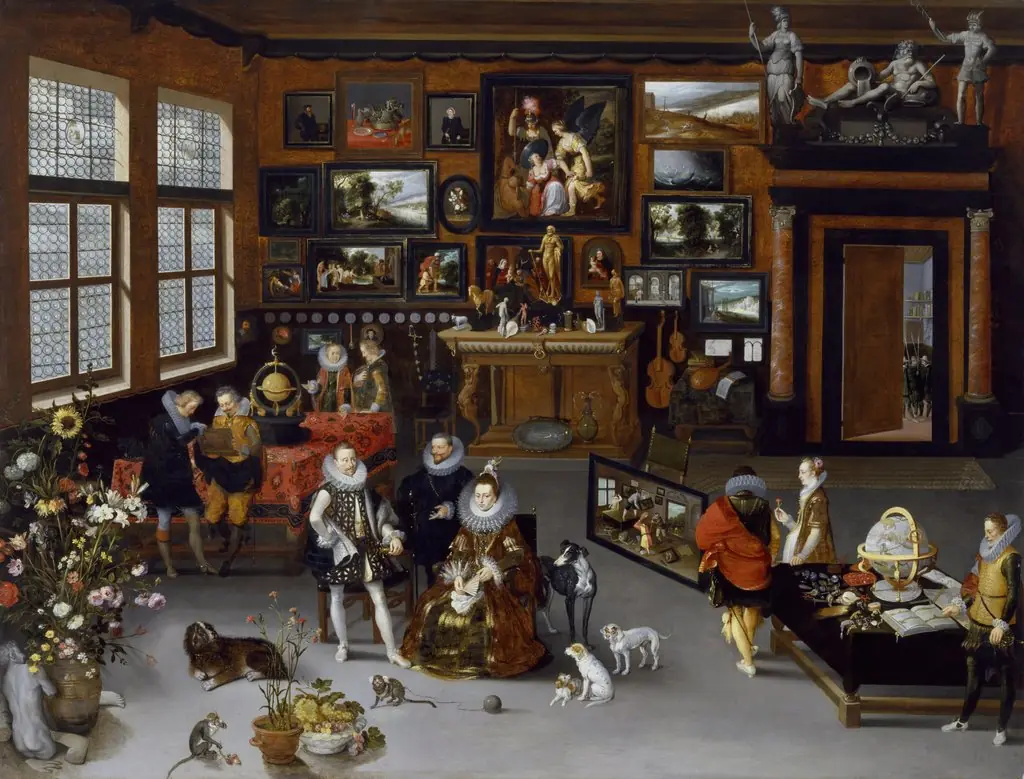 The Archdukes Albert and Isabella Visiting a Collector's Cabinet
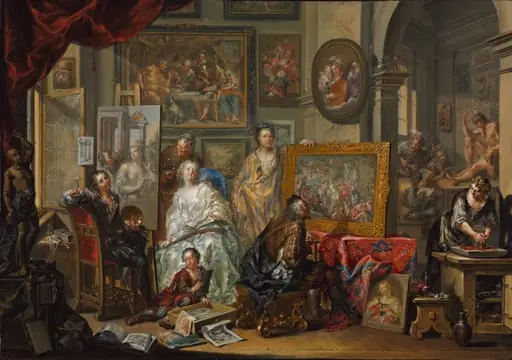 The Artist's Studio
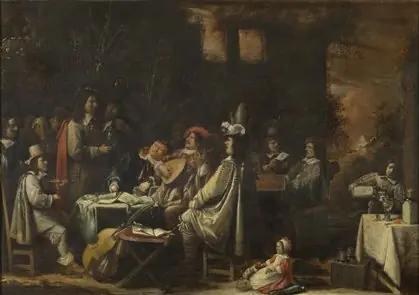 Meeting of rhetoricians