Artwork
Plate 50: A Partial Mantis Shrimp with Tower Snail Shells
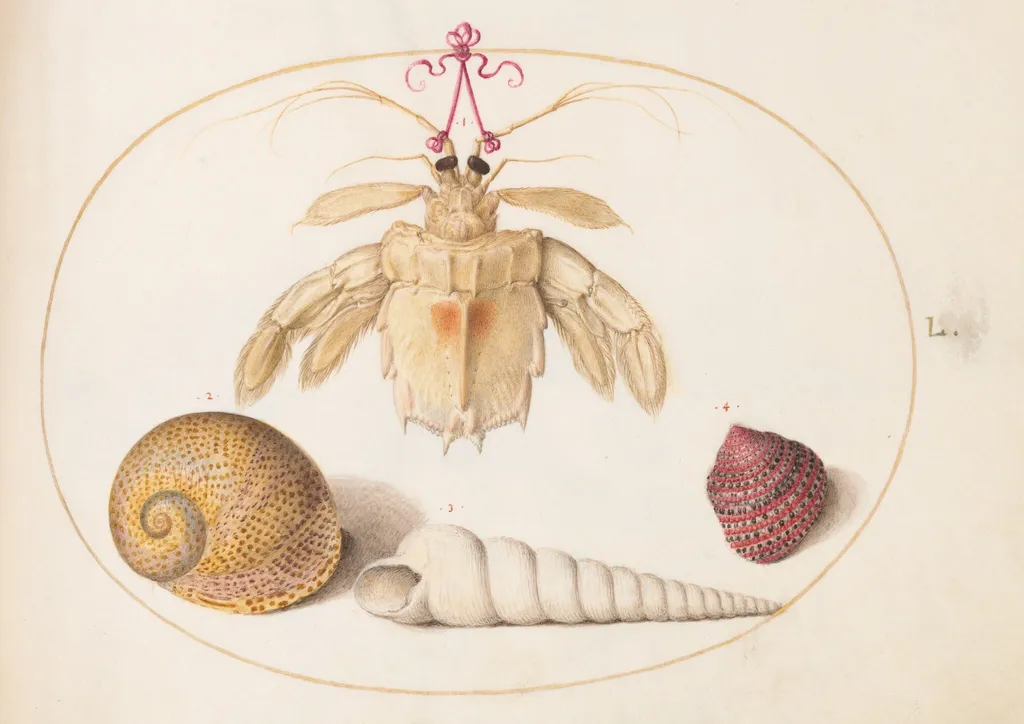
Plate 50: A Partial Mantis Shrimp with Tower Snail Shells is a gouache drawing by the Renaissance artist Joris Hoefnagel. It dates from 1594 and is held in the collection of the National Gallery of Art.
- Inscription
- Inscribed:Crustacean in image numbered .1., in red ink; shells in image numbered .2., 3., and .4., in red ink: center right in brown ink: L. Facing page: upper center in red ink: Benedicite Domino omnia opera eius / In omni loco Dominationes ei[us].ps 102. (“Bless the Lord, all his works: in every place of his dominion.” Psalms 102:22) (Latin Vulgate Bible); lower center in violet ink: Nonne dominus fecit sanctos enarrare o[m/n]ia mirabilia sua / quae co[n]firmavit dominus deus o[m]nipotens stabiliri in gloria sua/ Ecc[us]:42. (“Has not the Lord made the saints to declare all his wonderful works, which the Lord Almighty has firmly settled to be established for his glory?” Ecclesiasticus 42:17) (Latin Vulgate Bible)
About this work
Overview
Created around 1594 by Flemish artist Joris Hoefnagel, Plate 50: A Partial Mantis Shrimp with Tower Snail Shells is a watercolor and gold paint drawing on parchment, exemplifying the artist's meticulous approach to natural history illustration.
Subject & Meaning
The drawing depicts a mantis shrimp, distinguished by a pink crown and wing-like flaps, accompanied by two tower snail shells of differing patterns. This precise rendering reflects Hoefnagel's scientific inclination in artistic representation.
Technique & Style
Hoefnagel employed fine lines, soft watercolors, and accents of gold paint on parchment, achieving a delicate yet precise visual effect. This technique showcases his skill as one of the last manuscript illuminators of his time.
History & Provenance
While specific provenance details for Plate 50 are not provided, it is known to have been created during Hoefnagel's active period in the late 16th century, contributing to the evolution of northern European floral still-life and topographical drawing.
Context
This work sits within the broader context of late 16th-century northern European art, where detailed natural history illustrations began to influence the development of both floral still-life painting and precise topographical drawings.
Legacy
As part of Hoefnagel's oeuvre, Plate 50 reflects his contribution to the transition from manuscript illumination to more modern artistic practices, particularly in the meticulous depiction of natural subjects.
Own this work as a print
Artist & collection

Artist
Joris Hoefnagel or Georg Hoefnagel (1542 – 24 July 1601) was a Flemish painter, printmaker, miniaturist, draftsman and merchant.

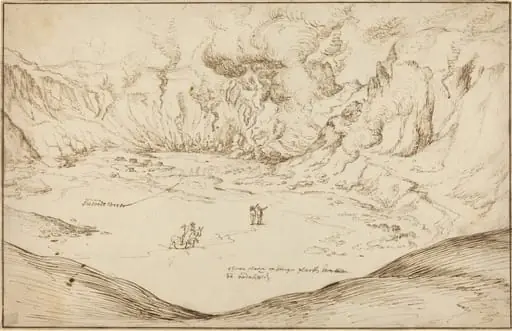 Forum Vulcani: The Hot Springs at Pozzuoli
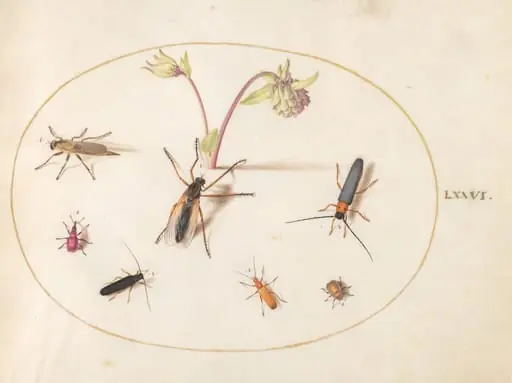 Plate 76: Insects with a Pink and Cream Columbine
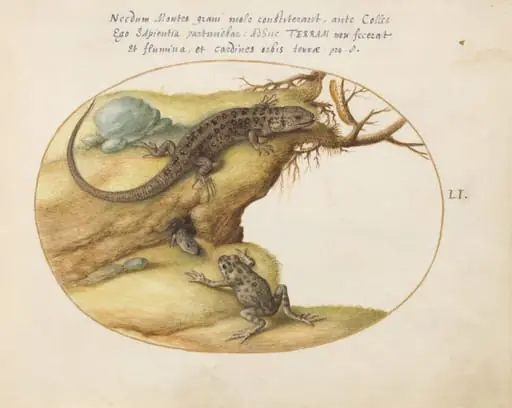 Plate 51: Two Sand Lizards, a Common Parsley Frog(?), and a Caterpillar
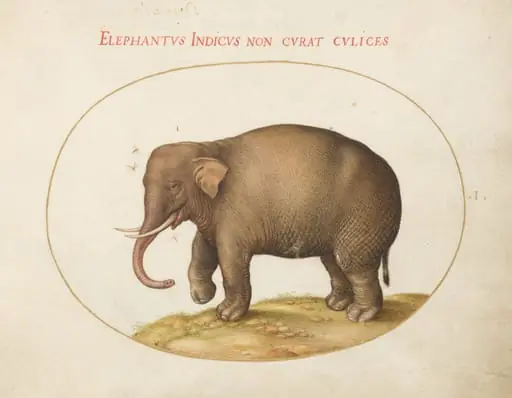 Plate 1: Elephant with Insects
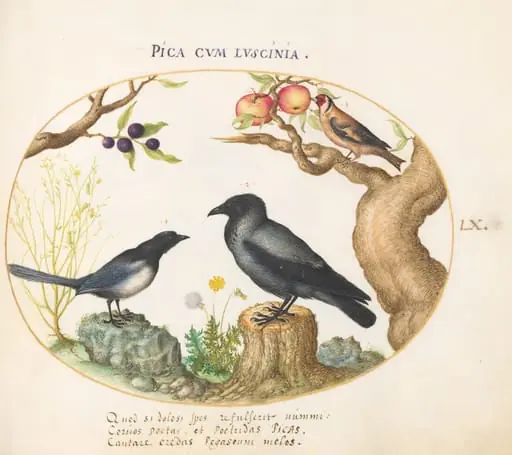 Plate 60: Magpie, Crow, and Goldfinch
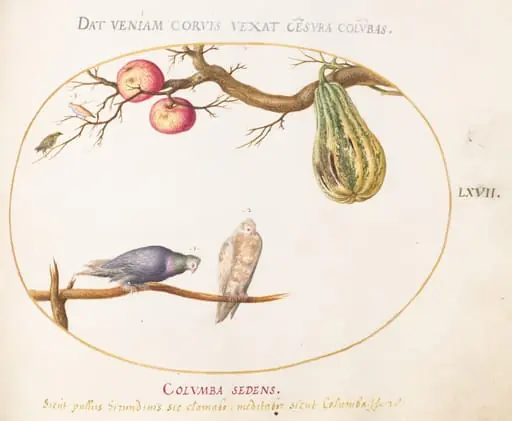 Plate 67: Two Doves beneath a Gourd and Apples
 Plate 31: Seven Moths
 Plate 21: Swamp Hen and Woodcock with a Streaked Rosefinch, a Finch, and Oak Galls
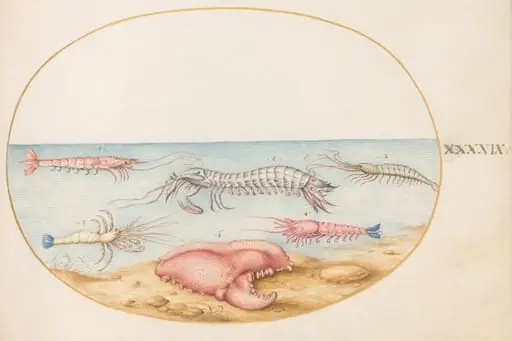
- Plate 49: Mantis Shrimp and the Claw of a European Crayfish
 Plate 51: Murex Mollusks, Shells, Hermit Crabs, a Slug, Insects, and Other Sea Life
 Plate 46: Two Crabs with Seashells
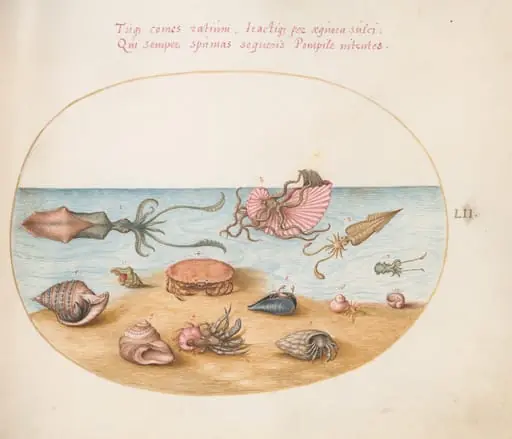 Plate 52: An Argonaut, Squid, Hermit Crabs, Shells, and a Crab
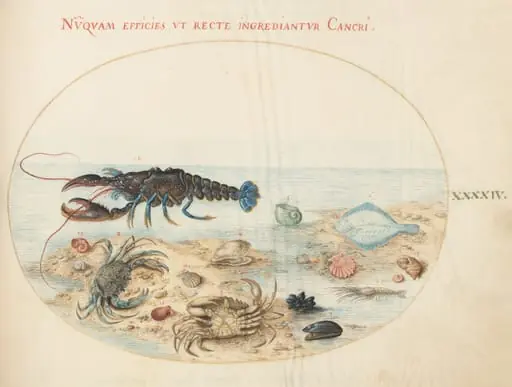 Plate 44: Lobster, Two Crabs, Scallop Shells, and Other Sea Life
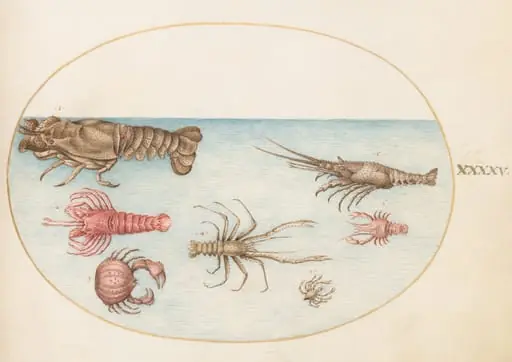 Plate 45: Lobster, Squilla Mantis, and Other Crustaceans
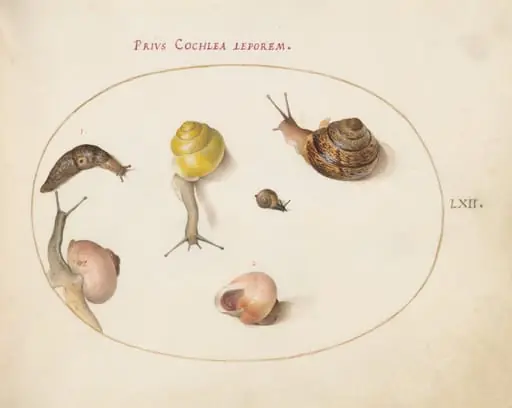 Plate 62: A Slug with Snails
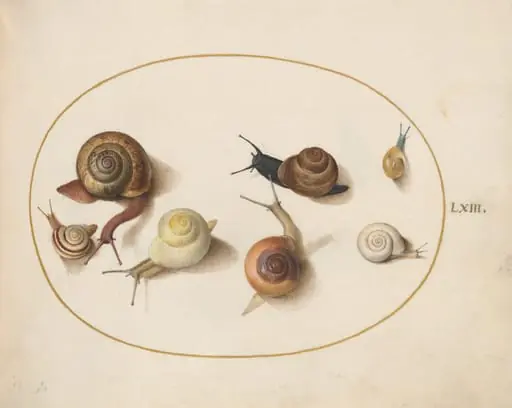 Plate 63: Seven Snails
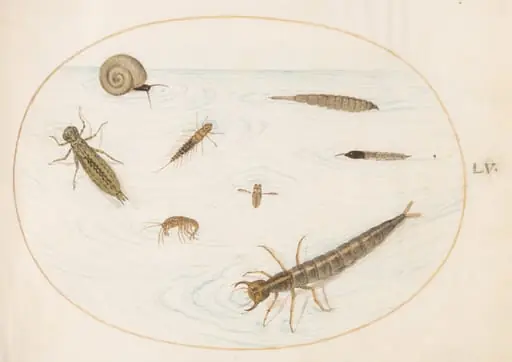 Plate 55: Aquatic Insects and Invertebrates, Including a Snail
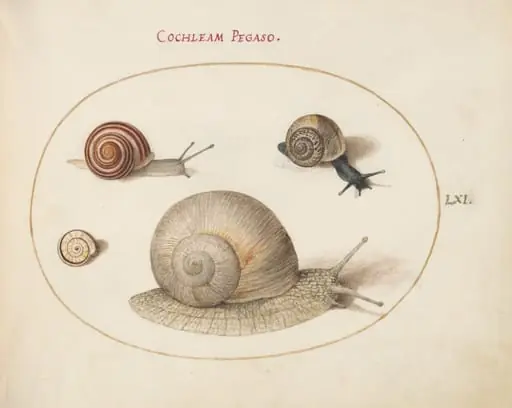 Plate 61: Four Snails
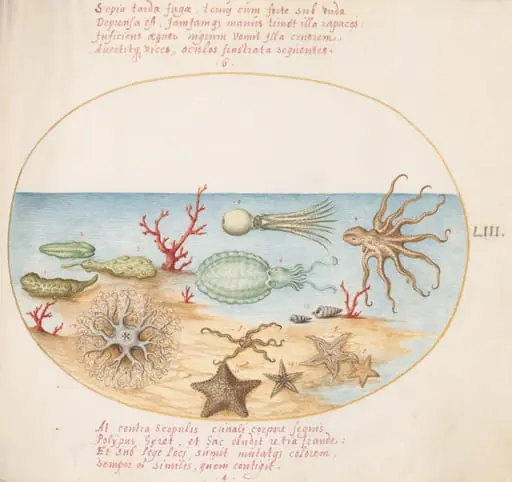 Plate 53: Sea Cucumbers, Coral, Octopus, Starfish, Squid, and Other Sea Creatures
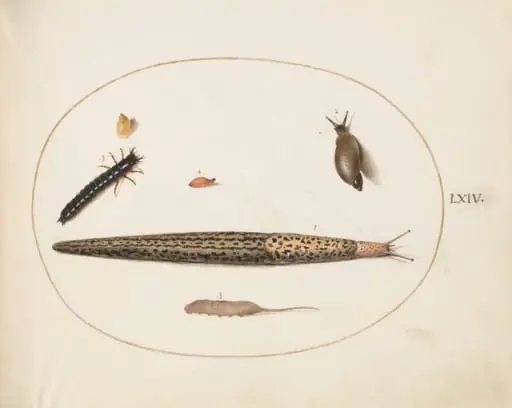 Plate 64: Leopard Slug, Ground Beetle Larva, a Rat-tailed Maggot, and Other Creatures