Artwork
Plate 64: Eleven Insects, Including a Dragonfly and Longhorn Beetle
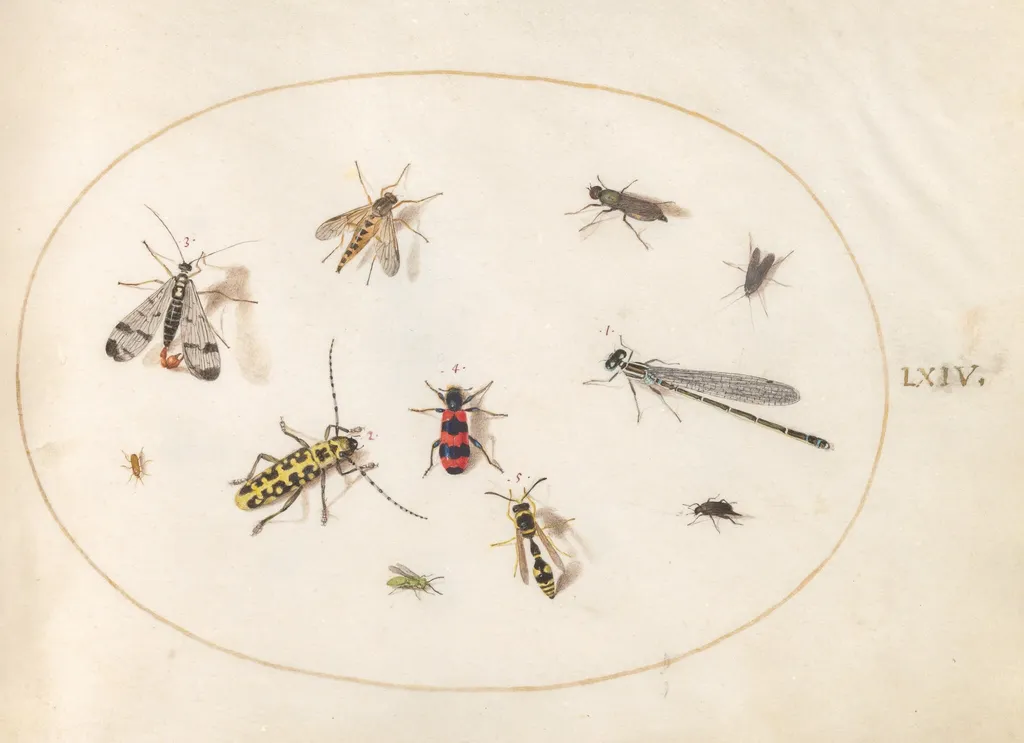
Plate 64: Eleven Insects, Including a Dragonfly and Longhorn Beetle is a gouache drawing by the Renaissance artist Joris Hoefnagel. It dates from 1594 and is held in the collection of the National Gallery of Art.
- Inscription
- Inscribed:Center right in brown ink: LXIV. Facing page: Upper center in red ink: .5. / Ignavum,fucus pecus, a praesepibus arce.
About this work
Overview
Created circa 1594, this miniature measures a modest sheet of parchment and depicts a collection of eleven insects rendered in watercolor accented with gold. The composition arranges each creature against a plain, light background, allowing the delicate translucency of a dragonfly’s wings and the curled antennae of a longhorn beetle to dominate the visual field.
Subject & Meaning
The work functions as a visual catalogue, presenting a variety of insects, dragonflies, beetles, and other small arthropods, with meticulous attention to anatomical detail. By isolating each specimen, the artist emphasizes both the diversity of the natural world and the possibility of close observation, suggesting an early scientific curiosity blended with aesthetic appreciation.
Technique & Style
Watercolor washes provide subtle coloration, while fine gold flecks punctuate the surface, creating a luminous effect reminiscent of star‑like points on the parchment. Precise line work defines veins, legs, and antennae, and the transparent rendering of the dragonfly’s wings demonstrates a sophisticated handling of translucency uncommon in manuscript illumination of the period.
History & Provenance
Attributed to Joris Hoefnagel, a Flemish draftsman noted for his contributions to natural history illustration, the piece belongs to a series of plates that were likely compiled for a private collection of scientific curiosities. Its survival on parchment indicates it was intended for a limited, perhaps elite, audience rather than mass publication.
Context
Produced at the close of the 16th century, the drawing reflects a transitional moment when Northern European artists began integrating detailed observation of flora and fauna into their work. Hoefnagel’s practice bridges the medieval tradition of illuminated manuscripts and the emerging genre of topographical and still‑life drawing that would flourish in the following century.
Own this work as a print
Artist & collection

Artist
Joris Hoefnagel or Georg Hoefnagel (1542 – 24 July 1601) was a Flemish painter, printmaker, miniaturist, draftsman and merchant.

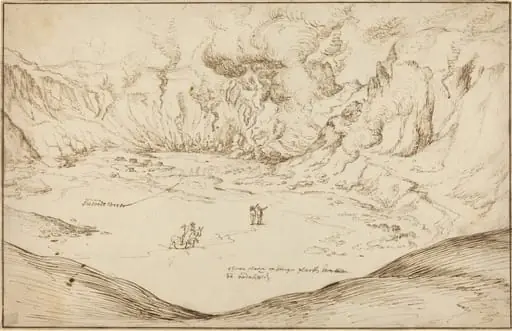 Forum Vulcani: The Hot Springs at Pozzuoli
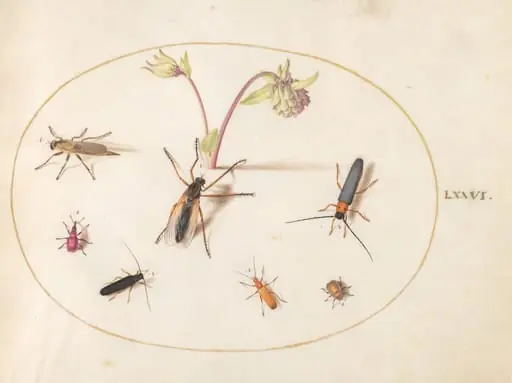 Plate 76: Insects with a Pink and Cream Columbine
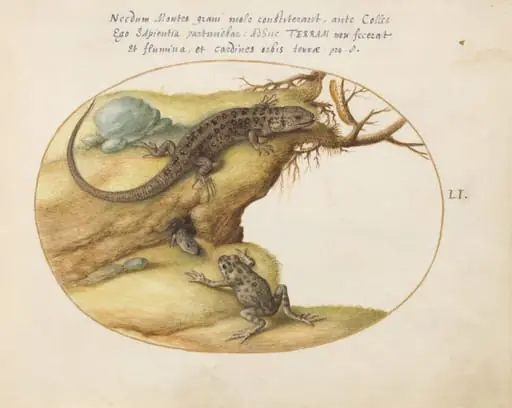 Plate 51: Two Sand Lizards, a Common Parsley Frog(?), and a Caterpillar
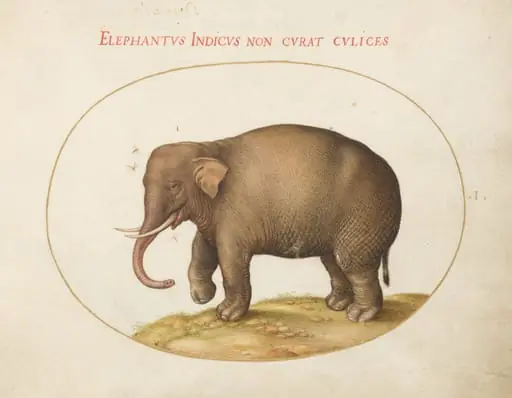 Plate 1: Elephant with Insects
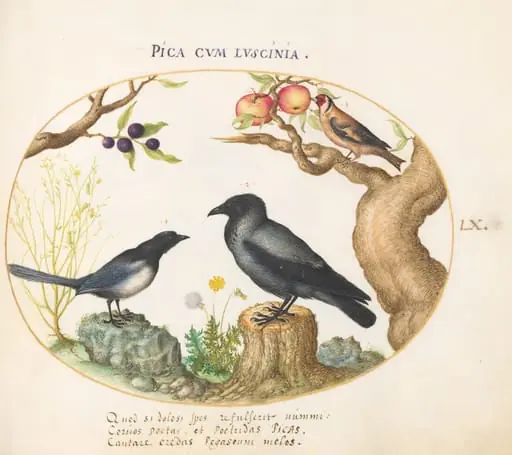 Plate 60: Magpie, Crow, and Goldfinch
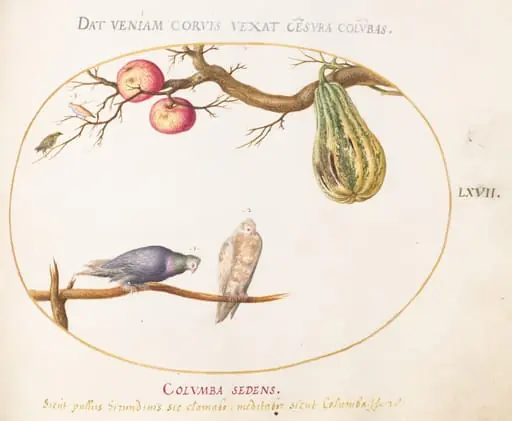 Plate 67: Two Doves beneath a Gourd and Apples
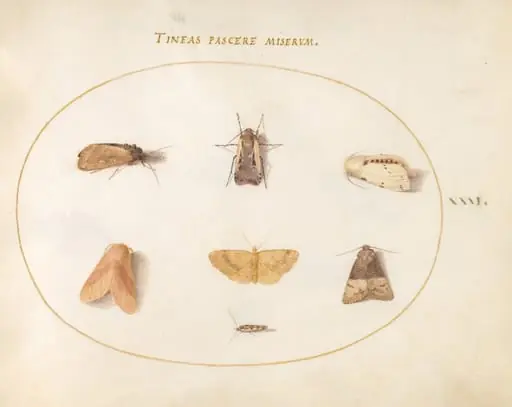 Plate 31: Seven Moths
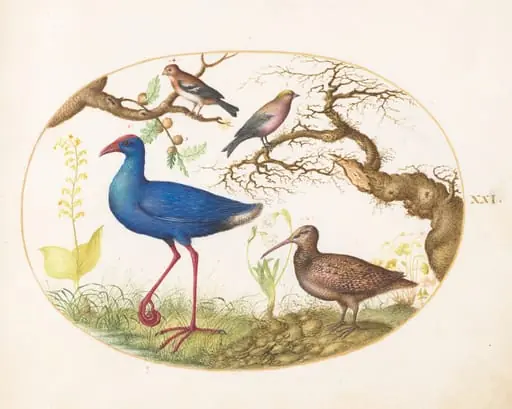 Plate 21: Swamp Hen and Woodcock with a Streaked Rosefinch, a Finch, and Oak Galls
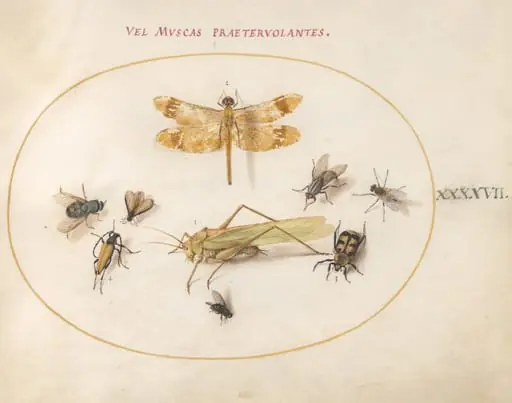
- Plate 47: A Dragonfly (Banded Darter?), Grasshopper, Houseflies, a Carrion Beetle, a Flower Longhorn Beetle, and Other Insects
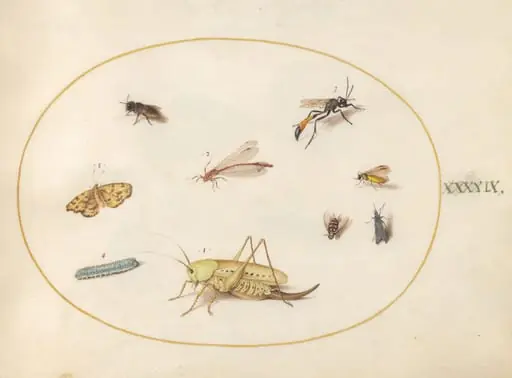 Plate 49: A Grasshopper, a Caterpillar, a Butterfly, a Moth, and Other Insects
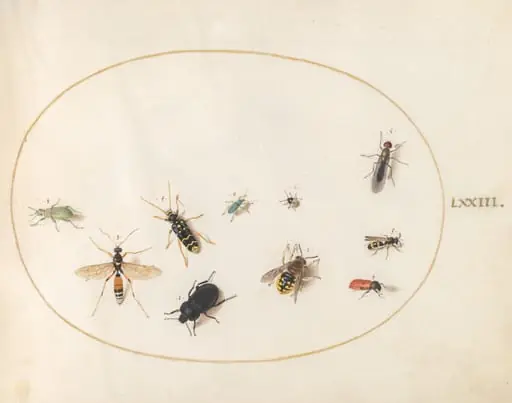 Plate 73: Ten Insects
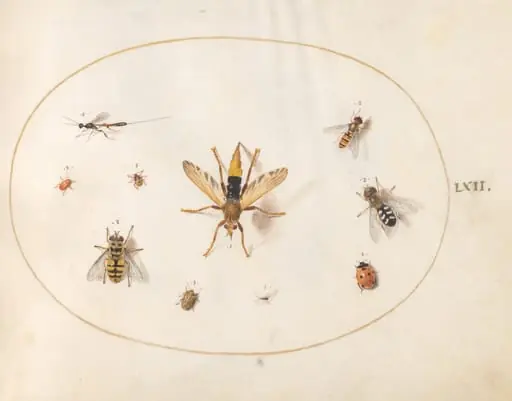 Plate 62: Ten Insects
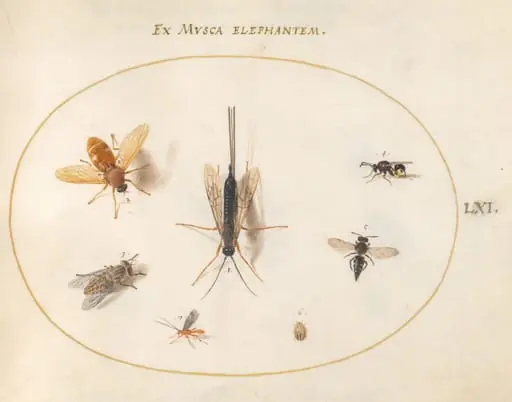 Plate 61: Seven Insects, Including Flies
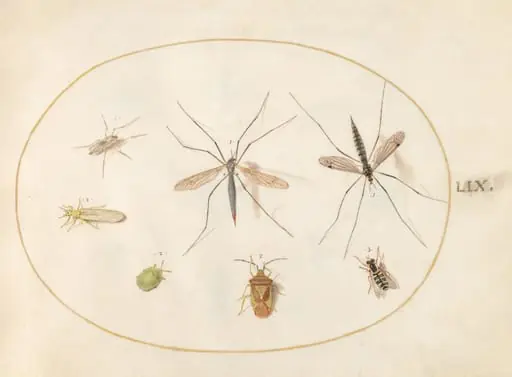 Plate 59: Seven Insects, Including a Hawthorn Shield Bug, Crane Flies, and a Hoverfly
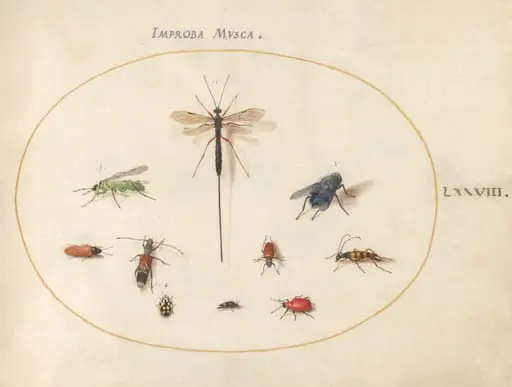 Plate 78: Ten Insects, Including a Blue Fly
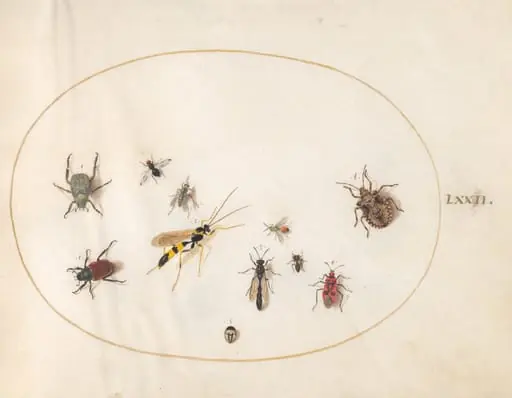 Plate 72: Shield Bug, Cinnamon Bug, Wasp, and Other Insects
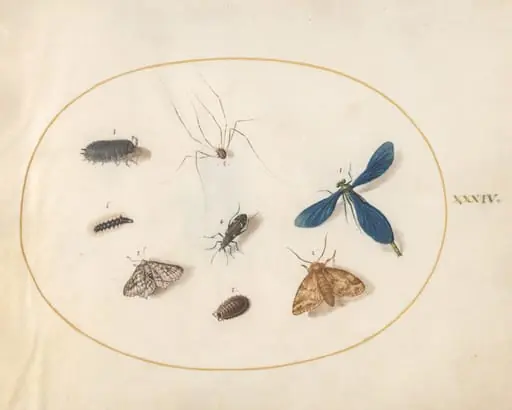 Plate 34: Two Moths with a Spider, a Caterpillar, a Damselfly, and Other Insects
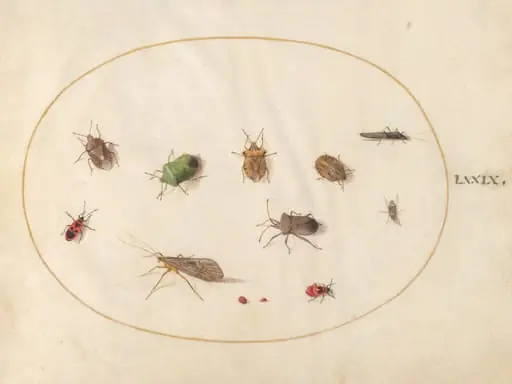 Plate 79: Twelve Insects, Including Shield Bugs
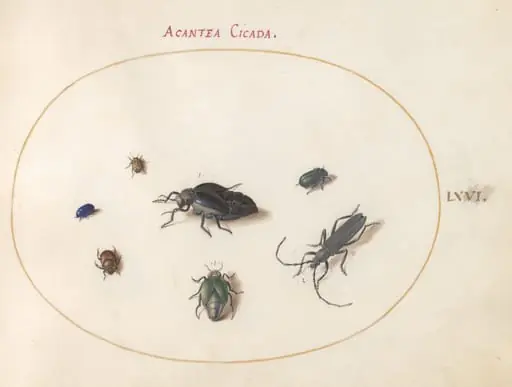 Plate 66: Two Oil Beetles, a Longhorn Beetle, and Four Other Insects
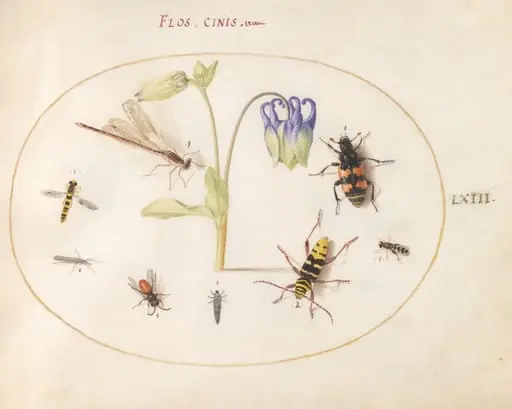 Plate 63: A Dragonfly, a Spotted Longhorn, a Sexton Beetle, and Other Insects with a Blue and White Columbine