Artwork
Portretul lui Filip al V-lea, regele Spaniei
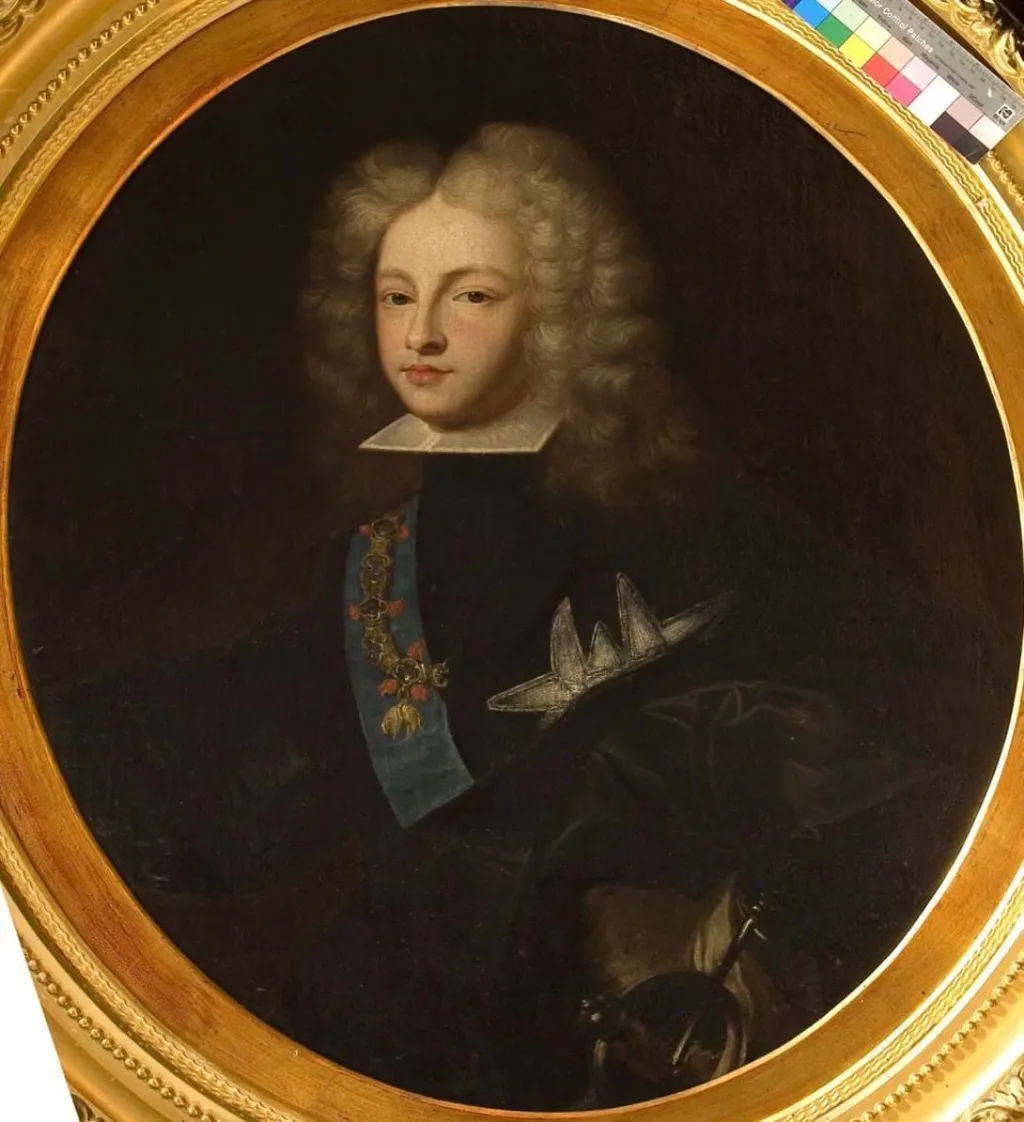
Portretul lui Filip al V-lea, regele Spaniei is a print by Rigaud Hyacinthe. It dates from 1650 and is held in the collection of the National Museum of Art of Romania. This portrait presents Philip V of Spain, painted by Hyacinthe Rigaud in the early 18th century, not 1650 as sometimes misstated.
About this work
Overview
This portrait presents Philip V of Spain, painted by Hyacinthe Rigaud in the early 18th century, not 1650 as sometimes misstated.
This portrait presents Philip V of Spain, painted by Hyacinthe Rigaud in the early 18th century, not 1650 as sometimes misstated. Rigaud, trained in Catalonia and active in France, specialized in formal royal portraiture that emphasized dignity and authority. The composition isolates the subject against a dark background, focusing attention on his attire and bearing, consistent with Rigaud’s established approach to depicting monarchy.
Subject & Meaning
Philip V, the first Bourbon king of Spain, is rendered with restrained gravitas. His posture and direct gaze convey imperial composure, while the blue sash with gold embroidery signifies his membership in the Order of the Golden Fleece, a prestigious chivalric institution. The absence of symbolic props or elaborate settings shifts emphasis entirely to his person, reinforcing the idea of sovereign presence over ceremonial display.
Technique & Style
Rigaud employed fine brushwork to render textures: the sheen of silk, the metallic thread of the sash, and the crispness of the lace collar. The dark background enhances the three-dimensionality of the figure, while subtle lighting models the face and hands with precision. The palette is restrained, deep blacks, muted blues, and white linen, creating a tone of solemn formality typical of court portraiture in the period.
History & Provenance
Painted shortly after Philip V’s ascension to the Spanish throne in 1700, the portrait likely served diplomatic or ceremonial purposes, affirming his legitimacy to both Spanish and French audiences. It was produced during Rigaud’s peak years in Paris, where he was the preferred painter of Louis XIV’s court. The work reflects the transnational nature of Bourbon dynastic identity, linking French artistic conventions to Spanish royalty.
Context
In early 18th-century Europe, royal portraiture functioned as political tool as much as personal likeness. Rigaud’s style, developed under Louis XIV, became a template for monarchs across the continent. Philip V’s portrait aligns with this tradition, using costume and composition to project continuity with absolutist ideals, even as Spain navigated the aftermath of the War of the Spanish Succession.
Legacy
The portrait exemplifies how Rigaud’s formal language influenced royal imagery beyond France. Its restrained elegance and attention to textile detail became a standard for depicting sovereigns in the early Enlightenment. Though less celebrated than his French royal portraits, this image of Philip V remains a key example of how artistic style was deployed to reinforce dynastic authority across borders.
Artist & collection
Artist
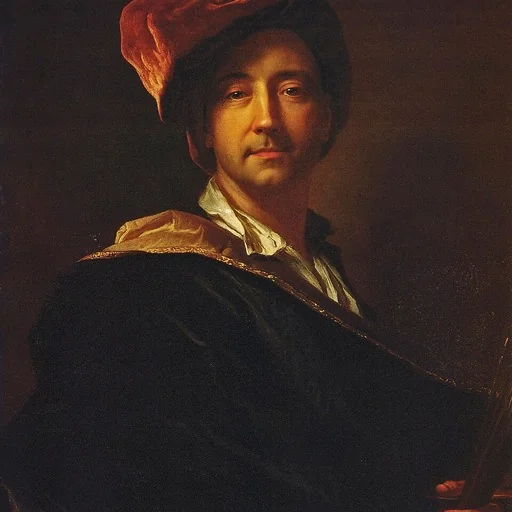
Jacint Rigau-Ros i Serra (Catalan pronunciation:; 18 July 1659 – 29 December 1743), known in French as Hyacinthe Rigaud (pronounced ), was a Catalan-French baroque painter most famous for his portraits of Louis XIV and other members of the…

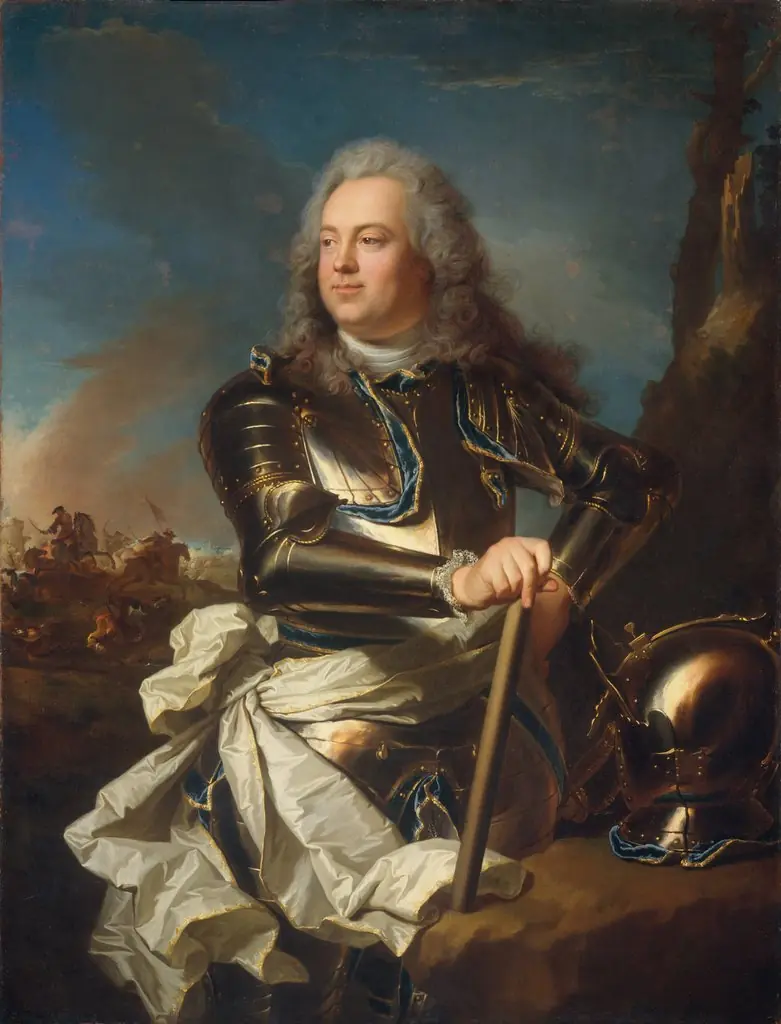
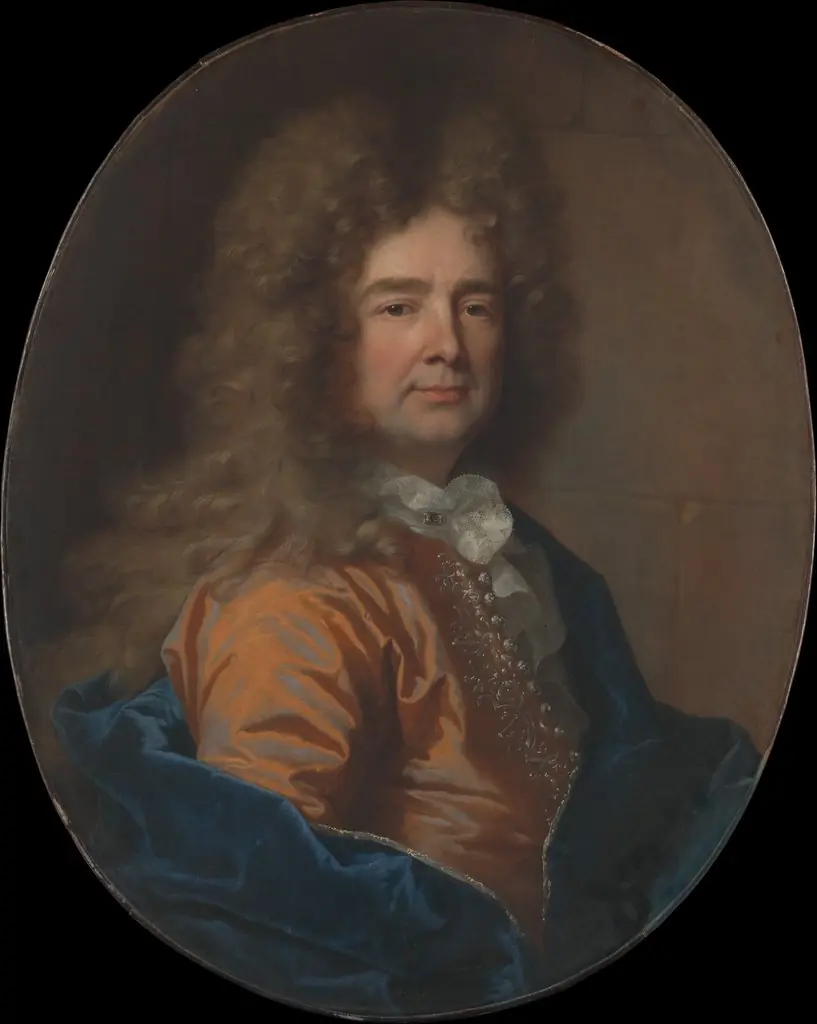
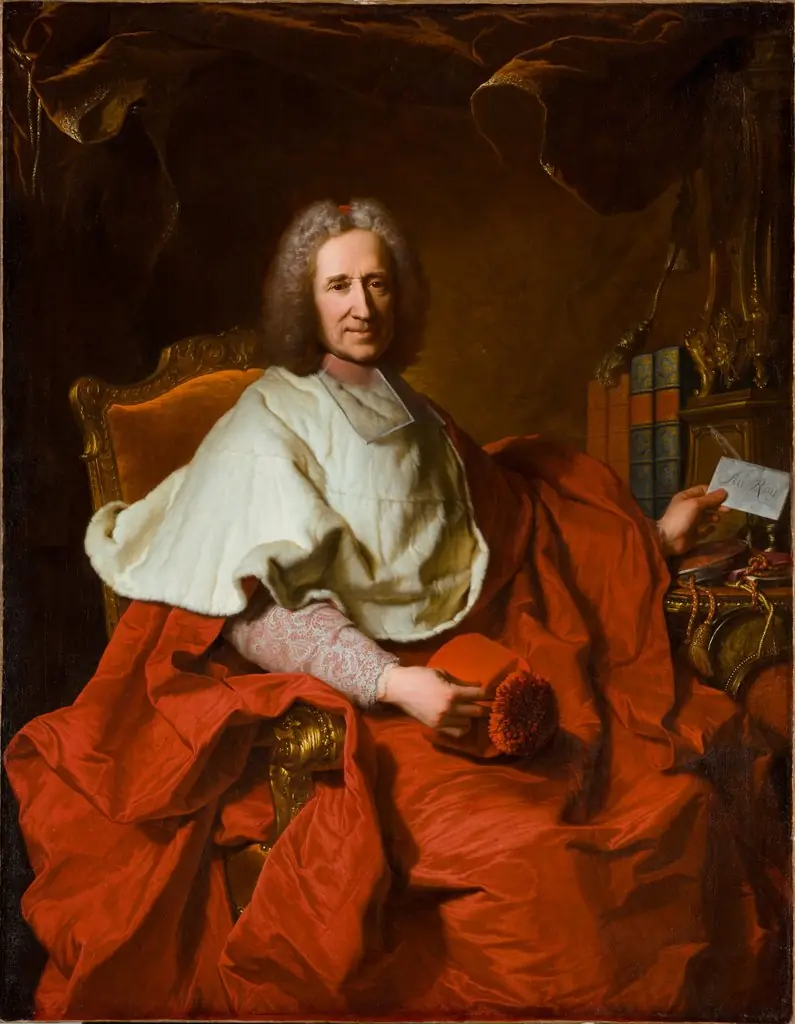
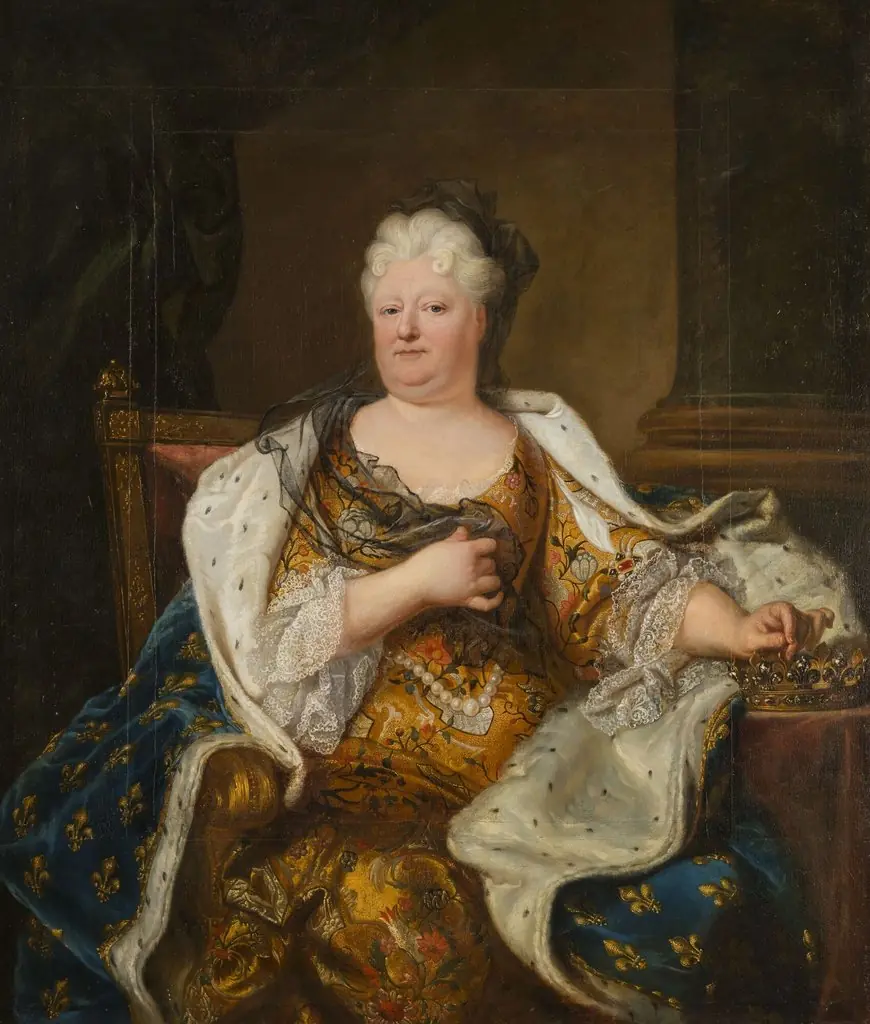
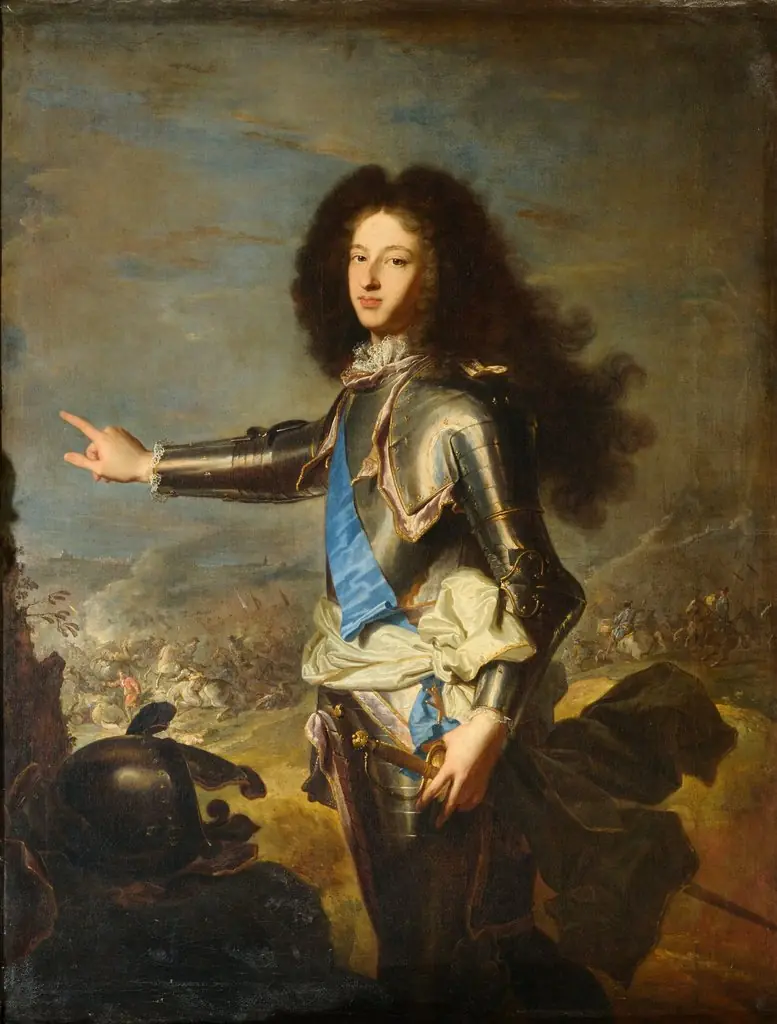
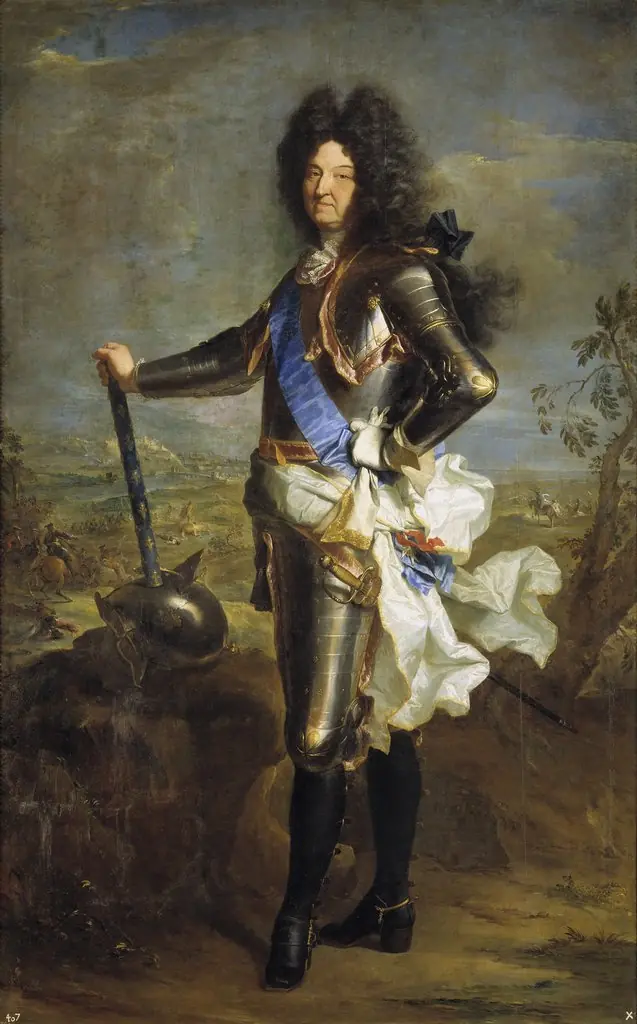
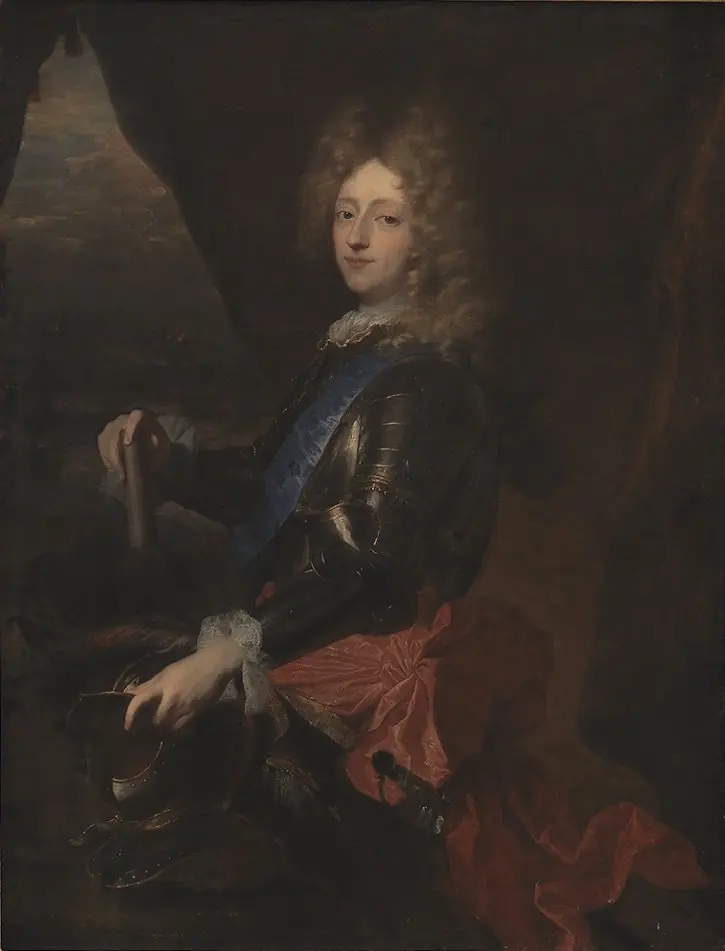
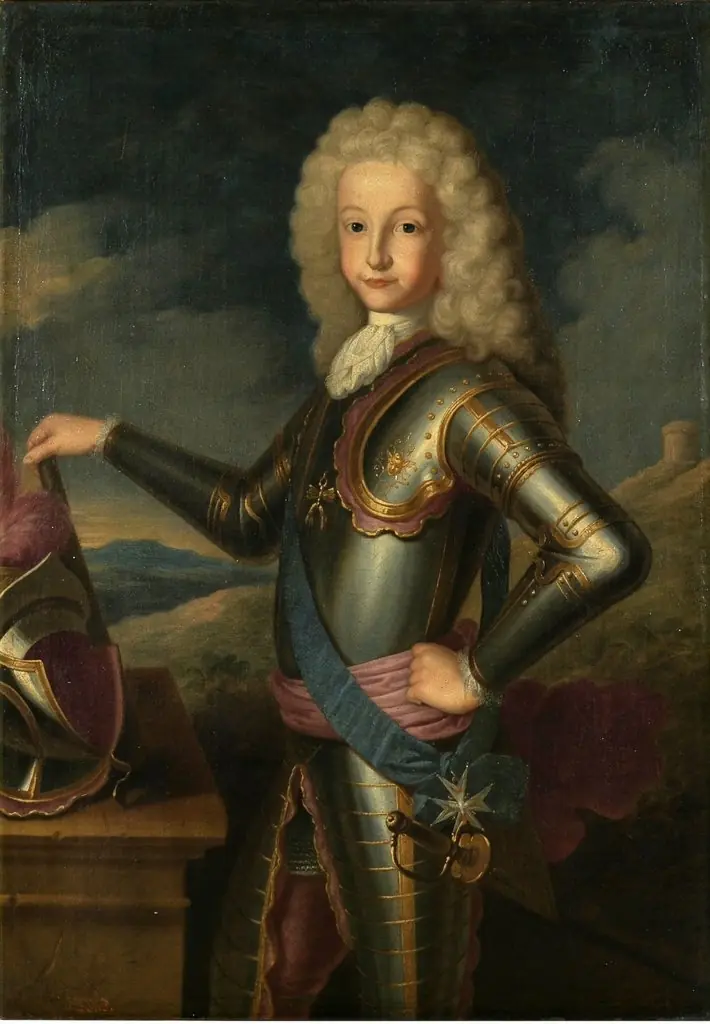
- Luis I con armadura a los 10 años
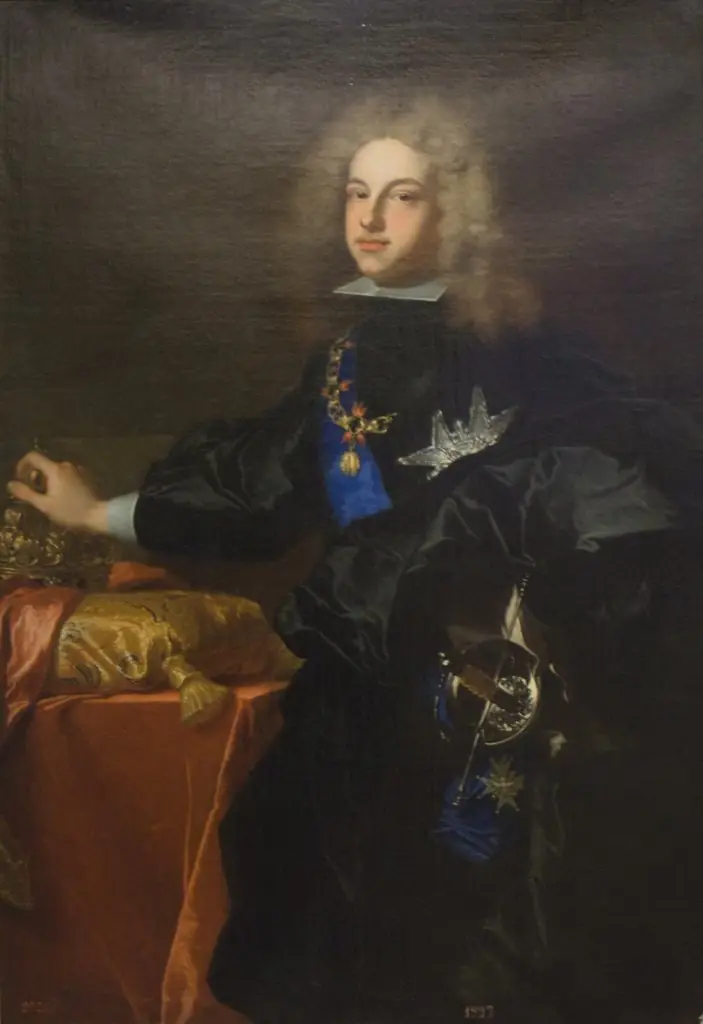 Philip V, King of Spain
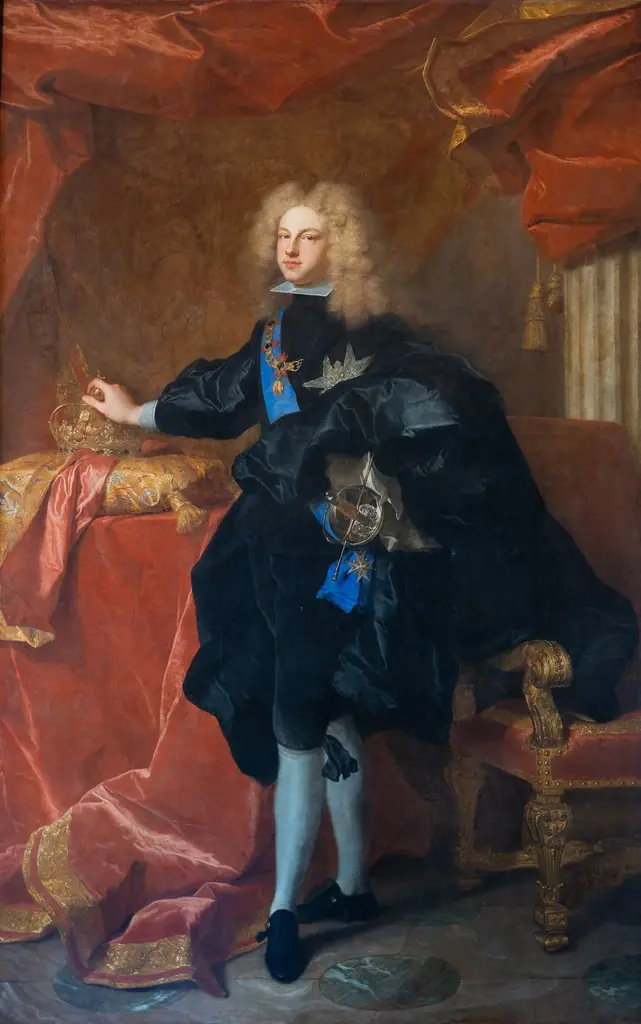 Portrait of Philip V, King of Spain
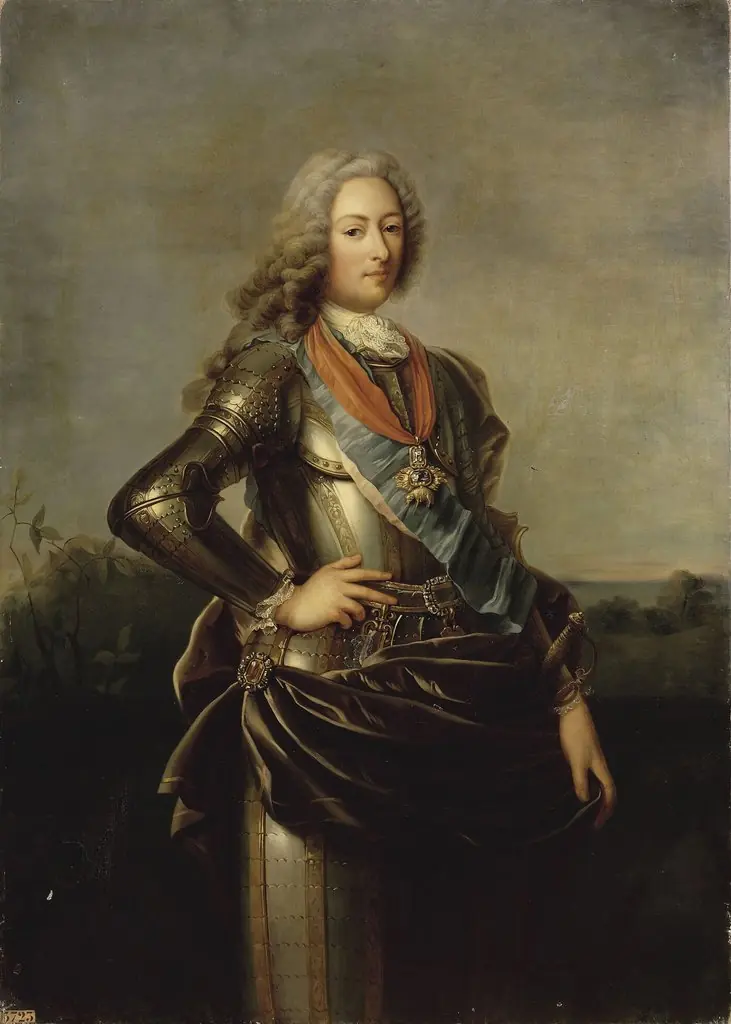 Louis of Orleans, Duke of Orleans
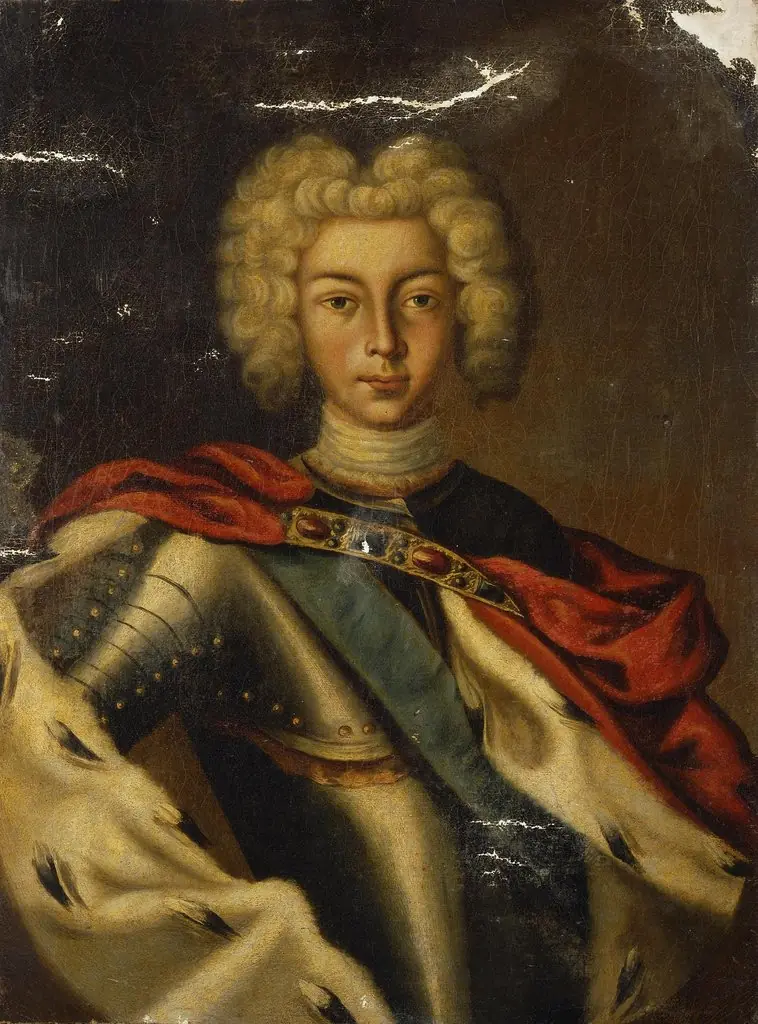 Portrait of Peter II
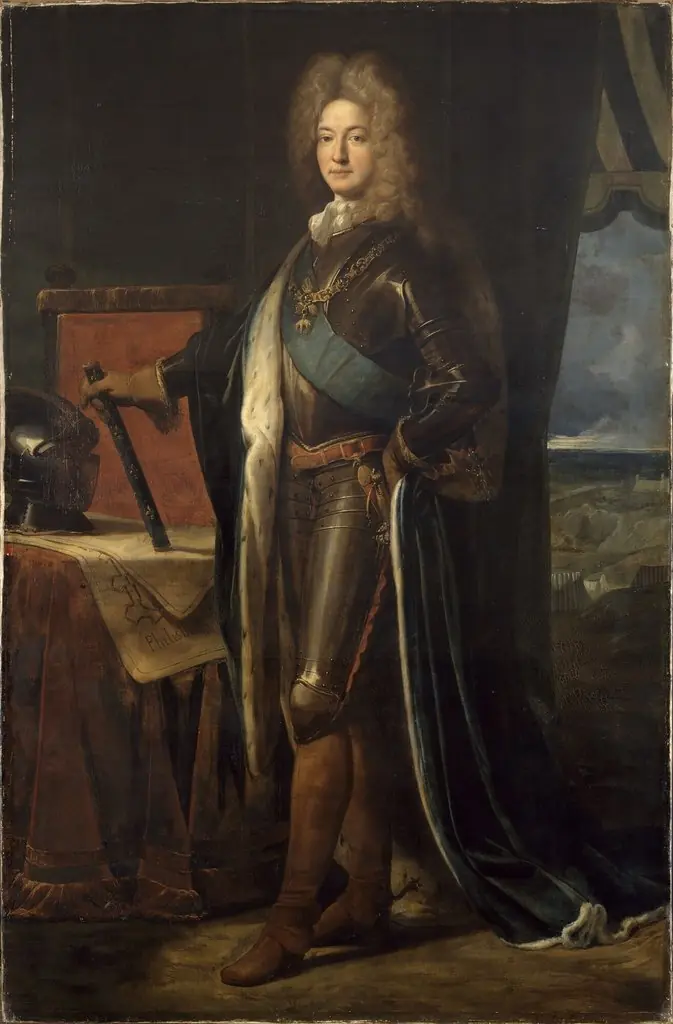 Portrait of Adrien Maurice de Noailles (1678-1766)
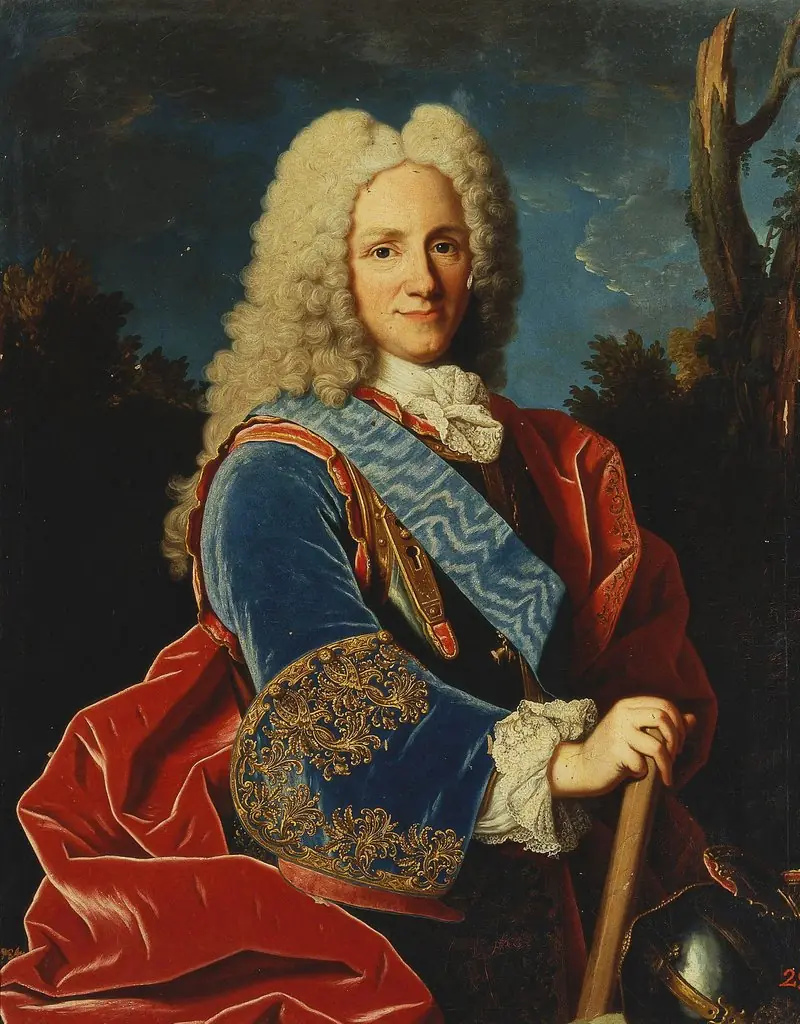 Philip V, King of Spain
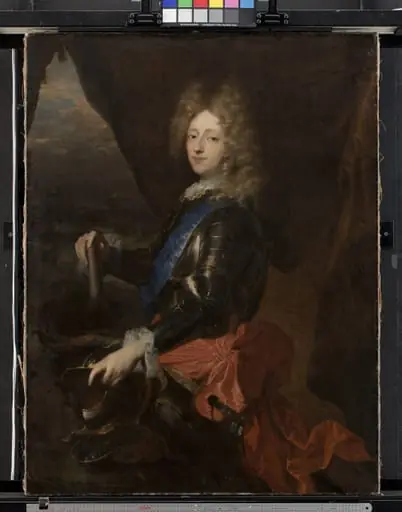 Portrait of King Frederik IV as Prince
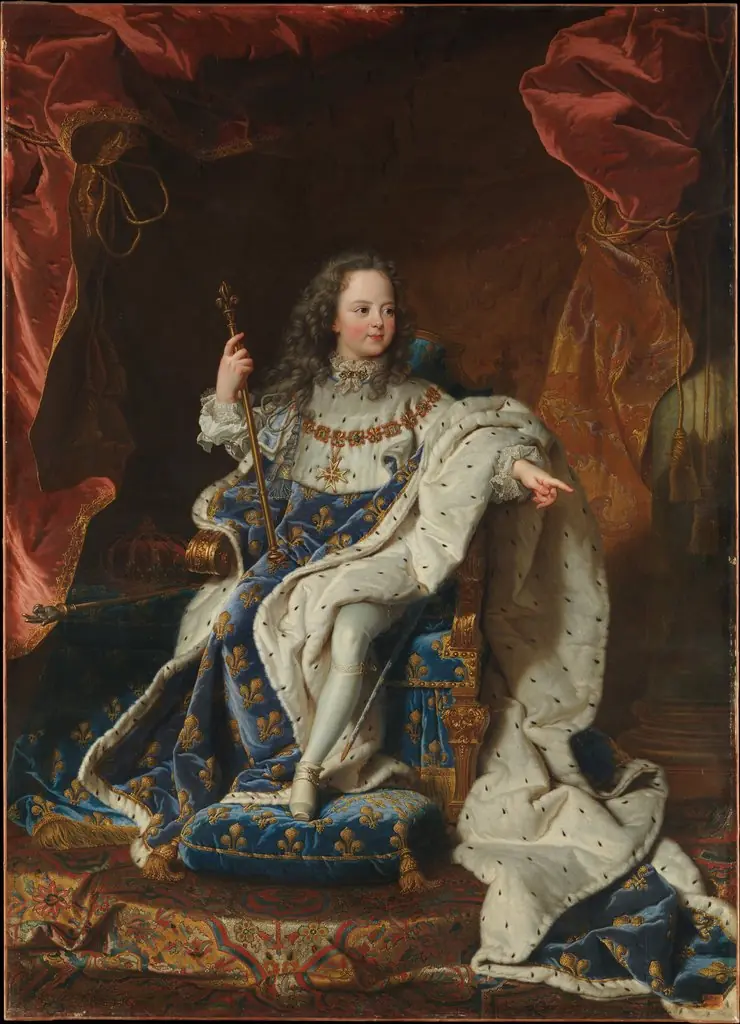
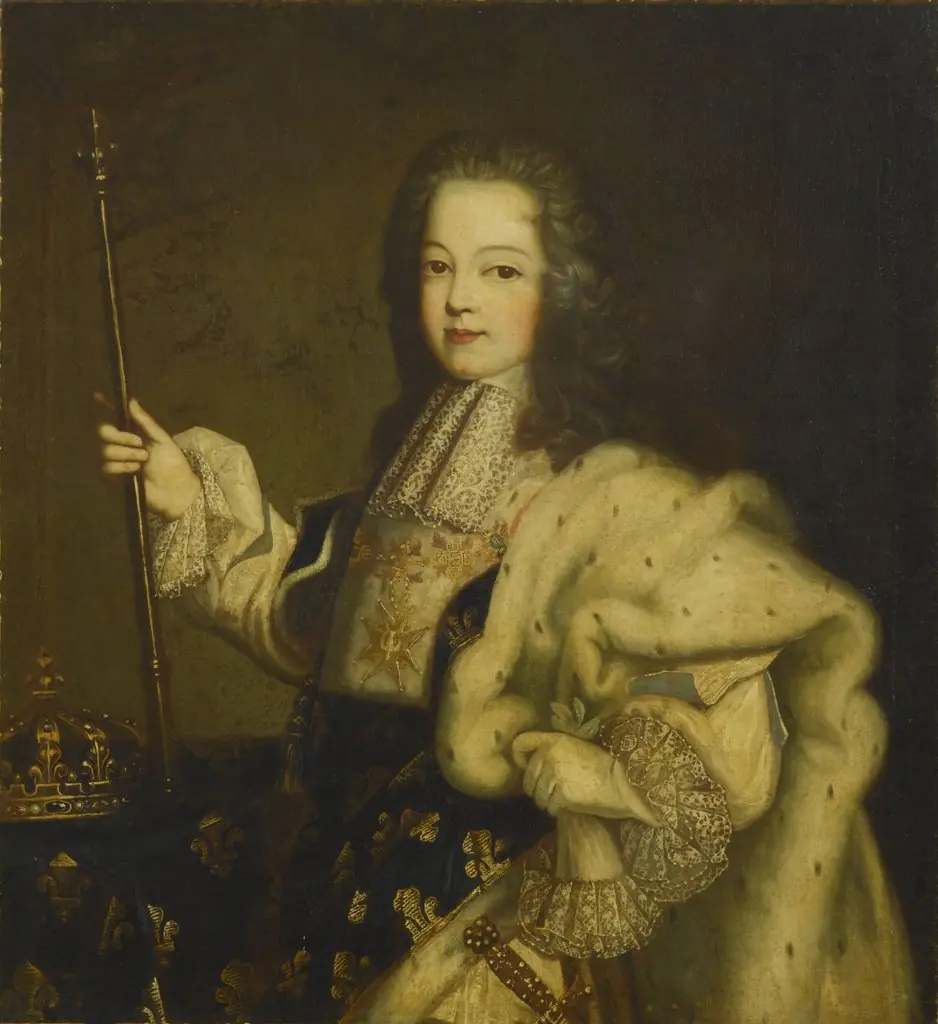 Louis XV, roi de France (1710-1774)
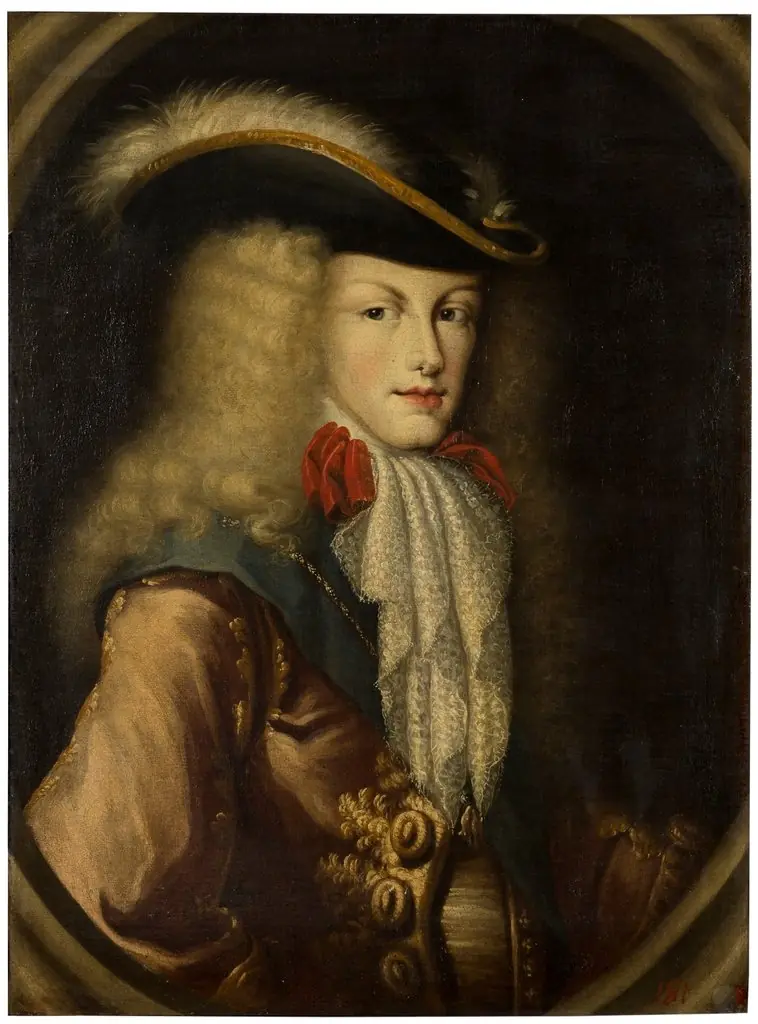 Philip V
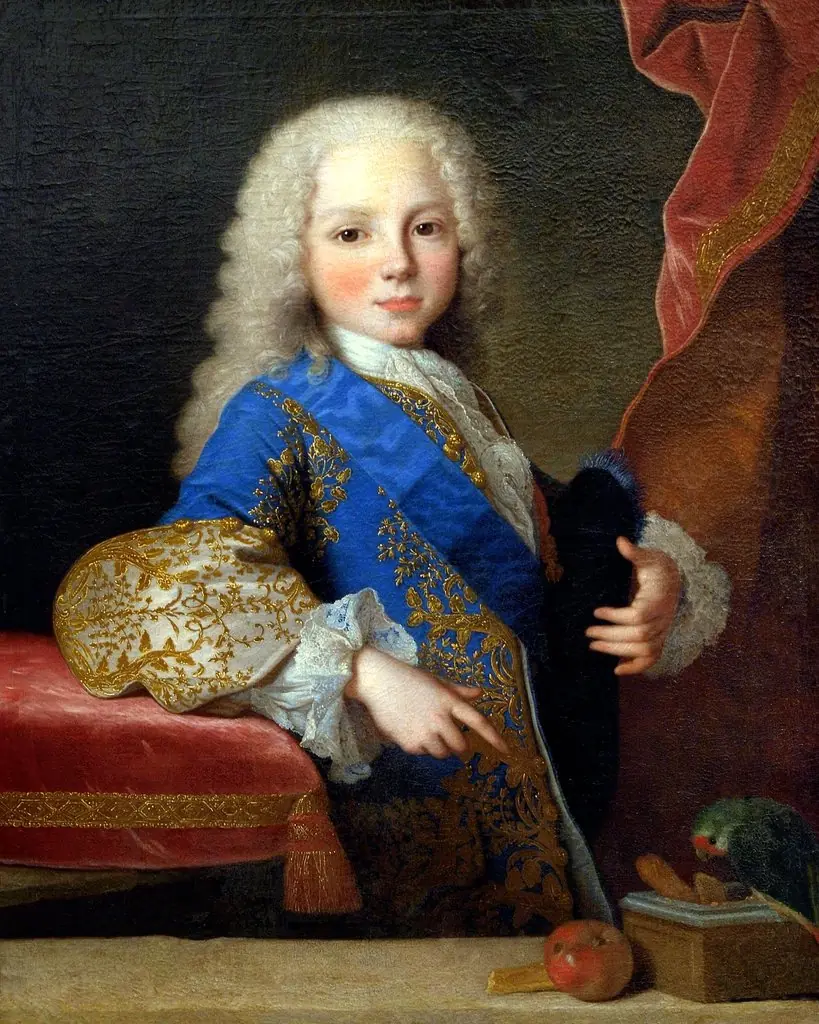 The Infant Philip of Bourbon, future Duke of Parma, Piacenza and Guastalla, in his childhood
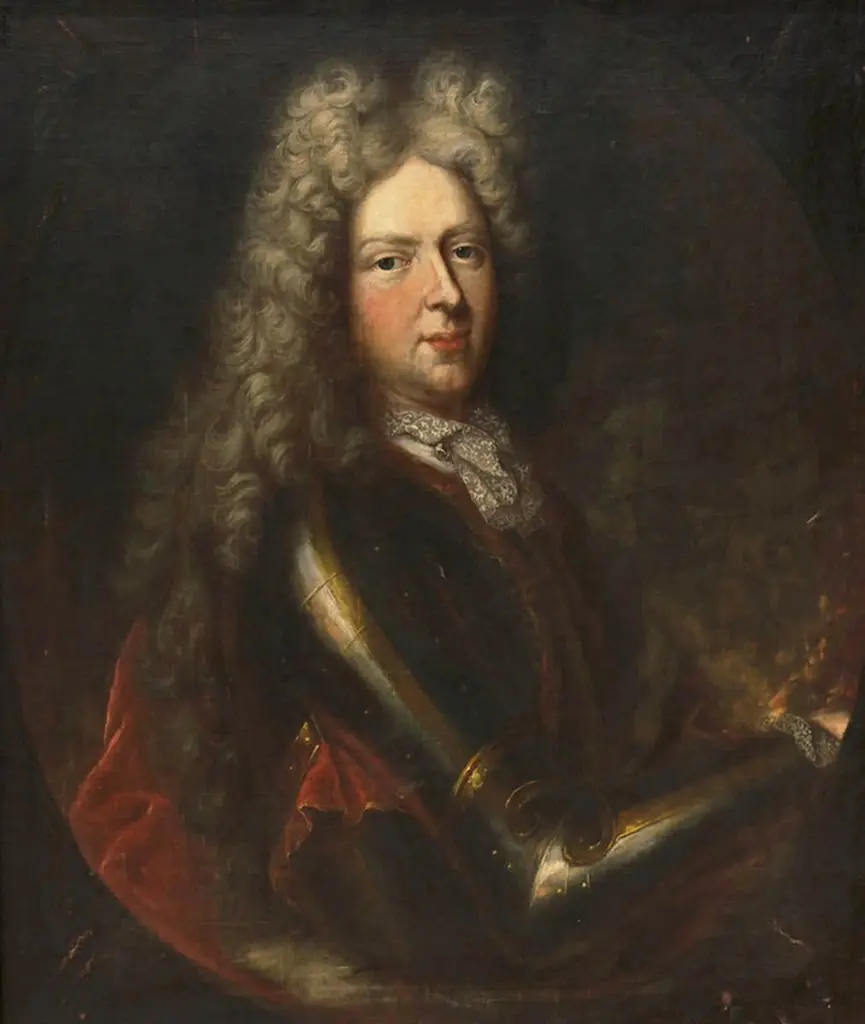 Markgraf Georg Friedrich II von Brandenburg Ansbach