Artwork
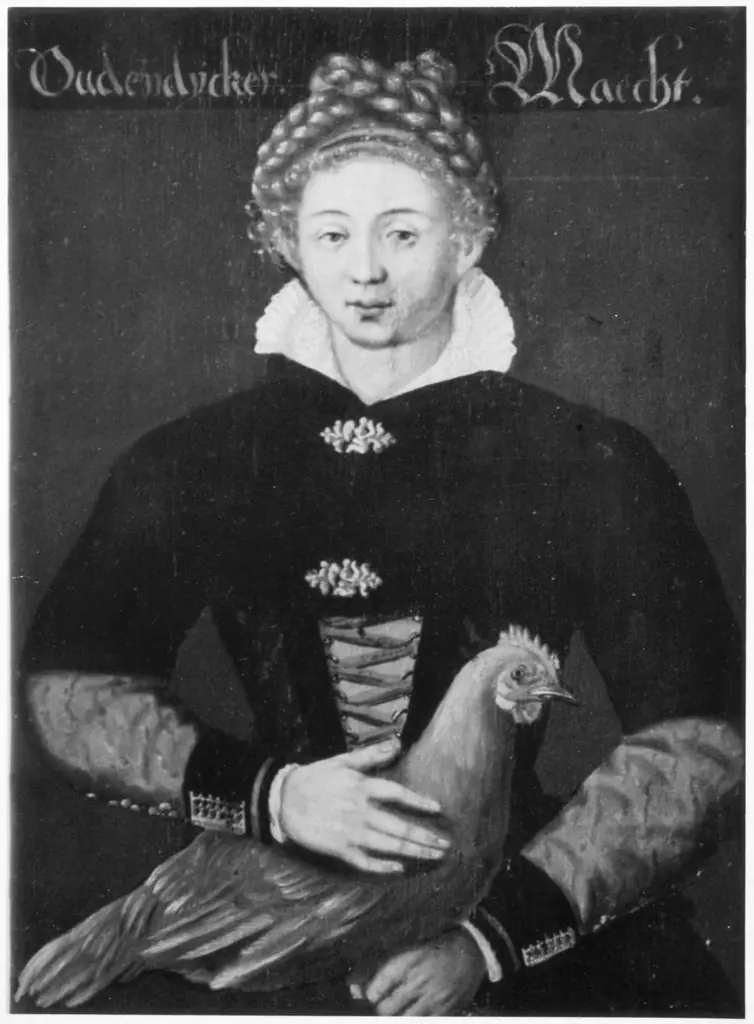
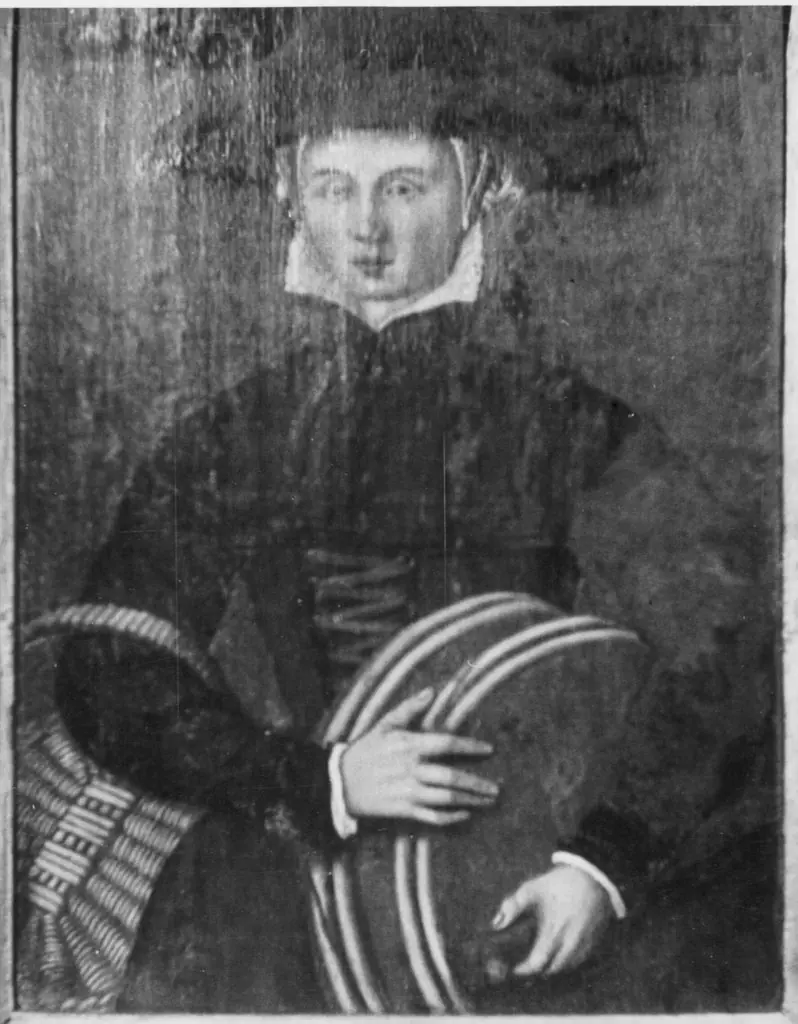
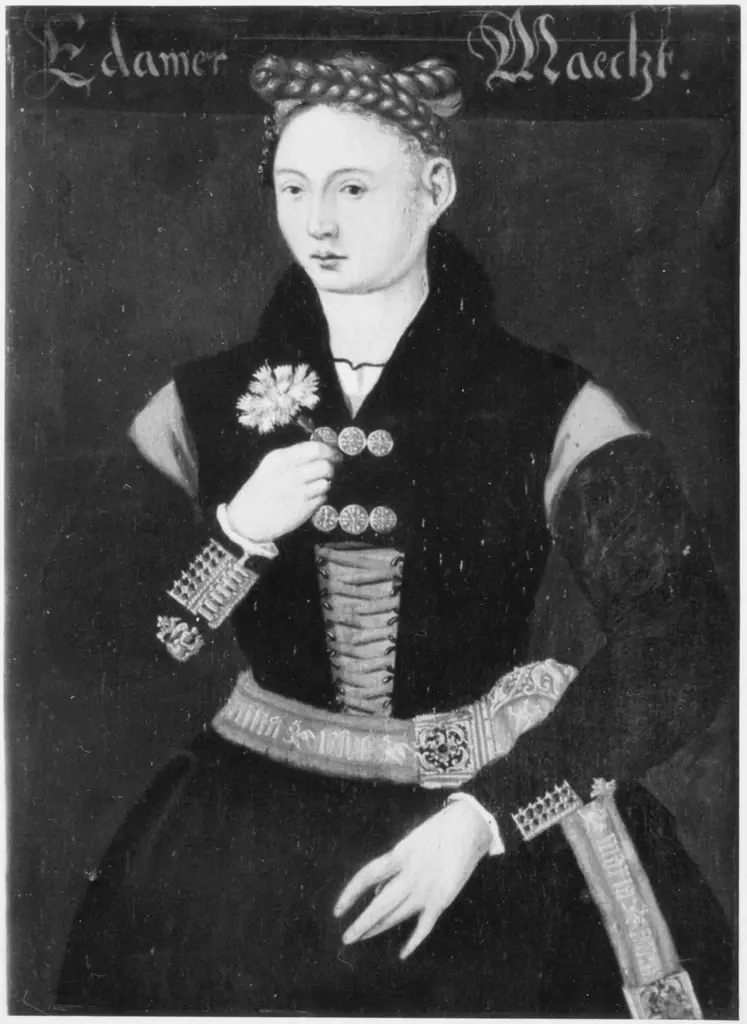
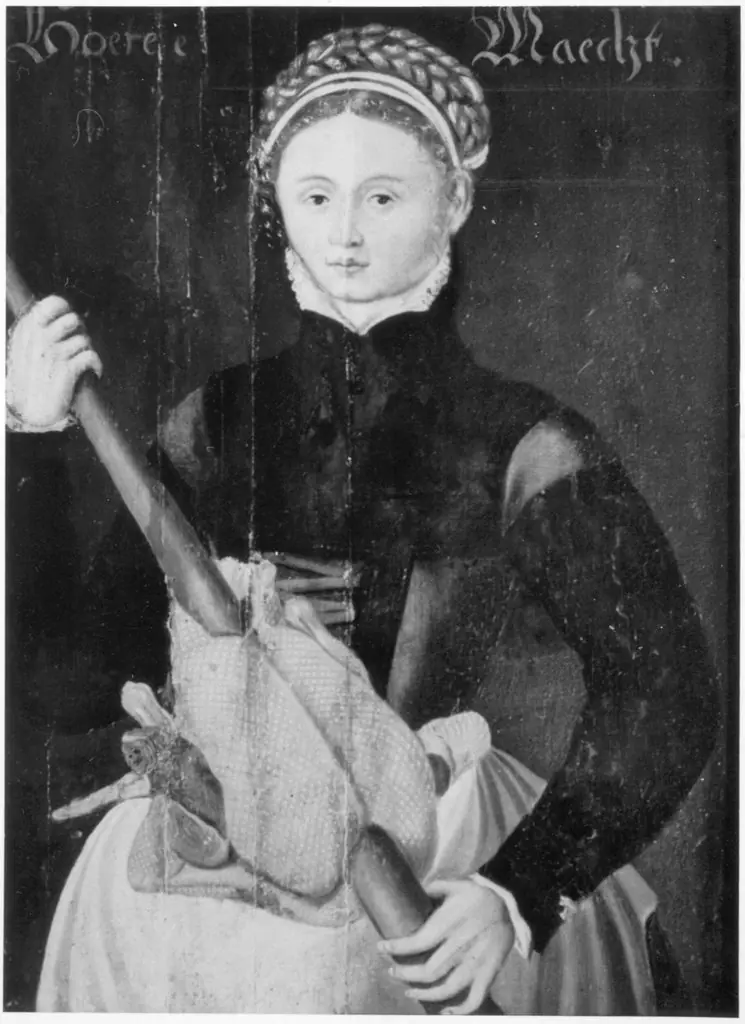
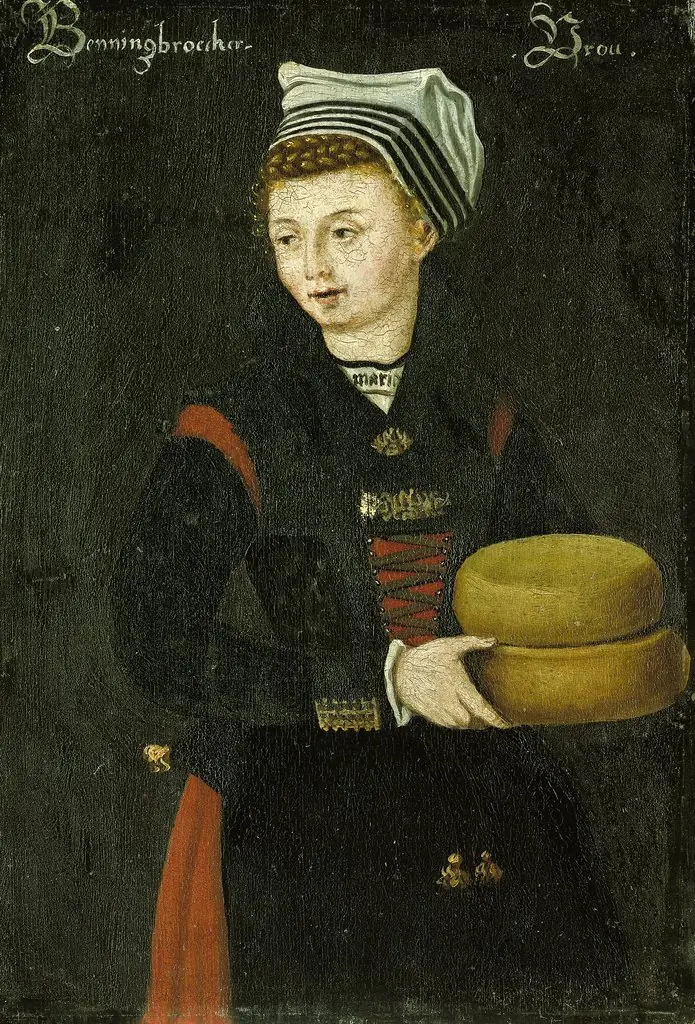
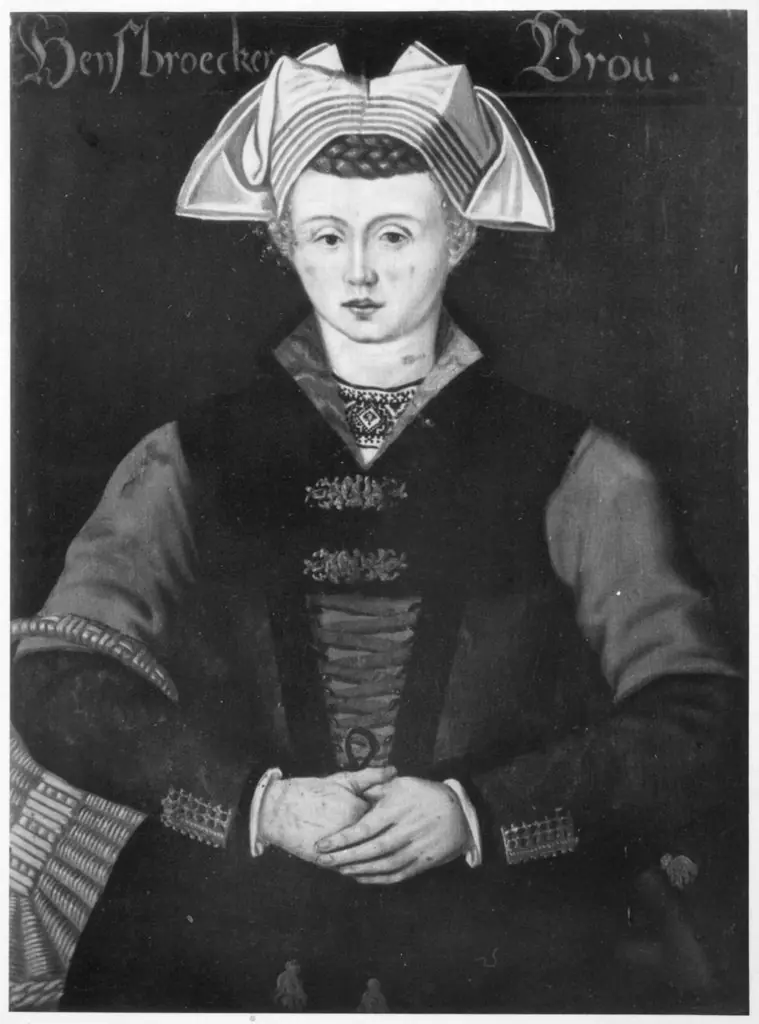
Woman from Benningbroek in country dress
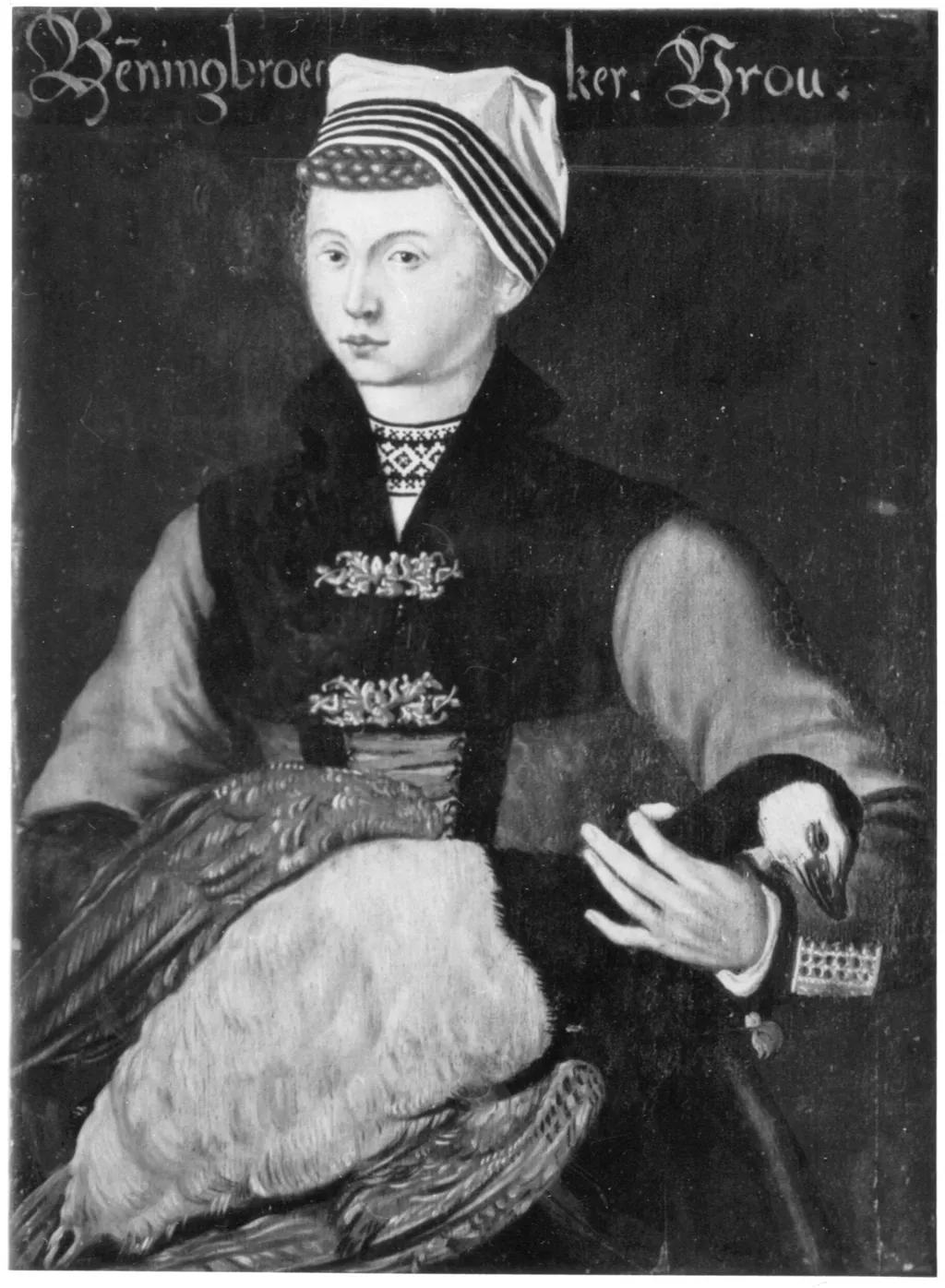
Woman from Benningbroek in country dress is an oil painting by the Northern Renaissance artist J. van Horst. It dates from 1570 and is held in the collection of the Rijksmuseum. Created in 1570, this oil on canvas portrait by J.
About this work
Subject & Meaning
The work depicts a woman from Benningbroek attired in country dress, specifically illustrating the traditional clothing of the Netherlands.
The work depicts a woman from Benningbroek attired in country dress, specifically illustrating the traditional clothing of the Netherlands. As a portrait, the image serves as a visual record of regional attire from the late sixteenth century. The focus on specific local costume suggests the painting functions as an ethnographic representation, highlighting the distinct dress customs of the Benningbroek area rather than focusing on the individual identity of the sitter.
Technique & Style
Executed in 1570, this portrait is an oil painting applied to a wooden panel support. The work measures 43.5 cm in height and 31.5 cm in width. Stylistically, the piece functions as a genre portrait, specifically rendered to depict the traditional clothing worn in the Netherlands.
The composition focuses on a woman from Benningbroek dressed in country attire, utilizing the oil medium to capture the details of her regional costume.
History & Provenance
Attributed to J. van Horst, this oil painting on panel was created in 1570. The work depicts a woman from Benningbroek wearing traditional Dutch country dress. While the specific circumstances of its commission and early ownership history remain undocumented in the available records, the piece is currently held within the collection of the Netherlands Open Air Museum, which is associated with the Rijksmuseum.
Overview
Created in 1570, this oil on canvas portrait by J. van Horst presents a woman dressed in the customary attire of a Dutch village. The work is part of the Rijksmuseum’s collection and bears an inscription identifying the sitter as a "Benningbroek ker. Vrouw," indicating her origin in the small settlement of Benningbroek.
Context
The costume reflects typical rural dress in the Netherlands during the mid‑16th century, when regional clothing served both practical and communal identity functions. Elements such as the fur‑lined cloak and lace collar illustrate the modest yet nuanced fashion of provincial women, while accessories like the bird and fan hint at emerging personal expression within that framework.
Own this work as a print
Artist & collection
Artist
This Dutch painter made small oil portraits of women and girls from villages like Benningbroek and Heiloo, dressed in traditional country clothes around 1570.