Artwork
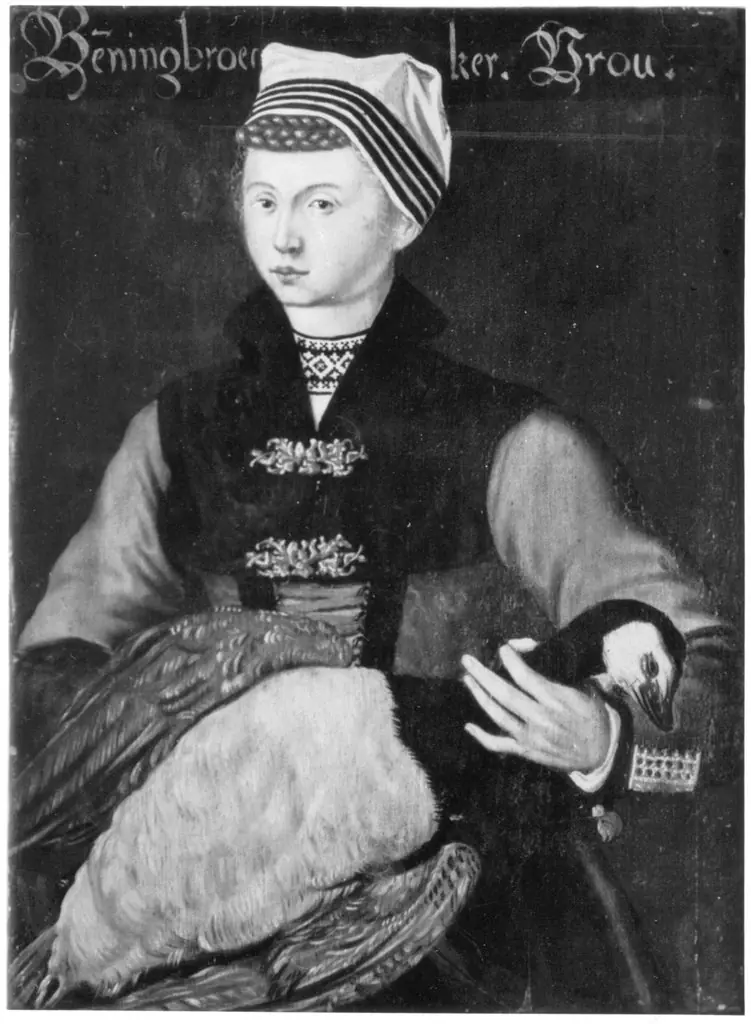
Woman from Benningbroek
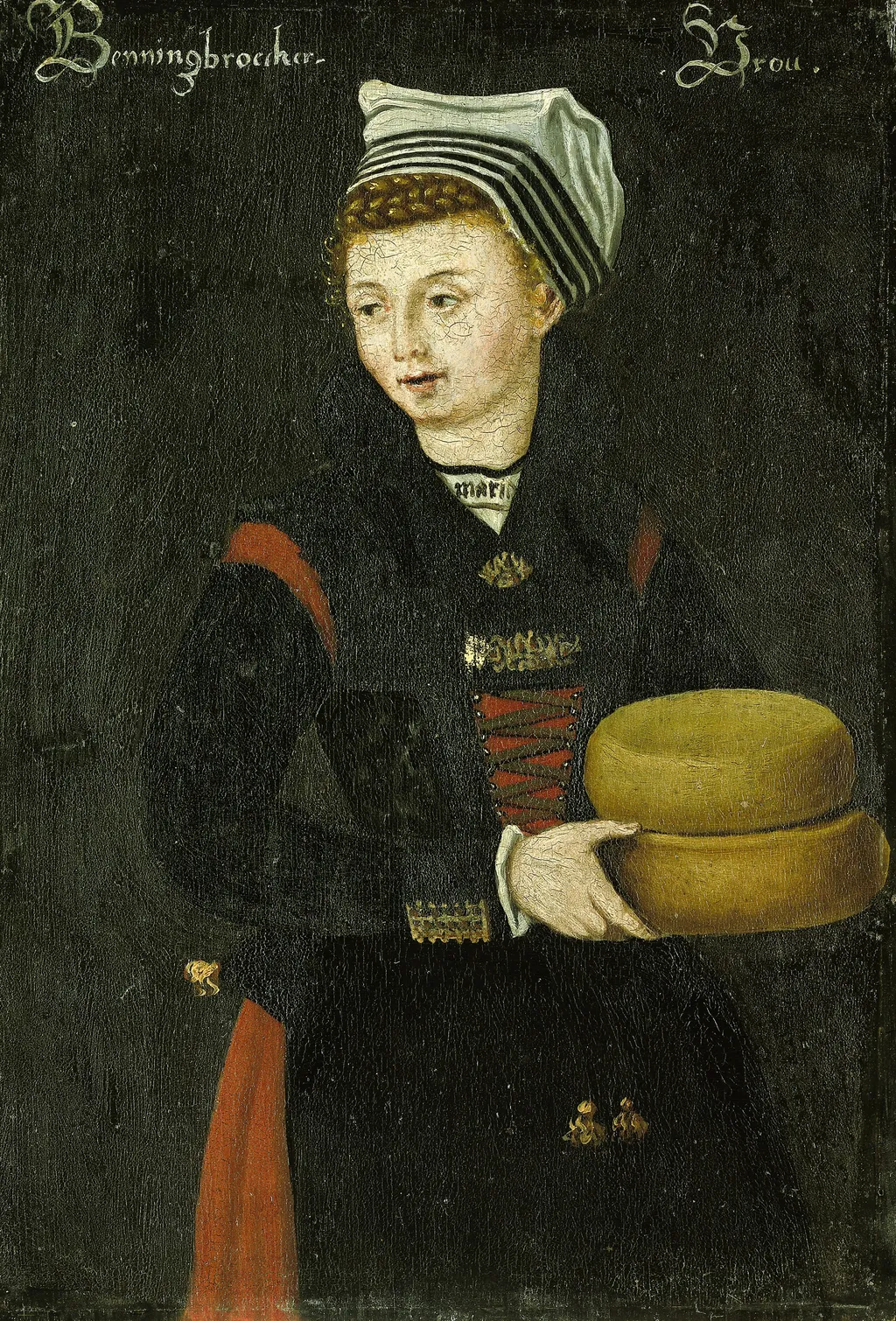
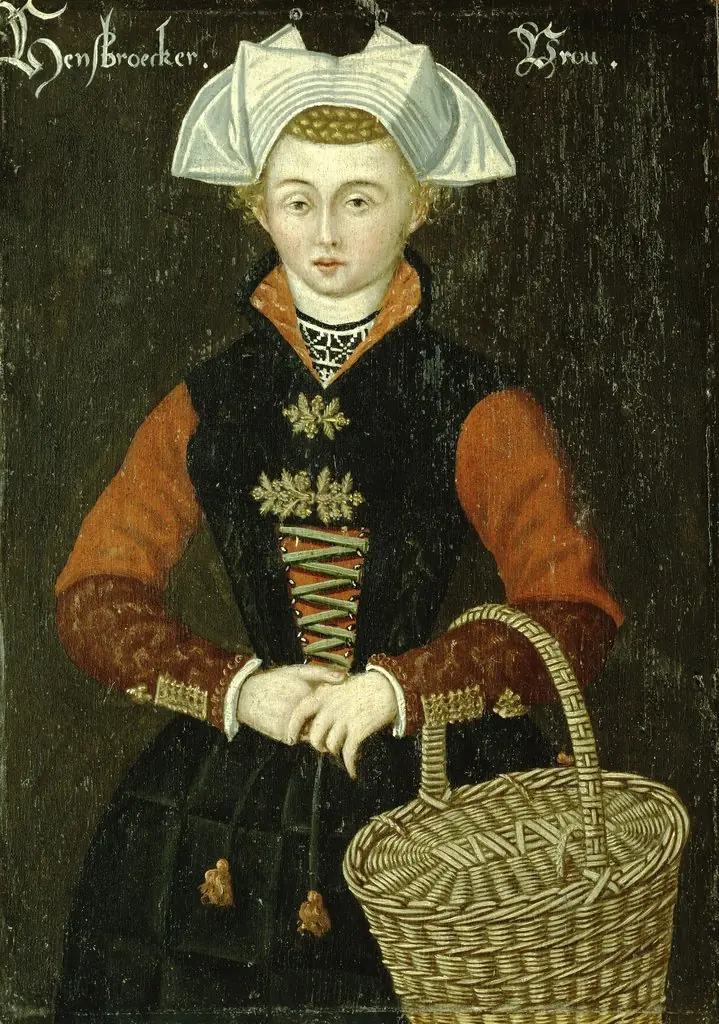
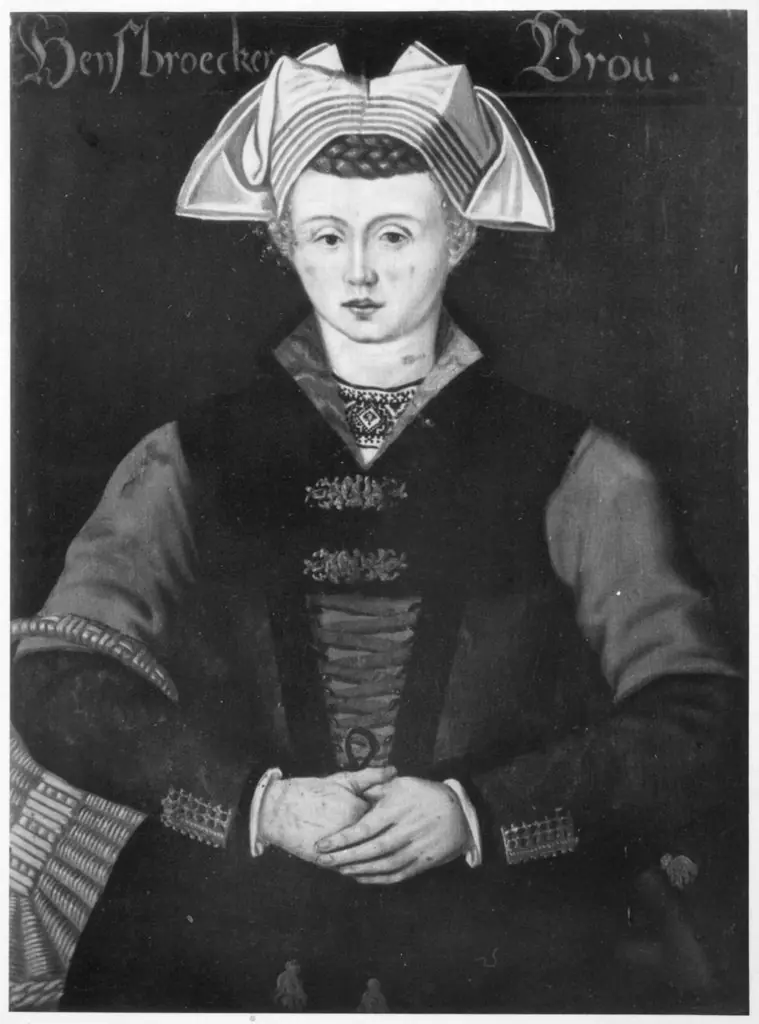
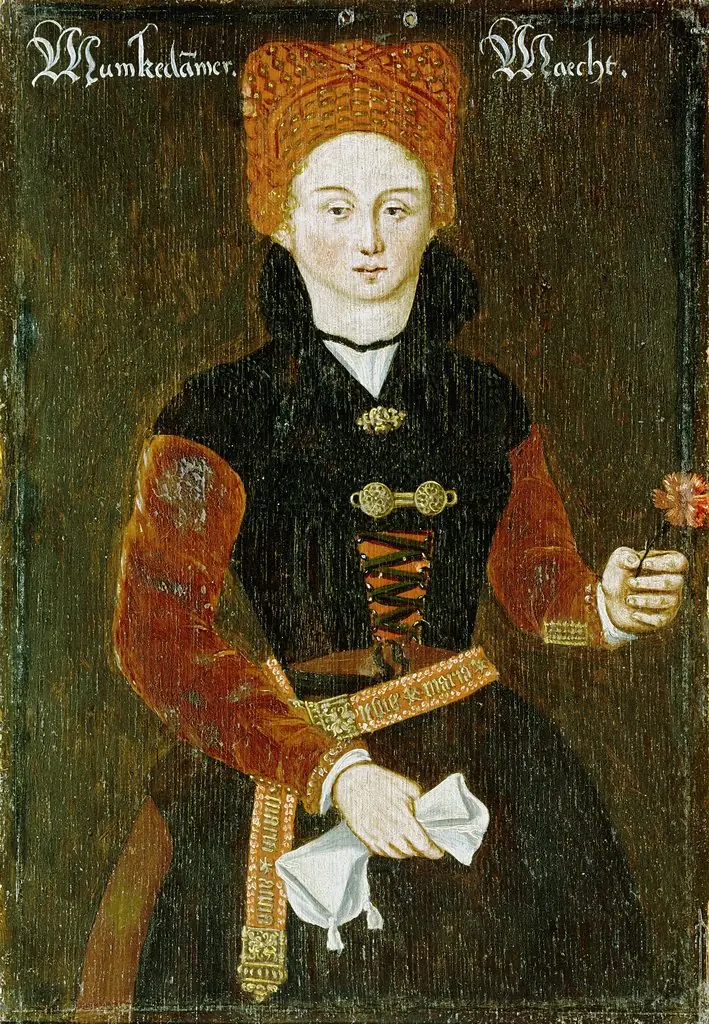
Woman from Benningbroek is an oil painting. It dates from 1550 and is held in the collection of the Rijksmuseum. The canvas portrays a woman from the village of Benningbroek, attired in the customary dress of the region.
About this work
Subject & Meaning
The subject is identified by the title as originating from Benningbroek, grounding the depiction in a specific Dutch locality.
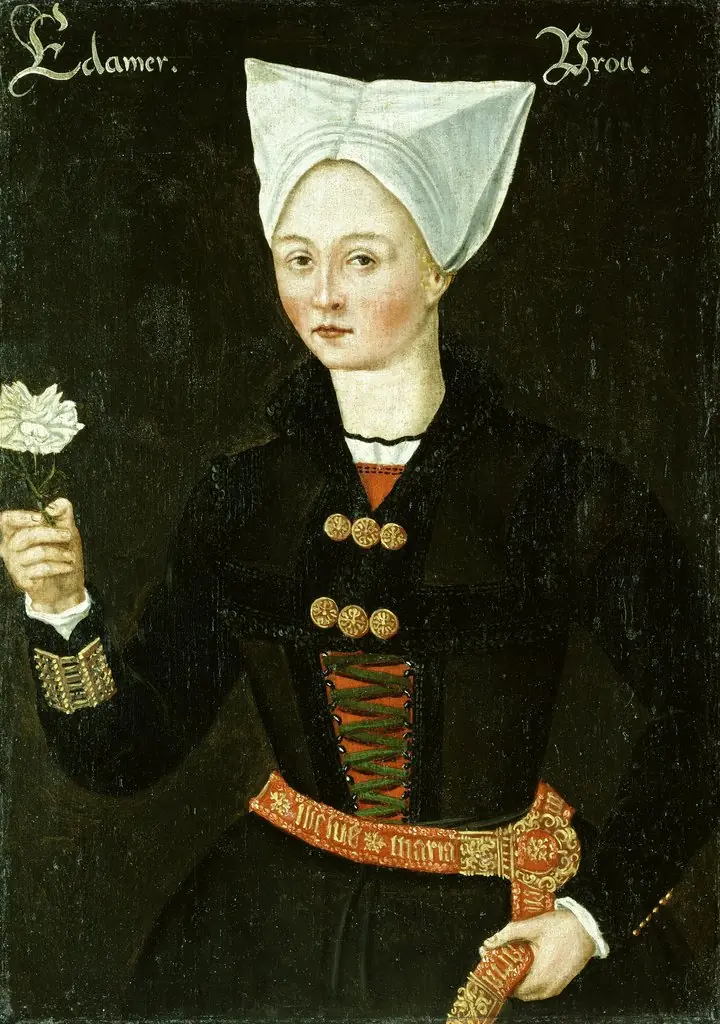
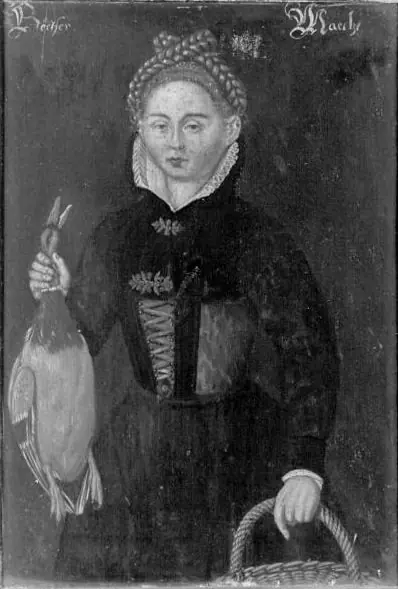
The work depicts a woman dressed in the traditional clothing of the Netherlands. As a portrait genre piece, the image focuses on the representation of this specific individual and her regional attire. The subject is identified by the title as originating from Benningbroek, grounding the depiction in a specific Dutch locality. The painting serves as a visual record of mid-16th-century provincial dress and identity.
Technique & Style
Woman from Benningbroek is an oil painting on a wooden panel, measuring approximately 42 cm in height and 29 cm in width. The work is a portrait of a woman dressed in traditional Netherlandish clothing, rendered in the genre conventions of mid‑sixteenth‑century Northern European portraiture. The paint handling is typical of oil on panel, allowing smooth modeling of flesh and fabric. No specific details about the painting’s condition or later alterations are provided in the sources.
History & Provenance
The portrait titled Woman from Benningbroek was created in 1550 as an anonymous work executed in oil paint on a panel. Measuring 42 cm in height and 29 cm in width, the piece depicts a woman wearing traditional Dutch clothing. The painting is currently held in the collections of the Rijksmuseum and the Bavarian State Painting Collections.
No specific details regarding the original commission, the identity of the sitter, or the intermediate steps in the ownership chain are provided in the available records.
Overview
The canvas portrays a woman from the village of Benningbroek, attired in the customary dress of the region. She is shown in a dark gown highlighted with red details, topped by a modest white cap, and holds two circular objects that appear to be cheese wheels. Her expression is neutral, and her eyes look off to the side, giving the composition a quiet, observational quality.
Context
Rooted in the Dutch tradition of genre painting, the work aligns with 17th‑century practices of documenting regional attire and daily activities. Such images served both as ethnographic records and as visual affirmations of local pride, situating the subject within a broader narrative of Dutch rural life and its economic foundations.
Artist & collection