Artwork
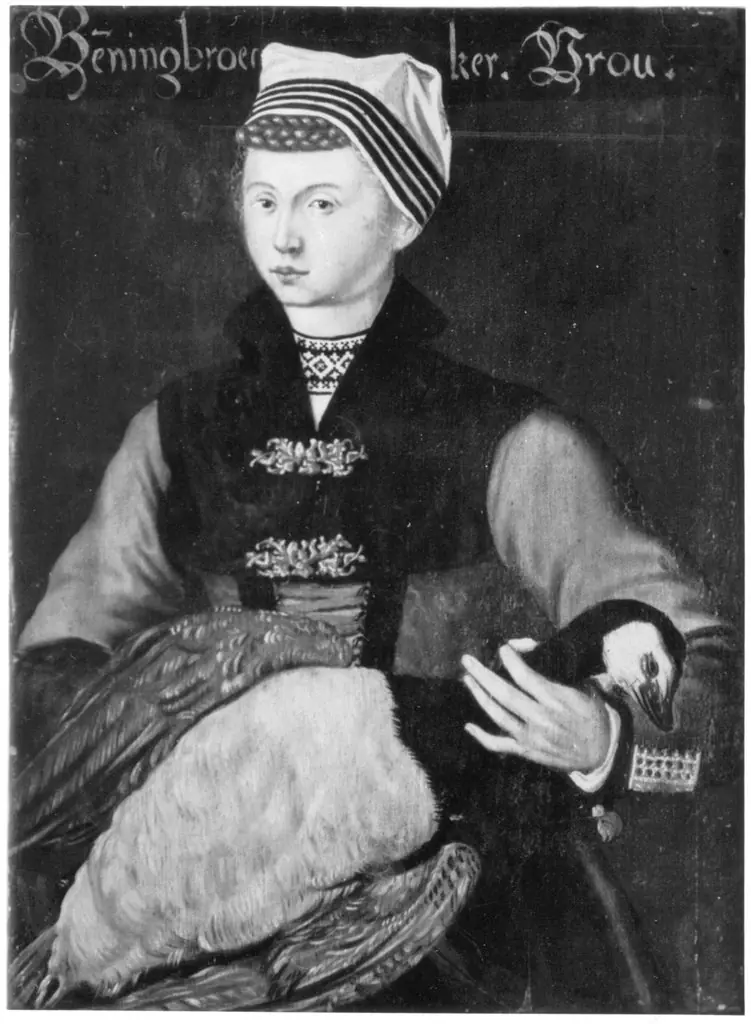
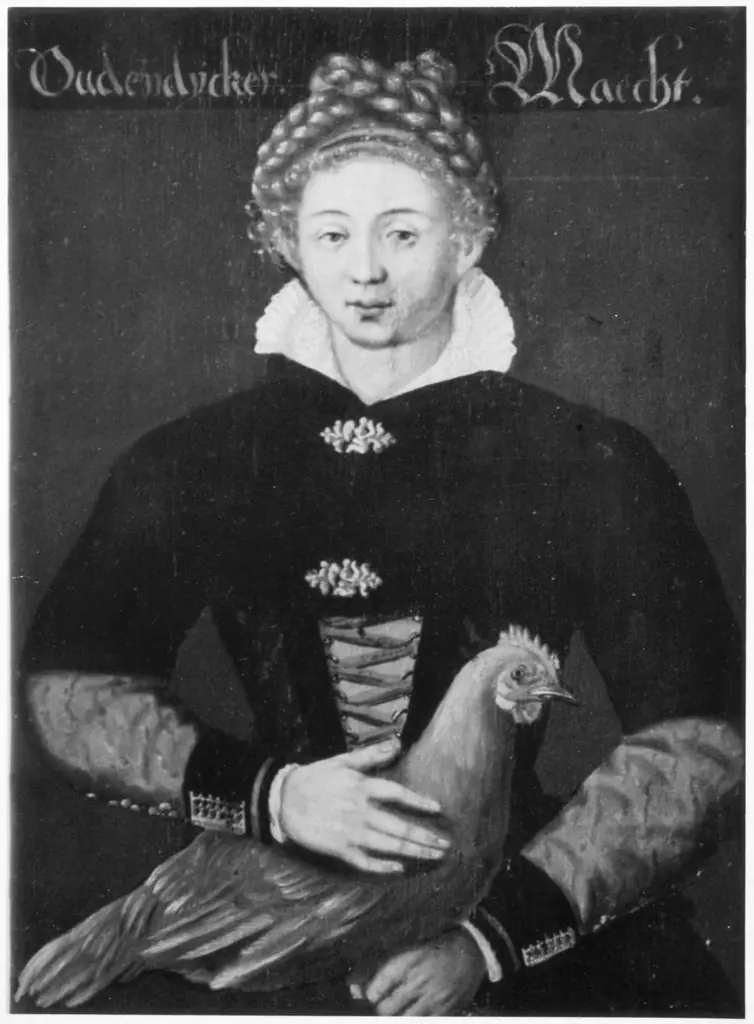
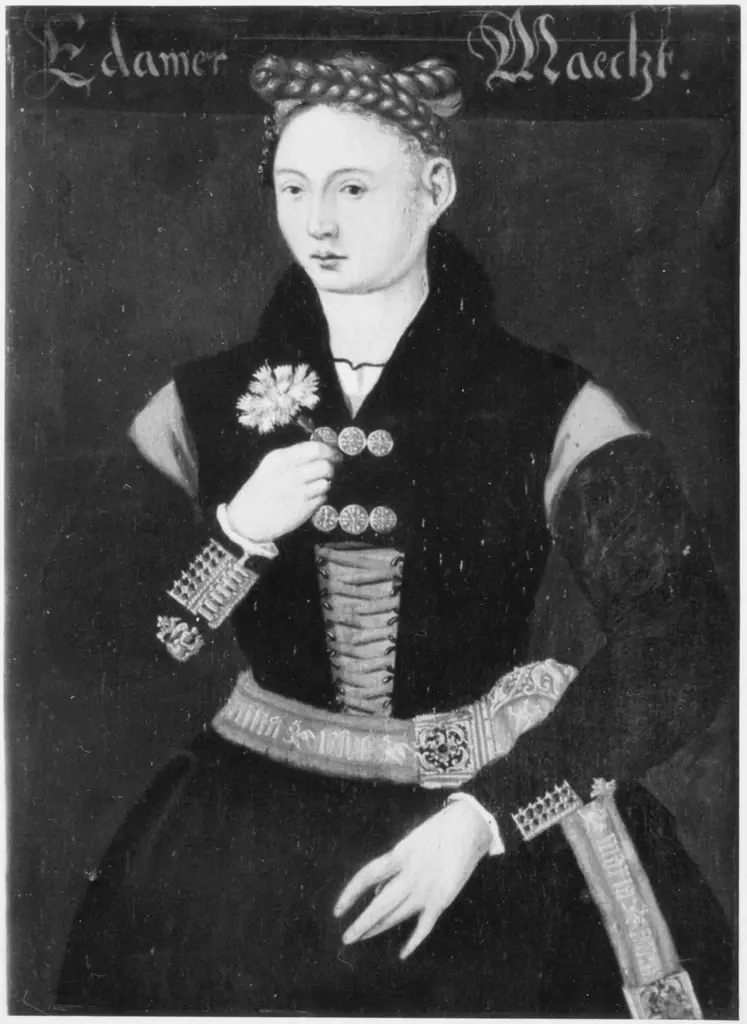
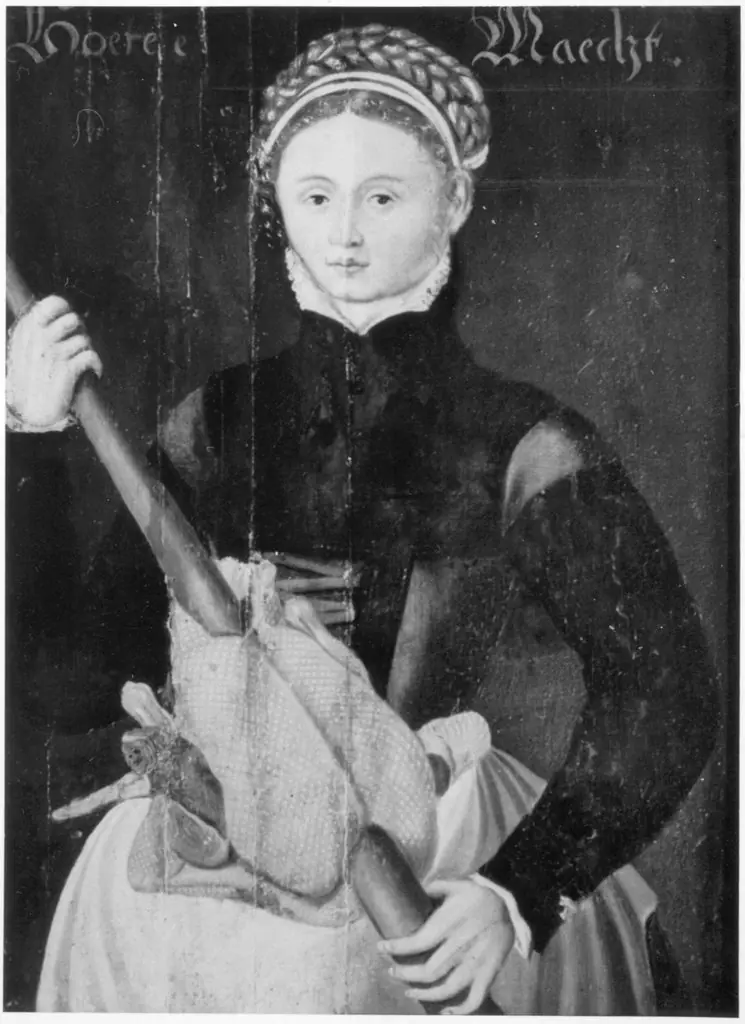
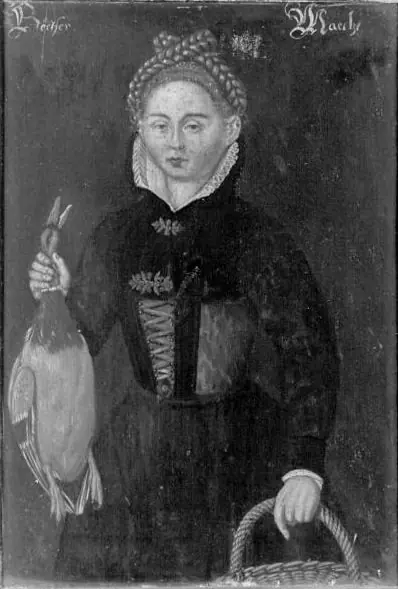
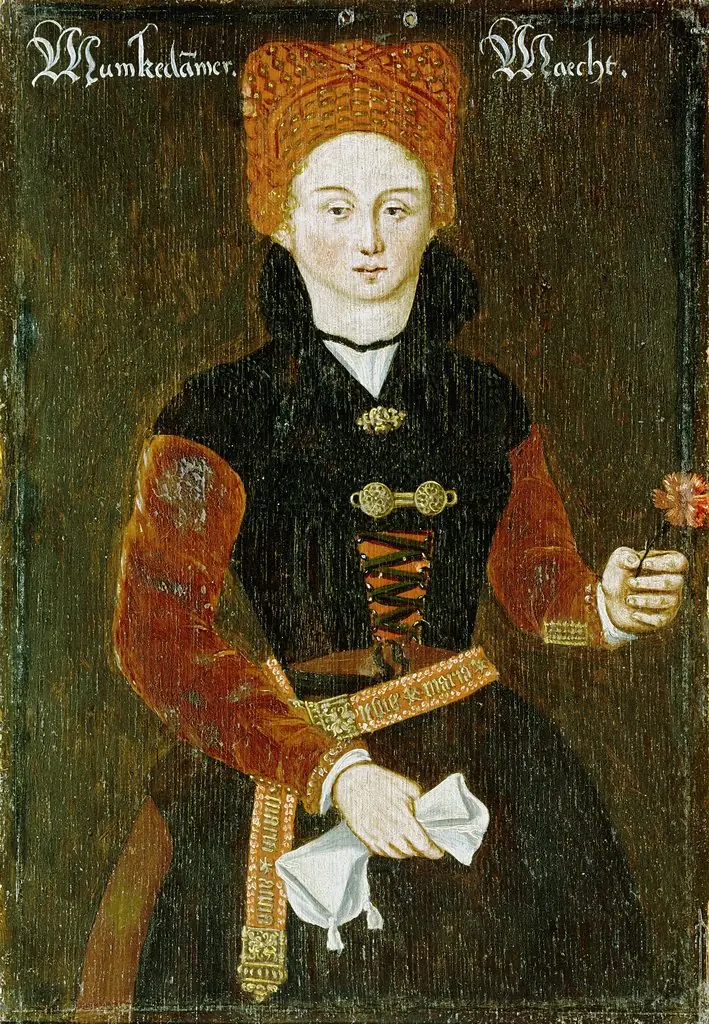
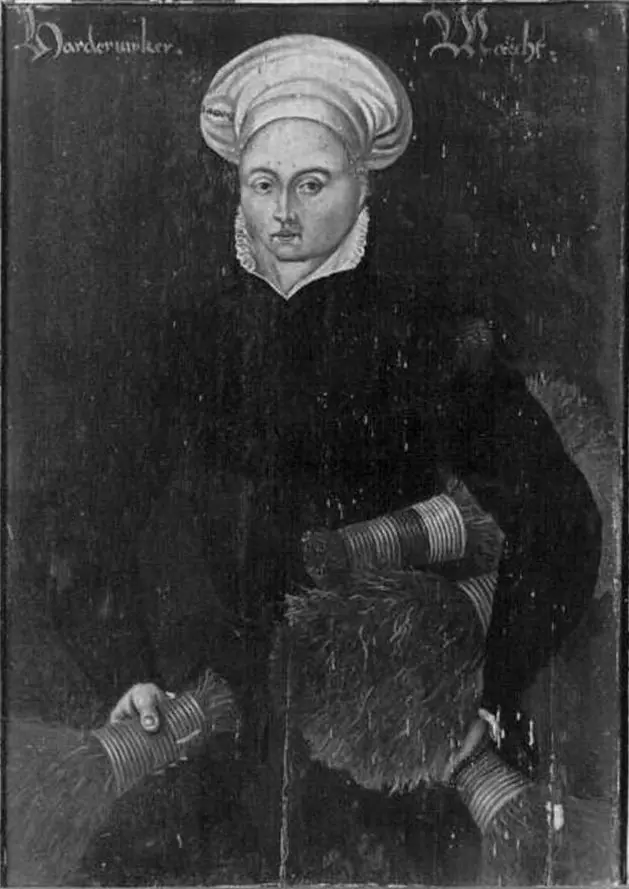
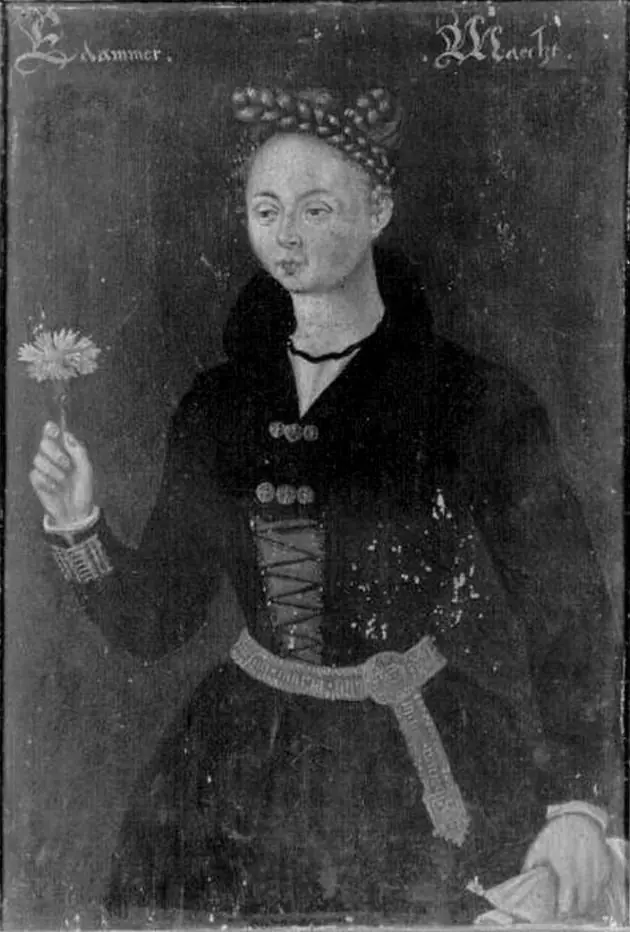
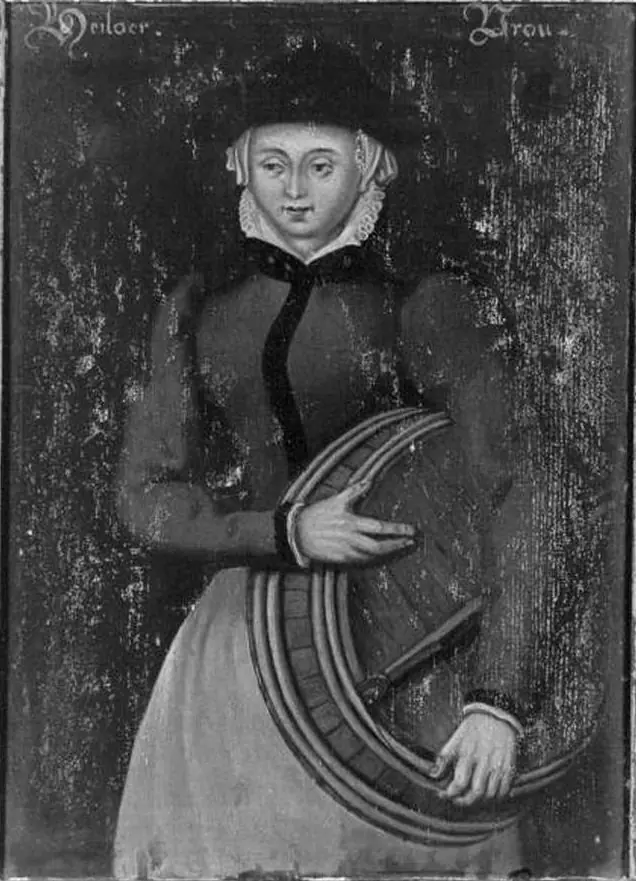
Woman from Heiloo in country dress
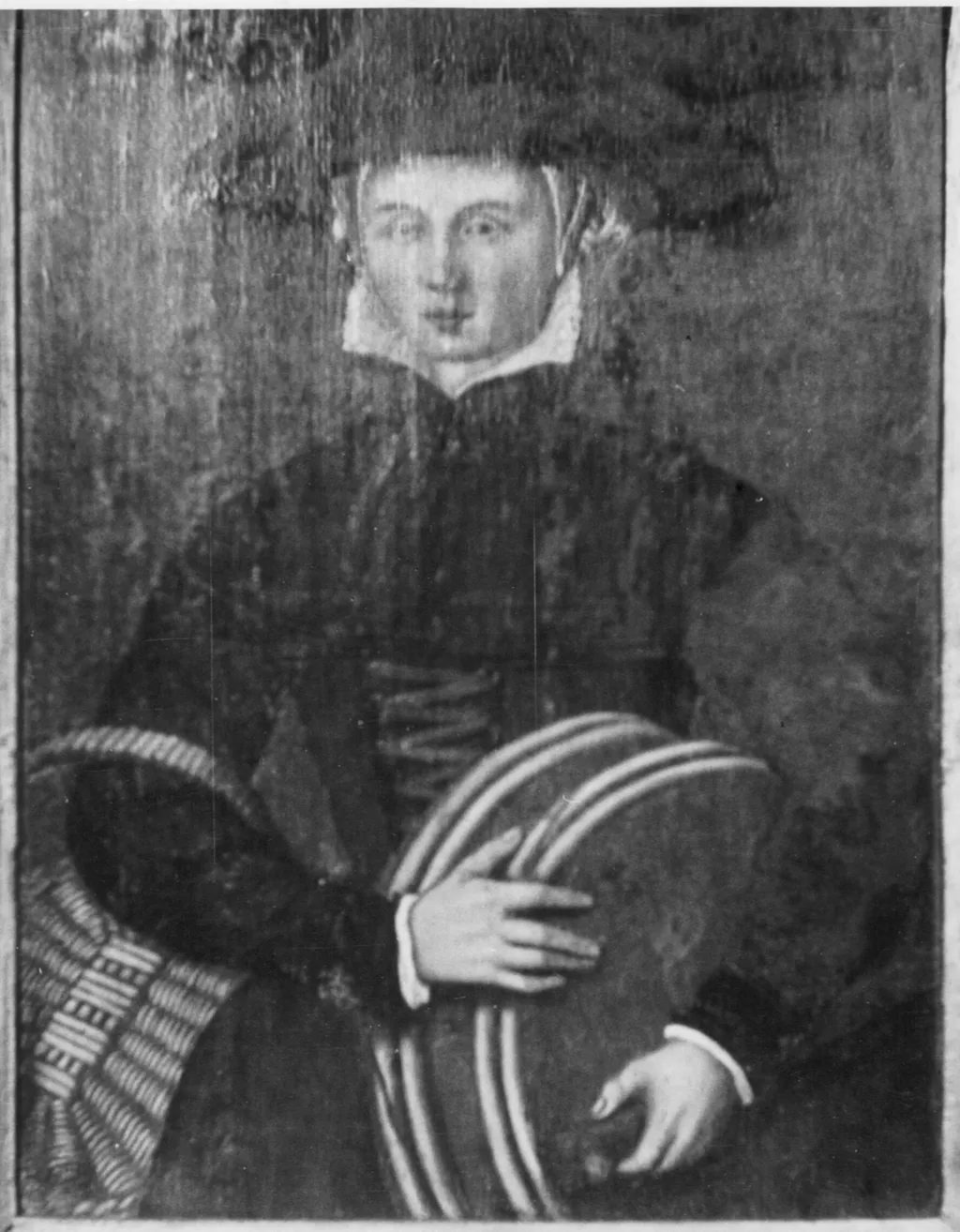
Woman from Heiloo in country dress is an oil painting by the Dutch Golden Age artist J. van Horst. It dates from 1570 and is held in the collection of the Rijksmuseum. Created in 1570 by J.
About this work
Subject & Meaning
The work belongs to the genre of portraiture and is understood as a representation of regional identity and social status in the Netherlands during the period.
The painting depicts a woman dressed in traditional Dutch country attire from the late sixteenth century, set against a neutral background. Her costume includes a dark bodice, a white linen partlet, and a patterned skirt, with a white headdress that frames the face. The work belongs to the genre of portraiture and is understood as a representation of regional identity and social status in the Netherlands during the period.
The subject’s clothing indicates a person of modest means rather than nobility, emphasizing everyday life and local custom. Through its attention to costume and setting, the painting conveys cultural pride in Dutch regional dress and the social values associated with it in the late Renaissance.
Technique & Style
The work is an oil painting executed on wooden panel, measuring 43.5 cm in height by 31.5 cm in width. J. van Horst applied oil paint to render the sitter in traditional Dutch country dress, emphasizing precise facial detail and the textured rendering of fabric and wooden support. The composition reflects the formal conventions of 16th‑century portraiture, with a restrained palette and careful handling of light to model form.
History & Provenance
The painting titled Woman from Heiloo in country dress was created by J. van Horst in 1570. It is executed in oil paint on panel and measures 43.5 cm in height by 31.5 cm in width. The work is classified as a portrait and depicts traditional Dutch country dress.
It belongs to the collection of the Rijksmuseum and has been part of the Rijksmuseum's holdings since its acquisition. The painting is also associated with the Netherlands Open Air Museum in the provenance record.
The artwork's creation history is anchored in its 1570 date, which corresponds to the early period of Dutch portraiture. Its medium, dimensions, and subject matter are documented in both the internal catalog entry and the Wikidata entry, confirming its oil paint technique and panel support. The genre is consistently identified as a portrait across sources.
Provenance records indicate that the painting has been held by the Rijksmuseum in the Netherlands, where it remains on view. The work was included in the museum's collection display and is cited as part of the national heritage holdings. Its attribution to J. van Horst and dating to 1570 are supported by both the internal source and the Wikidata entry.
The painting's subject matter reflects traditional clothing of the Netherlands, linking it to broader cultural representations of regional dress in 16th-century Dutch art. Its classification as a portrait and its material composition are consistently reported across the sources, establishing a clear creation and ownership history.
Context
The portrait depicts a woman from Heiloo in traditional country dress, reflecting regional attire documented in 16th-century Netherlands. It was created by J. van Horst in 1570 using oil paint on panel, measuring 43.5 centimeters by 31.5 centimeters. The work is part of the Rijksmuseum's collection in Amsterdam and has been exhibited as part of displays on Dutch portraiture and vernacular dress.
Scholarship on the painting emphasizes its significance in documenting period costume and its role within the artist's documented output, though specific critical commentary is not detailed in available sources.
The attribution to J. van Horst aligns with records in major collections, including the Rijksmuseum and Netherlands Open Air Museum, which classify the work as a portrait within the broader context of Dutch Golden Age painting practices. Its genre and material specifications confirm it as an oil-on-panel portrait from circa 1570, consistent with contemporary techniques for capturing everyday subjects in provincial settings.
Overview
Created in 1570 by J. van Horst, this oil on canvas portrait presents a woman from Heiloo dressed in the customary attire of the Dutch countryside. The work is part of the Rijksmuseum’s collection and exemplifies a straightforward, intimate approach to portraiture typical of the period.
Own this work as a print
Artist & collection
Artist
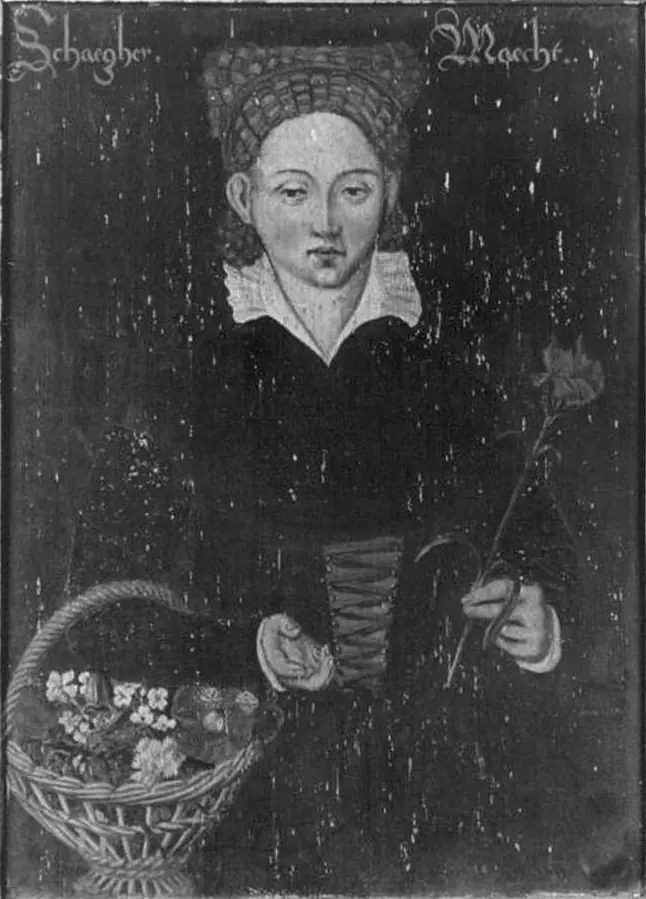
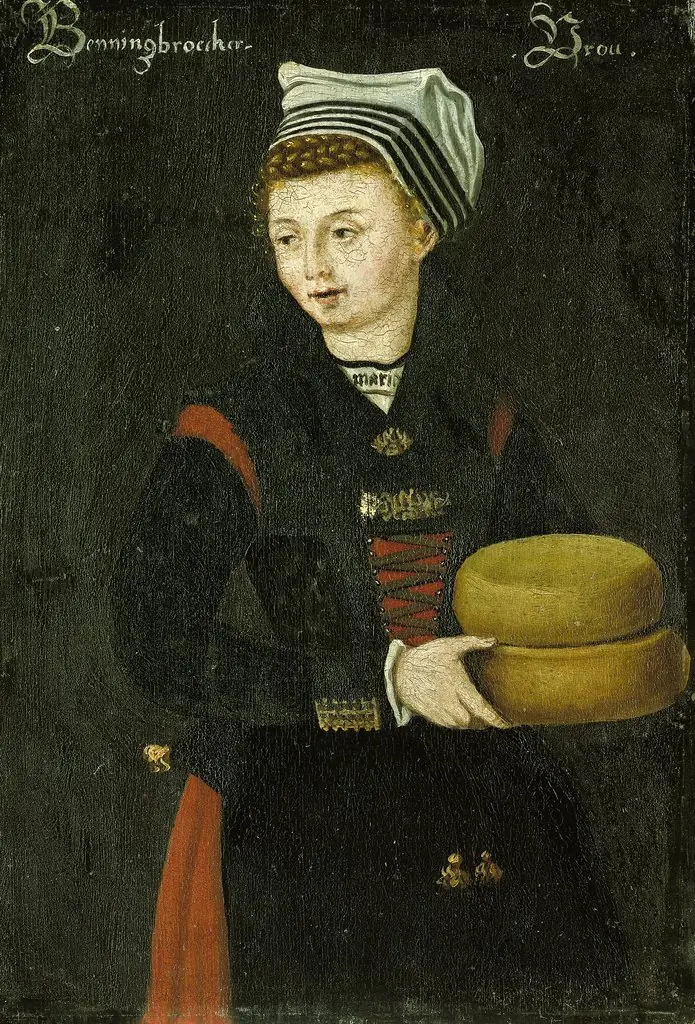
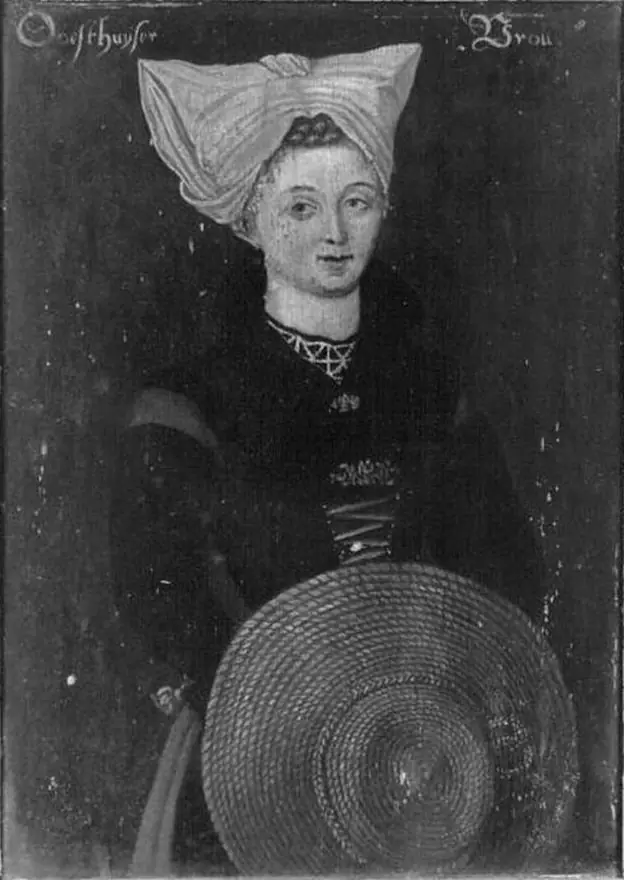
This Dutch painter made small oil portraits of women and girls from villages like Benningbroek and Heiloo, dressed in traditional country clothes around 1570.