Artwork
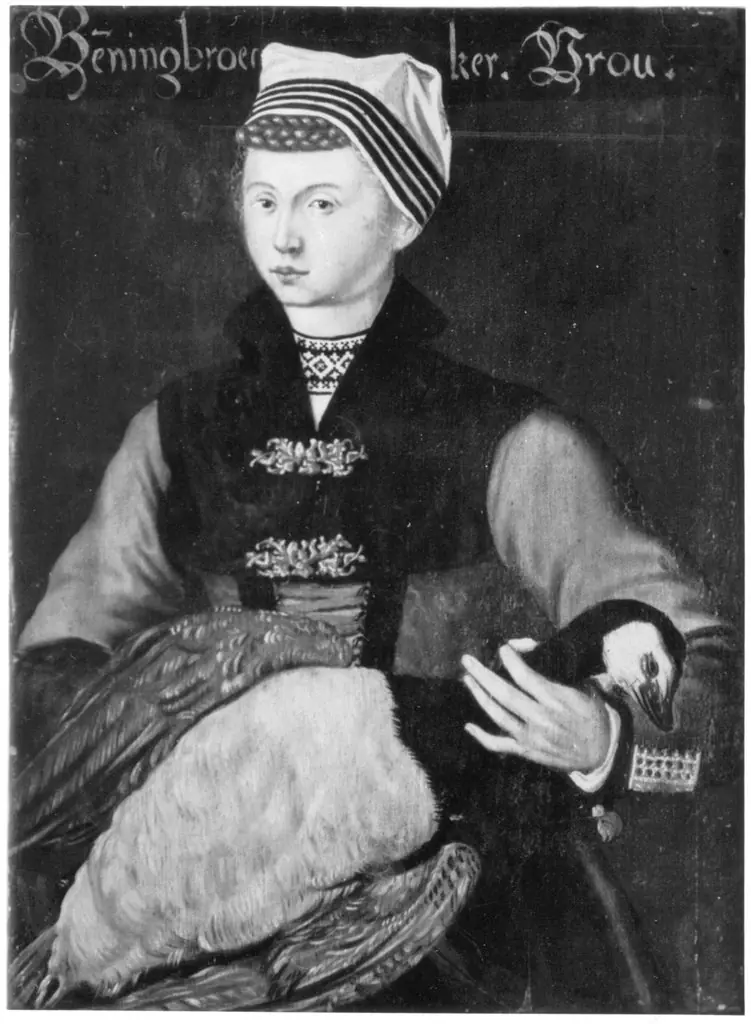
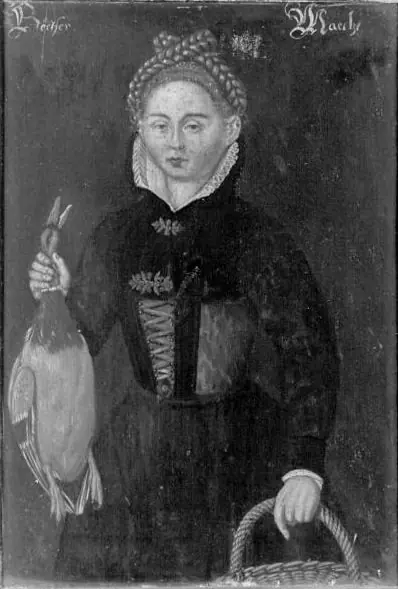
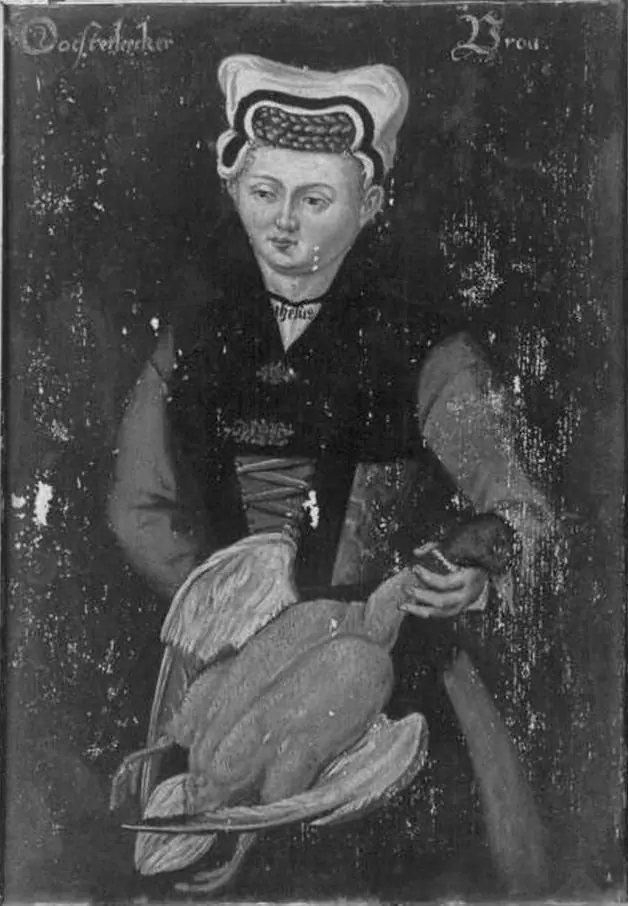
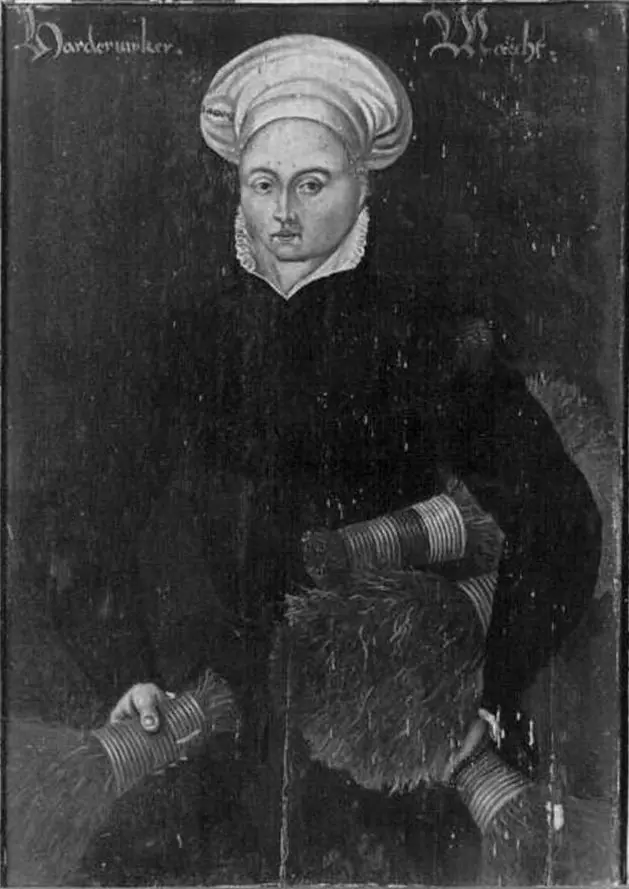
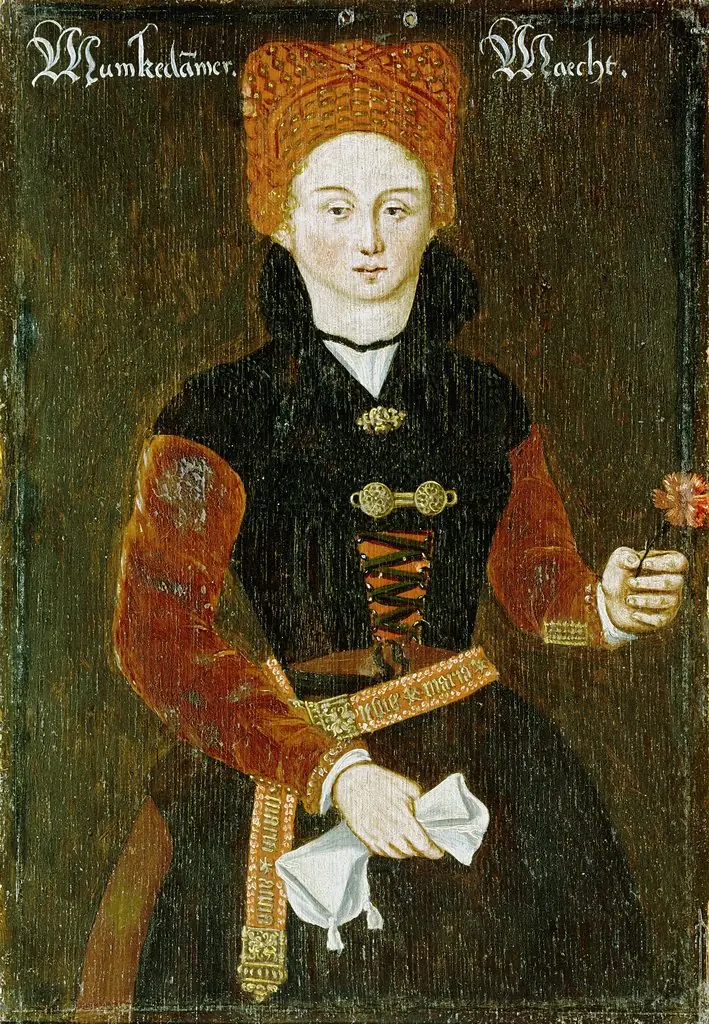
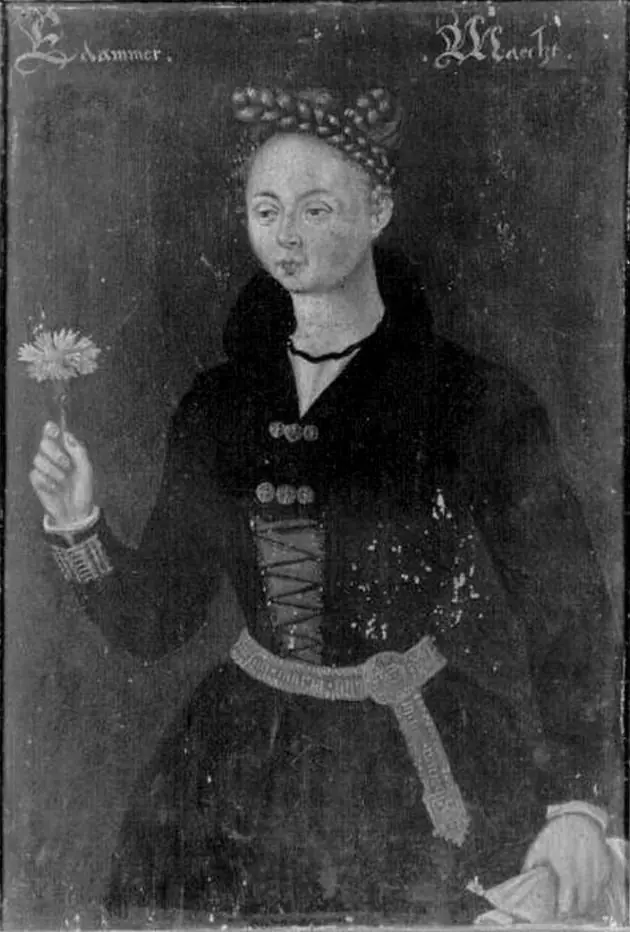
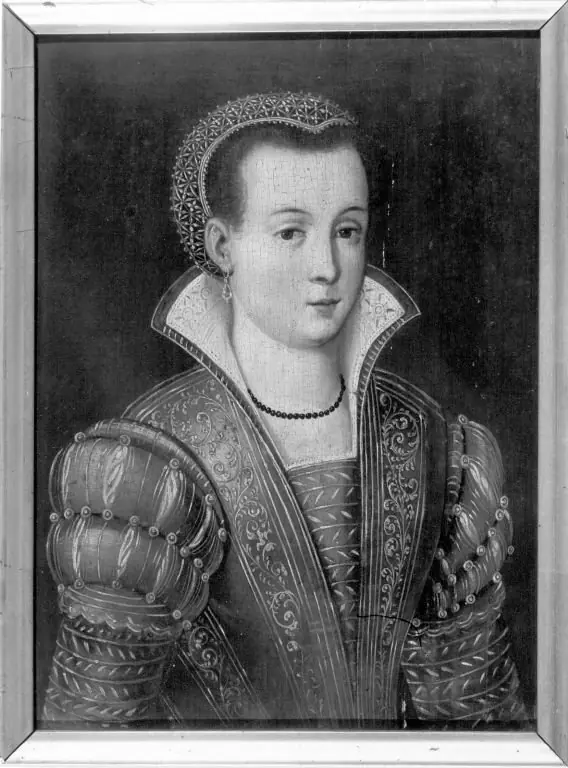
Girl from Oudendijk in country dress
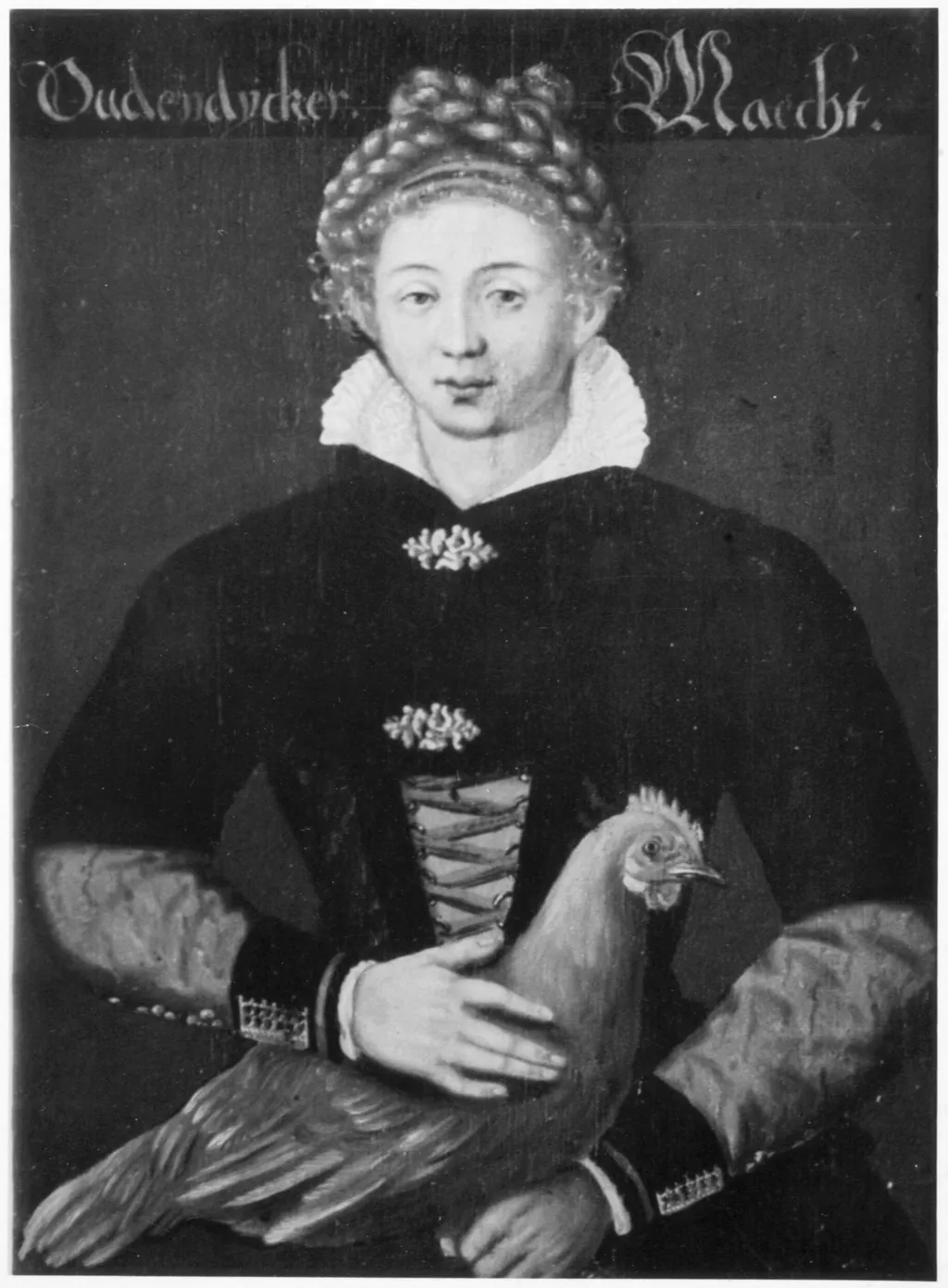
Girl from Oudendijk in country dress is an oil painting by the Northern Renaissance artist J. van Horst. It dates from 1570 and is held in the collection of the Rijksmuseum. J.
About this work
Subject & Meaning
Created in 1570, the painting functions as a representation of the traditional clothing of the Netherlands, capturing specific regional attire of that era.
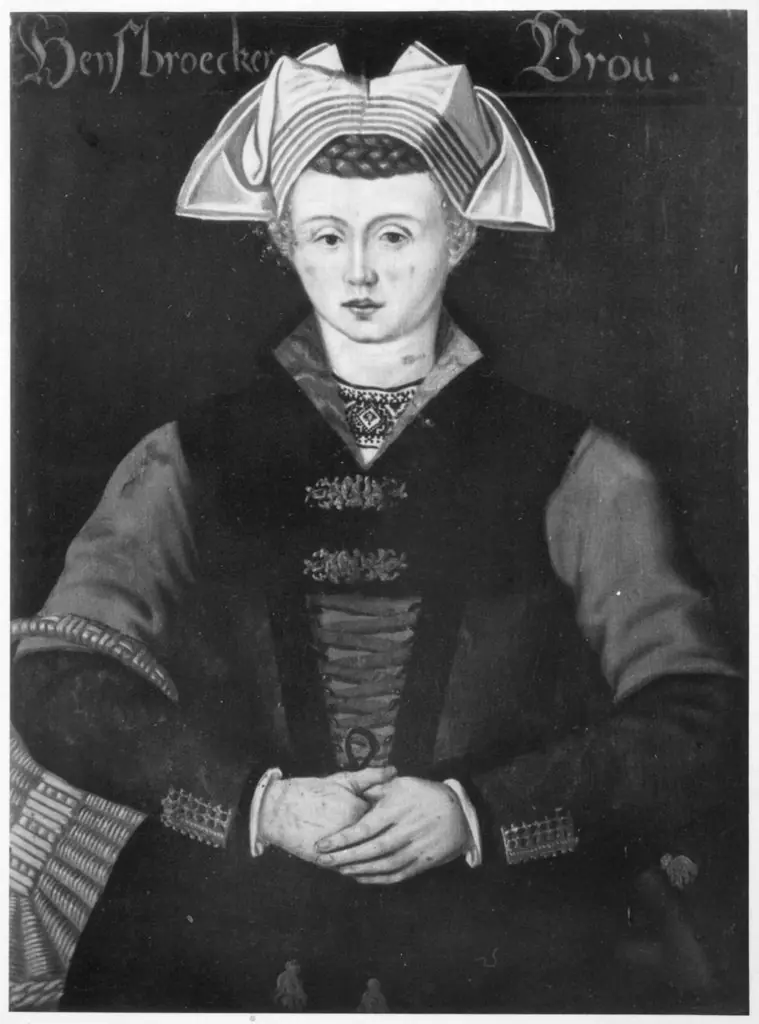
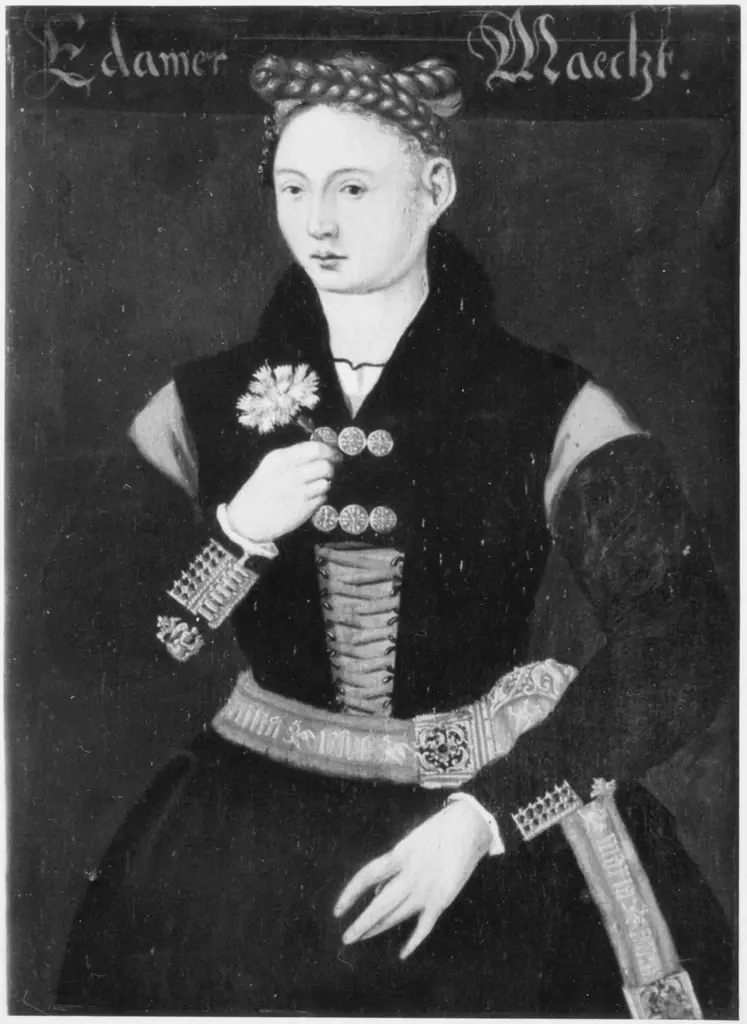
The work depicts a female subject identified as a girl from Oudendijk, presented in a formal portrait format. The figure is shown wearing traditional Dutch country dress, which serves as the primary iconographic element of the piece. Created in 1570, the painting functions as a representation of the traditional clothing of the Netherlands, capturing specific regional attire of that era.
The subject's identity and garment style are central to the work's meaning, documenting local costume customs through the medium of oil paint on panel.
Technique & Style
The painting is executed in oil on a wooden panel support, measuring 43.5 cm in height and 31.5 cm in width. The handling reflects the period’s portrait conventions, with smooth, blended modeling of the sitter’s features and drapery to achieve a lifelike presence. The palette is subdued, typical of 16th-century Dutch portraiture, and the composition focuses on the figure against a neutral background to emphasize the individual’s costume and expression.
No specific condition notes are provided in the sources, but the work’s survival in a major museum collection suggests stable preservation.
History & Provenance
The painting titled Girl from Oudendijk in country dress was created by J. van Horst in 1570. Executed in oil paint on panel, the work measures 43.5 cm in height and 31.5 cm in width. It depicts traditional Dutch clothing and is classified as a portrait.
The artwork is currently held in the collection of the Rijksmuseum in the Netherlands, which also lists the Netherlands Open Air Museum as a related collection entity. No specific details regarding the original commission or the chain of ownership prior to its current institutional holdings are provided in the available records.
Context
The painting Girl from Oudendijk in country dress is classified as a 16th-century portrait, reflecting the Dutch emphasis on individual identity through dress during the late Renaissance period. Its depiction of traditional regional attire aligns with documented scholarly interest in ethnographic representation within Dutch Golden Age art, as noted in its material and stylistic analysis. The work's presence in two major institutions, the Rijksmuseum and the Netherlands Open Air Museum, underscores its significance in preserving material culture, though its attribution to J. van Horst remains a subject of academic discussion regarding workshop practices of the era.
This contextual placement highlights its role in illustrating the intersection of portraiture and social documentation in 16th-century Netherlands.
Legacy
The painting has become emblematic of 16th-century Dutch dress, frequently referenced in studies of portraiture and national costume. Its presence in the Rijksmuseum collection has cemented its reputation as a representative example of the genre, influencing later artists who sought to document traditional attire. The work remains a key visual source for historians examining period clothing and artistic conventions of the era.
Its legacy is highlighted by continued scholarly attention to its depiction of regional dress, reinforcing its status as an important artifact of cultural heritage.
Overview
J. van Horst’s oil painting, dated 1570, portrays a young woman from the Dutch village of Oudendijk. She is seated, holding a calm rooster on her lap, and is dressed in traditional regional attire. The work is part of the Rijksmuseum’s collection.
Own this work as a print
Artist & collection
Artist
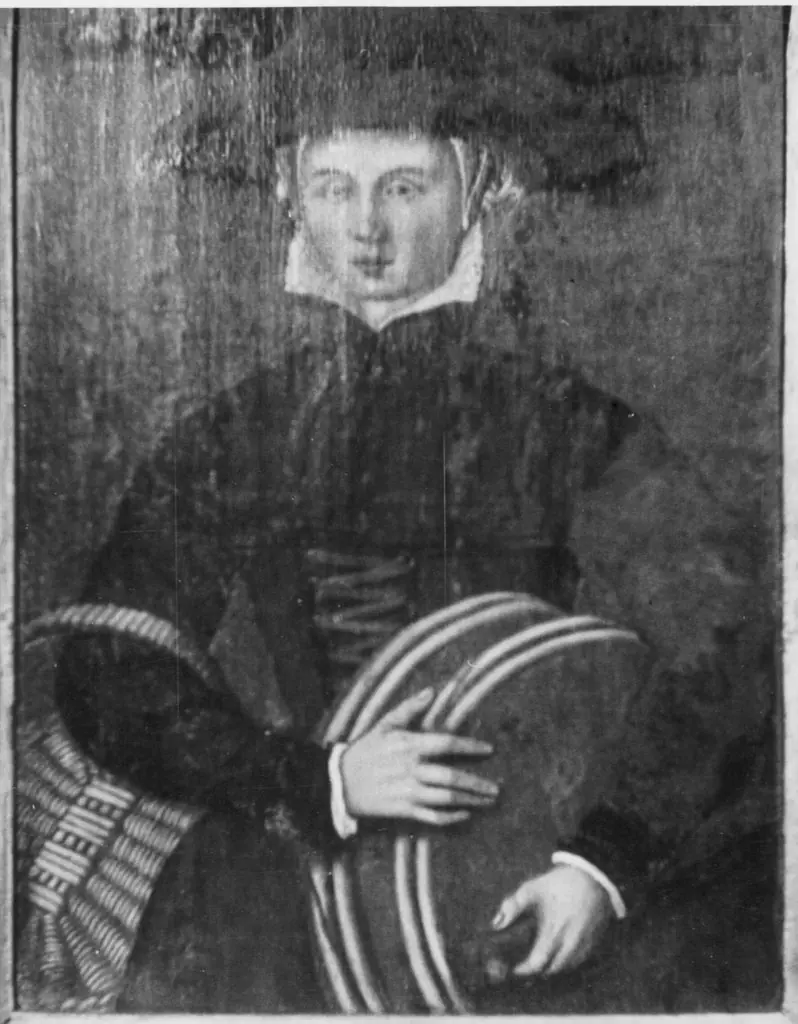
This Dutch painter made small oil portraits of women and girls from villages like Benningbroek and Heiloo, dressed in traditional country clothes around 1570.