Artwork
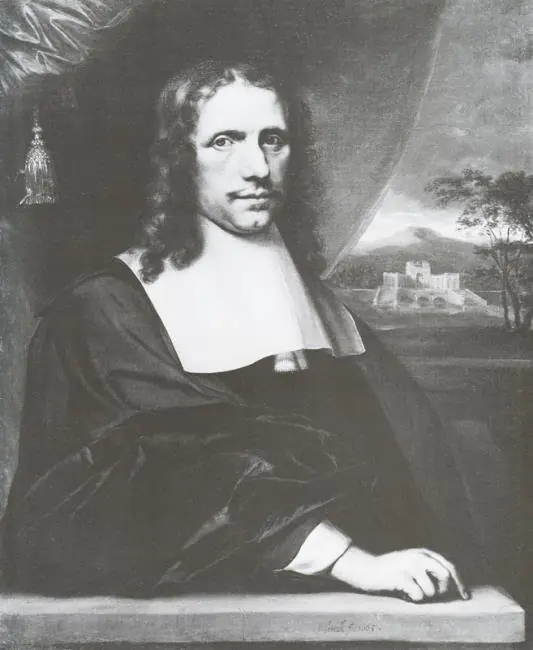
Portrait of a man
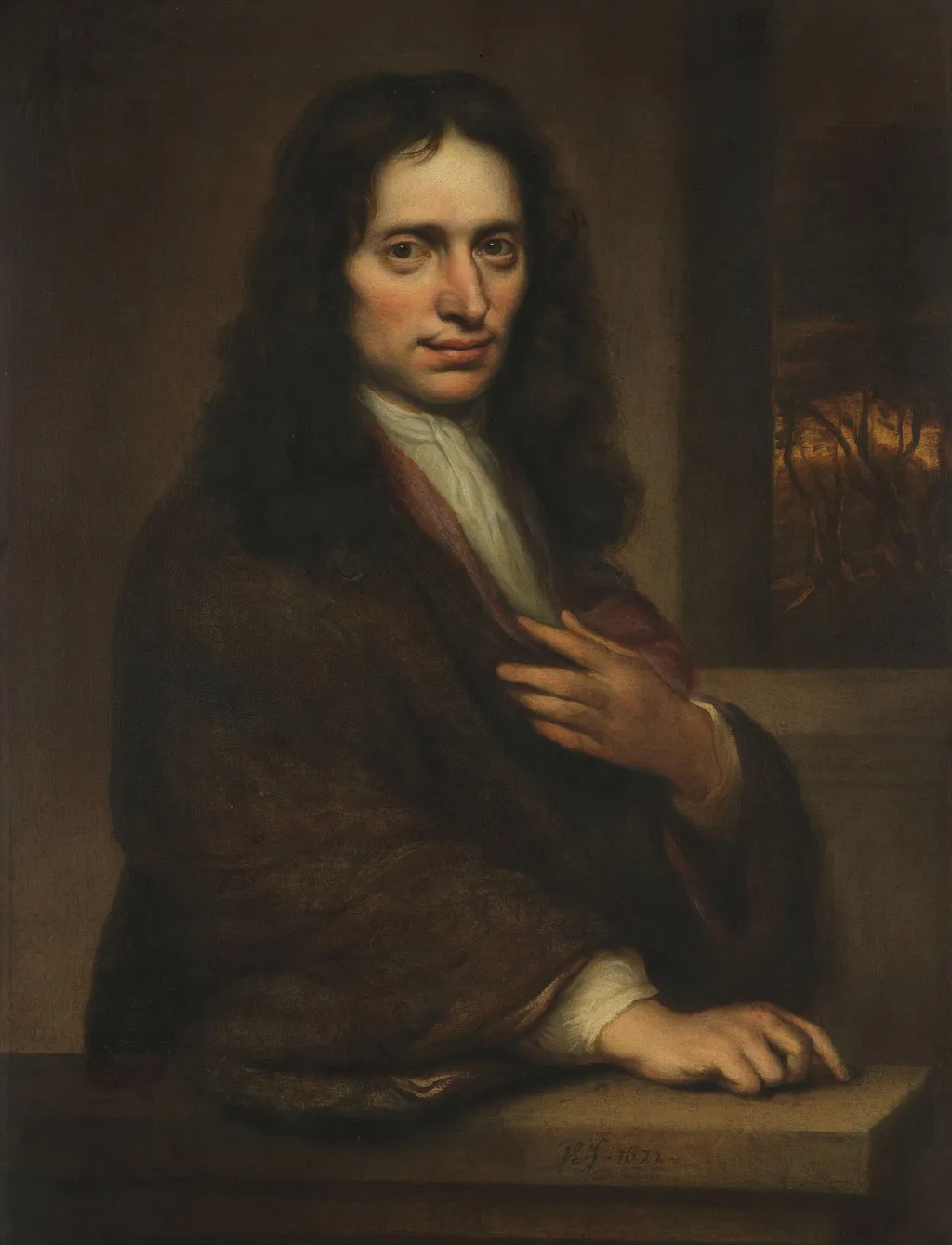
Portrait of a man is an oil painting by the Dutch Golden Age artist Jacob Levecq. It dates from 1672 and is held in the collection of the Rijksmuseum.
About this work
Subject & Meaning
The work is interpreted as a representation of contemporary middle‑class identity, reflecting status and individuality during the Dutch Golden Age.
The painting depicts an unidentified man, rendered as the primary figure in a conventional portrait format. Its iconography centers on the sitter’s presence without overt symbolic attributes, emphasizing realism typical of 17th‑century Dutch portraiture. The work is interpreted as a representation of contemporary middle‑class identity, reflecting status and individuality during the Dutch Golden Age.
Technique & Style
The work is an oil painting executed on canvas, as indicated by its material specification and classification as a portrait. It measures 85 cm in height by 65 cm in width, reflecting the dimensions recorded in the source. The composition depicts an unidentified man, rendered with the formal conventions typical of 17th‑century Dutch portraiture, emphasizing fine brushwork and a restrained palette that conveys both realism and subtle psychological presence.
The painting’s condition appears stable, with no noted alterations to its surface or support, consistent with its status as a canonical example of Jacob Levecq’s mature technique.
History & Provenance
The portrait was created by Jacob Levecq in 1672, as indicated by the artist’s inscription and date on the work.
By the mid-20th century, the painting entered the collection of the Dordrechts Museum in the Netherlands, where it was recorded in the museum’s holdings. Later, it was transferred to the Rijksmuseum in Amsterdam, where it is currently held under the shared custody of both institutions.
Portrait of a Man, painted by Jacob Levecq in 1672, is held jointly in the collections of the Rijksmuseum and the Dordrechts Museum. The oil-on-canvas work measures 85 cm in height and 65 cm in width. No specific inventory or accession numbers are recorded in the available sources, and no exhibition history is documented.
Legacy
Jacob Levecq's 1672 oil portrait influenced later Dutch portraitists through its refined handling of light and psychological depth, particularly among followers of Rembrandt in the Dutch Republic. The work's technical approach informed 18th-century portrait painters who sought to emulate Levecq's precise characterization of sitters. Today the painting is held in the collections of the Rijksmuseum and the Dordrechts Museum, where it is recognized as an important example of 17th-century Dutch portraiture.
Overview
Jacob Levecq’s Portrait of a Man (1672) is an oil painting from the Dutch Golden Age. Executed by an artist who studied under Rembrandt, the work depicts an anonymous sitter and currently belongs to the Rijksmuseum’s collection.
Own this work as a print
Artist & collection
Artist
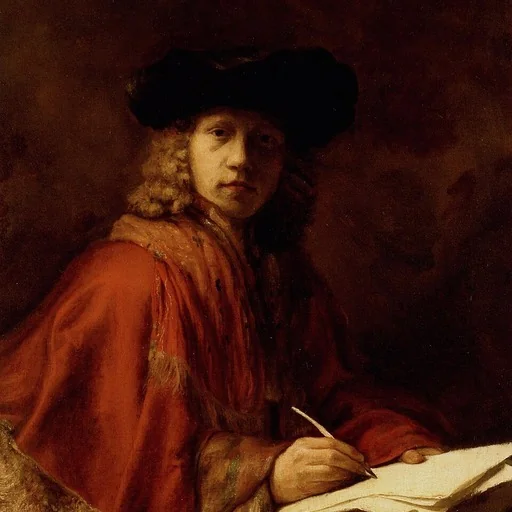
Jacob Levecq (c.1634–1675), né Jacques L'Evesque, who signed his name J. Leveck or J. L., and was also referred to as Jakob Lavecq, Jacobus Levecq, Jacobus L'Evesque, and Jacobus Lavecq, was a Dutch Golden Age painter trained by Rembrandt.

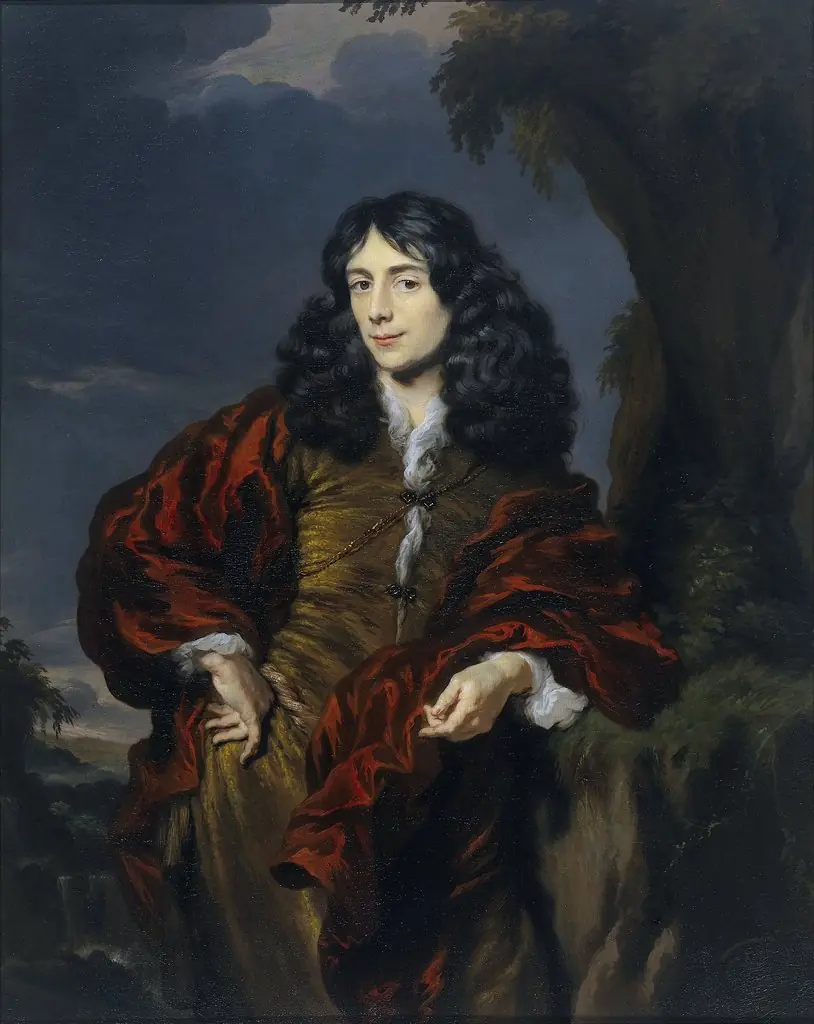 Portrait of a young man, possibly Simon van Alphen (1650-1730)
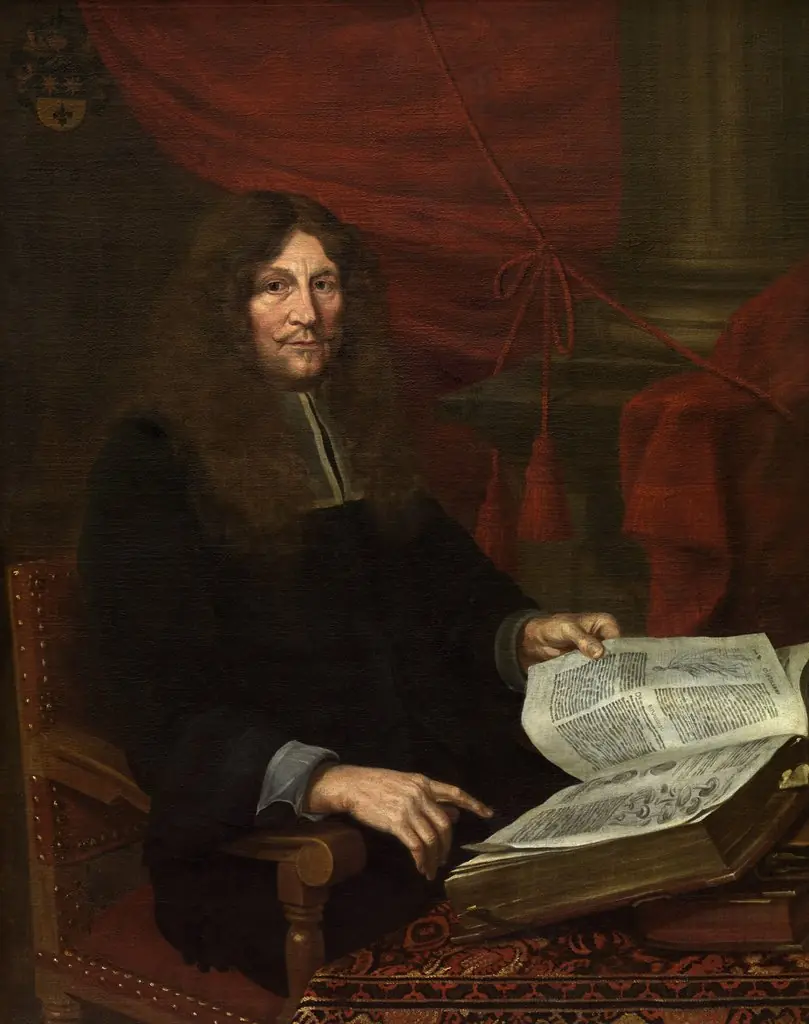 Johannes Franciscus Van Sterbeeck
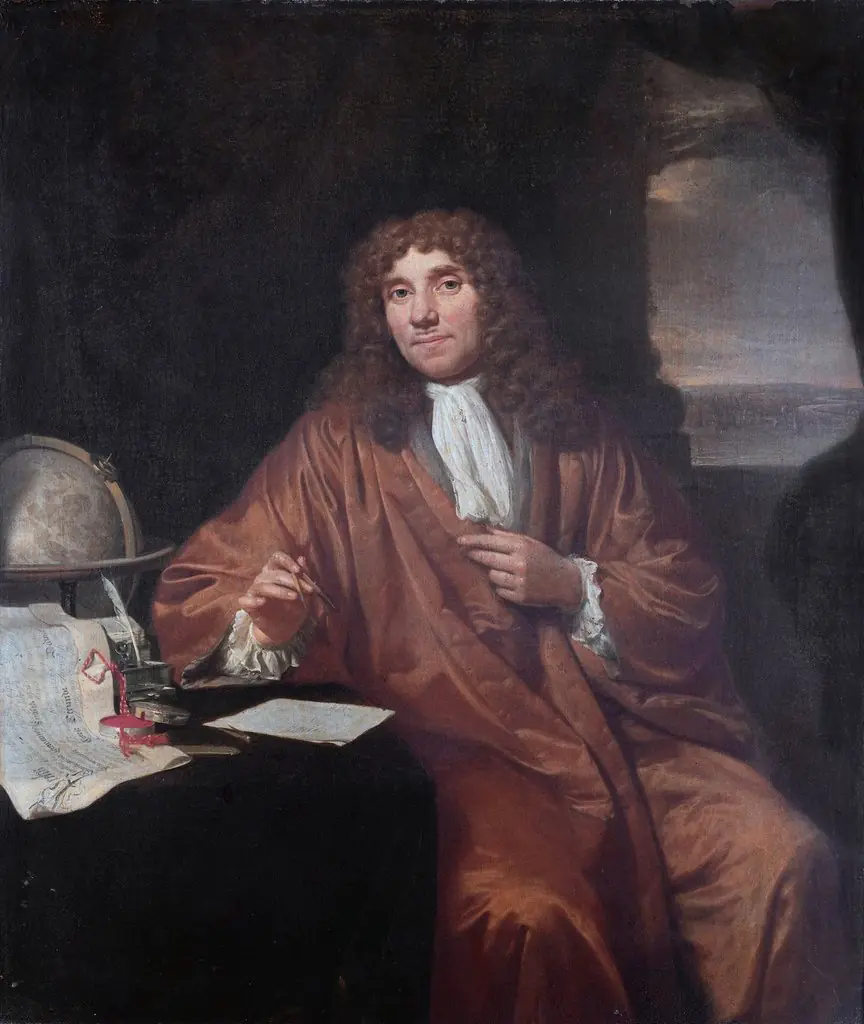 Portrait of Anthonie van Leeuwenhoek, Natural Philosopher and Zoologist in Delft
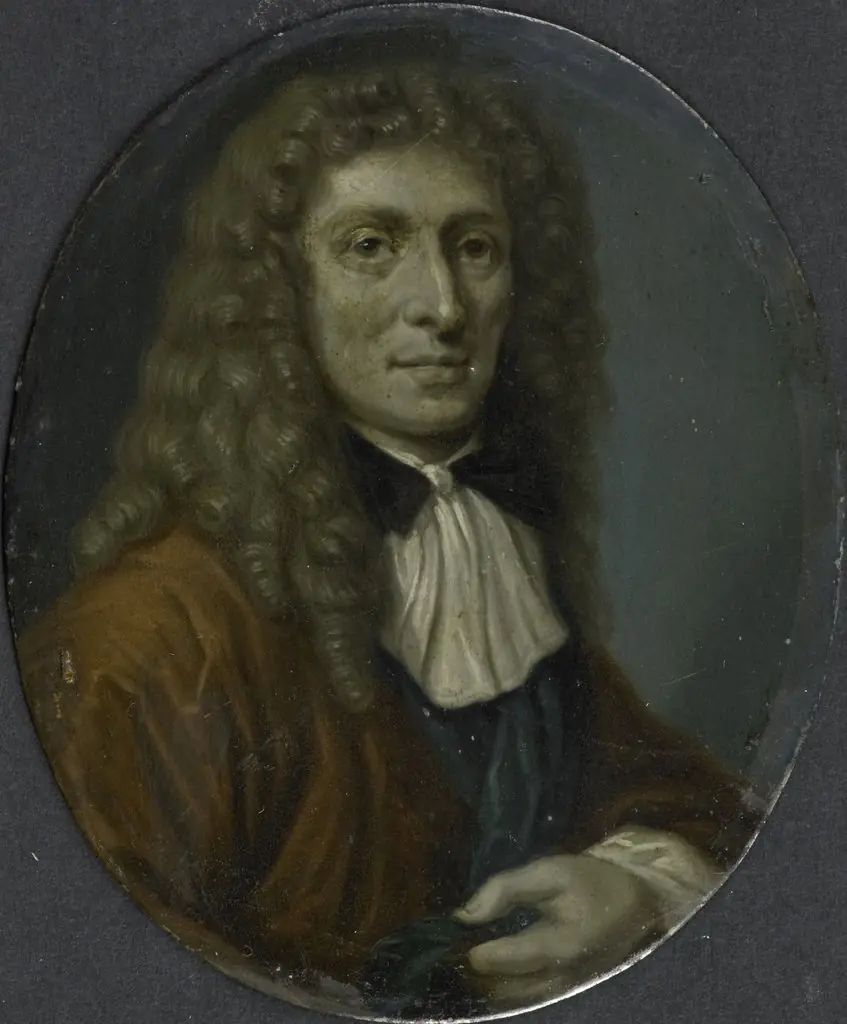 Portrait of Govert Bidloo
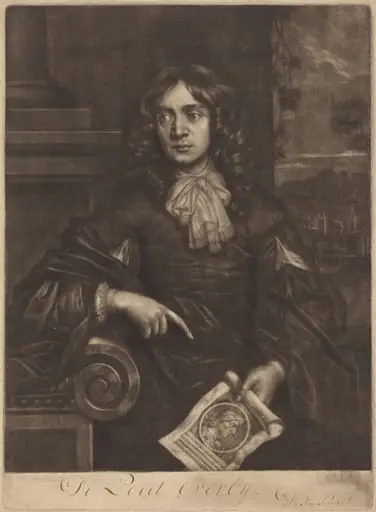 Thomas Flatman
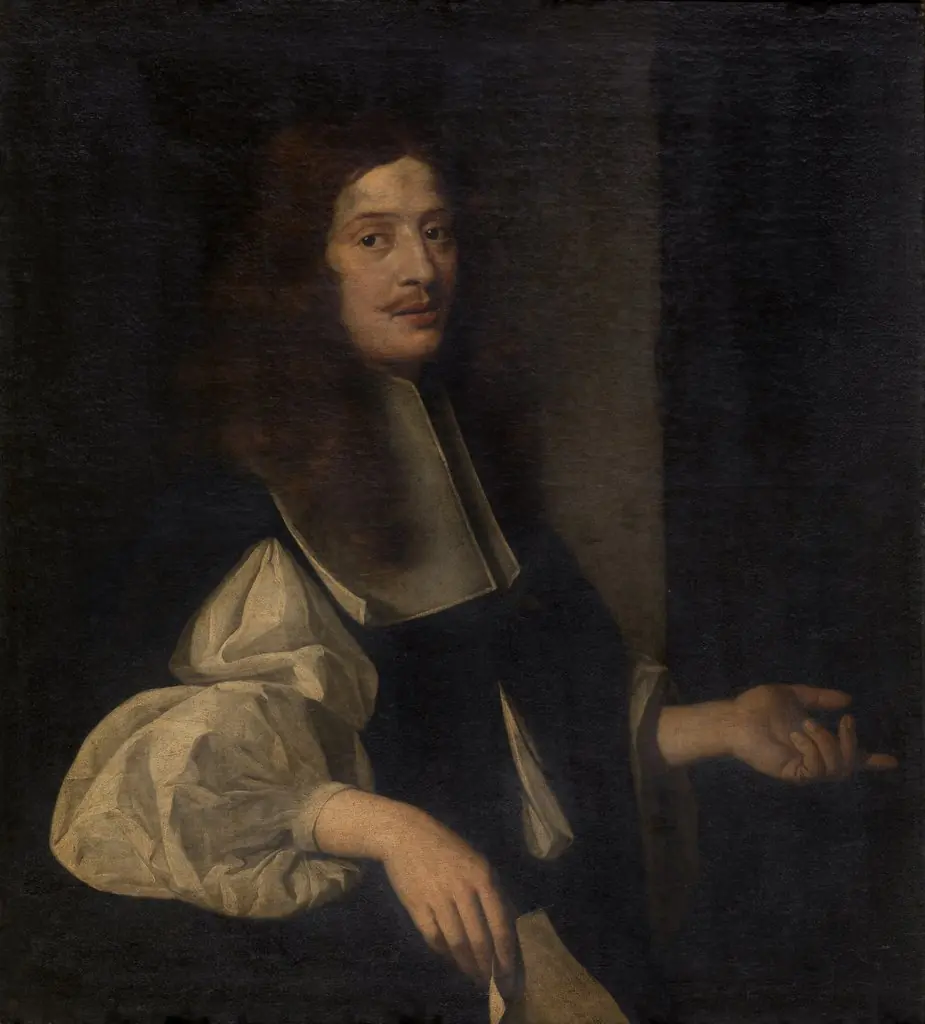 Portrait of a Man
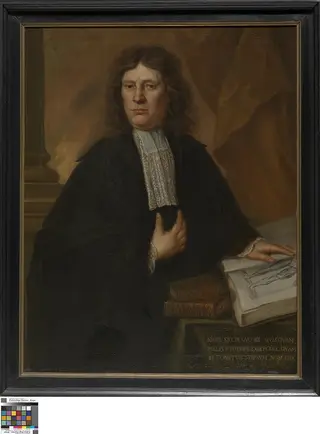 Portret van Christophorus Omaar
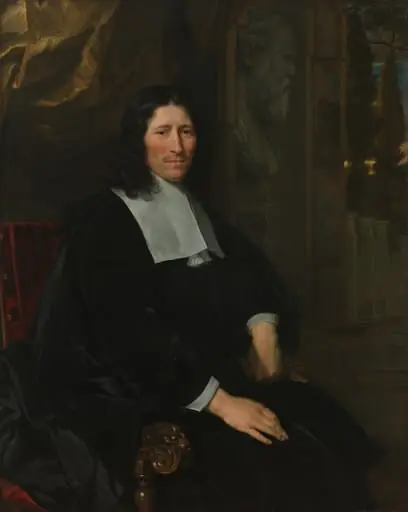 Portrait of Pieter de la Court
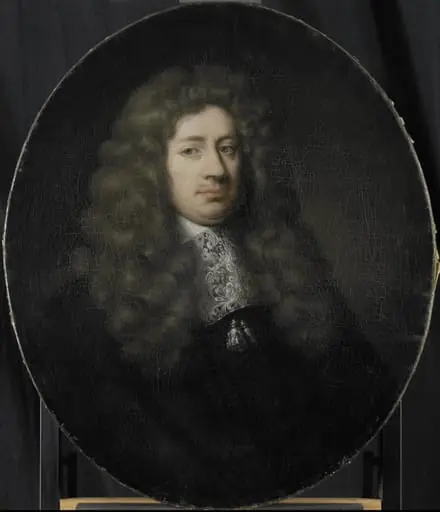 Portrait of Dominicus Rosmale, Director of the Rotterdam Chamber of the Dutch East India Company, elected 1677
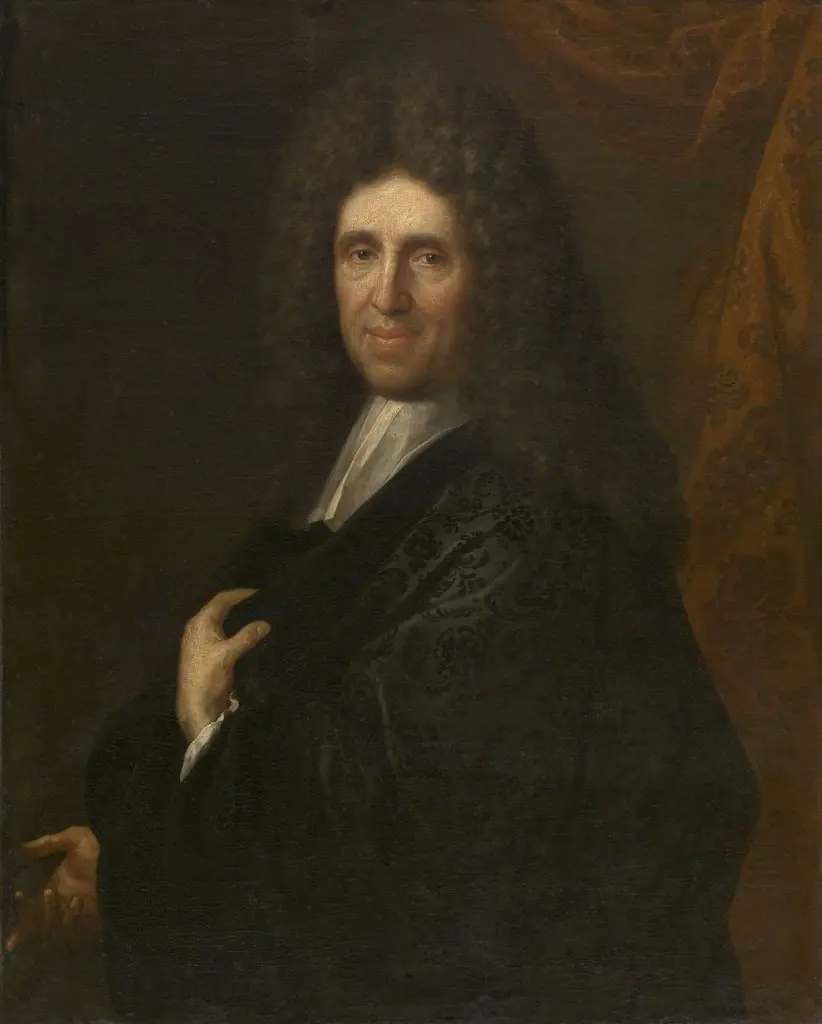 Gregorius Martens, Mayor of Antwerp and Dean of the Guild of Saint Luke
- Portrait of a Man