Artwork
Portrait of Anthonie van Leeuwenhoek, Natural Philosopher and Zoologist in Delft
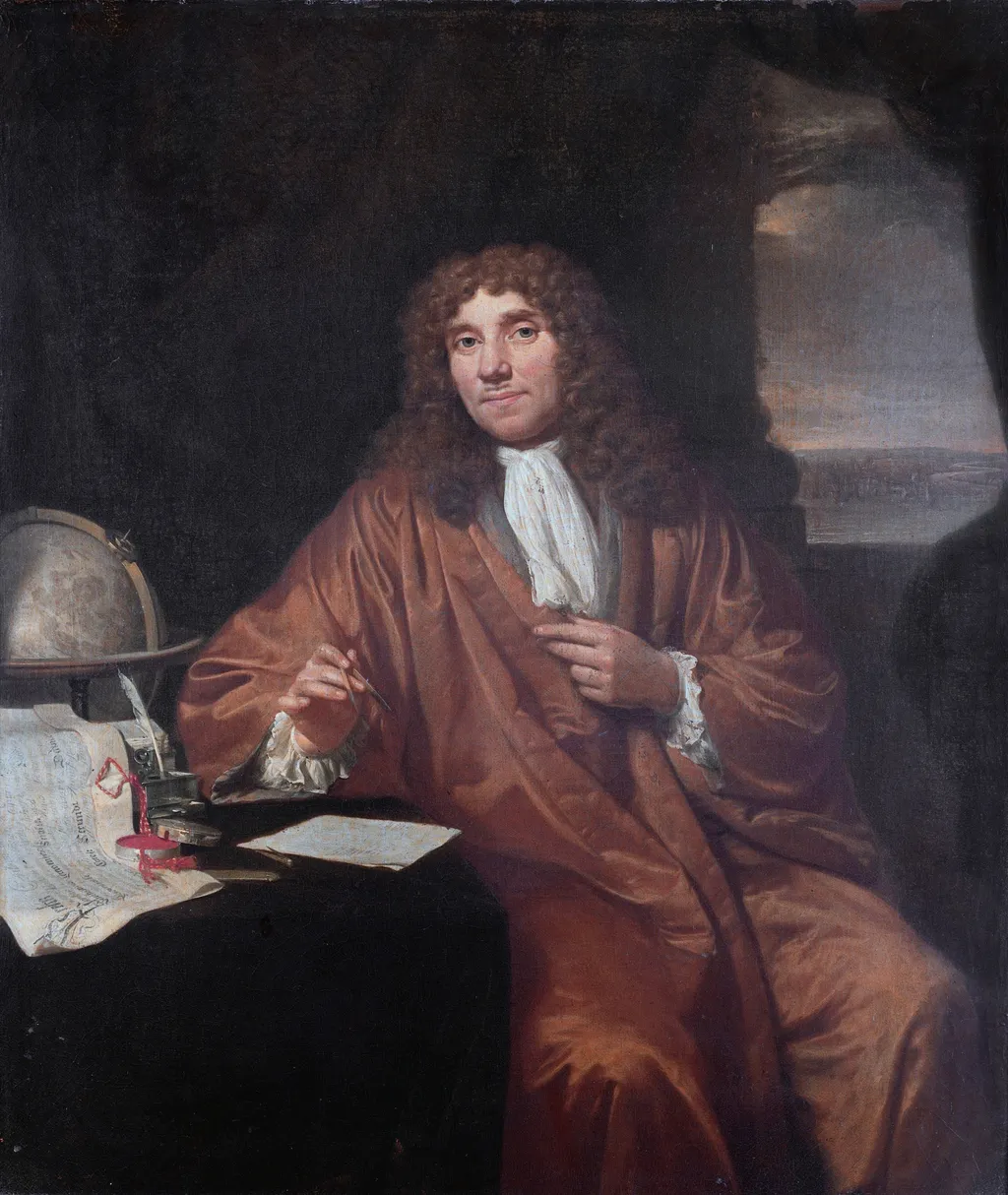
Portrait of Anthonie van Leeuwenhoek, Natural Philosopher and Zoologist in Delft is an oil painting by the Dutch Golden Age artist Jan Verkolje. It dates from 1690 and is held in the collection of the Rijksmuseum.
About this work
Subject & Meaning
Verkolje’s portrait captures the scholar in contemporary 17th‑century dress, using sober attire and a direct gaze to convey intellectual authority.
The painting shows Antonie van Leeuwenhoek, a natural philosopher and zoologist from Delft, depicted in a manner that emphasizes his scientific role rather than aristocratic status. Verkolje’s portrait captures the scholar in contemporary 17th‑century dress, using sober attire and a direct gaze to convey intellectual authority. Symbolically, the work underscores Leeuwenhoek’s contributions to microscopy and natural observation, aligning his likeness with the Enlightenment ideal of the learned investigator.
The composition therefore represents both an individual likeness and an emblem of scientific inquiry during the Dutch Golden Age.
Technique & Style
The portrait was painted in oil on canvas, measuring 56 cm by 47.5 cm, and was created in 1680. The work depicts the Dutch scientist Antonie van Leeuwenhoek as a natural philosopher and zoologist, rendered in a conventional portrait style that emphasizes his status and intellectual presence. The painting is part of the Rijksmuseum’s collection and has been displayed in exhibitions that highlight Dutch Golden Age portraiture.
History & Provenance
The portrait of Anthonie van Leeuwenhoek was painted by Jan Verkolje in 1680, executed in oil on canvas. The work was created during the lifetime of its sitter, the Dutch natural philosopher and zoologist based in Delft.
The painting has been associated with multiple Dutch institutional collections, including the Rijksmuseum, Museum Boerhaave, and the Nederlandsch Museum voor Geschiedenis en Kunst. The Rijksmuseum is identified as the owning institution, with the painting held there alongside a documented presence at Museum Boerhaave. No information is available regarding the original commissioner, the chain of private ownership, or any intermediate transfers between the date of execution and its arrival at these public collections.
Context
The work is classified as a portrait genre painting executed in oil on canvas in 1680 by Jan Verkolje. It depicts the scientist Antonie van Leeuwenhoek and was originally part of the collections of the Rijksmuseum and Museum Boerhaave, institutions that continue to hold the piece. Contemporary scholarship situates the portrait within the broader Dutch Golden Age tradition of scientific portraiture, emphasizing its role in documenting natural philosophers and zoologists of the period.
The painting's composition and technical execution reflect the stylistic conventions of late 17th‑century portraiture while also serving as a visual record of van Leeuwenhoek's scientific stature.
Overview
Jan Verkolje’s oil portrait, executed in 1690, presents Antonie van Leeuwenhoek, the Dutch natural philosopher renowned for his pioneering work with microscopes. The sitter is shown seated at a desk, dressed in a reddish‑brown robe with a white ruffled collar, his hand poised over a quill. A darkened backdrop is illuminated faintly from the right, lending the composition a subdued, scholarly atmosphere.
Own this work as a print
Artist & collection
Artist
Jan Verkolje or Johannes Verkolje (9 February 1650 (baptized) – 8 May 1693 (buried)) was a Dutch painter, draughtsman and engraver.

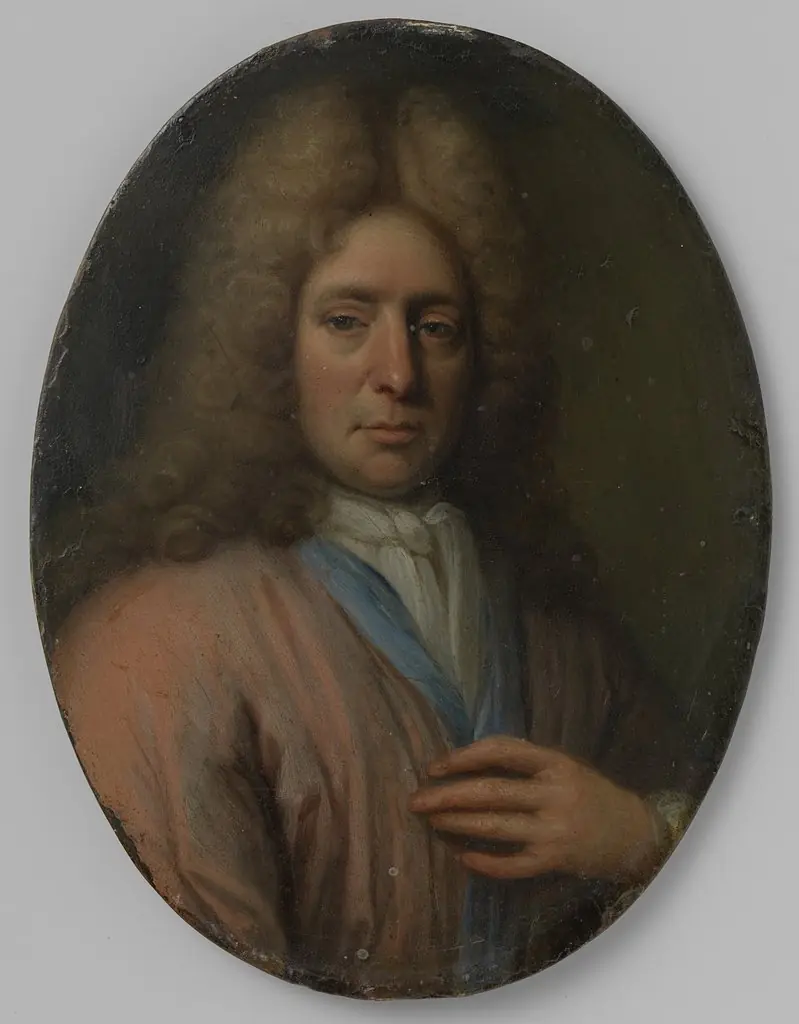
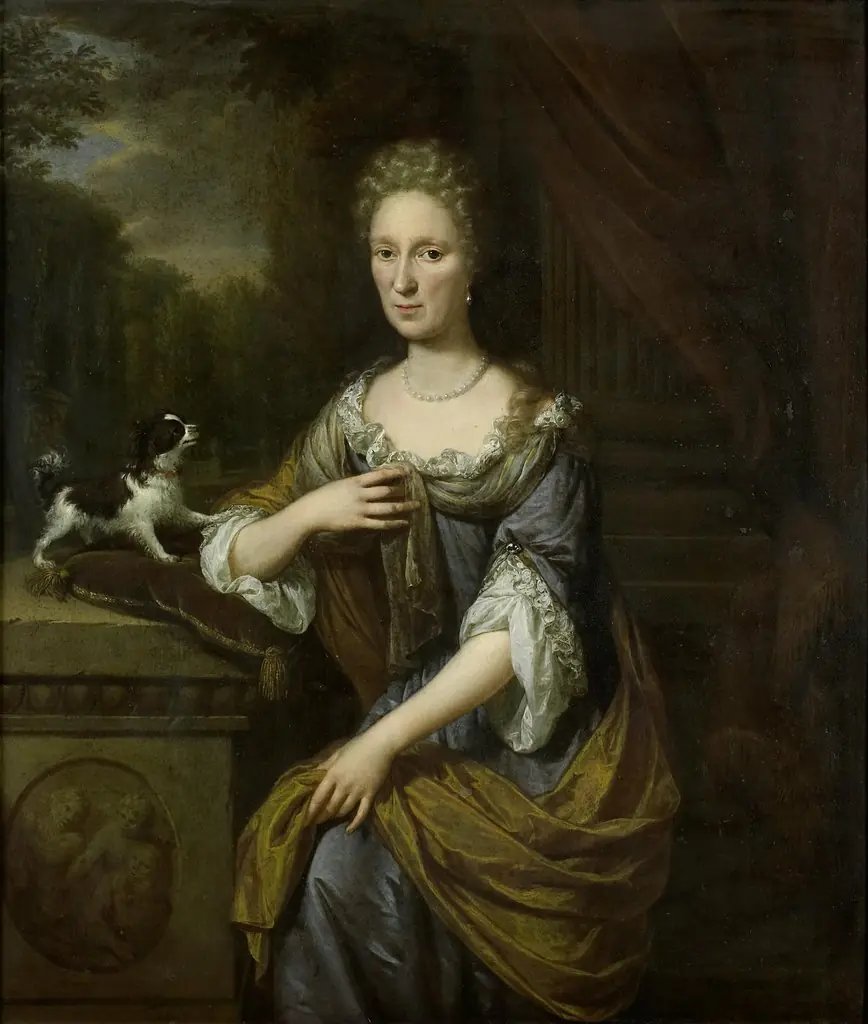
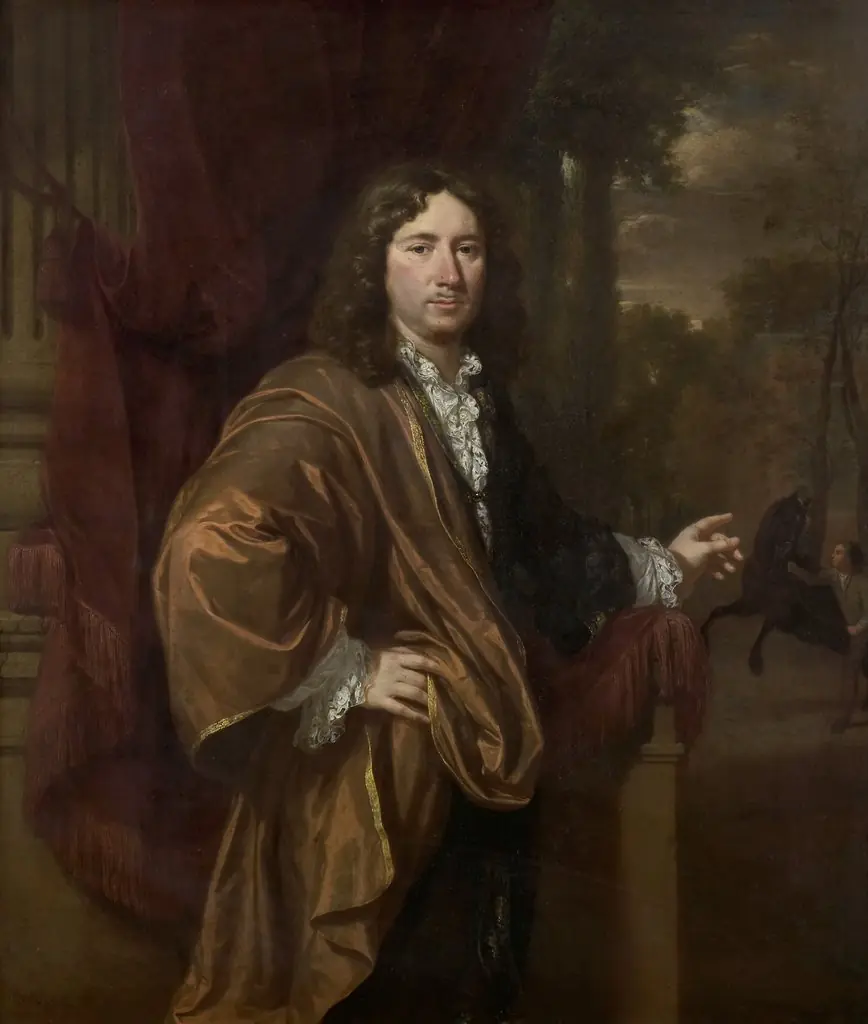
- Portret van Nicolaas van den Heede
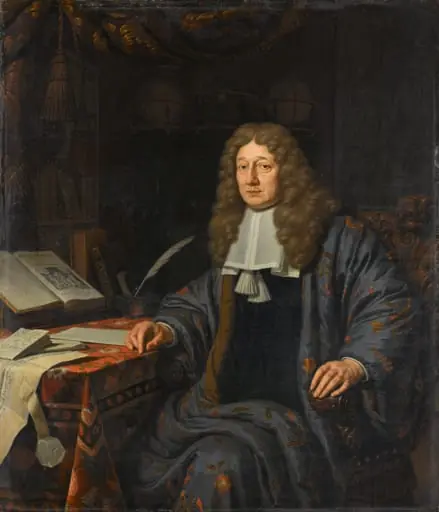 Portrait of Johannes Hudde
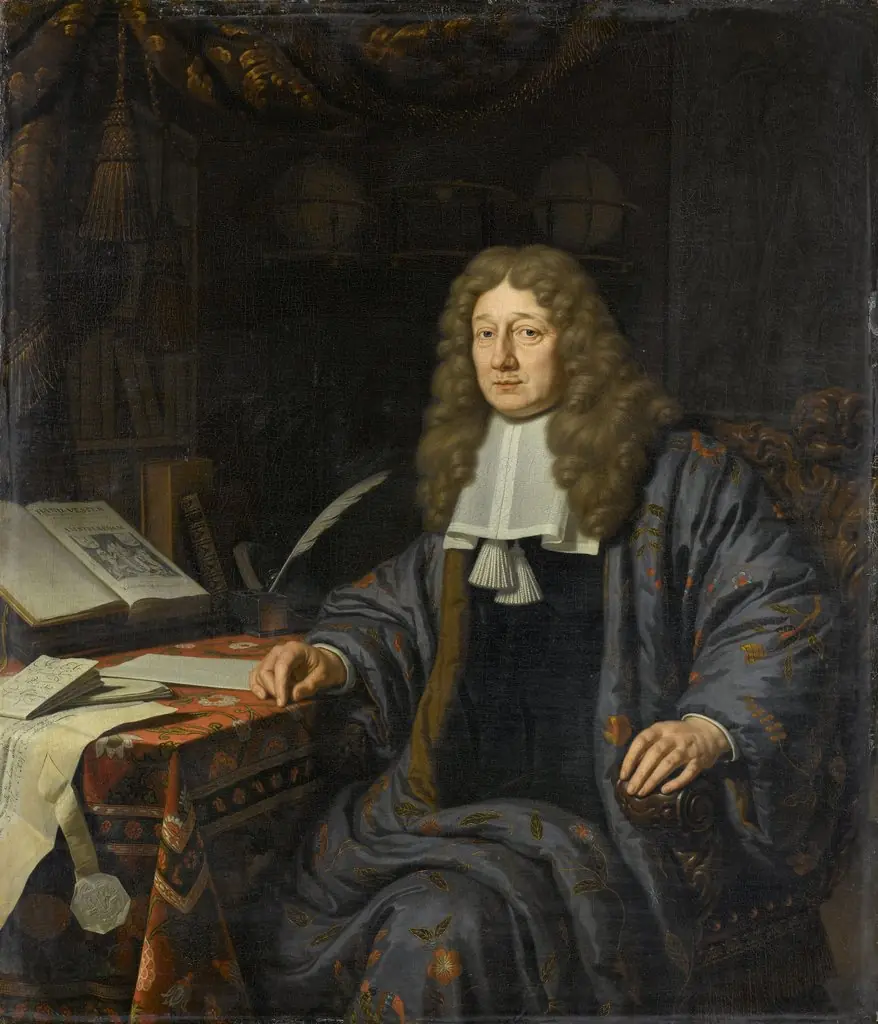 Portrait of Johannes Hudde (1628-1704), burgomaster of Amsterdam
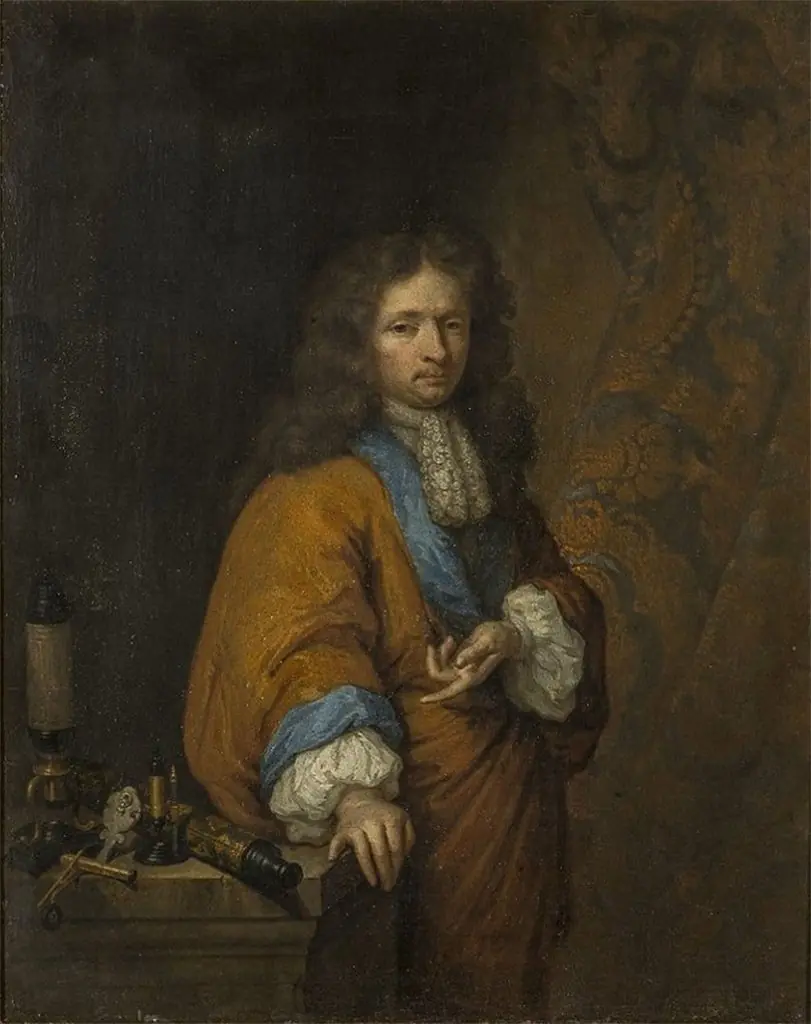 Portrait of a Scholar
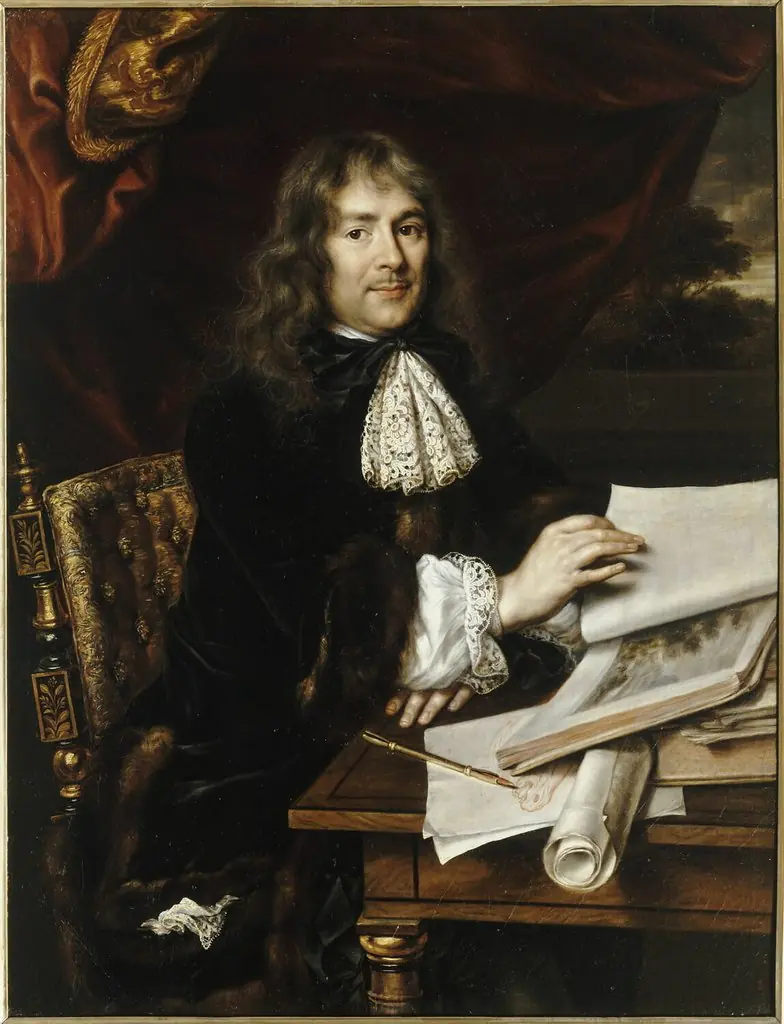 Portrait of Antoine Paillet
 Thomas Flatman
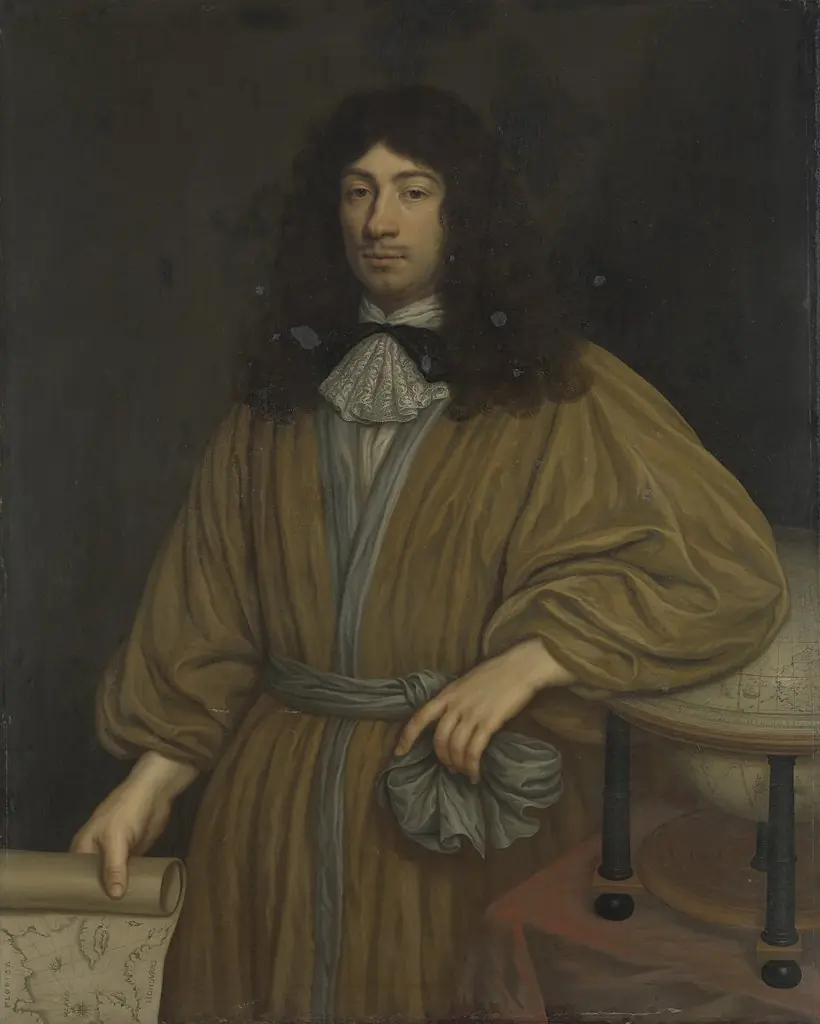 Portrait of Jan Boudaen Courten (1635-1716), lord of St Laurens, Schellach and Popkensburg. Councillor of Middelburg and director of the Dutch East India Caompany
 Selbstbildnis Michiel van Musscher
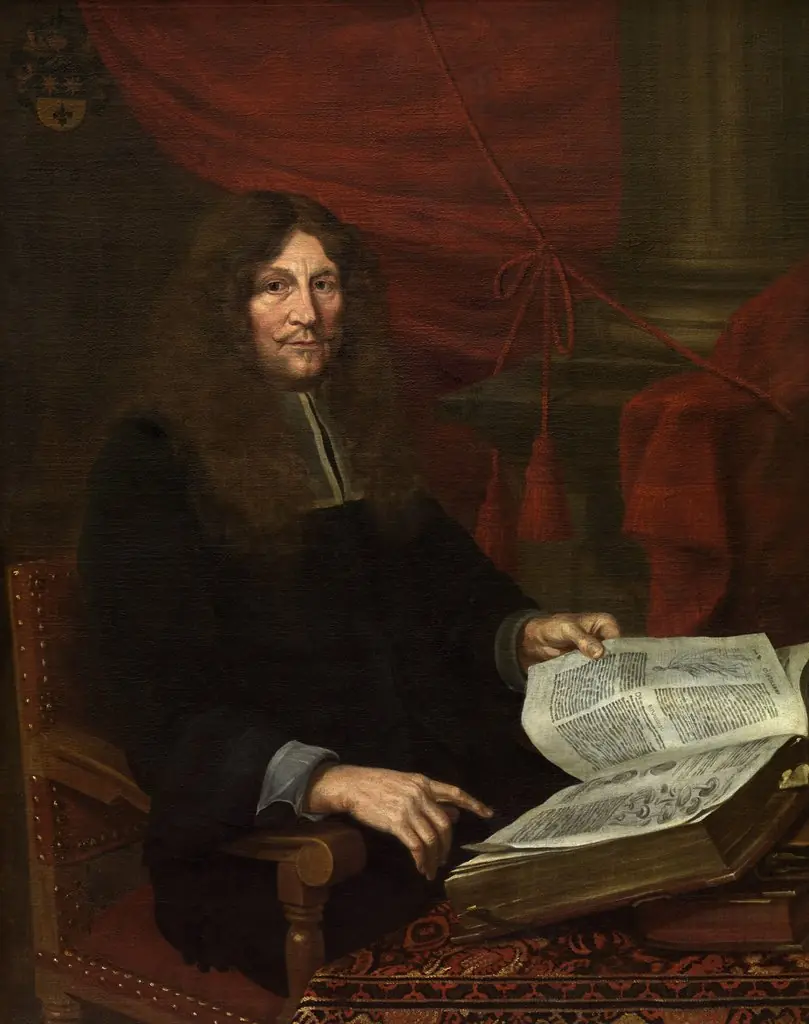 Johannes Franciscus Van Sterbeeck
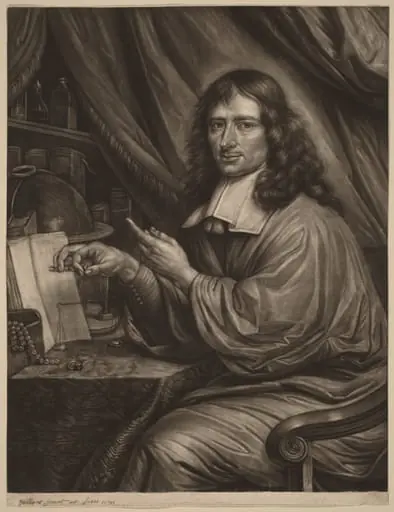 Cornelis Mayer
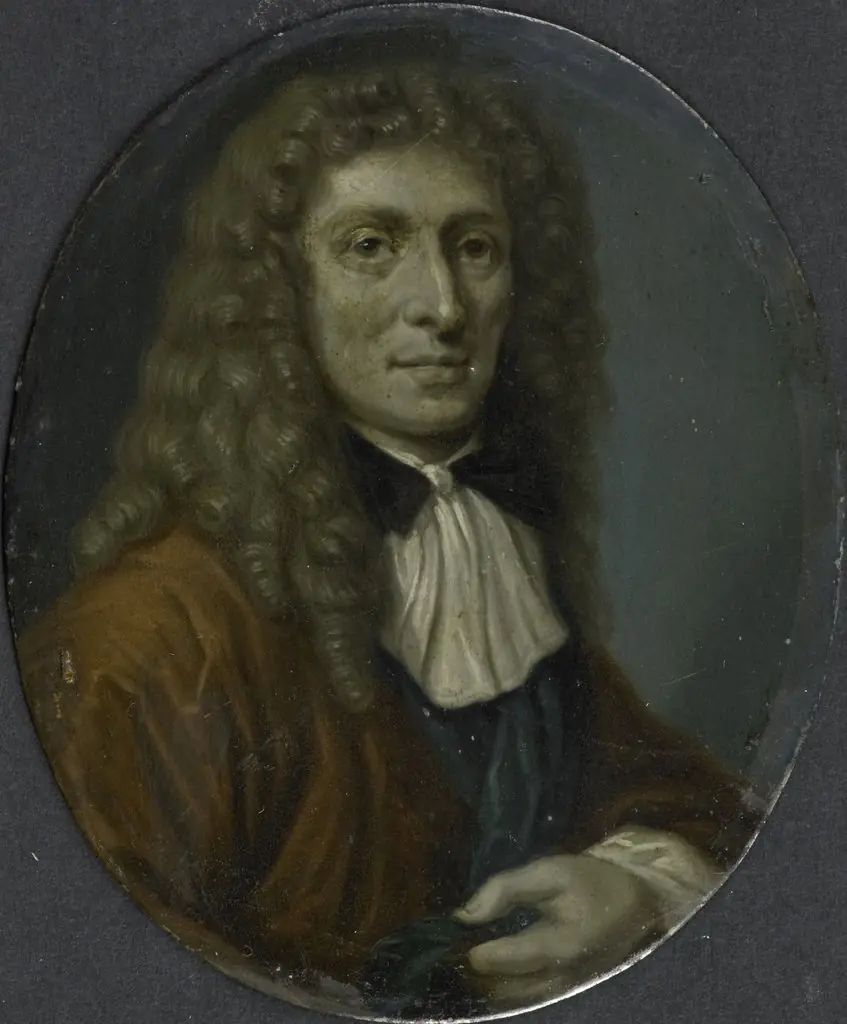 Portrait of Govert Bidloo
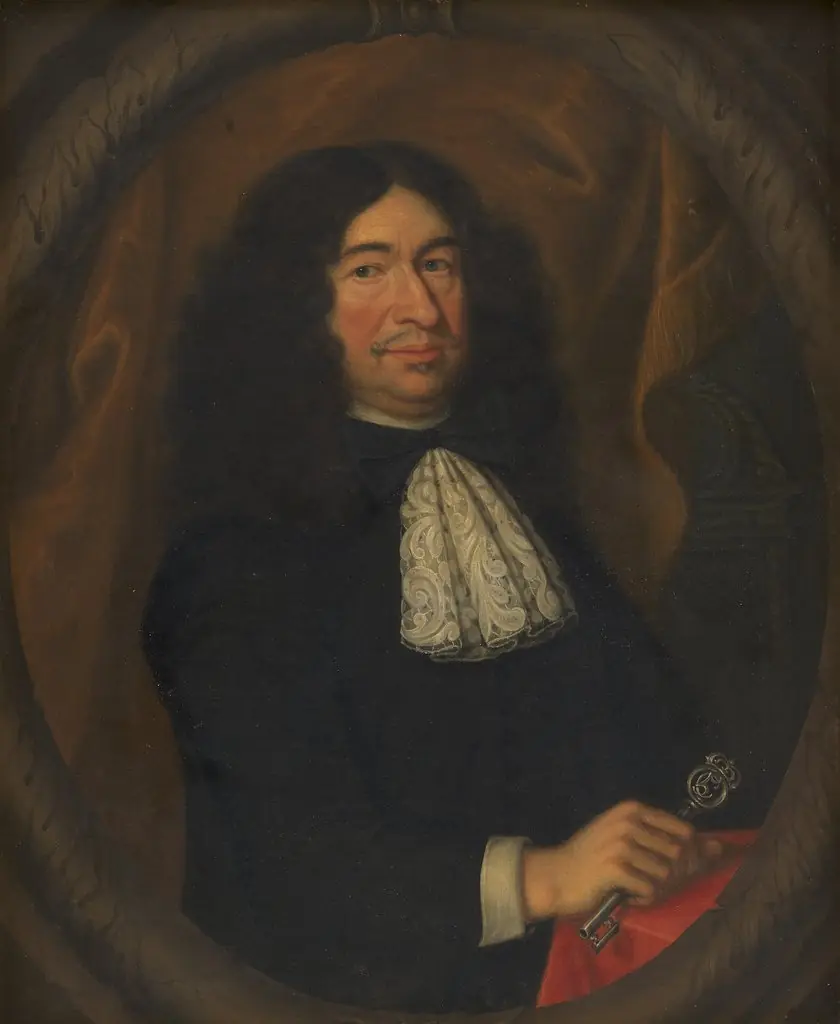 Kunstkammerforvalter Bendix Grodtschilling den ældre, kunstnerens fader