Artwork
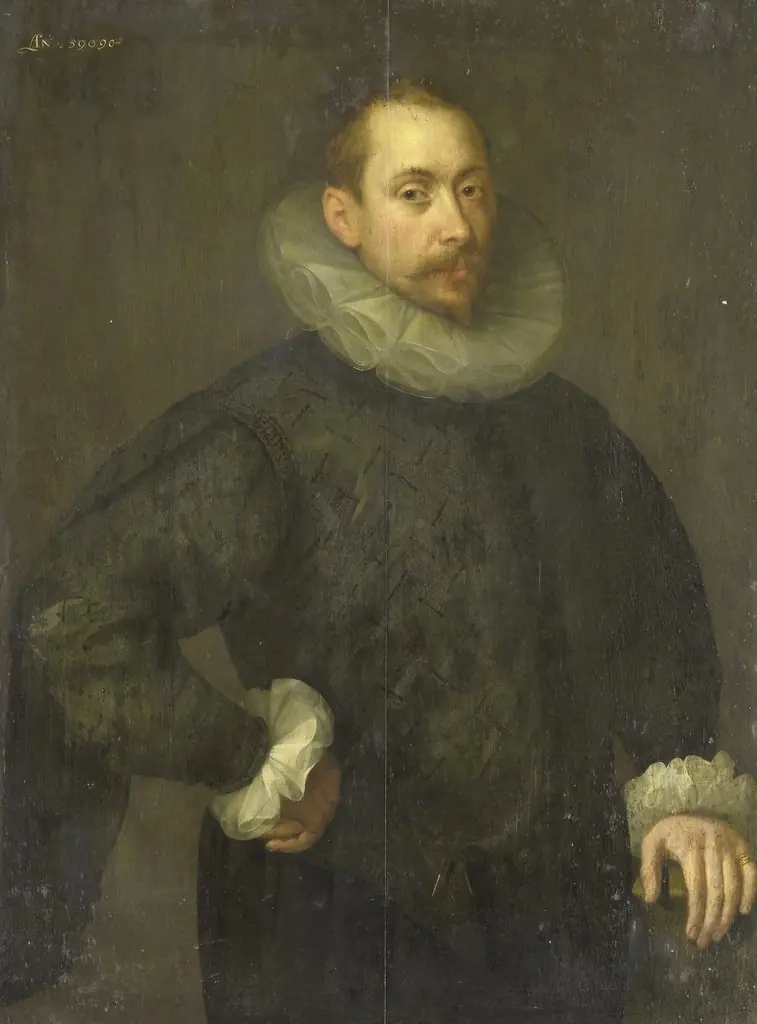
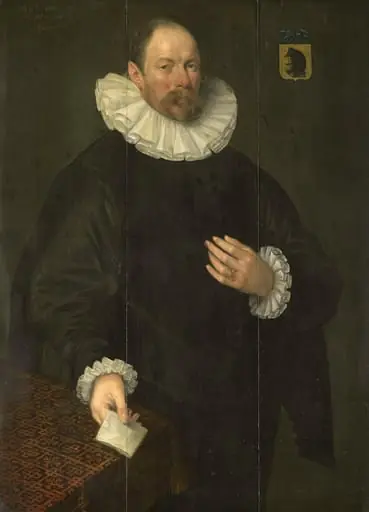
Portrait of Paulus Cornelisz van Beresteyn, Burgomaster of Delft
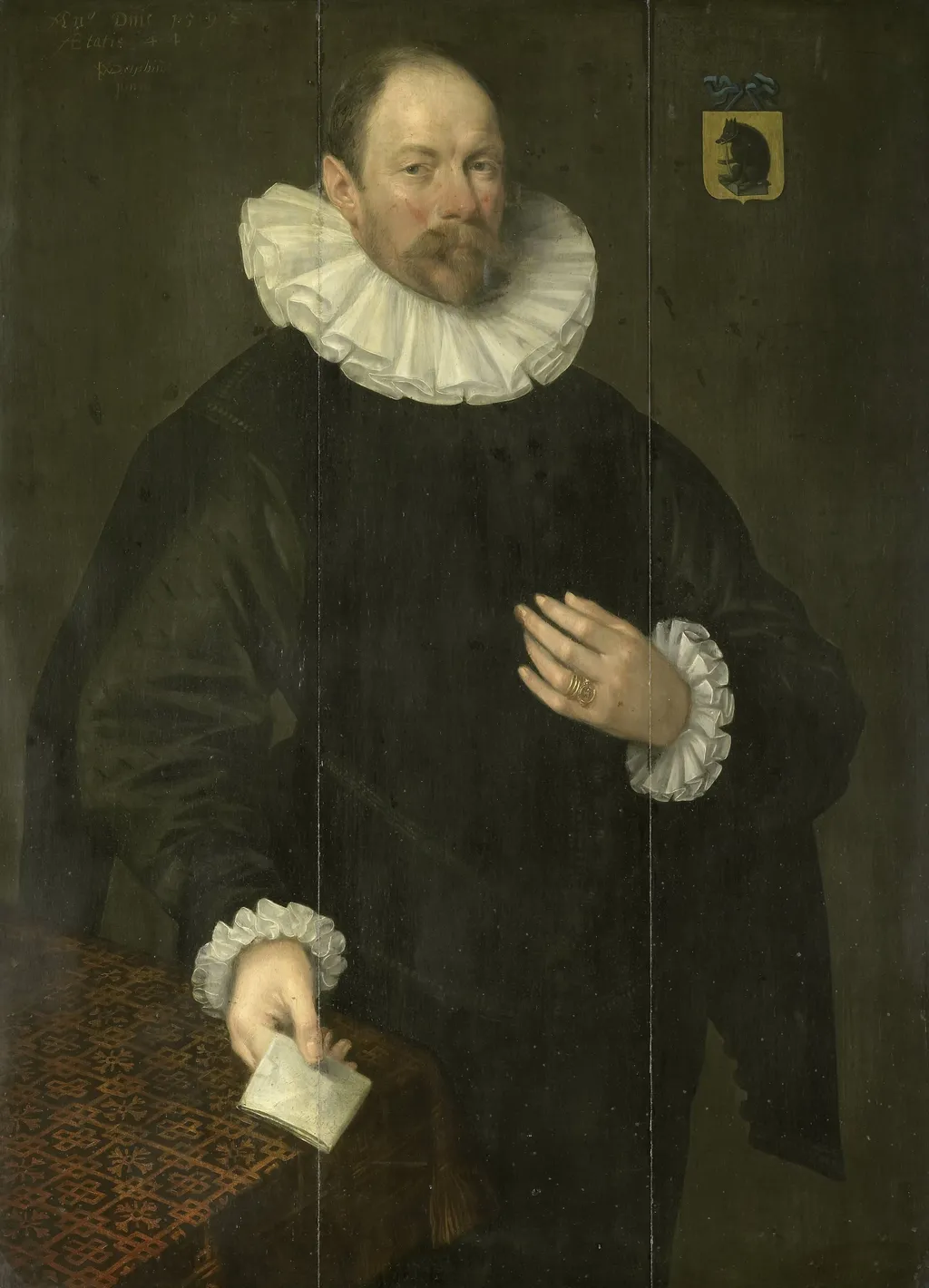
Portrait of Paulus Cornelisz van Beresteyn, Burgomaster of Delft is an oil painting by the Dutch Golden Age artist Jacob Willemsz Delff. It dates from 1596 and is held in the collection of the Rijksmuseum.
About this work
Subject & Meaning
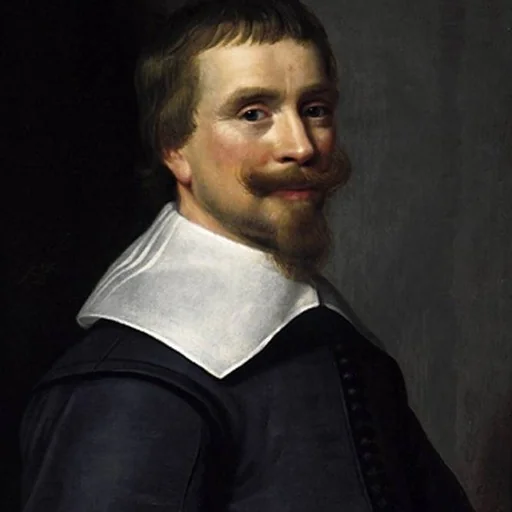
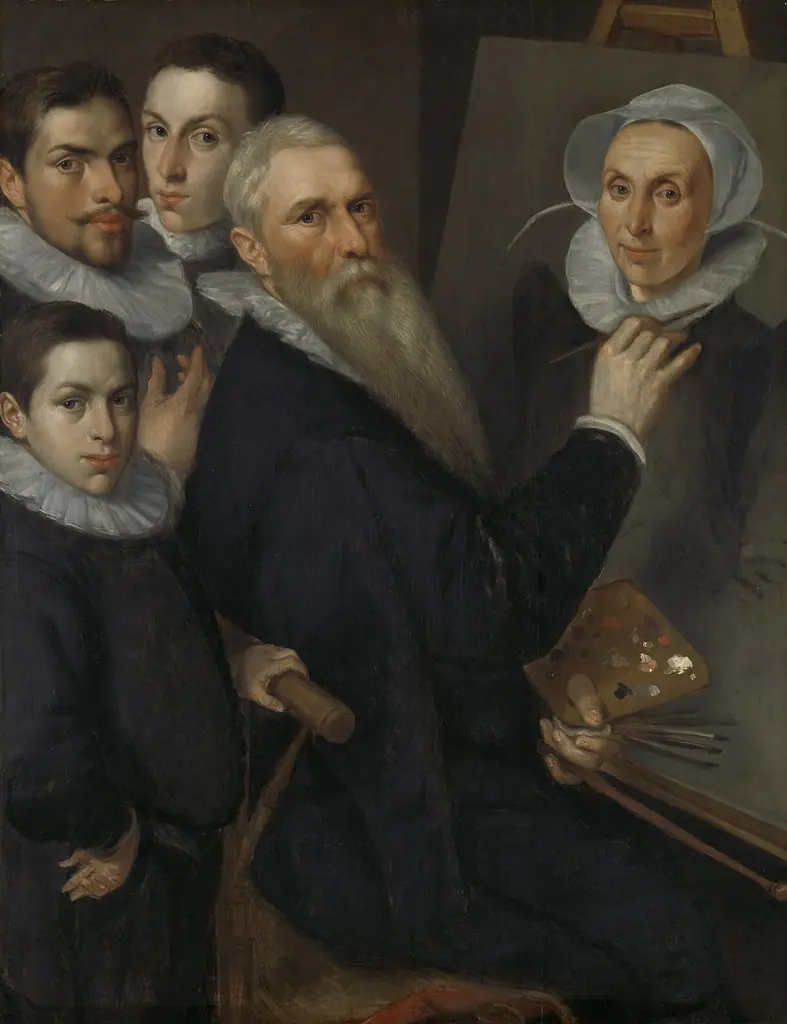
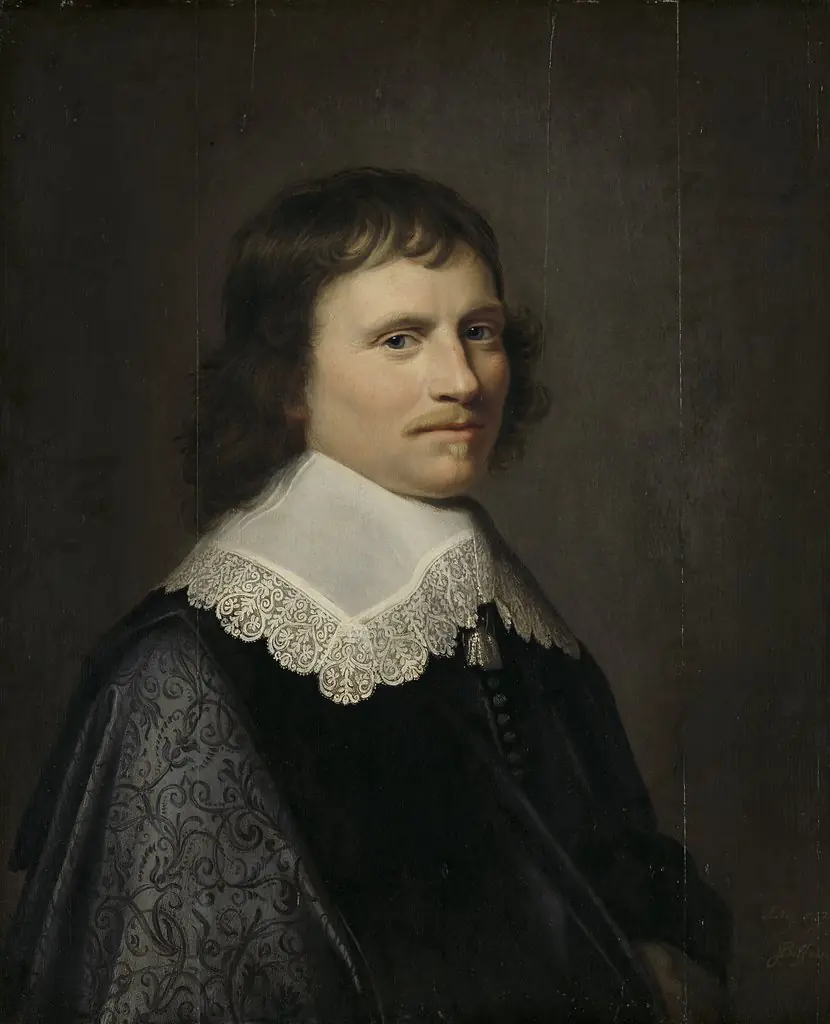
The sitter is Paulus Cornelisz van Beresteyn, who served as burgomaster of Delft, depicted here in a portrait painted by Jacob Willemsz Delff in 1596.
The sitter is Paulus Cornelisz van Beresteyn, who served as burgomaster of Delft, depicted here in a portrait painted by Jacob Willemsz Delff in 1596.
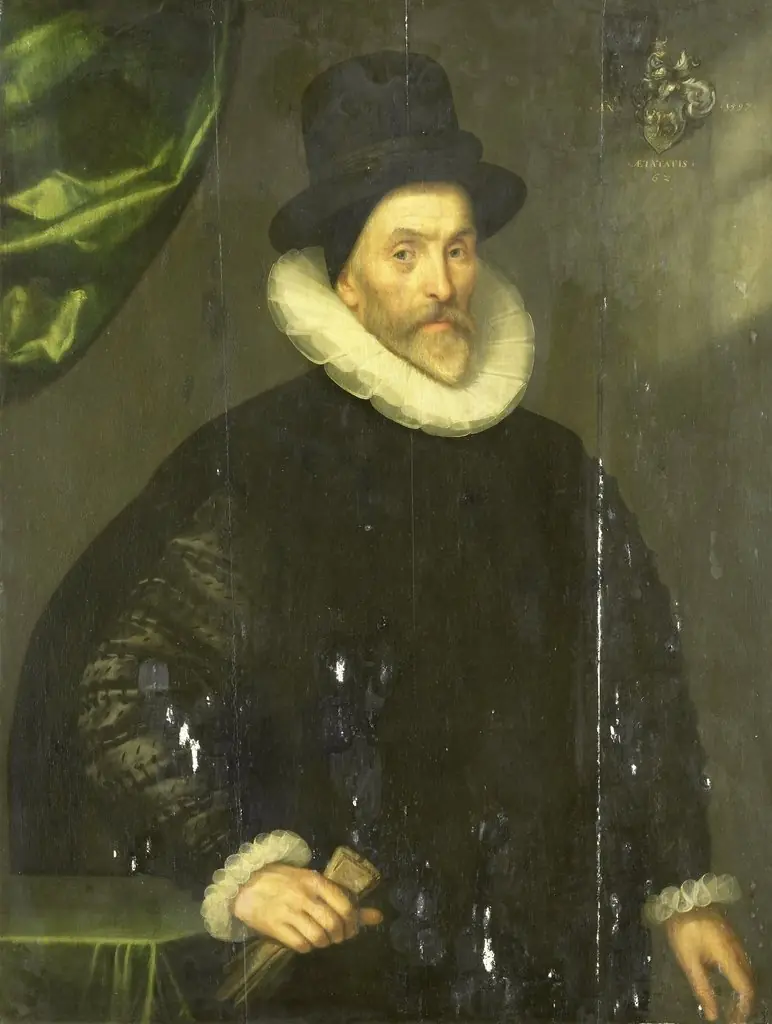
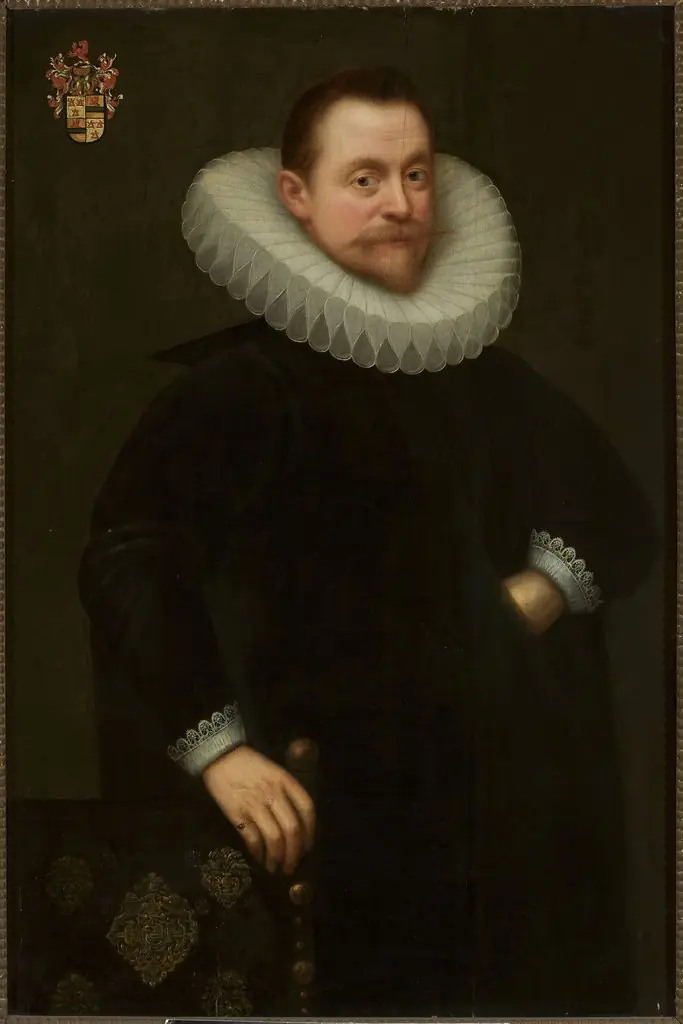
The painting's iconography centers on the sitter's civic identity and authority. He is shown in a three-quarter pose against a dark ground, wearing the black gown and white ruff appropriate to his office, while holding a rolled letter that signals communication and governance. The inscription along the top edge identifies him and the date, reinforcing the portrait's commemorative purpose within the civic sphere.
Technique & Style
Jacob Willemsz Delff executed the Portrait of Paulus Cornelisz van Beresteyn in 1596 using oil paint applied to a wooden panel. The work measures 116 cm in height and 84 cm in width, presenting the sitter as the Burgomaster of Delft. The composition includes iconographic details such as a letter and the Beresteyn bear. The painting is held in the collection of the Rijksmuseum.
History & Provenance
The work was created in 1596 as an oil portrait of Paulus van Beresteyn, who served as burgomaster of Delft. Jacob Willemsz Delff painted the piece, which measures 116 cm by 84 cm and depicts the sitter holding a letter alongside a bear associated with his family name. The painting entered the collection of the Rijksmuseum in Amsterdam, where it remains on public view.
Overview
Jacob Willemsz Delff’s oil portrait, executed in 1596, presents Paulus Cornelisz van Beresteyn, who served as burgomaster of Delft. The work measures roughly a half‑length view of the official seated before a dark backdrop, his hand resting on a small document. The composition is now part of the Rijksmuseum’s collection in Amsterdam.
Context
The painting belongs to a broader trend of municipal leaders commissioning formal likenesses to affirm their status and lineage. Delff, active in Delft, produced several comparable portraits for local elites, employing a consistent visual language that emphasized sobriety, rank, and familial symbols such as the bear crest.
Own this work as a print
Artist & collection