Artwork
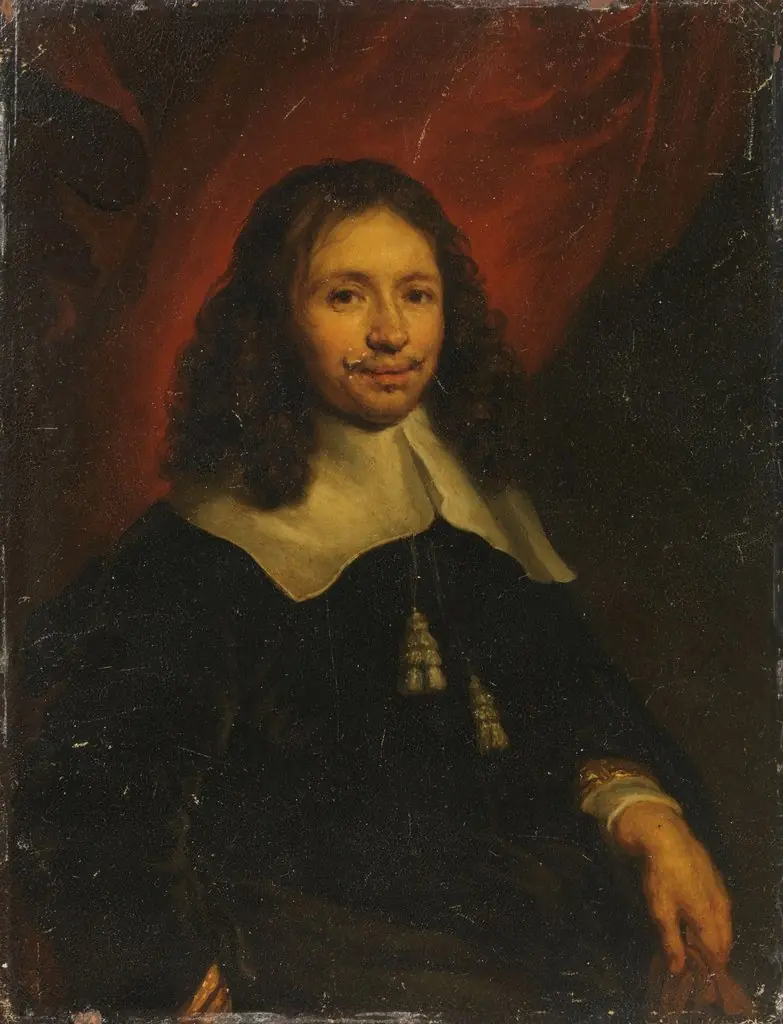
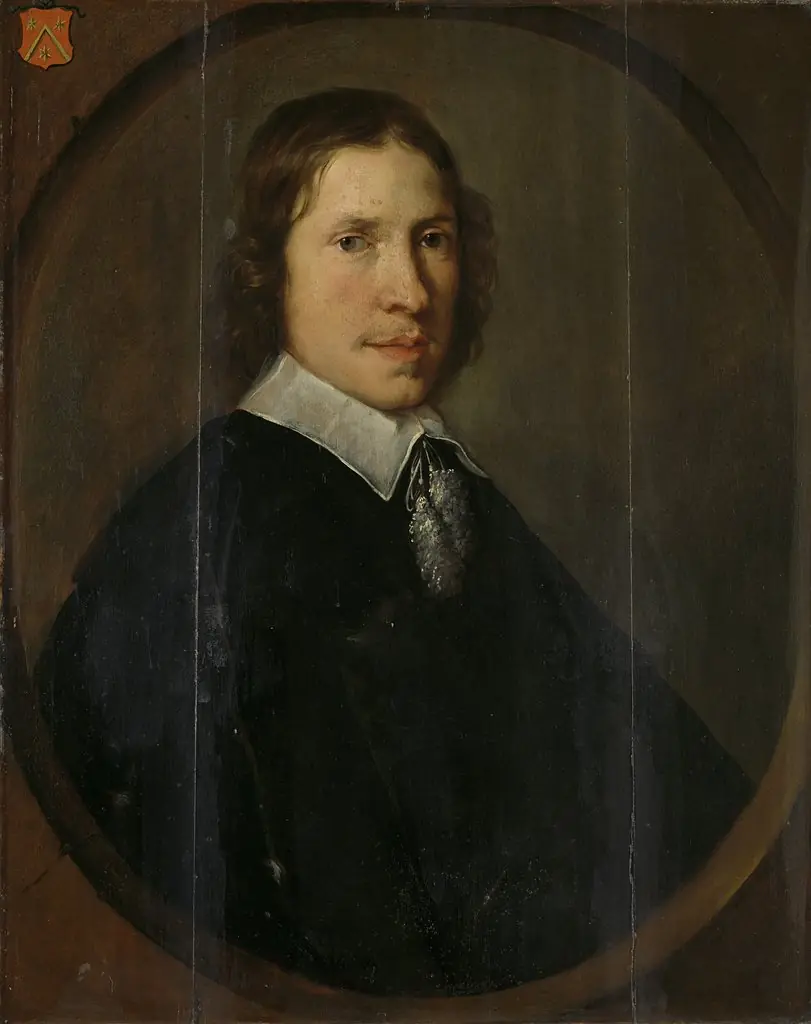
Portrait of a man, thought to be Salomon van Schoonhoven (1617-53), lord lieutenant of Putten
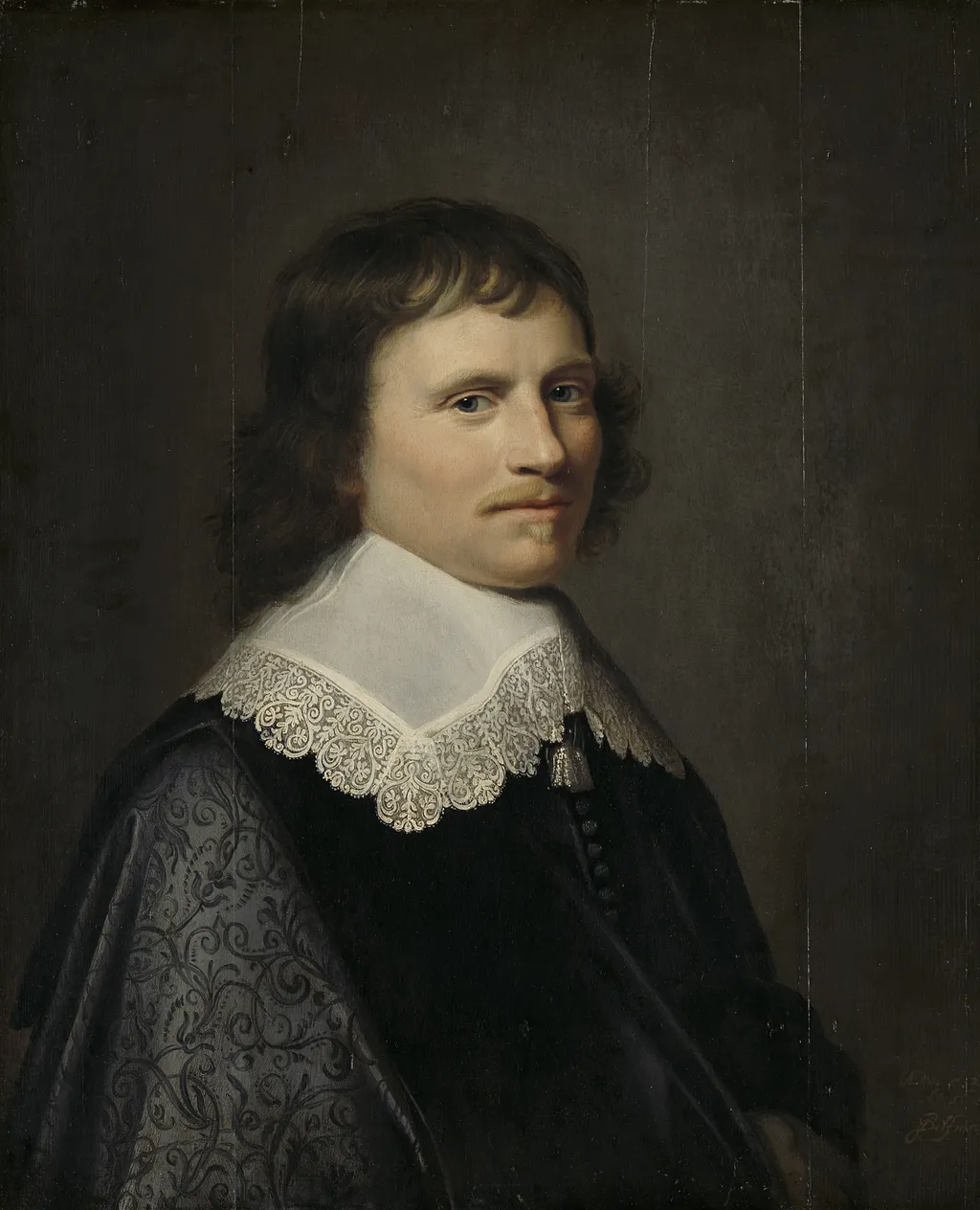
Portrait of a man, thought to be Salomon van Schoonhoven (1617-53), lord lieutenant of Putten is an oil painting by the Dutch Golden Age artist Jacob Willemsz Delff. It dates from 1643 and is held in the collection of the Rijksmuseum.
About this work
Subject & Meaning
His direct gaze and formal pose convey authority appropriate for a lord lieutenant of Putten, while the muted background emphasizes the subject’s prominence.
The painting shows a seated male sitter wearing 17th-century Dutch attire, holding an open book that symbolizes literacy and status. His direct gaze and formal pose convey authority appropriate for a lord lieutenant of Putten, while the muted background emphasizes the subject’s prominence. The work functions as both a personal record and a statement of civic identity within the Dutch Republic’s elite class.
Technique & Style
The portrait is executed in oil paint on panel, a support typical of mid-seventeenth-century Dutch portraiture. The painted surface measures 69.5 cm in height by 57.5 cm in width, producing a standard upright format suited to a half- or three-quarter-length sitter.
The work is classified as a portrait painting, and the medium is specified as oil paint, consistent with the layered, glazed handling characteristic of Jacob Willemsz Delff the Younger's practice in the 1640s. The panel support, rather than canvas, points to a smooth, fine-grained ground that would have allowed for tightly blended transitions and crisp detailing in the depiction of the man's features and attire.
History & Provenance
The portrait, executed in oil on panel, was created by Jacob Willemsz Delff the Younger in 1643. The work depicts a man identified as Salomon van Schoonhoven (1617–1653), who served as the lord lieutenant of Putten. While the specific commissioning details and original ownership chain are not documented in the available records, the painting has entered the collection of the Rijksmuseum. The artwork measures 69.5 cm in height and 57.5 cm in width.
The painting is held in the collection of the Rijksmuseum in Amsterdam. According to the available records, the work was created on January 1, 1643, and is executed in oil paint on a panel measuring 69.5 cm in height and 57.5 cm in width. While the source confirms the museum's ownership and the artwork's physical dimensions, no specific inventory or accession number is provided in the referenced material.
Furthermore, the available documentation does not list any exhibition history for this portrait of a man thought to be Salomon van Schoonhoven.
Legacy
The portrait was attributed to Jacob Willemsz Delff the Younger and painted in 1643, reflecting the portraiture style of the Dutch Golden Age. Its depiction of a prominent civic figure from Putten contributed to its preservation in the Rijksmuseum collection, where it remains accessible for study and appreciation. The work's attribution to Delff, a noted portraitist, supports its scholarly recognition within Dutch art history.
Overview
Created in 1643, this oil portrait is attributed to Jacob Willemsz Delff the Younger. It presents a seated gentleman against a dark backdrop, his face illuminated by a focused light source. The work resides in the Rijksmuseum’s collection, where it is identified as a portrait of Salomon van Schoonhoven (1617‑1853), the lord lieutenant of Putten.
Context
In the mid‑17th century, portraiture served both as a record of personal status and as a visual assertion of civic authority. The depiction of a provincial lord lieutenant aligns with contemporary practices of commemorating local leaders through formal, restrained compositions that emphasized dignity over ornamentation.
Own this work as a print
Artist & collection

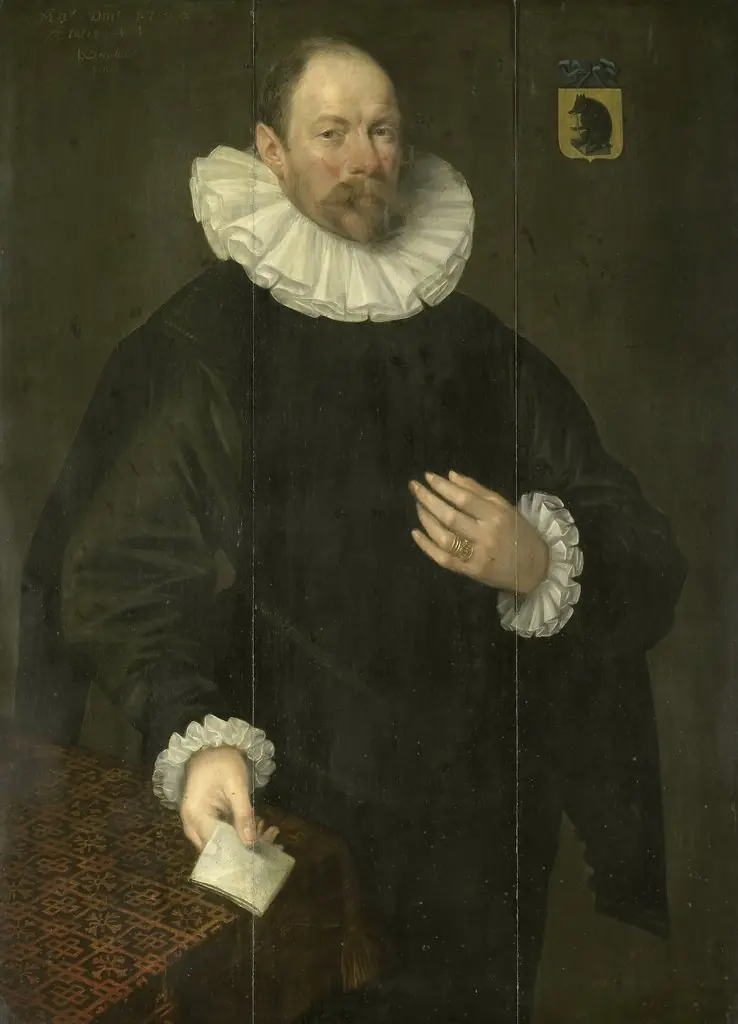
 Dionijs Wijnands (1628-73). Amsterdam merchant
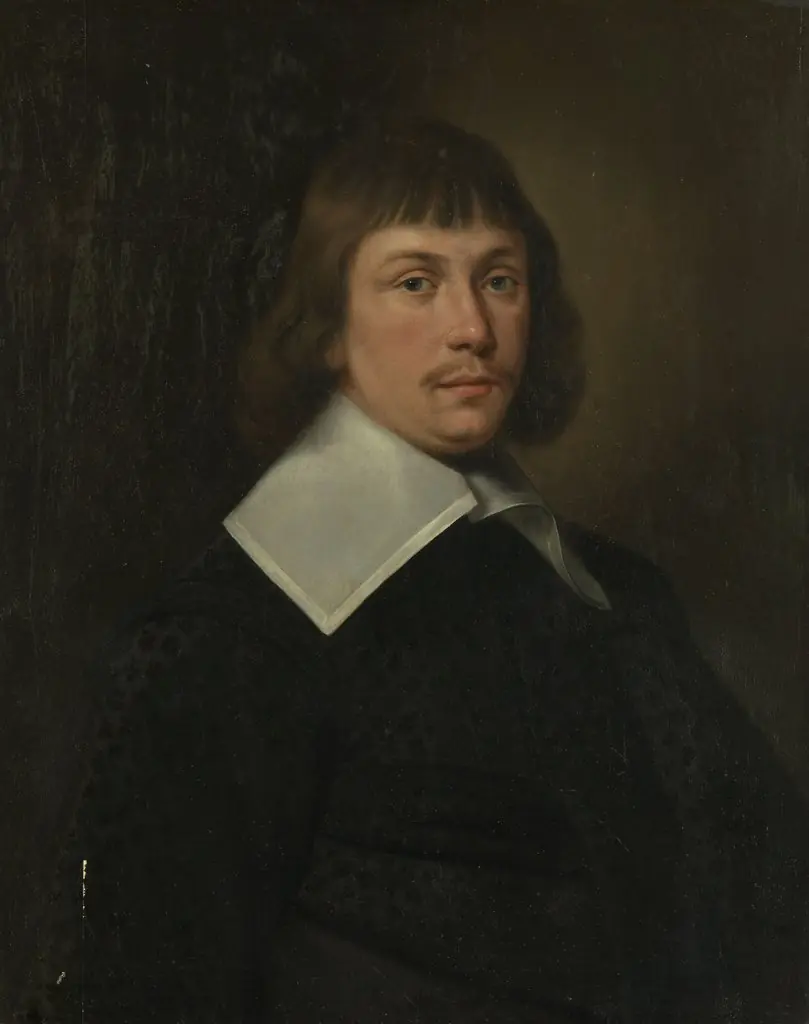 Portrait of a man
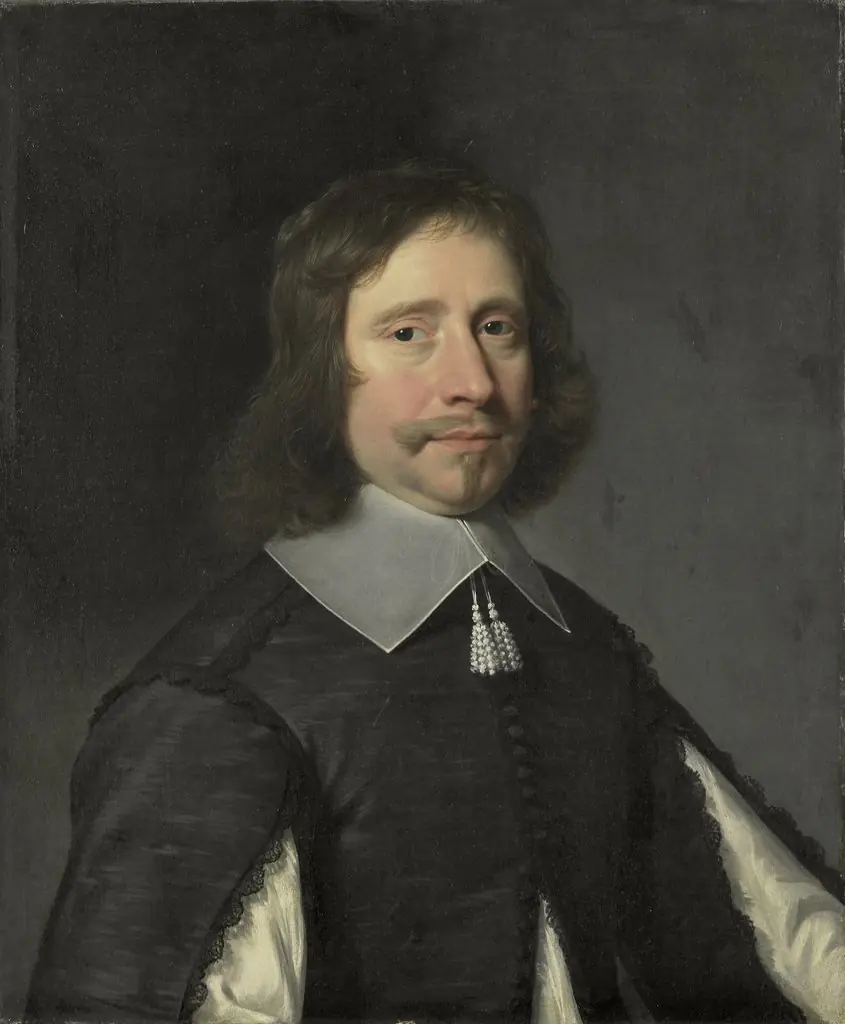 Portrait of a man, perhaps Philippe de la Trémoïlle (1596-?), count of Olonne
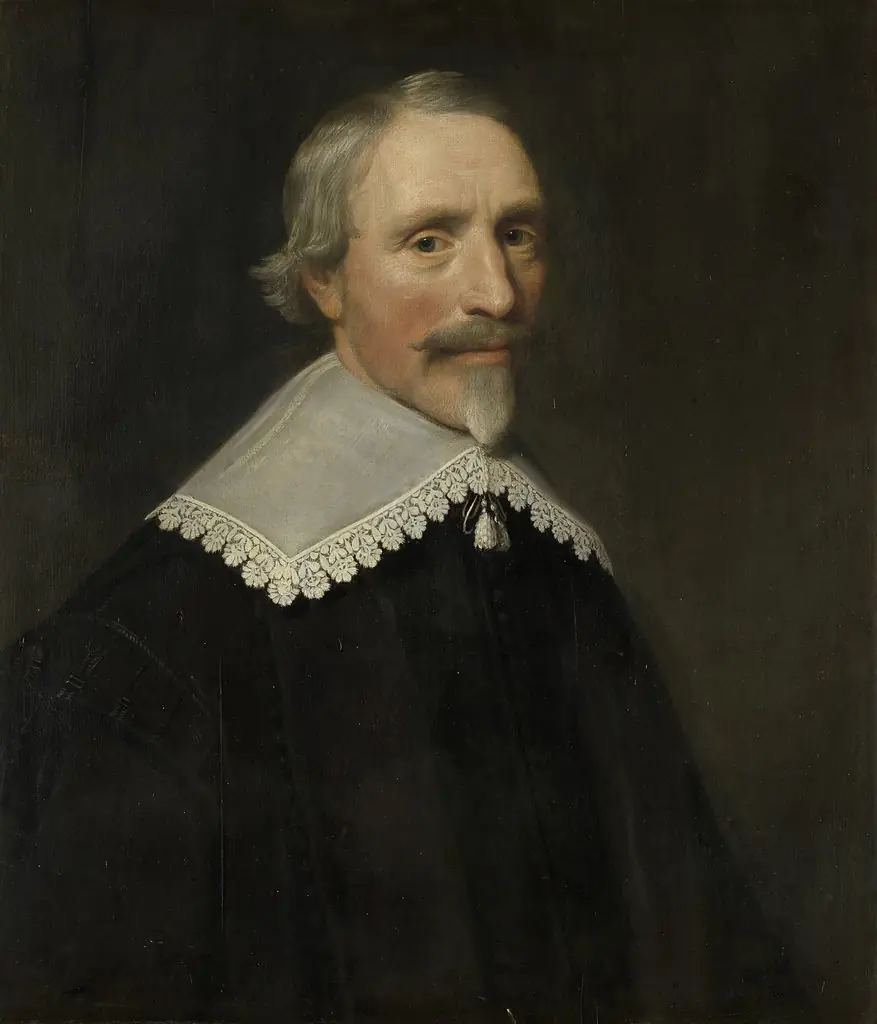 Portrait of Jacob Cats (1577-1660)
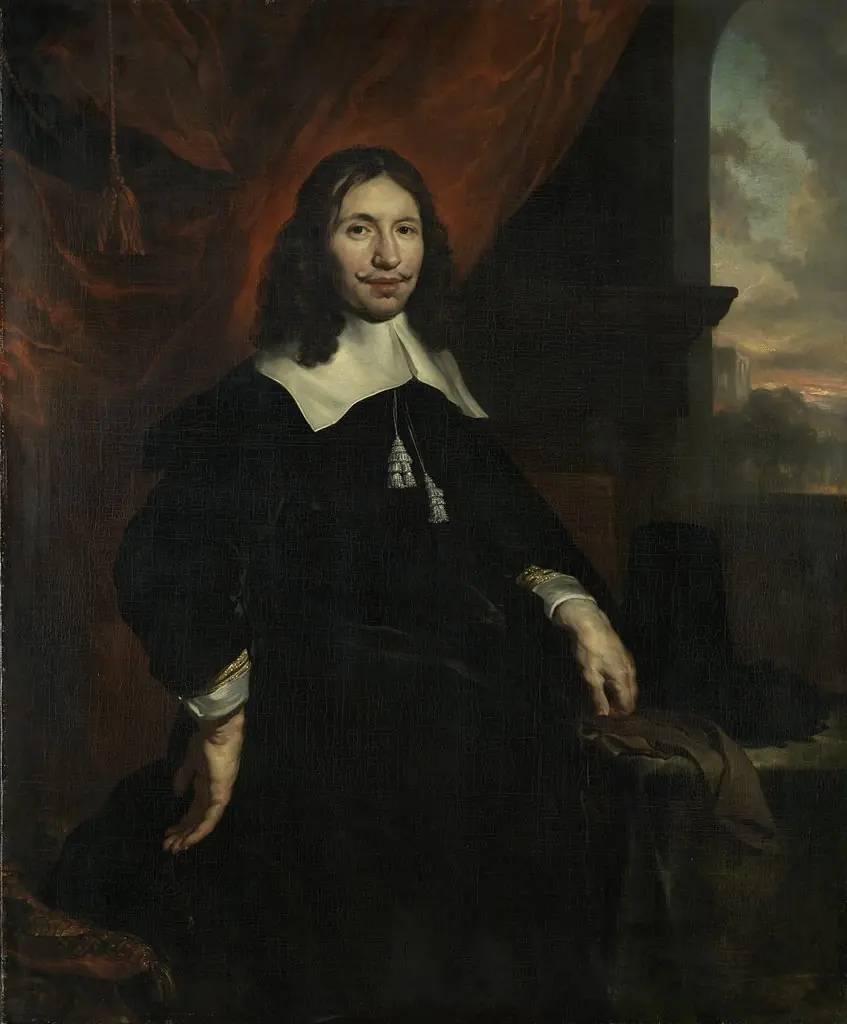 Dionijs Wijnands (1628-73). Amsterdam merchant, son of Hendrick Wijnands and Aeltje Denijs
 François Leydecker (1626-88). Burgomaster of Tholen
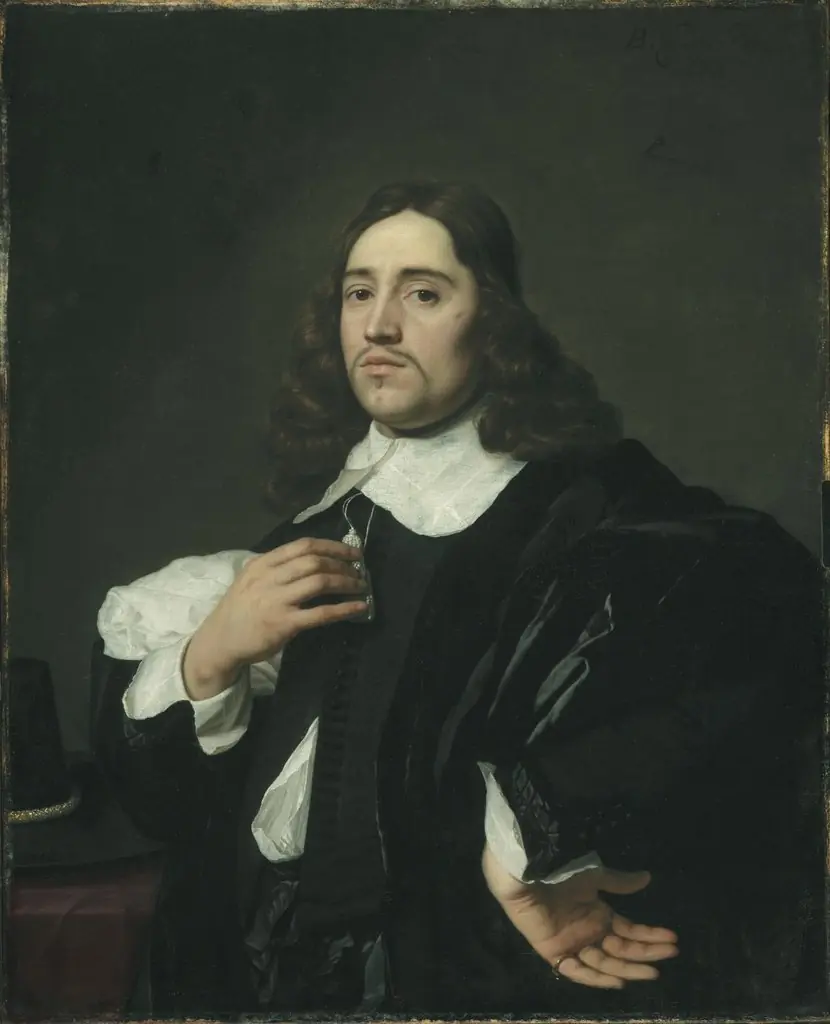 Portrait of a Gentleman (hand on hip)
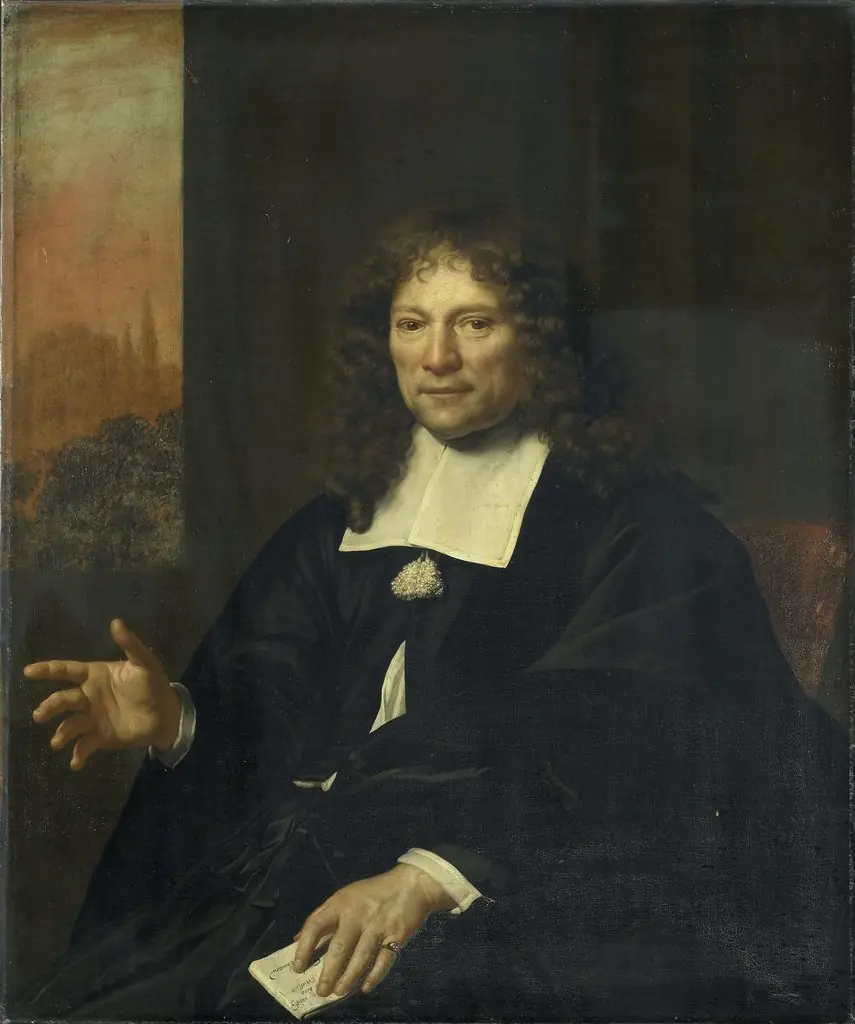 Portrait of Daniel Nellius, elder of the Remonstrant church and sampling official of Alkmaar
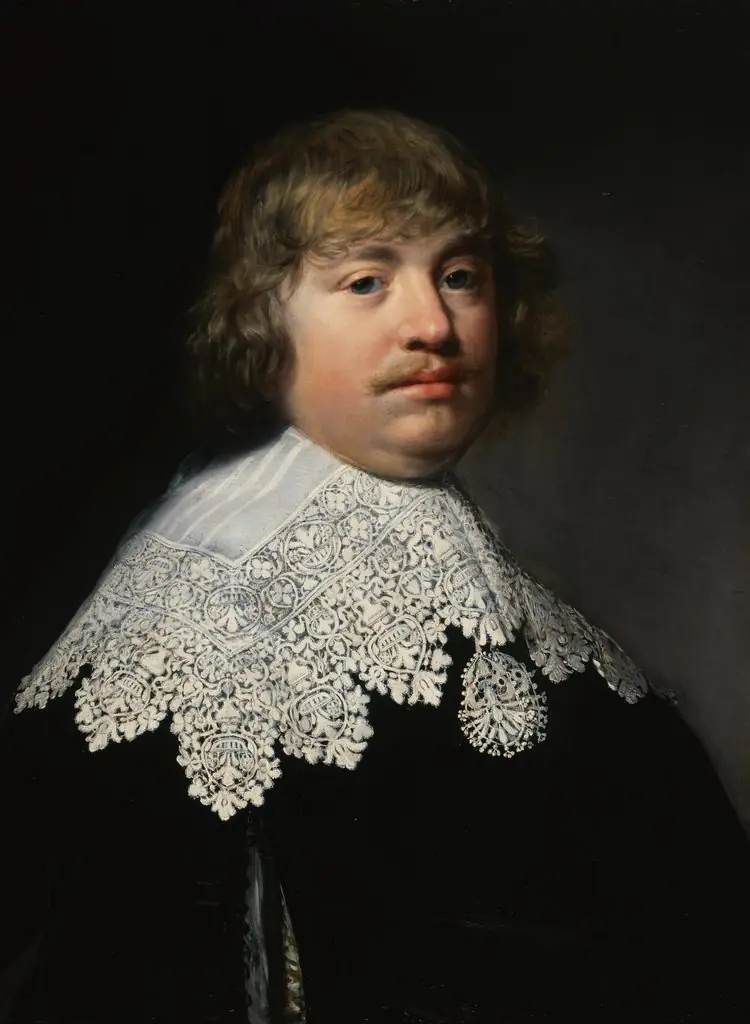 Portrait of Reinier Pauw (1612-1652)