Artwork
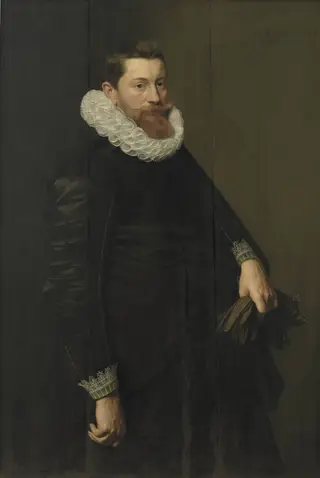
Portrait of a Man
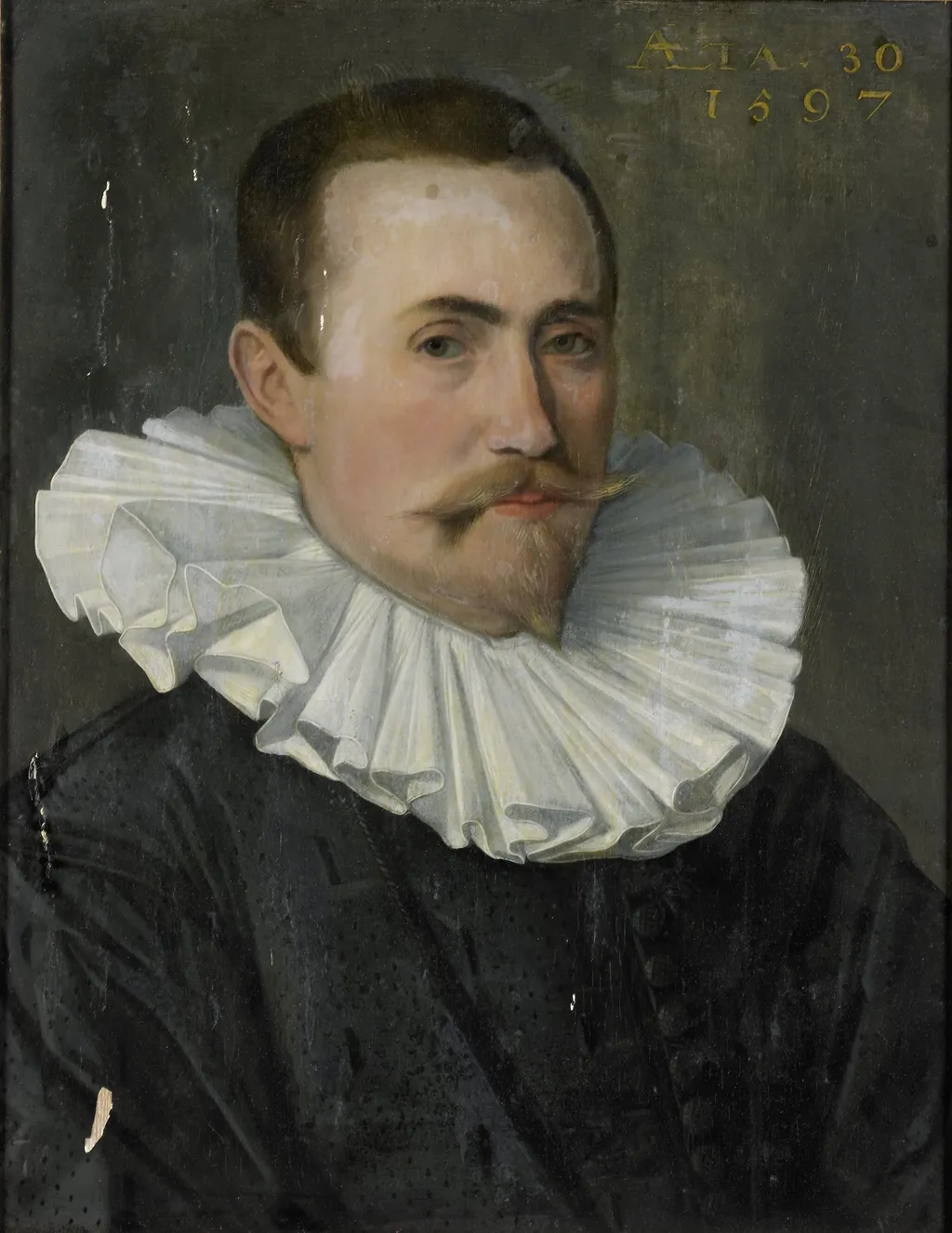
Portrait of a Man is an oil painting. It dates from 1599 and is held in the collection of the Rijksmuseum. The work is an oil-painted portrait that centers on a single male figure.
About this work
Technique & Style
Created in 1597, this portrait is executed in oil paint on a wooden panel. The work measures 52 cm in height and 41 cm in width. Originating from Holland, the painting depicts a male subject in a format consistent with portraiture of the period.
The piece is currently held within the collection of the Lambert van Meerten Museum, part of the Rijksmuseum.
History & Provenance
It originates from Holland and portrays an unidentified man, reflecting typical Dutch portraiture of the late 16th century.
The work titled Portrait of a Man was created in 1597 as an oil painting on panel. It originates from Holland and portrays an unidentified man, reflecting typical Dutch portraiture of the late 16th century. The piece entered the collection of the Rijksmuseum and the Lambert van Meerten Museum, institutions that now jointly hold the work within their respective collections. Its creation is linked to the artistic output of the period, as recorded in contemporary documentation.
Portrait of a Man is an oil on panel portrait created in 1597 in Holland. It measures 52 cm by 41 cm and depicts a man. The work is part of the collections of the Rijksmuseum and the Lambert van Meerten Museum. It has been exhibited at the Rijksmuseum in Amsterdam.
The painting was accessioned under the inventory numbers of both institutions and has appeared in exhibitions highlighting Dutch portraiture from the late 16th century.
Overview
The work is an oil-painted portrait that centers on a single male figure. He is presented against a subdued background that recedes, allowing the viewer’s attention to rest on his face and upper attire. The composition is straightforward, with the subject occupying the majority of the canvas and his expression rendered in a restrained manner.
Subject & Meaning
The sitter is depicted wearing dark garments complemented by a ruffled collar, a fashion element that conveys a degree of refinement. His facial expression is subtle, neither overtly emotive nor entirely neutral, suggesting a private or contemplative demeanor rather than a narrative scene.
Context
While the artist and precise date are not specified, the combination of a dark wardrobe, ruffled collar, and restrained background aligns with conventions of European portraiture from the late Renaissance through the early Baroque, when oil was the dominant medium for rendering individual likenesses.
Artist & collection

- Portrait of a Man
 Portrait of a Man
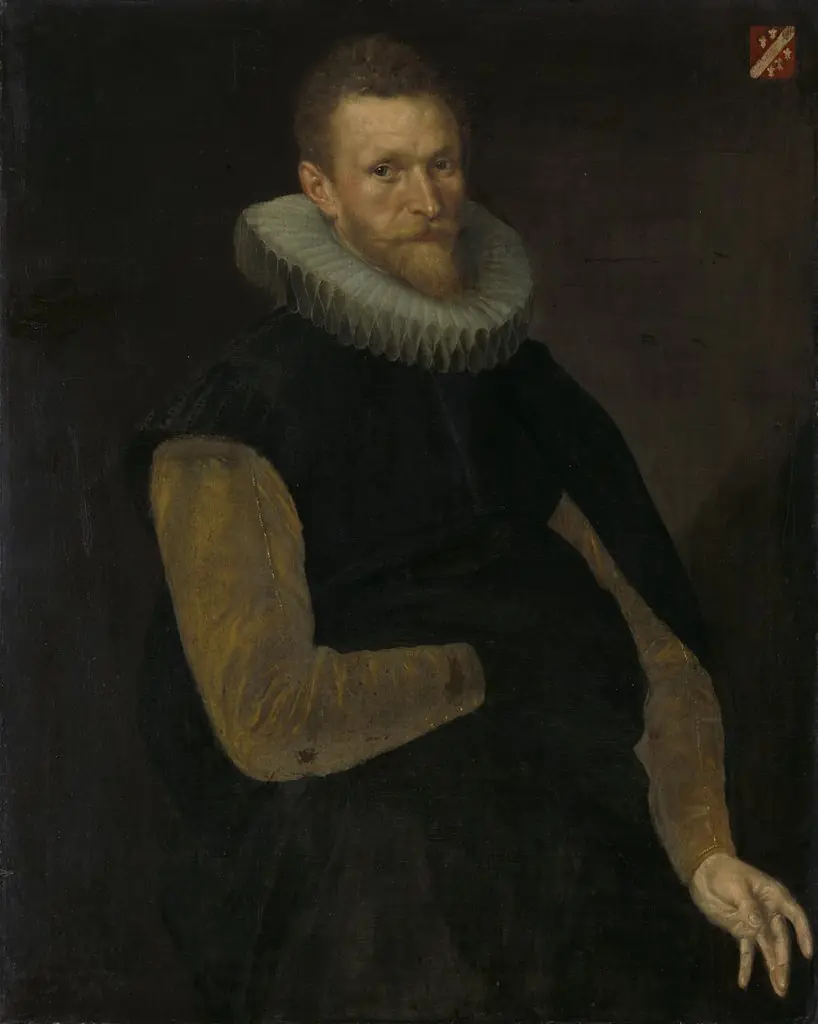 Portrait of Jacob Cornelisz Banjaert, called van Neck (1564-1638). Admiral & mayor of Amsterdam
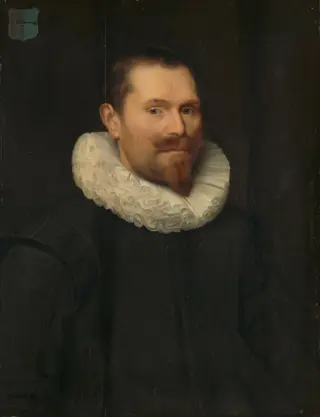 Portrait of a man
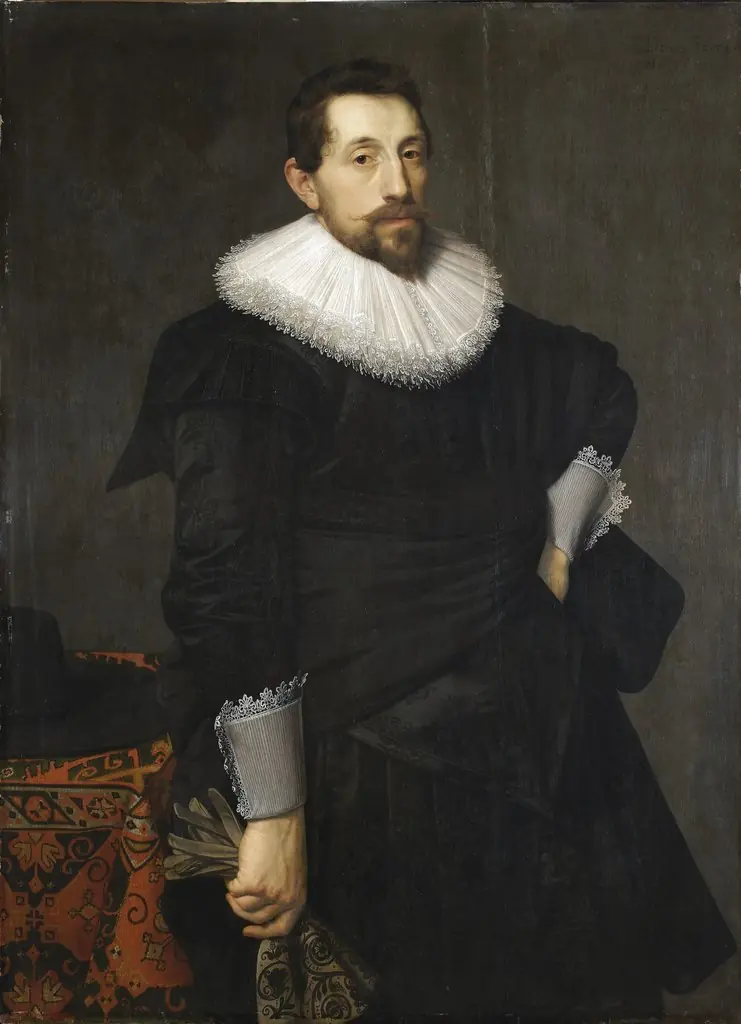 Portrait of a Man with Gloves
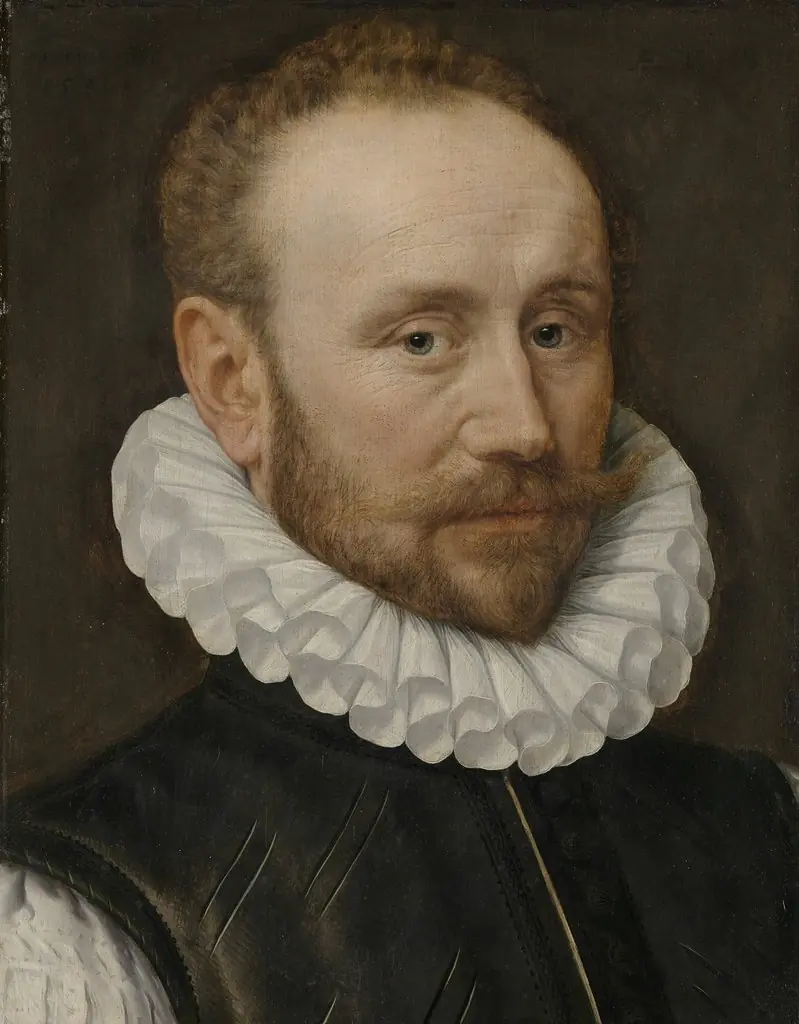 Portrait of a Man
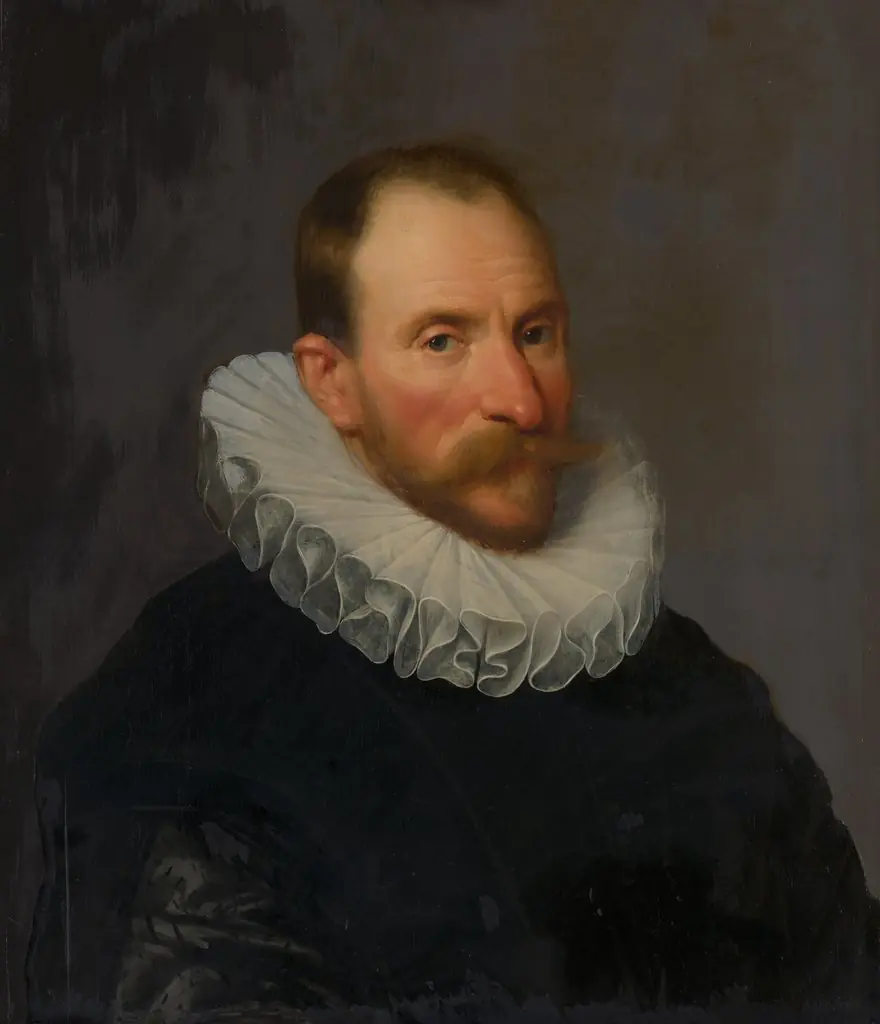 Portrait of Cornelis van Aerssen (1545-1627)
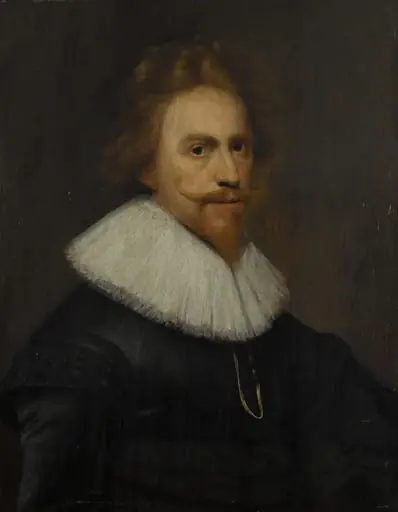 Self-Portrait
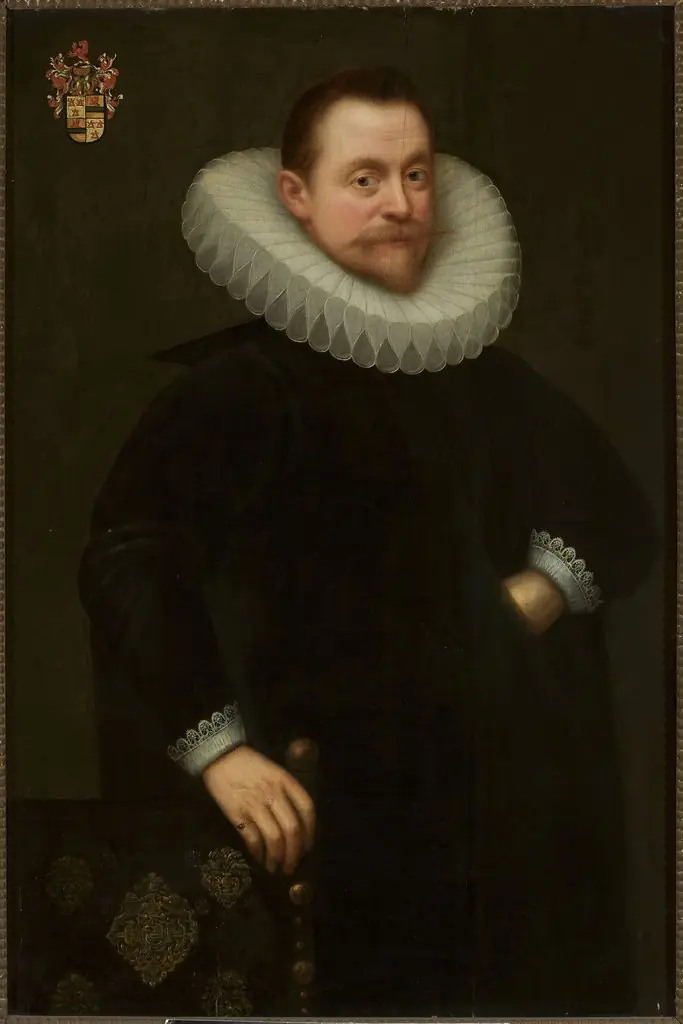 Portrait of Jacques du Mont
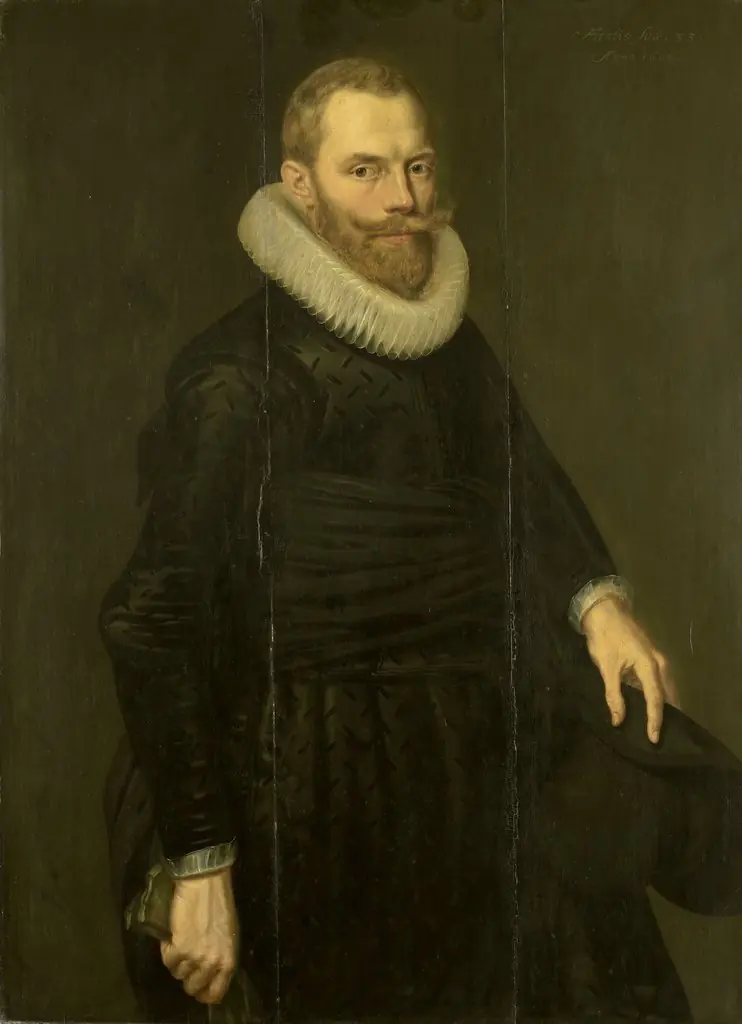 Portrait of Dirck Hasselaer (1581-1645)
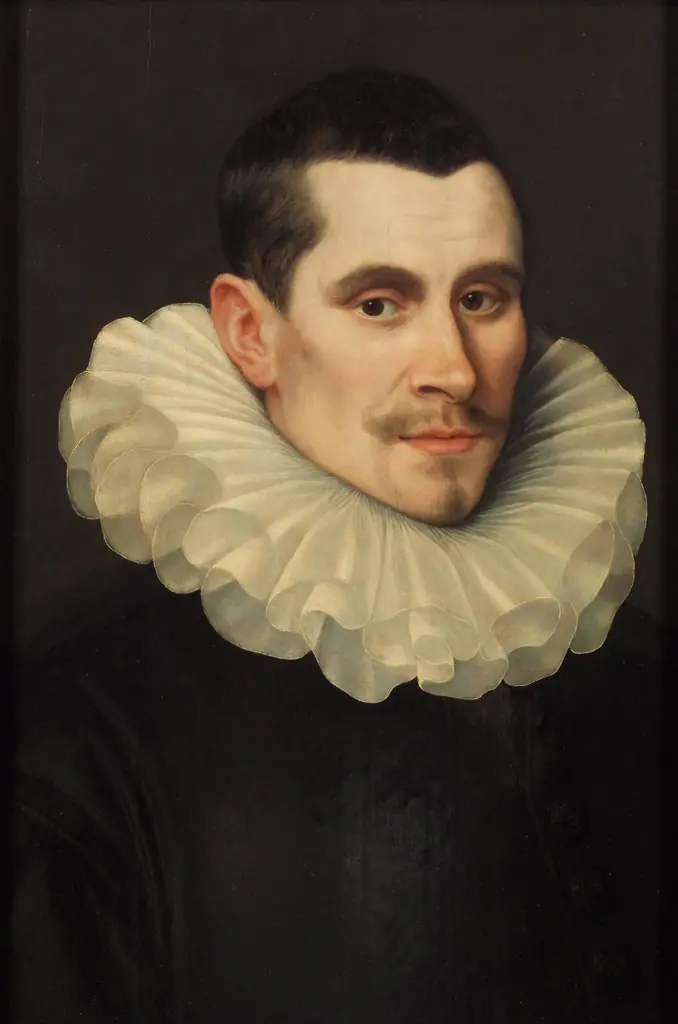 Male Portrait
 Portrait of a Gentleman