Artwork
Self-Portrait
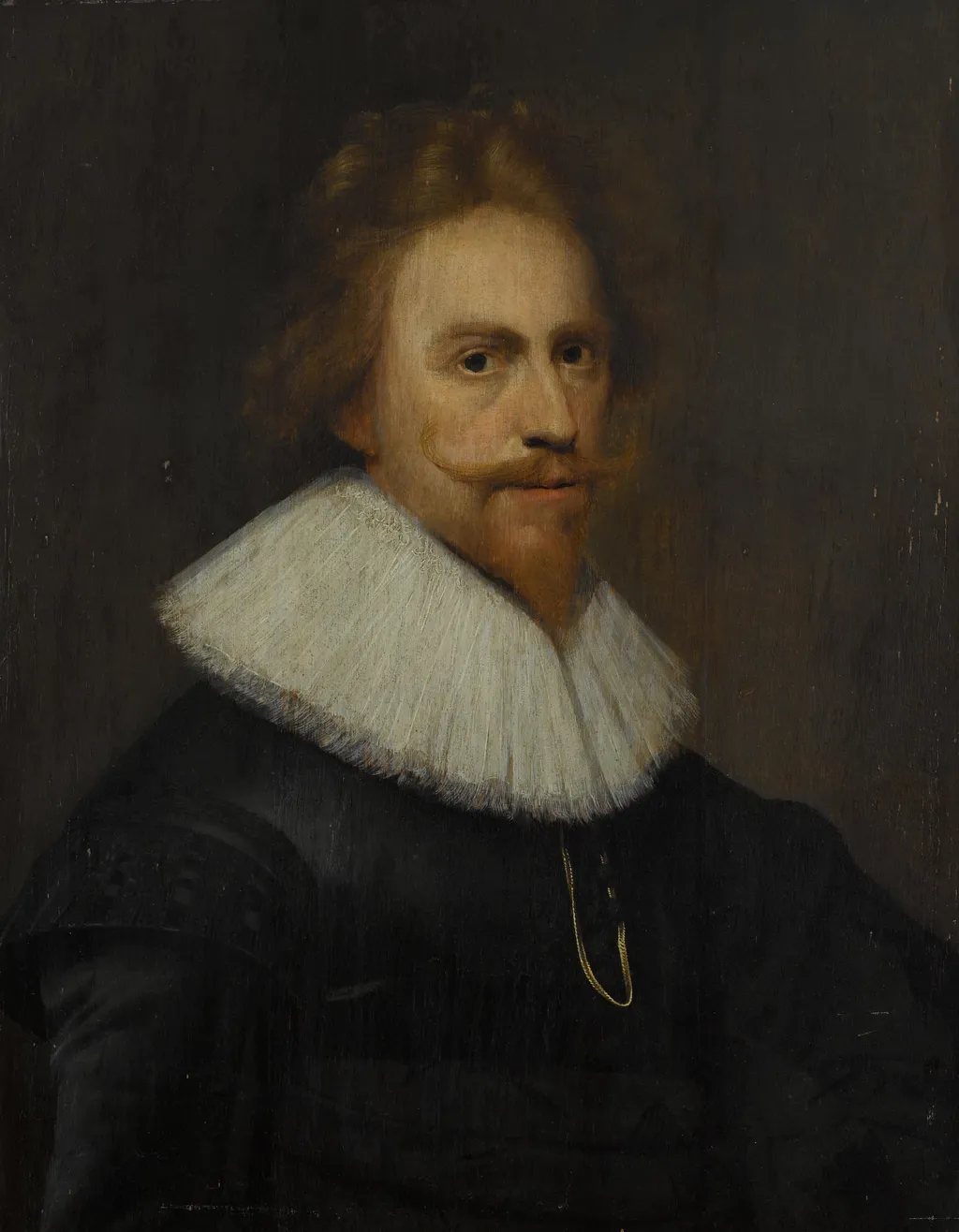
Self-Portrait is an unspecified painting by the Baroque artist Wybrand de Geest. It dates from 1629 and is held in the collection of the Rijksmuseum. The work is a portrait of a young man rendered in oil, showing a bust turned toward the right.
About this work
History & Provenance
Wybrand de Geest's 1629 Self-Portrait is held by the Fries Museum in Leeuwarden. The oil on panel work carries the inventory or accession context of its host institution. The museum is also scheduled to host a major exhibition on the artist's life and work from September 6, 2025, through March 1, 2026.
Context
His work reflects a synthesis of Italian influences and local aristocratic demands, stylistically comparable to Dirck Santvoort and Paulus Moreelse.
Wybrand de Geest is recognized as the preeminent portrait painter of Friesland during the Dutch Golden Age, operating within the Baroque movement. His artistic development was shaped by early training under his father, a stained-glass worker, and formal study with Abraham Bloemaert, followed by a Grand Tour of France and Italy between 1614 and 1618. During his time in Rome, he joined the Bentvueghels circle, earning the nickname 'De Friesche Adelaar' (the Frisian Eagle).
De Geest's historical significance is anchored in his role as the official portraitist for the Frisian branch of the House of Nassau, where he pioneered full-length state portraits in the northern Netherlands. His work reflects a synthesis of Italian influences and local aristocratic demands, stylistically comparable to Dirck Santvoort and Paulus Moreelse. The artist maintained notable connections with contemporaries, hosting Rembrandt in 1634 and influencing the style of Jacob Adriaensz.
Backer. His legacy persisted through his pupils, including Jan Jansz. de Stomme and Jacob Potma, and his family, with many works preserved in the Fries Museum.
Overview
The work is a portrait of a young man rendered in oil, showing a bust turned toward the right. He wears a gold chain around his neck, and his collar is left open, exposing the neckline. The composition places the sitter’s gaze directly at the viewer, with half of his face illuminated and the other half in shadow.
Subject & Meaning
The sitter’s identity remains unknown; the portrait may have functioned as a personal or studio piece. The gold chain, a common prop in artists’ studios, could signal status or serve as a decorative element within the composition.
Technique & Style
The painting exhibits loose, expressive brushwork that captures the texture of skin and fabric. A pronounced chiaroscuro effect models the face, using strong contrasts of light and dark to give the portrait a sense of immediacy and three‑dimensionality.
Own this work as a print
Artist & collection


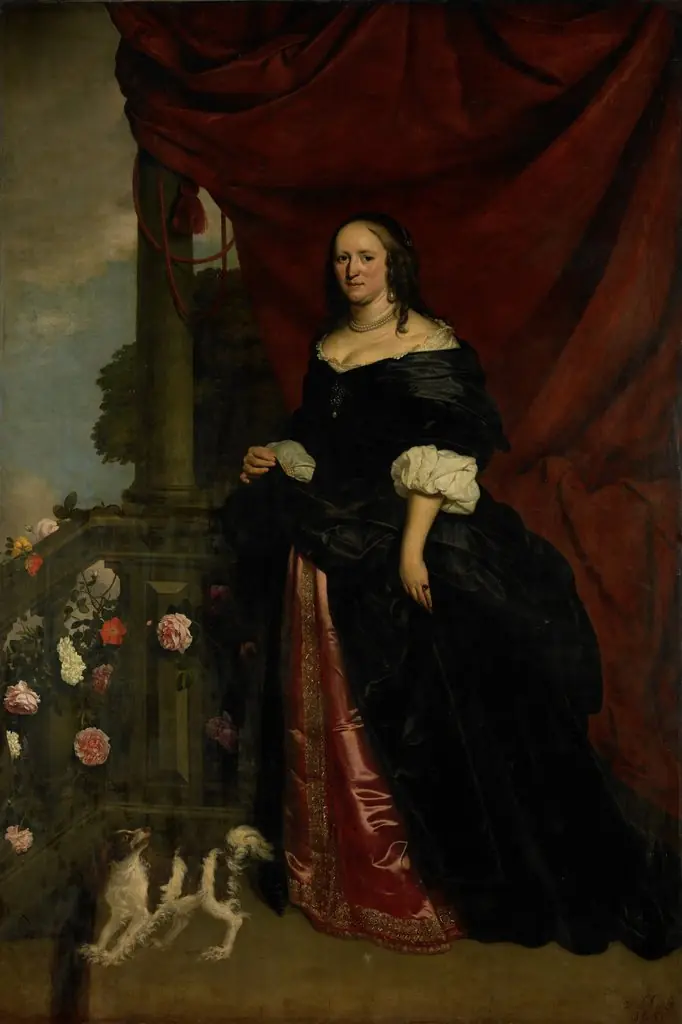 Portrait of a woman, probably Sophia Anna van Pipenpoy (c. 1618-70), Countess of Schellart
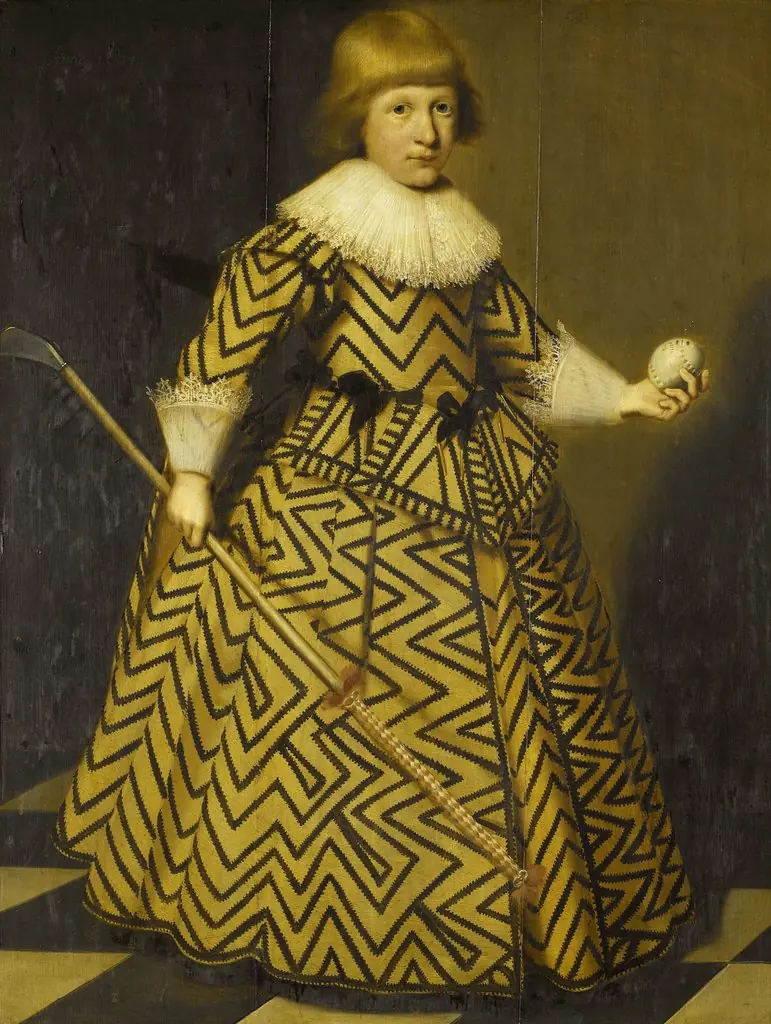 Portrait of a boy with a kolf club
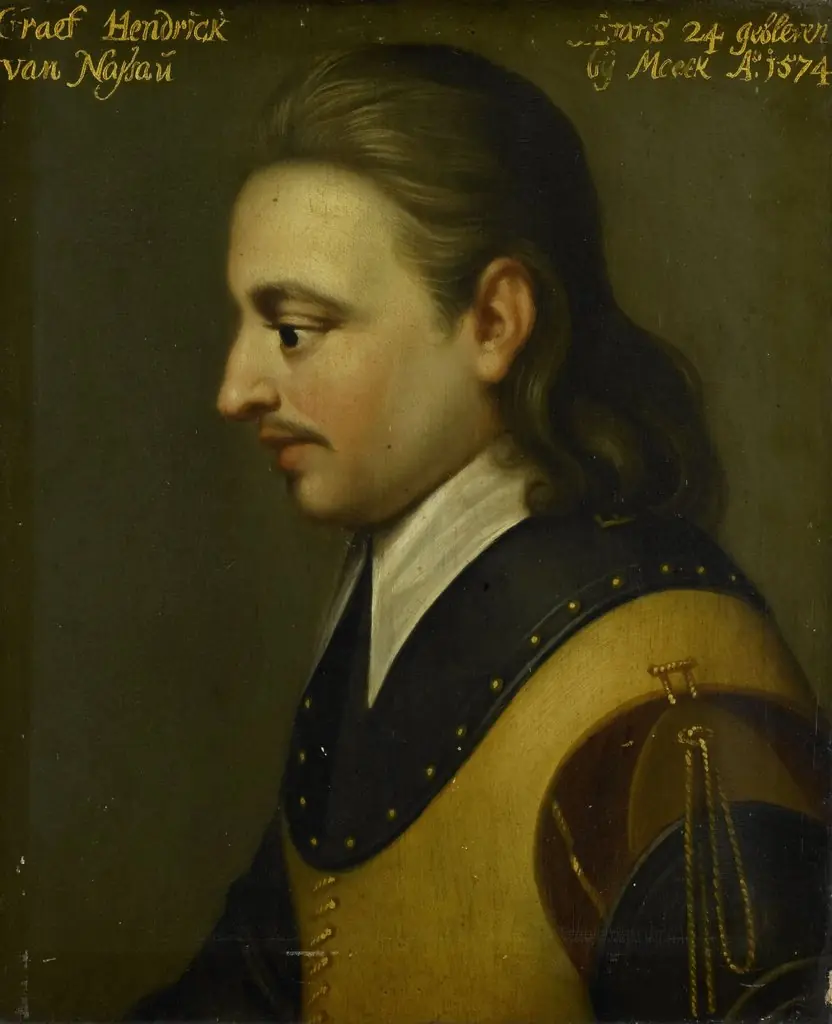 Portrait of Hendrik (1550-74), Count of Nassau
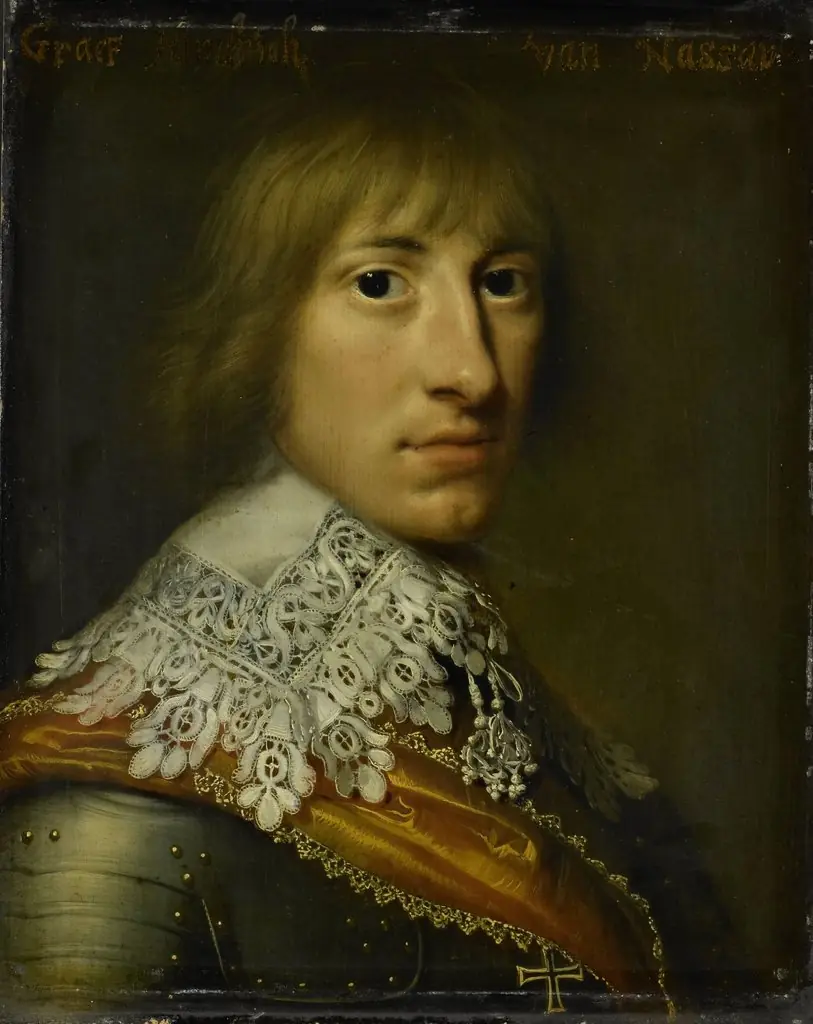 Portrait of Hendrik Casimir I (1612-40), Count of Nassau-Dietz
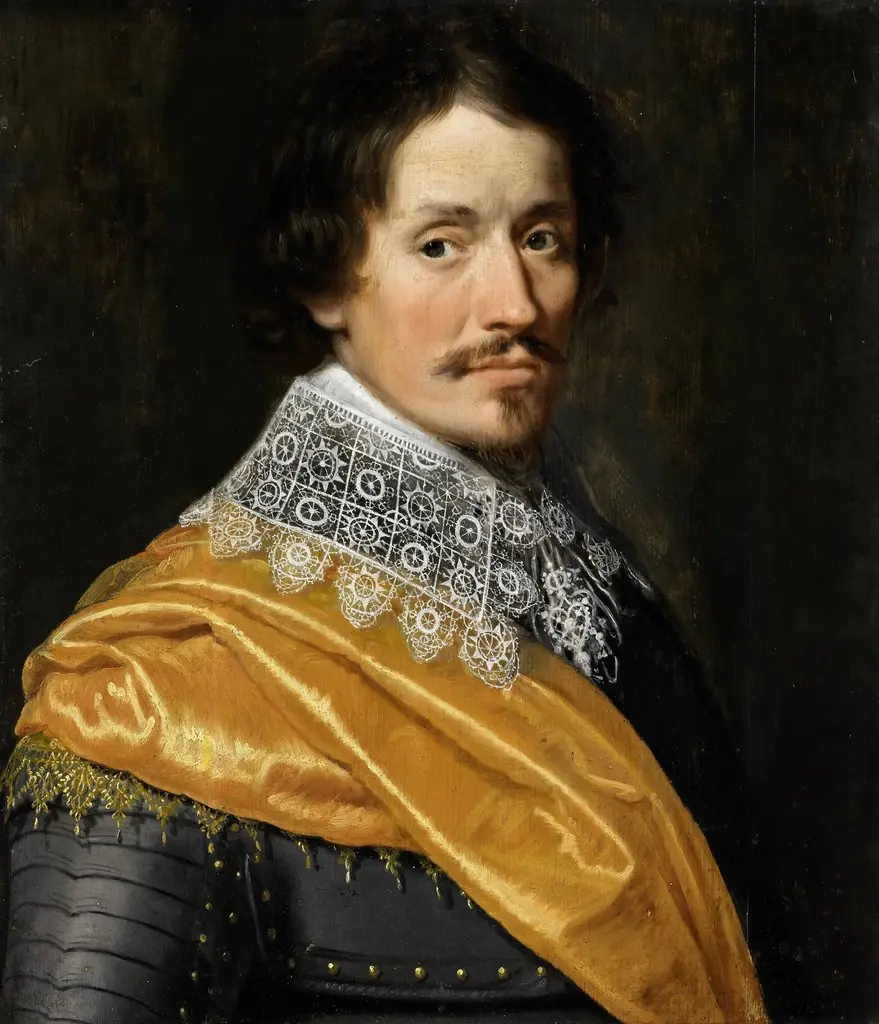 Portrait of an officer
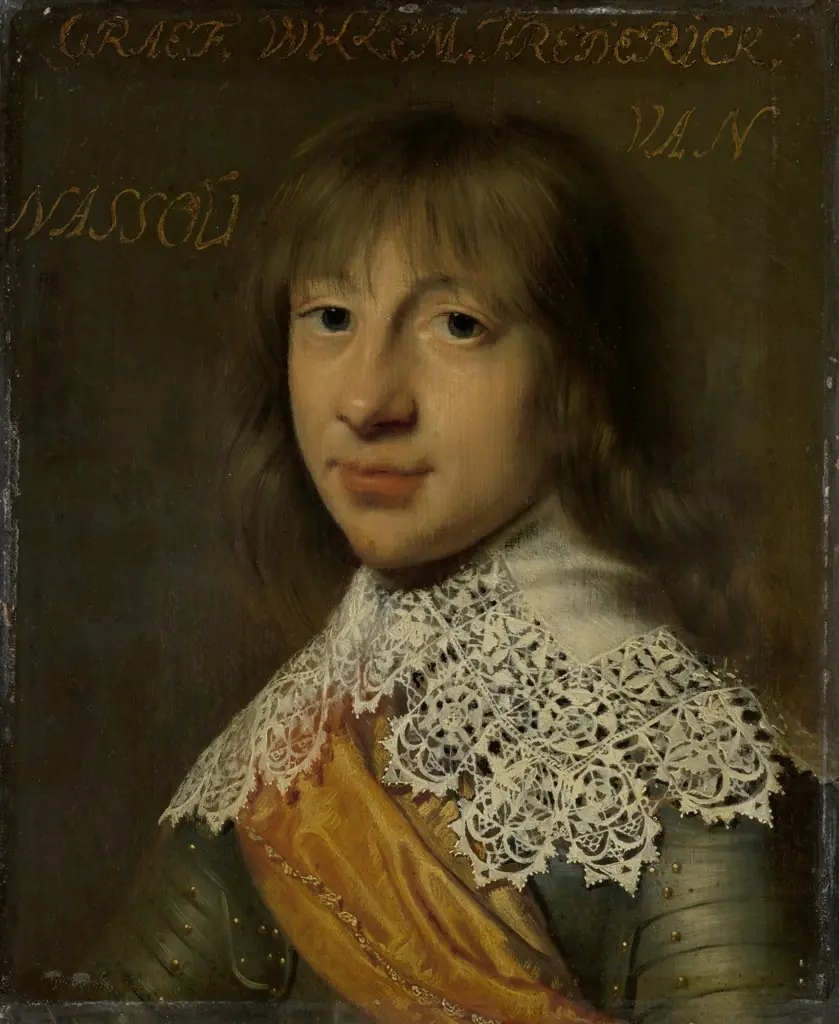 Portrait of Willem Frederik (1613-64), Count of Nassau-Dietz
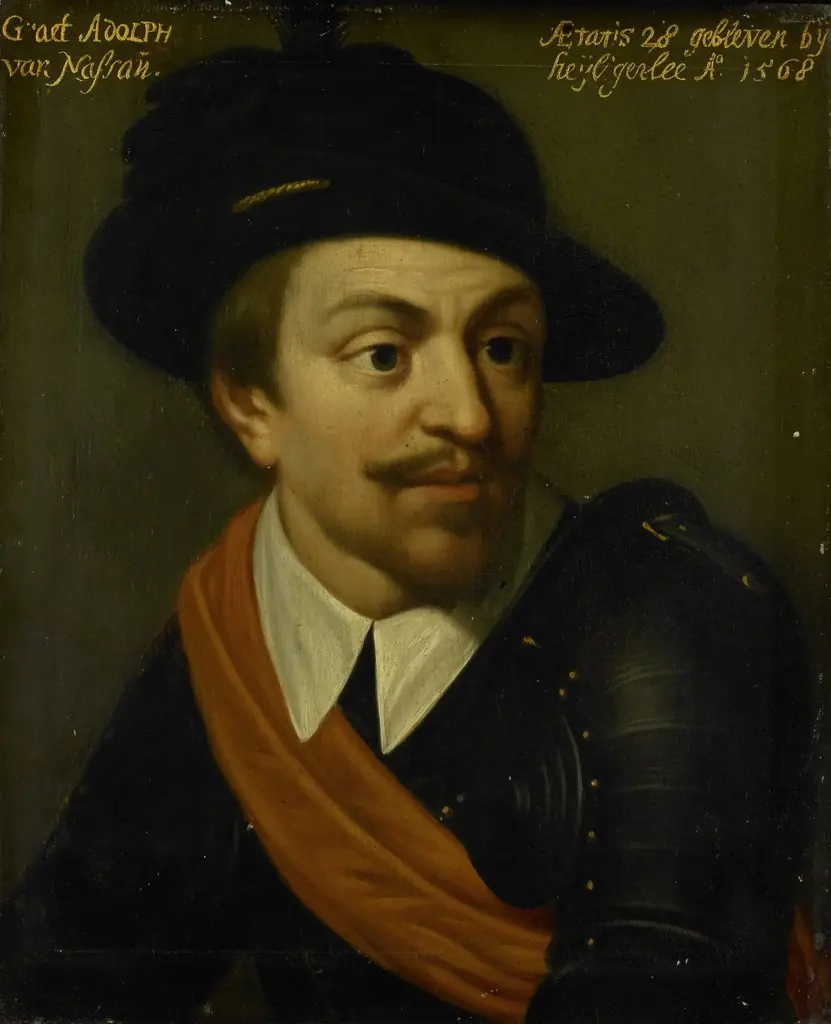 Portrait of Adolf (1540-68), Count of Nassau
- Portrait of a man
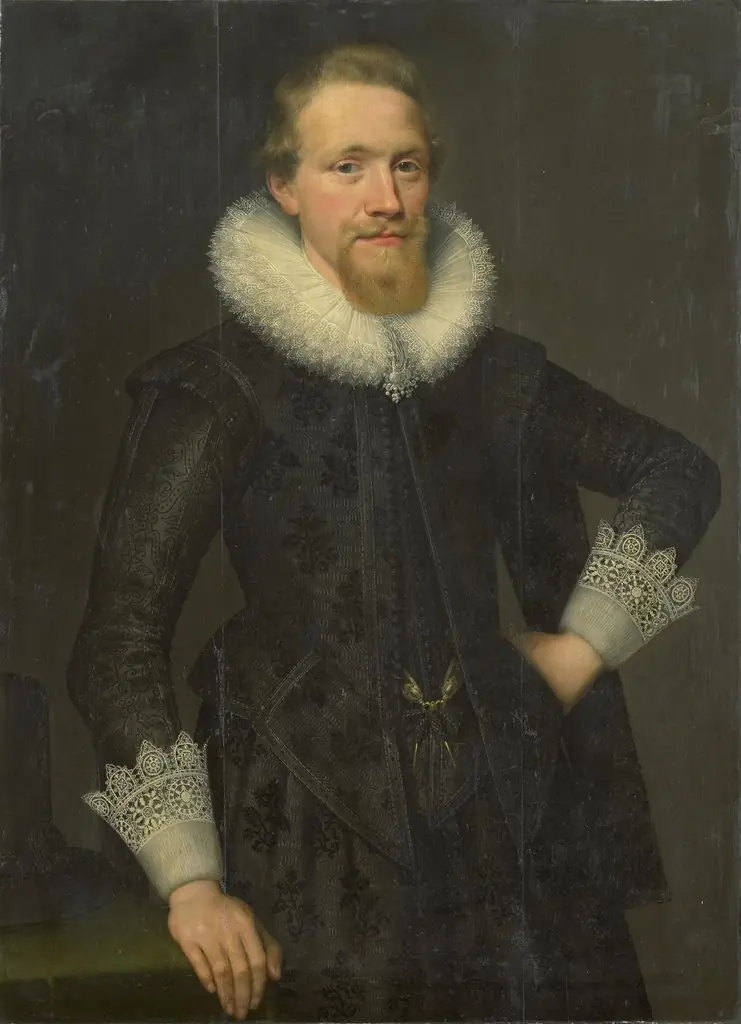 Portrait of Jacob Pergens (?-1681)
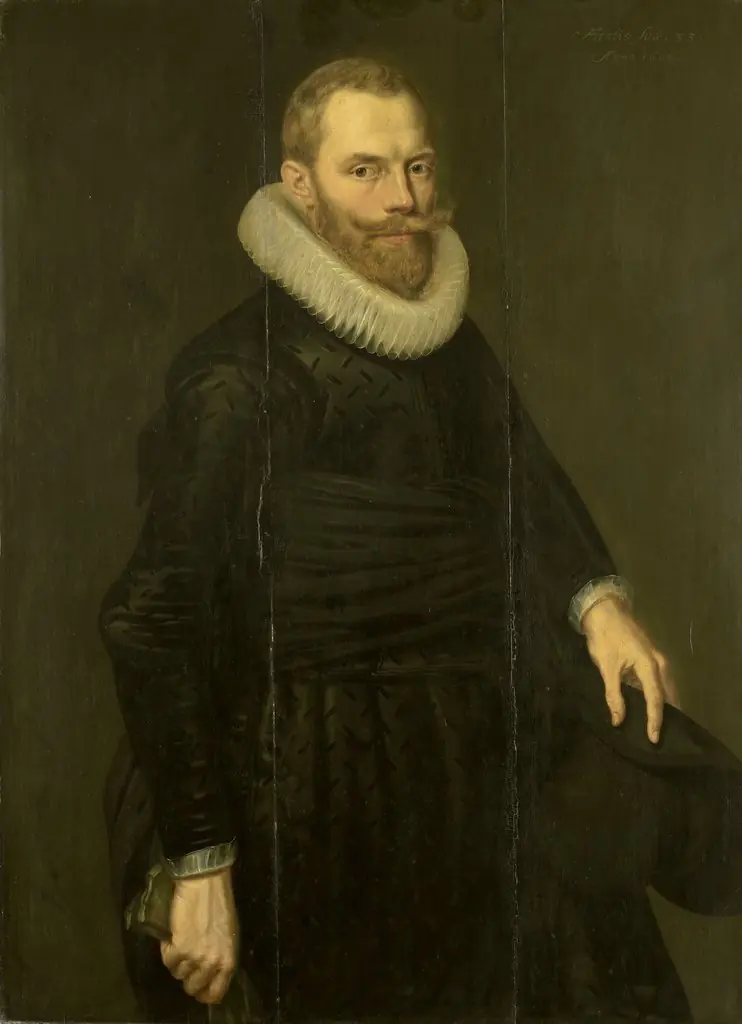 Portrait of Dirck Hasselaer (1581-1645)
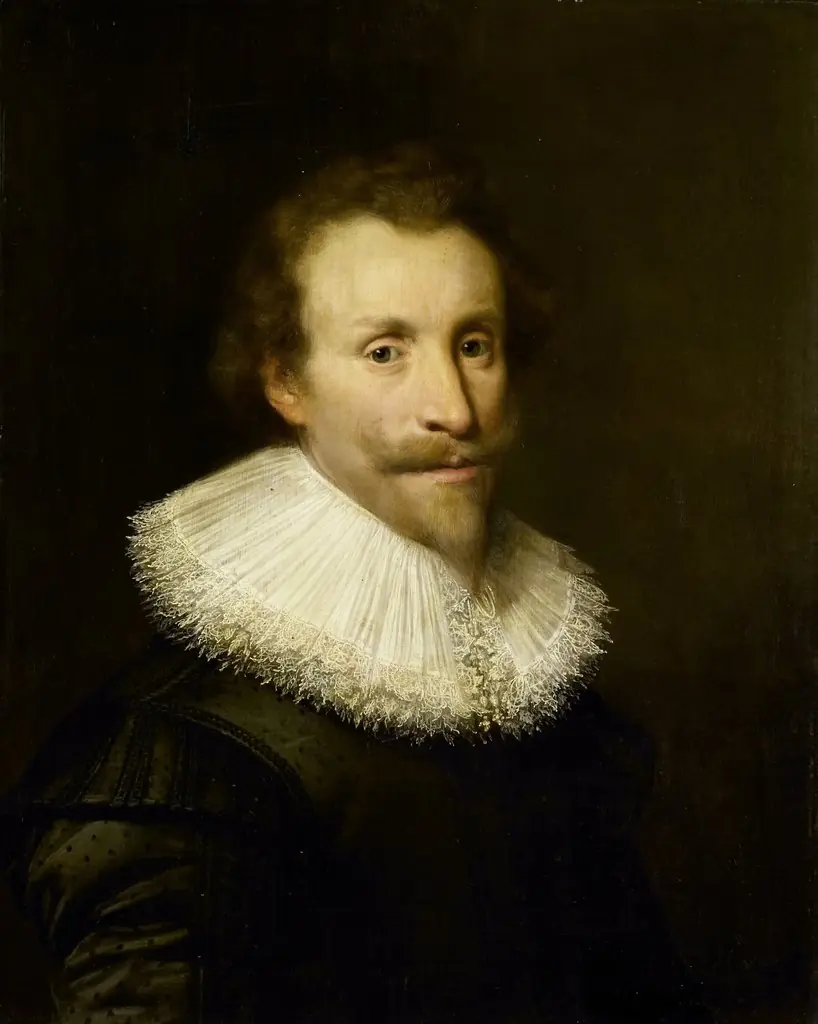 Portrait of a man
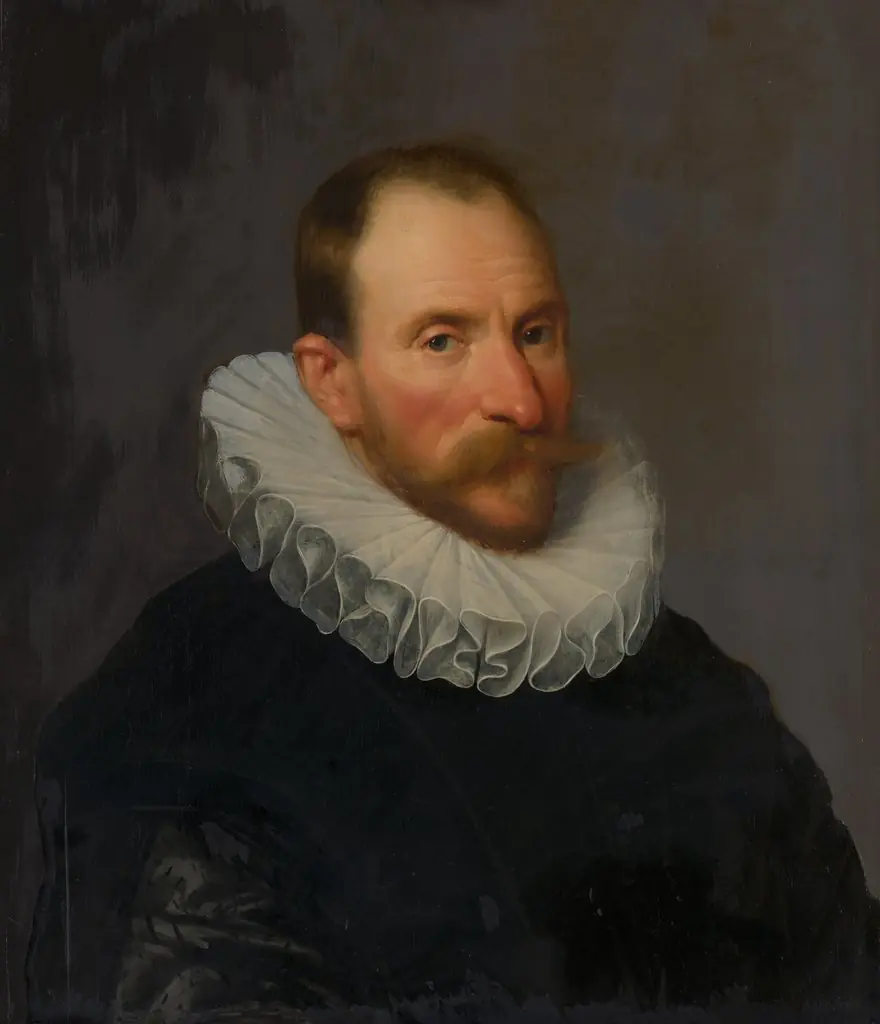 Portrait of Cornelis van Aerssen (1545-1627)
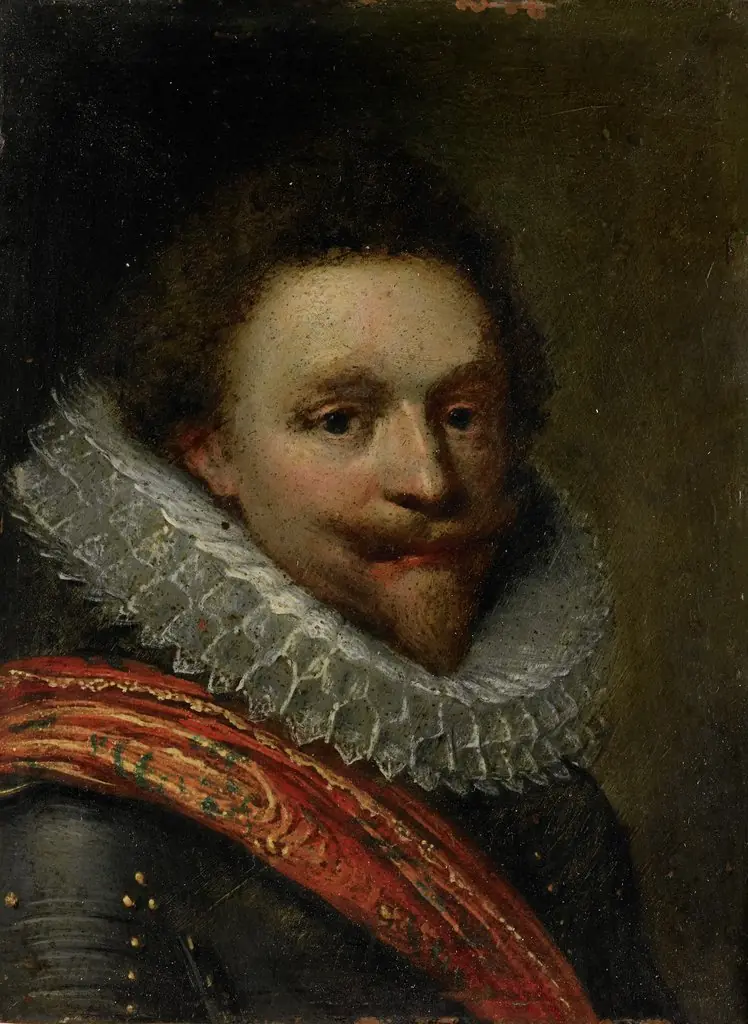 Portrait of Frederik Hendrik (1584-1647), Prince of Orange
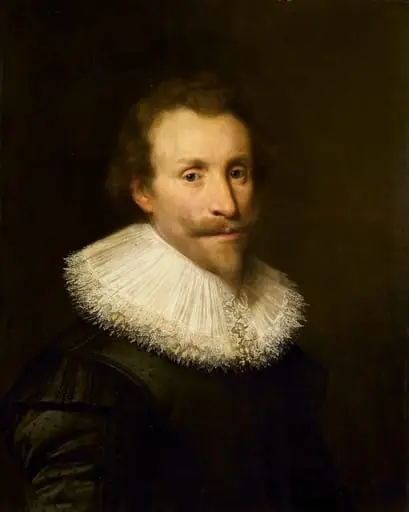 Untitled
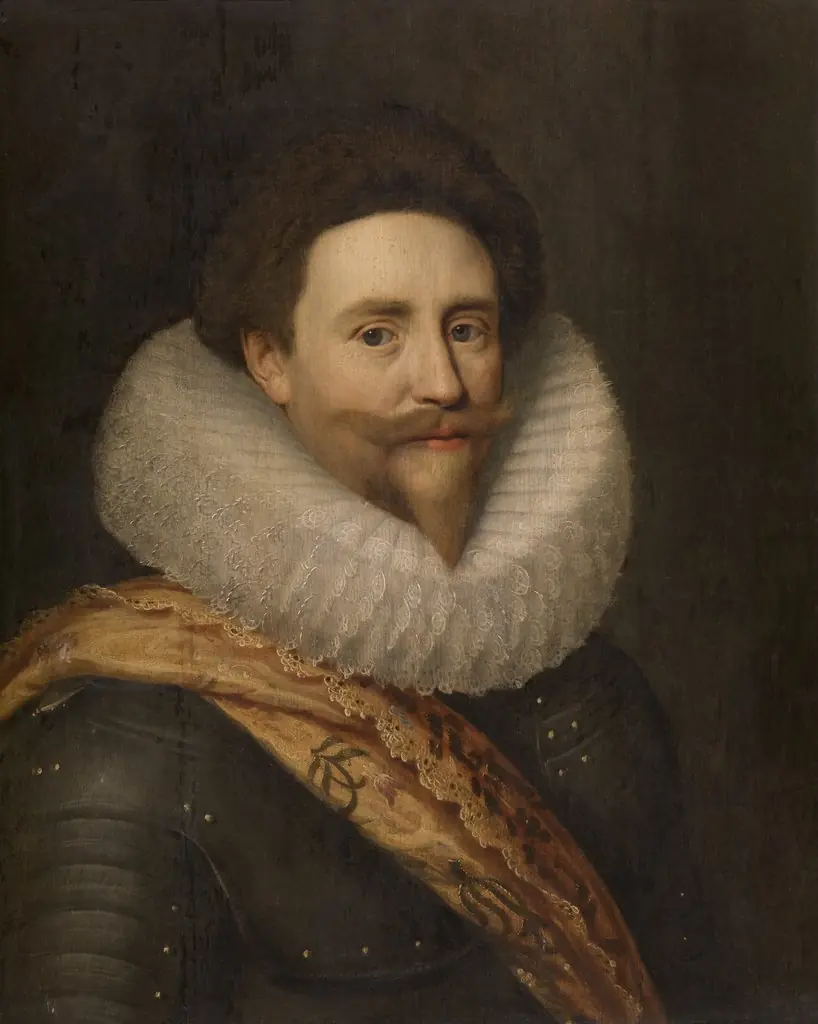 Frederik Hendrik Nassau, Prince of Orange
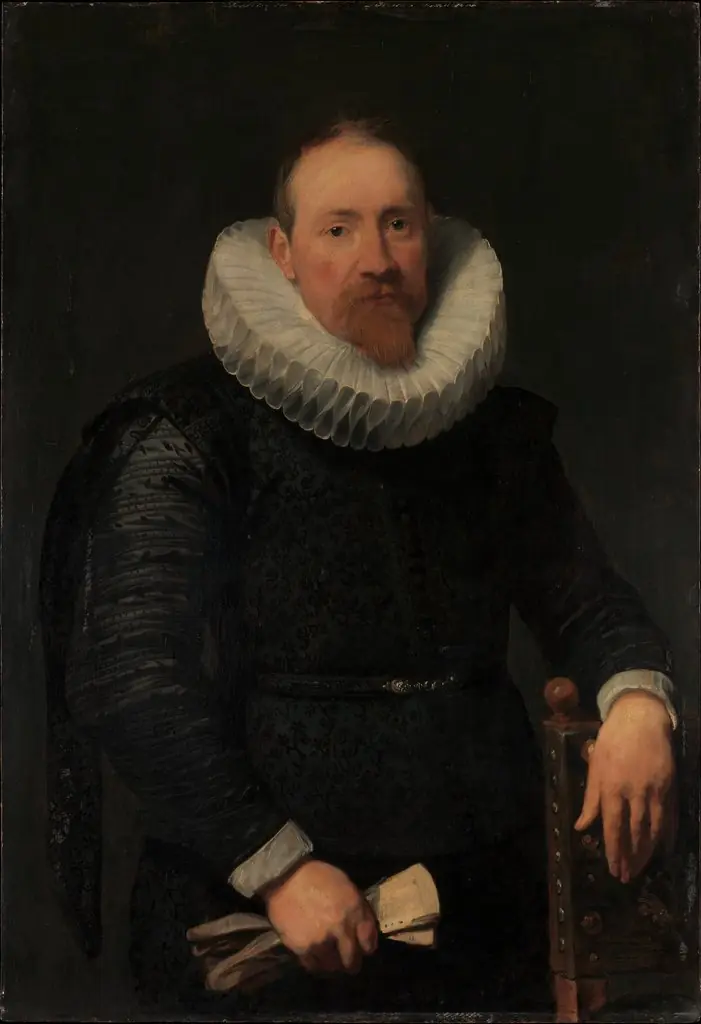 Portrait of a Man
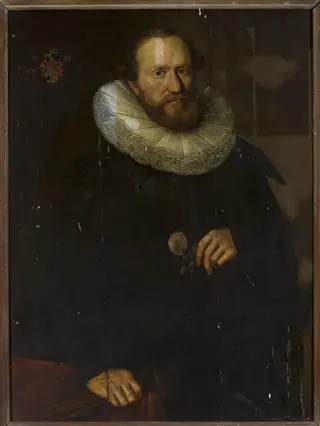 Portrait of a man with a rose in his hand
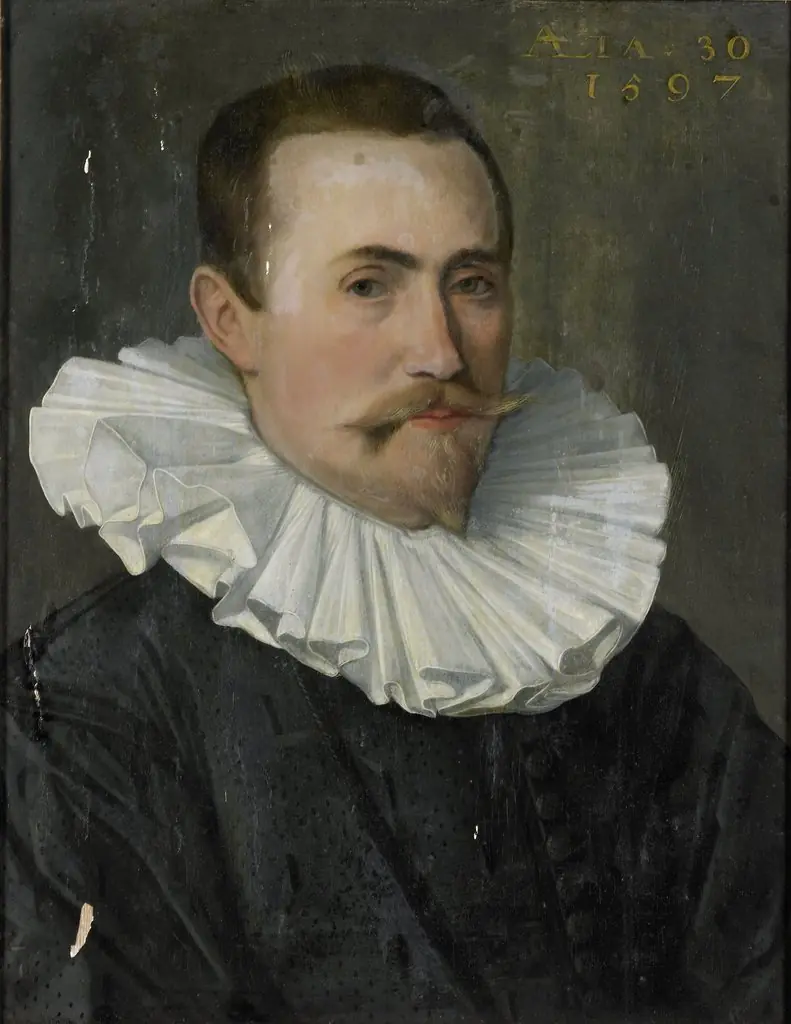 Portrait of a Man
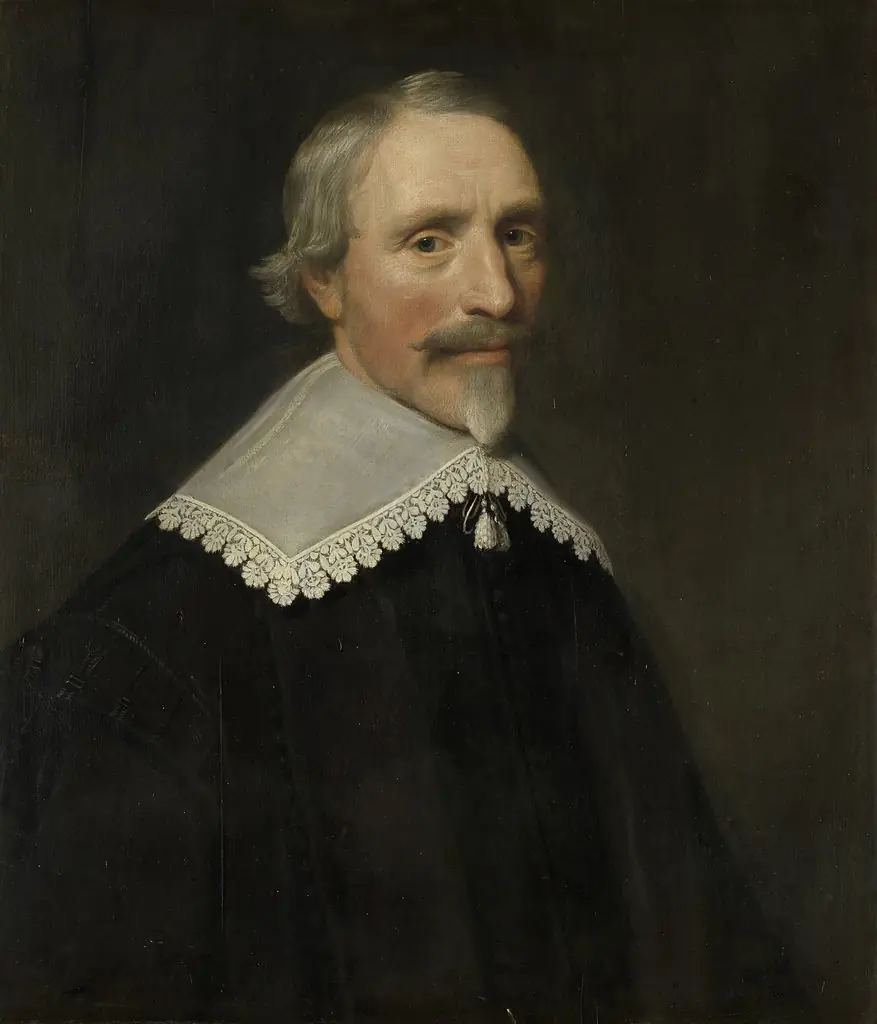 Portrait of Jacob Cats (1577-1660)