Artwork
Portrait of a Woman, Possibly a Nun of San Secondo; (verso) Scene in Grisaille
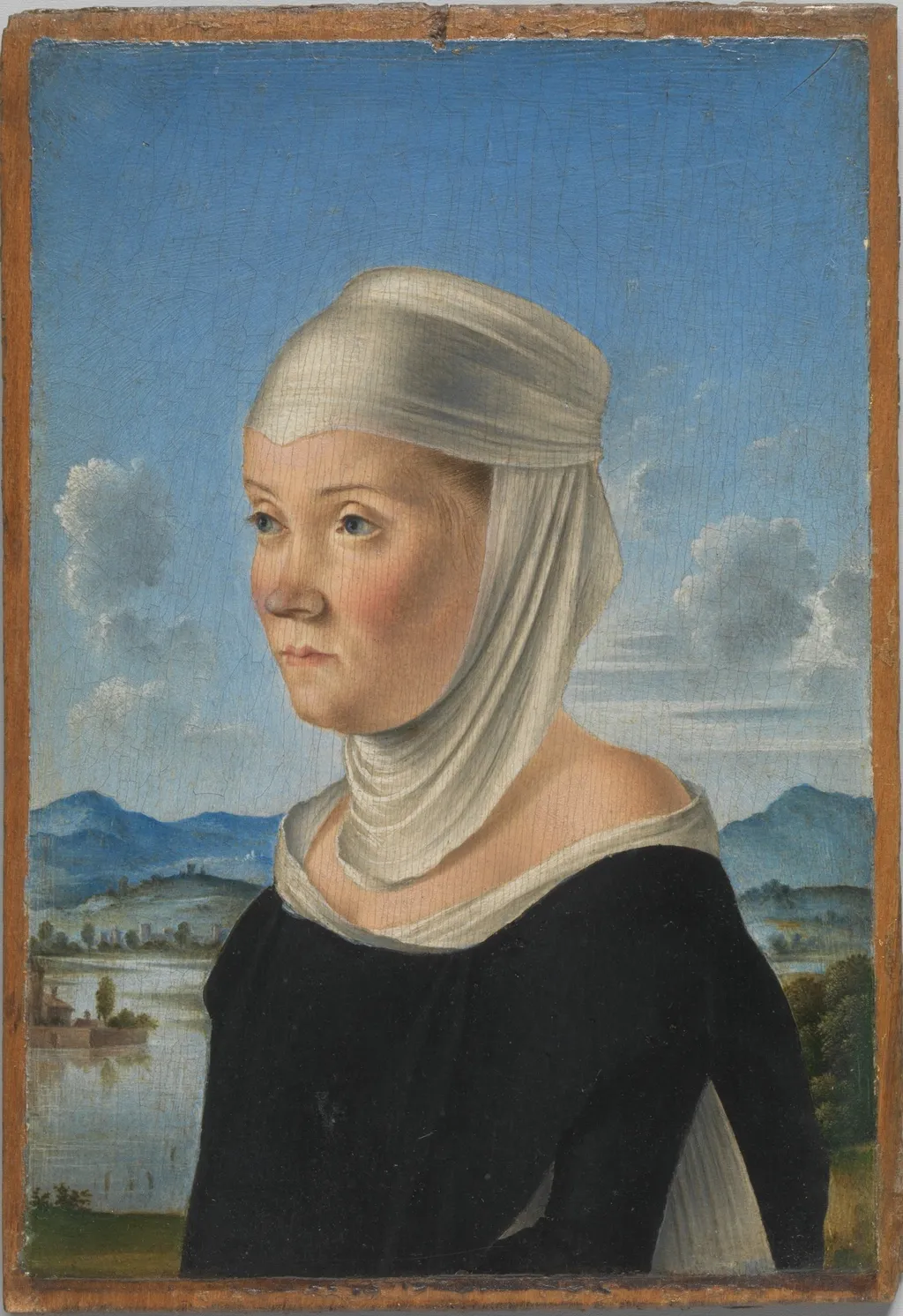
Portrait of a Woman, Possibly a Nun of San Secondo; (verso) Scene in Grisaille is an unspecified painting by Jacometto Veneziano. It dates from 1496 and is held in the collection of the Metropolitan Museum of Art.
About this work
History & Provenance
The work has been exhibited in the Met's Italian Renaissance galleries as part of displays focusing on early 15th-century portraiture and devotional imagery.
The work titled Portrait of a Woman, Possibly a Nun of San Secondo; (verso) Scene in Grisaille was created by Jacometto Veneziano in 1490. It is classified as a portrait and painted on panel, measuring 9.5 cm in height and 6.4 cm in width. The painting passed into the collection of Robert Lehman, who donated his holdings to the Metropolitan Museum of Art, where it remains in the museum’s collection today.
Portrait of a Woman, Possibly a Nun of San Secondo; (verso) Scene in Grisaille, painted by Jacometto Veneziano in 1490, is housed in the Metropolitan Museum of Art in New York. It bears the accession number 1975.1.11 and was part of the Robert Lehman collection before entering the museum's holdings. The work has been exhibited in the Met's Italian Renaissance galleries as part of displays focusing on early 15th-century portraiture and devotional imagery.
Overview
Jacometto Veneziano’s 1496 portrait presents a seated woman, likely a nun from the San Secondo convent, rendered in oil on panel. The composition is balanced by a modest landscape background featuring a blue sky, rolling hills, and a distant village. The work is part of the Metropolitan Museum of Art’s collection and is accompanied on its reverse by a grisaille scene.
Subject & Meaning
The sitter’s pale complexion, dark hair concealed beneath a white coif, and modest black habit with a white collar suggest a religious vocation, though her identity remains uncertain. The serene expression and restrained pose convey humility and devotion, aligning with contemporary ideals of monastic femininity in late‑15th‑century Venice.
Technique & Style
Veneziano employs a soft chiaroscuro, allowing gentle shadows to model the face and neck while keeping the surrounding darkness of the dress. The background’s limited palette, sky blue, muted greens, and earth tones, provides depth without competing with the figure, a hallmark of Venetian portraiture that emphasizes subtle light effects.
Context
During the late 1400s, Venetian artists increasingly focused on individualized portraiture, often for religious patrons. Jacometto Veneziano, active in this milieu, blended the city’s vibrant colorism with the emerging naturalism of the Renaissance, situating this portrait within the broader shift toward personal representation in sacred contexts.
Own this work as a print
Artist & collection
Artist
Jacometto Veneziano was an Italian painter and manuscript illuminator active in Venice in the late fifteenth century, where he died around 1497.

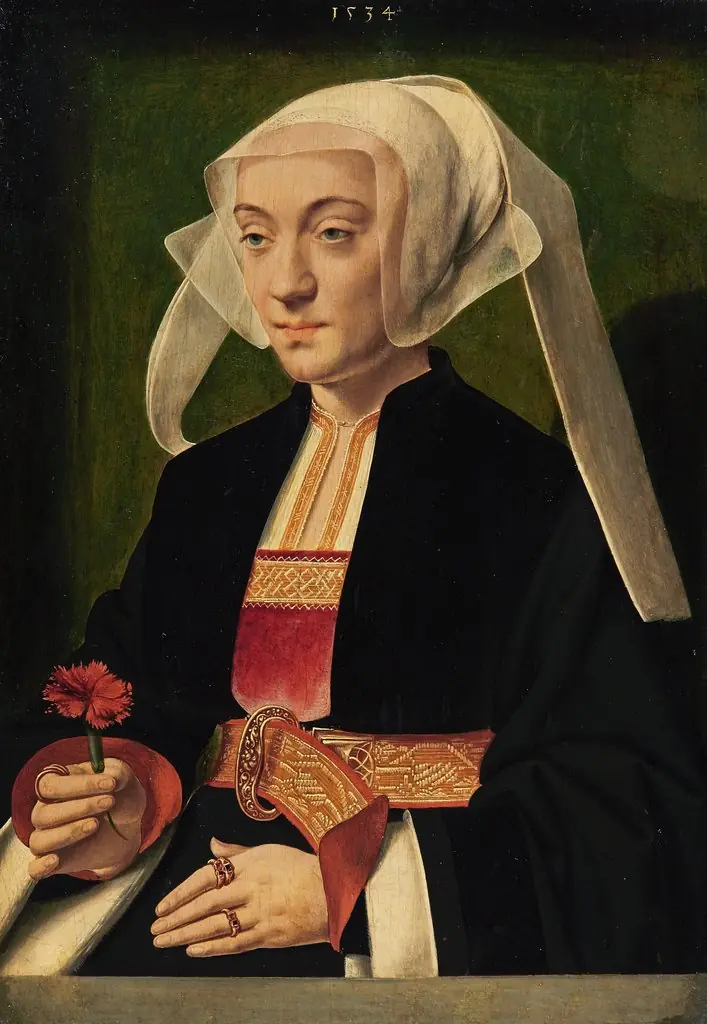 Portrait of a Woman
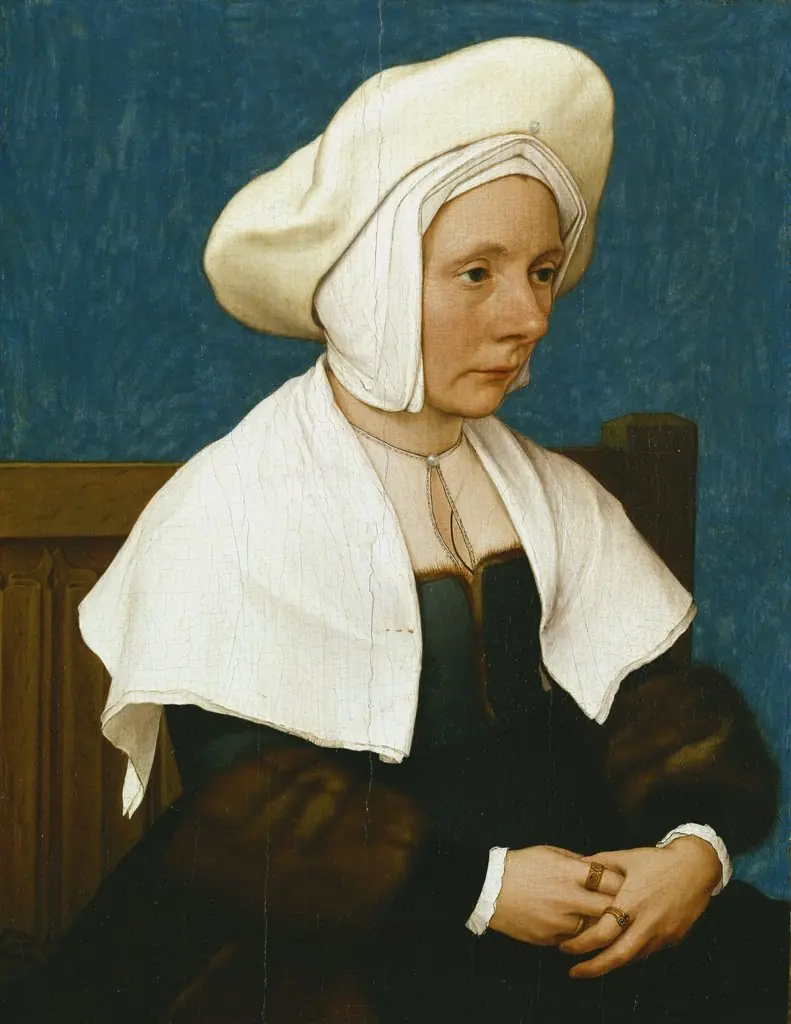 Portrait of a Woman
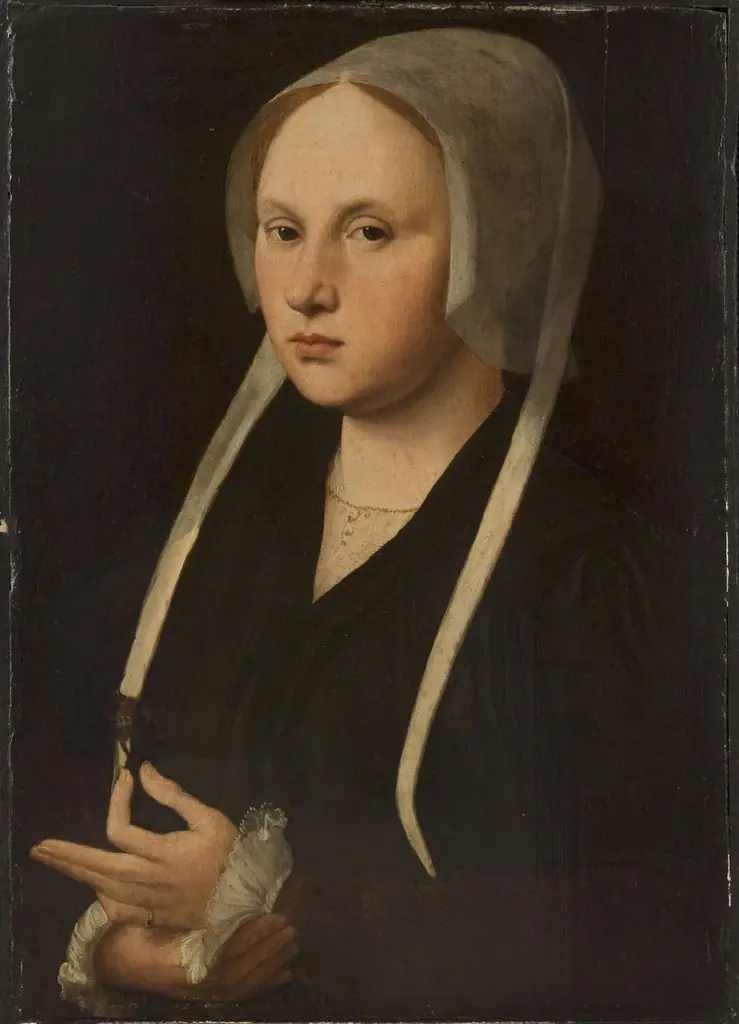 Portrait of a Lady
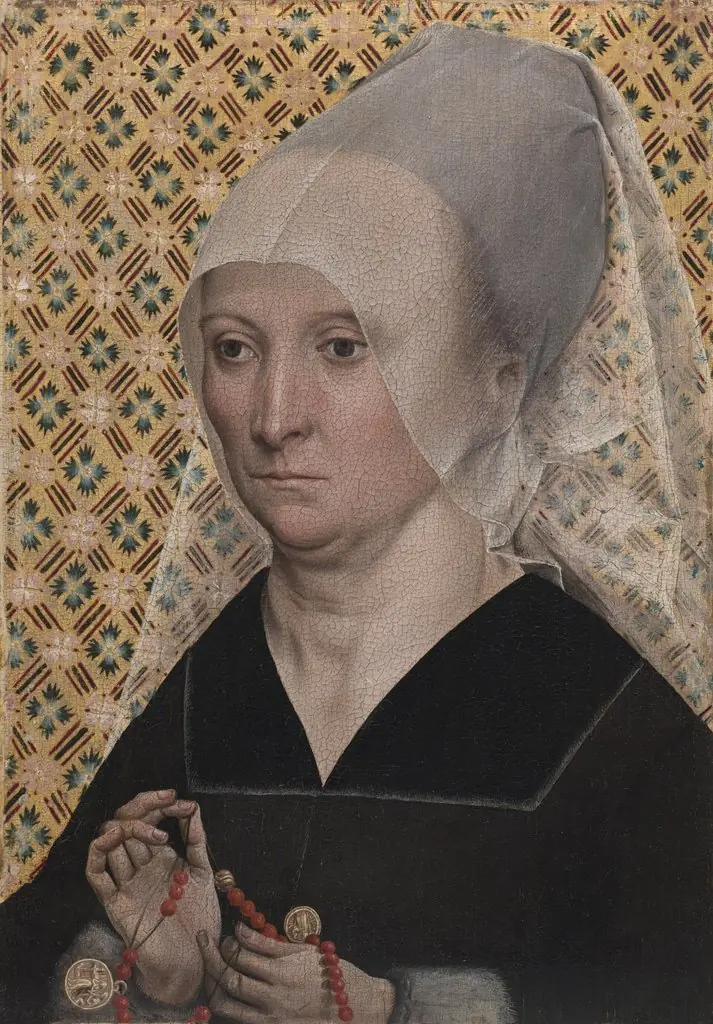 Portrait of a Woman
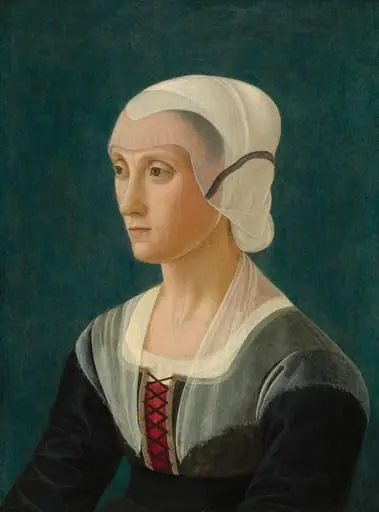 Lucrezia Tornabuoni
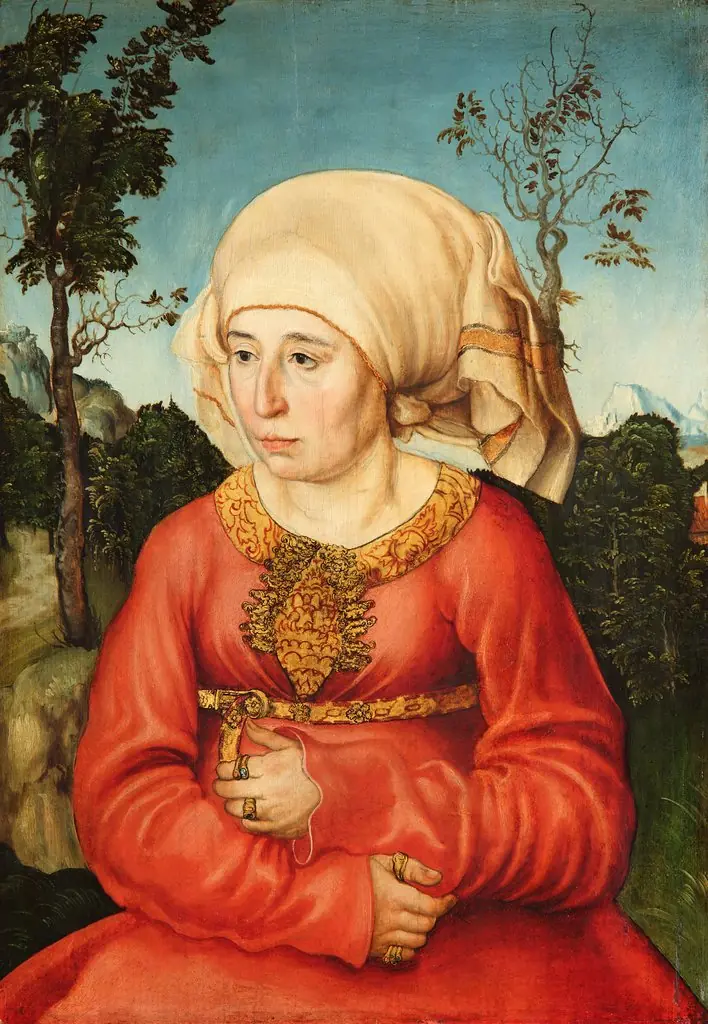 Portrait of the wife of a jurist
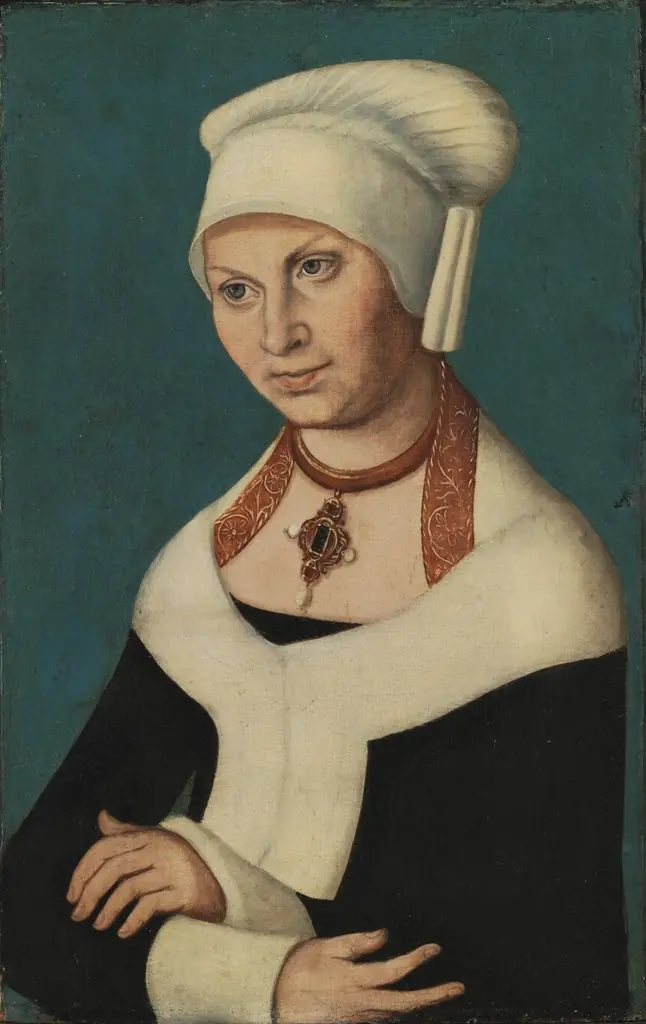 Portrait of the Duchess Barbara of Saxony, 1478-1534 (wife of George the Bearded)
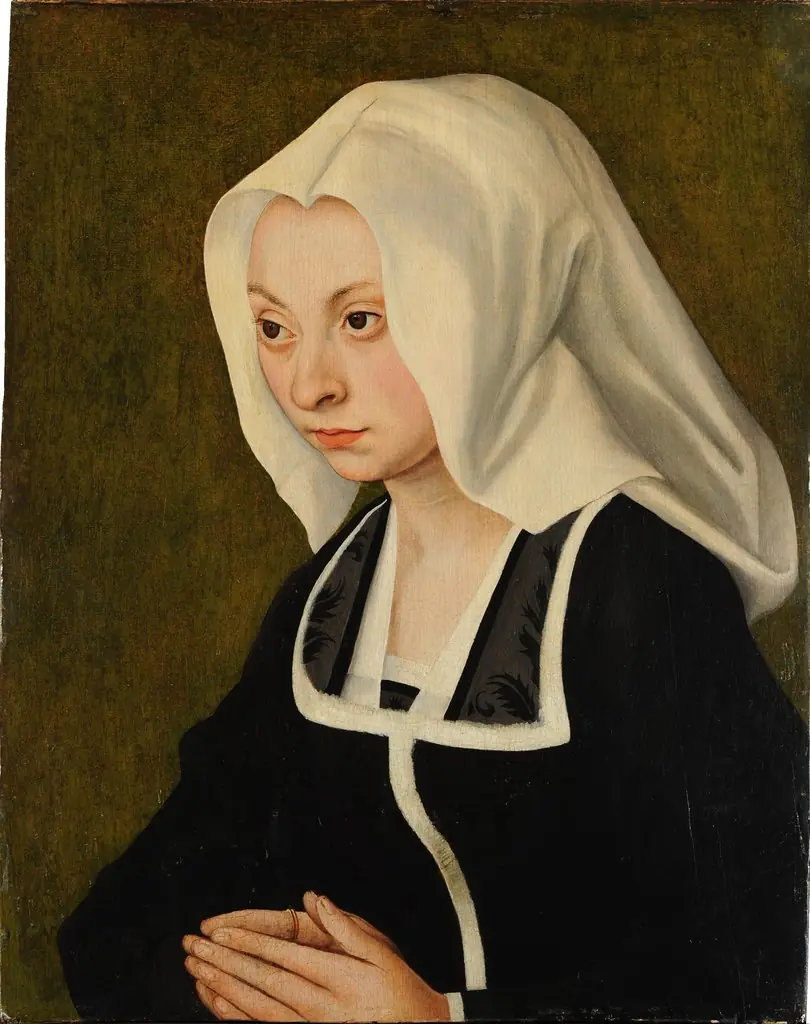 Portrait of a Woman
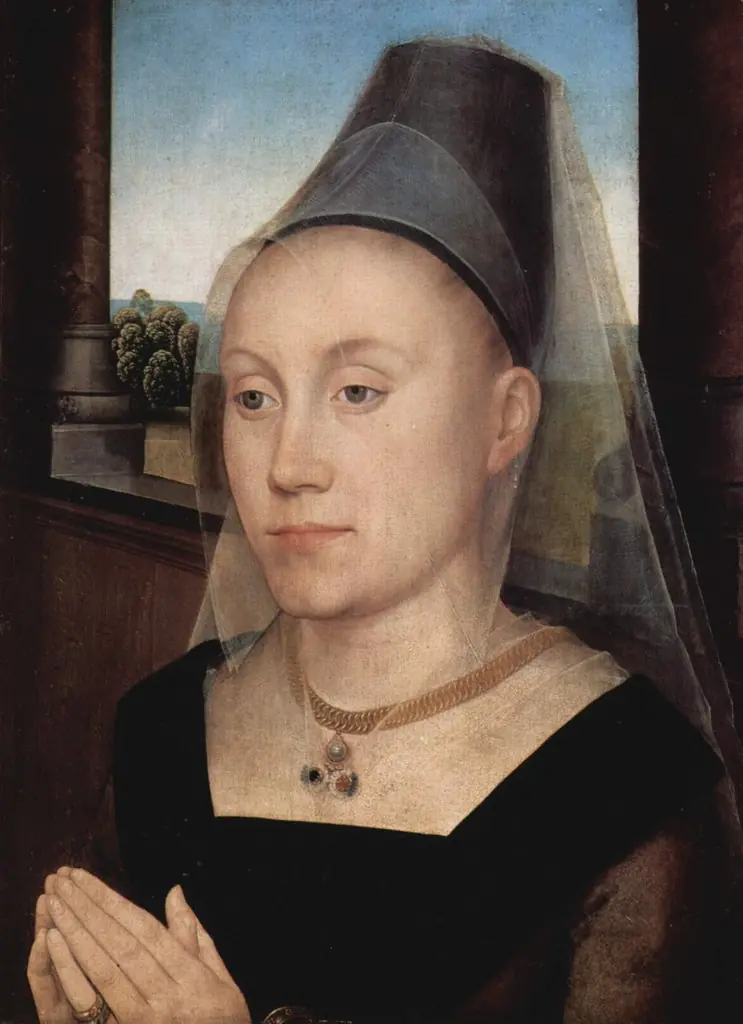 Portrait of Barbara van Vlaendenbergh
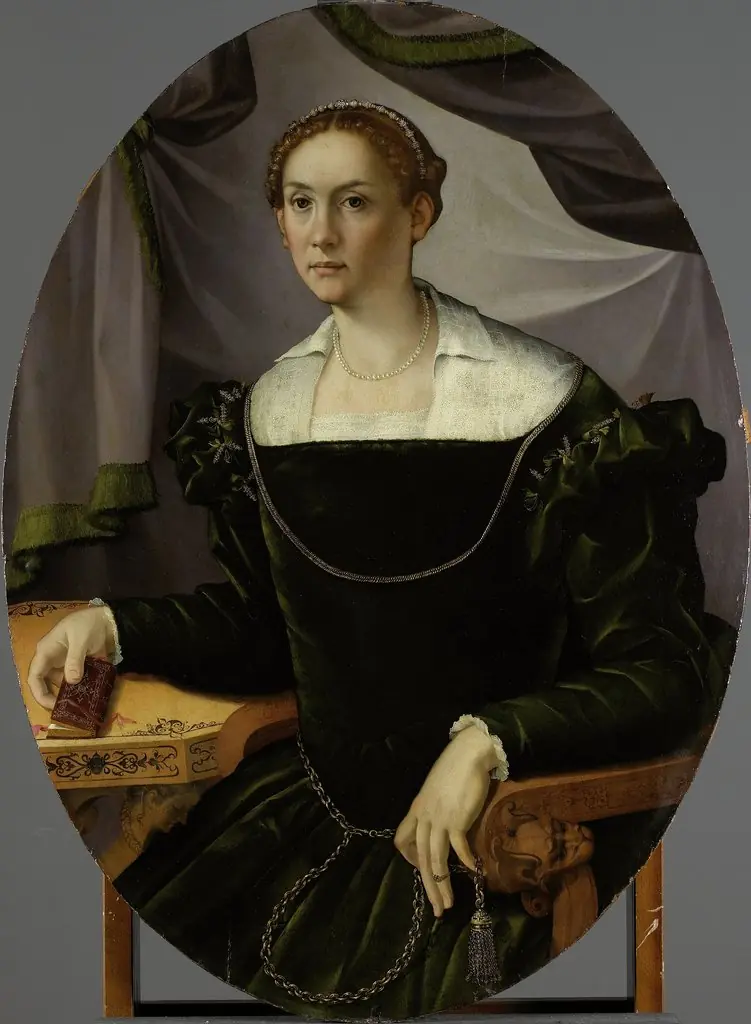 Portrait of a Woman
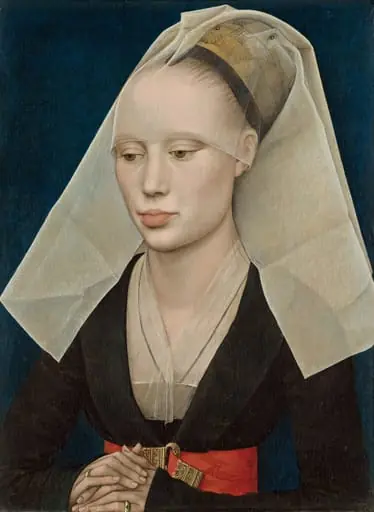 Portrait of a Lady