Artwork
Portrait of a Lady
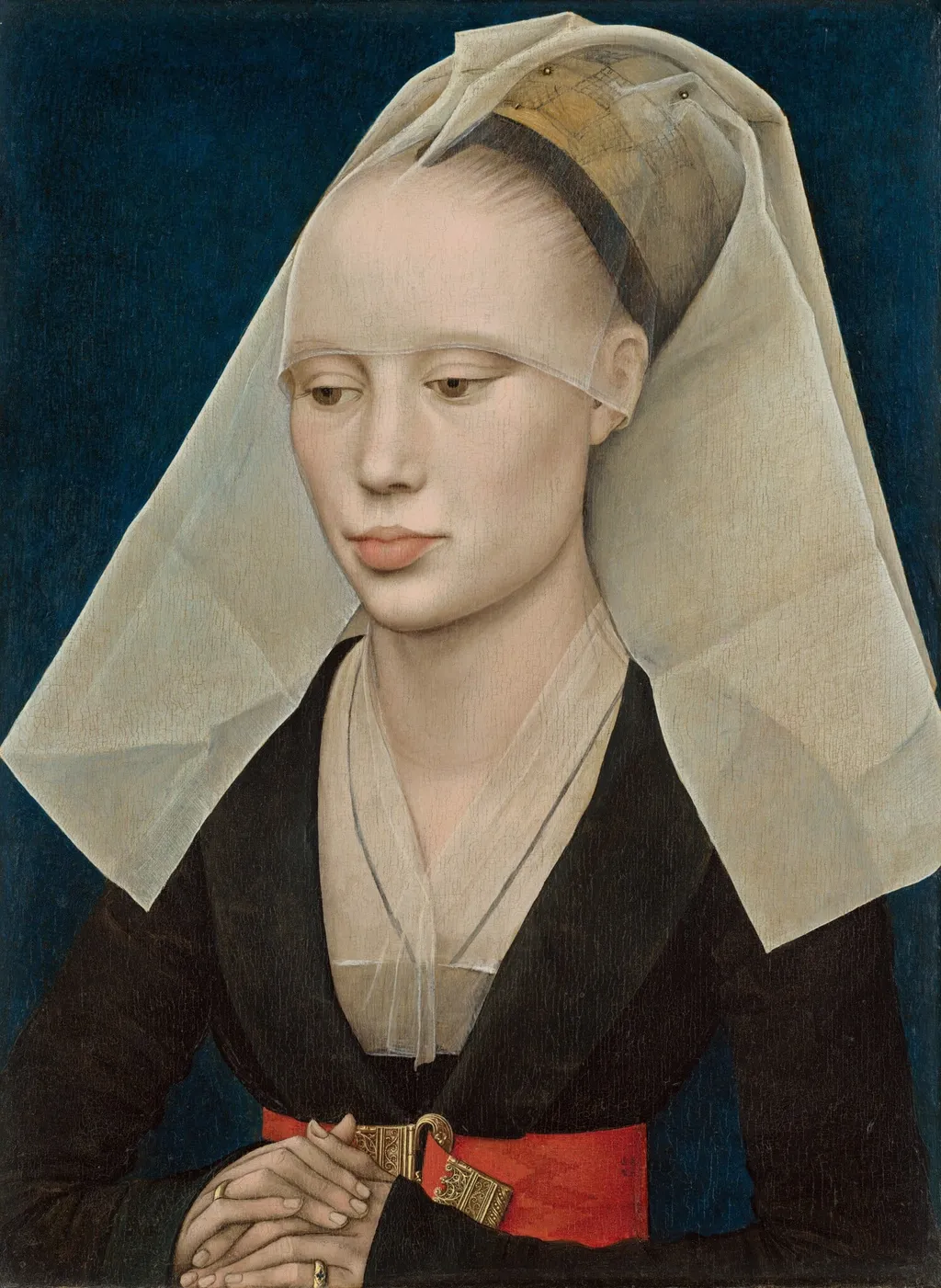
Portrait of a Lady is an oil painting by the Northern Renaissance artist Rogier van der Weyden. It dates from 1460 and is held in the collection of the National Gallery of Art.
About this work
Subject & Meaning
The portrait shows an unidentified young woman, probably of aristocratic birth, half‑length and in three‑quarters profile against a flat blue‑green background.
The portrait shows an unidentified young woman, probably of aristocratic birth, half‑length and in three‑quarters profile against a flat blue‑green background. She wears a low‑cut black dress with a red sash, a hennin headdress wrapped in a transparent veil, and her hands are tightly folded as if in prayer. Her down‑cast eyes, slender elongated face, high forehead and tightly pinned hair follow the Gothic ideal of elongated features, while the veil, normally a sign of modesty, instead frames her face to emphasize beauty.
The rendering of her delicate hands and the detailed fur trims signal her social status. The work, the only autograph female portrait by Rogier van der Weyden, was painted circa 1460 and has been in the National Gallery of Art, Washington, D.C., since 1937.
Technique & Style
Executed circa 1460, this oil-on-oak panel painting measures 34 by 25.5 centimeters. The composition relies on geometric lines formed by the sitter's veil, neckline, and arms, set against a flat, deep blue-green background that has darkened with age. Van der Weyden utilized a dark plane to focus attention on the model, employing vivid light-dark contrasts to enhance the figure's Gothic elegance.
The artist painted directly onto the wood without preparatory sketches, though X-ray analysis from 1937 revealed significant pentimenti, including an initial rendering of a narrower waist and more pronounced bust. The handling features minute detail in the fingers and the structure of the Burgundian dress, while the background lacks the depth found in the artist's devotional works. A 1980 restoration improved the coloration but resulted in some paint loss on the veil and headdress, alongside visible wear near the ear.
History & Provenance
The work was created circa 1460 by Rogier van der Weyden as an autograph portrait of an unidentified woman; no record indicates a specific commission. Its early ownership likely rested with members of the Anhalt‑Dessau princely family, beginning with Leopold Friedrich Franz and later his descendants Leopold Friedrich, Friedrich I and Friedrich II, who held the painting in the Wörlitz palace. In 1925 the portrait was sold through the Bachstitz Gallery in The Hague to Duveen Brothers, who exported it to London, New York and Paris, and in December 1926 it entered the collection of Andrew W. Mellon. Mellon bequeathed the work to the National Gallery of Art in 1937, where it remains.
The painting is held in the collection of the National Gallery of Art in Washington, D.C., having been gifted to the institution in 1937 by the A.W. Mellon Educational and Charitable Trust. Andrew W. Mellon had purchased the work in December 1926 from Duveen Brothers, who acquired it in 1925 from Friedrich II, Duke of Anhalt. Prior to this, the panel remained within the Anhalt family collections at Wörlitz and Dessau throughout the nineteenth and early twentieth centuries.
The work's exhibition history includes its display at the 1902 Exposition des primitifs flamands et d'art ancien in Bruges, where it was listed as number 108 while still owned by the Duke of Anhalt. It is catalogued as number 34 in the de Vos catalogue raisonné.
Context
Executed around 1460, this work represents Rogier van der Weyden's late-career focus on commissioned portraiture, for which he was highly regarded by subsequent generations for his psychological depth. It stands as the only known female portrait accepted as an autograph work by the artist, though the sitter remains unidentified despite speculation linking her to Maria of Valengin. The painting exemplifies the Gothic ideal through elongated features and fashionable Burgundian attire, yet distinguishes itself through a unique blend of individuality and aesthetic idealization.
Art historian Erwin Panofsky noted the subject's expression conveys intelligence and inner conflict, achieved through abstracted contours that prioritize psychological salience over strict naturalism. While the composition shares the dark, flat backgrounds typical of contemporaries like Jan van Eyck, van der Weyden's specific handling of light and geometric structure creates a distinct, almost sculpted presence. Described as famous among all portraits of women across schools, the piece marks a significant evolution in Netherlandish portraiture prior to Hans Memling's introduction of landscape backgrounds.
Legacy
The portrait has come to symbolize the emergence of psychological realism in Early Netherlandish art, a quality that later painters such as Hans Memling emulated and that scholars cite as a model for character study. Its status as the sole autograph female portrait by Rogier van der Weyden has reinforced its central role in the artist’s oeuvre and in studies of gender representation in the 15th century. The work’s long residence in the National Gallery of Art, its appearance in major exhibitions, and repeated scholarly reference have secured its reputation as an iconic example of Burgundian portraiture, frequently discussed in art‑historical literature.
Overview
This small oil painting, executed around 1460 by the Netherlandish artist Rogier van der Weyden, depicts an unidentified woman. Rendered on an oak panel, it stands as the only known portrait of a woman widely accepted as an authentic work by the artist. The original title given by van der Weyden, if any, is not recorded, and the sitter's identity remains unknown.
Own this work as a print
Artist & collection
Artist
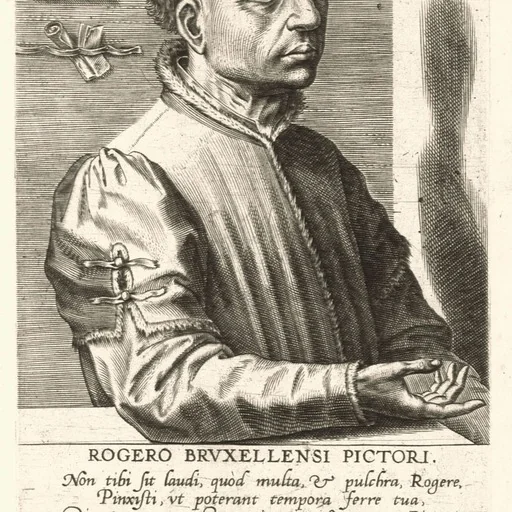
Rogier van der Weyden (Dutch:; 1399 or 1400 – 18 June 1464), initially known as Roger de la Pasture (French: ), was an early Netherlandish painter whose surviving works consist mainly of religious triptychs,…

- Portrait of a young woman
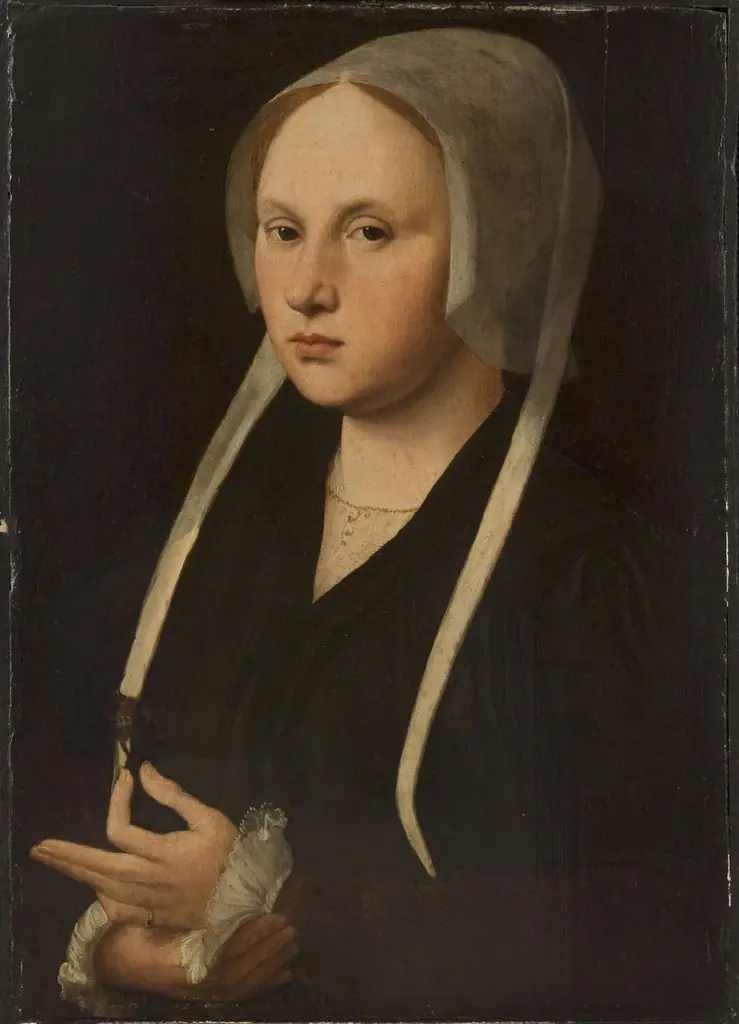 Portrait of a Lady
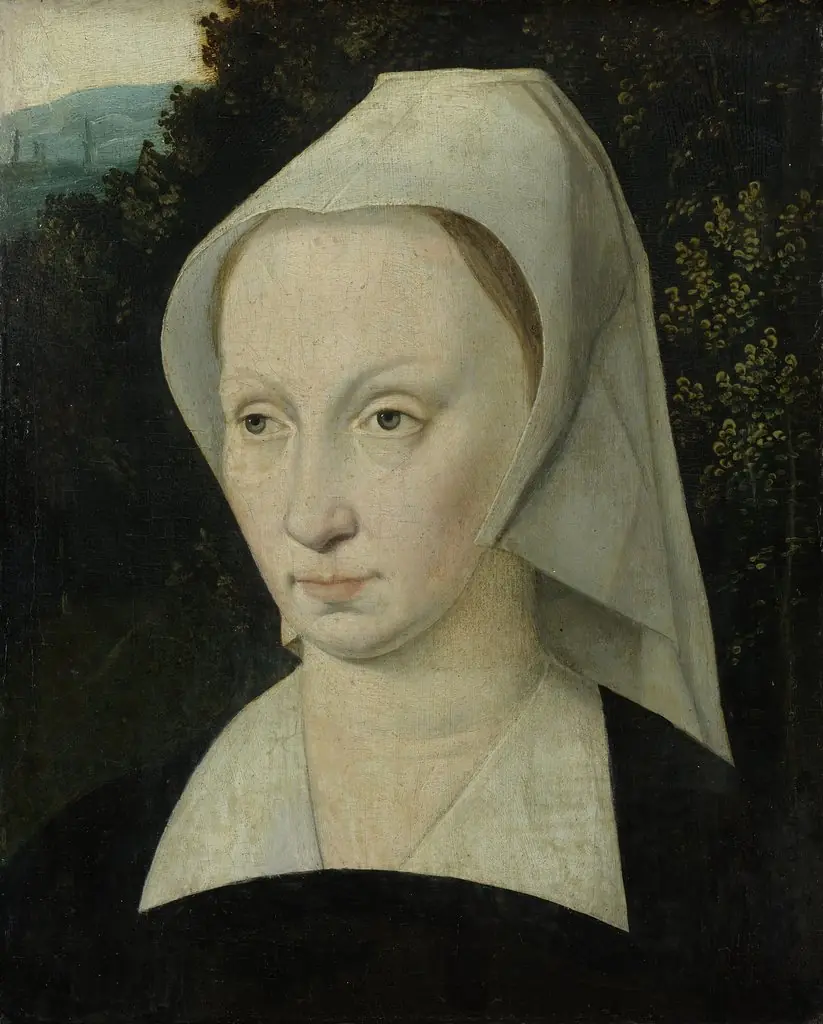 Portrait of a woman
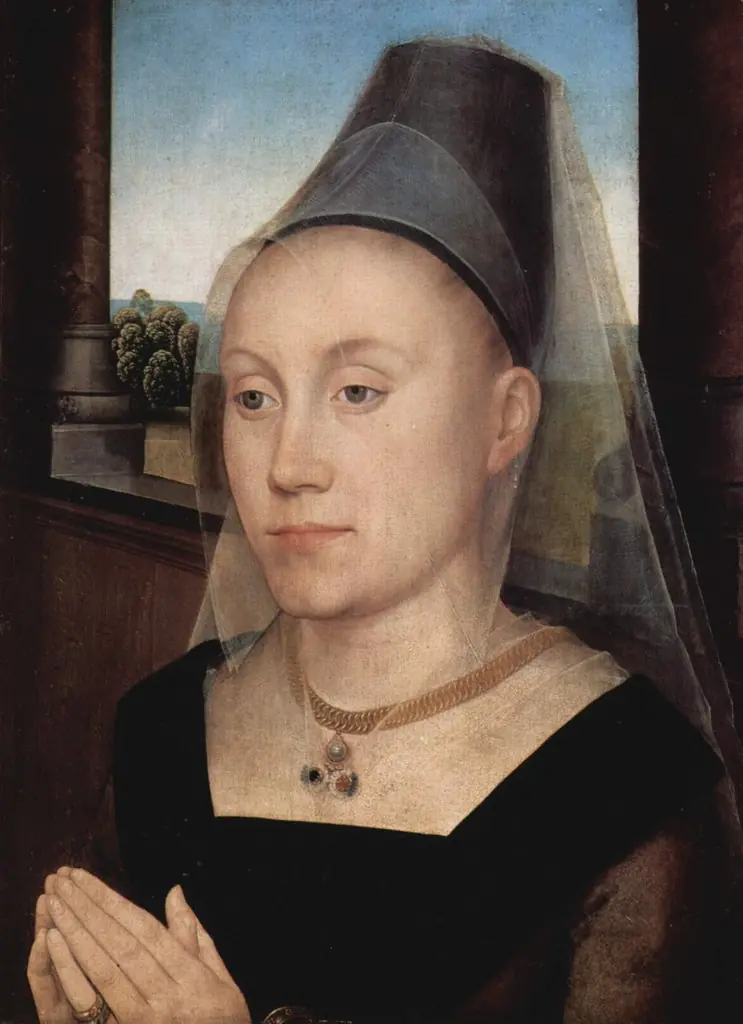 Portrait of Barbara van Vlaendenbergh
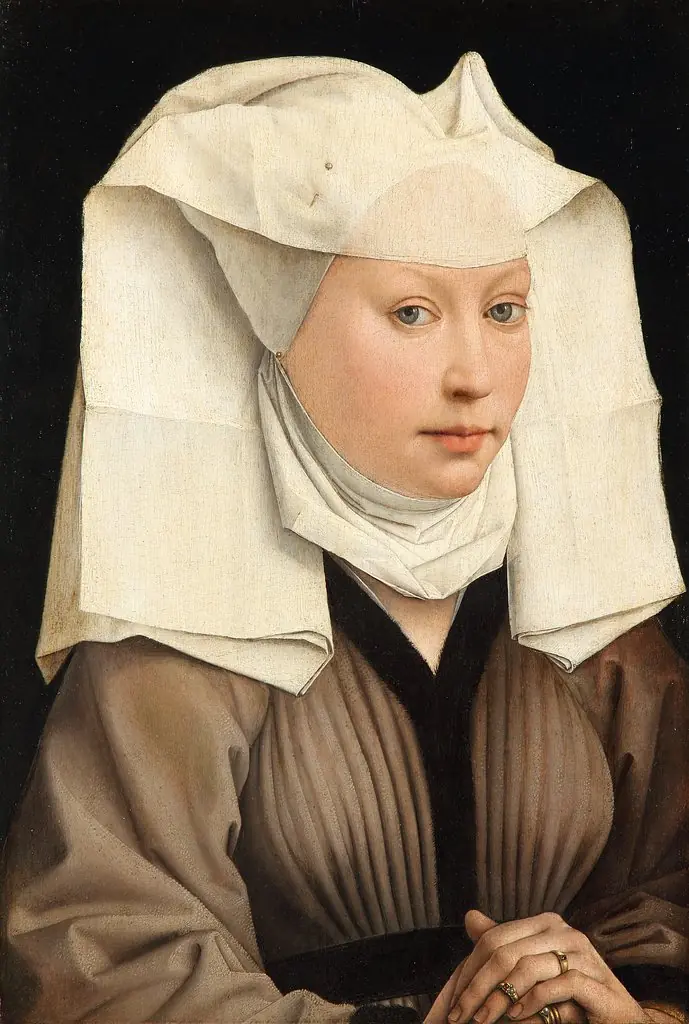 Portrait of a Young woman with a Winged Bonnet
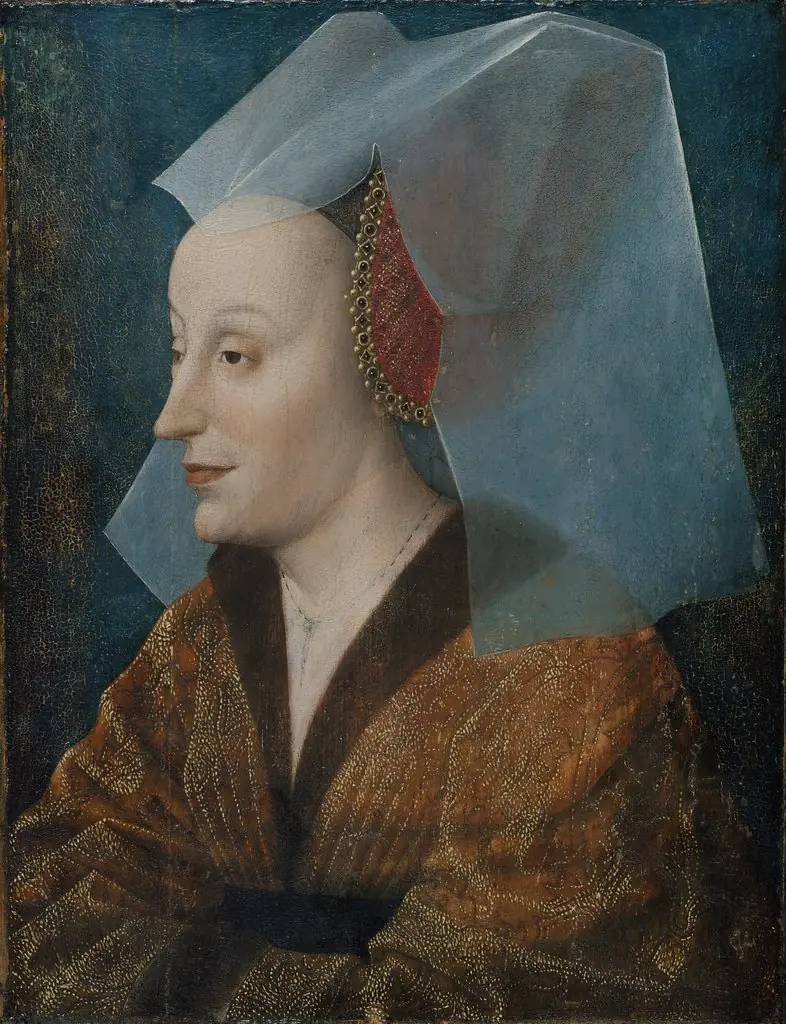 Portrait of a Noblewoman, Probably Isabella of Portugal (1397–1472)
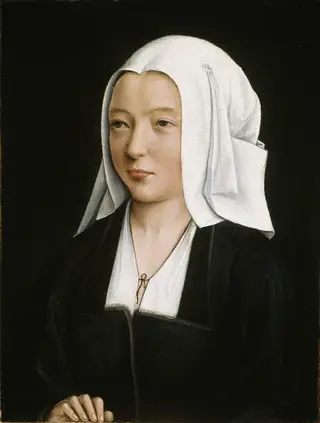 Portrait of a Young Woman
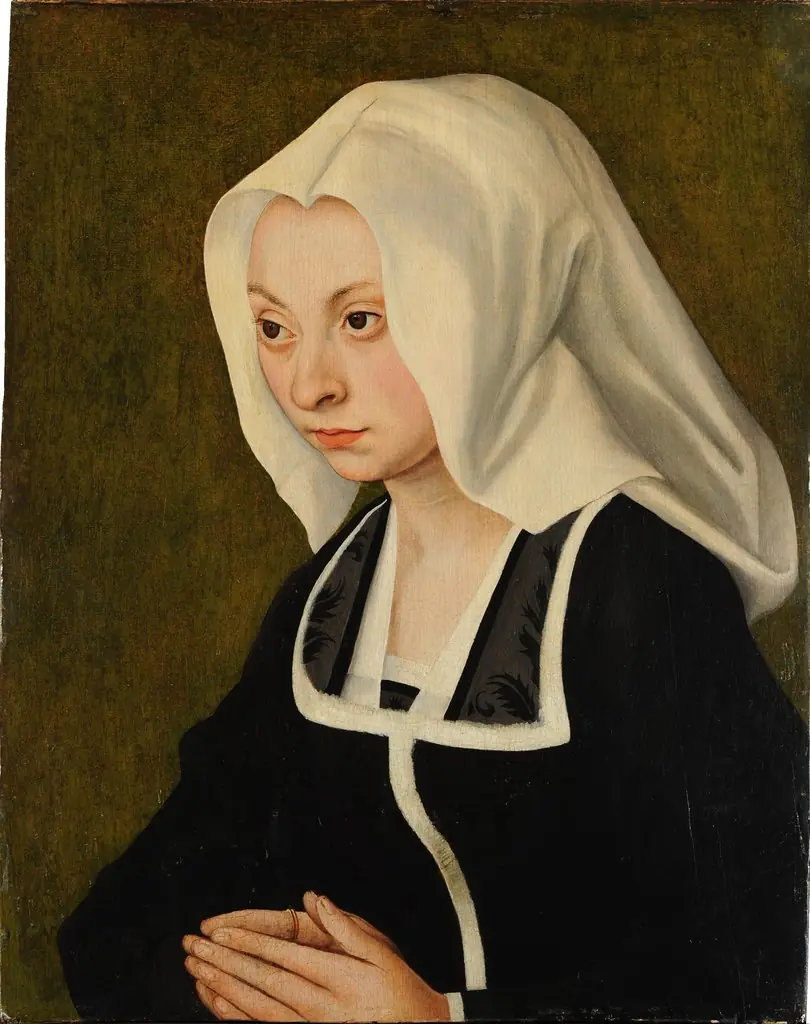 Portrait of a Woman
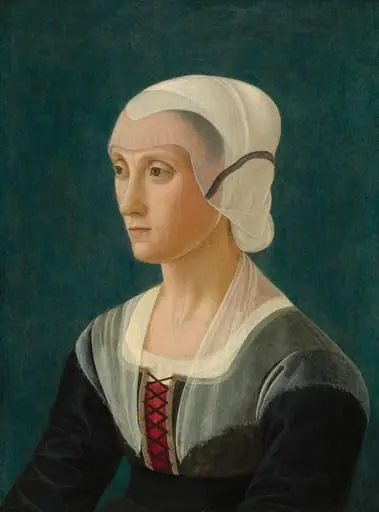 Lucrezia Tornabuoni
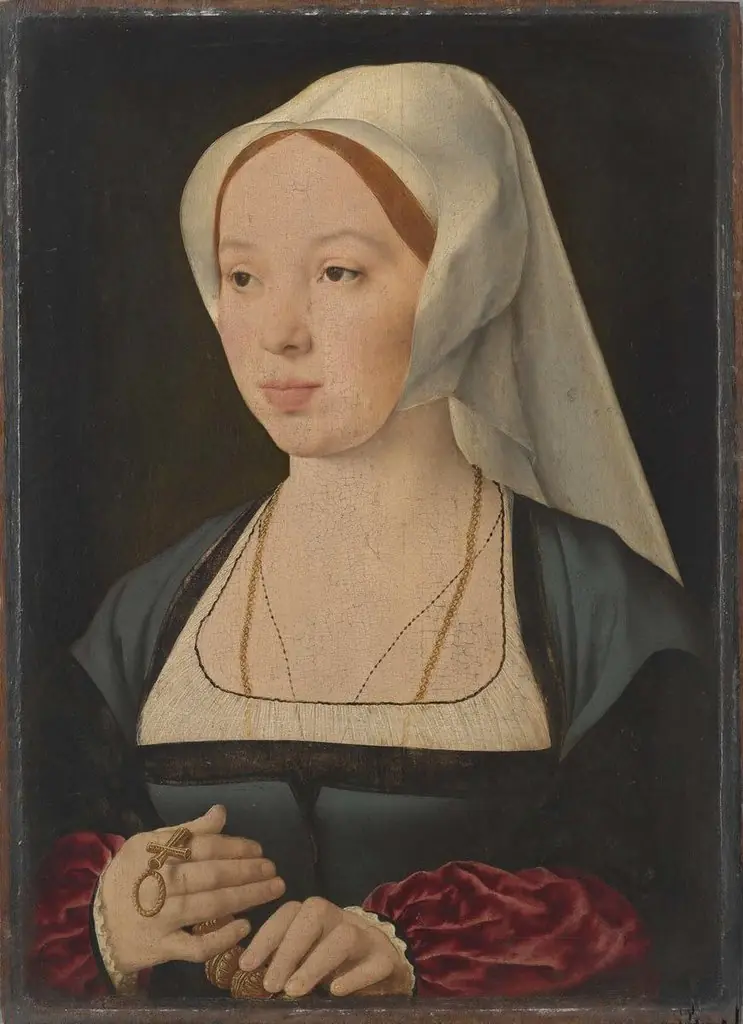 Portrait of a Lady
 Portrait of a Woman
 Portrait of a woman from southern Germany