Artwork
Portrait of a Noblewoman Dressed in Mourning
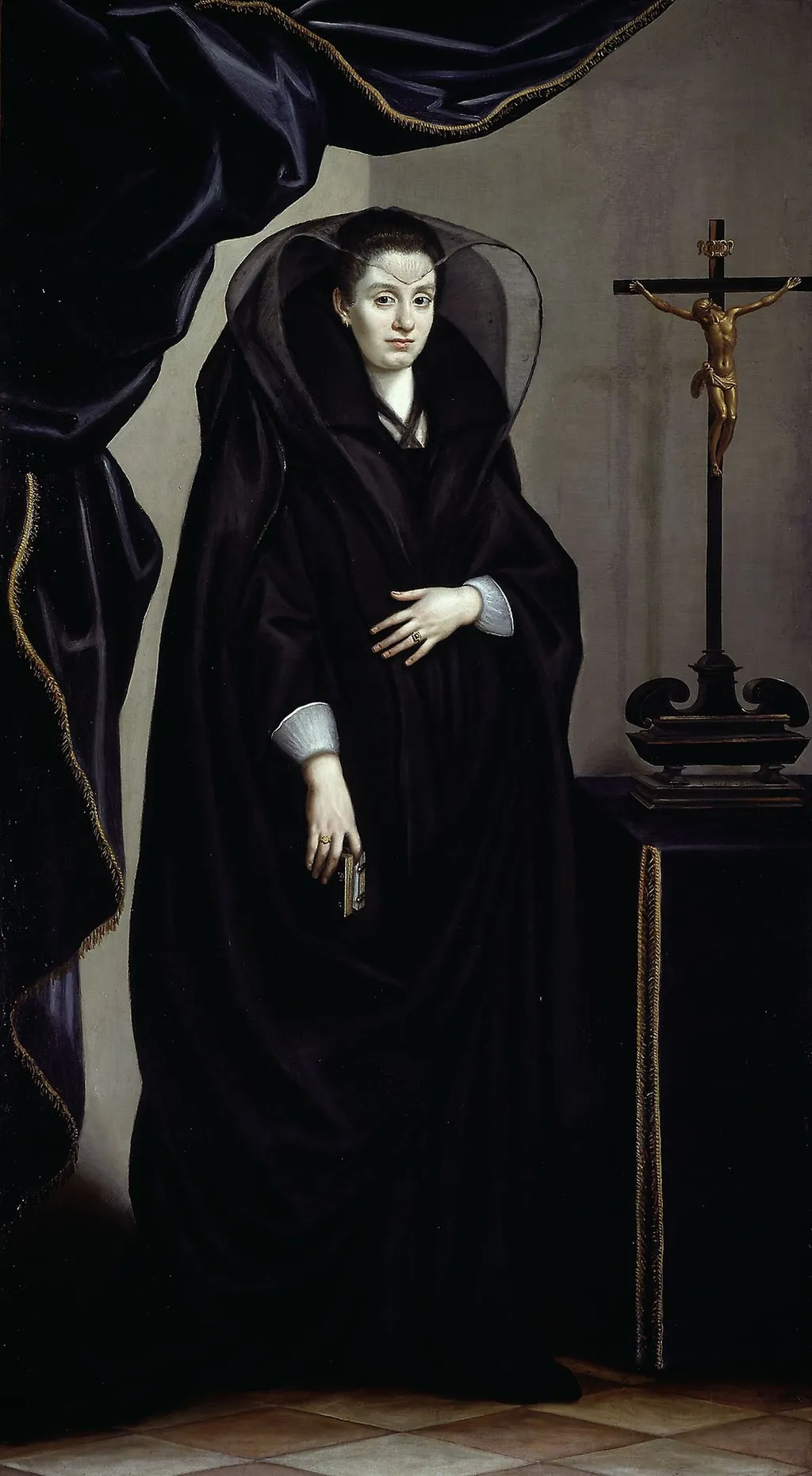
Portrait of a Noblewoman Dressed in Mourning is an oil painting by the Early Baroque Italian artist Jacopo da Empoli. It dates from 1600 and is held in the collection of the Art Institute of Chicago.
About this work
Overview
5 centimeters, the nearly life-size portrait depicts an unidentified aristocratic woman in full mourning regalia.
Portrait of a Noblewoman Dressed in Mourning is an oil-on-canvas painting by the Italian Renaissance artist Jacopo da Empoli (Jacopo Chimenti), executed around 1600. Measuring 221 by 122.5 centimeters, the nearly life-size portrait depicts an unidentified aristocratic woman in full mourning regalia. The work is held by the Art Institute of Chicago, where it is displayed in Gallery 205 as part of the Painting and Sculpture of Europe department, acquired through the Louise B. and Frank H. Woods Purchase Fund with the reference number 1960.1. The painting exemplifies the international court style that emerged from Florence in the decades around 1600, when Medici patronage helped disseminate a visual language of aristocratic dignity across Europe.
Subject & Meaning
The sitter remains unknown, though her social station is unmistakable. She wears voluminous black garments with a sheer black veil covering her head, the conventional attire of an aristocratic widow in late sixteenth-century Italy. A stiff white collar emerges at her neck and cuffs, providing the only chromatic relief against the dominant blacks. In her left hand she holds a small prayer book with gilt edges, while her right hand rests upon her abdomen. To her right stands a tall crucifix with a golden corpus mounted on a black pedestal, draped with dark blue cloth trimmed in gold. The crucifix and prayer book serve as explicit markers of piety, transforming personal grief into public demonstration of religious virtue. An inscription on the base of the cross reads A L . HT . B . with HT in ligature, whose meaning has not been definitively resolved. The dramatic dark blue curtain with gold trim that sweeps across the upper left corner frames her as a figure of theatrical authority, while the checkerboard floor of light and dark tiles beneath her feet introduces geometric order into the composition. Together these elements construct an image in which mourning becomes a disciplined performance of status, faith, and self-possession.
Technique & Style
Jacopo da Empoli executed the portrait in oil on canvas, working within the layered glaze technique characteristic of mature Renaissance practice. The surface is notably smooth, with careful differentiation among textures: the heavy absorbency of the black mourning fabrics, the metallic gleam of the gold corpus and book edges, the translucency of the veil, and the warmth of skin tones. The palette is severely restricted to deep blacks, navy blues, and muted neutrals, punctuated by touches of gold and the pale tones of the face and hands. Light falls evenly across the figure, creating soft shadows within the folds of her dress and allowing warm, lit passages to advance against cool, receding shadows. The brushwork modulates between precise description in the textiles and a more dissolved handling in peripheral areas. The overall effect is one of controlled monumentality, the artist balancing psychological stillness with formal grandeur in a manner that reflects the international aristocratic portraiture developed under Medici influence.
History & Provenance
The painting is broadly dated to the period 1595-1605, with the corpus source specifying 1600 and the Art Institute of Chicago allowing a ten-year range. The circumstances of its commission remain unknown, as does the identity of the patron or sitter. The work entered the collection of the Art Institute of Chicago in 1960 through the Louise B. and Frank H. Woods Purchase Fund, receiving the accession number 1960.1. It is currently on public view in Gallery 205. No earlier provenance or exhibition history is recorded in the available sources.
Context
Jacopo da Empoli worked during a period when the Medici dukes of Florence actively intermarried with ruling houses across Europe, and their court artists and workshops cultivated an international style that appealed to princely and aristocratic collectors throughout the continent. This portrait participates in that visual culture: its imposing scale, dramatic curtain backdrop, and emphasis on hierarchical dignity rather than individual personality are conventions of noble portraiture that transcended regional boundaries. The painting's attribution to Jacopo da Empoli places it within the orbit of Florentine late Mannerism, though its restrained palette and sober mood distinguish it from the more exuberant tendencies of that style. Critical reception in the available sources emphasizes the work's commanding stillness and the tension between the sitter's evident grief and her unyielding social presence. The Art Institute of Chicago presents it as a key example of how mourning could be codified into a visual language of power.
Legacy
The portrait's afterlife is inseparable from the anonymity of its subject. Because her name has been lost, the noblewoman has become in the eyes of later viewers a kind of universal figure, one whose survival of grief and maintenance of dignity speak across centuries. The painting has attracted sustained attention from contemporary observers struck by what one writer described as the tension between austerity and power in the image. Its presence in the Art Institute of Chicago has made it an accessible touchstone for discussions of Renaissance widowhood, the performance of female virtue, and the capacity of portraiture to transform private emotion into public monument. The work continues to reward close examination of its technical refinement and its subtle negotiation between human vulnerability and aristocratic self-command.
Artist & collection
Artist
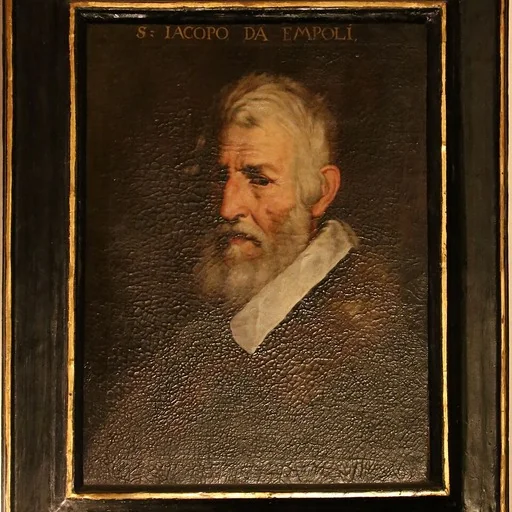
Jacopo da Empoli, also known as Jacopo Chimenti, was an Italian Florentine Reformist painter.

- Erzherzogin Maria Anna, Königin von Spanien, als Witwe
 Portretul unei călugărițe
 Joanna of Austria
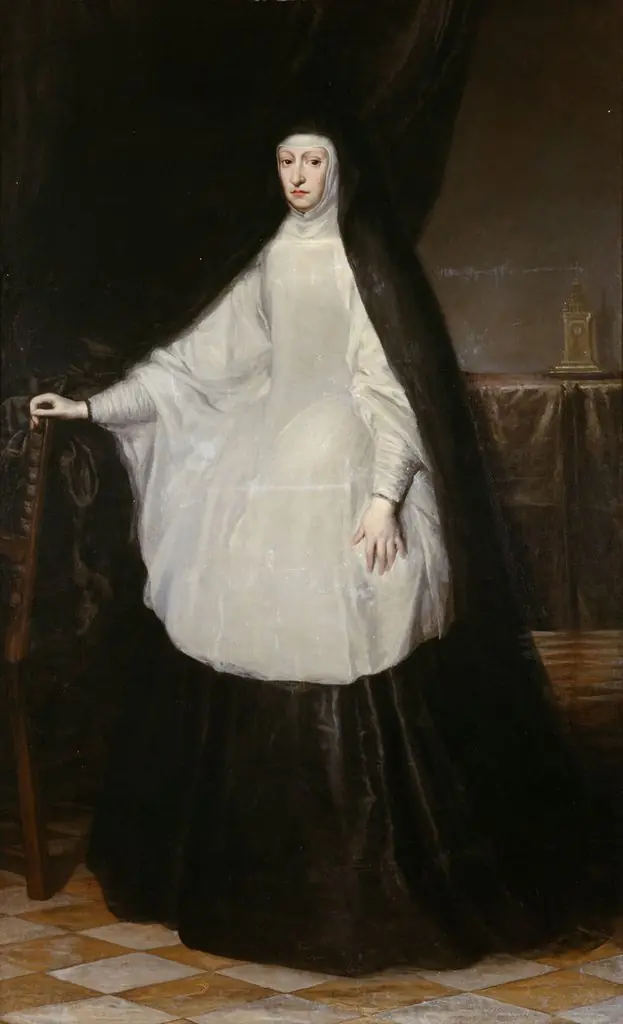
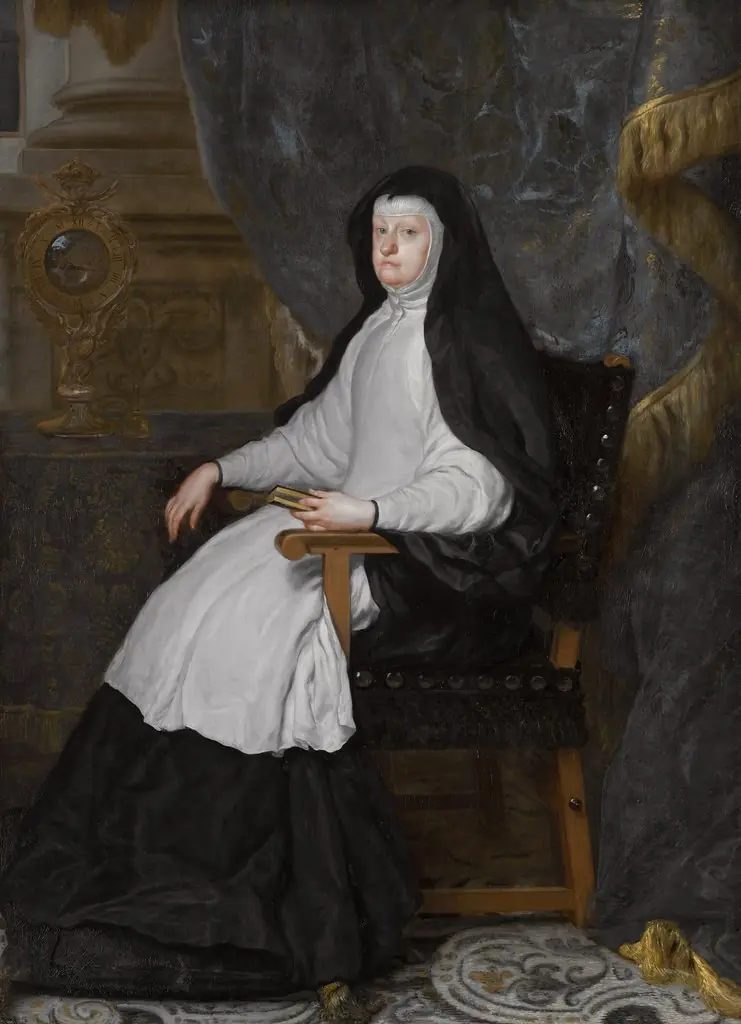 Mariana of Austria, Consort of King Philip IV of Spain, as a Widow
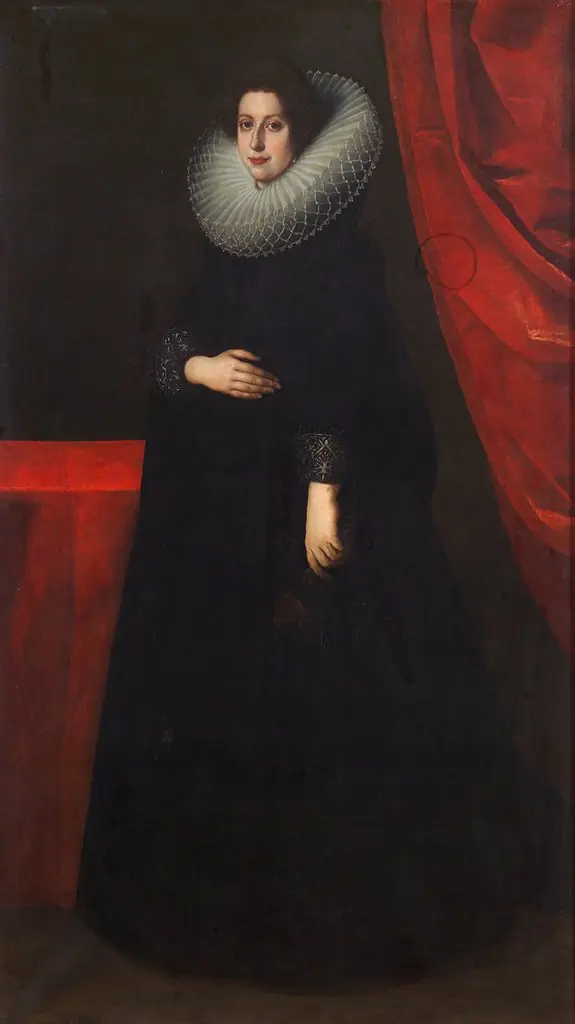 Catarina de' Medici (1593-1629)
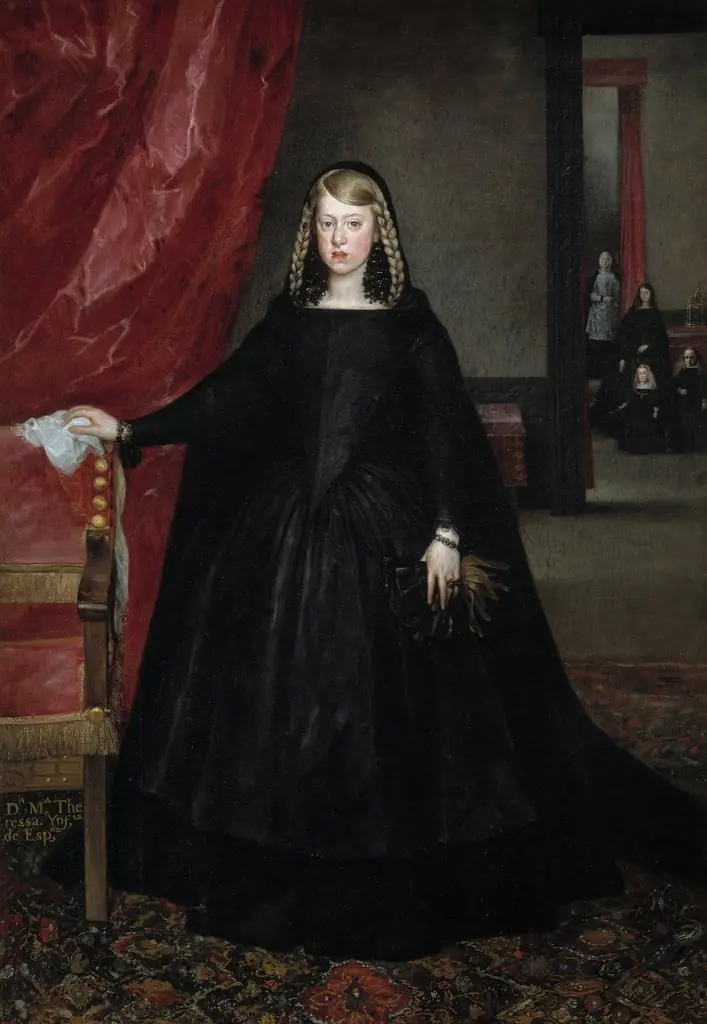 Empress Doña Margarita de Austria in Mourning Dress
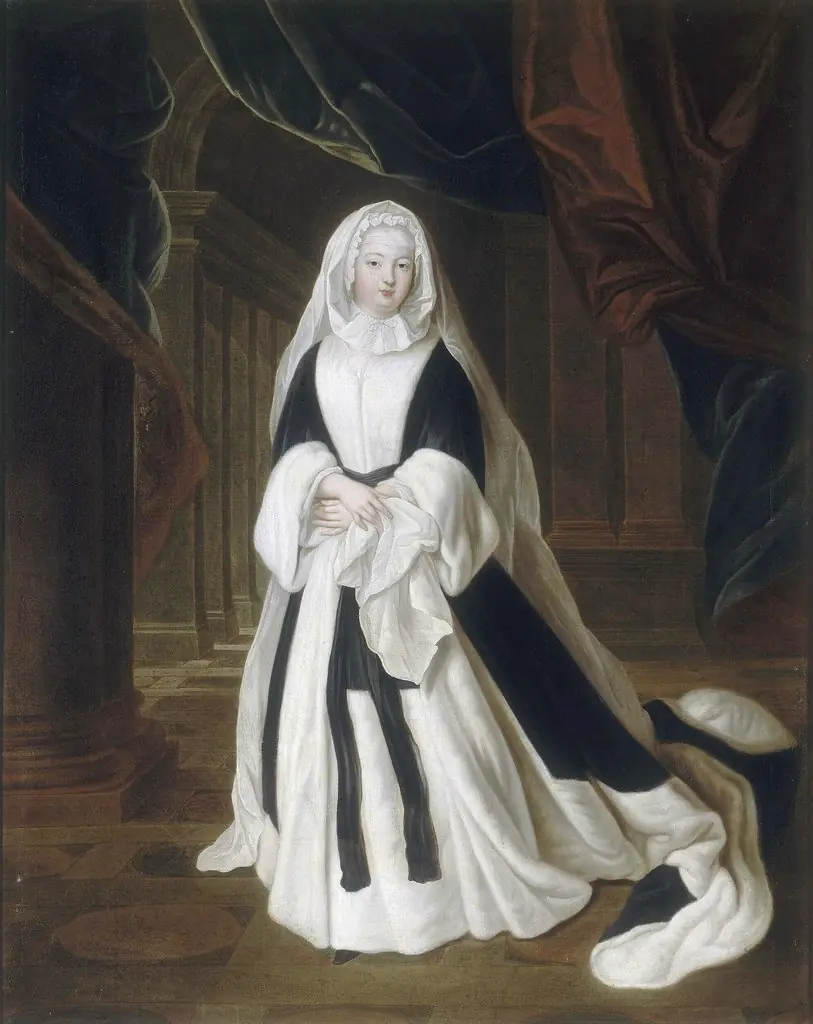 Louise Françoise de Bourbon, Duchess of Bourbon
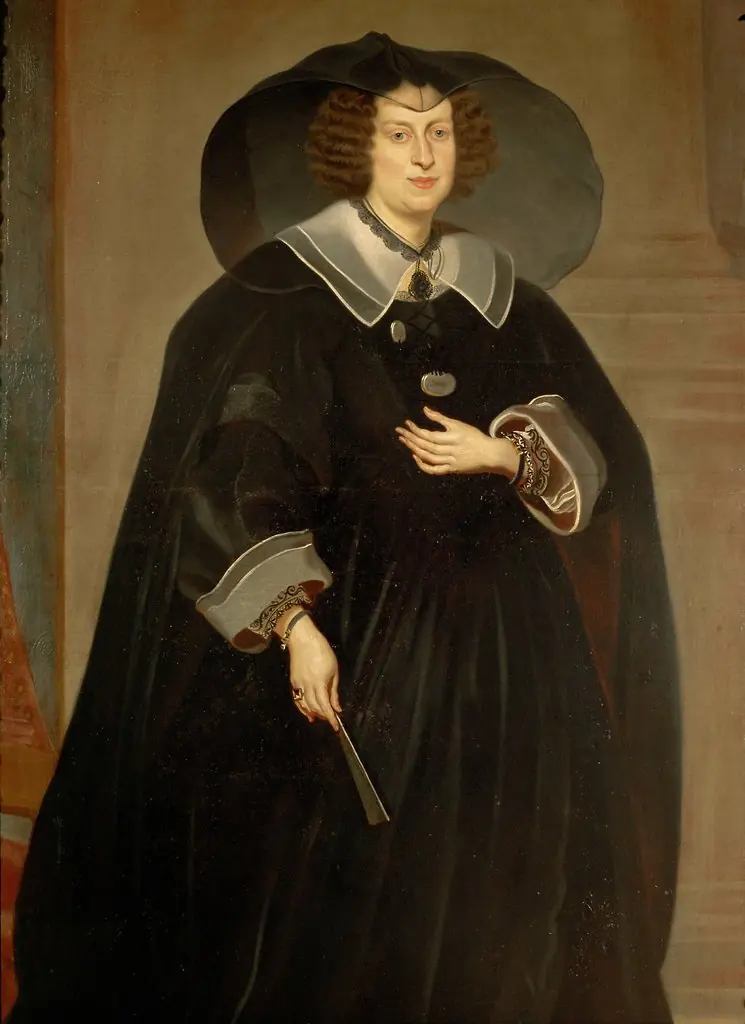 Claudia de' Medici (1604-1648), Erzherzogin, in Witwentracht, Kniestück
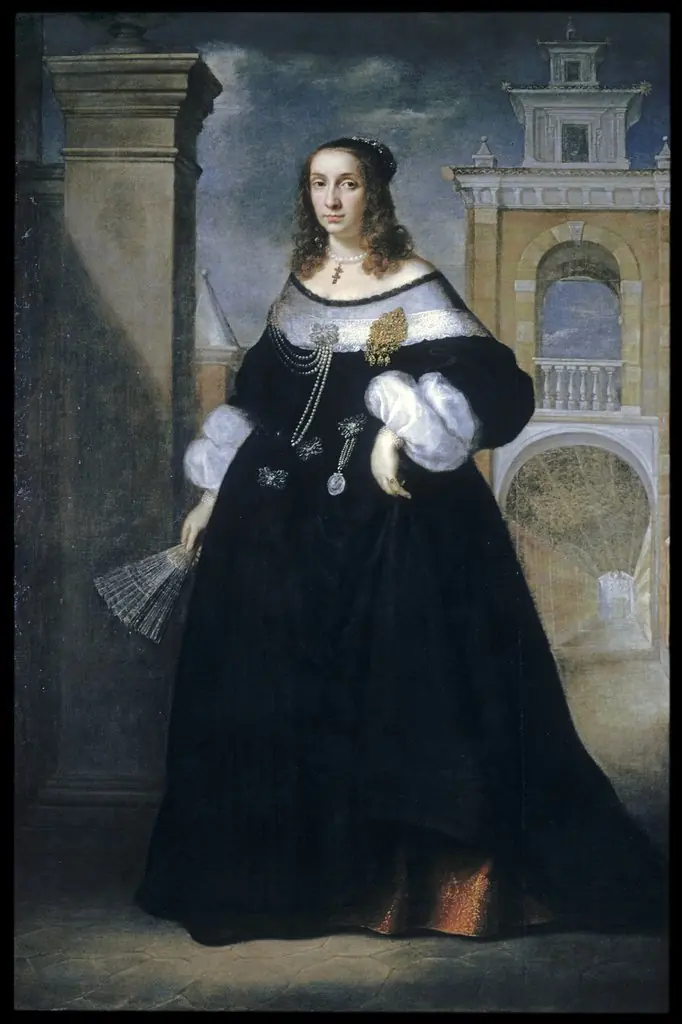 Portrait of Margherita van der Goes
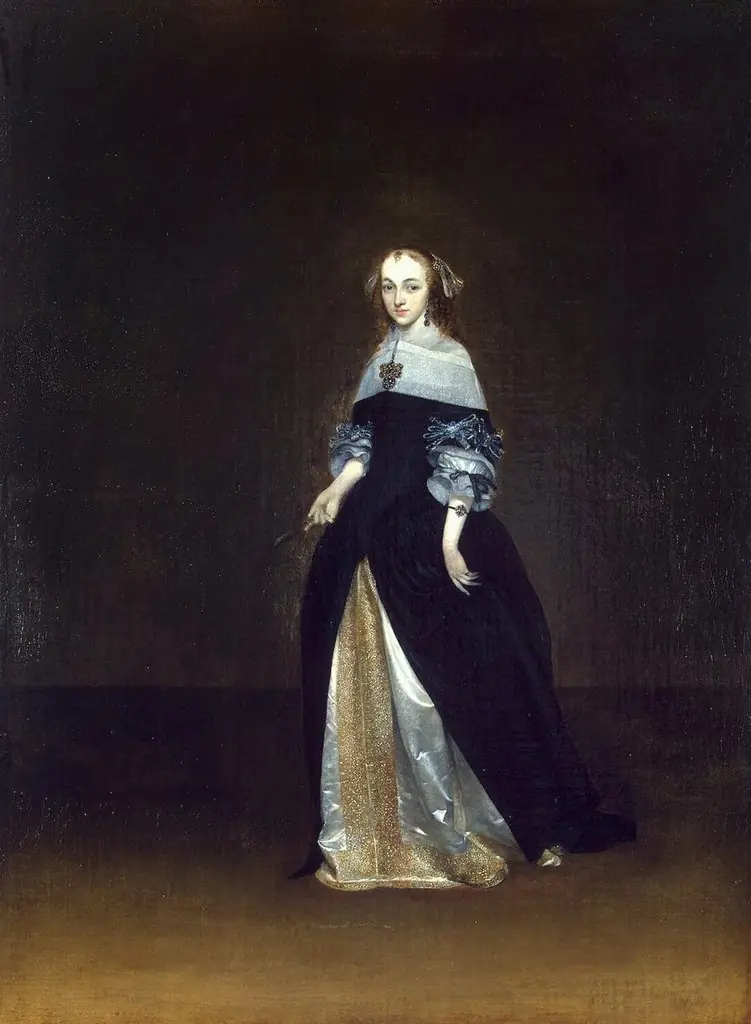 Portrait of Catarina van Leunink
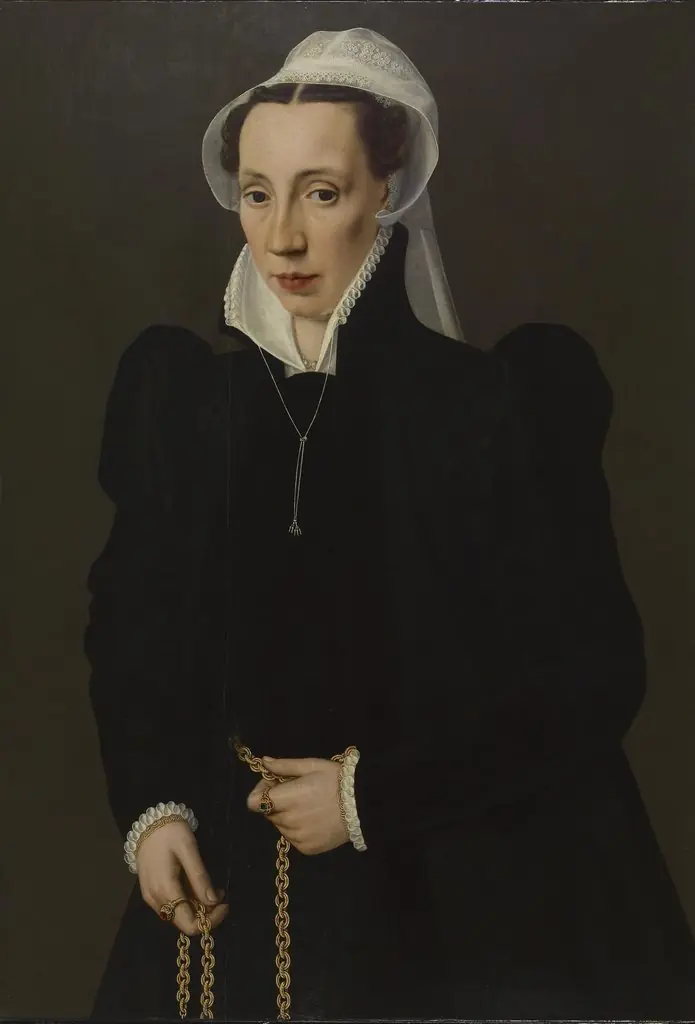 Portrait of a Woman with a Pomander
 Dama holandesa