Artwork
Aurora
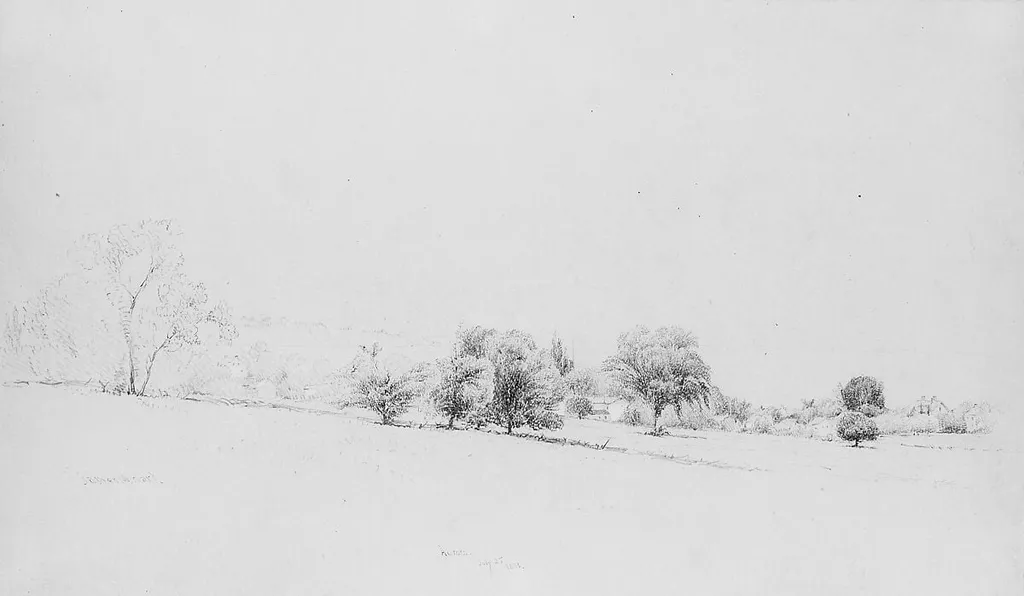
Aurora is a watercolor work on paper by the Hudson River School artist James McDougal Hart. It dates from 1863 and is held in the collection of the Metropolitan Museum of Art.
About this work
The watercolor lets light filter through the leaves in soft washes, almost like the sun is just waking up.
You see a quiet American forest at dawn: tall pines, a winding stream, and mist rising between the trees.
Hart painted this in 1863, right in the middle of the Civil War. The calm scene feels like a pause, a moment of peace when the country was torn apart. The watercolor lets light filter through the leaves in soft washes, almost like the sun is just waking up.
If you like this, look up the subject landscapes.
Subject & Meaning
James M. Hart's 1863 work Aurora is a landscape composition that focuses on the depiction of a tree. As a piece within the Hudson River School tradition, the subject matter centers on the natural world rather than a narrative scene or human figures. The title suggests a thematic connection to the Roman goddess of the dawn, implying that the artwork represents the arrival of morning light or the quiet atmosphere of early daybreak.
While the specific symbolic intent is not detailed in the available records, the choice of a solitary tree as the primary visual element anchors the piece in the genre of landscape painting.
Technique & Style
Executed in 1863, Aurora is a watercolor heightened with graphite and white gouache on a tan wove paper support.
The handling emphasizes fluid, layered washes to build atmospheric recession and delicate luminosity around the central tree, while graphite underdrawing remains visible at edges to guide the composition. The overall tonality favors silvery greens and warm browns, with gouache used sparingly to heighten light effects on foliage and sky.
The work’s small scale and luminous palette align with contemporary American watercolor practice, foregrounding a restrained naturalism rather than dramatic incident.
History & Provenance
James McDougal Hart created the watercolor landscape titled Aurora in 1863. The work was executed using watercolor, graphite, and white gouache applied to tan wove paper. It depicts a tree within a natural setting. The piece is currently held in the collection of the Metropolitan Museum of Art, specifically within its American Wing classification.
Overview
Created in 1863, Aurora is a small-scale work on tan wove paper that combines watercolor, graphite and white gouache. The American artist James M. Hart, linked to the Hudson River School, rendered a tranquil early‑morning forest scene that emphasizes the quiet dignity of the natural world.
Context
The piece was executed during the height of the Civil War, a period of national upheaval. Its placid forest setting can be read as a visual respite, offering a momentary escape from conflict and reflecting the 19th‑century American ideal of the frontier as a source of renewal.
Artist & collection

Artist
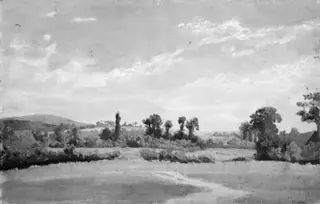
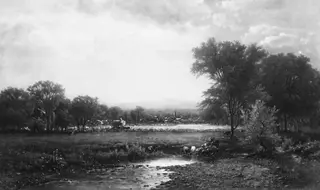
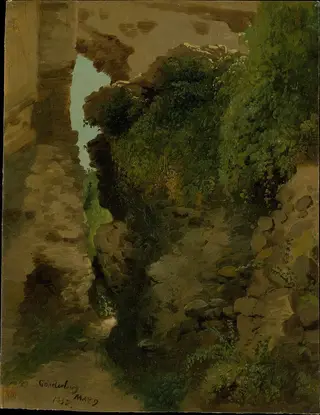
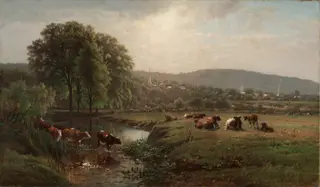
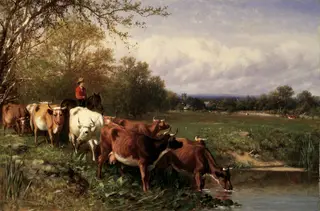
James McDougal Hart (May 10, 1828 – October 24, 1901) was an American landscape and cattle painter of the Hudson River School.

- Open Landscape with Low Hills. Summer
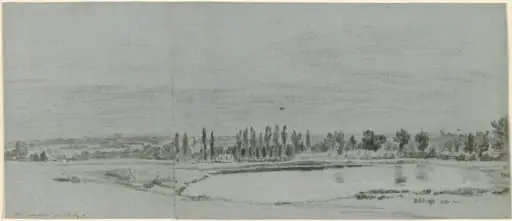 Extensive Landscape with a Pond
 A View near Lowther
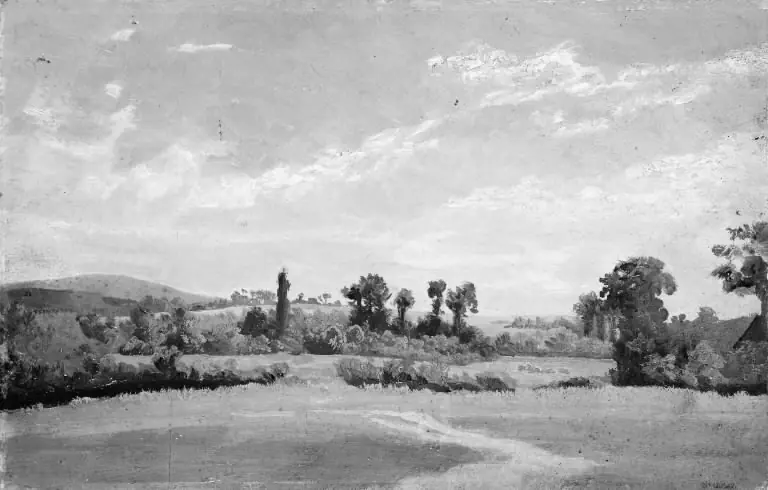 Open Landscape with Low Hills. Summer
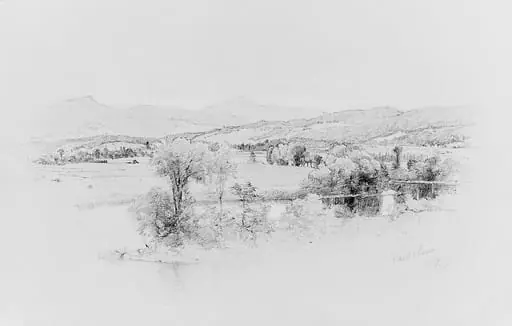 Maidstone, Vermont
 Landscape
 Paddington Fields, London
 Saint Maurice in Bourgogne (Saint Maurice en Bourgogne)
 Le Simoun
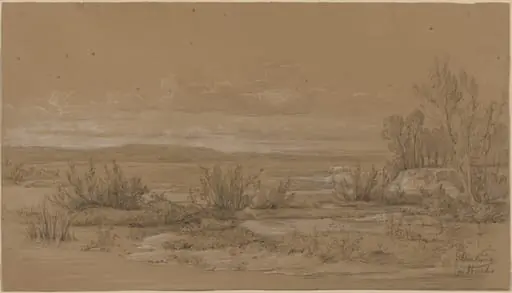 Landscape near Vourlis
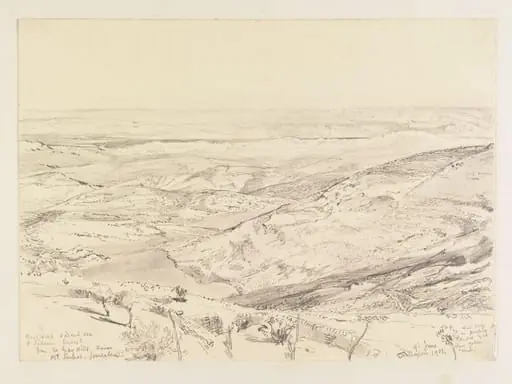 Moab Hills, Dead Sea & Judean Desert
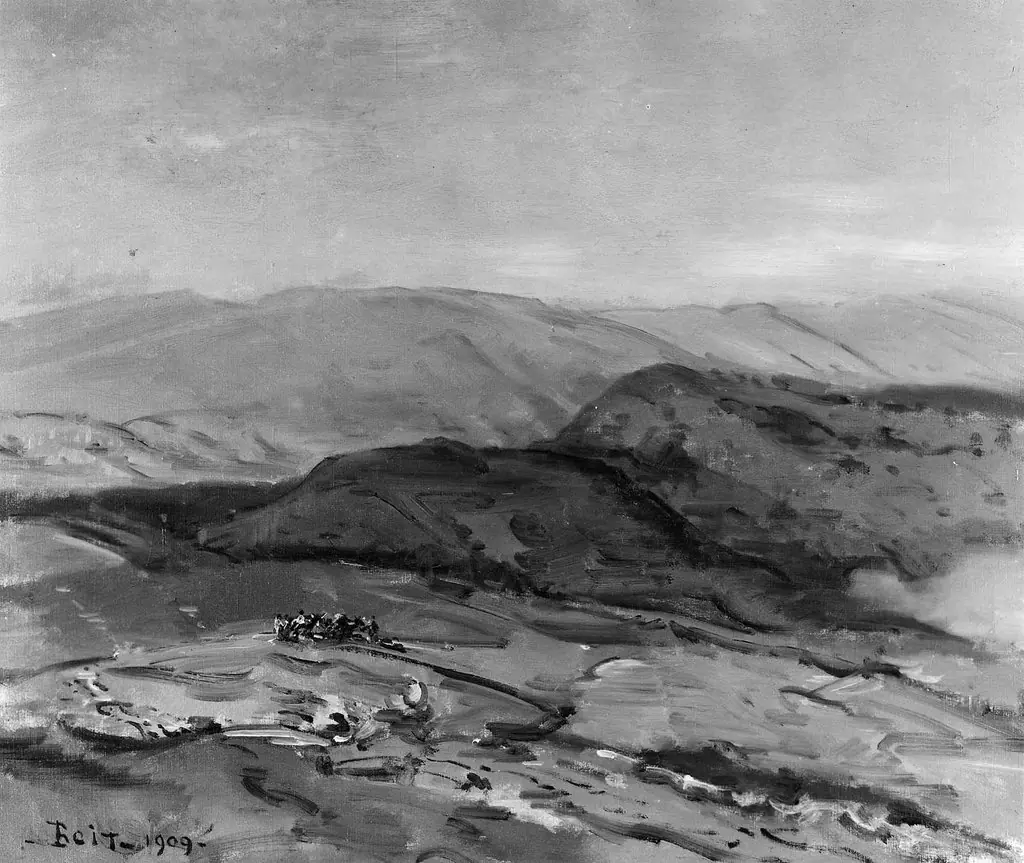 Afternoon in the Apennines