Movement
Hudson River School
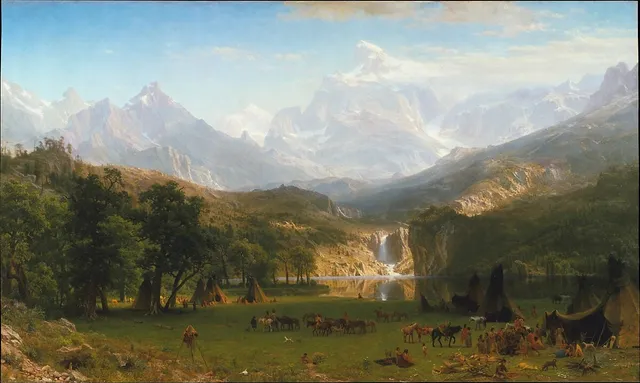
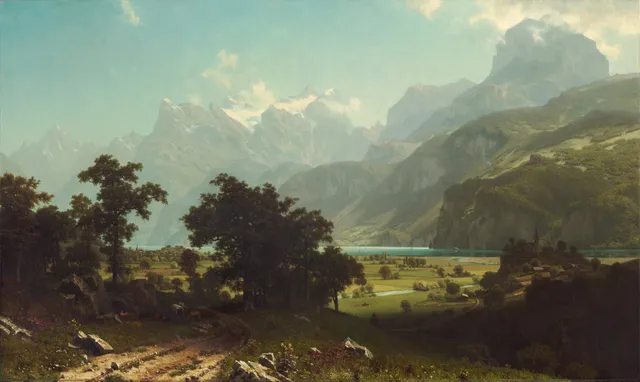
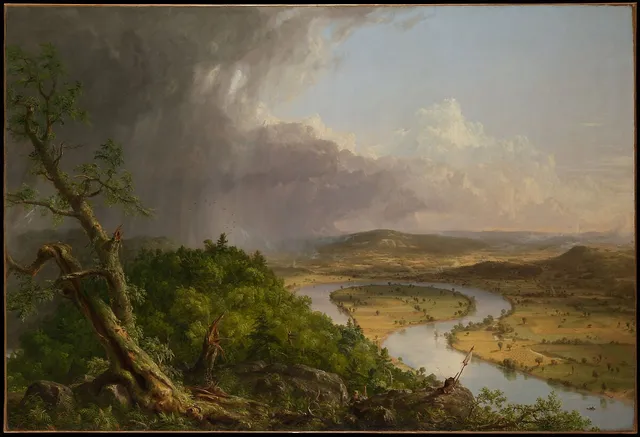
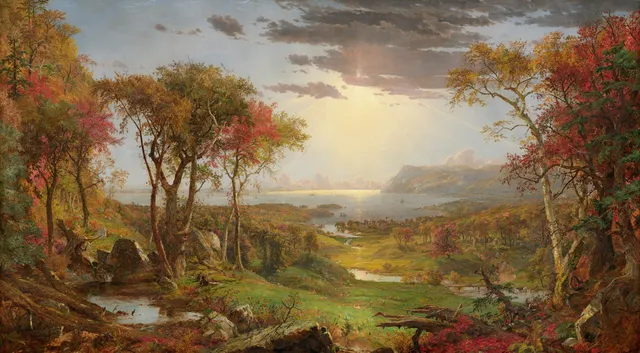
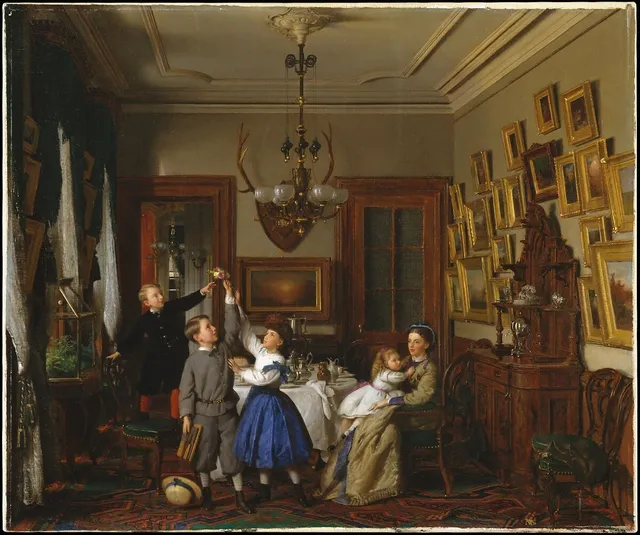
Hudson River School is an art movement of the 1820–1880 period. The gallery holds 653 works in this movement, including works by Thomas Cole, Albert Bierstadt and Seymour Joseph Guy. Browse Hudson River School paintings, portraits, pictures and artworks from the world's public-domain museum collections.
The Hudson River School was the first major school of American landscape painting and, by extension, the first art movement the young United States could claim as its own. It coalesced as an informal fellowship of New York–based painters in the second quarter of the nineteenth century, conventionally dated to 1825, when the English-born Thomas Cole sailed up the Hudson and into the Catskill Mountains and returned with canvases—among them his celebrated views of Kaaterskill Falls—that electrified the city's artistic circles. The movement arose from a distinctly American impulse: at a moment of national expansion and rising cultural confidence, its painters found in the unspoiled wilderness of the Hudson Valley, the Catskills, the Adirondacks, and the White Mountains a subject equal to Europe's cathedrals and ruins. Steeped in Romanticism and the transcendentalist conviction that nature revealed the divine, their work treats the landscape with an almost devotional reverence.
Visually, the school is defined by panoramic, light-filled compositions that balance meticulous, near-scientific detail in the foreground with sweeping atmospheric grandeur beyond. The painters worked from plein-air oil sketches and pencil studies, then assembled idealized, often composite scenes in the studio, frequently staging the encounter between pristine wilderness and the encroaching presence of settlement. Thomas Cole's "View from Mount Holyoke, Northampton, Massachusetts, after a Thunderstorm—The Oxbow" (1836) is emblematic, juxtaposing storm-wracked forest against tamed, sunlit farmland; his allegorical cycle "The Course of Empire" (1833–36) shows the movement's moralizing ambition.
After Cole's death in 1848, leadership passed to his friend Asher B. Durand, who steered the group toward a more naturalistic manner. A second generation extended the vision: Cole's pupil Frederic Edwin Church painted the Andes, the Arctic, and Niagara on a heroic scale, while Albert Bierstadt carried the school west, his vast "The Rocky Mountains, Lander's Peak" (1863) a triumph of theatrical light. Jasper Francis Cropsey became the great painter of American autumn, as in "Autumn—On the Hudson River" (1860), and Sanford Robinson Gifford, John Frederick Kensett, and Martin Johnson Heade pioneered the quieter, light-saturated mode known as luminism.
The movement faded by the 1870s as Barbizon-inspired tonalism and French Impressionism eclipsed its grand manner, but its influence endured—shaping American conservation ideals and the very iconography of the national landscape.
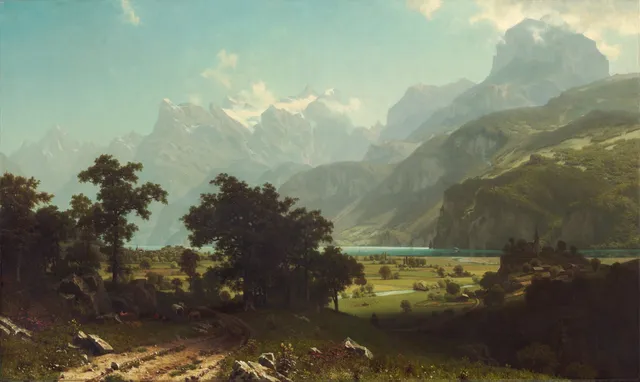
Key artists

Artist


Works
 Lake Lucerne
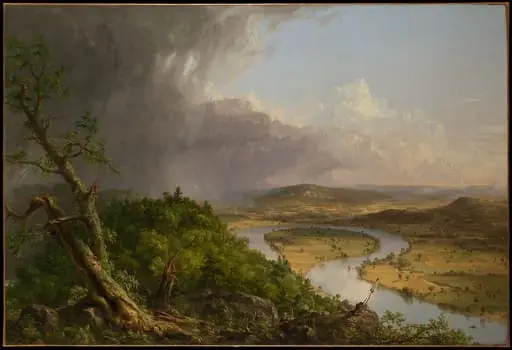 View from Mount Holyoke, Northampton, Massachusetts, after a Thunderstorm—The Oxbow
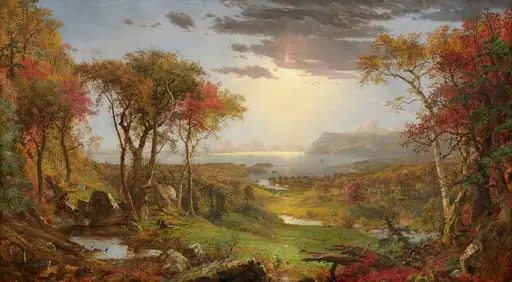 Autumn - On the Hudson River
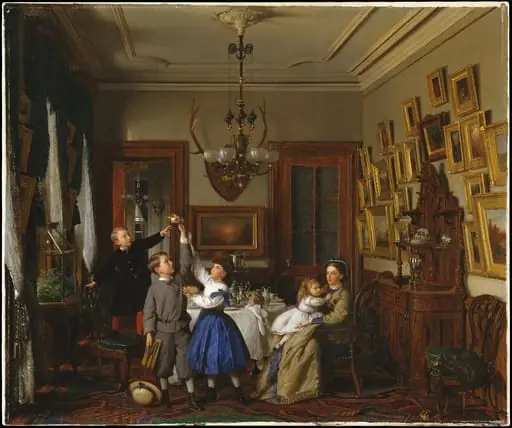 The Contest for the Bouquet: The Family of Robert Gordon in Their New York Dining-Room
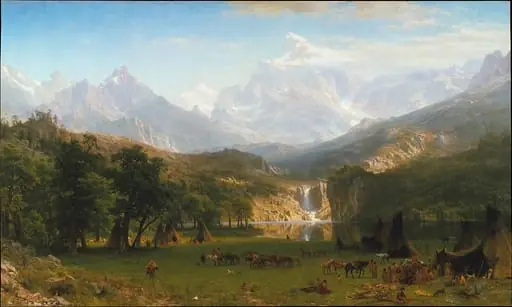 The Rocky Mountains, Lander's Peak
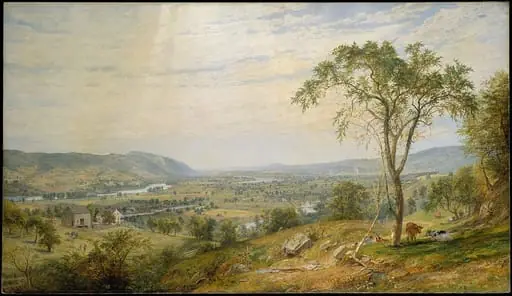 The Valley of Wyoming
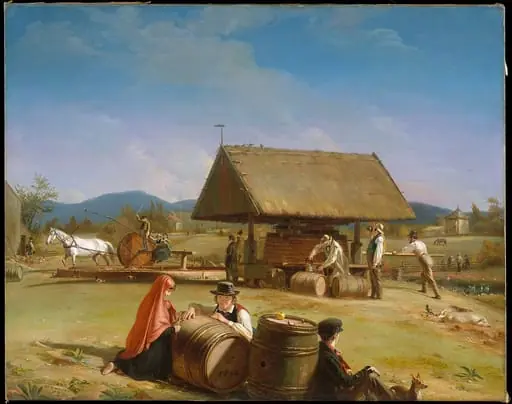 Cider Making
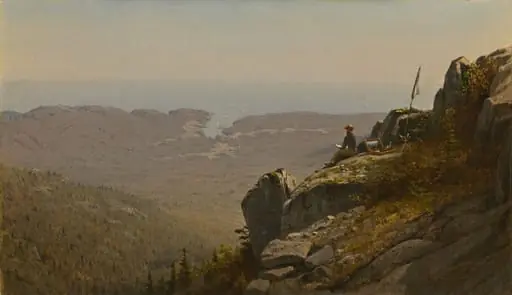 The Artist Sketching at Mount Desert, Maine
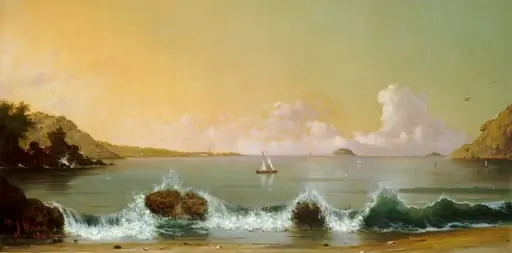 Rio de Janeiro Bay
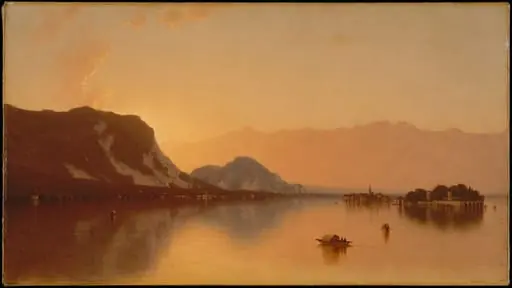 Isola Bella in Lago Maggiore
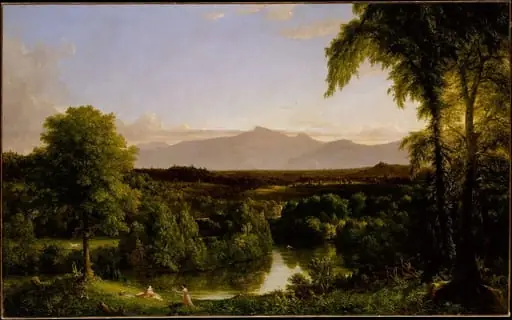 View on the Catskill—Early Autumn
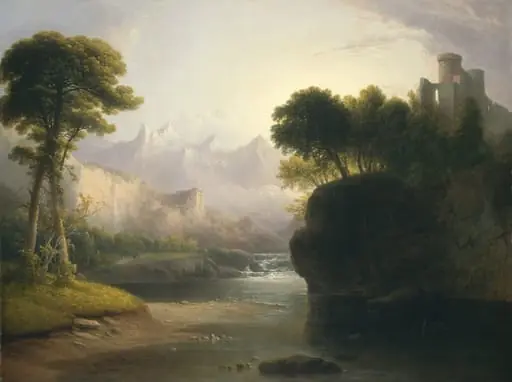 Fanciful Landscape
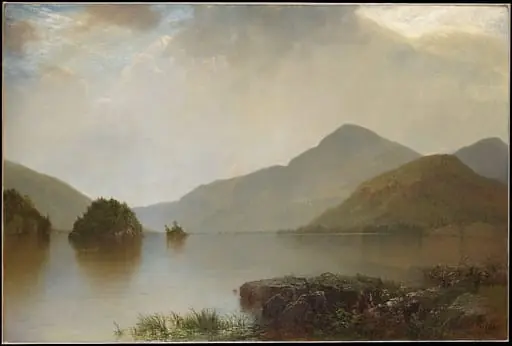 Lake George
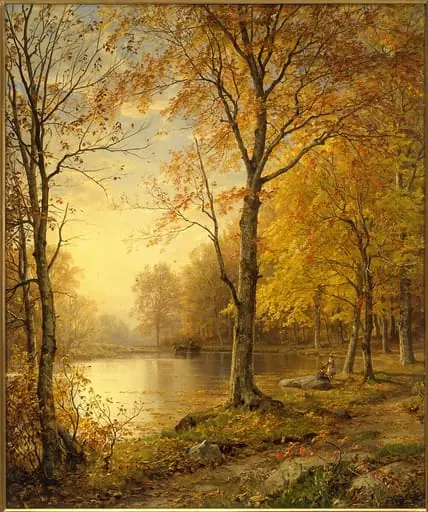 Indian Summer
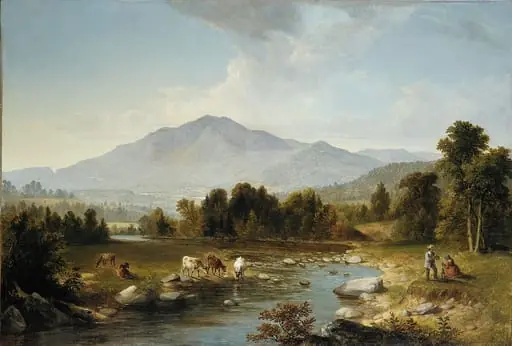 High Point: Shandaken Mountains
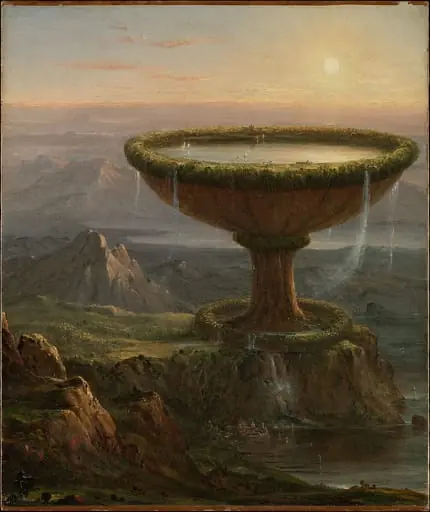 The Titan's Goblet
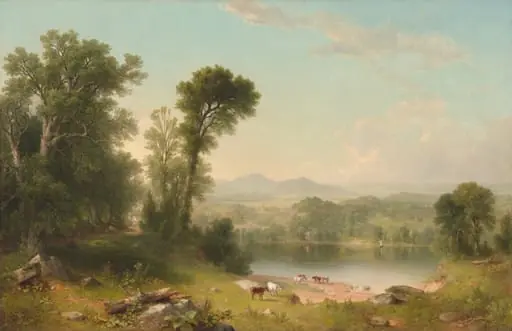 Pastoral Landscape
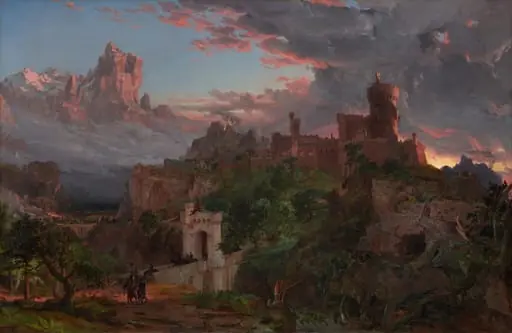 The Spirit of War
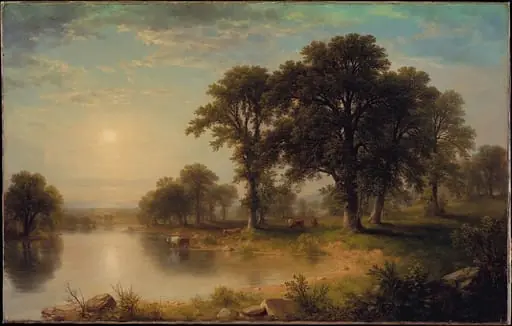 Summer Afternoon
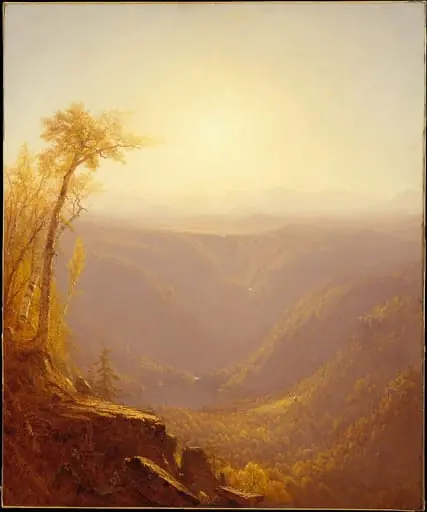 A Gorge in the Mountains (Kauterskill Clove)
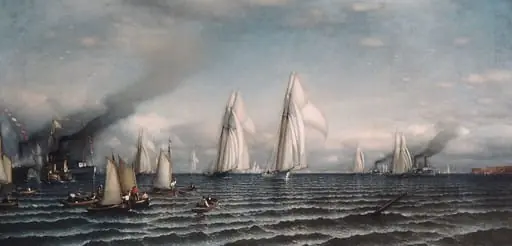 Finish—First International Race for America's Cup, August 8, 1870
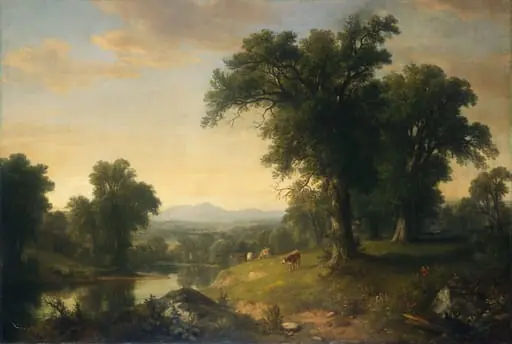 A Pastoral Scene
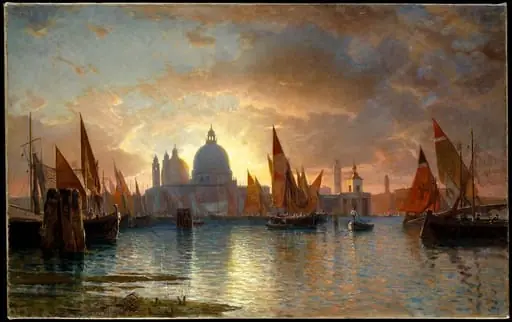 Santa Maria della Salute, Sunset
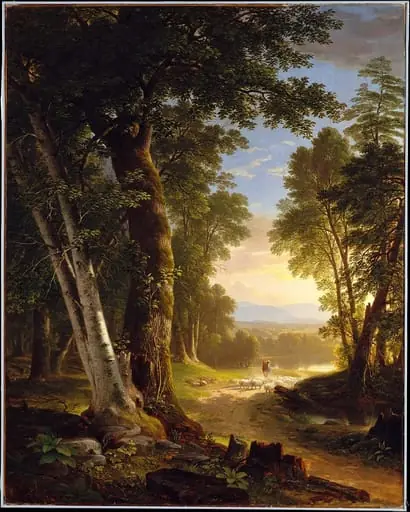 The Beeches
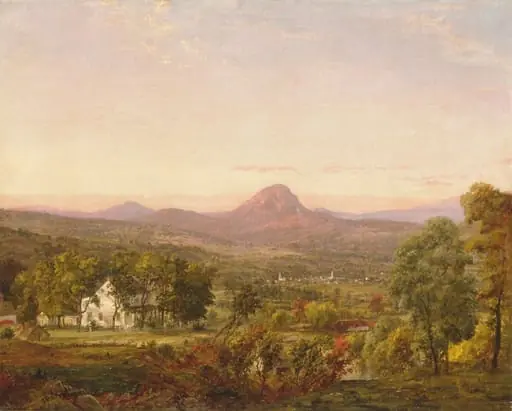 Autumn Landscape, Sugar Loaf Mountain, Orange County, New York
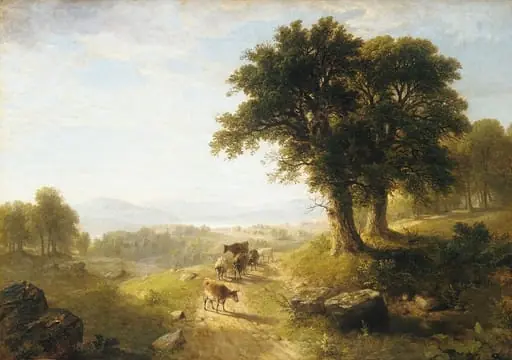 River Scene
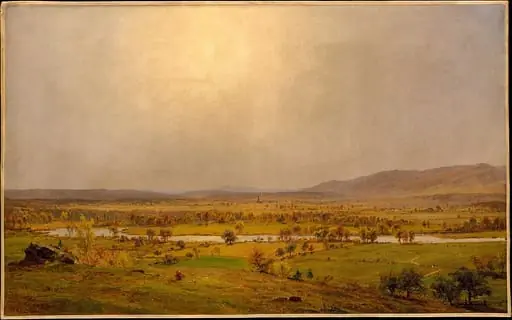 Pompton Plains, New Jersey
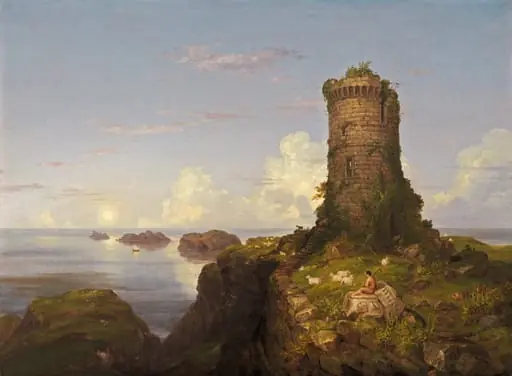 Italian Coast Scene with Ruined Tower
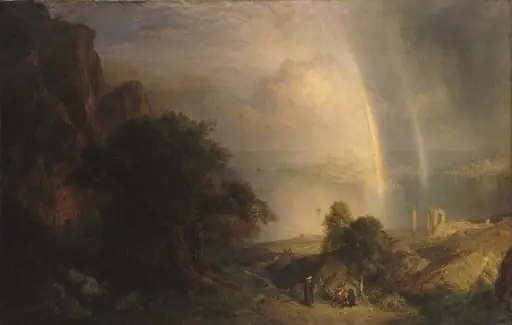 The Aegean Sea
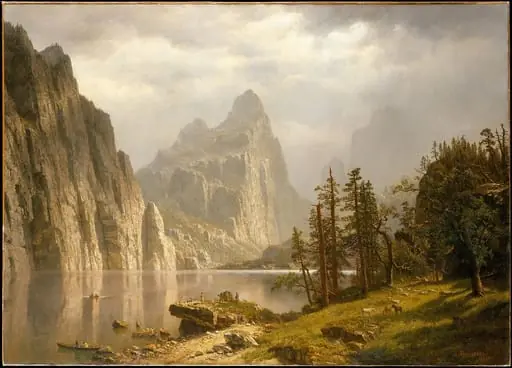 Merced River, Yosemite Valley
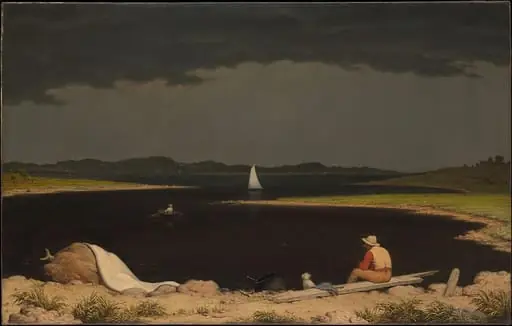 Approaching Thunder Storm
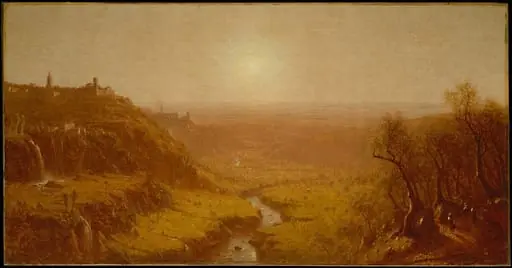 Tivoli
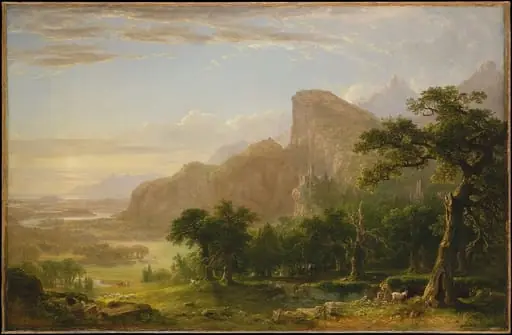 Landscape—Scene from "Thanatopsis"
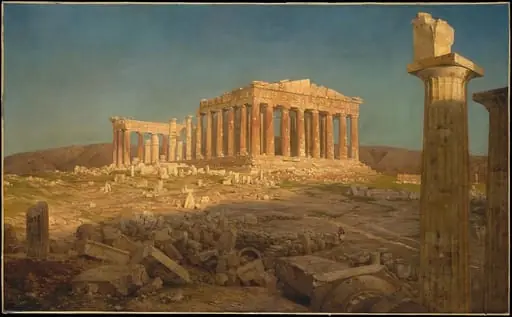 The Parthenon
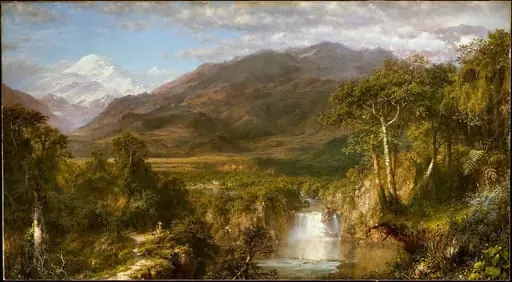 Heart of the Andes
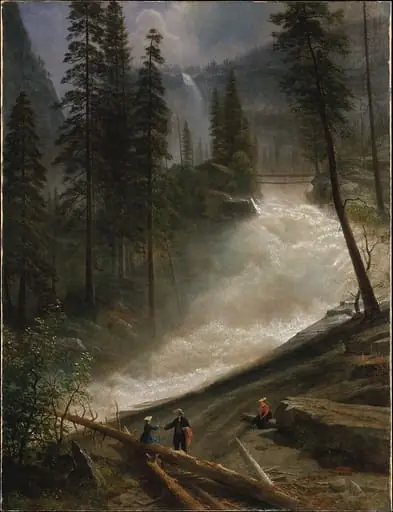 Nevada Falls, Yosemite
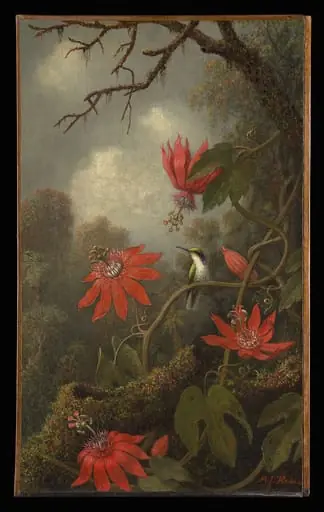 Hummingbird and Passionflowers
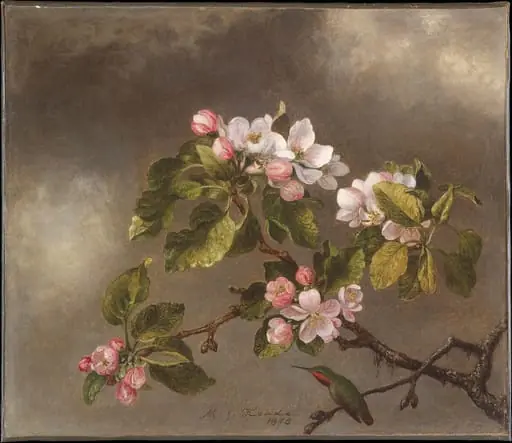 Hummingbird and Apple Blossoms
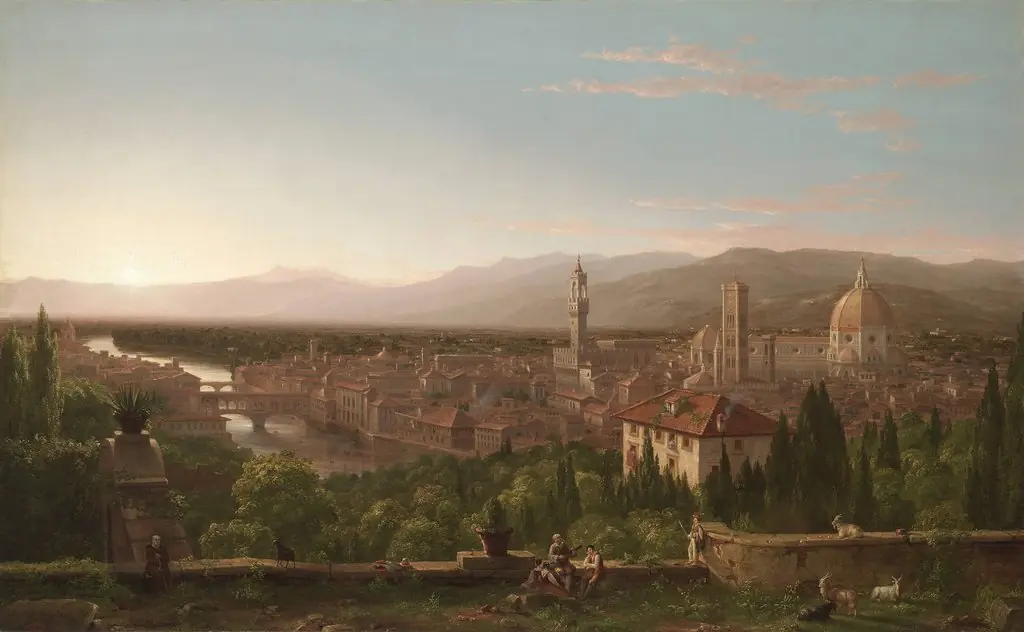 View of Florence
 Spanish Peaks, Southern Colorado, Late Afternoon
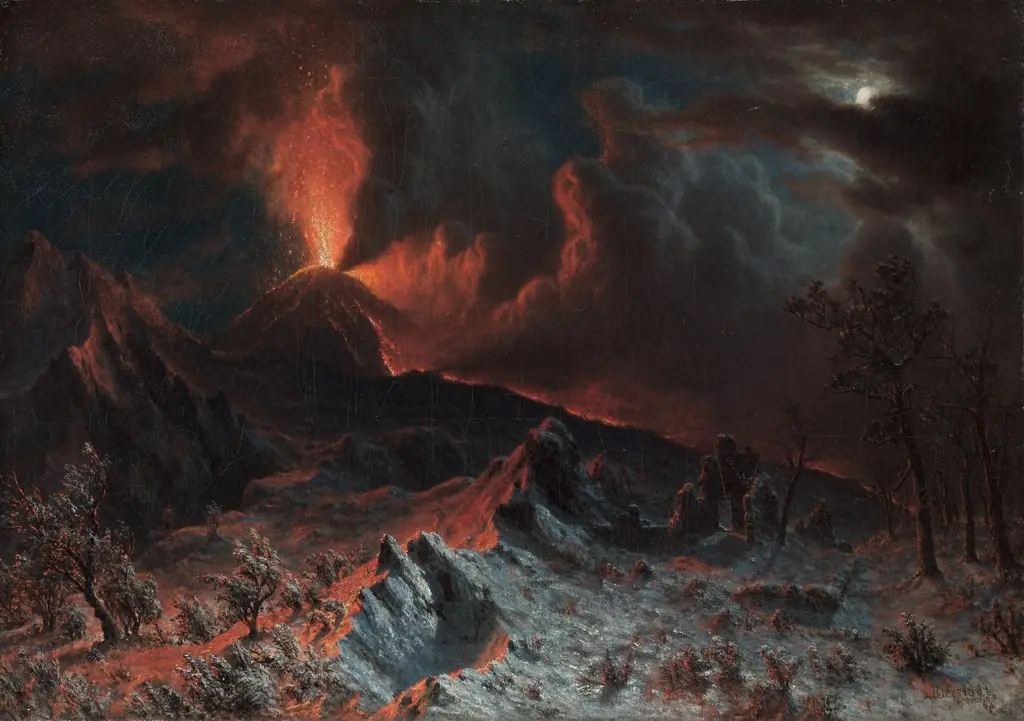 Mount Vesuvius at Midnight
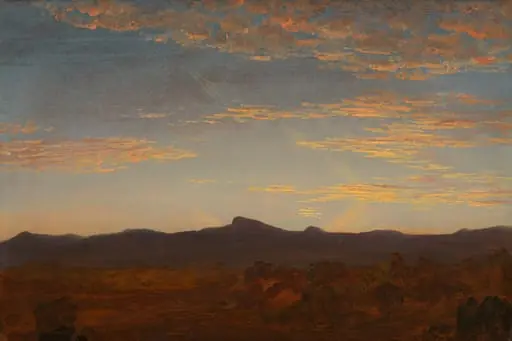 Study for "Catskill Creek"
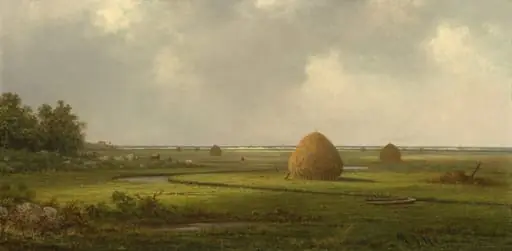 View of Marshfield
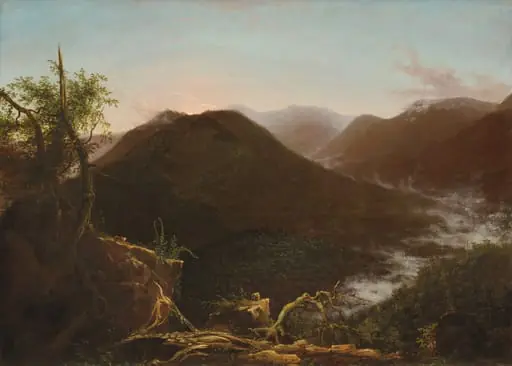 Sunrise in the Catskills
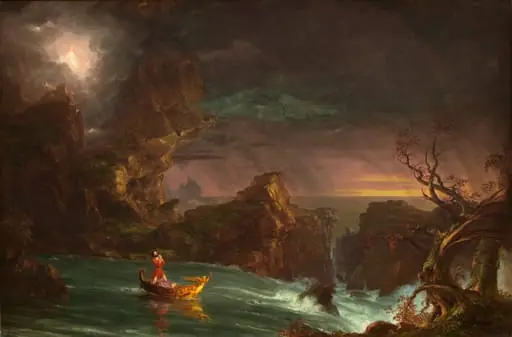 The Voyage of Life: Manhood
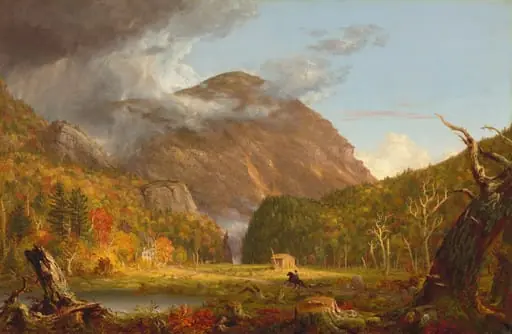 A View of the Mountain Pass Called the Notch of the White Mountains (Crawford Notch)
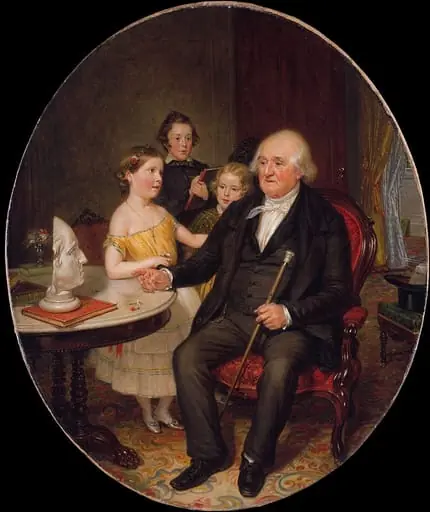 Great-Grand-Father's Tale of the Revolution—A Portrait of Reverend Zachariah Greene
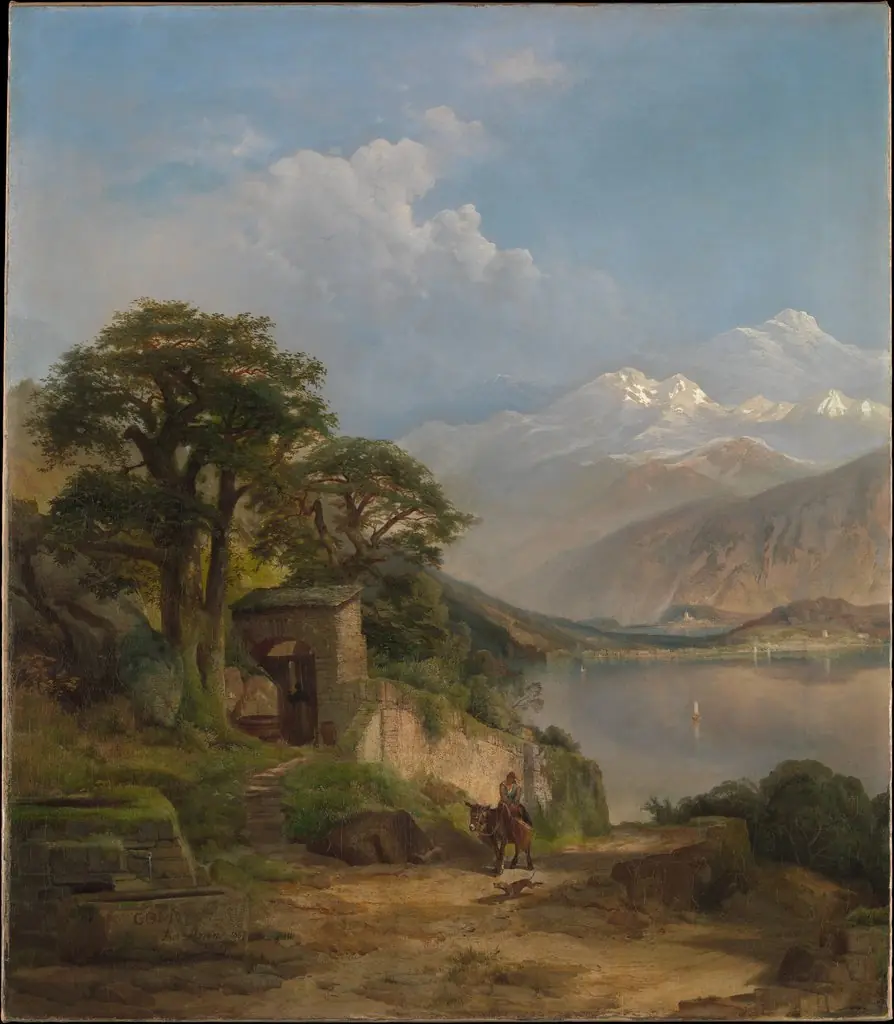 Lierna
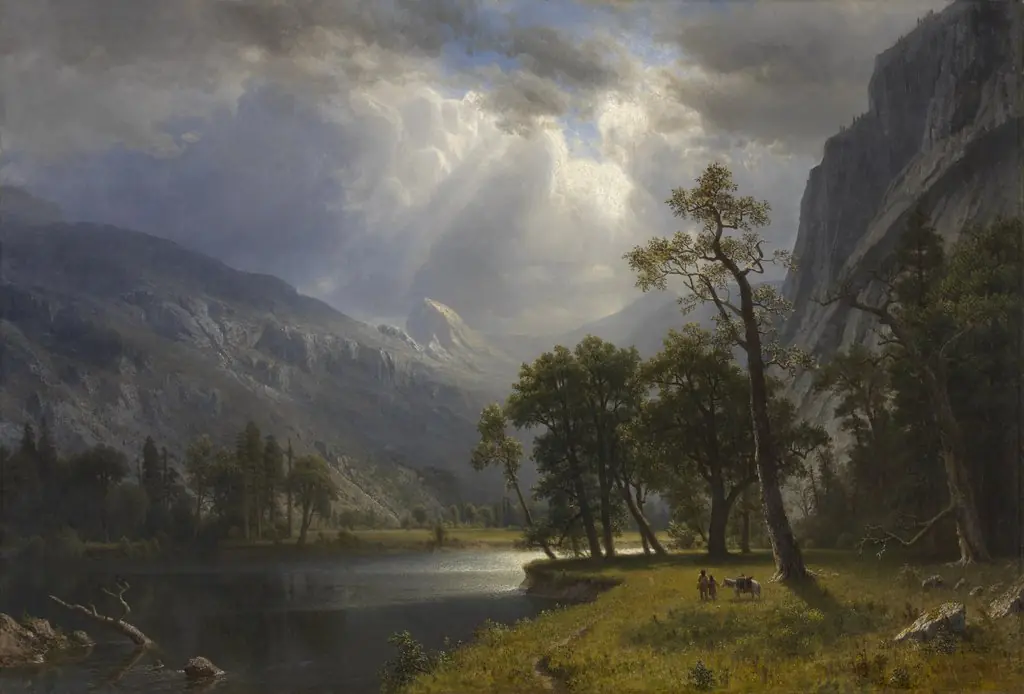 Mount Starr King, Yosemite
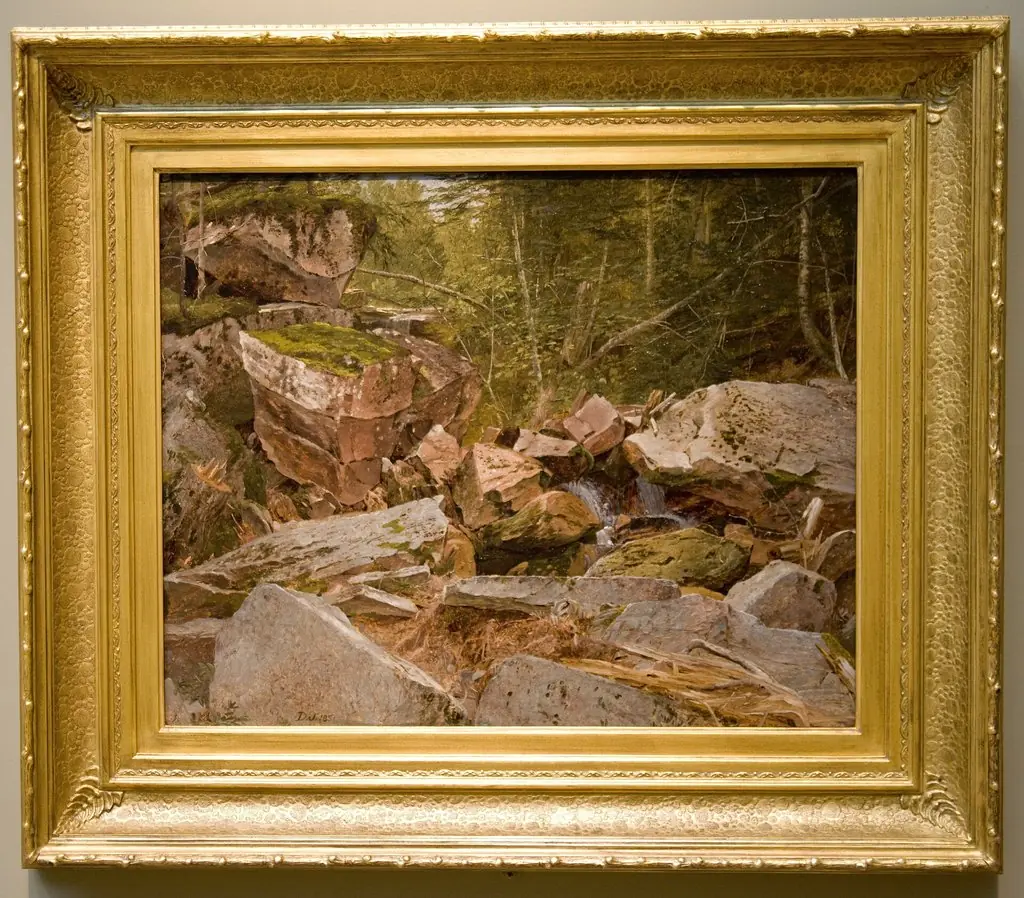 Study, North Conway, New Hampshire
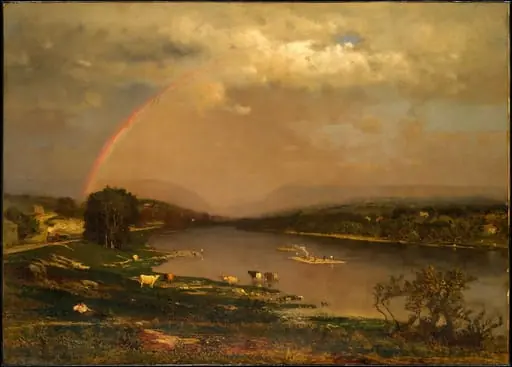 Delaware Water Gap
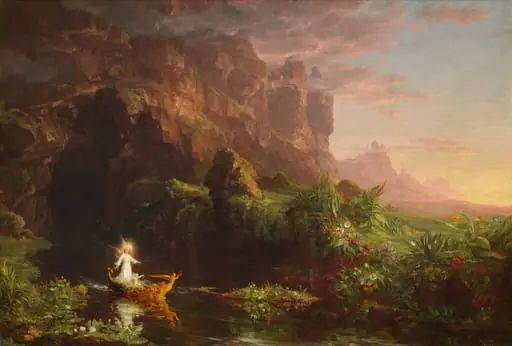 The Voyage of Life: Childhood
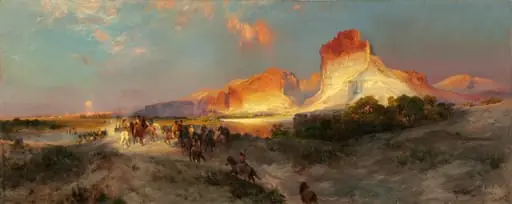 Green River Cliffs, Wyoming
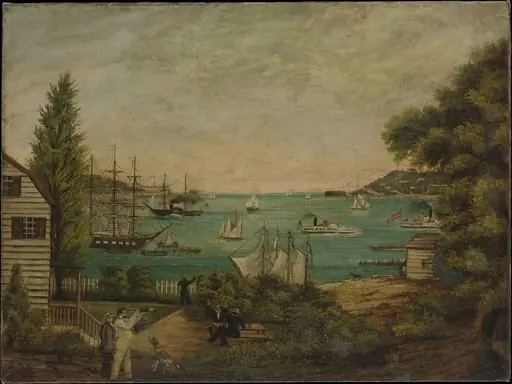 View from Staten Island
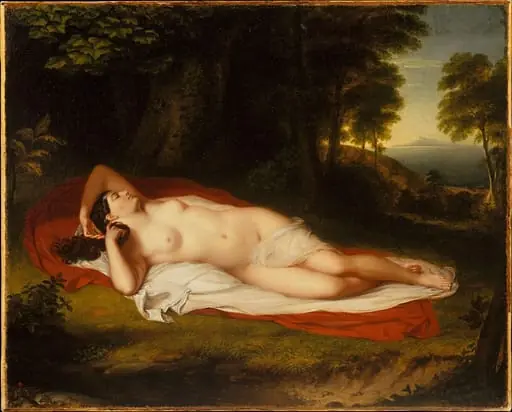 Ariadne
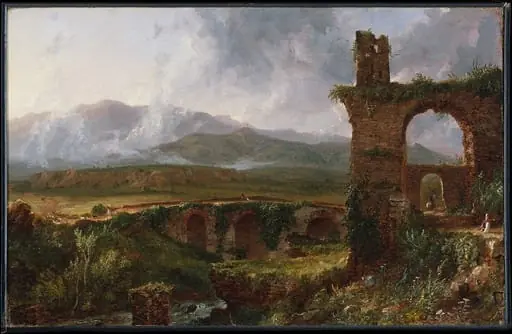 A View near Tivoli (Morning)
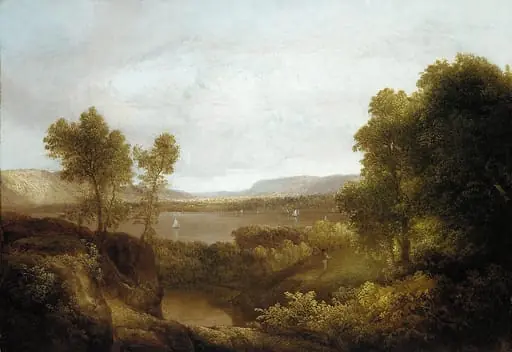 On the Hudson
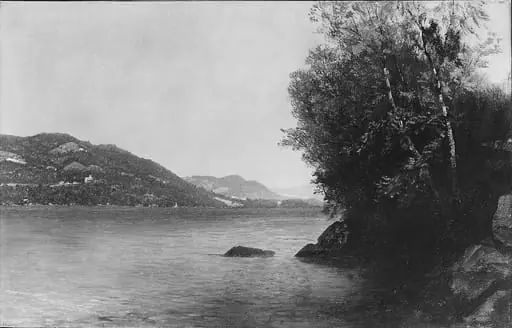 Lake George, A Reminiscence
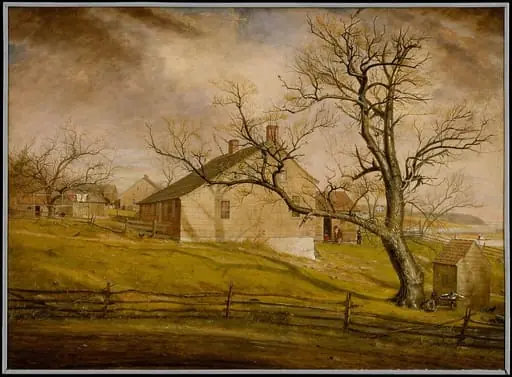 Long Island Farmhouses
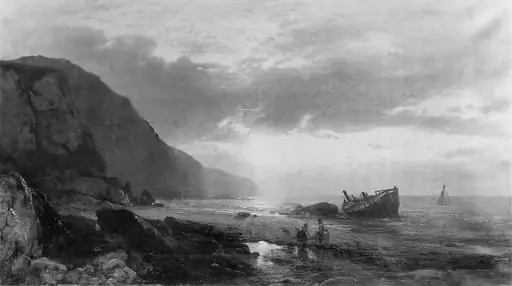 Seashore, Morning
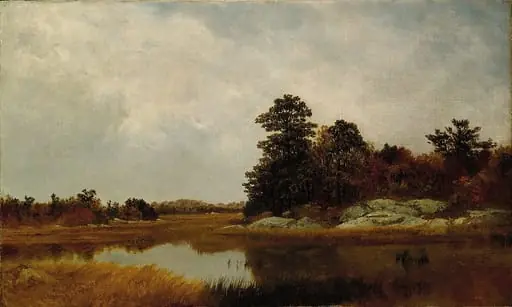 October in the Marshes
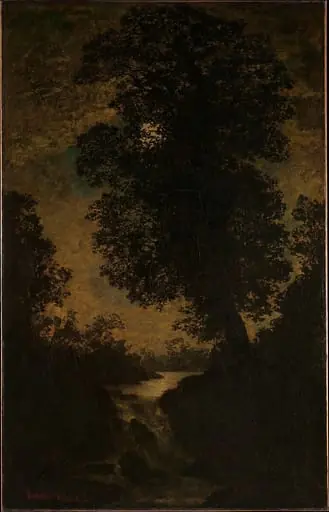 A Waterfall, Moonlight
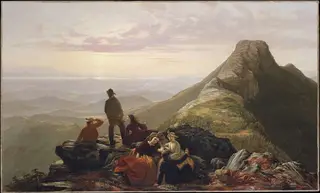 The Belated Party on Mansfield Mountain
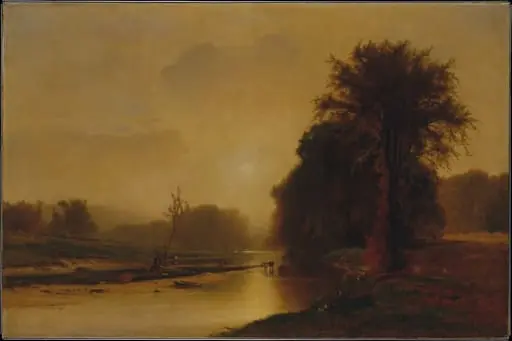 Autumn Meadows
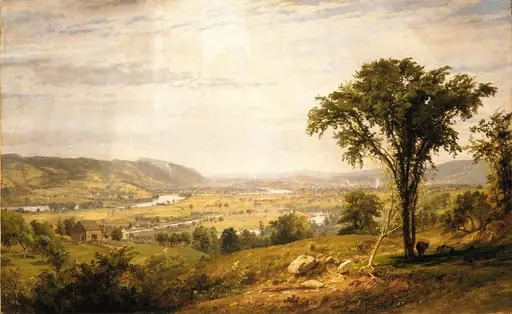 Wyoming Valley, Pennsylvania
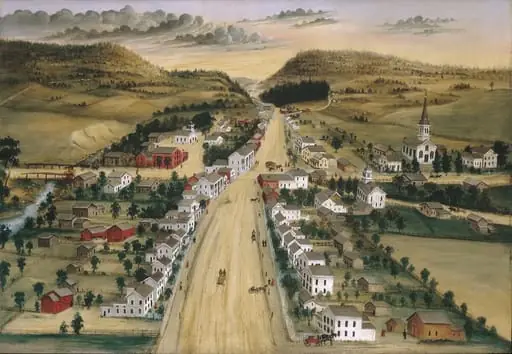 View of Poestenkill, New York
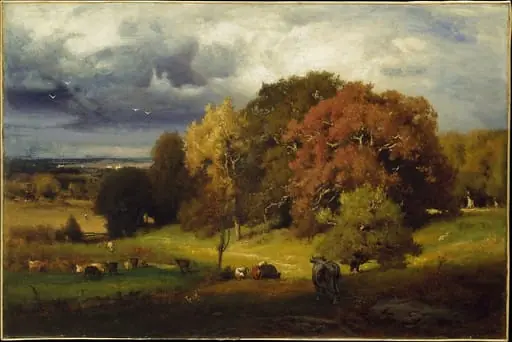 Autumn Oaks
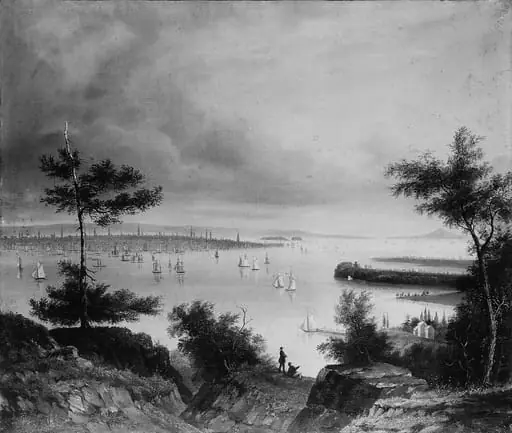 View of New York from Weehawken
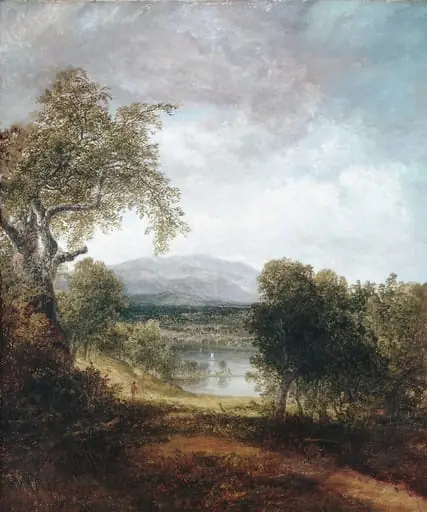 A River Glimpse
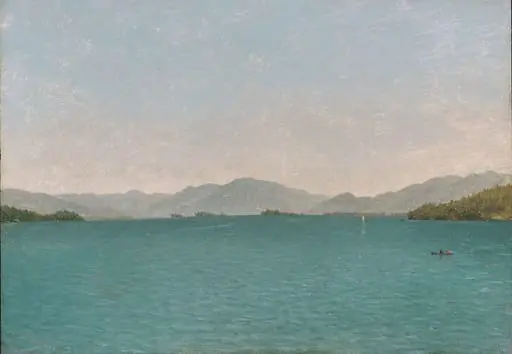 Lake George, Free Study
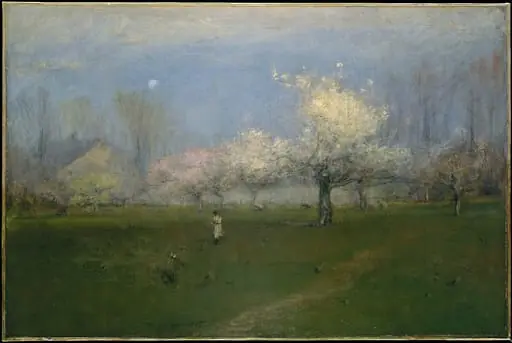 Spring Blossoms, Montclair, New Jersey
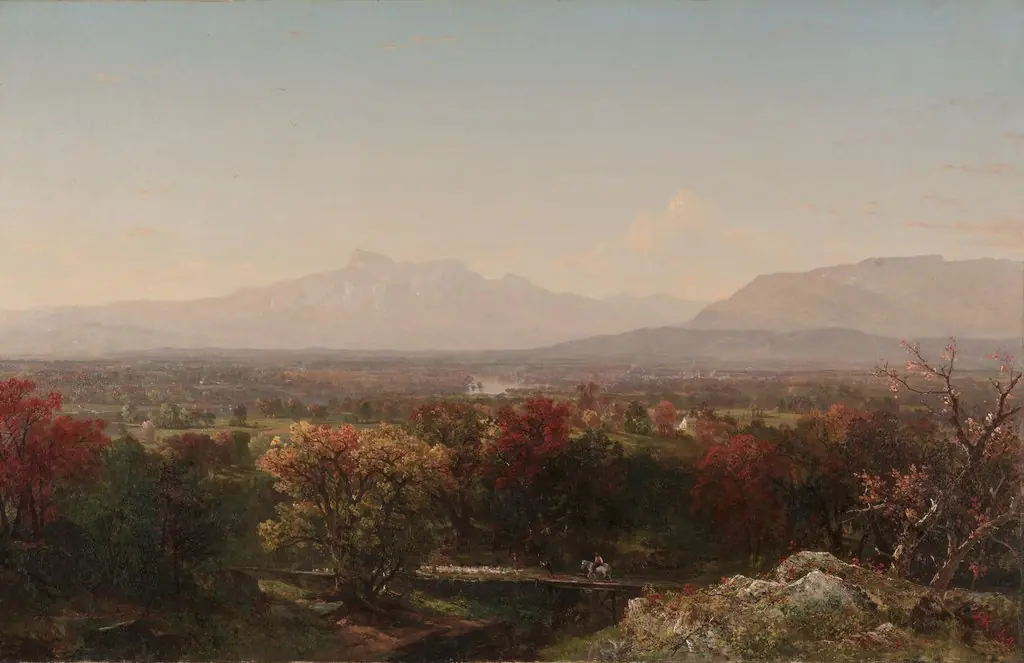 An October Day in the White Mountains
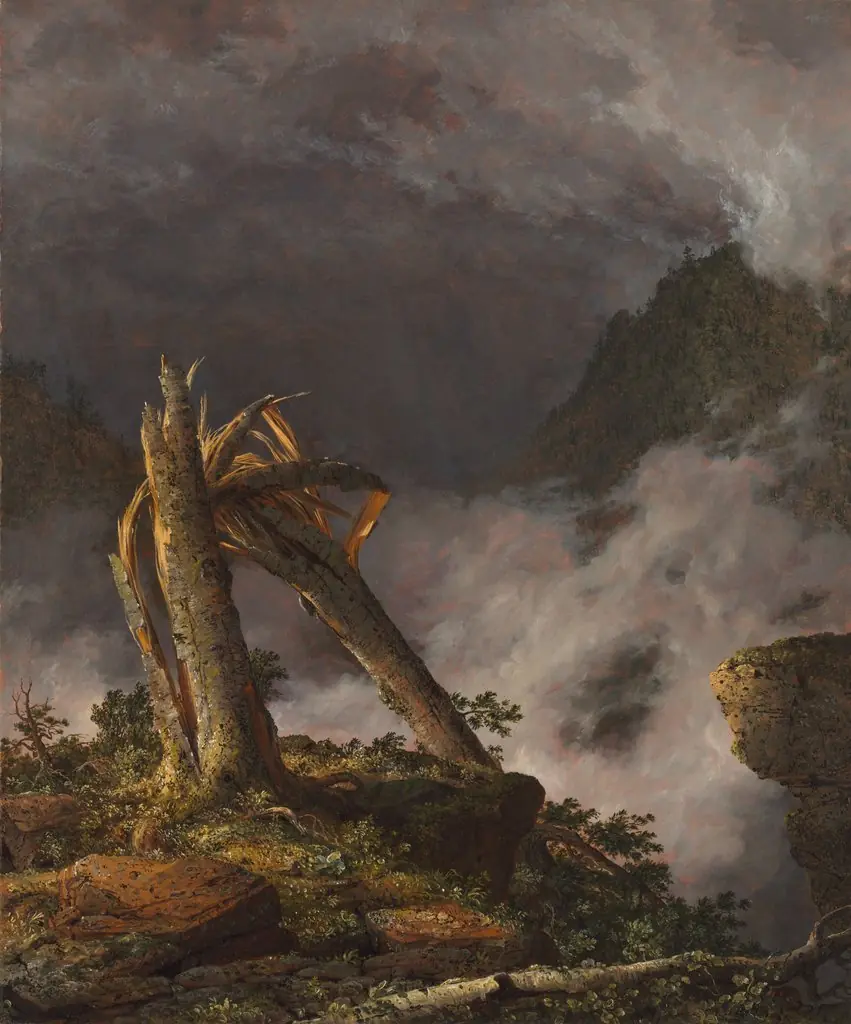 Storm in the Mountains
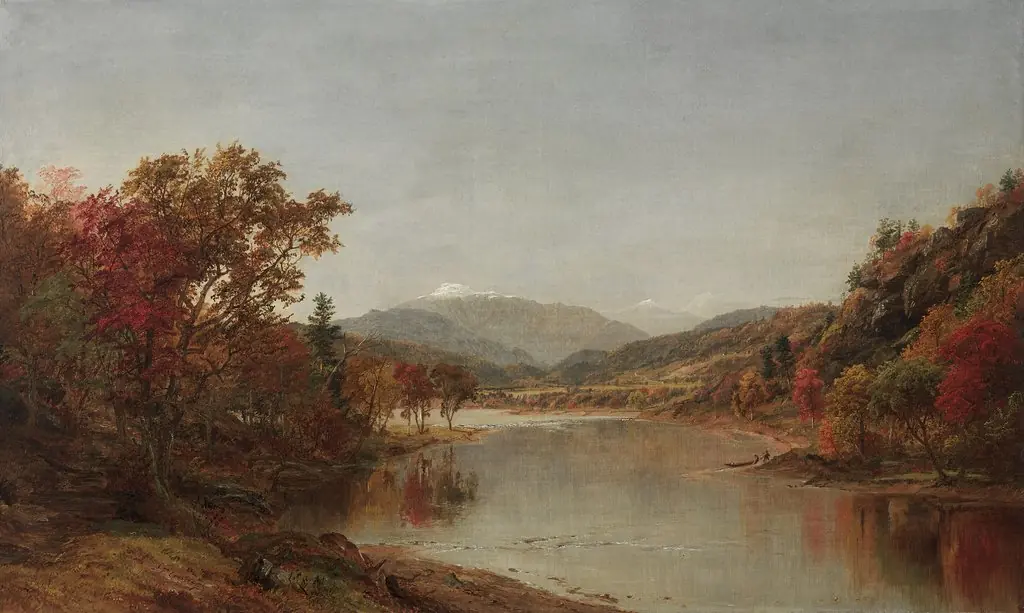 Mount Washington, New Hampshire
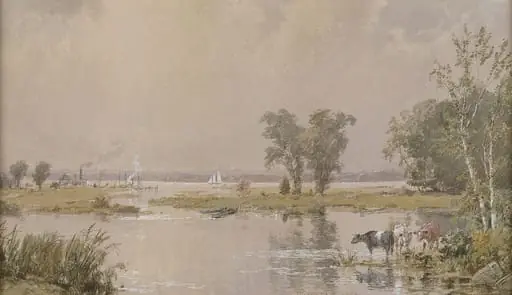 Hackensack Meadows
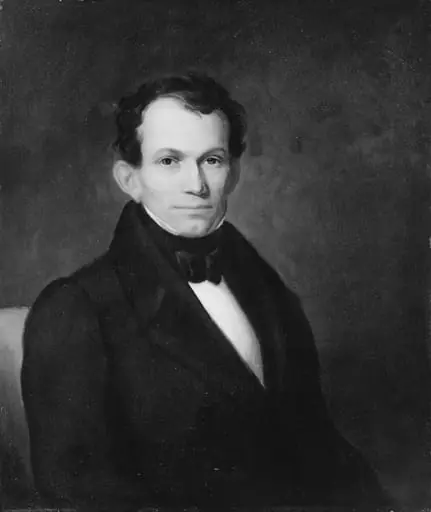 Jonathan Sturges
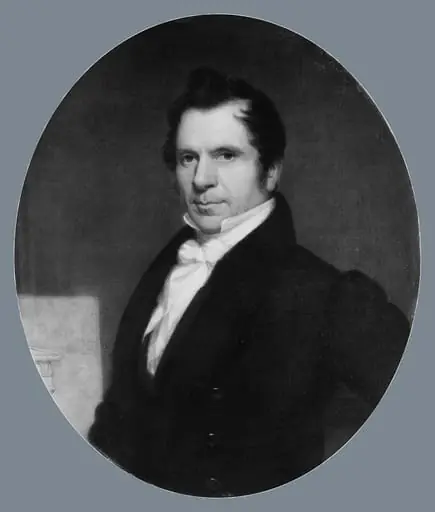 Martin Euclid Thompson
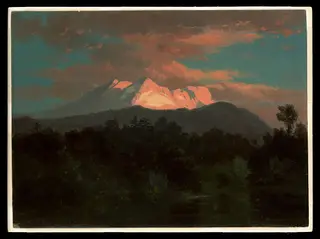 Mountain Range
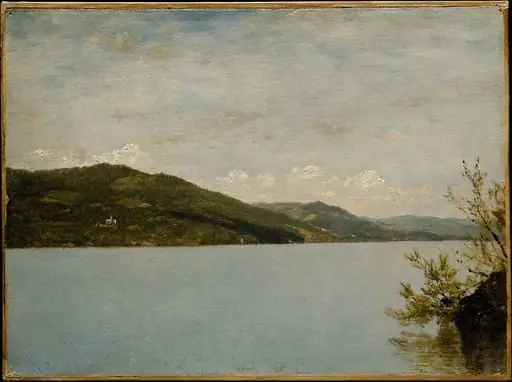 Lake George, 1872
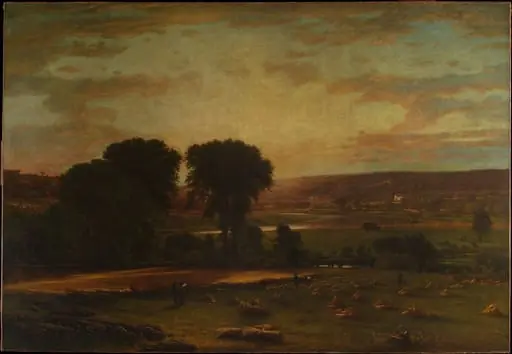 Peace and Plenty
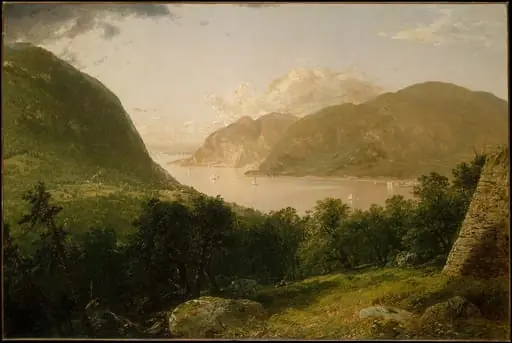 Hudson River Scene
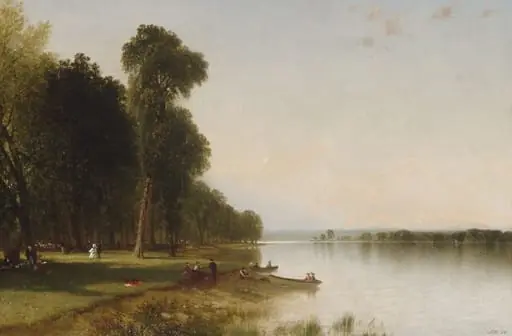 Summer Day on Conesus Lake
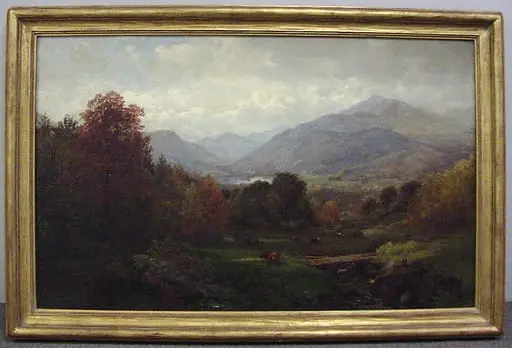 Bouquet Valley, Adirondack Mountains
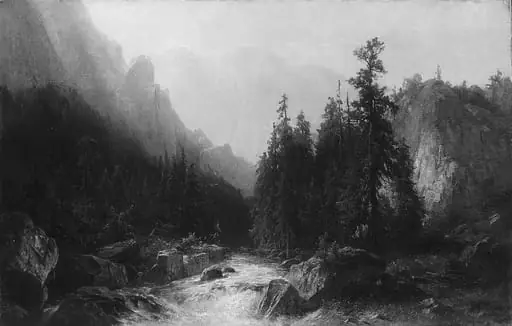 After the Storm
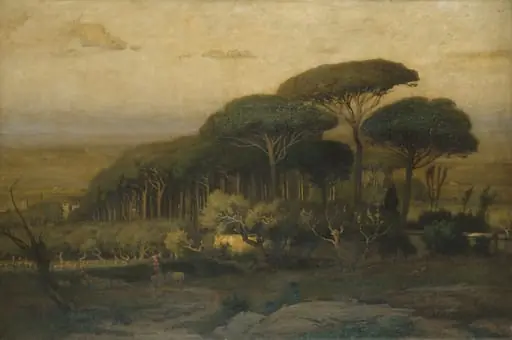 Pine Grove of the Barberini Villa
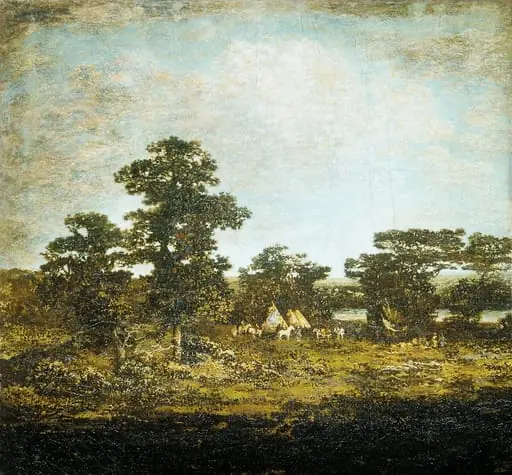 An Indian Encampment
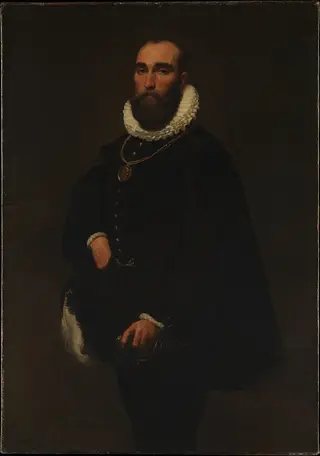 Worthington Whittredge
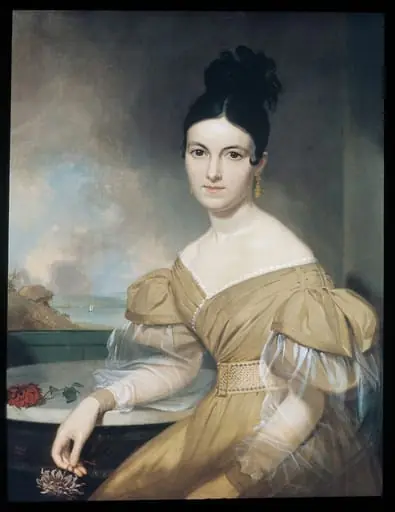 Mrs. Winfield Scott
 Landscape with Cows Watering in a Stream
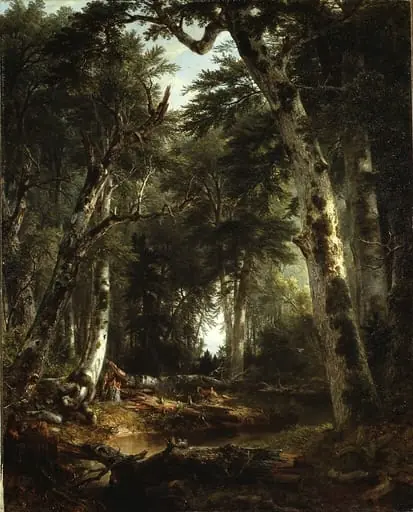 In the Woods
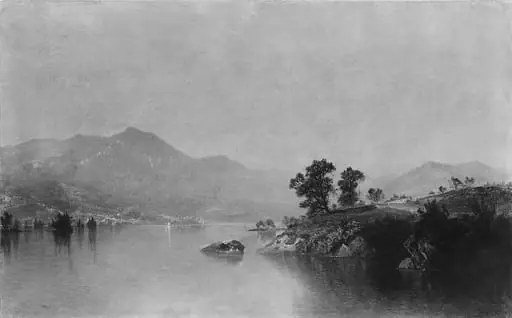 Lake George, New York
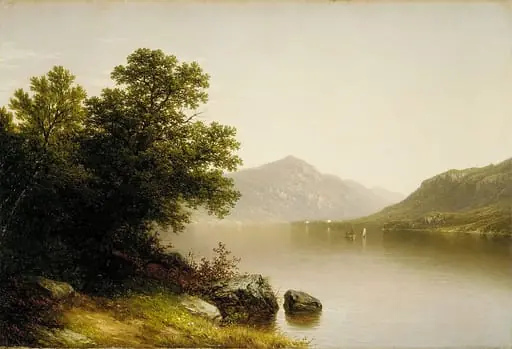 Lake George
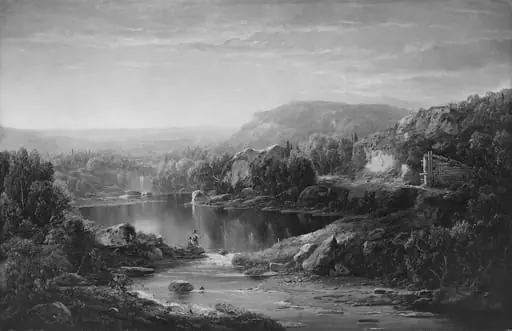 Landscape with Waterfall and Figures
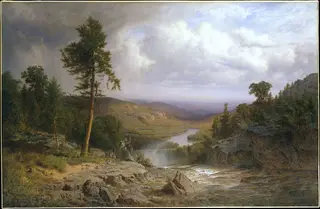 Tennessee
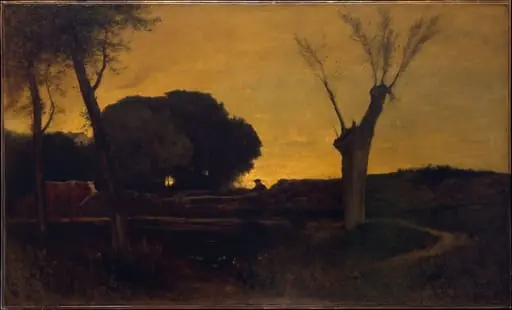 Evening at Medfield, Massachusetts
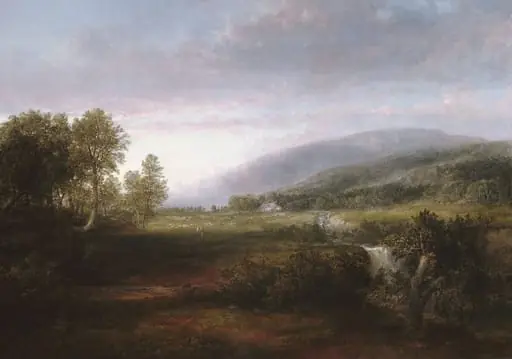 Spring Landscape
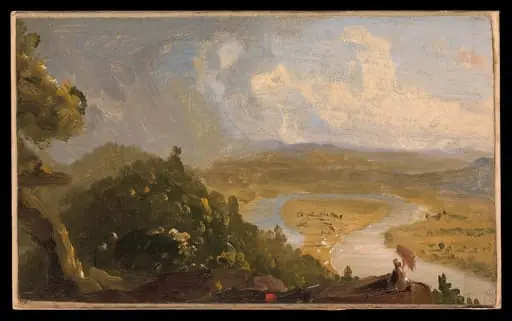 Sketch for View from Mount Holyoke, Northampton, Massachusetts, after a Thunderstorm (The Oxbow)
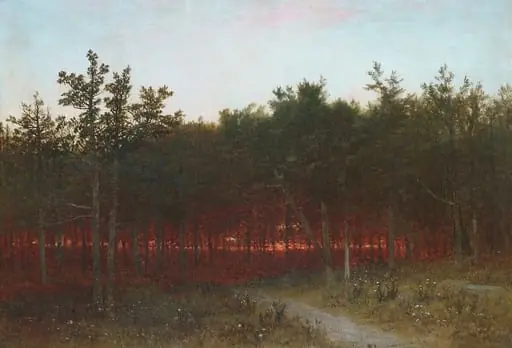 Twilight in the Cedars at Darien, Connecticut
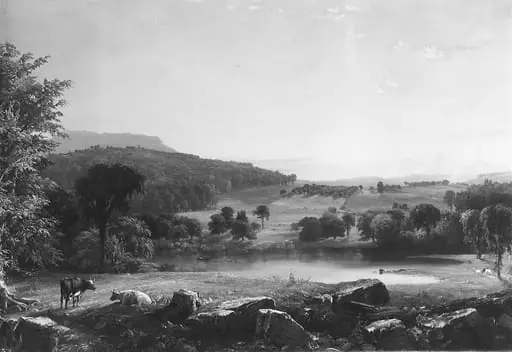 View near Sherburne, Chenango County, New York
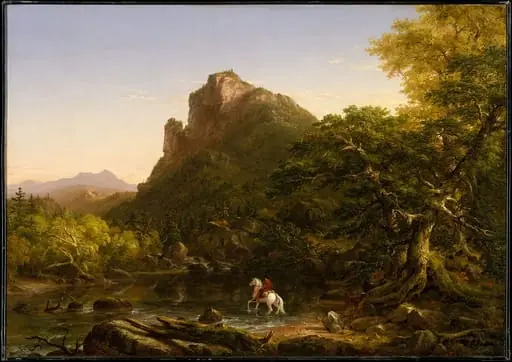 The Mountain Ford
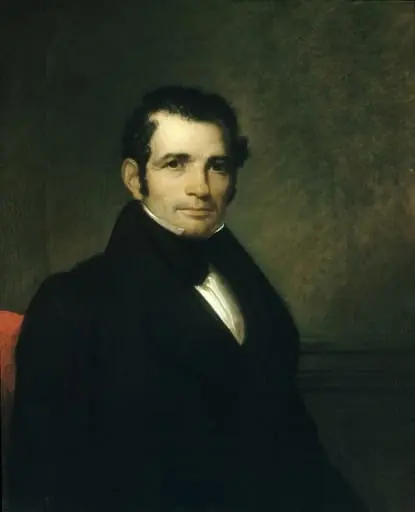 Luman Reed
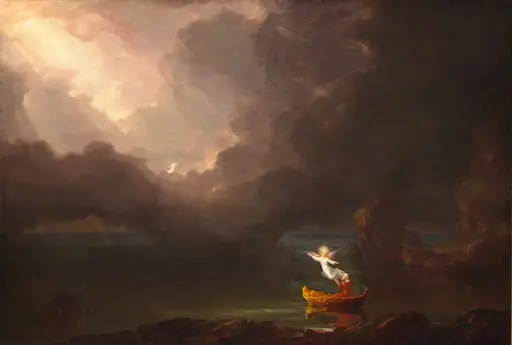 The Voyage of Life: Old Age
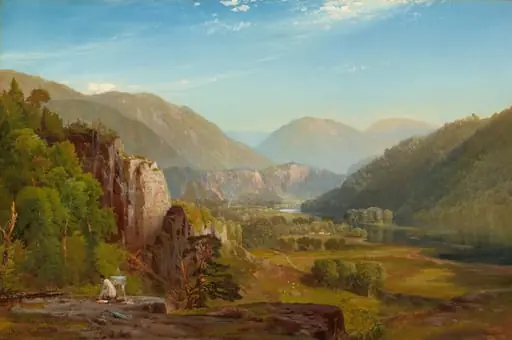 The Juniata, Evening
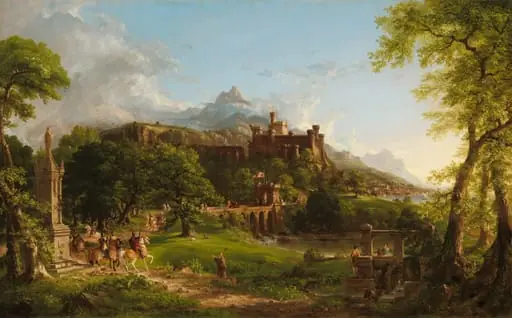 The Departure
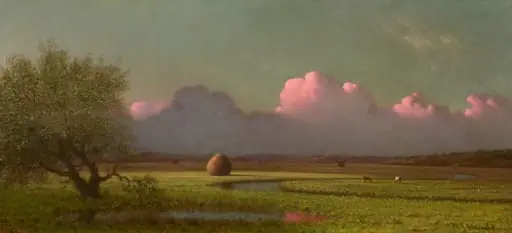 Sunlight and Shadow: The Newbury Marshes
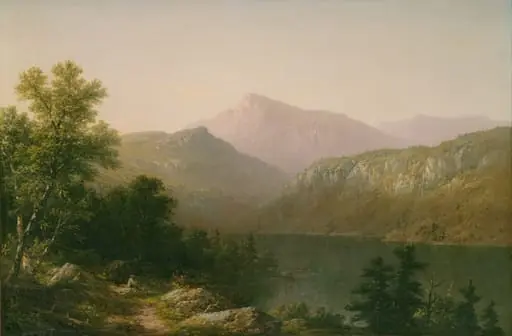 View on Lake George
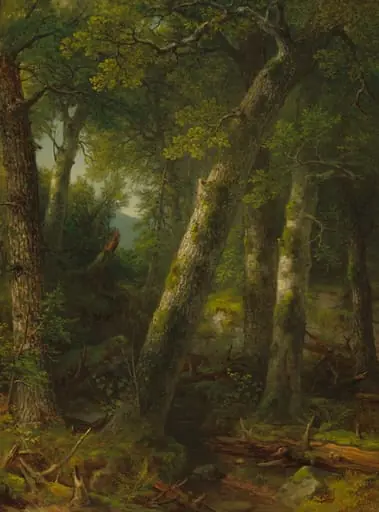 Forest in the Morning Light
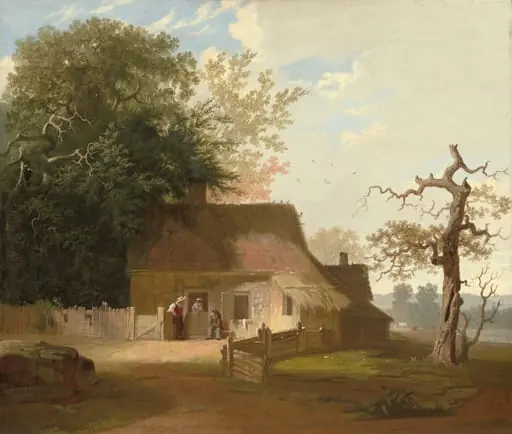 Cottage Scenery
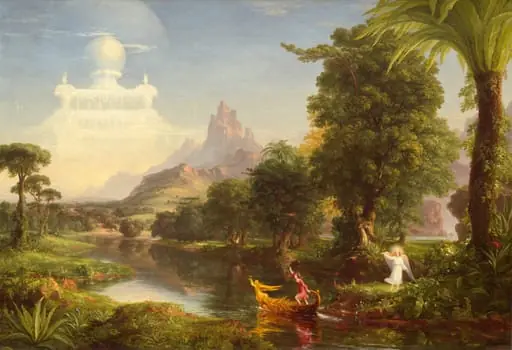 The Voyage of Life: Youth
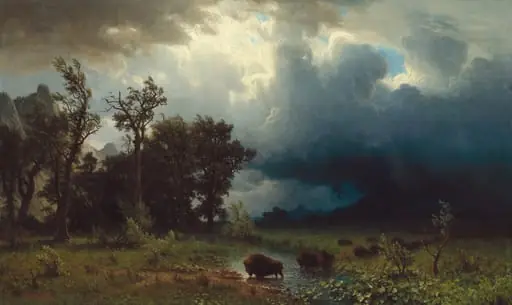 Buffalo Trail: The Impending Storm
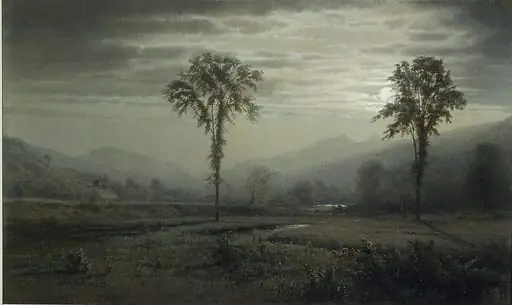 Moonlight on Mount Lafayette, New Hampshire
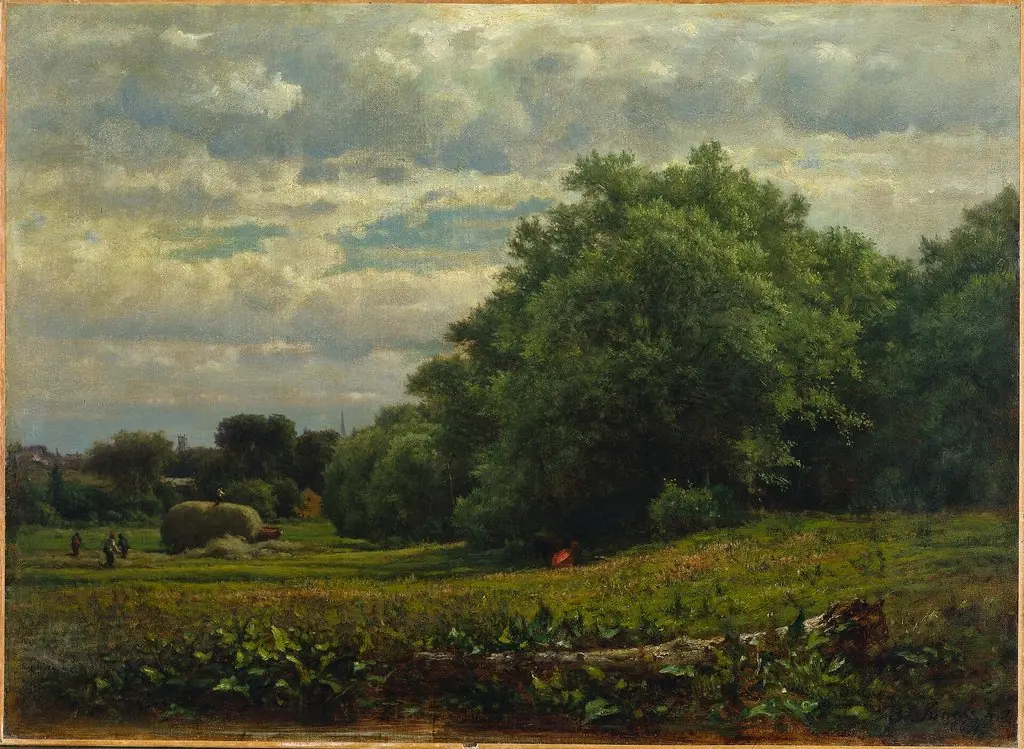 Harvest Time
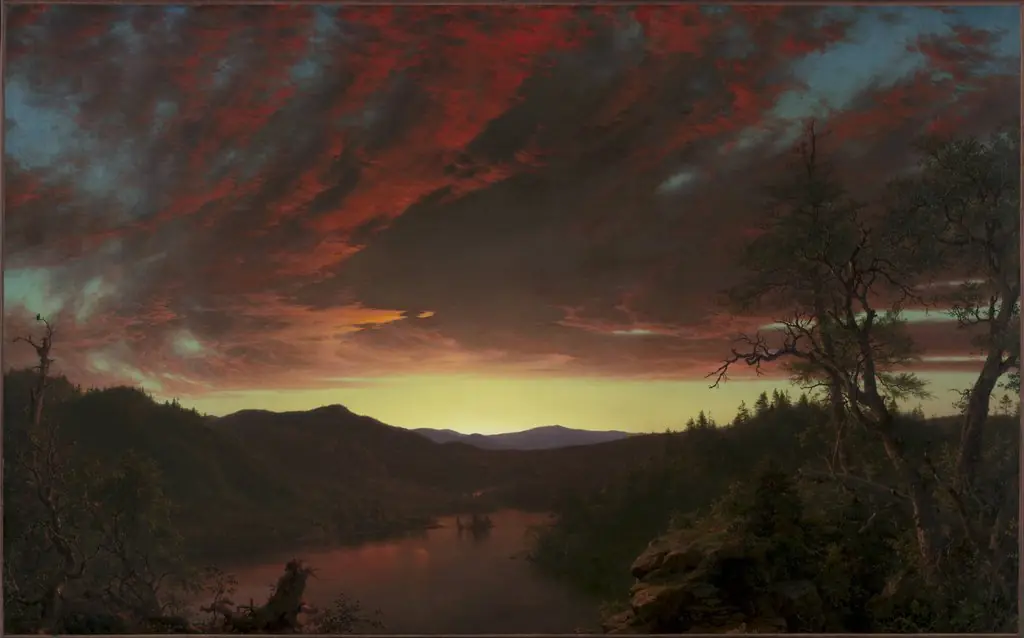 Twilight in the Wilderness
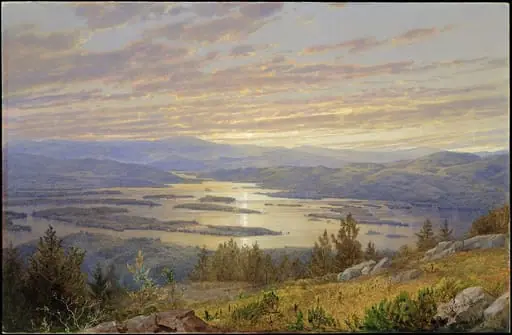 Lake Squam from Red Hill
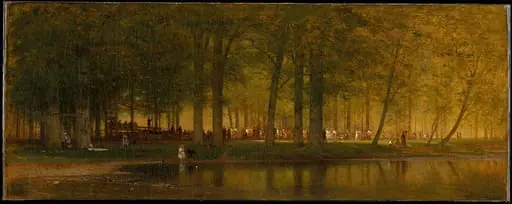 The Camp Meeting
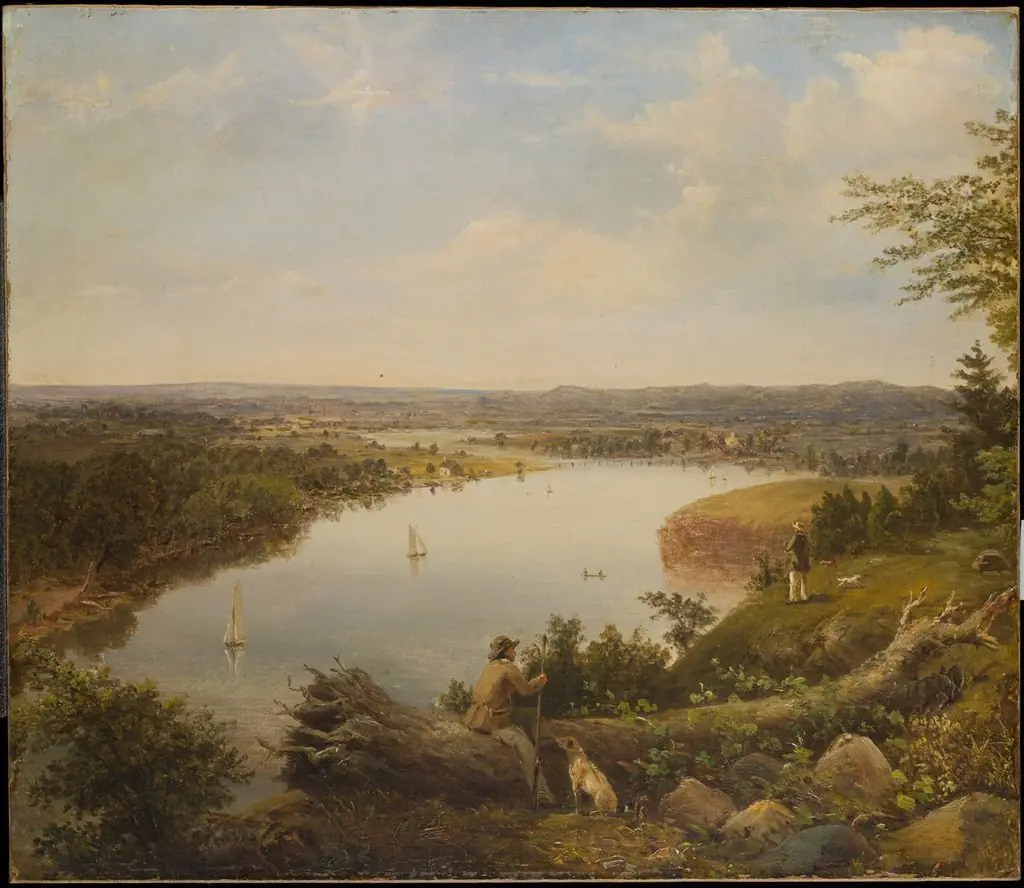 The Hudson River Valley near Hudson, New York
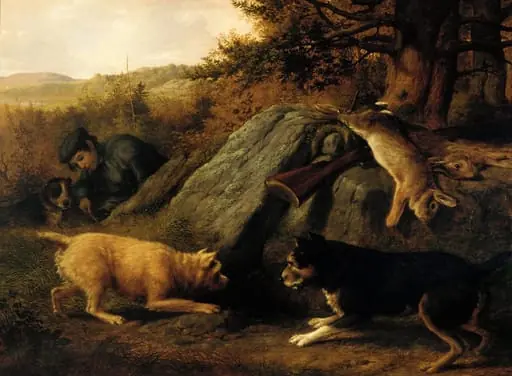 The Rabbit Hunters
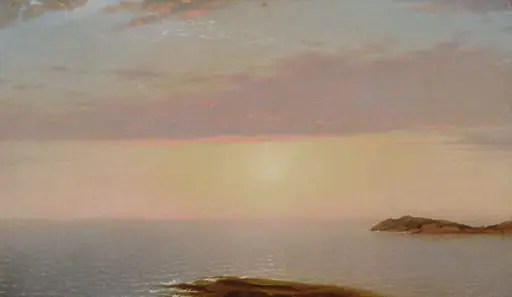 Sunset
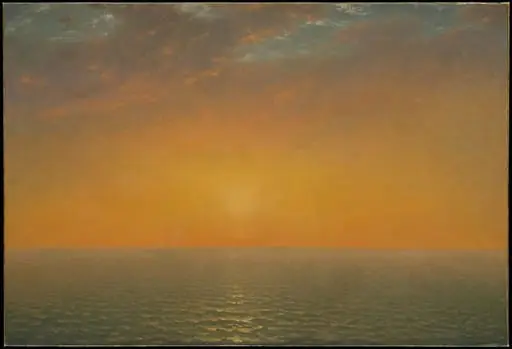 Sunset on the Sea
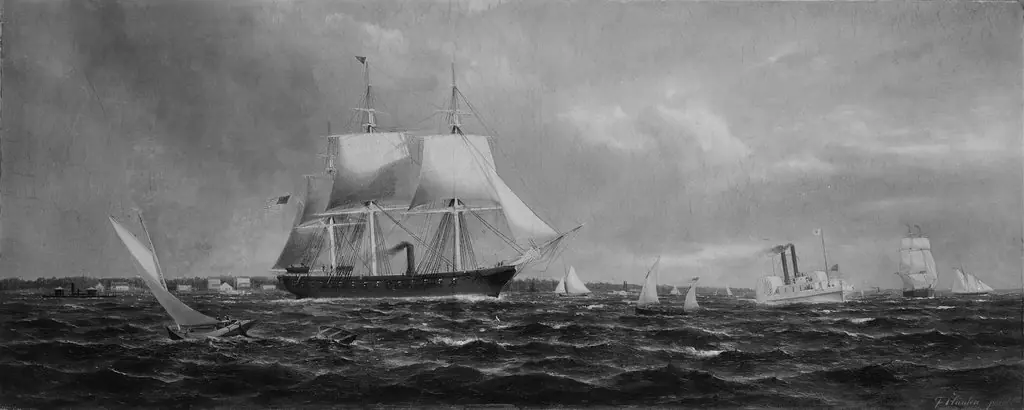 New York Bay
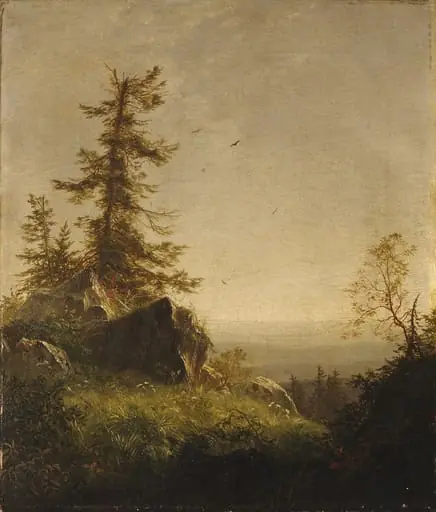 Morning on the Mountain
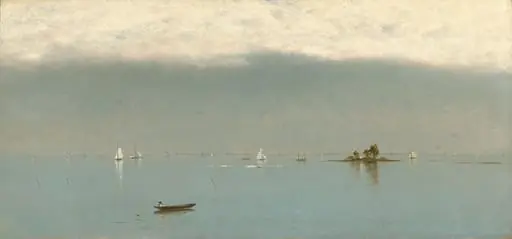 Passing off of the Storm
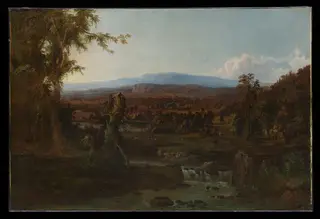 Landscape with Shepherd
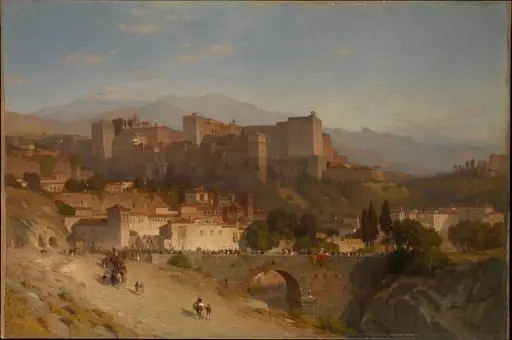 The Hill of the Alhambra, Granada
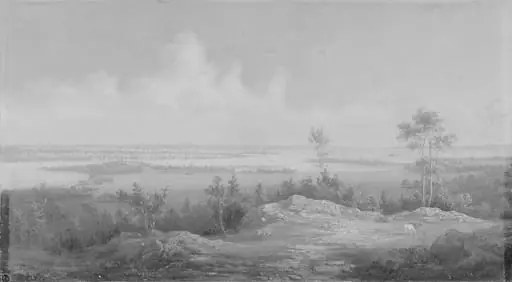 View of New York from New Jersey
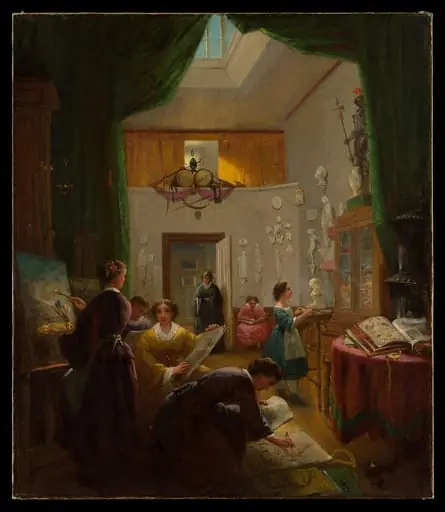 Women's Art Class
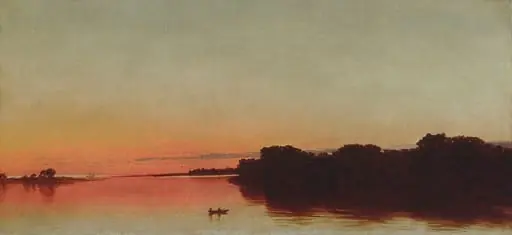 Twilight on the Sound, Darien, Connecticut
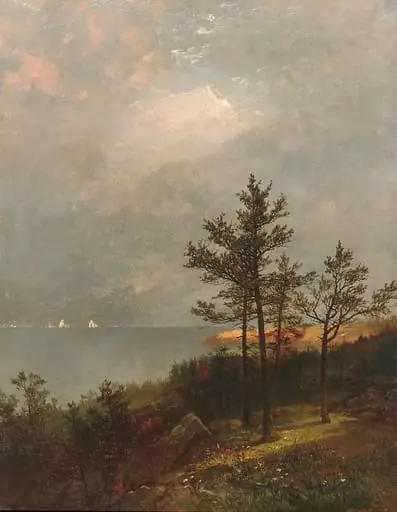 Gathering Storm on Long Island Sound
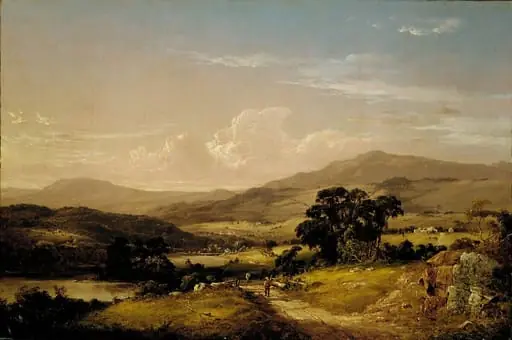 Near Squam Lake, New Hampshire
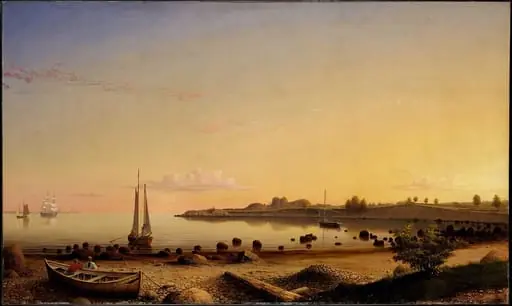 Stage Fort across Gloucester Harbor
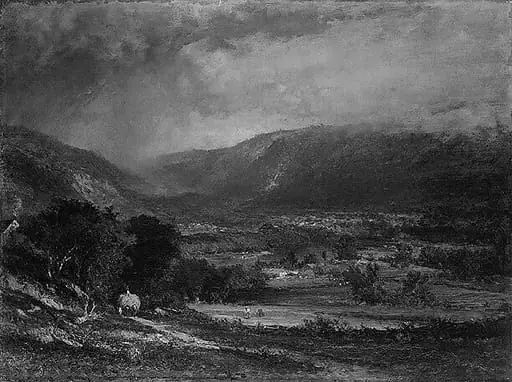 The Delaware Valley
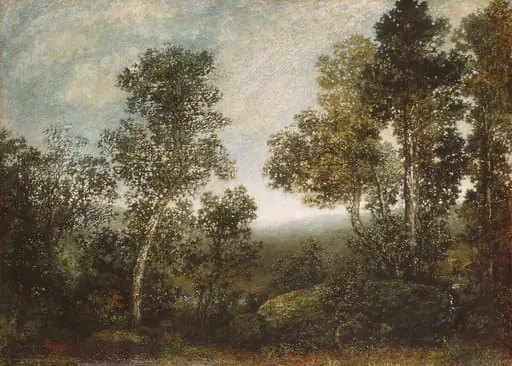 Landscape
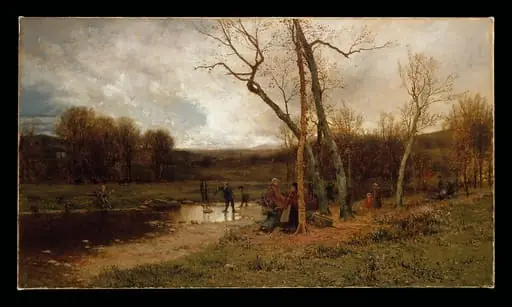 Saturday Afternoon
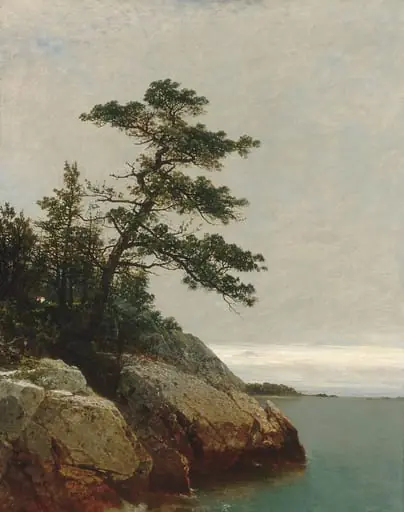 The Old Pine, Darien, Connecticut
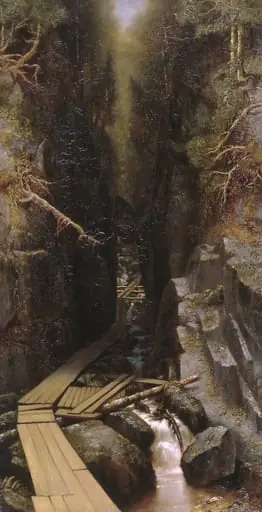 The Boulder and the Flume
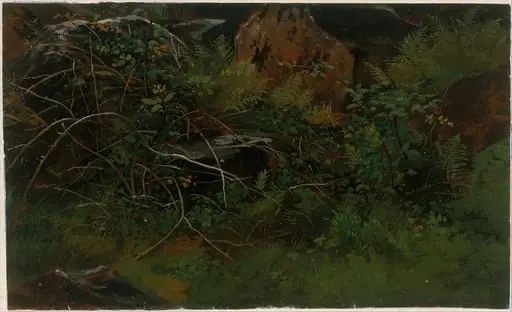 Study from Nature
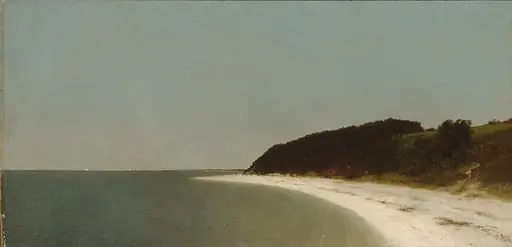 Eaton's Neck, Long Island
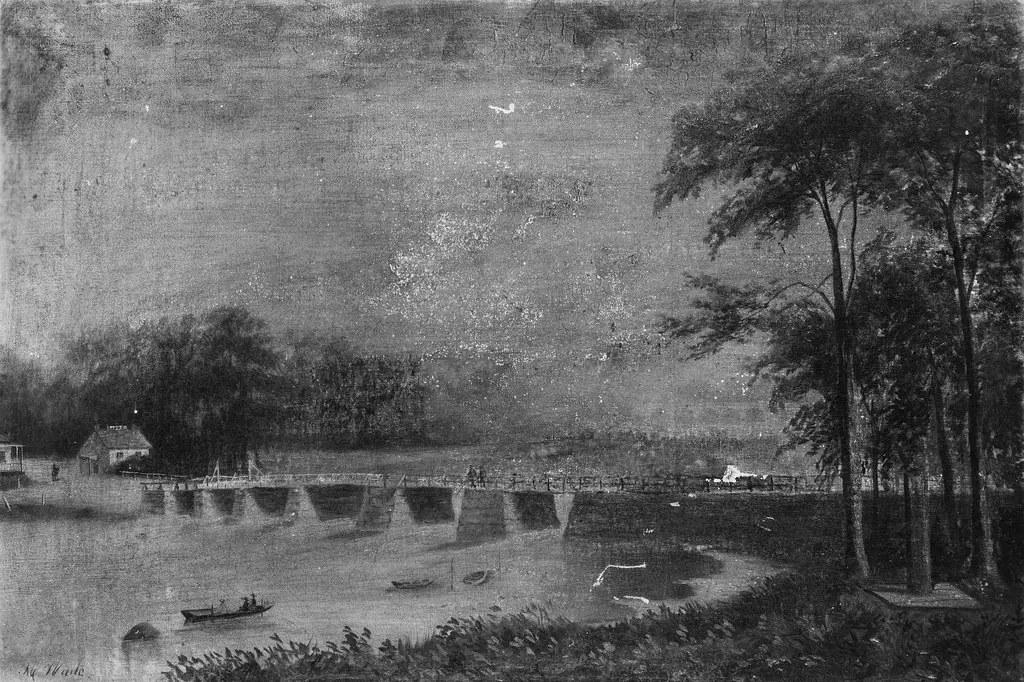 Harlem Bridge, New York
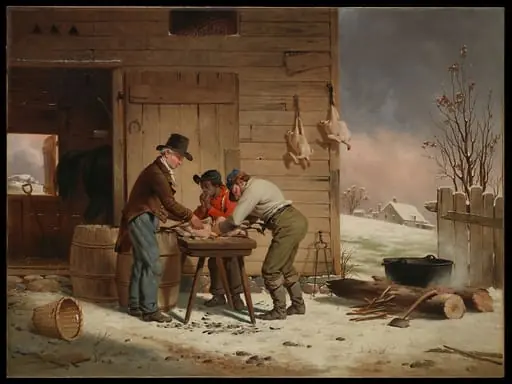 Preparing for Christmas (Plucking Turkeys)
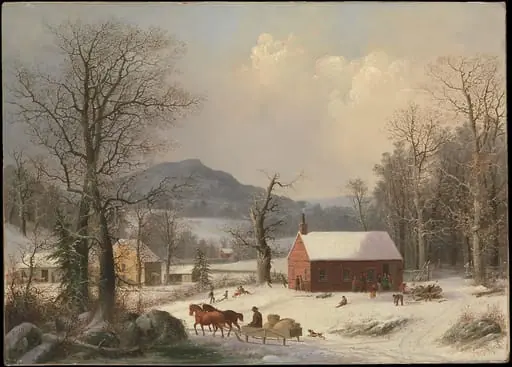 Red School House (Country Scene)
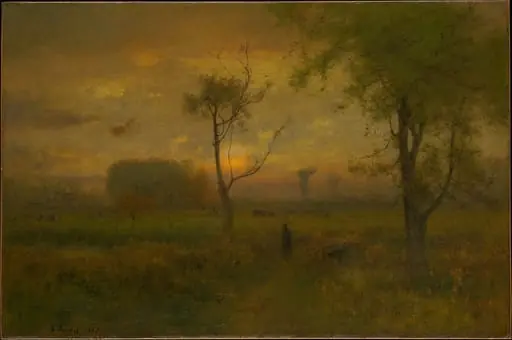 Sunrise
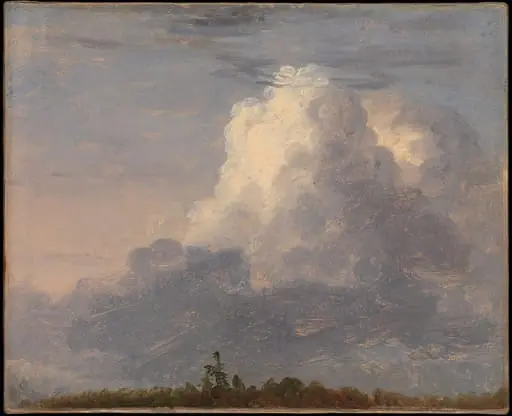 Clouds
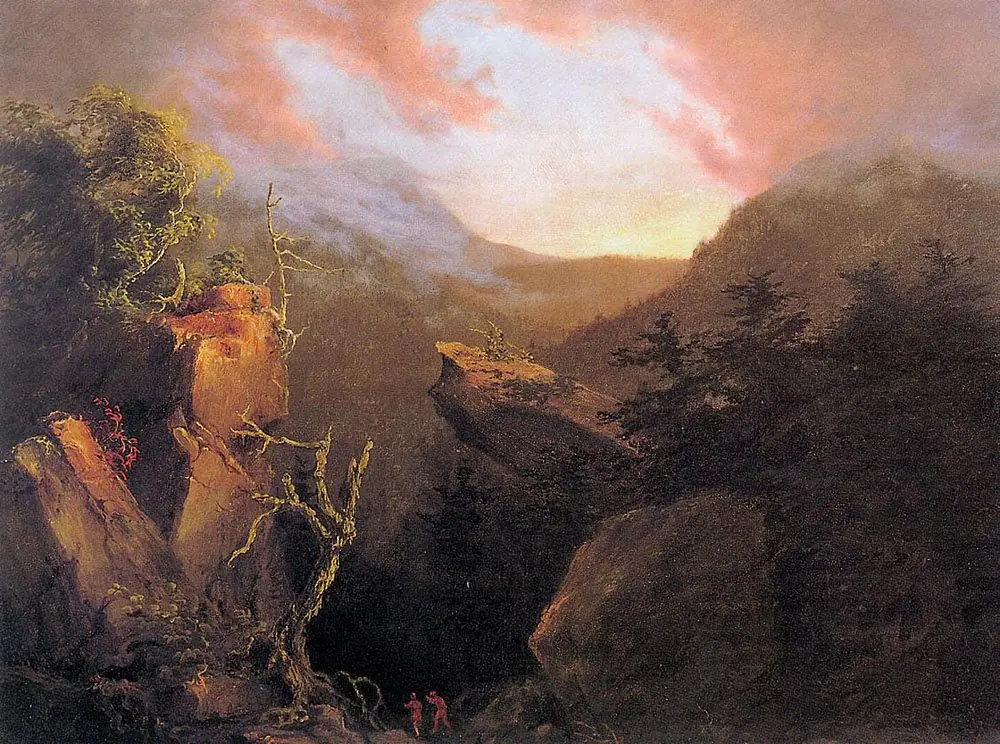 Mountain Sunrise, Catskill
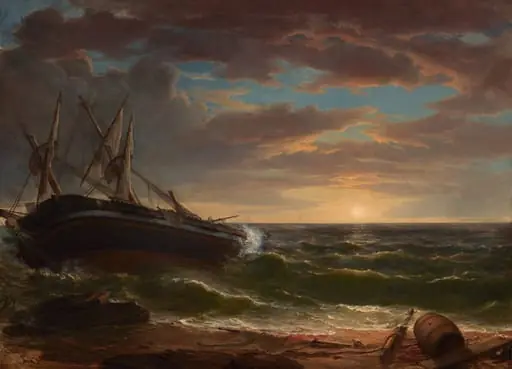 The Stranded Ship
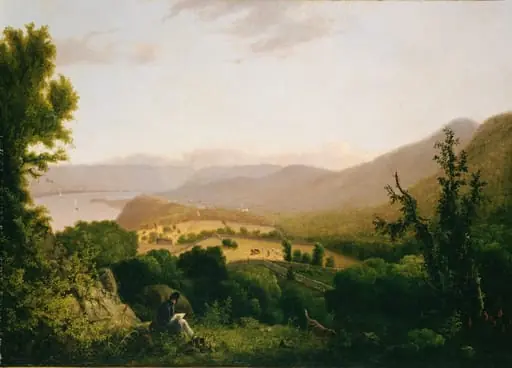 View at West Point
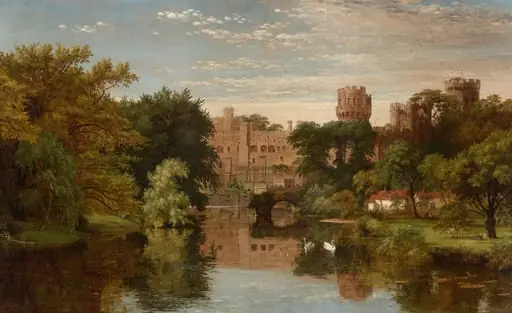 Warwick Castle, England
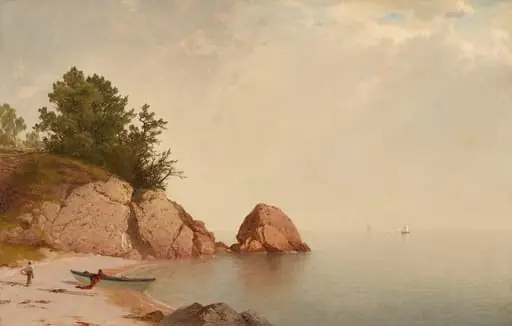 Beach at Beverly
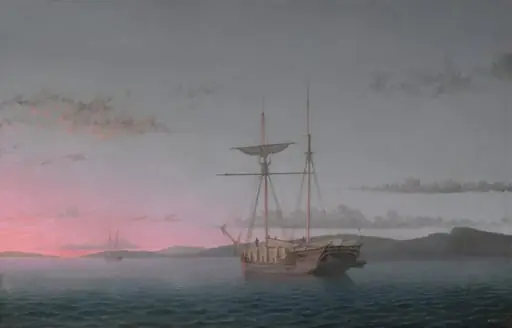 Lumber Schooners at Evening on Penobscot Bay
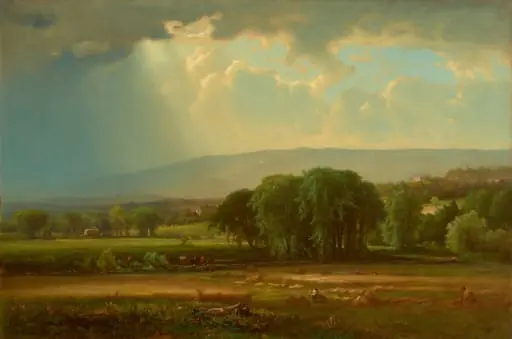 Harvest Scene in the Delaware Valley
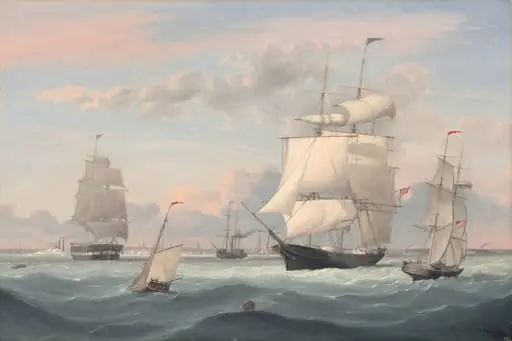 New York Harbor
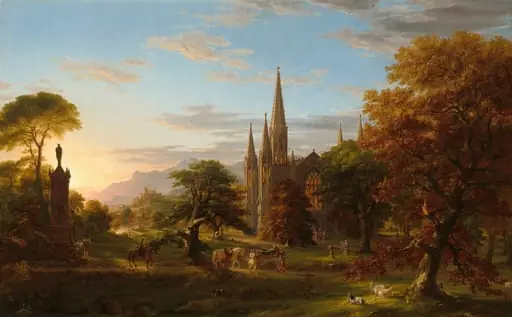 The Return
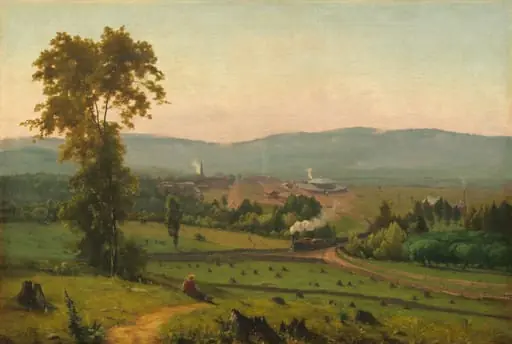 The Lackawanna Valley
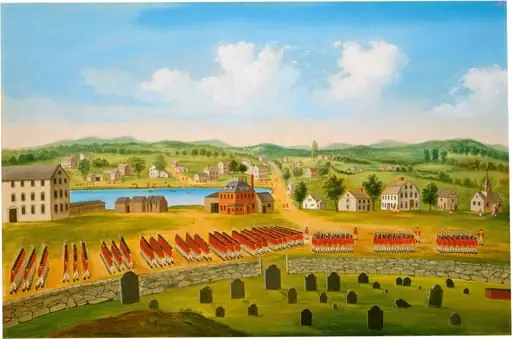 View of Concord
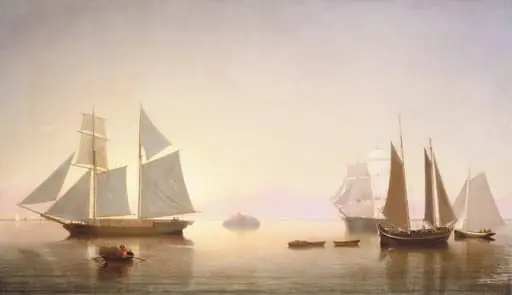 Becalmed off Halfway Rock
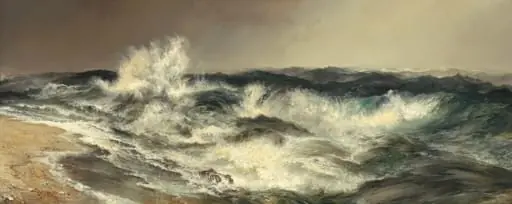 The Much Resounding Sea
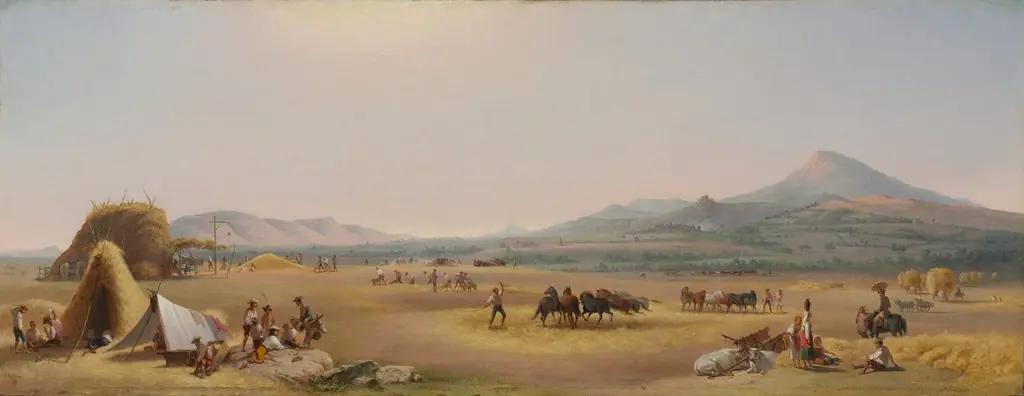 Harvest on the Roman Campagna
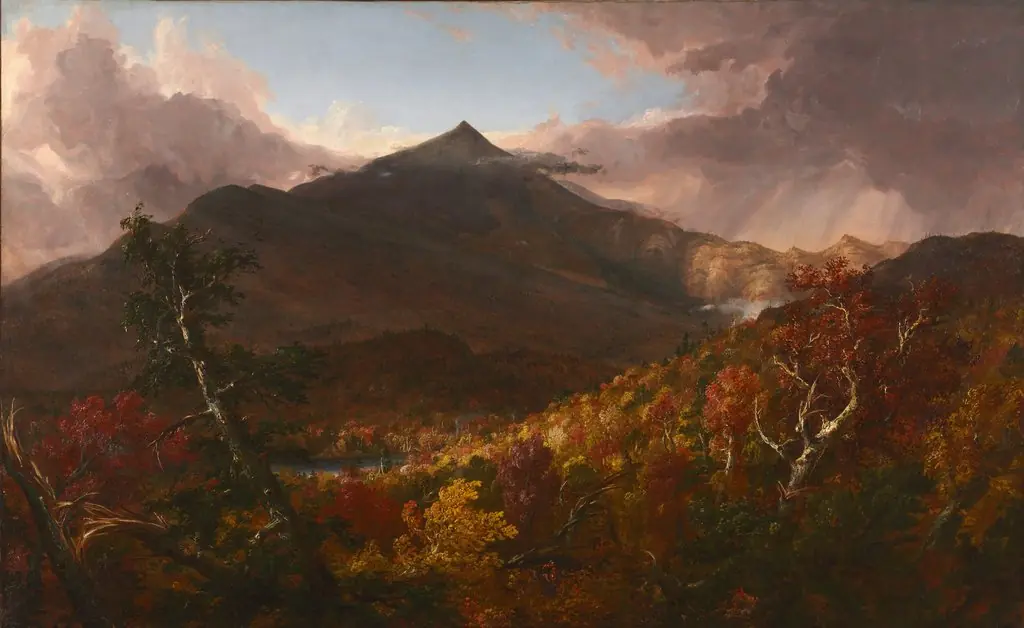 View of Schroon Mountain, Essex County, New York, After a Storm
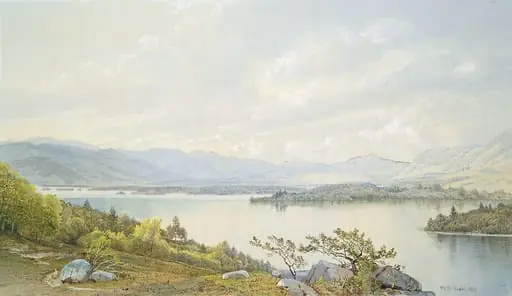 Lake Squam and the Sandwich Mountains
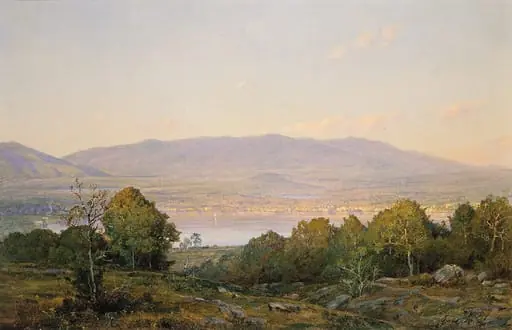 Sundown at Centre Harbor, New Hampshire
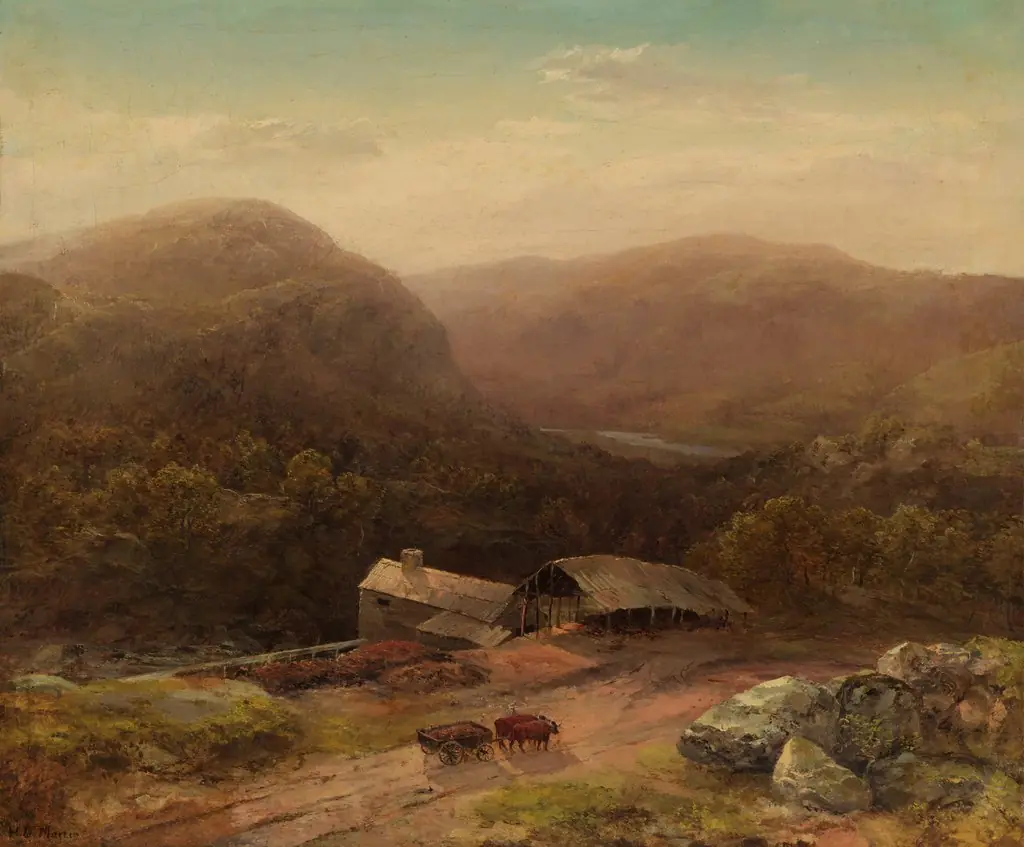 In the Housatonic Valley
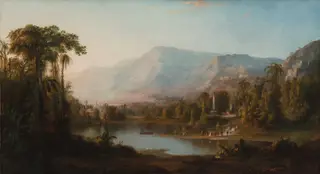 Vale of Kashmir
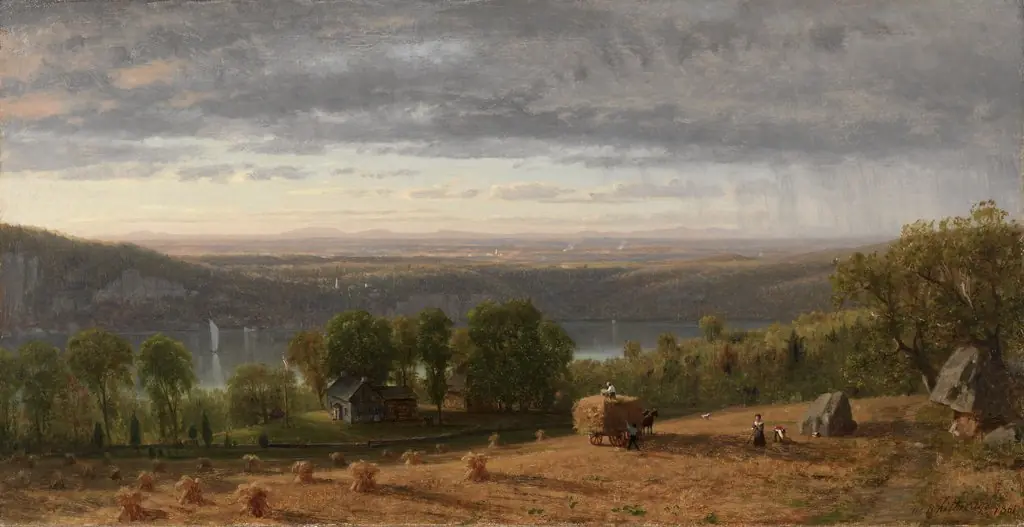 Landscape with Haywain
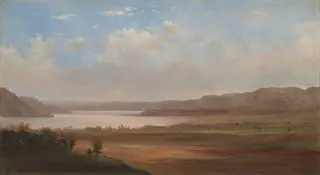 View of Lake Pepin, Minnesota
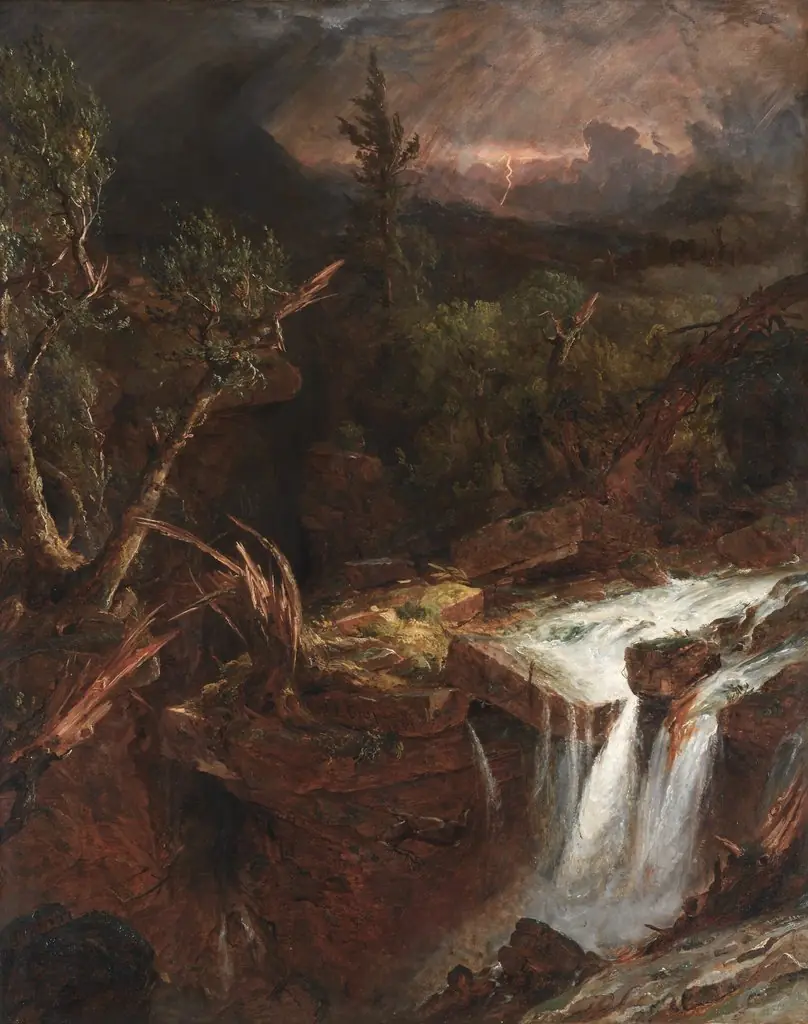 The Clove - A Storm Scene in the Catskill Mountains
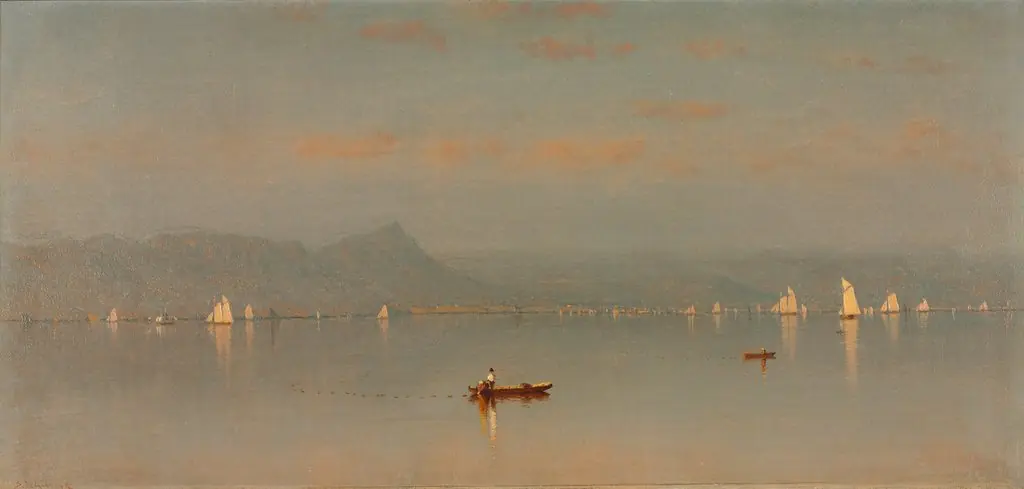 Haverstraw Bay
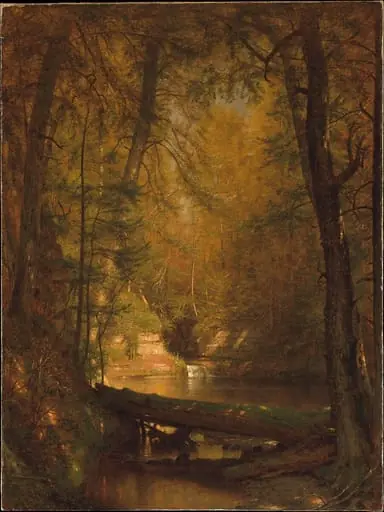 The Trout Pool
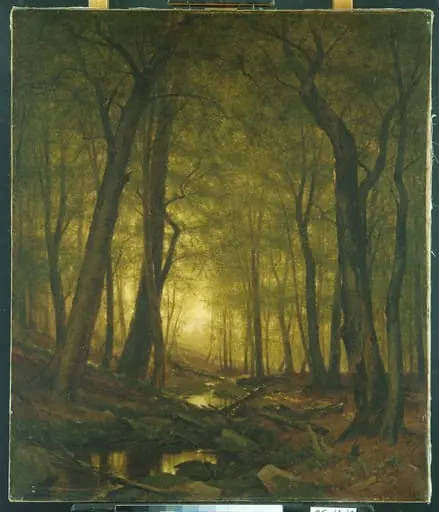 Evening in the Woods
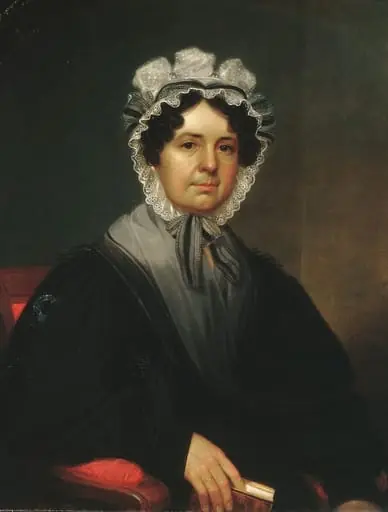 Mrs. Gideon Tucker
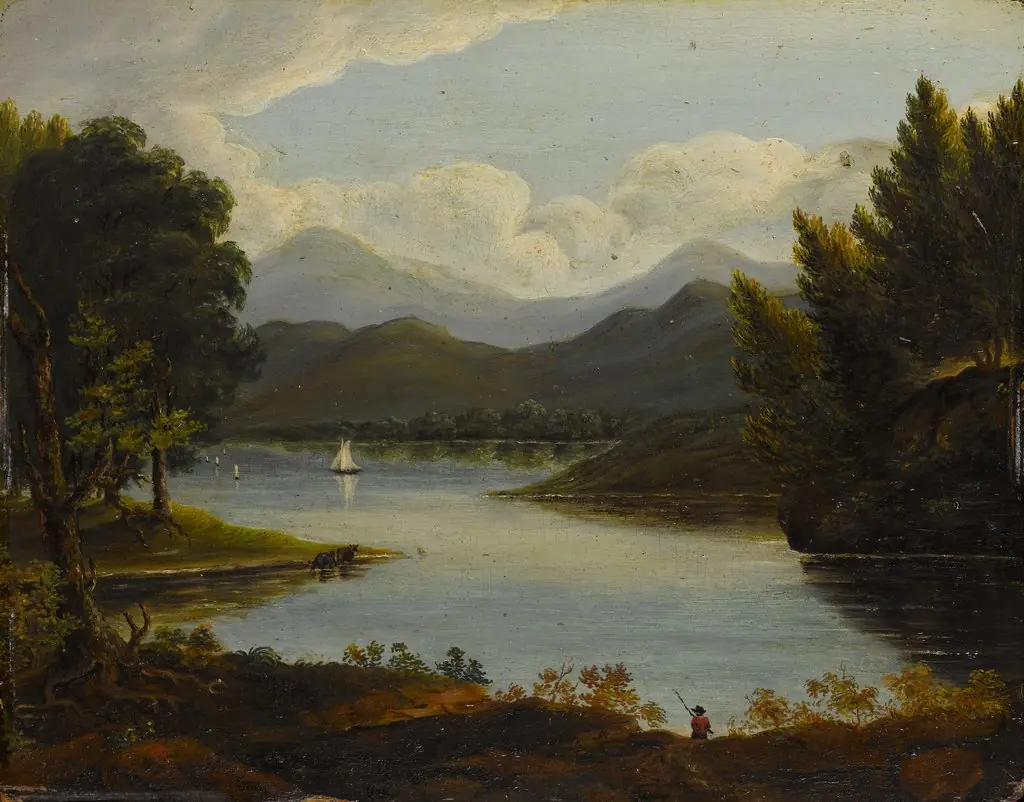 Hudson River Scene
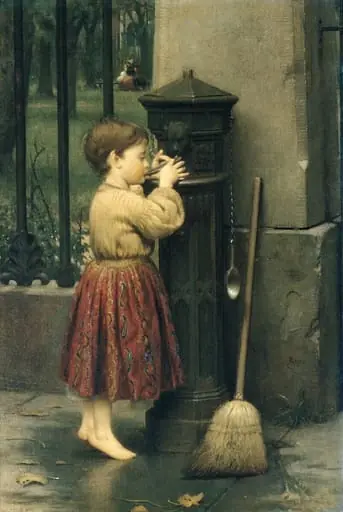 The Crossing Sweeper
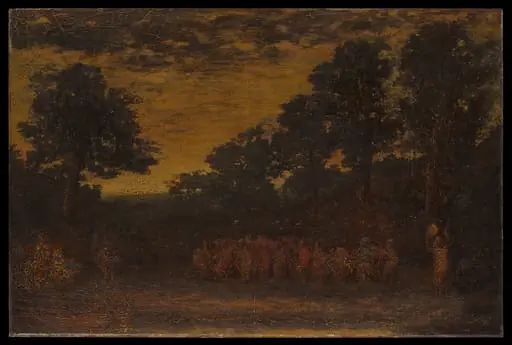 The Pipe Dance
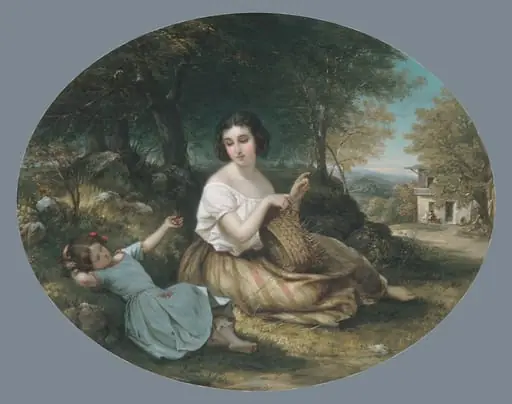 The Basket Maker
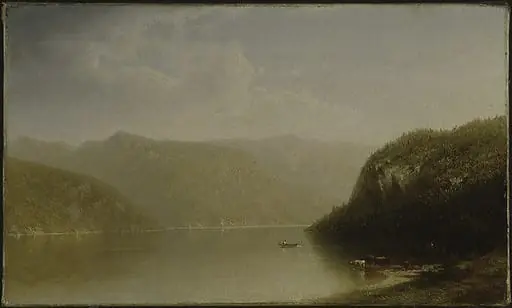 Mountain Lake Scene
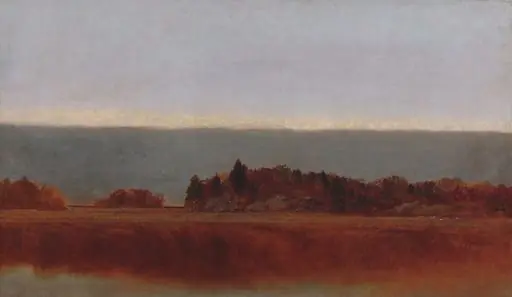 Salt Meadow in October
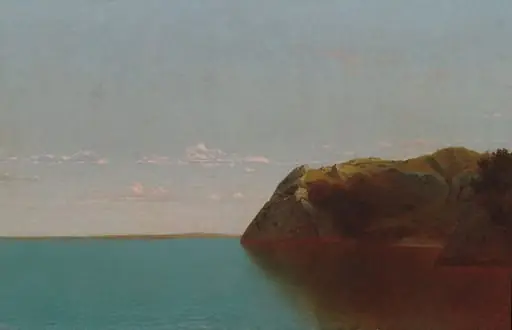 Newport Rocks
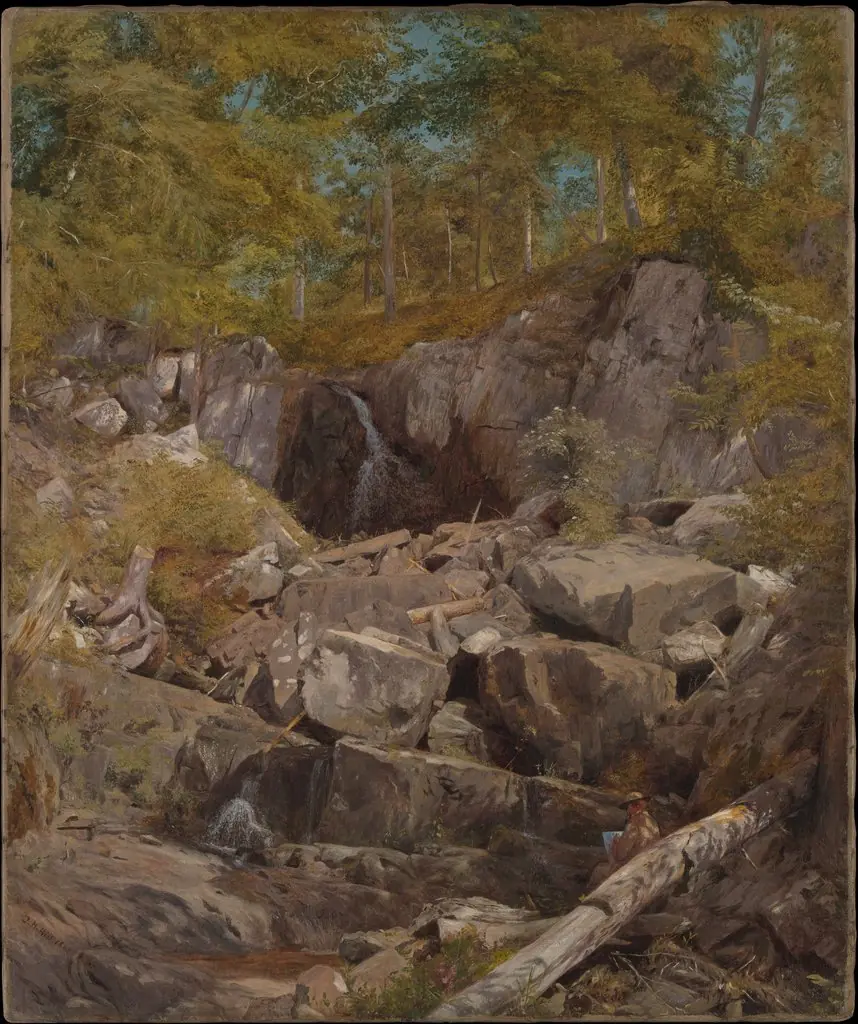 A Study of Trap Rock (Buttermilk Falls)
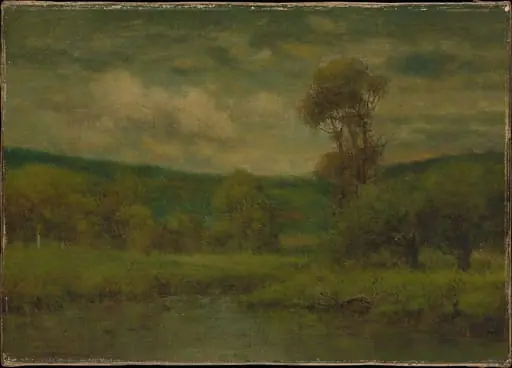 Landscape
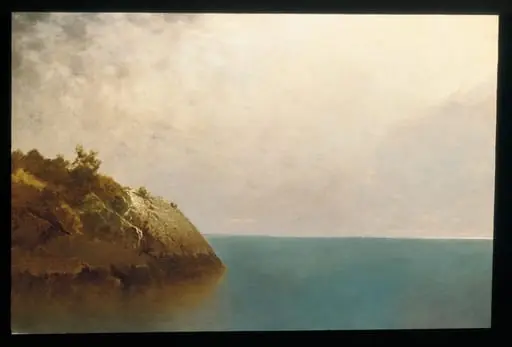 A Foggy Sky
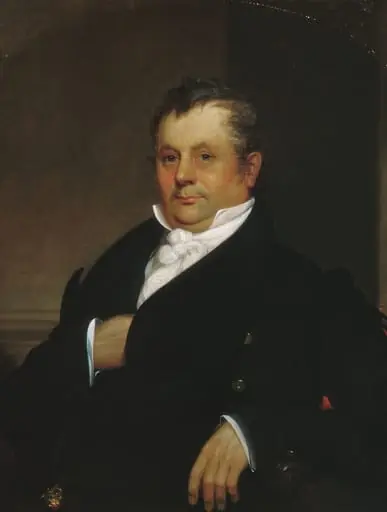 Gideon Tucker
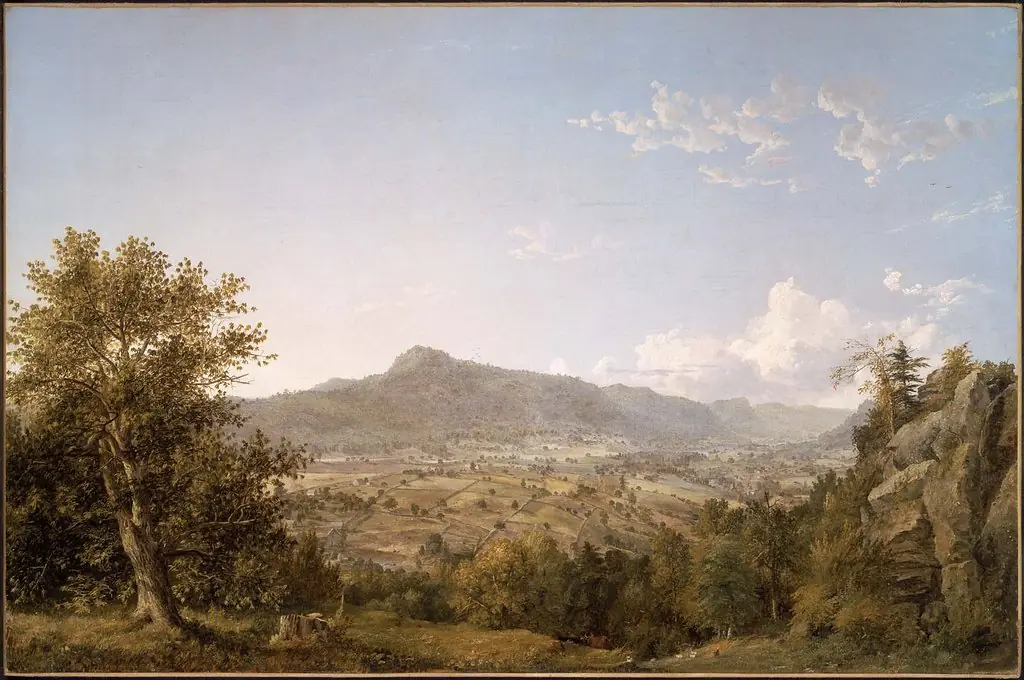 Schatacook Mountain, Housatonic Valley, Connecticut
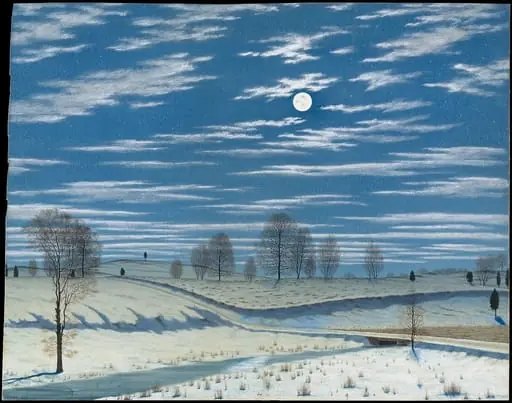 Winter Scene in Moonlight
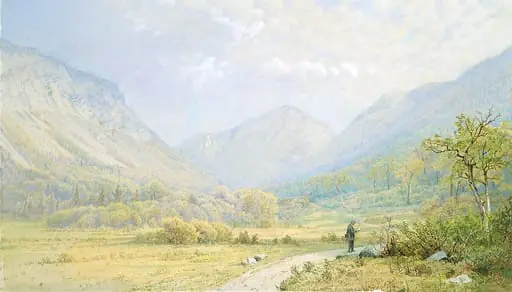 Franconia Notch, New Hampshire
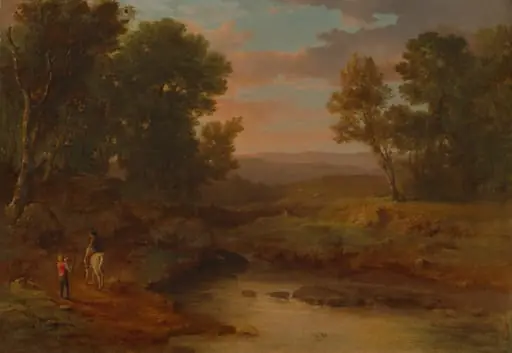 Landscape
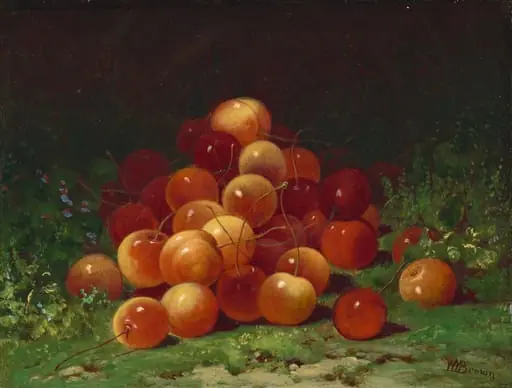 Mound of Cherries
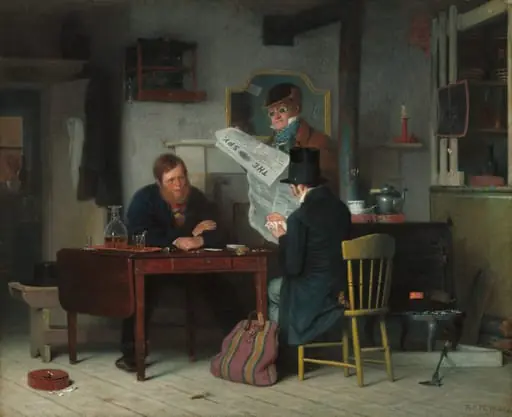 Waiting for the Stage
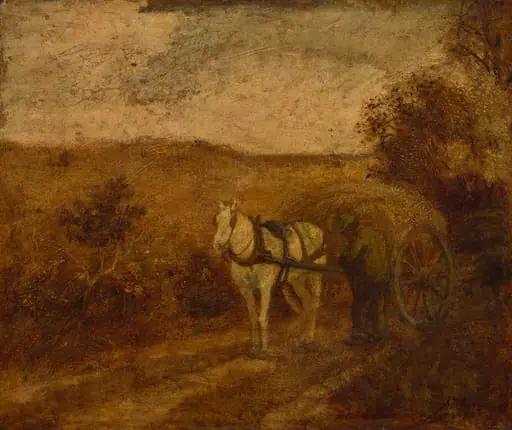 Mending the Harness
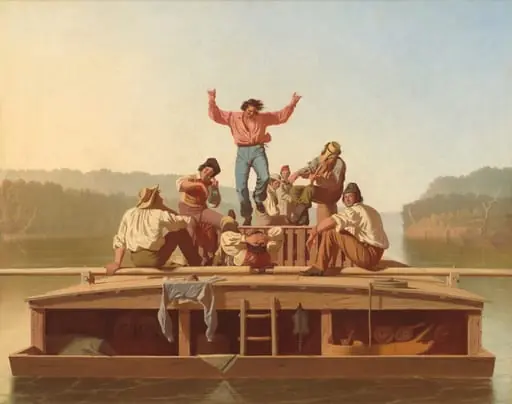 The Jolly Flatboatmen
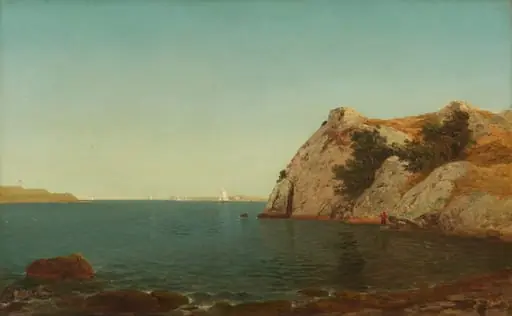 Beacon Rock, Newport Harbor
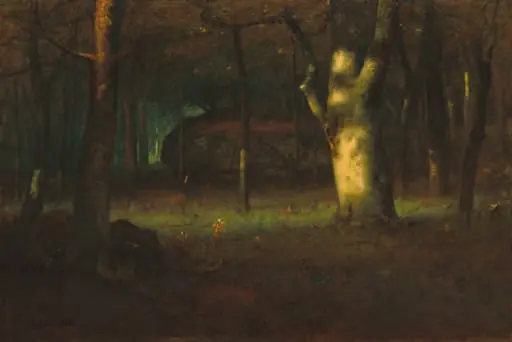 Sunset in the Woods
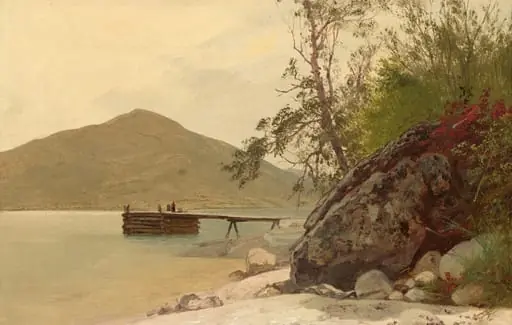 Landing at Sabbath Day Point
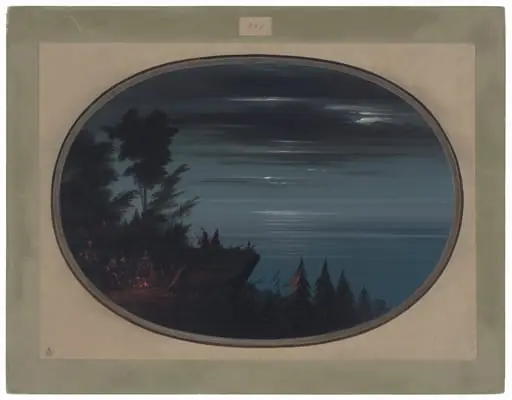 Nayas Village at Night
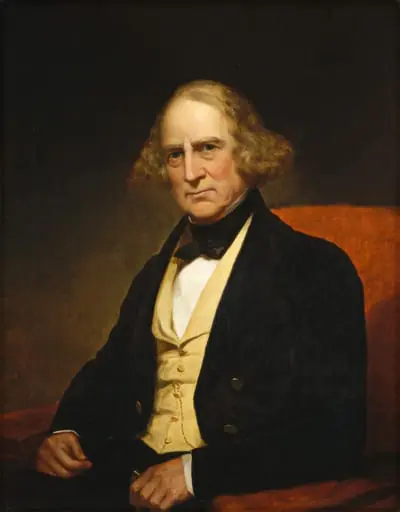 Gouverneur Kemble
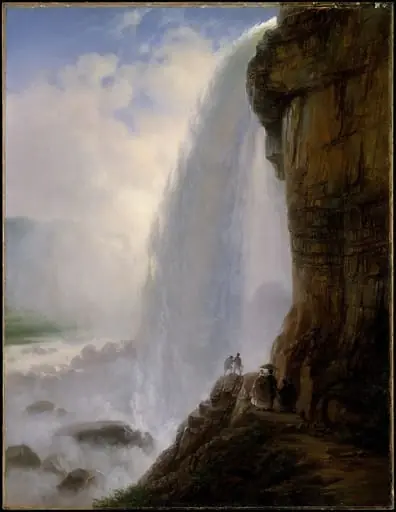 Underneath Niagara Falls
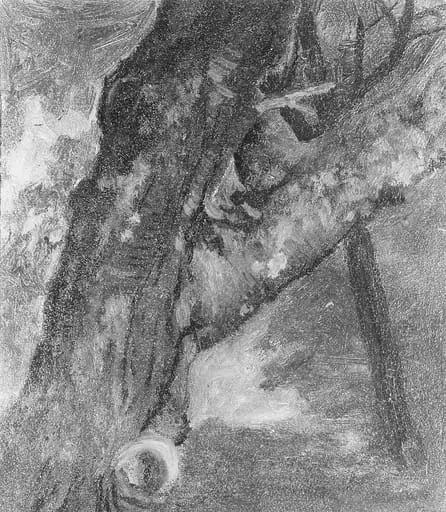 Study of a Tree
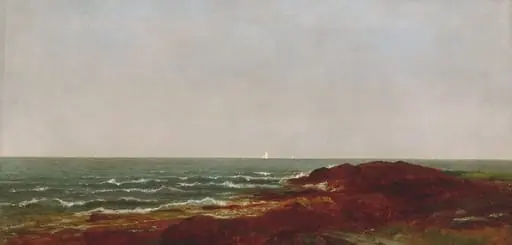 The Sea
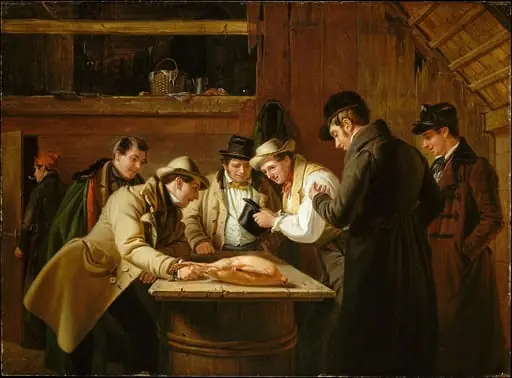 The Raffle (Raffling for the Goose)
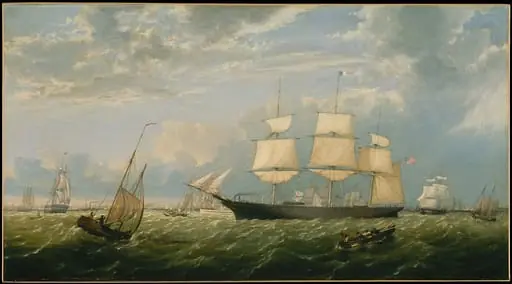 The Golden State Entering New York Harbor
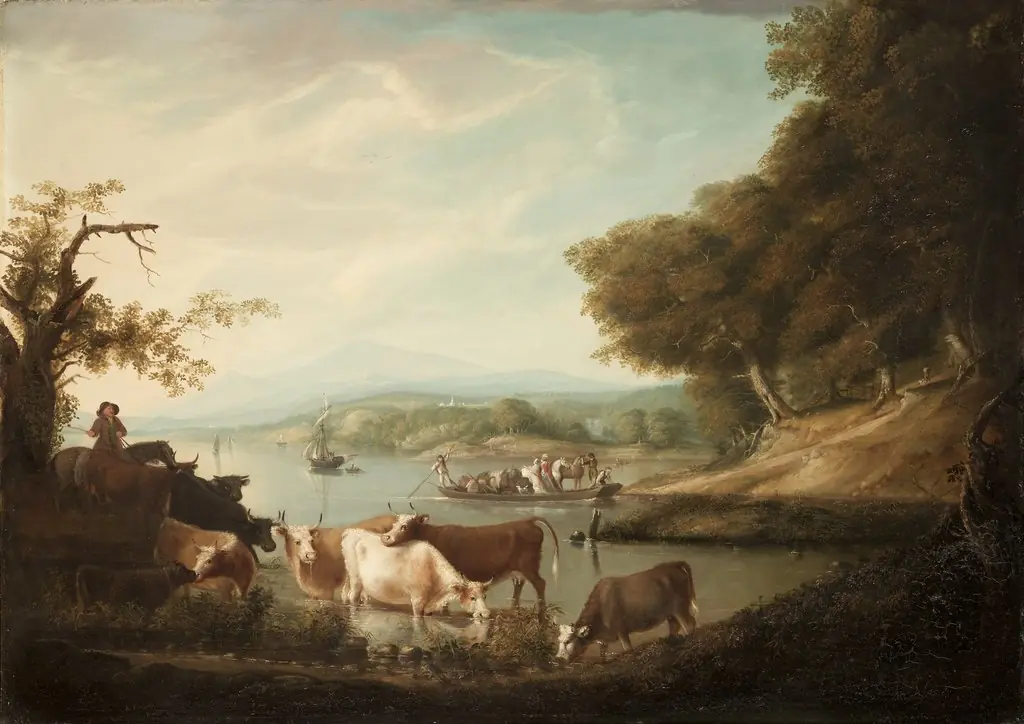 A Calm Watering Place--Extensive and Boundless Scene with Cattle
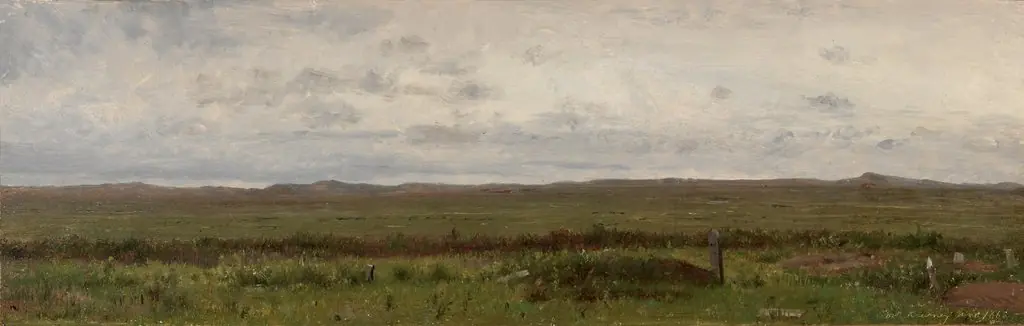 Graves of Travellers, Fort Kearny, Nebraska
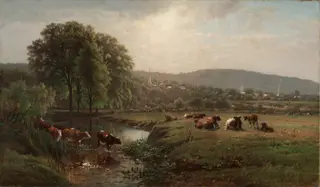 Morning in New England
Frequently asked questions
What is Hudson River School?
Hudson River School is an art movement. The first distinctly American school of landscape painting, flourishing from the 1820s to the 1880s.
How many Hudson River School works does Artifact World Gallery have?
Artifact World Gallery holds 653 public-domain Hudson River School works, all free to view and download.
Who are the key Hudson River School artists?
Key Hudson River School artists in the collection include Thomas Cole, Albert Bierstadt and Seymour Joseph Guy.
When did Hudson River School take place?
Hudson River School dates from 1820–1880.
Where can I see Hudson River School works?
Hudson River School works in the collection are held by Metropolitan Museum of Art, Museum of Fine Arts Boston and National Gallery of Art.