Artwork
Portrait of a Lady
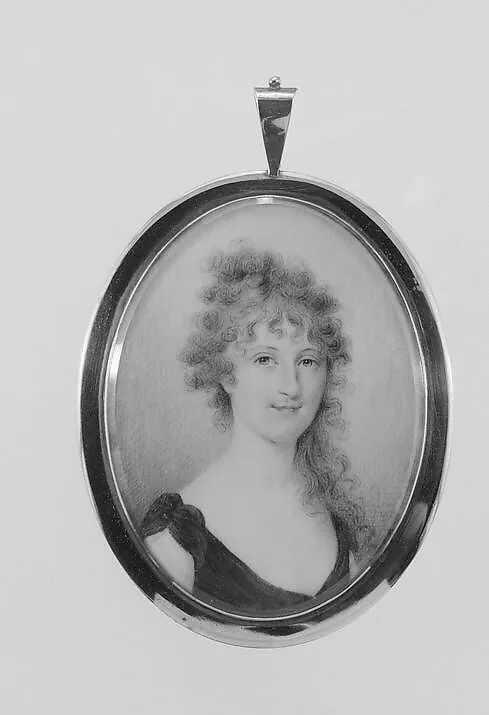
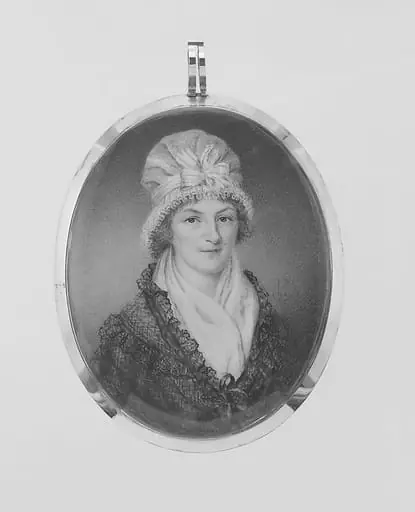
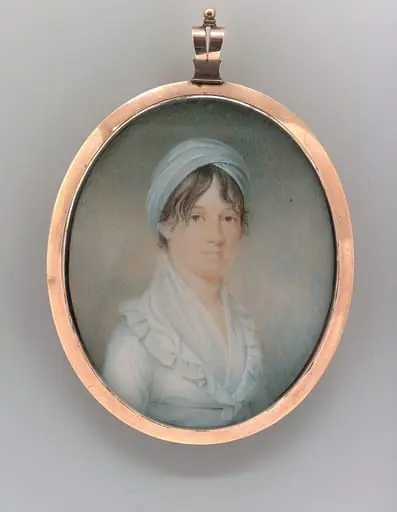
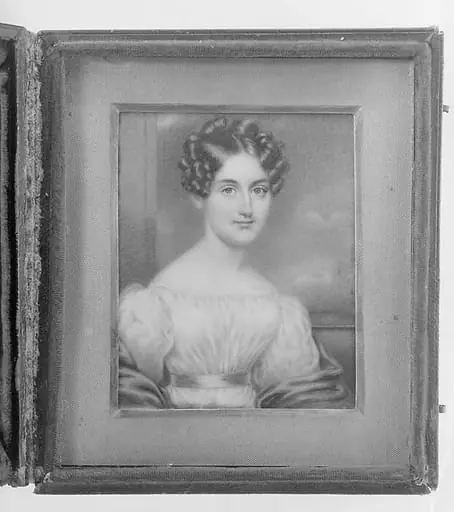
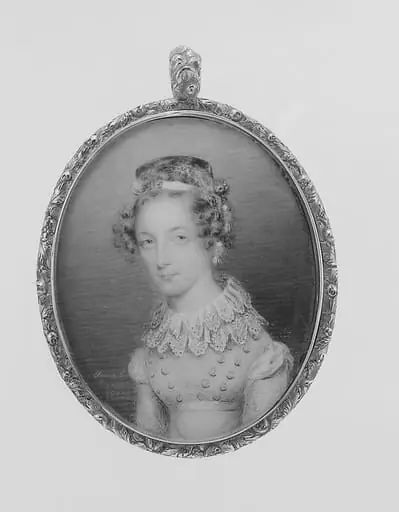
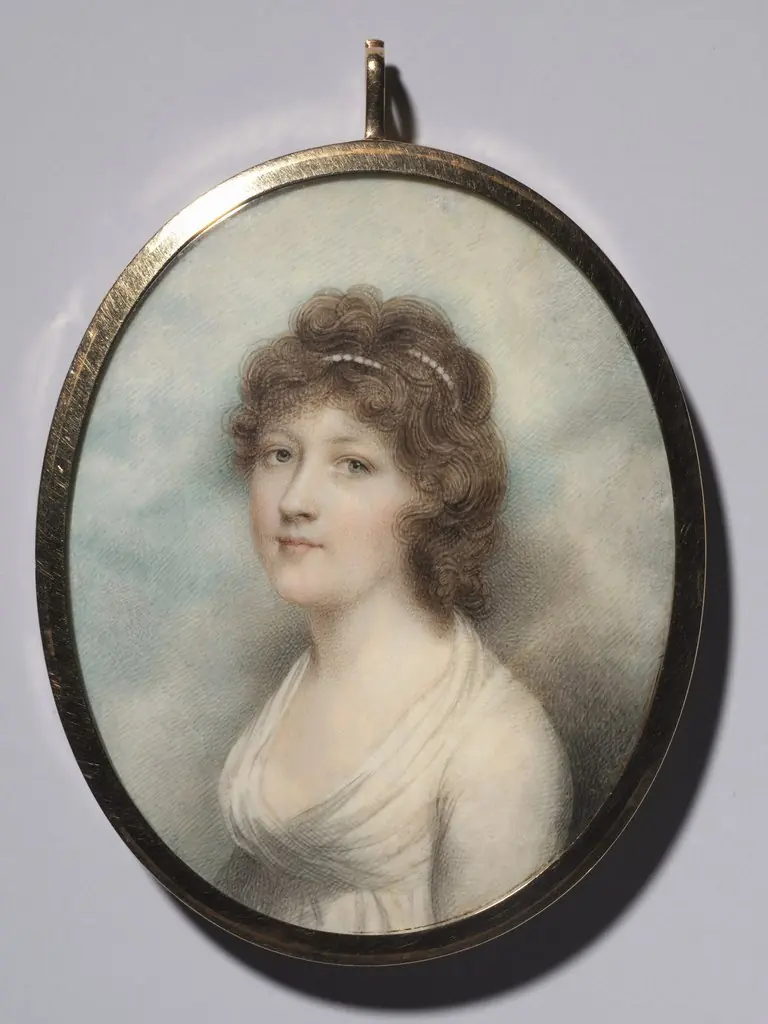
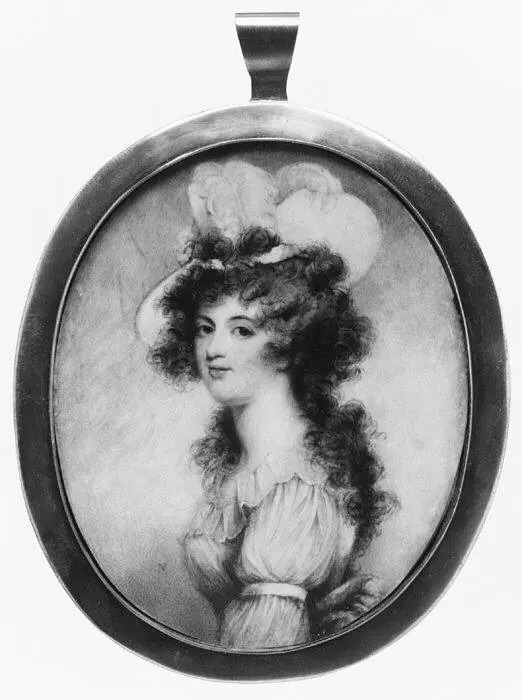
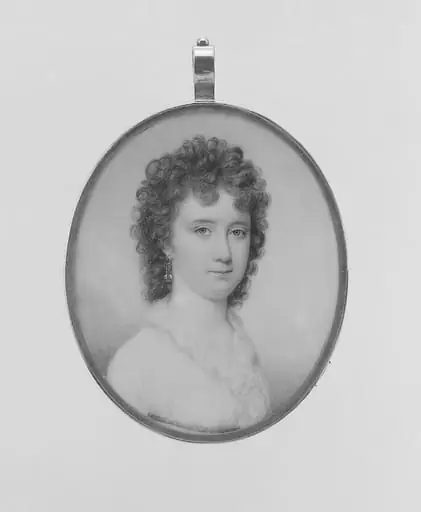
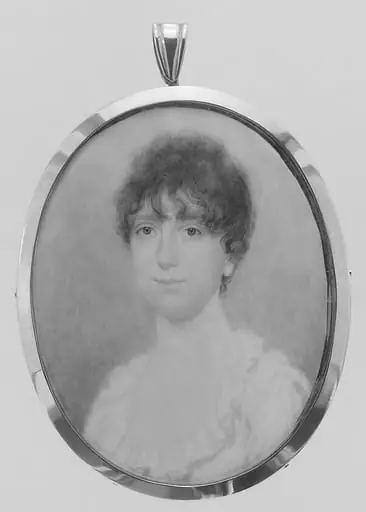
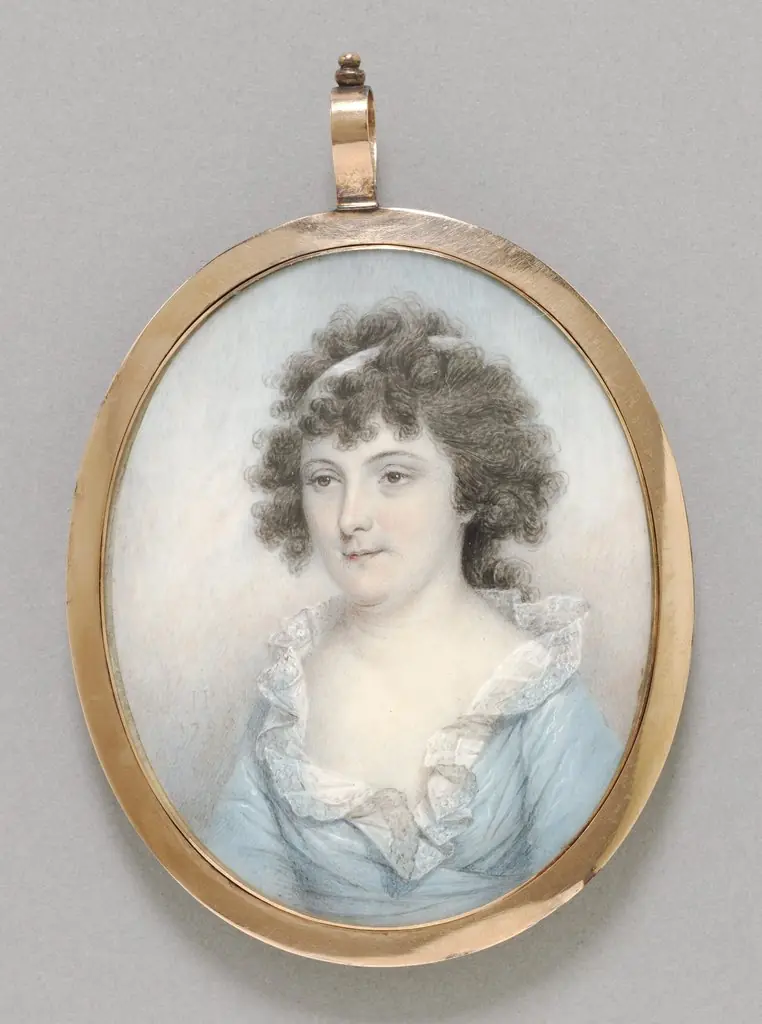
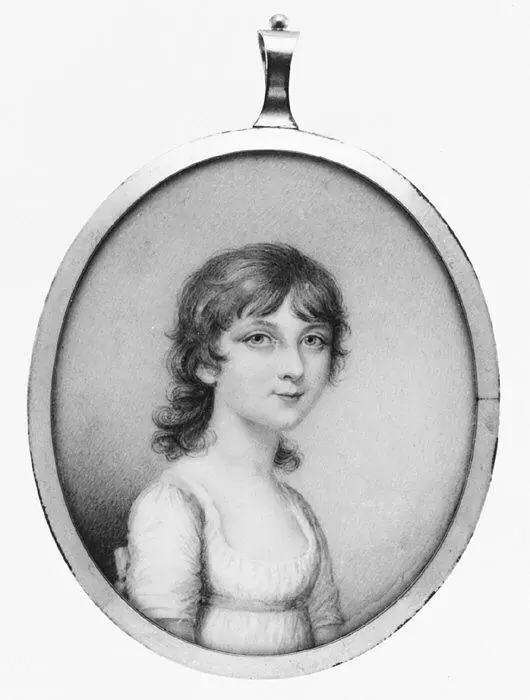
Portrait of a Lady is a watercolor painting by the American Folk Art artist James Peale. It dates from 1800 and is held in the collection of the Metropolitan Museum of Art.
About this work
Technique & Style
Executed in 1800, this portrait by James Peale uses watercolor applied to an ivory support, a medium characteristic of miniature painting traditions.
Executed in 1800, this portrait by James Peale uses watercolor applied to an ivory support, a medium characteristic of miniature painting traditions. The work is classified as a portrait genre piece depicting a female subject. Physically, the object is diminutive, measuring approximately 6.2 by 4.6 centimeters, necessitating a delicate handling of the brushwork suitable for the small scale.
The choice of ivory as a ground provides a luminous quality to the watercolor layers, enhancing the representation of the sitter's complexion. While specific details regarding the current surface condition or conservation history are not detailed in the available records, the classification within The American Wing confirms its status as a preserved example of early nineteenth-century American portraiture. The formal approach focuses entirely on the likeness of the woman, adhering to the intimate conventions of the miniature format.
History & Provenance
Created in 1800, this watercolor on ivory portrait was executed by the American artist James Peale. The work, which depicts an unidentified woman, measures approximately 6.2 by 4.6 centimeters. While specific details regarding the original commission or early ownership chain are not provided in the available records, the piece is held in the collection of the Metropolitan Museum of Art within its American Wing. The artwork has been classified as a portrait genre piece since its inception.
Overview
James Peale, an American painter recognized for his miniature portraits and still life compositions, created Portrait of a Lady around 1800. This small-scale work, executed in watercolor on ivory, depicts a woman's likeness. Peale's skill in this delicate medium allowed him to capture intricate details within a compact format, characteristic of his broader artistic output within the American Wing collection.
Subject & Meaning
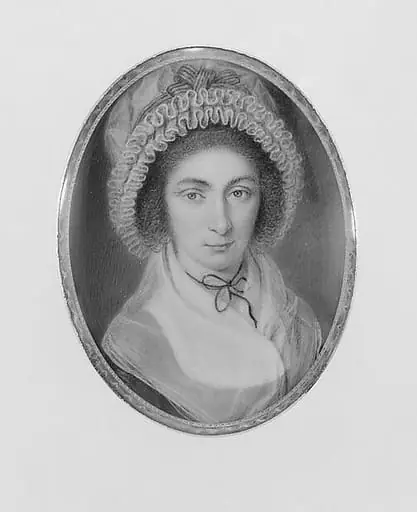
The painting centers on the detailed depiction of a woman's face, her gaze conveying a calm and quiet demeanor that lends an intimate quality to the portrayal. She is shown wearing a hat and a scarf around her neck, elements that frame her features. This focus on the individual's presence, combined with the subdued expression, is characteristic of the period's approach to personal portraiture.
Context
James Peale was the younger sibling of the prominent artist Charles Willson Peale, placing him within an influential artistic family in early America. While his brother was known for grander portraits and establishing institutions, James carved his niche in smaller, more personal works like this miniature. His contribution to American art often encompassed these intimate depictions and detailed still lifes.
Artist & collection

Artist
James Peale (1749 – May 24, 1831) was an American painter, best known for his miniature and still life paintings, and a younger brother of noted painter Charles Willson Peale.